
Critical Thinking Life Science Worksheets for Ages 6-8
4 filtered results
Difficulty Level
Grade
Age
-
From - To
Subject
Activity
Standards
Enhance your child's learning experience with our engaging Critical Thinking Life Science Worksheets designed specifically for ages 6-8. These printable resources encourage young learners to explore fundamental life science concepts while developing essential critical thinking skills. Our worksheets feature vibrant illustrations and interactive activities that promote inquiry and analysis, stimulating curiosity about the natural world. Aligned with educational standards, these worksheets empower children to make observations, organize information, and draw conclusions in a fun, age-appropriate way. Foster a love for science and critical thinking in your classroom or home with our thoughtfully crafted resources. Start cultivating young scientists today!
Favorites
With answer key
Interactive
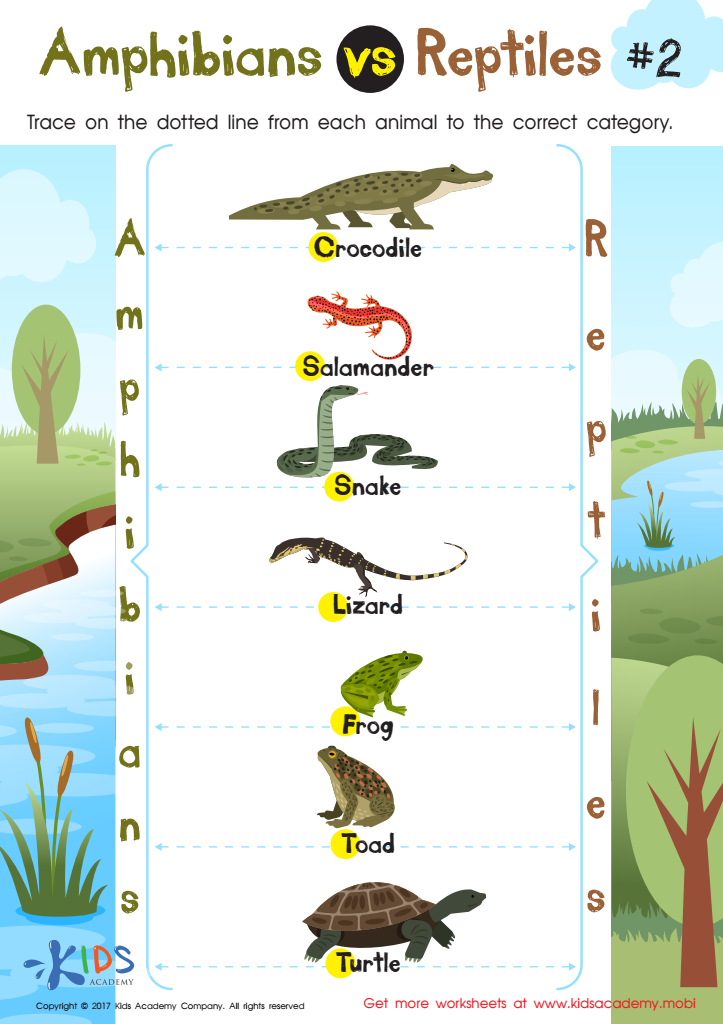
Amphibians vs Reptiles Worksheet for 3rd Grade
Let your 3rd grader challenge themselves and have fun by distinguishing between reptiles and amphibians. With this cool worksheet, they'll explore vivid pictures and learn about these fascinating creatures!
 Assign to My Students
Amphibians vs Reptiles Worksheet for 3rd Grade
Worksheet
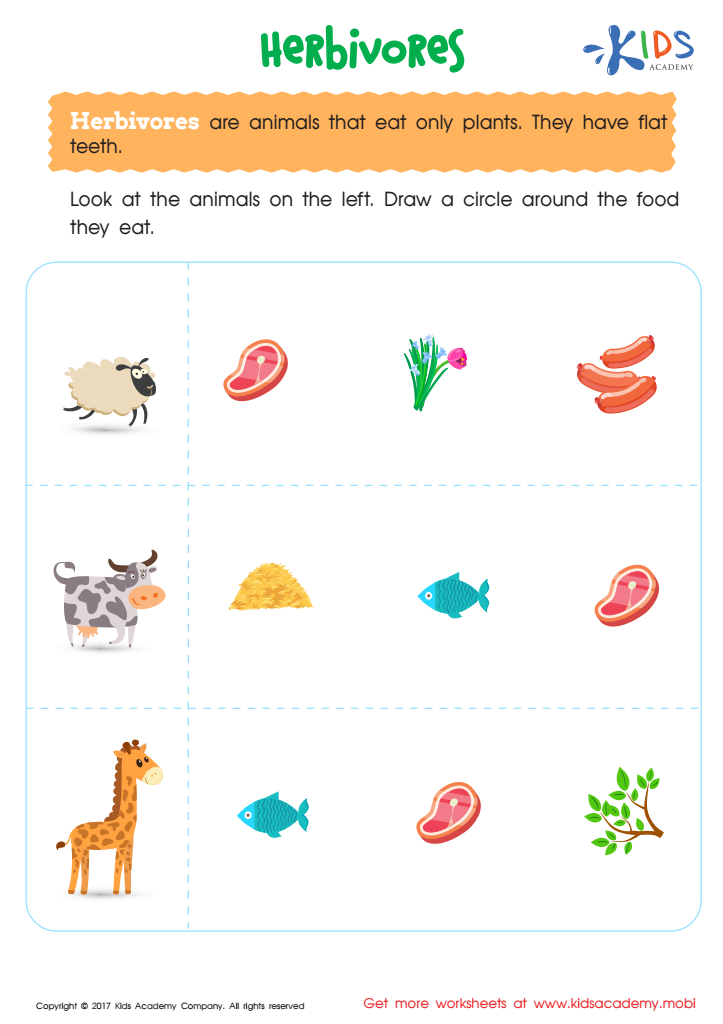
Herbivores Printable
Strengthen their vocab with these fascinating creatures, as they explore an intriguing aspect of beloved animals.
Herbivores Printable
Worksheet
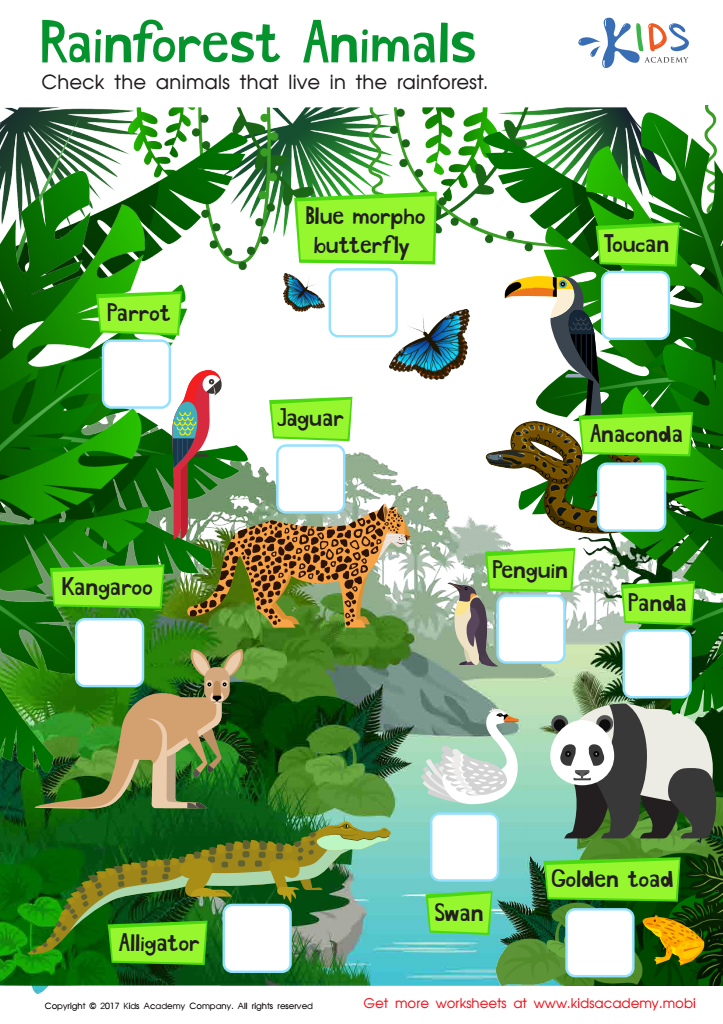
Rainforest Animals Worksheet
Kids love the bright, vivid pics of rainforest animals in this worksheet. It fuels their interest in life science and brings joy to their learning. It encourages them to study these animals in detail.
Rainforest Animals Worksheet
Worksheet
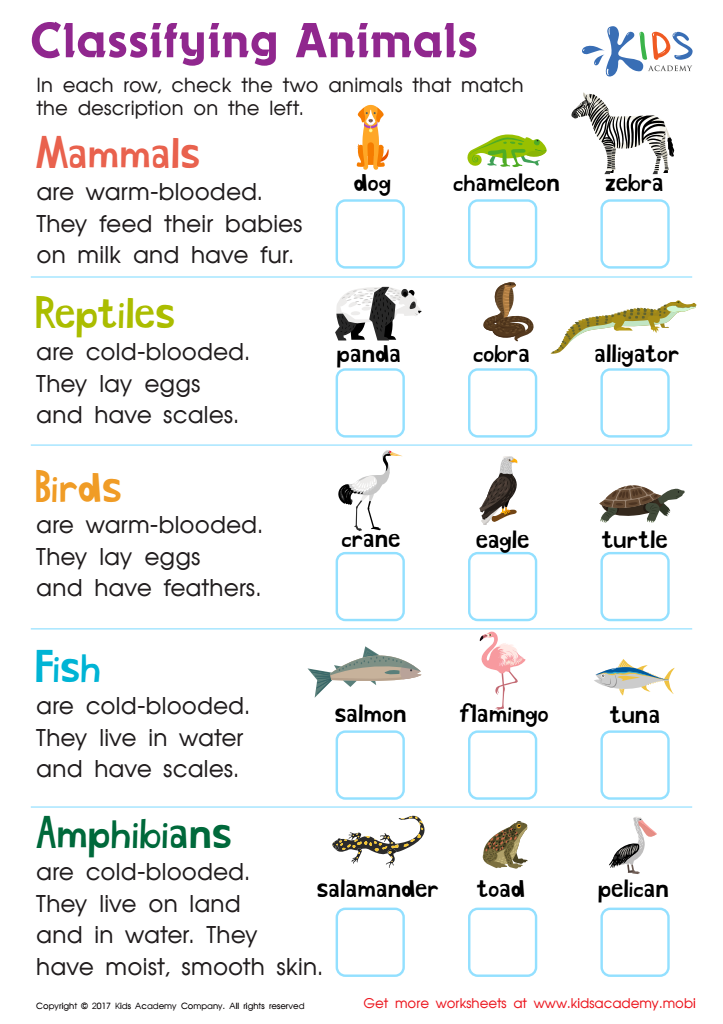
Classifying Animals Worksheet
Print the 2nd grade animal classification worksheet and help kids study the differences between mammals, reptiles, birds, fish and amphibians. Let them pick two examples from the options given.
Classifying Animals Worksheet
Worksheet
Join Kids Academy for Free
Who is primarily going to use this learning content?





%20(1).jpg)

Critical thinking in life science for children ages 6-8 is essential for nurturing inquisitive, confident learners who can understand the world around them. At this age, children's natural curiosity drives them to explore concepts related to living organisms and ecosystems. By encouraging critical thinking in life science, parents and teachers empower children to ask questions, make observations, and draw conclusions based on evidence, fostering a scientific mindset.
Emphasizing critical thinking helps students develop problem-solving skills and encourages them to explore topics thoroughly and creatively. Understanding life science concepts allows children to appreciate biodiversity, ecosystems, and their role in preserving the environment, fostering a sense of responsibility and stewardship for the planet.
Furthermore, cultivating critical thinking prepares children for future academic and life challenges. It enhances their ability to collaborate, communicate, and think independently, skills necessary in an increasingly complex world. By engaging young learners in life science through critical thinking, educators and parents set the foundation for lifelong learning, resilience, and informed decision-making.
In summary, supporting critical thinking in life science is vital, as it enriches children's educational experiences, equips them with essential skills, and helps them develop a greater appreciation for their environment.








