Analyzing data Our Planet and Environment Worksheets for Ages 6-8
5 filtered results
-
From - To
Discover our engaging "Analyzing Data: Our Planet and Environment Worksheets" designed specifically for children ages 6-8. These interactive worksheets encourage young learners to explore essential concepts related to our environment while developing important analytical skills. Kids will dive into data interpretation, trend analysis, and comparison exercises tailored to foster curiosity about Earth's ecosystems and the impact of human activity. Our colorful and age-appropriate activities make learning fun and accessible, helping children form connections between their everyday experiences and environmental science. Perfect for classroom or homeschooling, these worksheets provide valuable practice that nurtures critical thinking and data literacy in a spirited and enjoyable way.
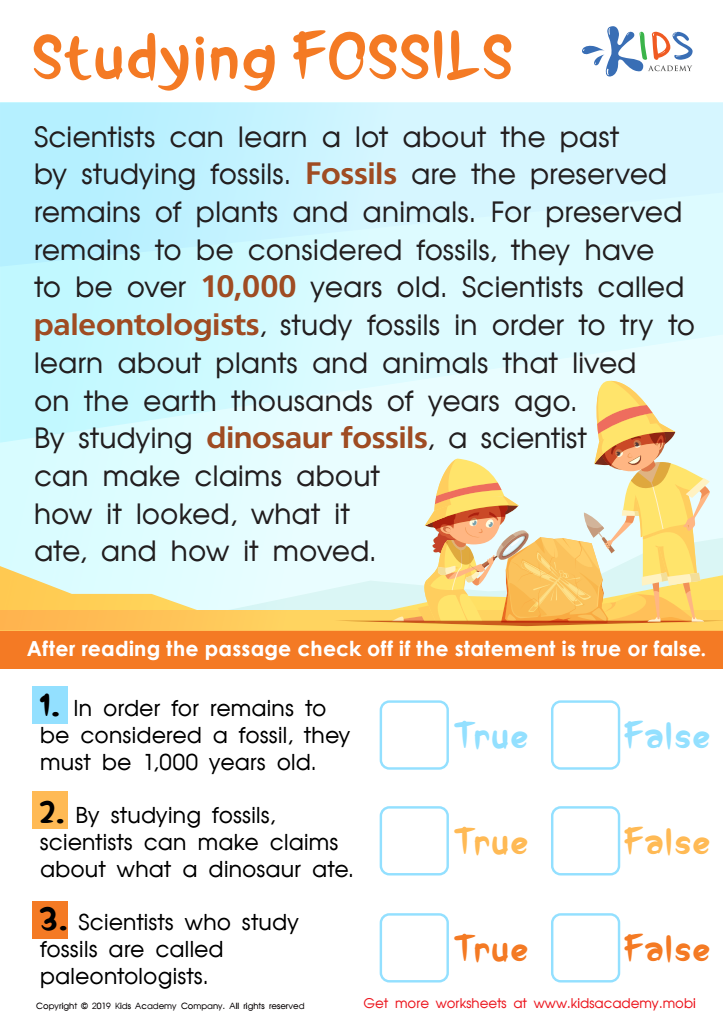
Studying Fossils Worksheet
 Assign to My Students
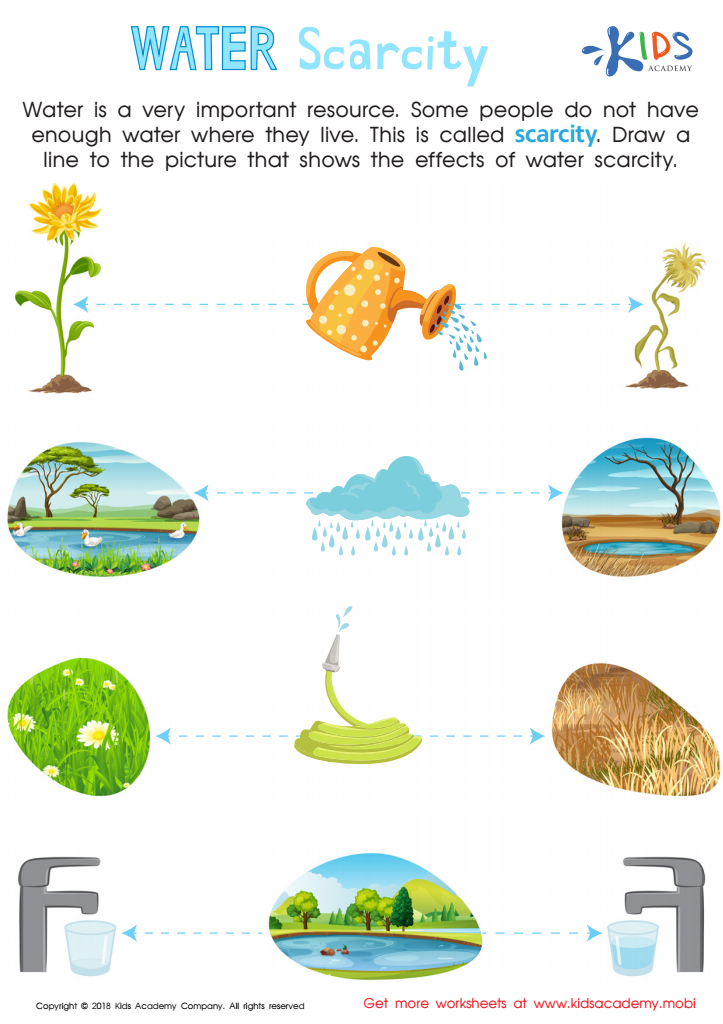
Water Scarcity Worksheet
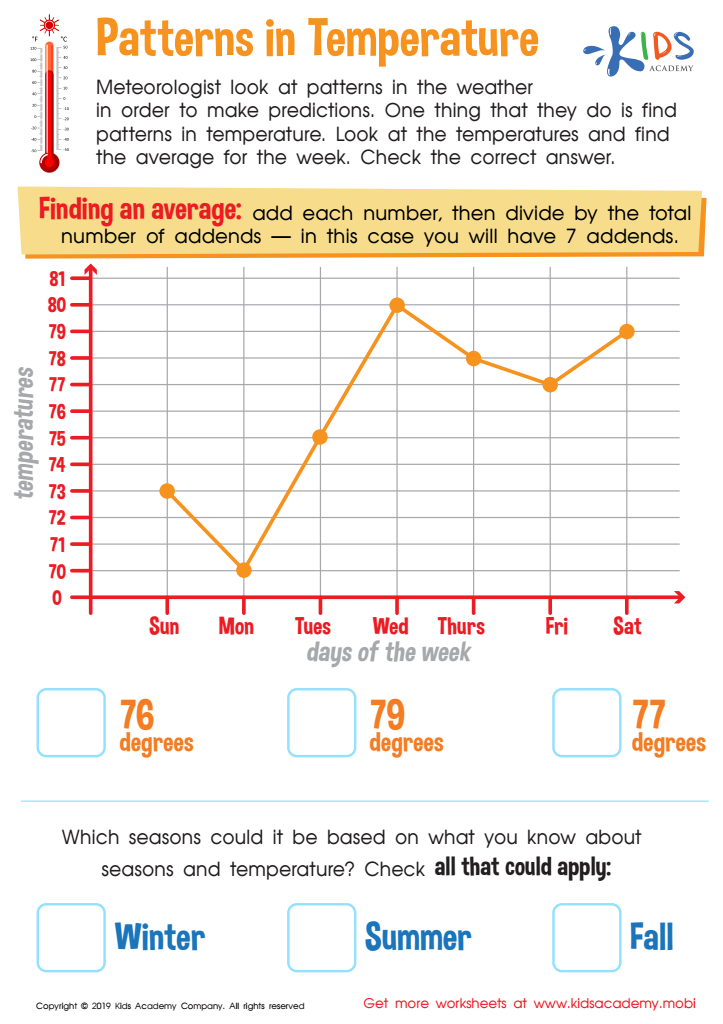
Patterns in Temperature Worksheet
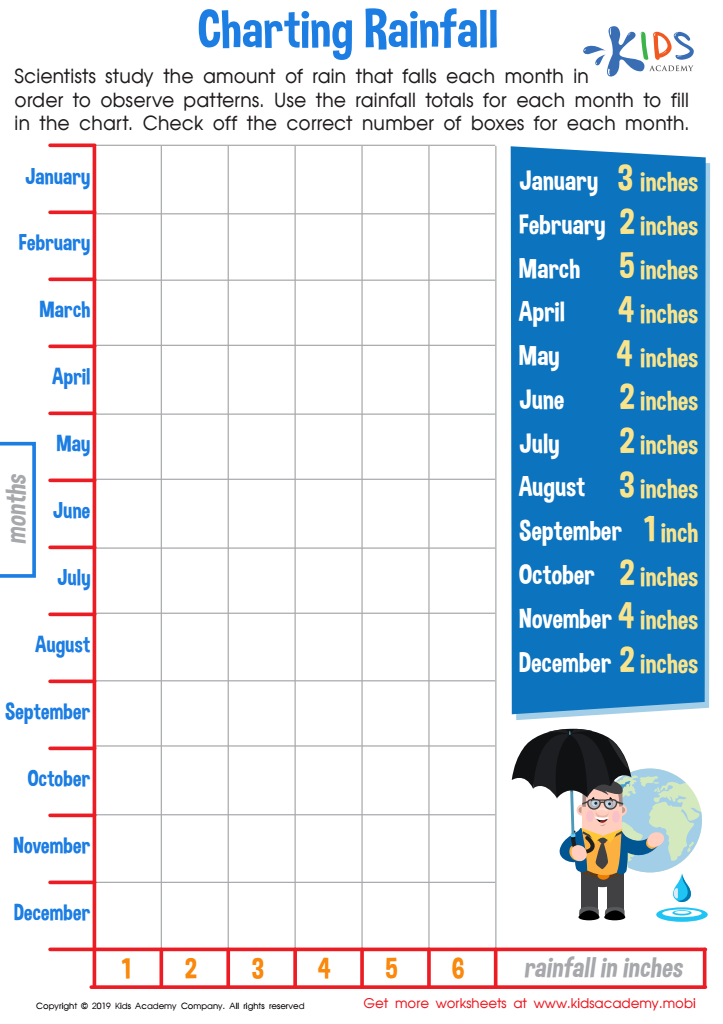
Charting Rainfall Worksheet
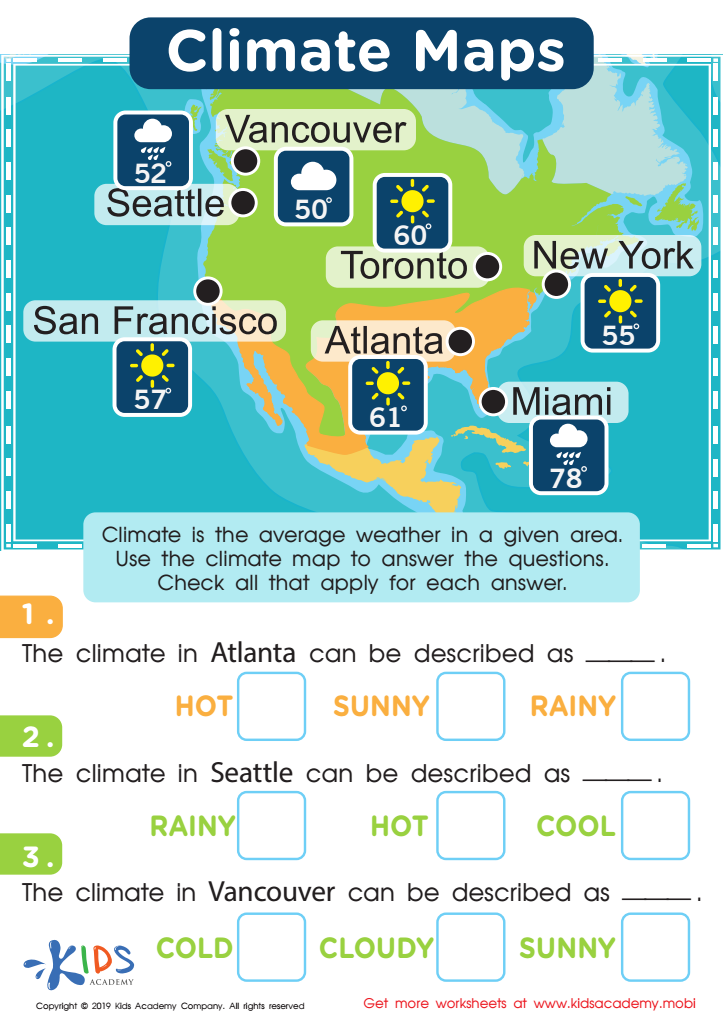
Climate Maps Worksheet






Parents and teachers should prioritize analyzing data about our planet and environment for children ages 6-8 because it cultivates critical thinking, environmental awareness, and responsibility at an early age. At this developmental stage, kids are naturally curious and receptive to learning about the world around them. By integrating data analysis into lessons about the environment, educators can help children understand the real-world implications of climate change, pollution, and conservation efforts.
Analyzing data provides a tangible way for young learners to grasp complex concepts, such as ecosystems, weather patterns, and human impact on the environment. It encourages them to ask questions, draw conclusions, and develop problem-solving skills. For example, children can interpret simple graphs showing recycling rates or trash levels in their community, allowing them to connect how individual actions contribute to broader environmental issues.
Furthermore, fostering environmental literacy at a young age can inspire a sense of stewardship, motivating children to make positive choices for the planet. As they grow and transition into adulthood, these foundational skills and values will empower them to advocate for sustainable practices and choose environmentally friendly behaviors, leading to a healthier planet for future generations. Thus, an early emphasis on analytical skills regarding our environment will reap long-term benefits.







