Critical Thinking Physical Science Worksheets for Ages 6-8
3 filtered results
-
From - To
Unlock your child's potential with our Critical Thinking Physical Science Worksheets for Ages 6-8. Designed to ignite curiosity and foster a love for science, these worksheets encourage young learners to explore and understand physical science concepts through engaging activities. Each worksheet is crafted to develop essential critical thinking skills, guiding children to observe, analyze, and draw conclusions about the world around them. Ideal for classroom use or at-home learning, these printable resources provide fun, interactive ways to make learning science an exciting adventure. Support your child's educational journey and build a strong foundation in critical thinking with these expertly designed worksheets.
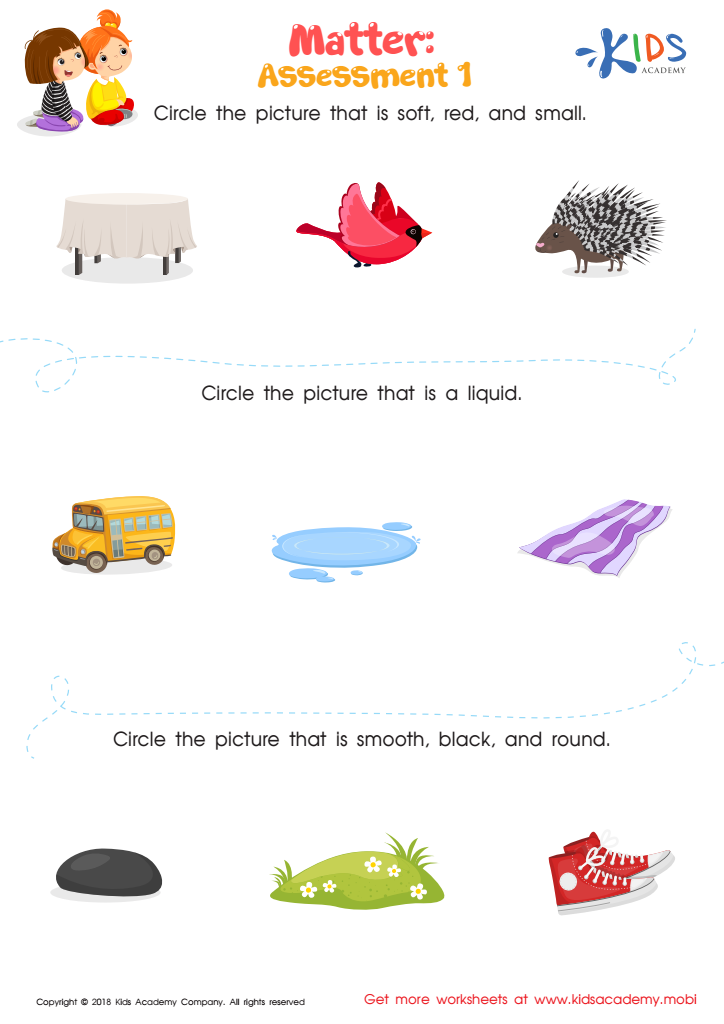
Matter: Assessment 1 Worksheet
 Assign to My Students
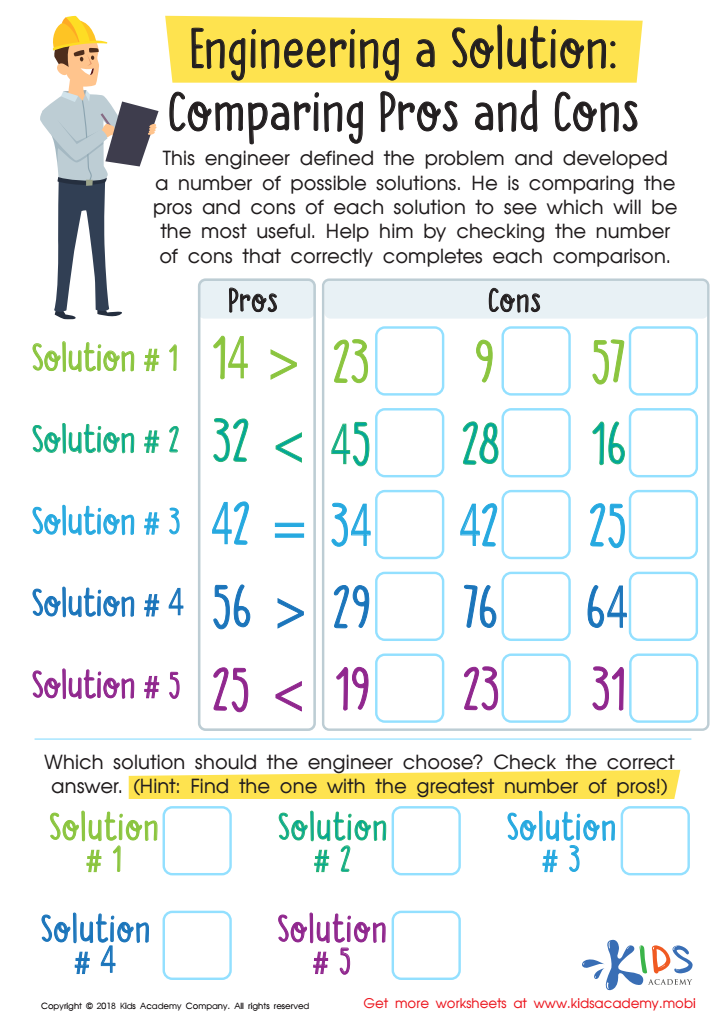
Engineering a Solution: Comparing Pros and Cons Worksheet
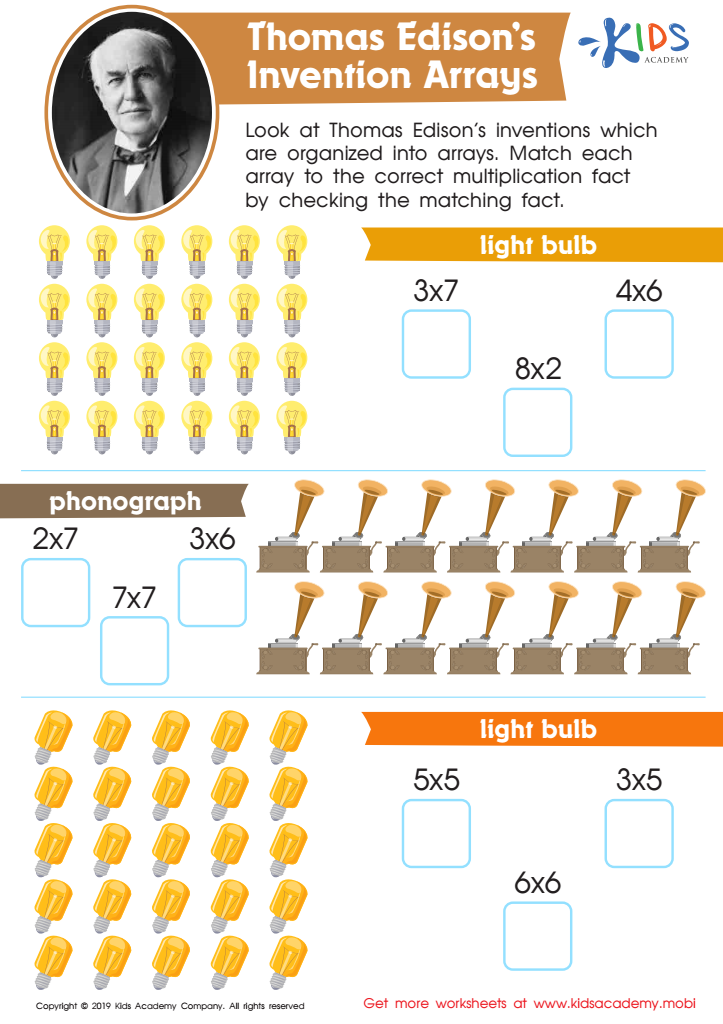
Thomas Edison’s Invention Arrays Worksheet






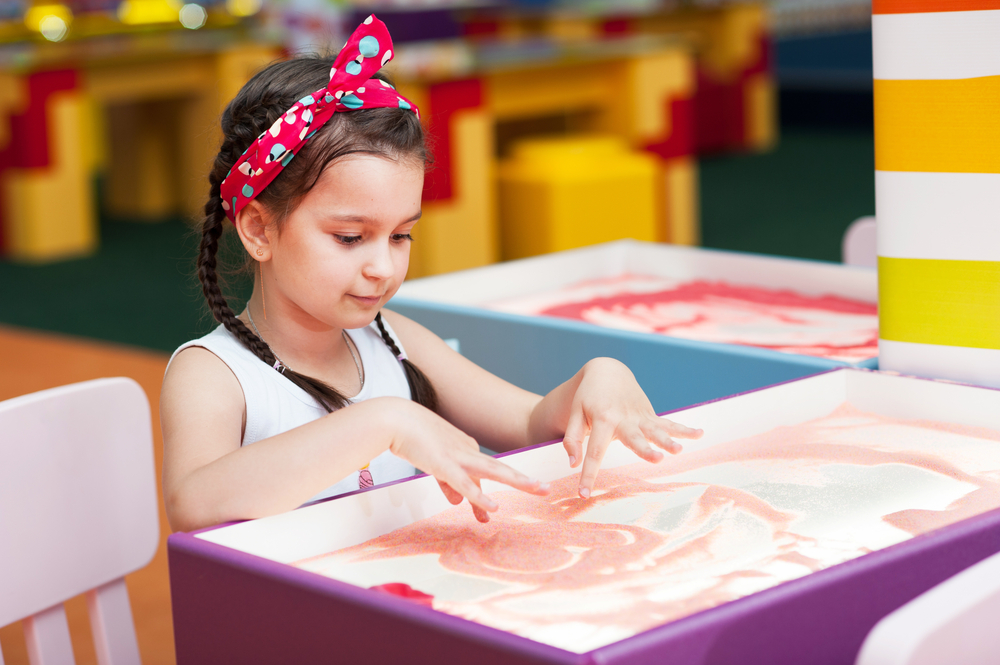

Parents and teachers should care deeply about Critical Thinking Physical Science for ages 6-8 because it nurtures a foundational set of skills that are essential for lifelong learning. At this age, children are incredibly curious and full of questions about the world around them. Engaging them in physical science taps into this natural curiosity and encourages them to ask questions, make observations, and think analytically. These activities help develop critical thinking skills, such as problem-solving, reasoning, and logical thinking, which are essential across all areas of learning and daily life.
Exposure to physical science at an early age sparks an interest in scientific concepts and principles, setting the groundwork for future educational success in STEM fields—science, technology, engineering, and mathematics. This early exposure also builds confidence and competence in dealing with complex topics, making children more open and less fearful of tackling new and challenging subjects as they grow older.
Furthermore, hands-on experiments and explorations enhance sensory experiences and engage multiple modes of learning, which helps cater to various learning styles. Parents and teachers who prioritize critical thinking in physical science contribute to building well-rounded, inquisitive, and resilient learners who are prepared to face an increasingly complex and interconnected world with confidence and curiosity. By investing in these skills early, we lay the groundwork for a more innovative, informed, and responsible future generation.







