Enhancing observation skills Plants and Animals Worksheets for Ages 6-8
5 filtered results
Difficulty Level
Grade
Age
-
From - To
Subject
Activity
Standards
Enhance your child's observation skills with our engaging Plants and Animals Worksheets designed for ages 6-8! These worksheets offer a fun and interactive way for young learners to explore the fascinating world of flora and fauna. Through various activities, including drawing, labeling, and comparing, children will develop critical observation abilities that support scientific inquiry. Each worksheet encourages curiosity and encourages discussion about different plant and animal characteristics. Perfect for home or classroom use, our resources help foster a love for nature while building essential skills. Discover the joy of learning about the environment with our thoughtfully curated worksheets today!
Favorites
With answer key
Interactive
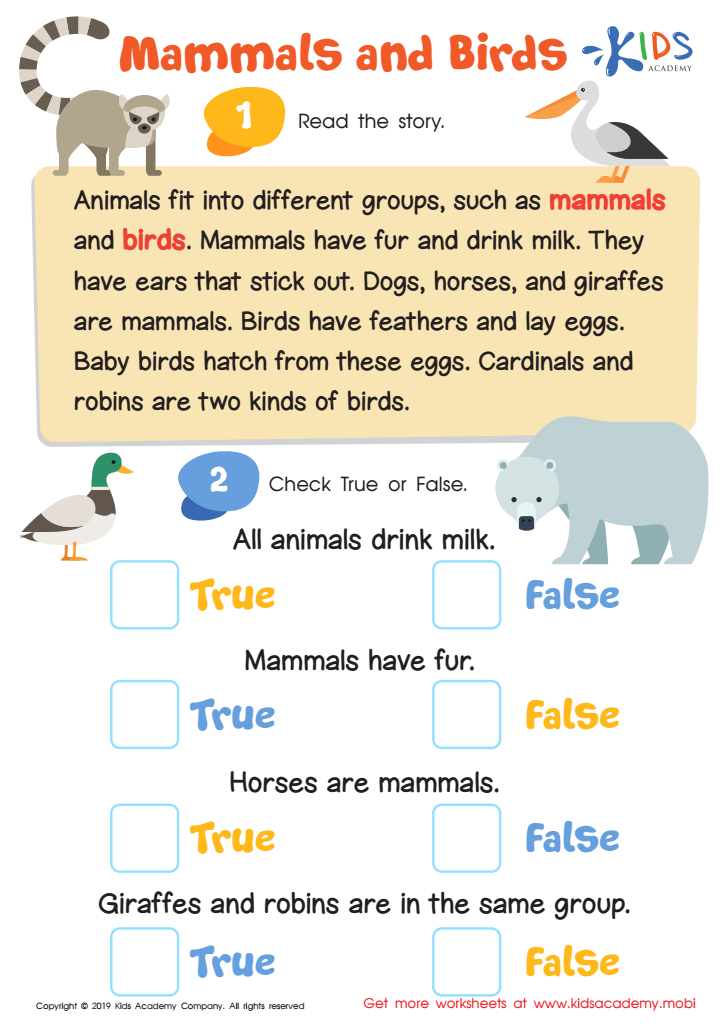
Mammals and Birds Worksheet
This worksheet challenges kids to read an informational text and review science facts about mammals and birds. Have them read the passage then mark statements true or false. Remind them to go back to the text if they get stuck! Get started now and help your child enhance multiple skills in one go!
 Assign to My Students
Mammals and Birds Worksheet
Worksheet
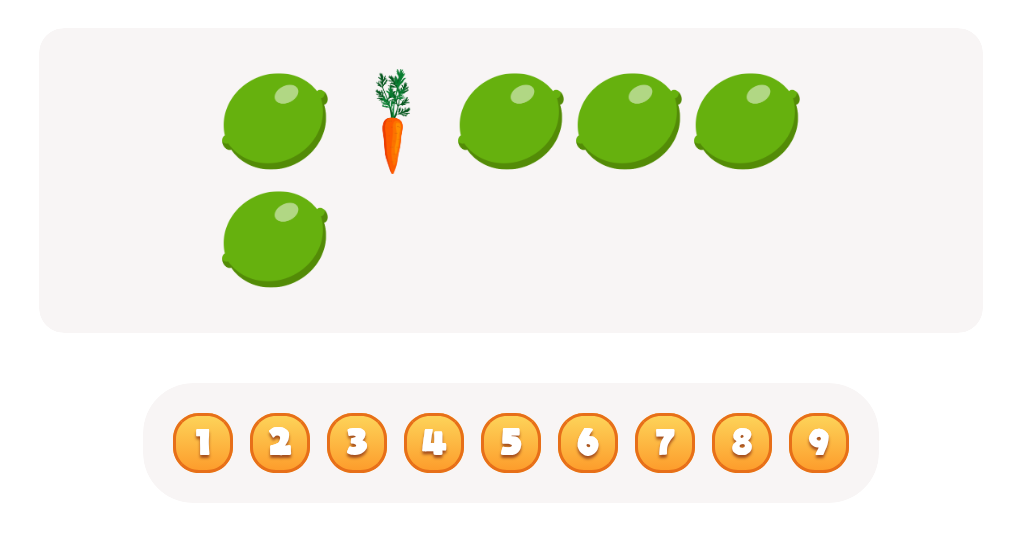

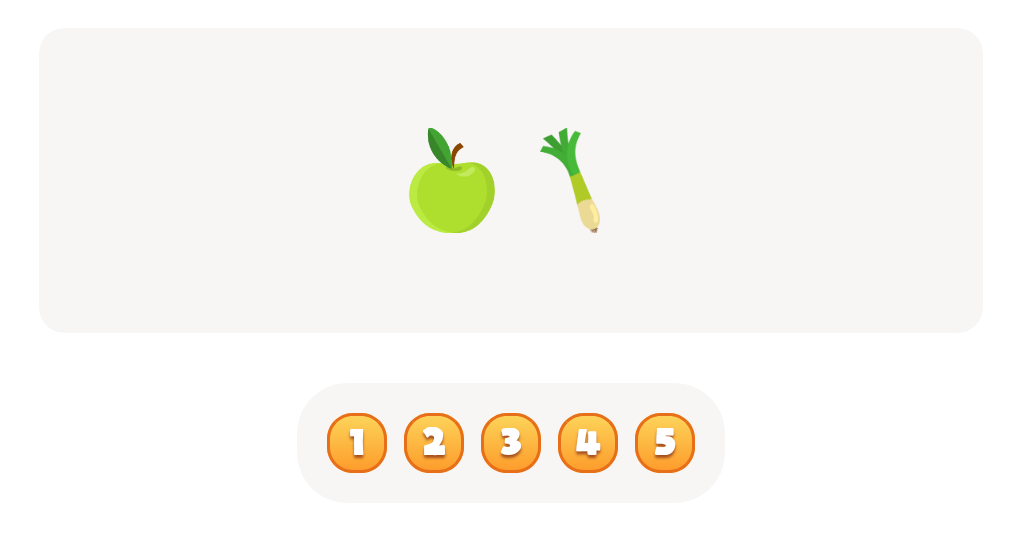
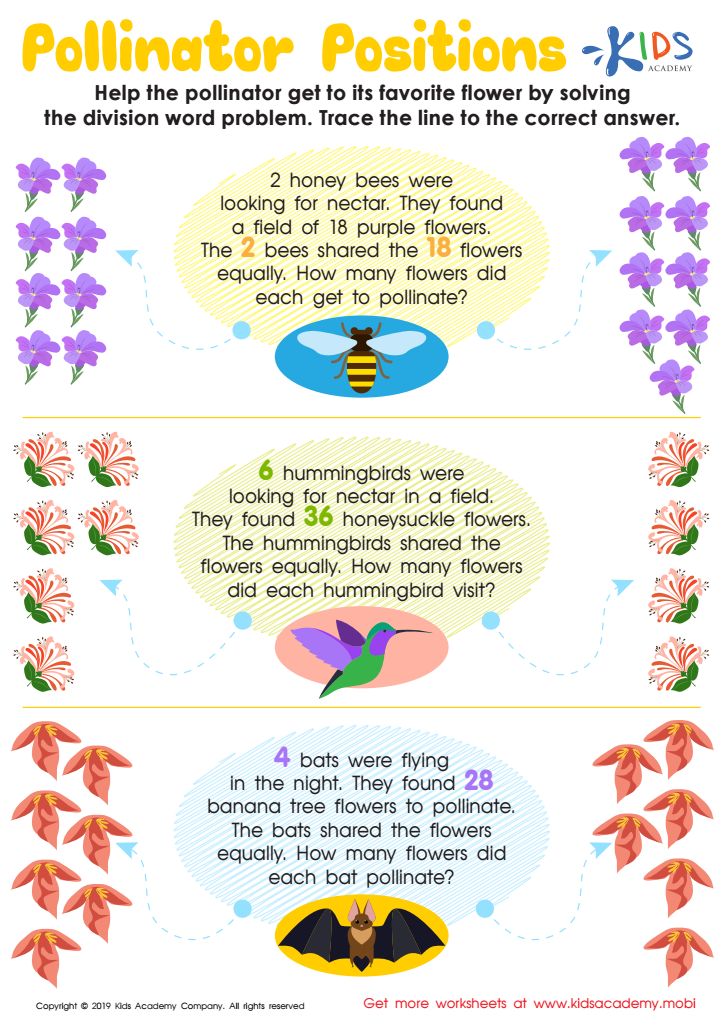
Pollinator Positions Worksheet
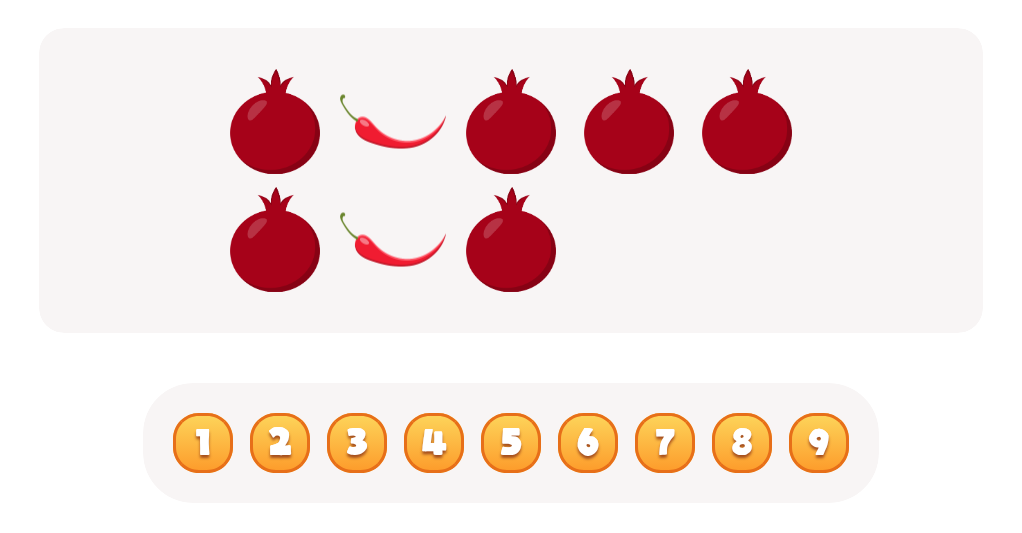
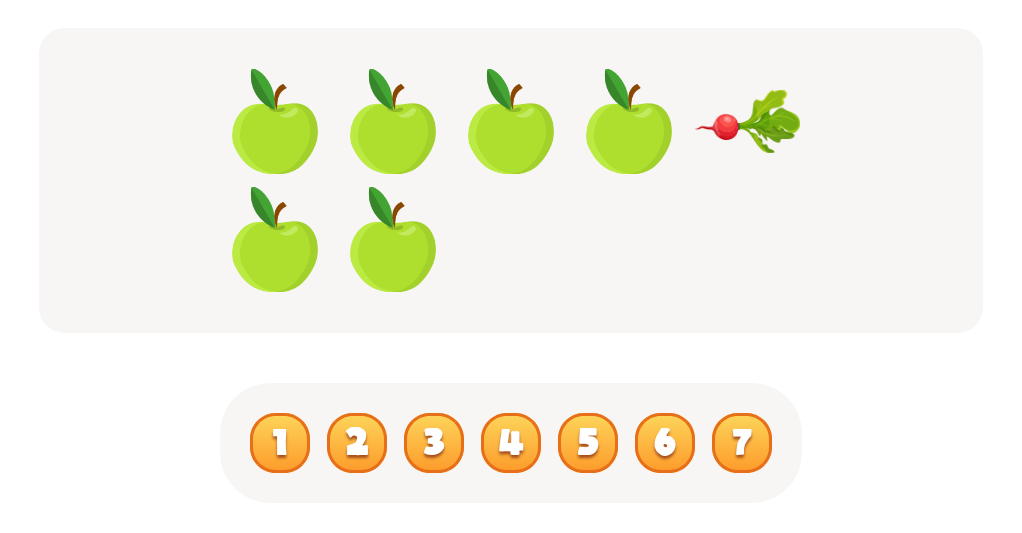
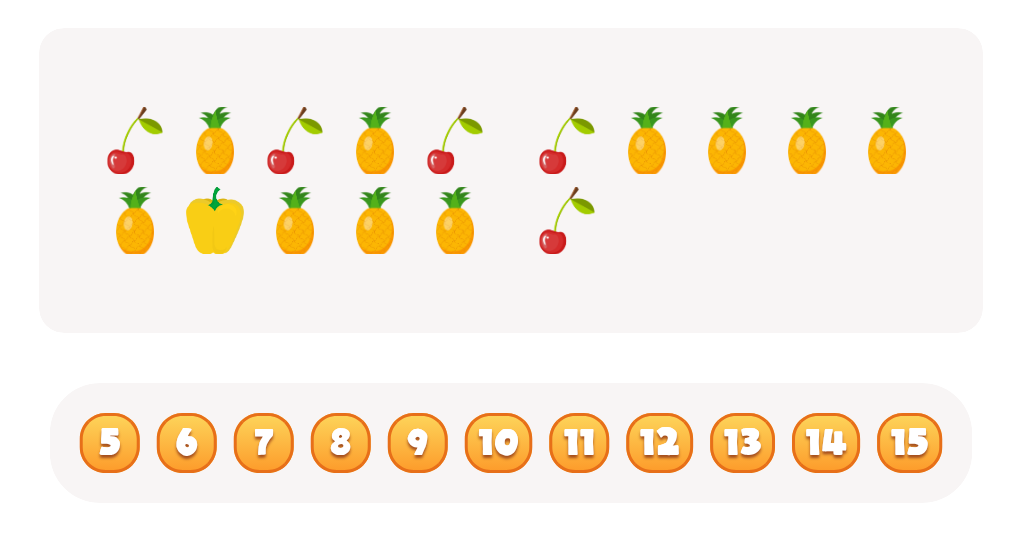
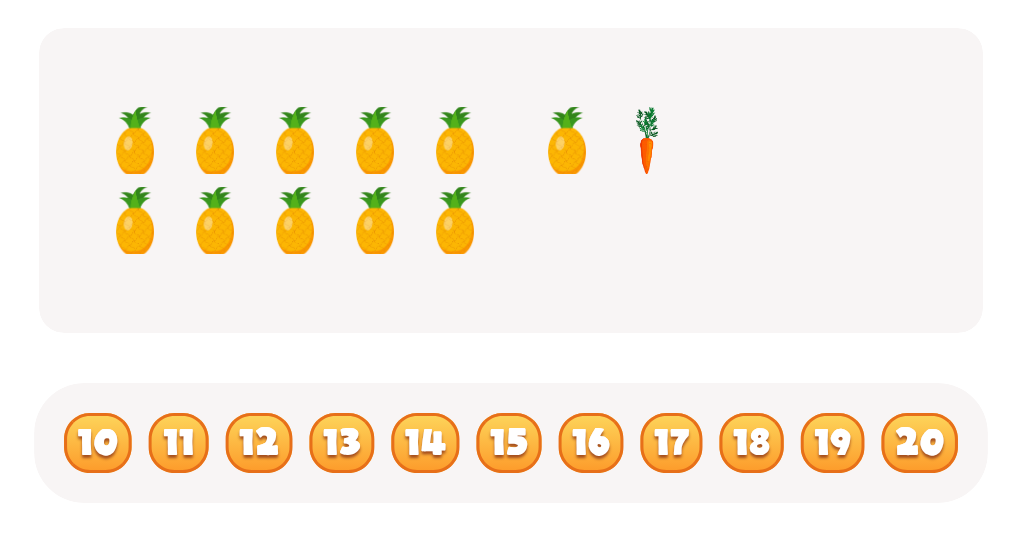
Kids will love learning about pollinators and how vital they are. Help their favorite friends get to the right flowers with this fun PDF. Children can solve the problems without even knowing they're doing division; just read the word problems and use the highlighted numbers. Finish by tracing the lines to the correct quotient!
Pollinator Positions Worksheet
Worksheet
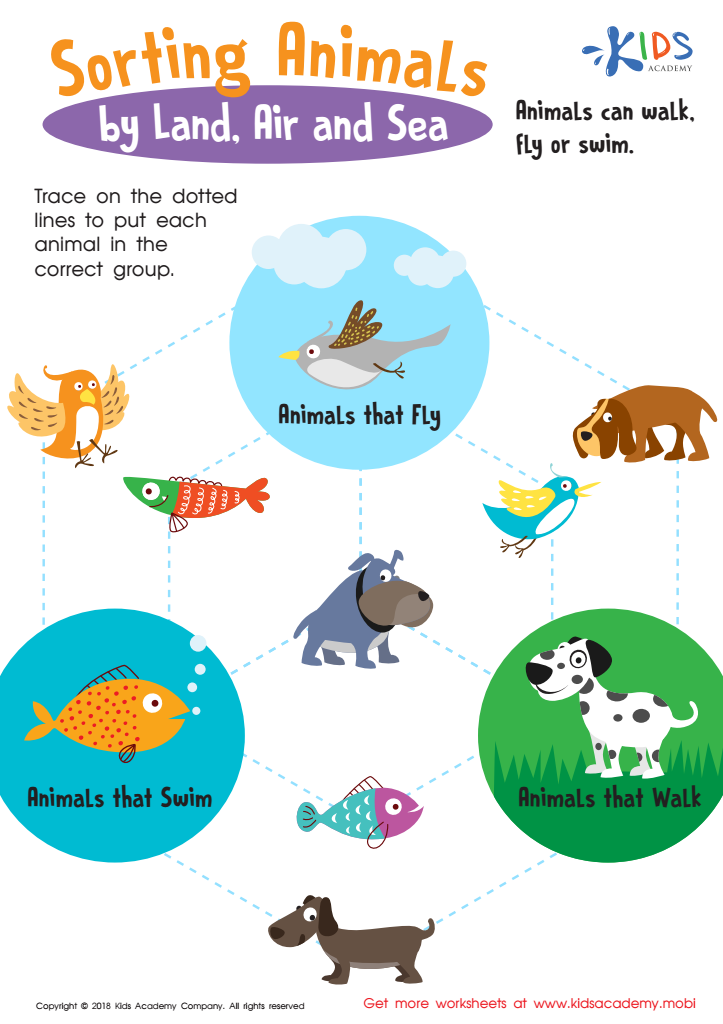
Sorting Animals by Land, Air and Sea Worksheet
Kids will use critical thinking and fine motor skills with this worksheet! They'll analyze animal traits and draw lines to sort them into groups of those that fly, swim, or walk. It's a fun way to hone skills and have a great time!
Sorting Animals by Land, Air and Sea Worksheet
Worksheet
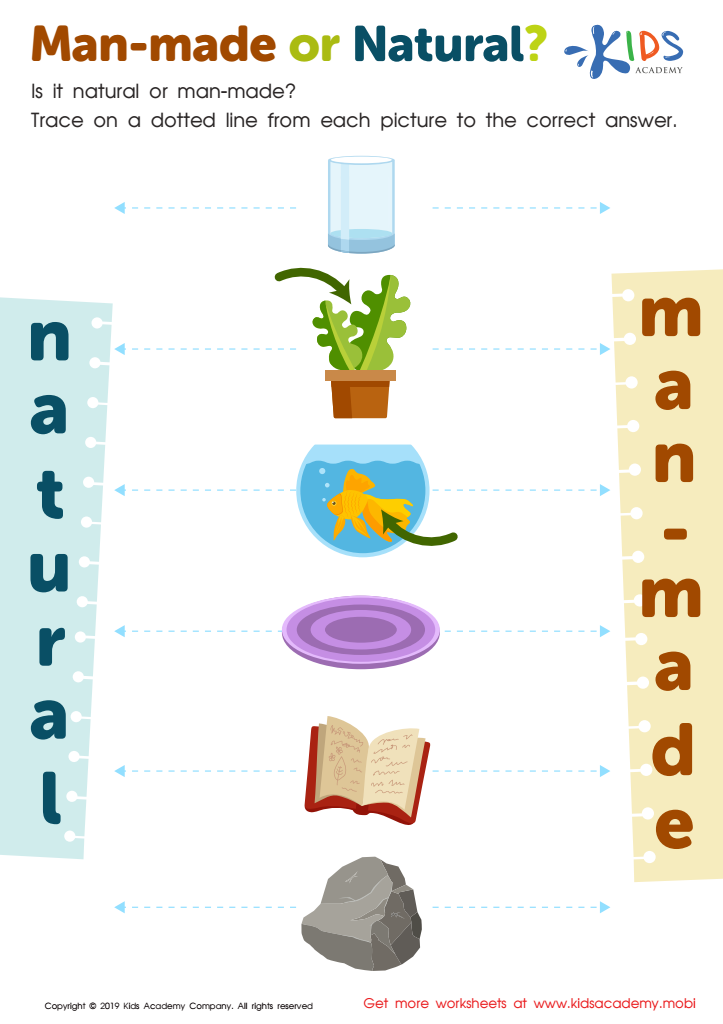
Man-Made or Natural? Worksheet
Ask your students to name natural and man-made objects. Check the worksheet to help them identify the objects, then trace the dotted line to determine if it's natural or man-made.
Man-Made or Natural? Worksheet
Worksheet
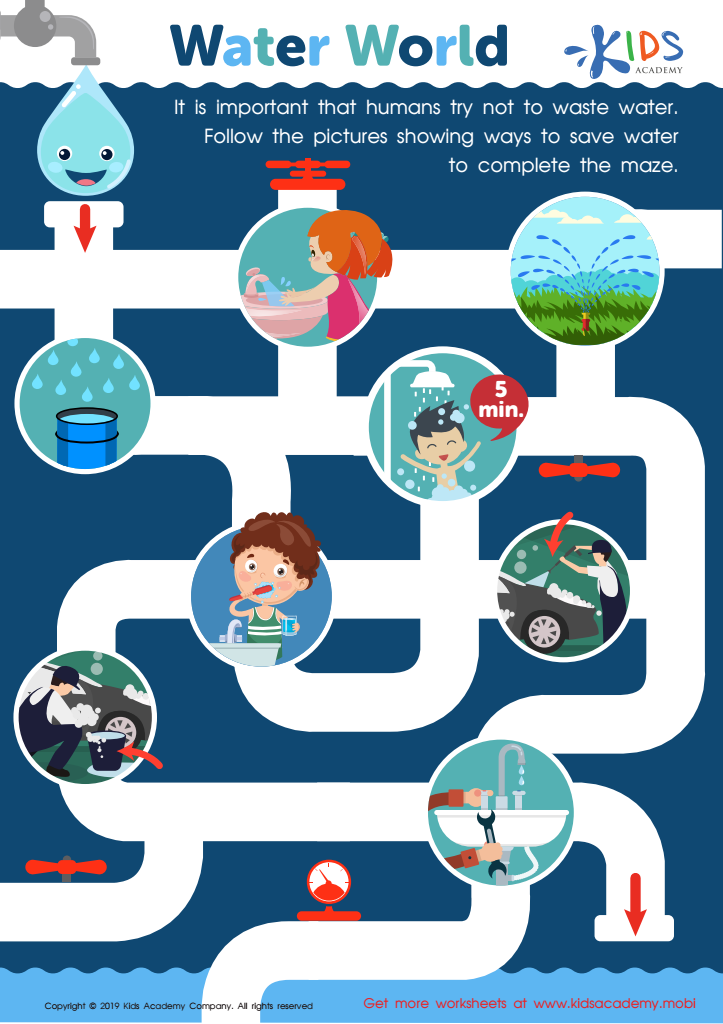
Water World Worksheet
Water is a vital necessity for living. Our bodies depend on it to stay healthy and survive. When we don't drink enough water, we become thirsty and run the risk of getting sick. Luckily, our planet is full of water and natural sources to stay hydrated. To prevent water waste, use this worksheet to teach your students how to conserve it and complete the maze.
Water World Worksheet
Worksheet
Join Kids Academy for Free
Who is primarily going to use this learning content?



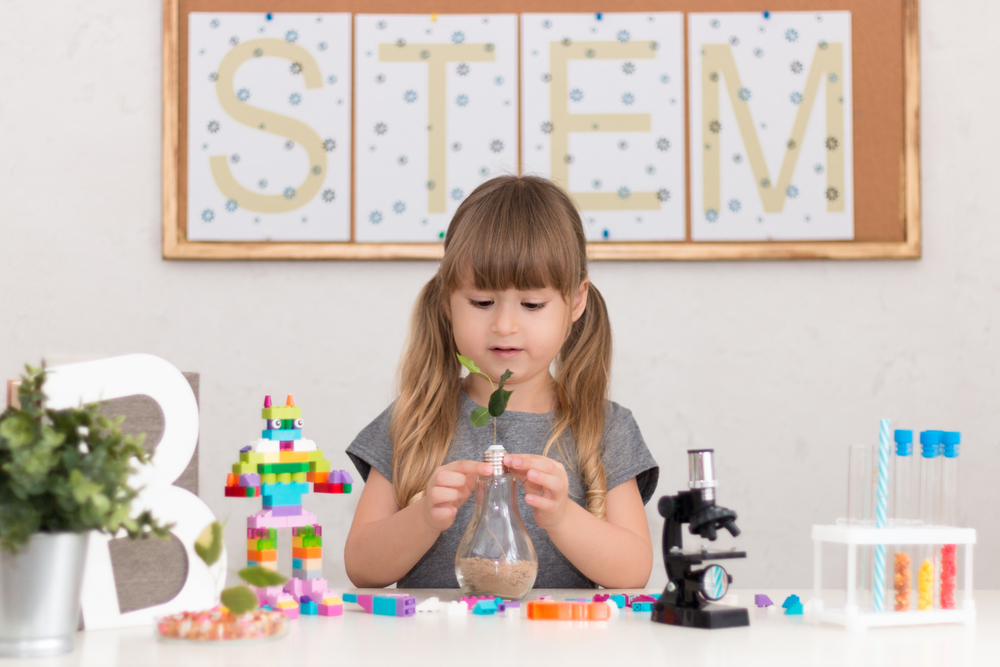



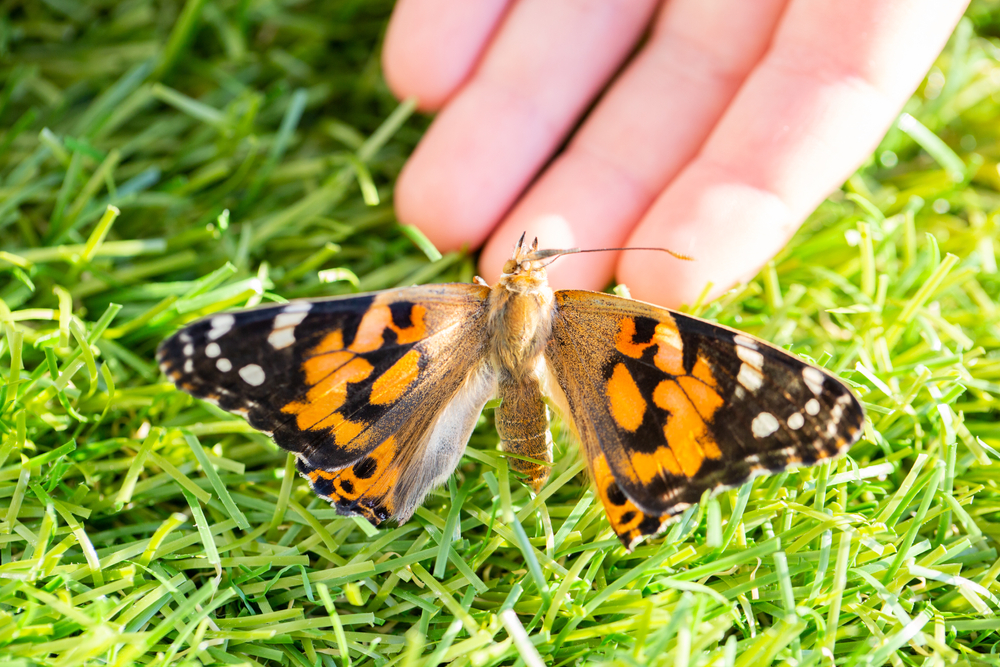
Enhancing observation skills in young children, especially in the context of plants and animals, is crucial for their overall development and understanding of the world around them. For ages 6-8, children's innate curiosity about nature can be leveraged to cultivate keen observational skills, fostering a sense of wonder and inquiry. This not only enriches their scientific understanding but also promotes critical thinking and problem-solving abilities.
Teachers and parents should prioritize observational learning because it helps children appreciate biodiversity, recognize patterns, and understand ecosystems. By observing plants and animals in their natural settings, children develop sensory skills, learning to notice details such as colors, shapes, and behaviors, which enhances their descriptive language and cognitive abilities. Furthermore, this engagement encourages environmental stewardship, as children become more aware of the importance of biodiversity and conservation.
Additionally, observation fosters patience and persistence, teaching children to be thorough and mindful in their investigation of the world. When educators and parents emphasize these skills, they create a foundation for future scientific learning and a lifelong love of nature, ultimately empowering children to become informed citizens who care about their environment. In light of these benefits, cultivating observation skills is essential in today’s interconnected world.