
Observation skills Plants and Animals Worksheets for Ages 6-8
3 filtered results
Difficulty Level
Grade
Age
-
From - To
Subject
Activity
Standards
Enhance curiosity and learning with our "Observation Skills: Plants and Animals Worksheets" designed for children ages 6-8. These engaging worksheets promote critical thinking and keen observation through fun activities. Kids will explore the fascinating world of plants and animals, sharpen their observational skills, and develop a greater appreciation for nature. With vibrant illustrations and easy-to-follow instructions, these worksheets make science accessible and exciting for young learners. Ideal for classroom or home use, they're perfect for fostering discussion, encouraging exploration, and inspiring budding scientists. Dive into hands-on learning and watch your child’s understanding of their environment flourish!
Favorites
With answer key
Interactive
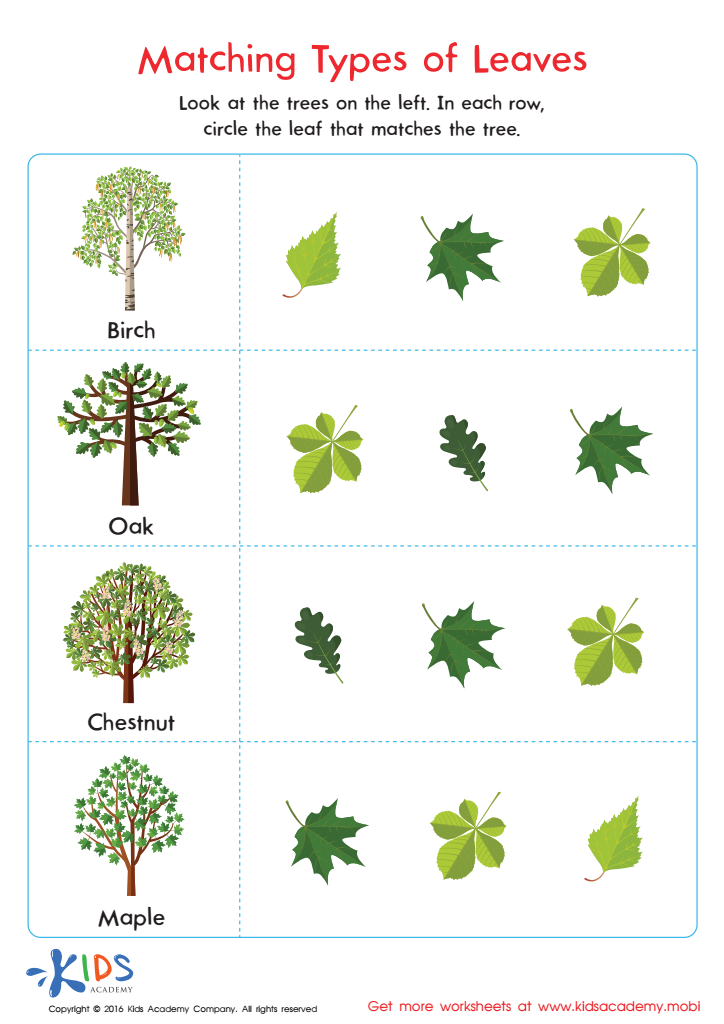
Matching Types of Leaves Printable
Trees are beautiful and essential to life. Show your child the joy of learning about them with this leaf worksheet. It teaches tree identification and encourages observing nature. Expand the learning with additional activities about trees!
 Assign to My Students
Matching Types of Leaves Printable
Worksheet
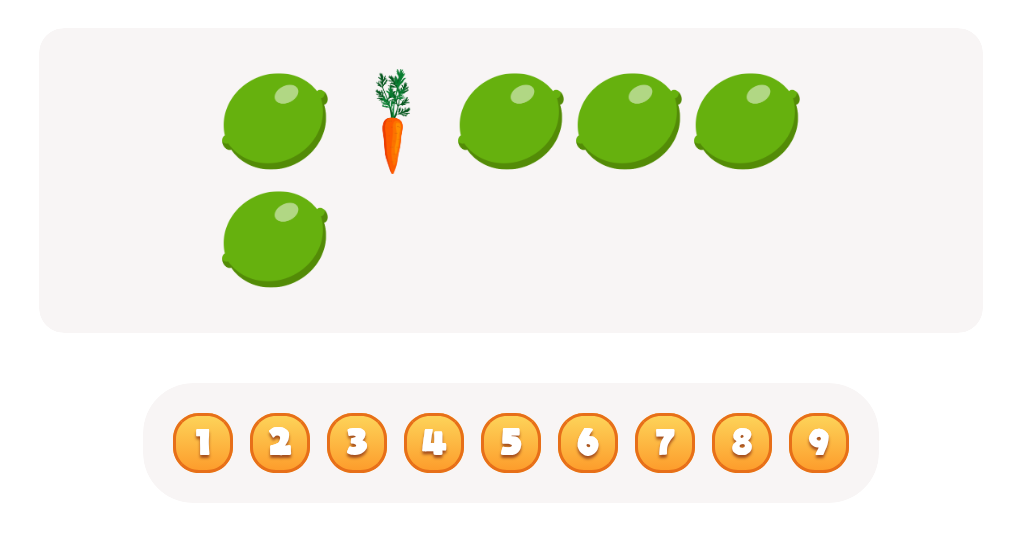

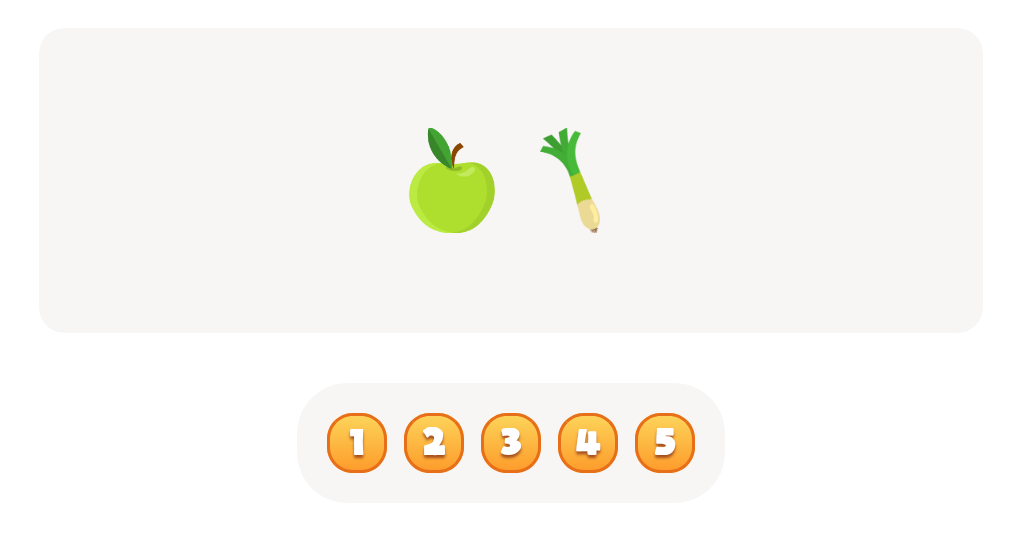
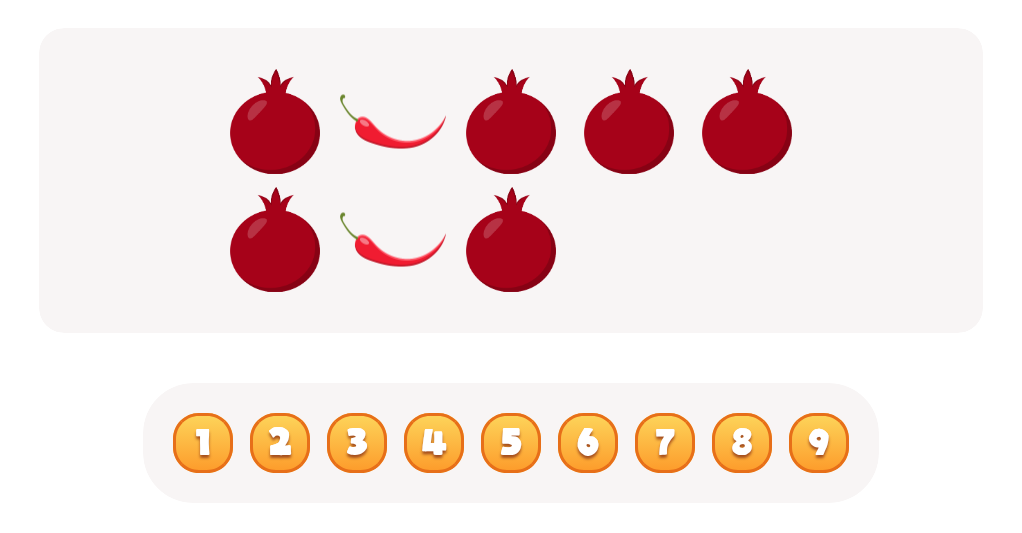
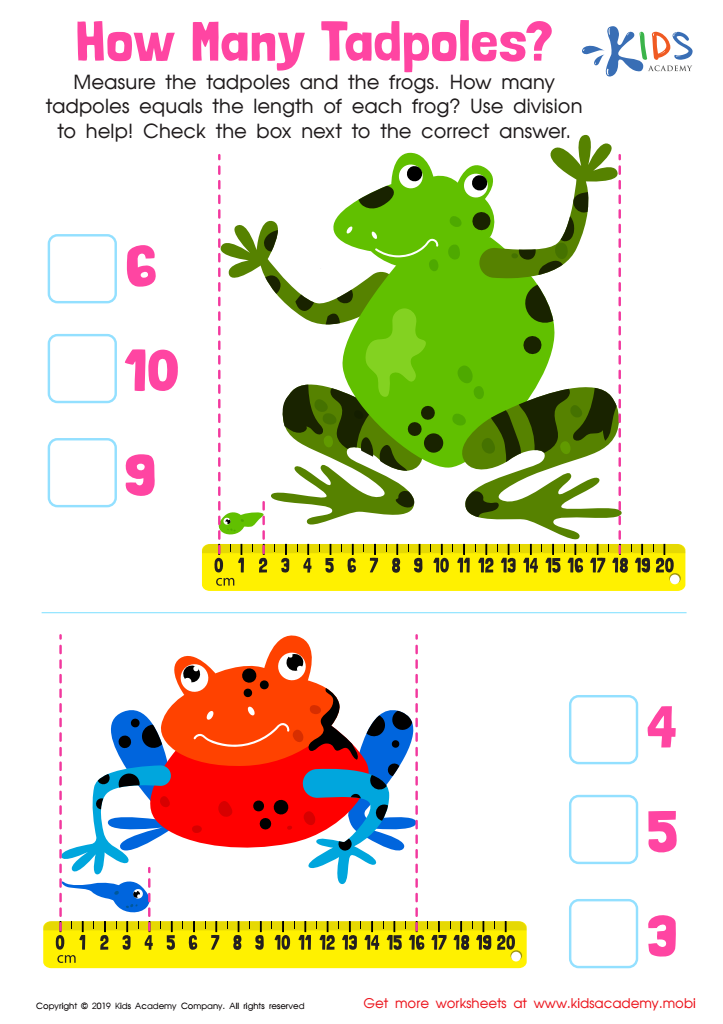
How Many Tadpoles Worksheet
Kids love tadpoles! They'll have fun using them to work out the measurements of their frog friends. By dividing the length of the frogs by the length of the tadpoles, children can deduce how many tadpoles it takes to equal a frog. With the use of 'how many' and 'each' they'll solve math problems without realizing it!
How Many Tadpoles Worksheet
Worksheet
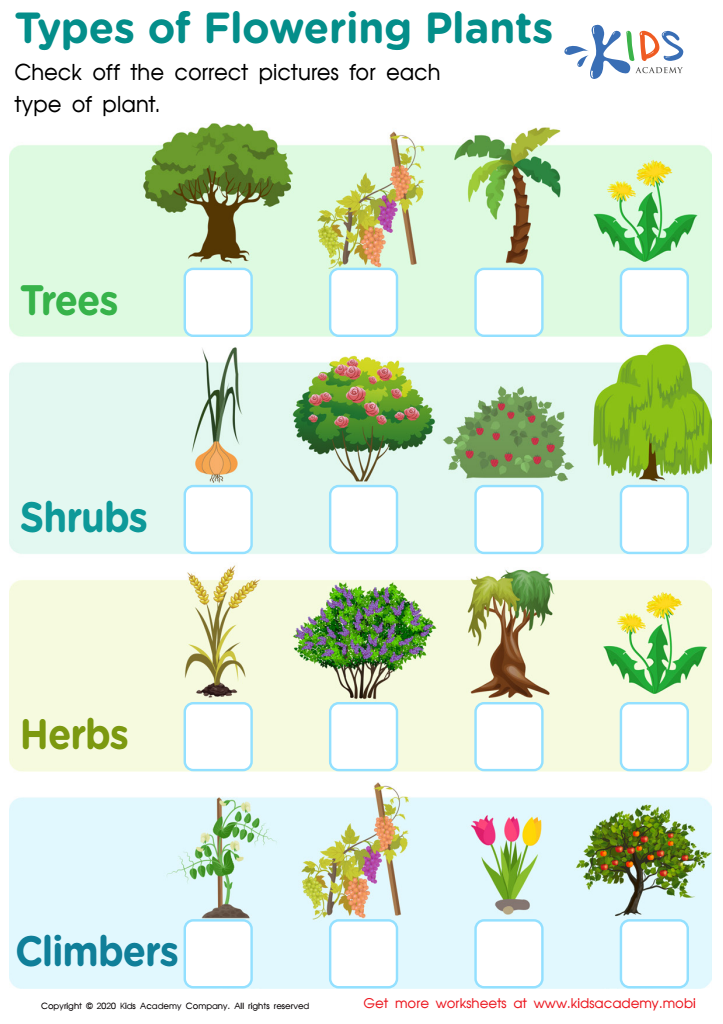
Types of Flowering Plants Worksheet
Help kids explore the variety of plants around them! Have them discover trees, shrubs, herbs, and vines with this fun science worksheet. Print it and let them match the plant pictures to their correct names. It's an exciting learning experience that'll let them check off the right images and explore the botanical world.
Types of Flowering Plants Worksheet
Worksheet
Join Kids Academy for Free
Who is primarily going to use this learning content?


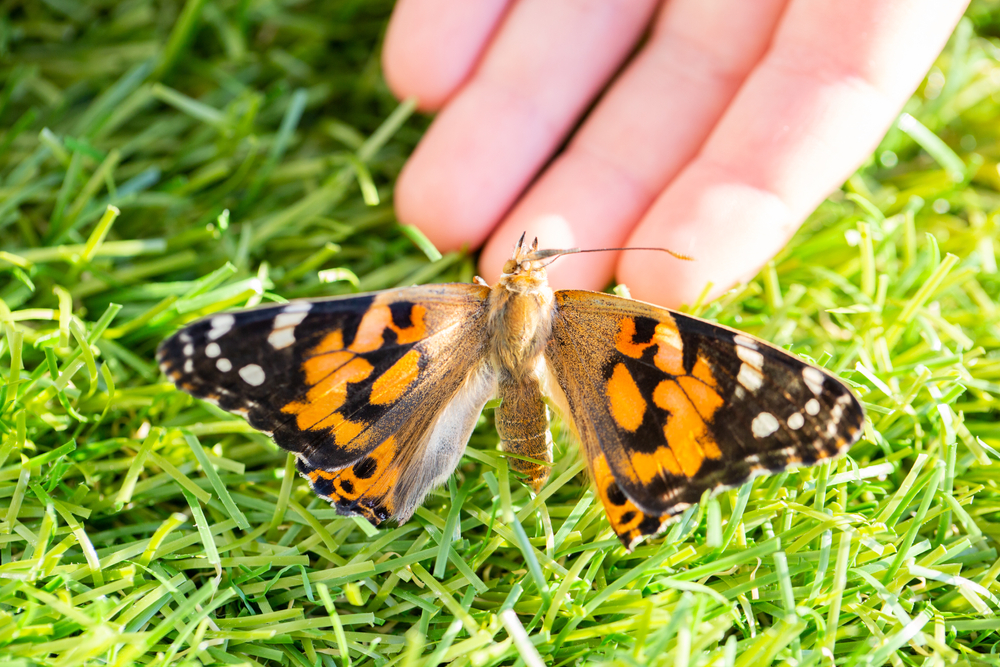

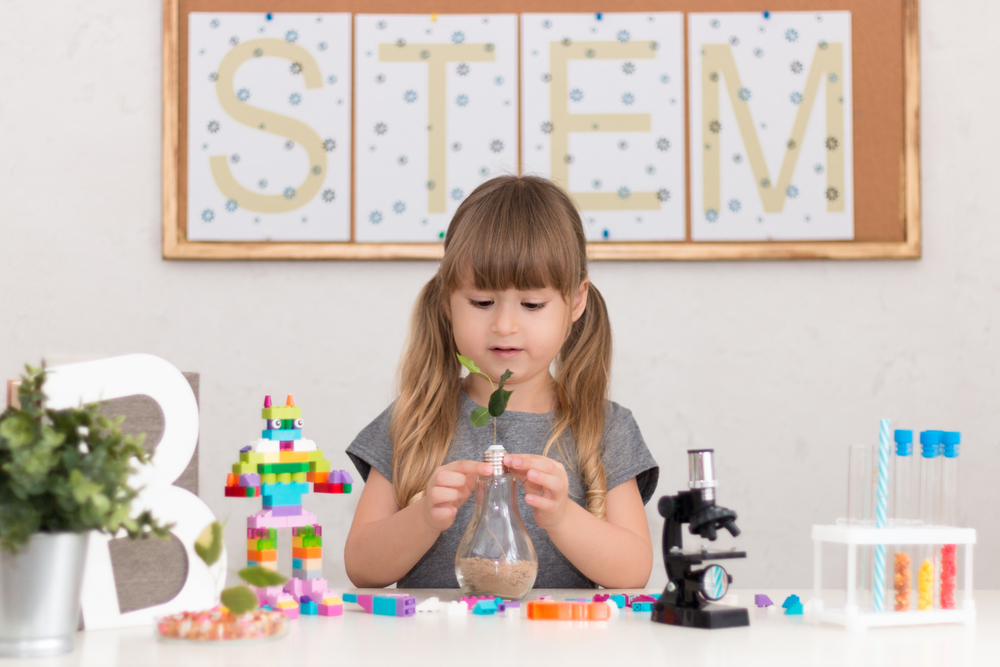



Observation skills in the context of plants and animals are crucial for children aged 6-8 as they foster critical thinking, curiosity, and a deeper understanding of the natural world. At this developmental stage, children are naturally inquisitive and eager to explore. Teaching them how to observe closely can enhance their scientific literacy and help them develop a sense of wonder about living things.
By encouraging children to observe plants and animals, parents and teachers can cultivate important skills such as patience, attention to detail, and the ability to ask questions. These skills form the foundation for scientific inquiry, which is essential not only in school-related subjects like science and biology but also in daily life. Learning to distinguish between different species, understanding habitats, and recognizing cycles of life enrich children’s vocabulary and knowledge.
Furthermore, engaging with nature through observation promotes valuable emotional and social skills like empathy and responsibility. Children learn to appreciate the environment and understand their role in it, fostering a sense of stewardship towards nature. In summary, nurturing observation skills in children during these formative years allows them to become informed, compassionate individuals who are well-equipped to participate in and protect the world around them.








