Critical Thinking Social Studies Worksheets for Ages 6-8 - Page 2
30 filtered results
-
From - To

Assessment: First Thanksgiving Worksheet
 Assign to My Students
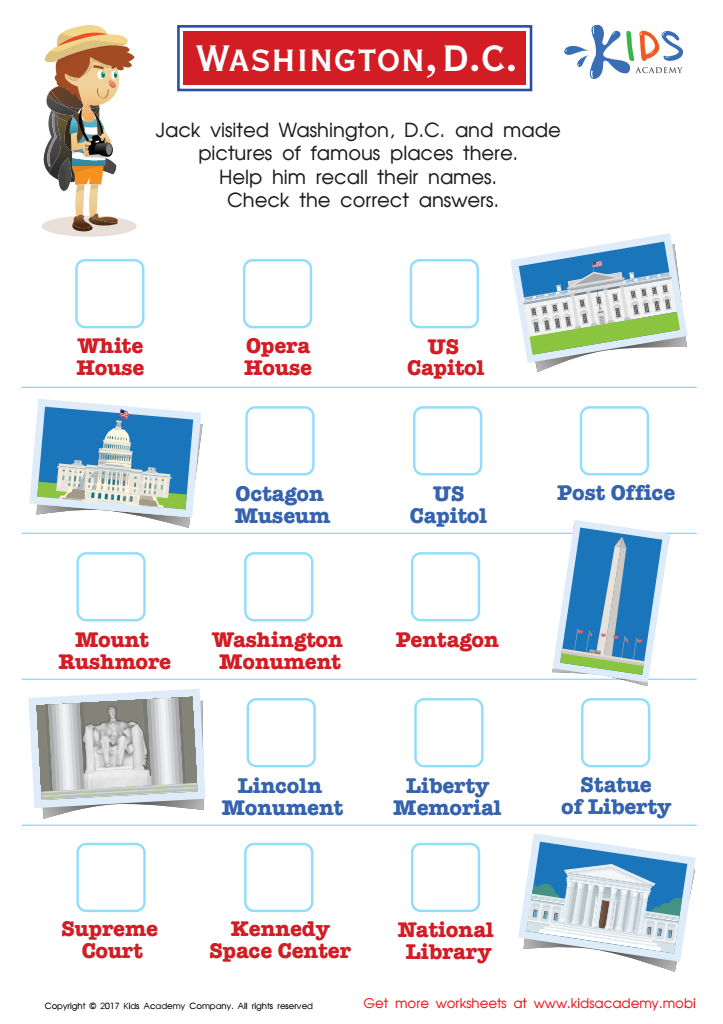
Washington D.C. Printable Worksheet
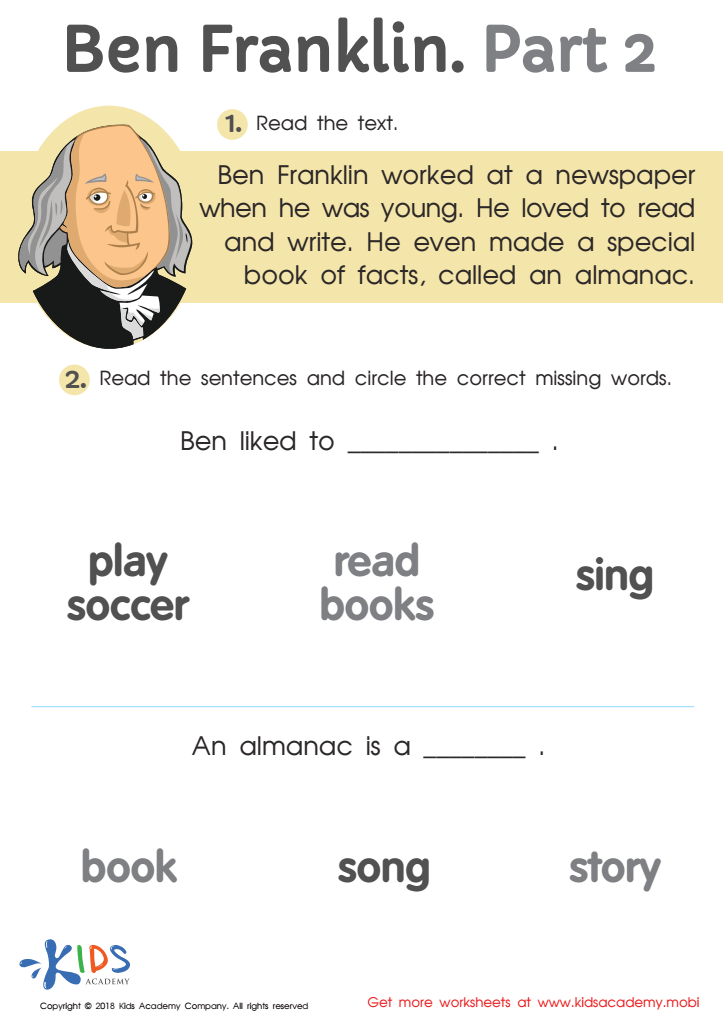
Ben Franklin Part 2 Worksheet
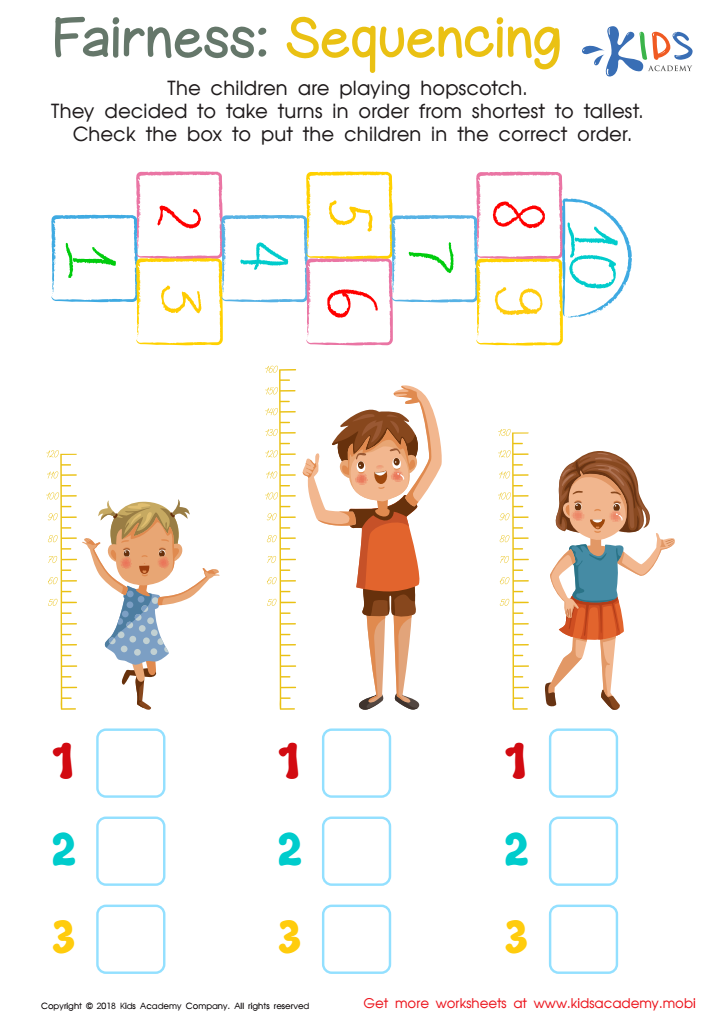
Fairness: Sequencing Worksheet
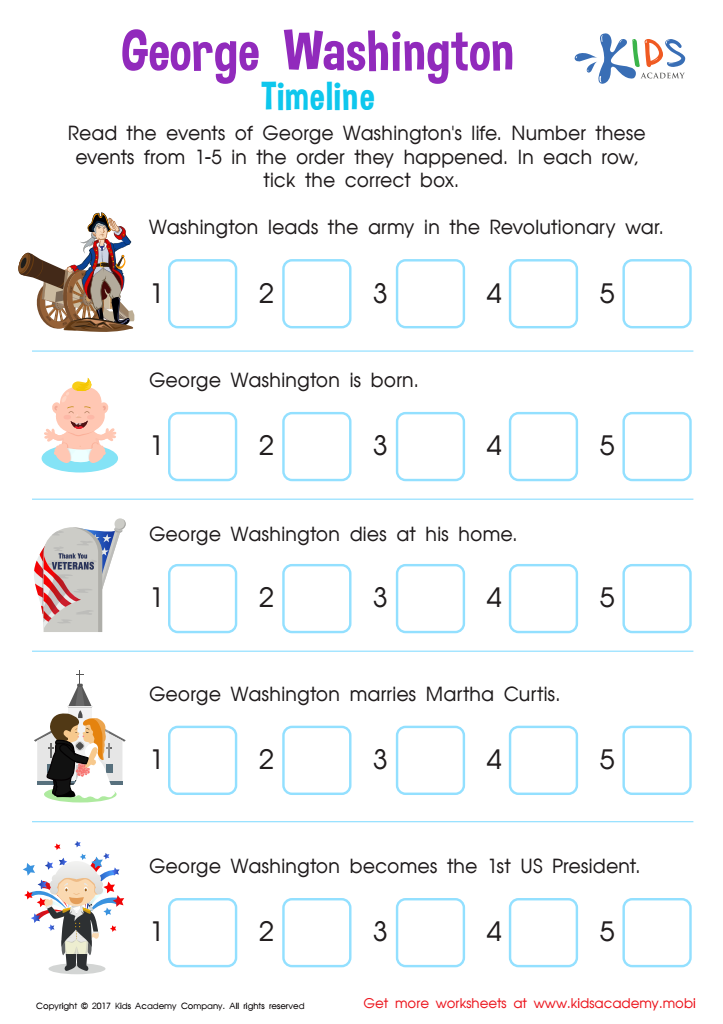
George Washington Timeline Worksheet
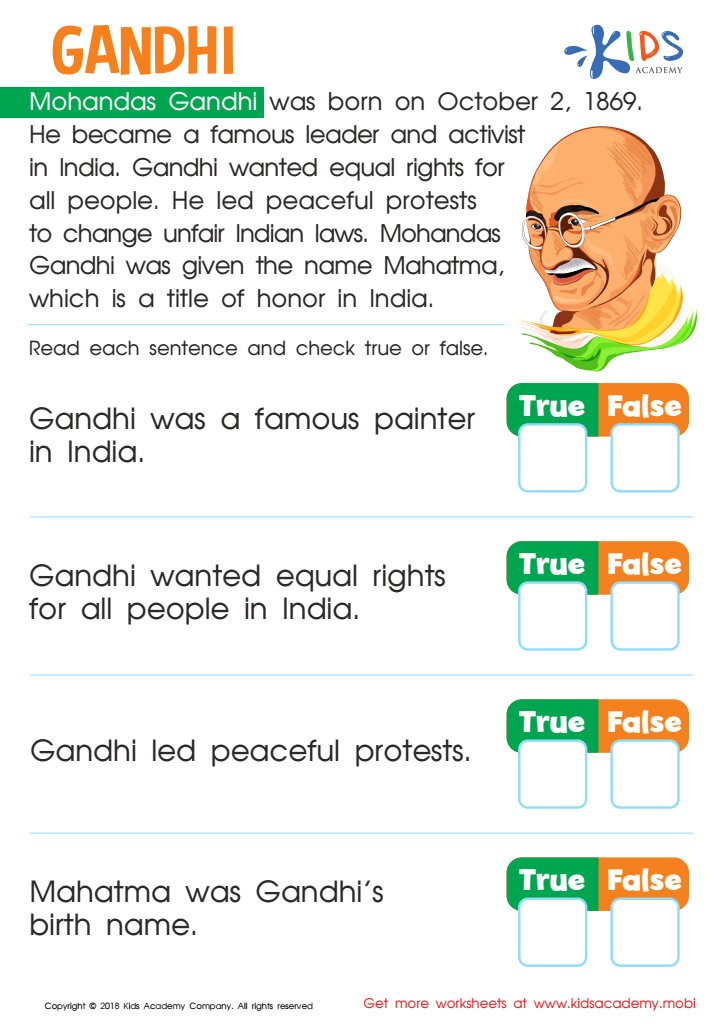
Gandhi Worksheet







Critical thinking in Social Studies is essential for children aged 6-8 as it lays the foundation for understanding the world around them. At this developmental stage, children begin to formulate ideas about communities, cultures, and historical events. Encouraging critical thinking helps them analyze information, ask thoughtful questions, and cultivate a sense of curiosity.
Parents and teachers should prioritize this skill because it empowers children to think independently and make informed decisions. Through engaging activities and discussions about social contexts—like the structures of their communities or the significance of holidays—children learn to evaluate different perspectives, fostering empathy and respect for diversity.
Moreover, critical thinking enhances problem-solving skills. When young learners tackle challenges, such as understanding differing viewpoints on a local issue, they practice reasoning and negotiation. These skills are foundational not just for their academic journey but for their roles as informed citizens in a complex society.
Finally, instilling critical thinking in early social studies classes promotes collaboration. Children learn to communicate their thoughts clearly and work together to establish solutions, preparing them for future academic and social interactions. Ultimately, prioritizing critical thinking in Social Studies helps shape thoughtful, engaged, and proactive members of society.