Developing analytical skills Social Studies Worksheets for Ages 6-8
4 filtered results
-
From - To
Our "Developing Analytical Skills Social Studies Worksheets for Ages 6-8" are expertly crafted to enhance critical thinking and problem-solving abilities in young learners. Tailored to engage and challenge, these worksheets cover a wide range of topics that encourage analysis, comparison, and reasoning. With fun activities and thought-provoking exercises, children will explore historical events, cultural diversity, and social concepts. Each worksheet is designed to stimulate curiosity and foster a deeper understanding of the world. Ideal for both classroom use and homeschooling, these resources pave the way for academic success and a lifelong love of learning.
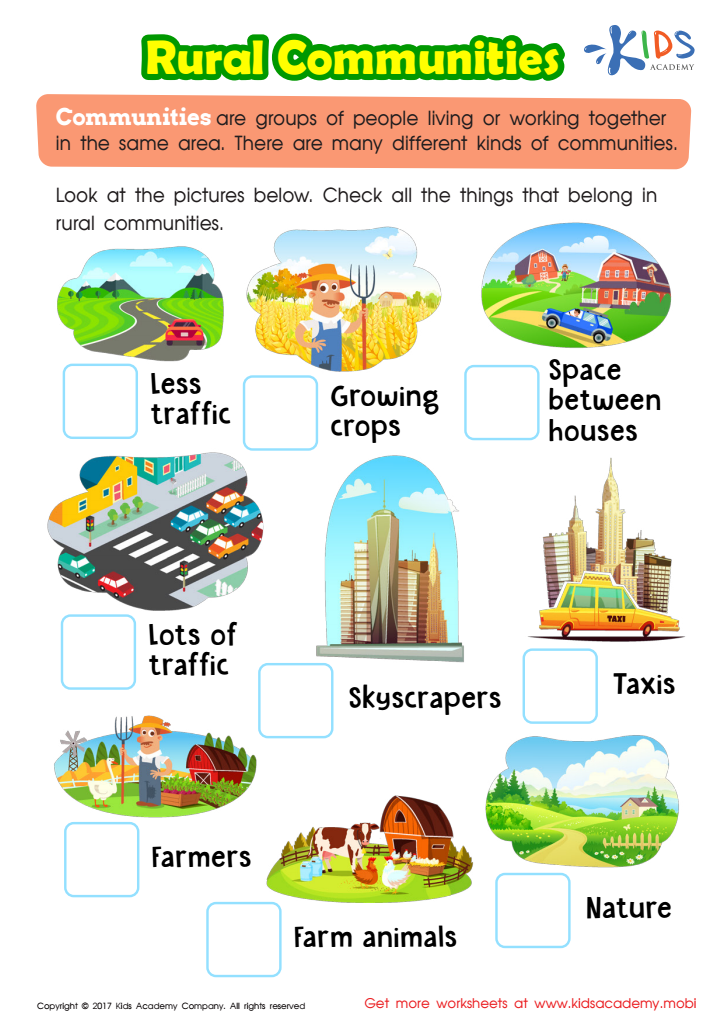
Rural Communities Printable
 Assign to My Students
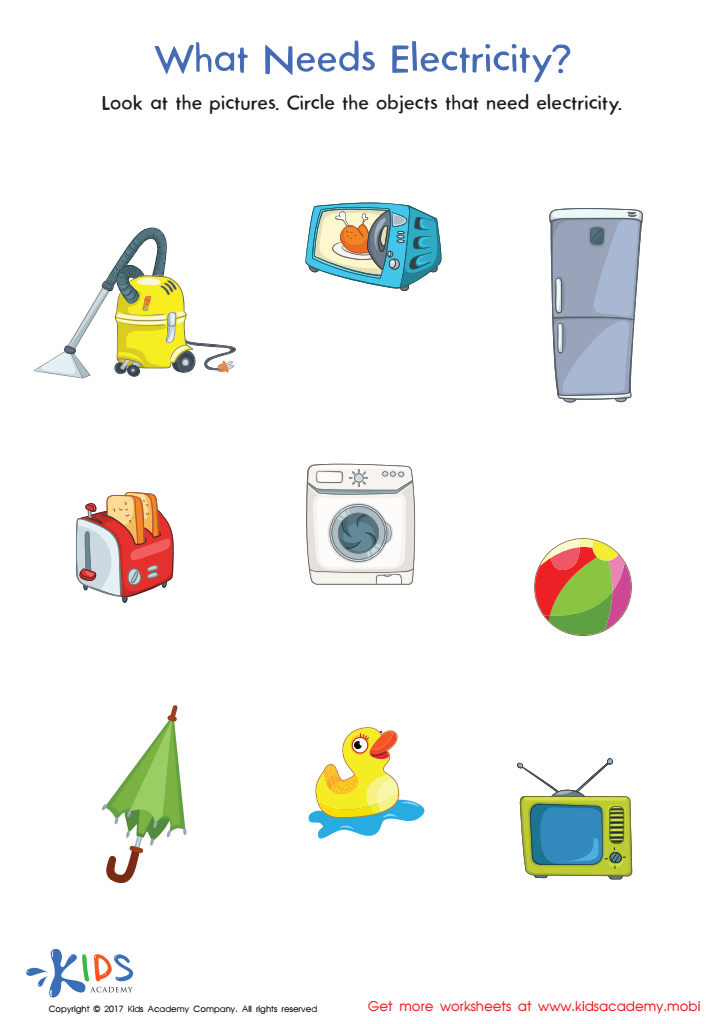
What Needs Electricity Printable
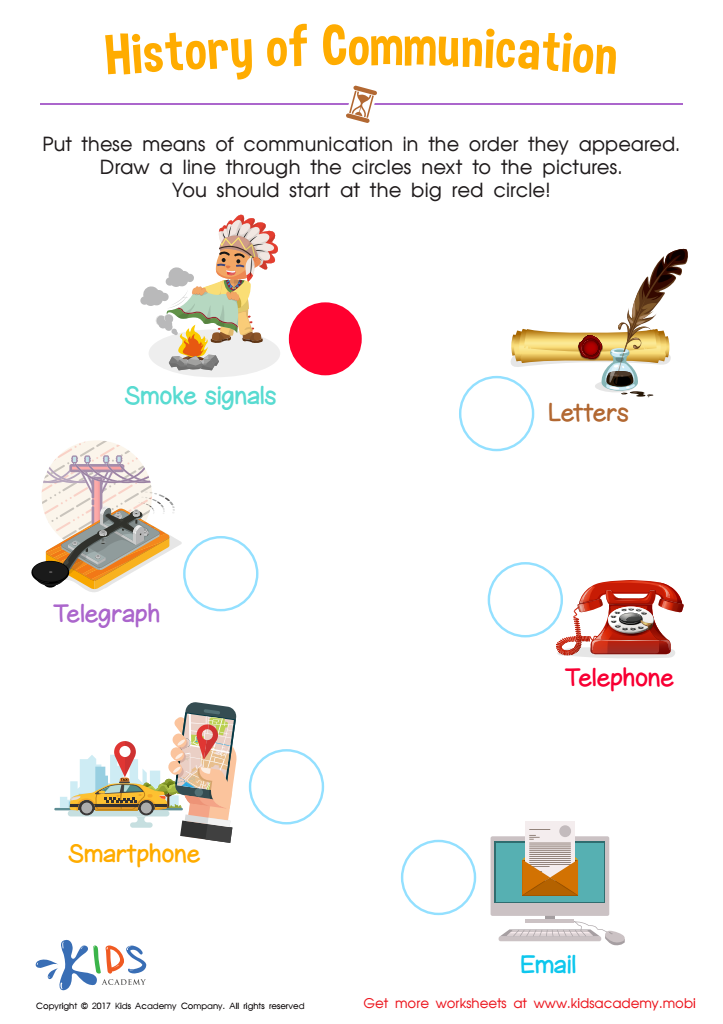
History of Communication Worksheet
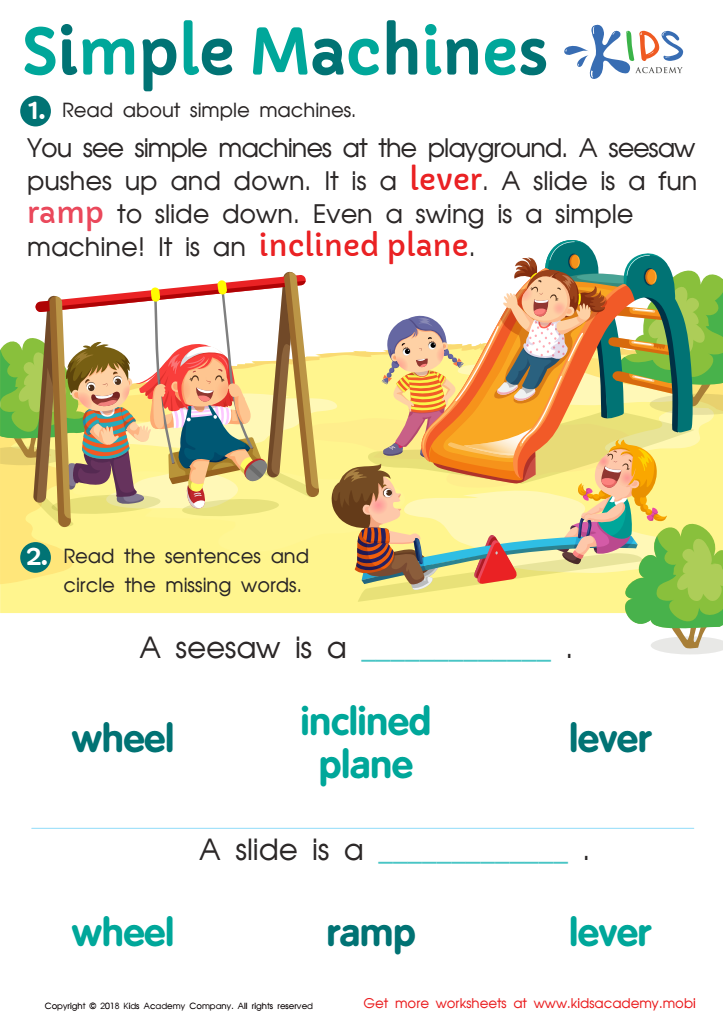
Simple Machines Worksheet







Developing analytical skills in social studies for children ages 6-8 is crucial for their overall cognitive and social development. At this impressionable age, kids are naturally curious and learning how to think critically about the world around them. By fostering analytical skills through social studies, parents and teachers help children understand complex social dynamics, historical contexts, and geographical reasoning. This sets a strong foundation for lifelong learning.
Moreover, mastering analytical skills encourages children to ask questions, seek knowledge, and solve problems independently. When students discuss community roles, historical events, or global cultures, they learn to compare perspectives, interpret data, and draw reasoned conclusions. These abilities are integral not only to academic success but also to personal growth, as they lead to better decision-making and empathy towards others’ viewpoints.
Early exposure to social studies content also diversifies a child's understanding of different cultures and global issues, fostering inclusivity and open-mindedness from a young age. This early development of socio-analytical skills will empower children to become informed, responsible citizens. Therefore, prioritizing these skills illuminates the importance of critical thinking in education, builds a well-rounded knowledge base, and equips young learners with the tools they need for future societal participation.








