Cursive Writing Worksheets for Ages 6-8 - Page 2
26 filtered results
-
From - To
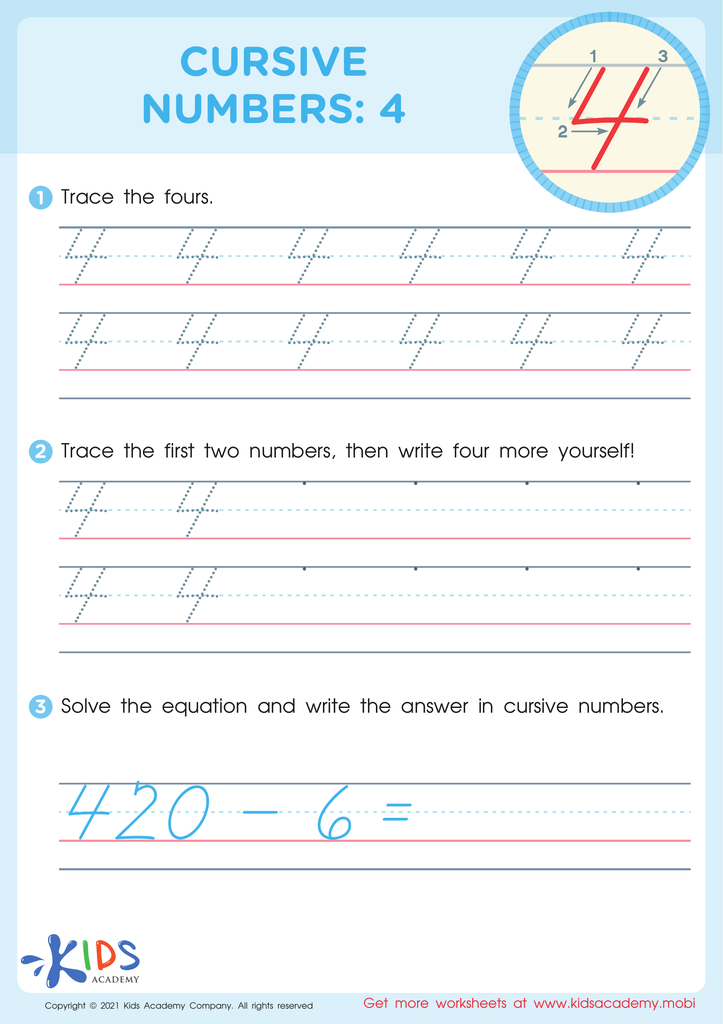
Cursive Numbers: 4 Worksheet
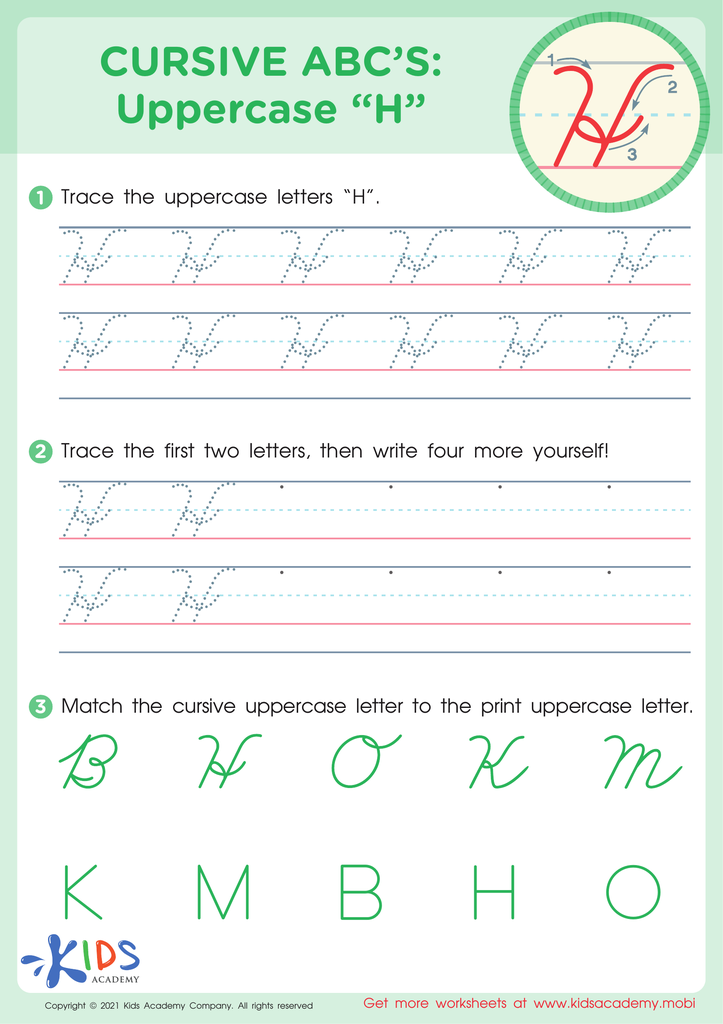
Cursive ABCs: Uppercase H



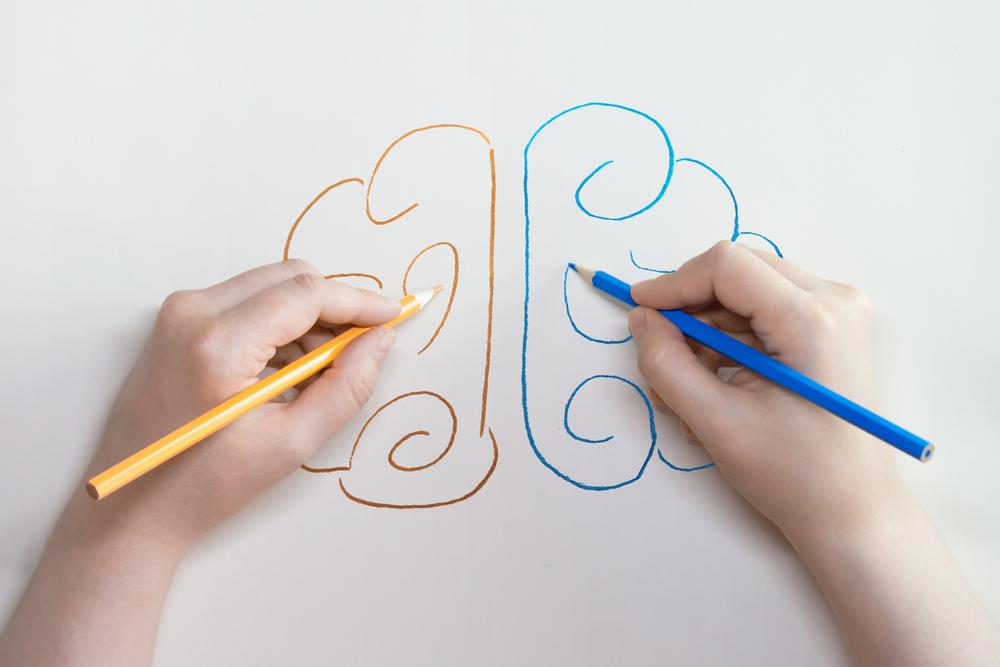




Cursive writing holds significant value for children aged 6-8, making it essential for parents and teachers to prioritize its instruction. First and foremost, cursive enhances fine motor skills, which are critical in this developmental stage. The flowing movements involved in cursive writing increase hand-eye coordination and strengthen muscle memory, laying the foundation for various writing tasks beyond just penmanship.
Moreover, cursive aids in cognitive development. Studies show that writing by hand, particularly in cursive, can improve understanding and retention of information. The continuous flow of cursive writing encourages deeper engagement with the material, fostering better creative expression and critical thinking skills.
Additionally, learning cursive can enhance a child's literacy. Being able to read cursive scripts helps children access a broader range of historical documents and literature, linking them to diverse learning experiences and cultural heritage. It also nurtures individuality in writing styles, allowing students to develop their unique voice.
Lastly, cursive writing is often associated with discipline and focus in learning. Engaging in the process of mastering this skill promotes perseverance and a positive work ethic, preparing children for more complex educational challenges ahead. By caring about cursive writing, parents and teachers contribute meaningfully to a child's overall development.