Phonics Skills Alphabet Worksheets for Ages 6-9 - Page 2
61 filtered results
-
From - To
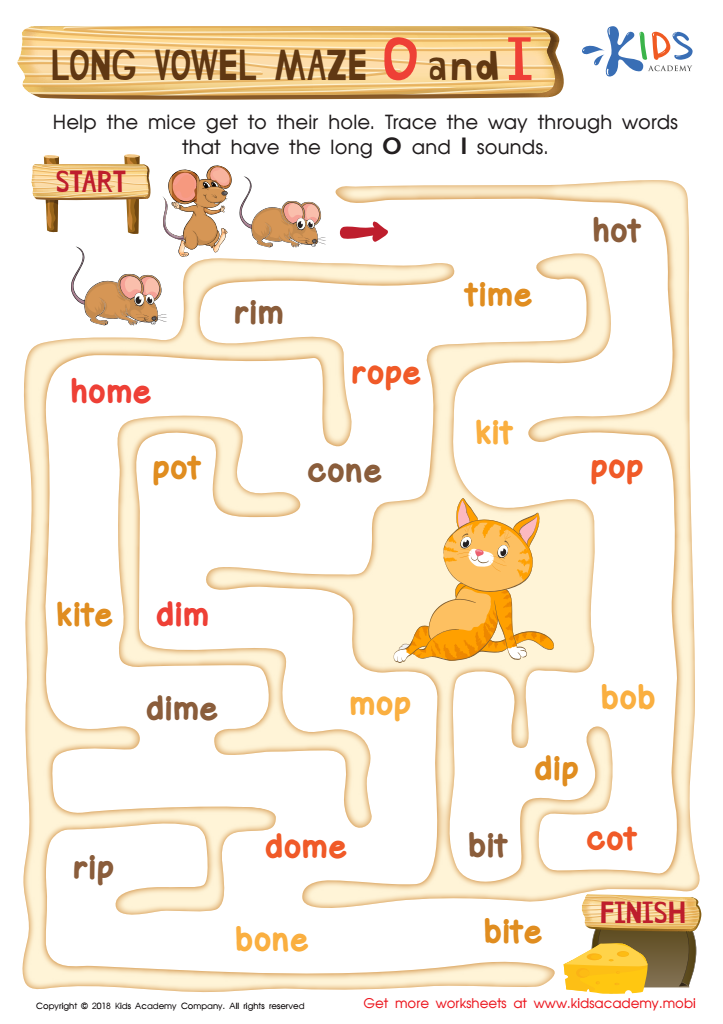
Long Vowel Maze /o/ and /i/ Worksheet
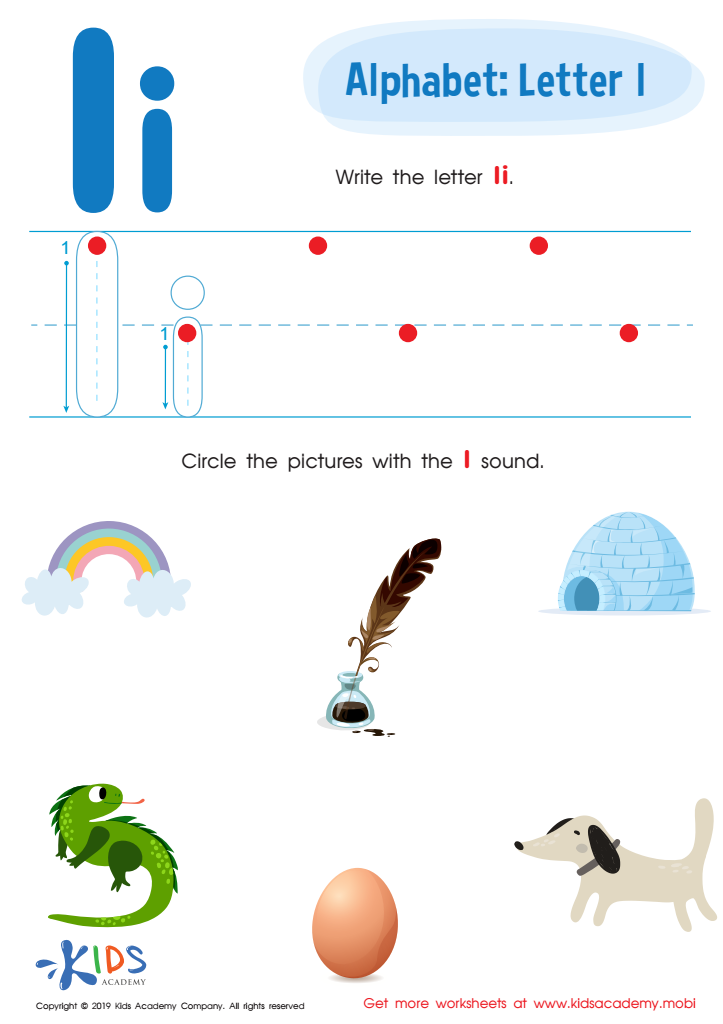
Letter I Tracing Worksheet
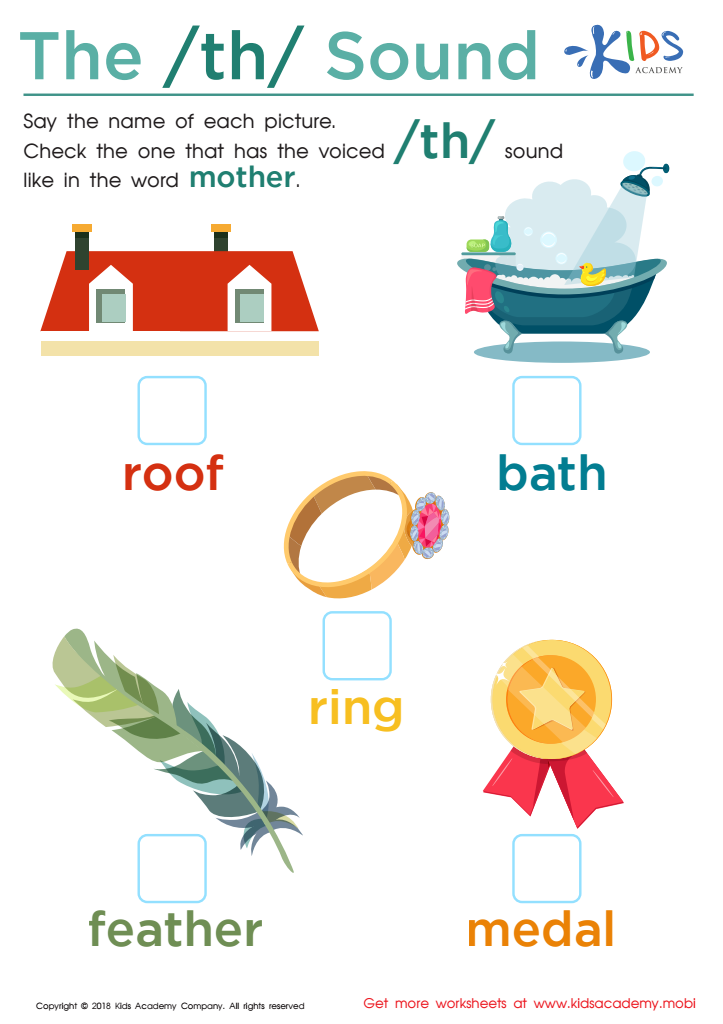
The /th/ Sound Worksheet
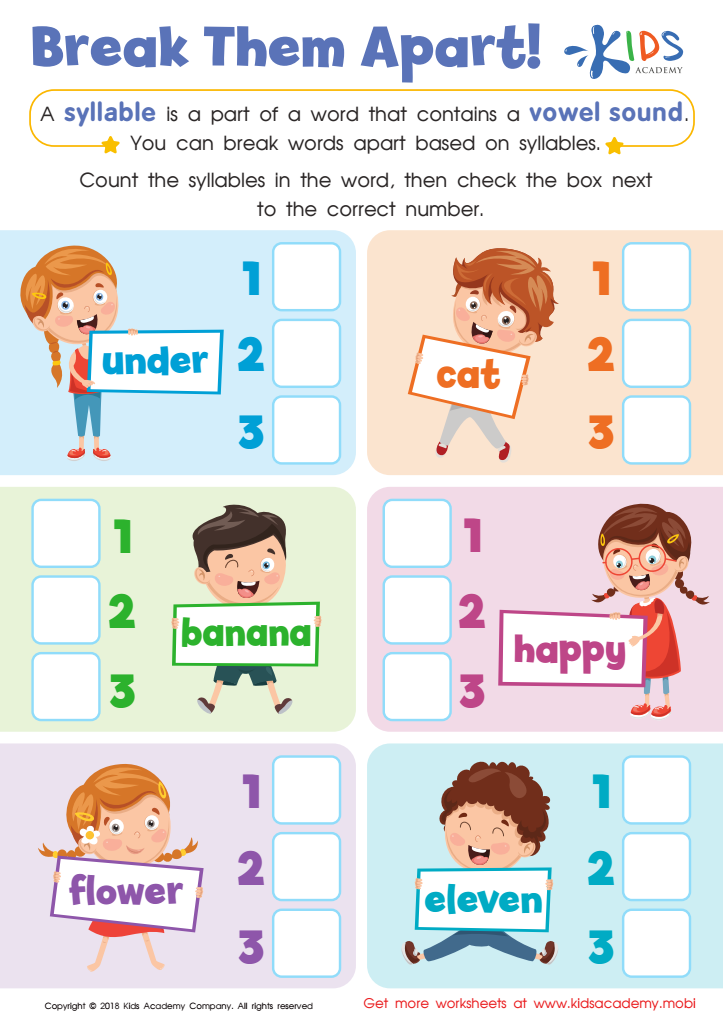
Reading: Break Them Apart Worksheet
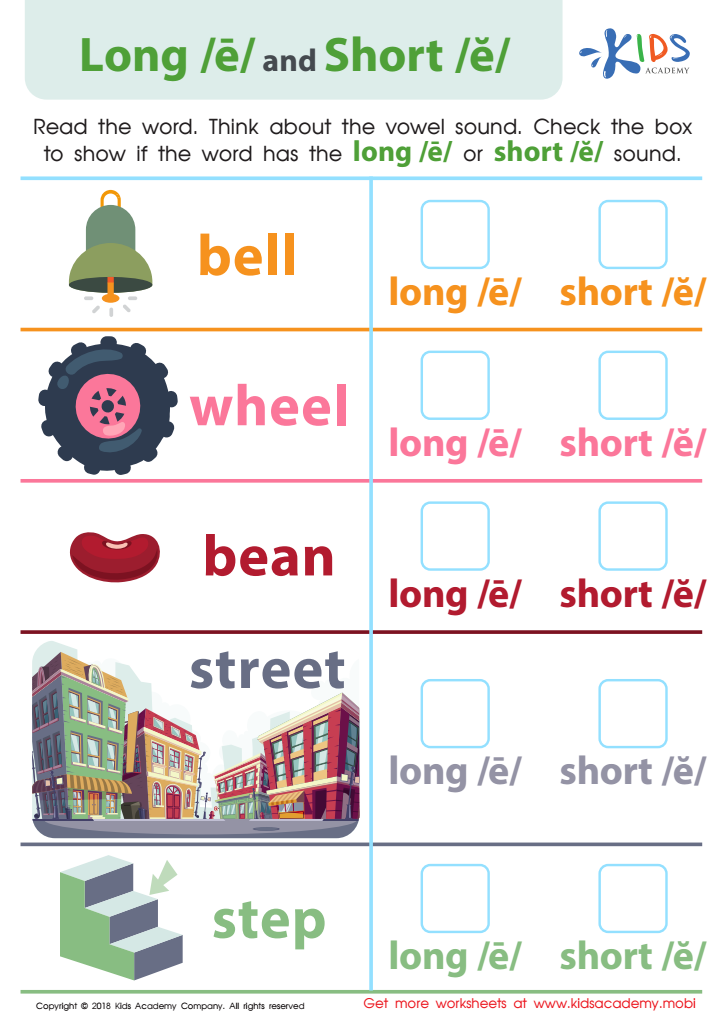
Reading: Long E and Short E Worksheet
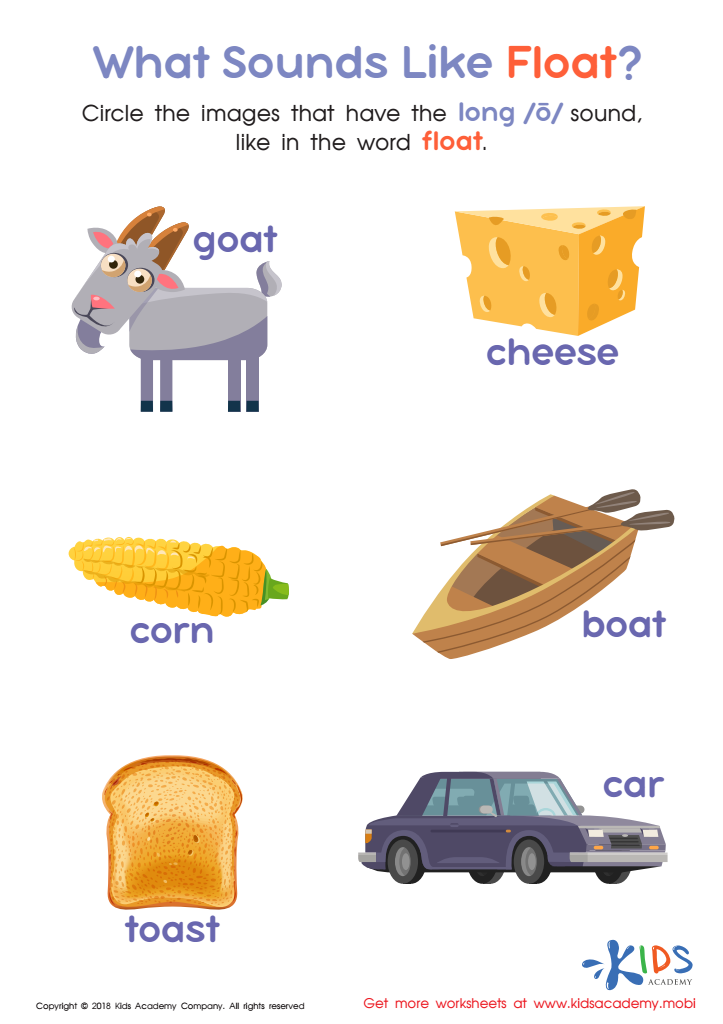
What Sounds Like Float? Worksheet
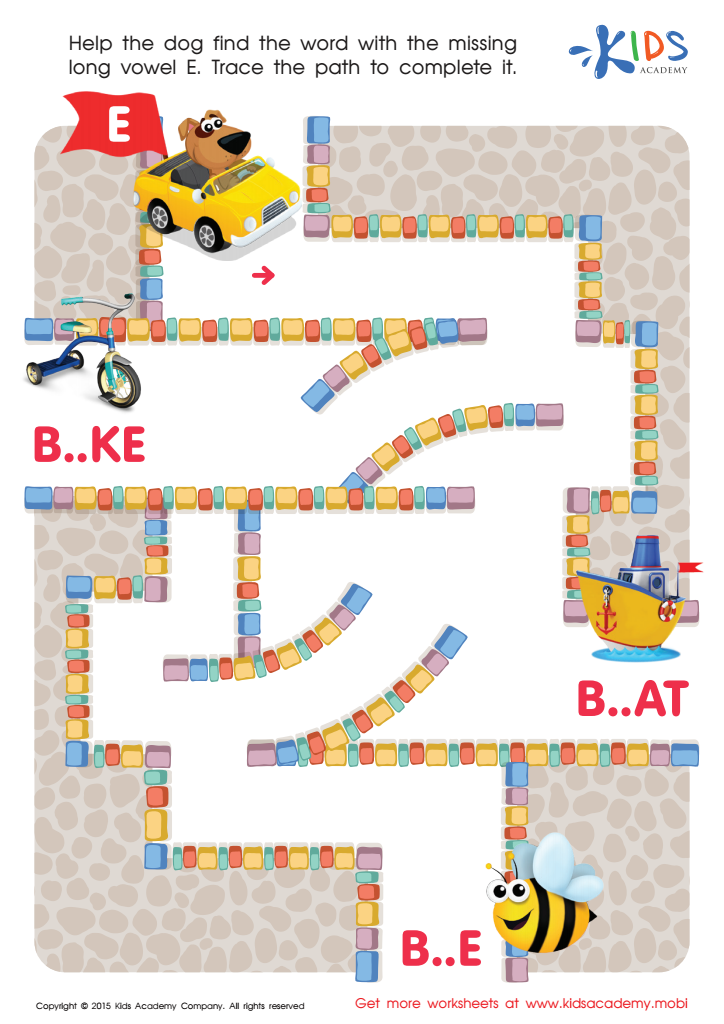
Long Vowel Sound E Worksheet
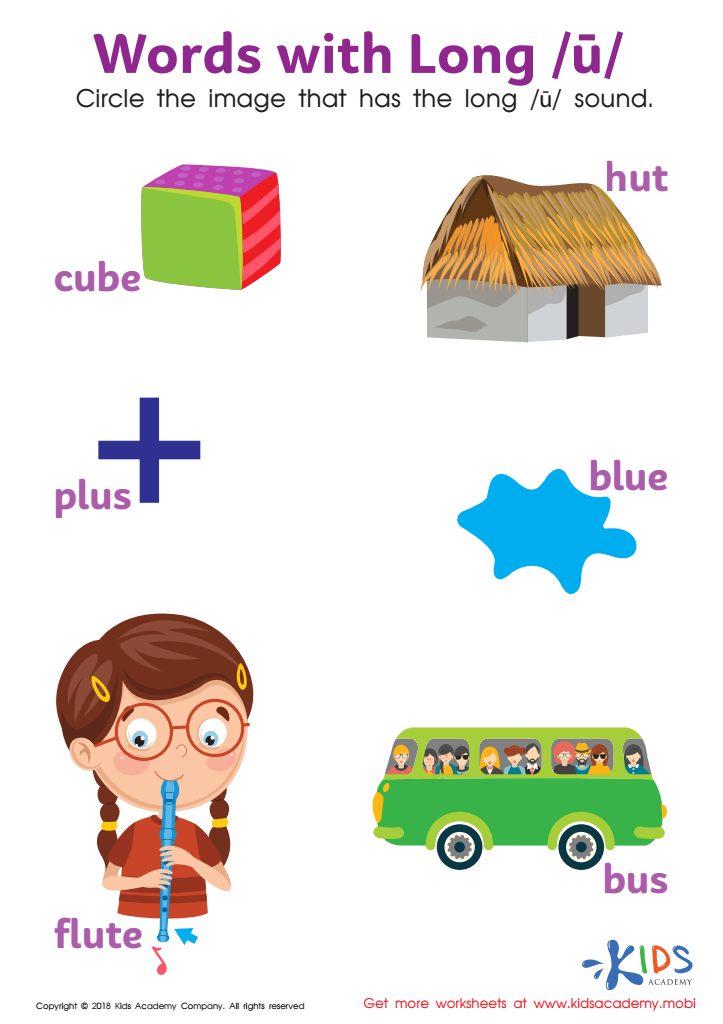
Words with Long U Reading Worksheet
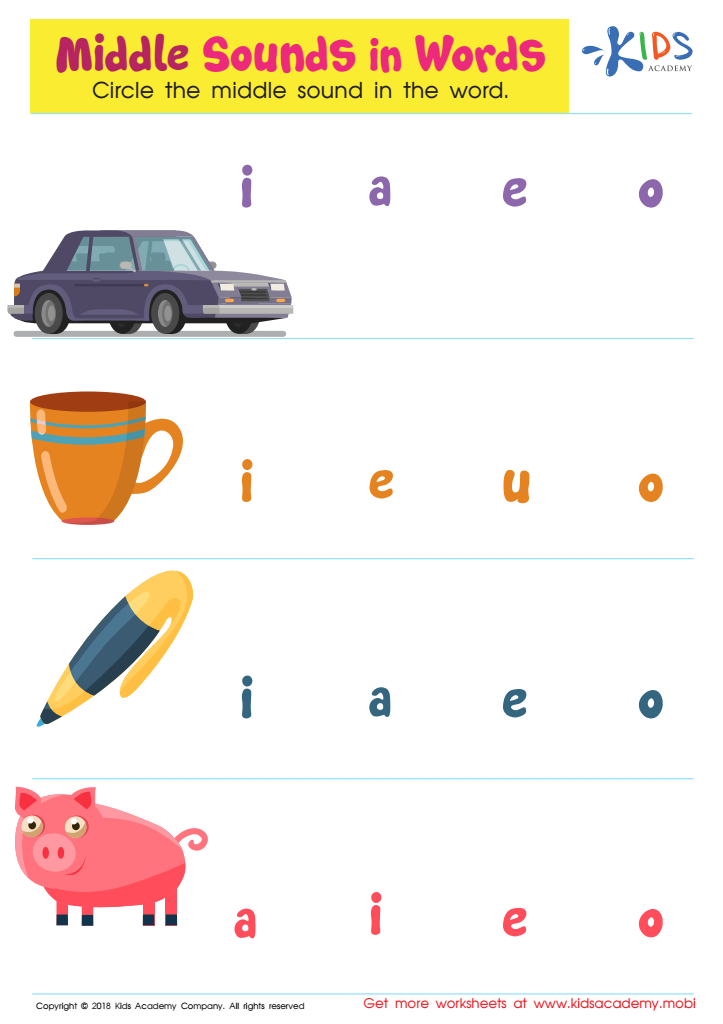
Middle Sounds in Words Worksheet
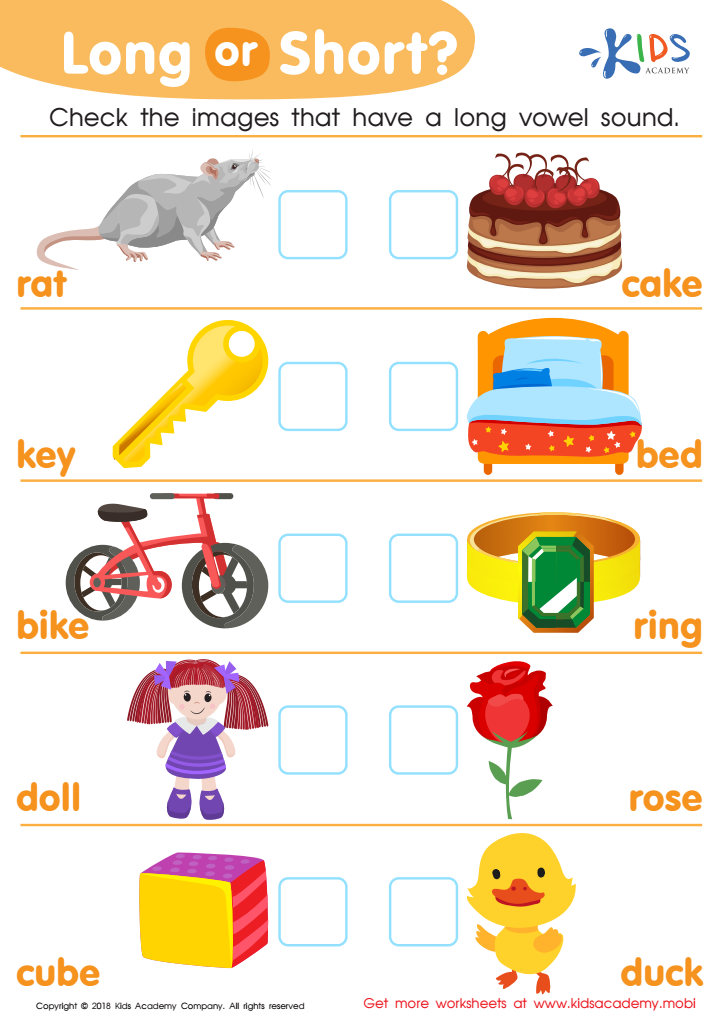
Long or Short Reading Worksheet
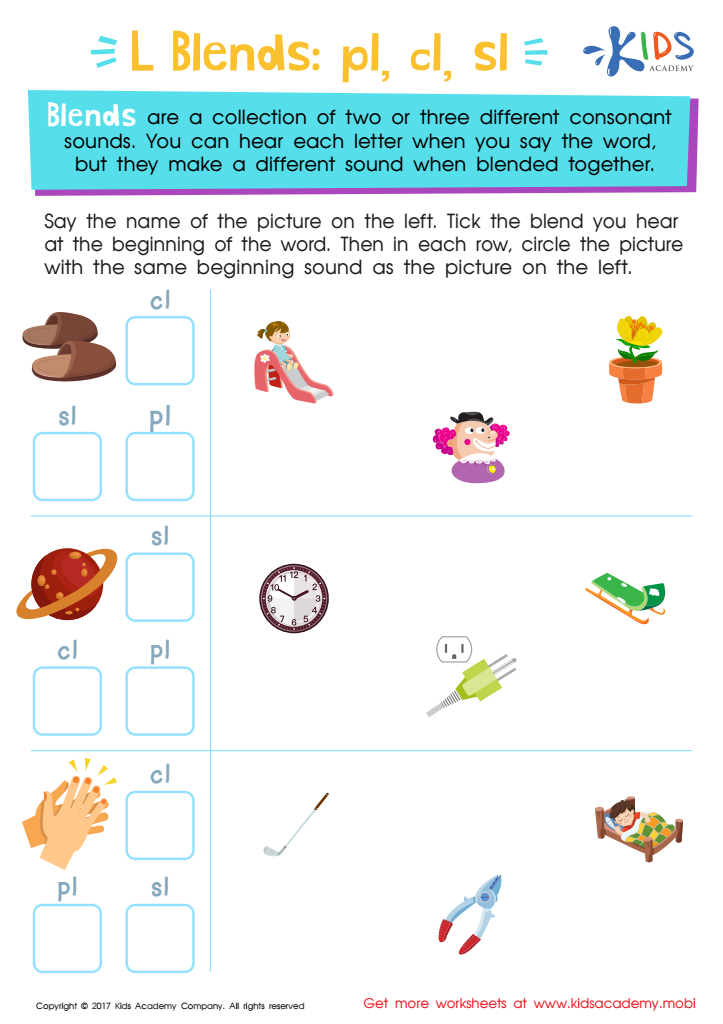
L Blends: "Pl", "Cl" and "Sl" Printable
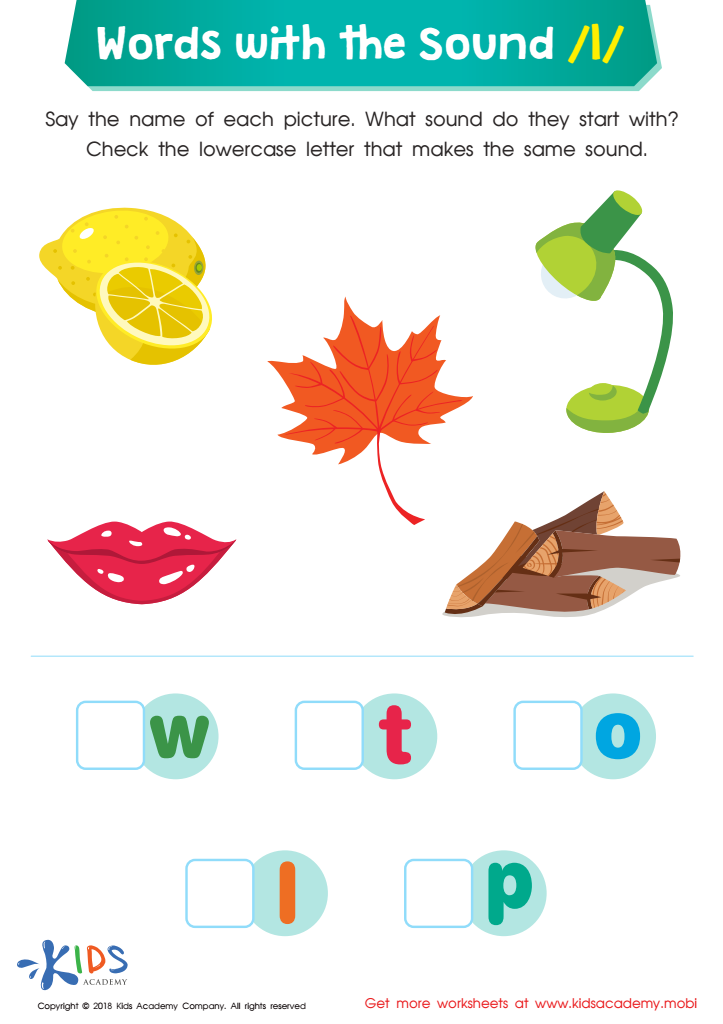
Words with Sound L Reading Worksheet
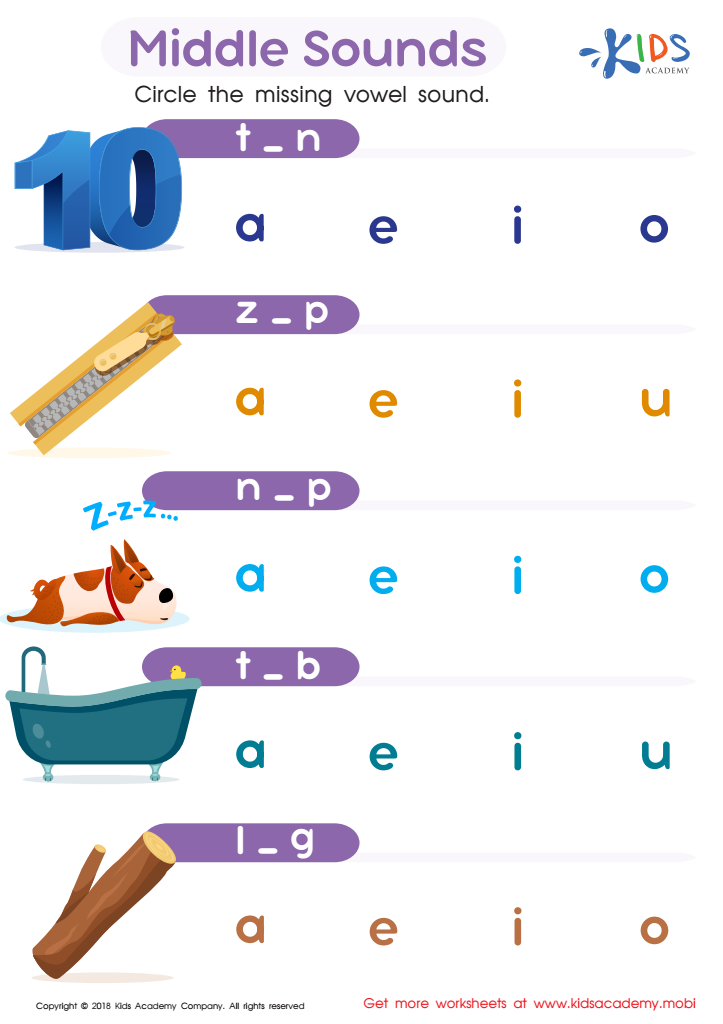
Middle Sounds Worksheet
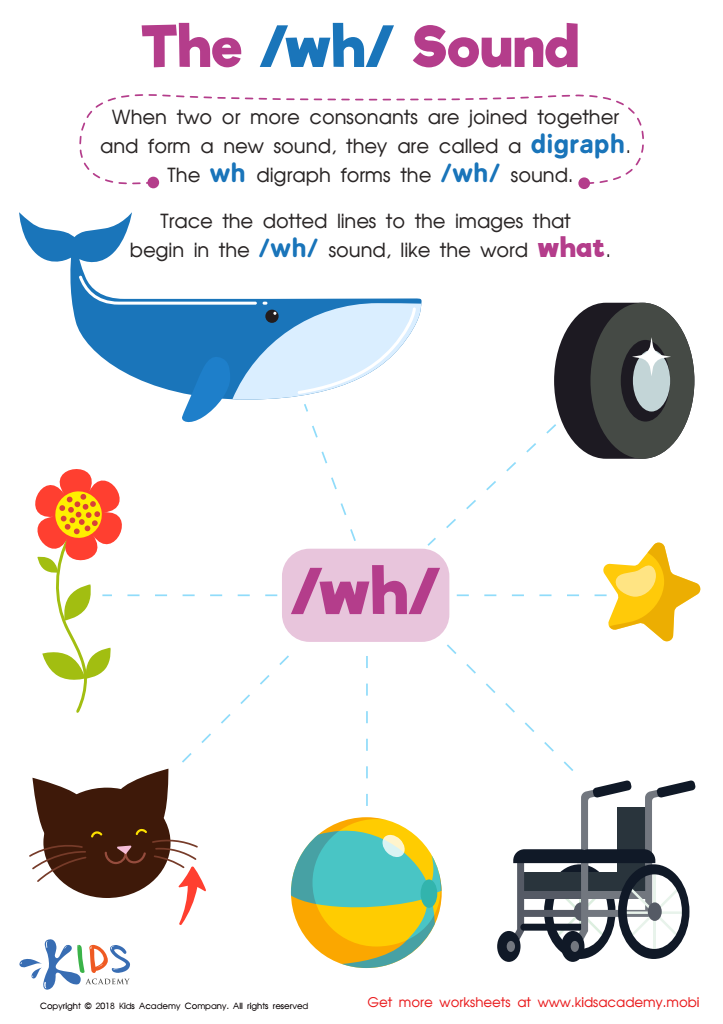
The /wh/ Sound Worksheet
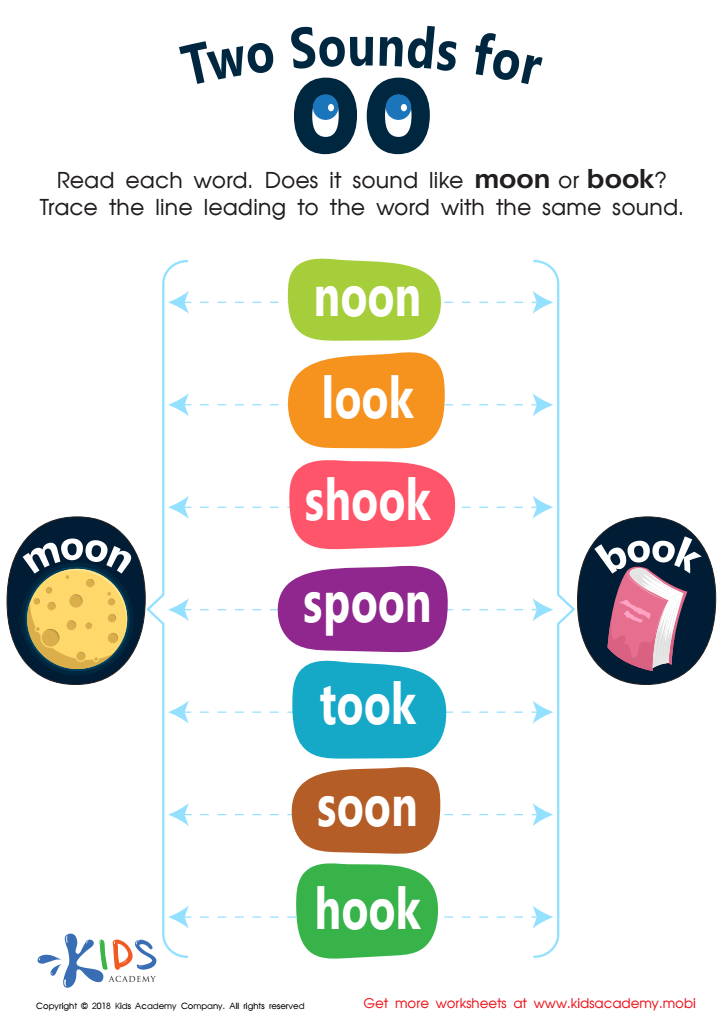
Two Sounds for OO Worksheet
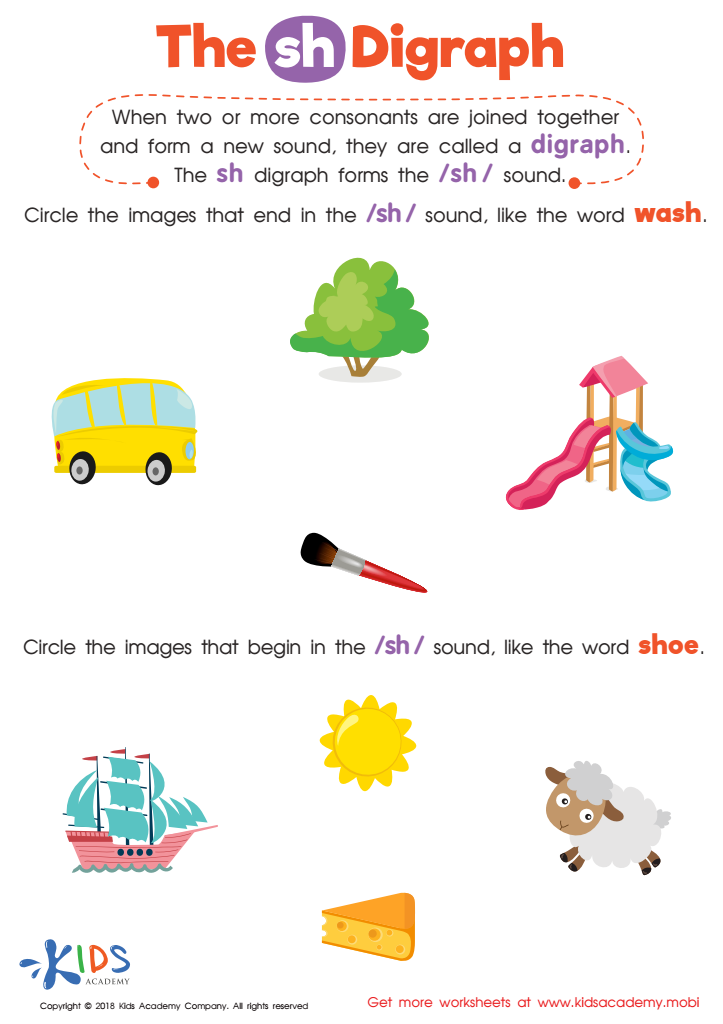
The SH Digraph Worksheet
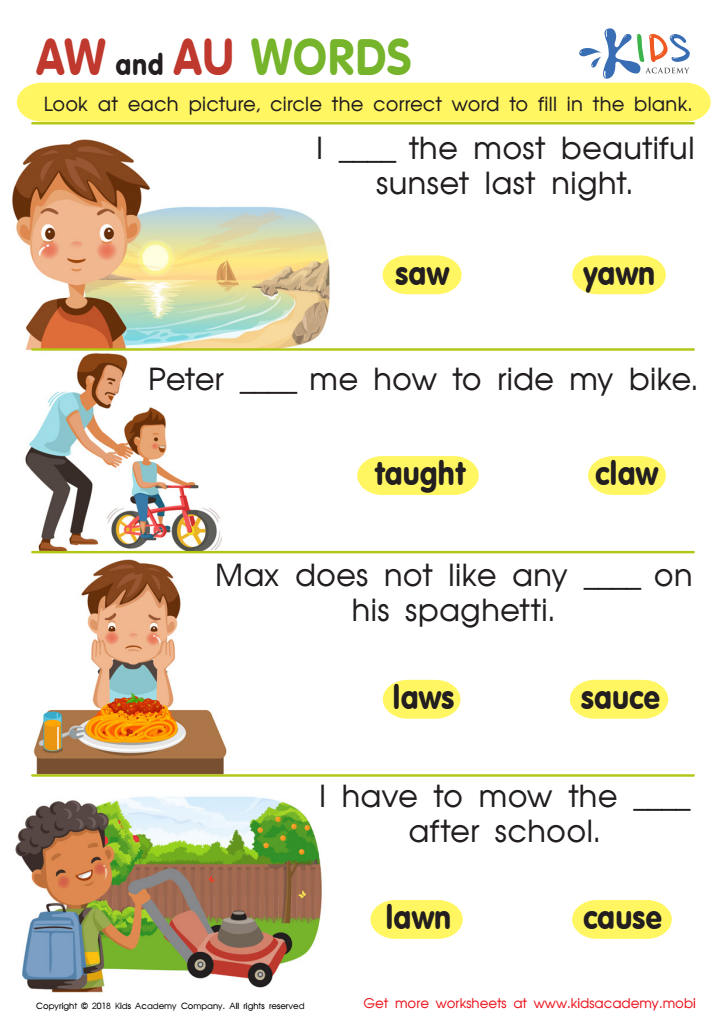
Reading: AW and AU Words Worksheet
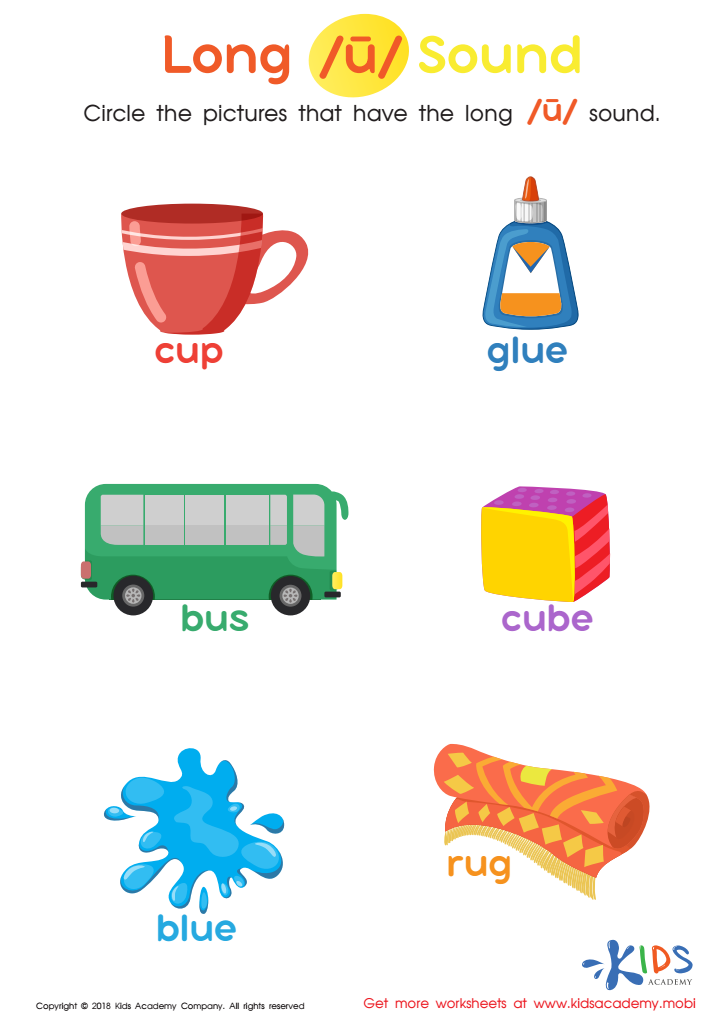
Long «u» Sound Worksheet

Long Vowel Sound A Worksheet Worksheet
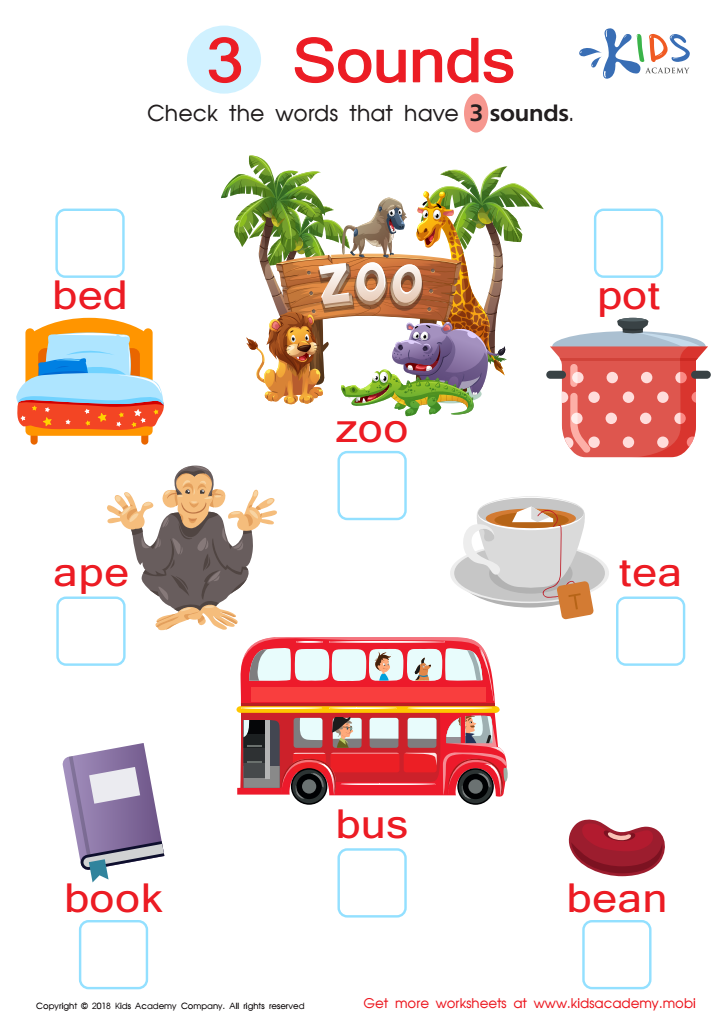
3 Sounds Worksheet
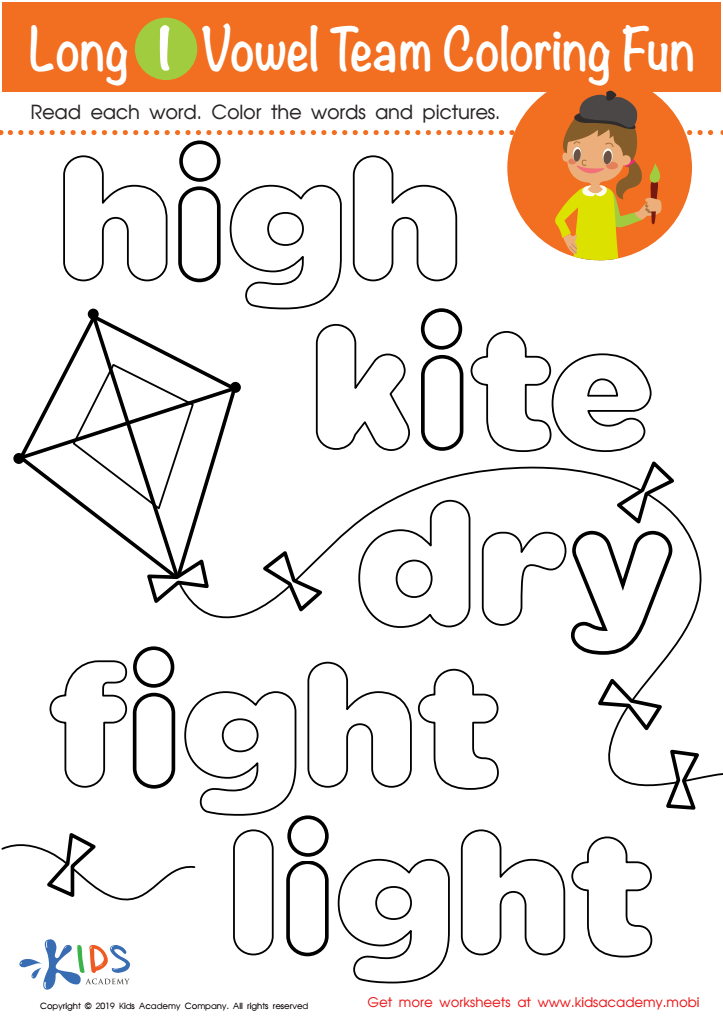
Long I Vowel Team Coloring Worksheet
 Assign to My Students
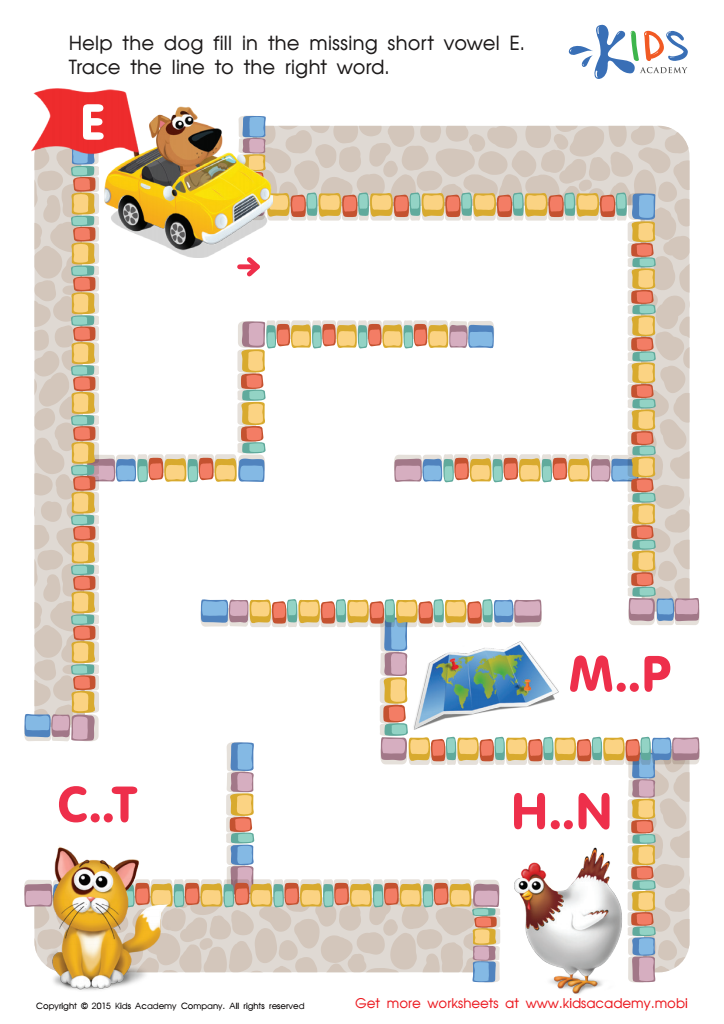
Short Vowel Sound E Worksheet
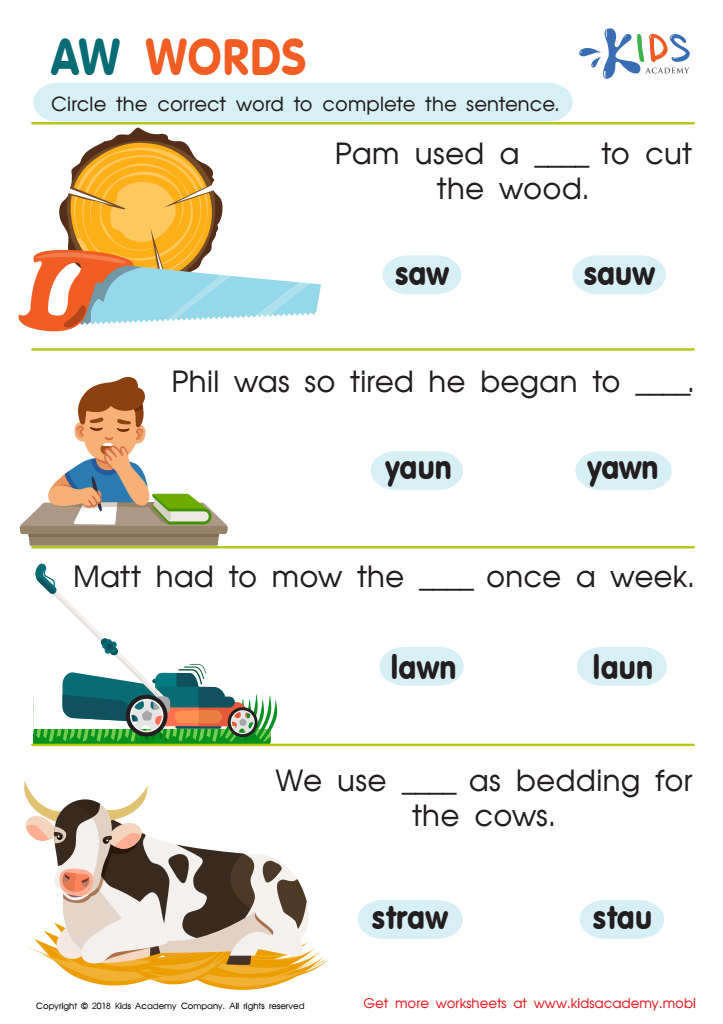
Reading: AW Words Worksheet
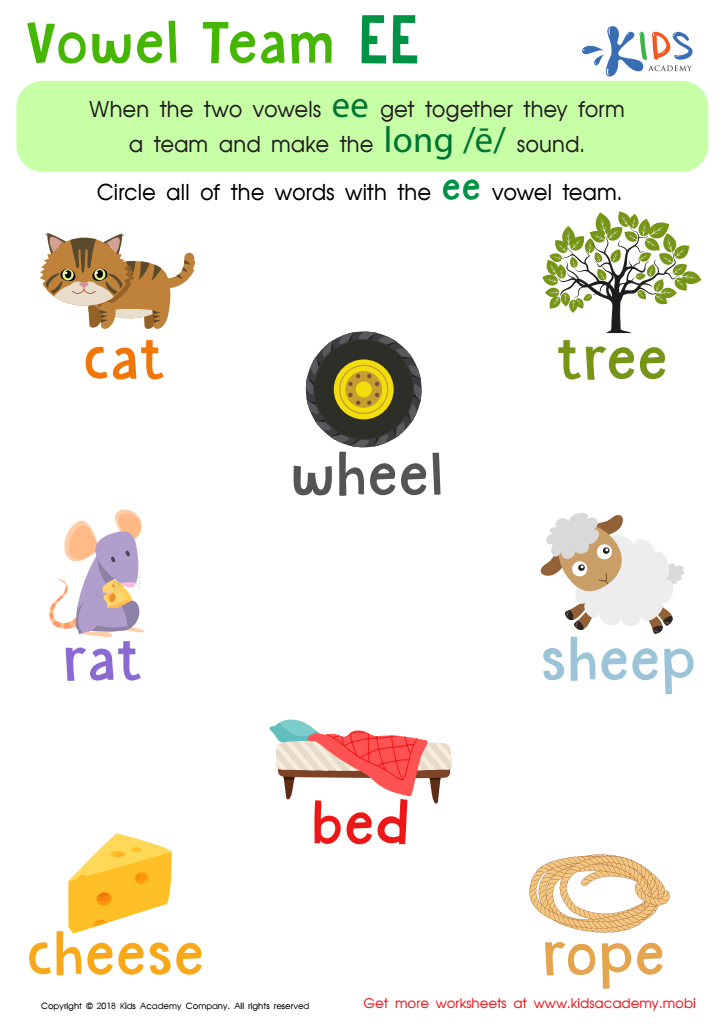
Reading: Vowel Team EE Worksheet







Parents and teachers should prioritize phonics skills for children aged 6-9 because these foundational skills significantly impact reading development and overall academic success. Phonics involves the relationship between sounds and letters, enabling children to decode words efficiently. Mastery of phonics equips students with essential tools for reading fluency, comprehension, and vocabulary building.
At this age, children are transitioning from learning to read to reading to learn. Strong phonics skills help them tackle increasingly complex texts, fostering a love for reading and improving critical thinking abilities. Additionally, phonics skills play a crucial role in writing, as children learn to spell words correctly and construct meaningful sentences.
Early investment in phonics has long-term benefits, including improved literacy rates and higher self-esteem in young learners. Furthermore, children with strong phonics abilities are better prepared for standardized assessments and academic challenges in later grades.
Moreover, in today’s literacy-focused education, parents and teachers can use phonics to create engaging and supportive learning environments. By incorporating playful learning activities that promote phonics, caregivers can make reading a joyous experience, ultimately instilling a lifelong love for literature and imparting valuable communication skills for future success.







