Mental math improvement Worksheets for Ages 6-9
8 filtered results
-
From - To
Elevate your child’s arithmetic skills with our Mental Math Improvement Worksheets for Ages 6-9. Designed to boost confidence and speed, these engaging resources enhance mental calculation abilities for young learners. Each worksheet is meticulously crafted to focus on core math concepts like addition, subtraction, multiplication, and division. By solving diverse problem sets, children develop critical thinking and problem-solving skills essential for academic success. Tailored for kids aged 6-9, these worksheets are perfect for use at home or in the classroom, ensuring a fun and productive way to master mental math. Unlock your child’s potential with Kids Academy today!
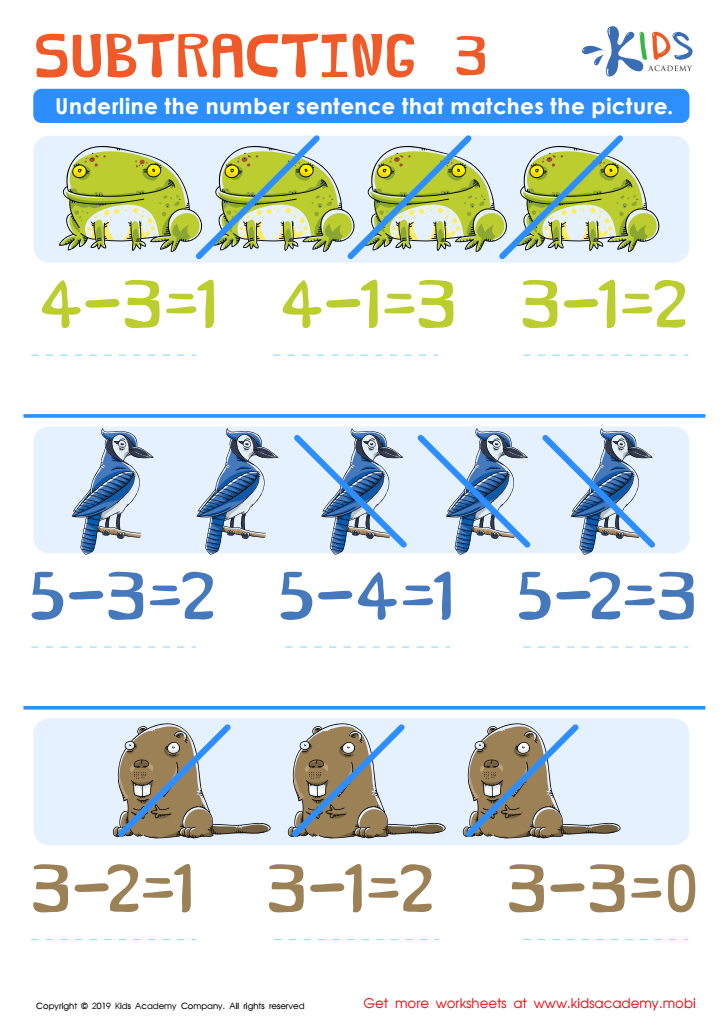
Subtracting 3 Worksheet
 Assign to My Students
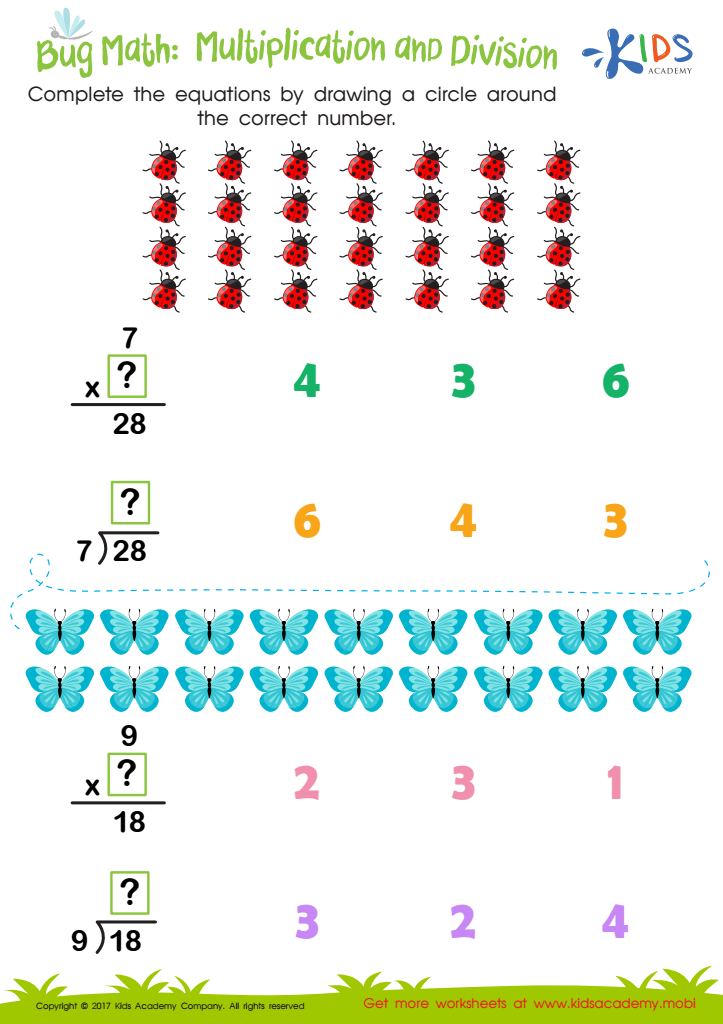
Multiplication and Division Worksheet
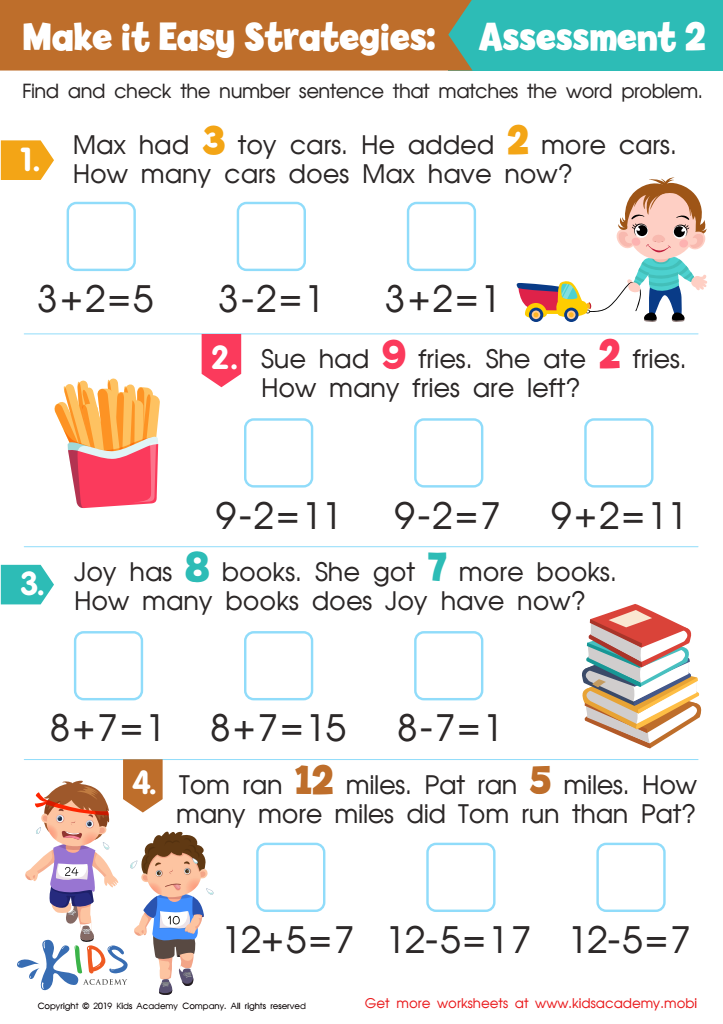
Make it Easy Strategies: Assessment 2 Worksheet
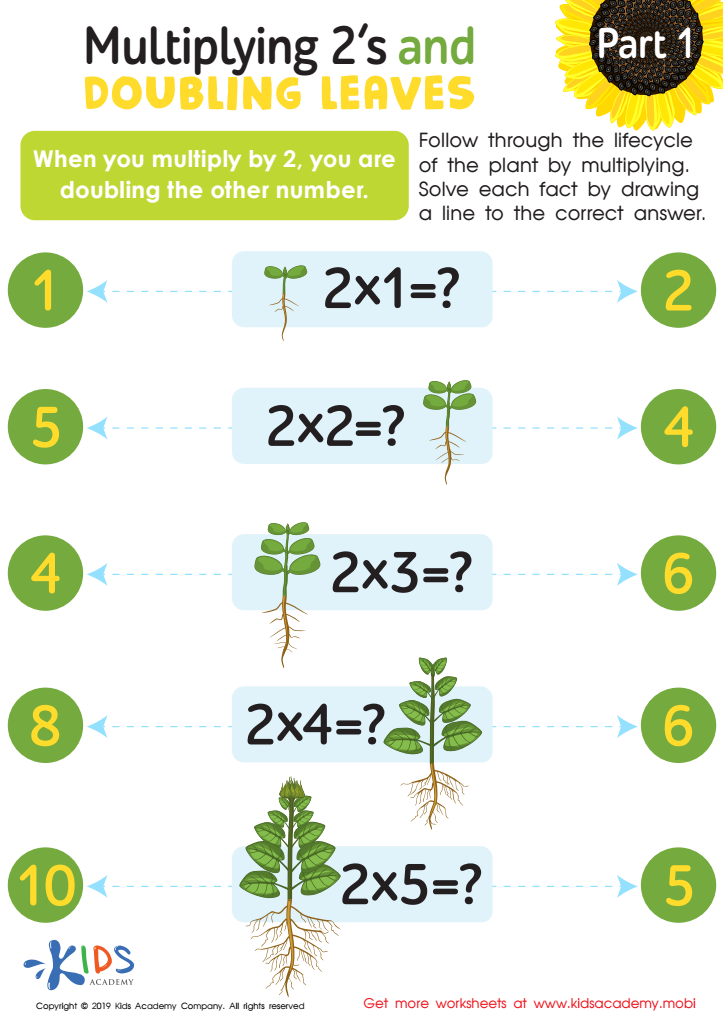
Multiplying 2’s and Doubling Leaves Part 1 Worksheet
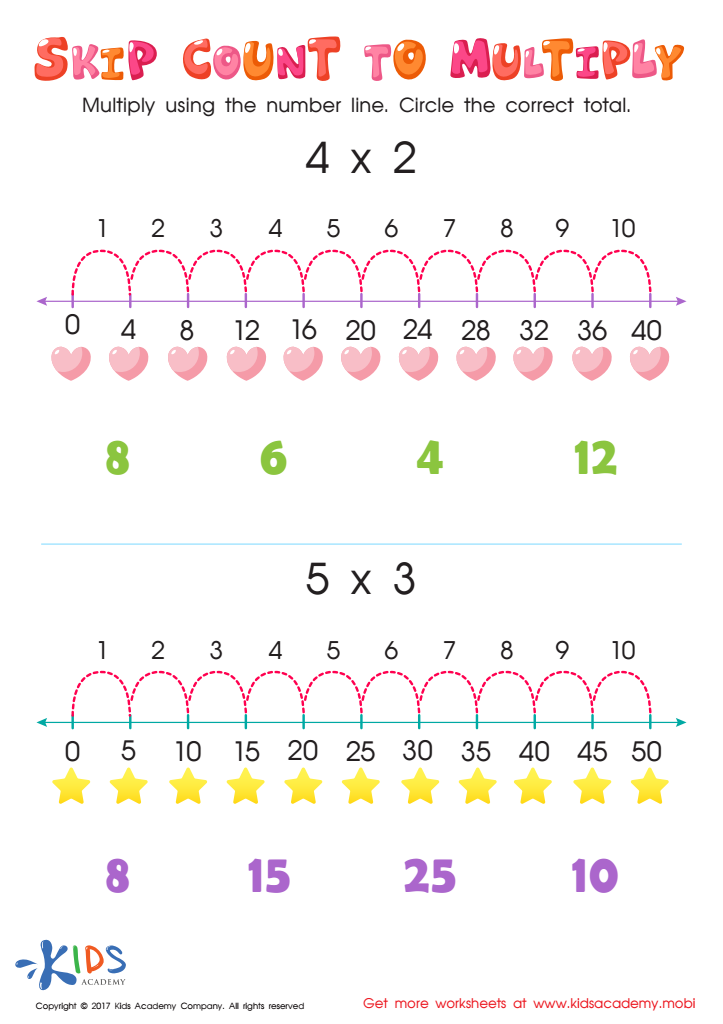
Skip Count Multiplication Worksheet
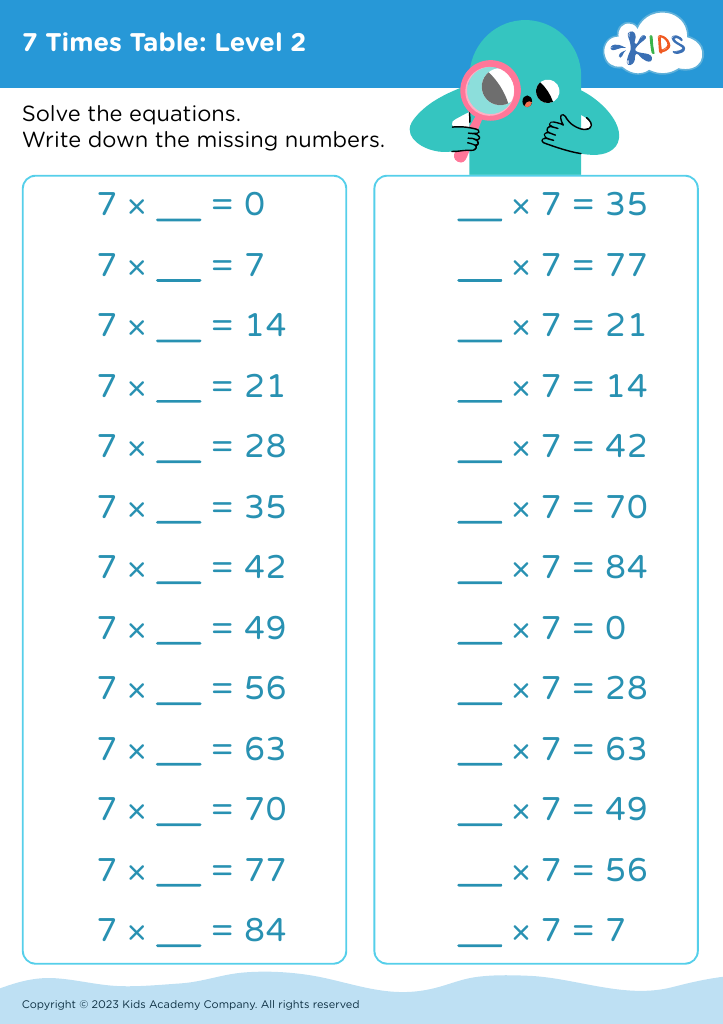
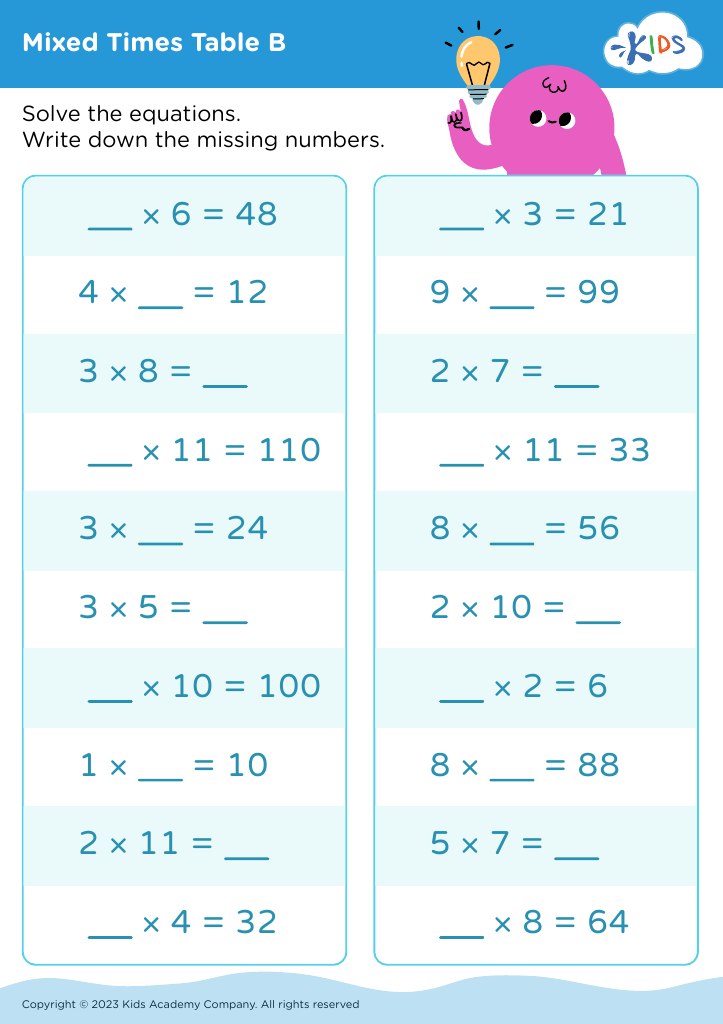





.jpg)

Parents and teachers should care about mental math improvement for ages 6-9 because it builds a strong foundation for overall cognitive development and future mathematical success. At this formative stage, children’s brains are highly adaptable and capable of absorbing new concepts quickly. By enhancing mental math skills, kids improve their number sense and computational fluency, which are essential for understanding more complex mathematical operations later.
Mental math also encourages problem-solving and critical thinking. When children practice mental calculations, they learn to use different strategies to arrive at the correct answer, fostering logical reasoning and creativity. This skill set is not only valuable for math but also for other subjects and real-life scenarios requiring analytical thinking.
Furthermore, proficiency in mental math can boost a child’s confidence and interest in math. Feeling successful with numbers early on can increase a child's willingness to tackle more challenging math problems, thereby reducing math anxiety, which is a common issue as children progress to higher grades.
Lastly, mental math skills foster independence. Being able to perform calculations mentally enables children to handle daily tasks efficiently, such as making purchases or managing time. Therefore, promoting mental math at an early age sets the stage for lifelong numeracy skills and academic confidence.








