Subtraction skills Worksheets for Ages 6-9
28 filtered results
-
From - To
Welcome to our collection of subtraction skills worksheets designed specifically for children aged 6 to 9! Engage young learners with a variety of fun and interactive exercises that enhance their understanding of subtraction concepts. Our worksheets include exciting visuals and step-by-step problems that simplify the learning process, making math enjoyable. Perfect for classroom use or at-home practice, these resources aim to build confidence in subtraction through repetition and varied problem types. Help your child develop essential math skills while having fun! Explore our worksheets and watch your young mathematicians thrive as they master subtraction with ease.
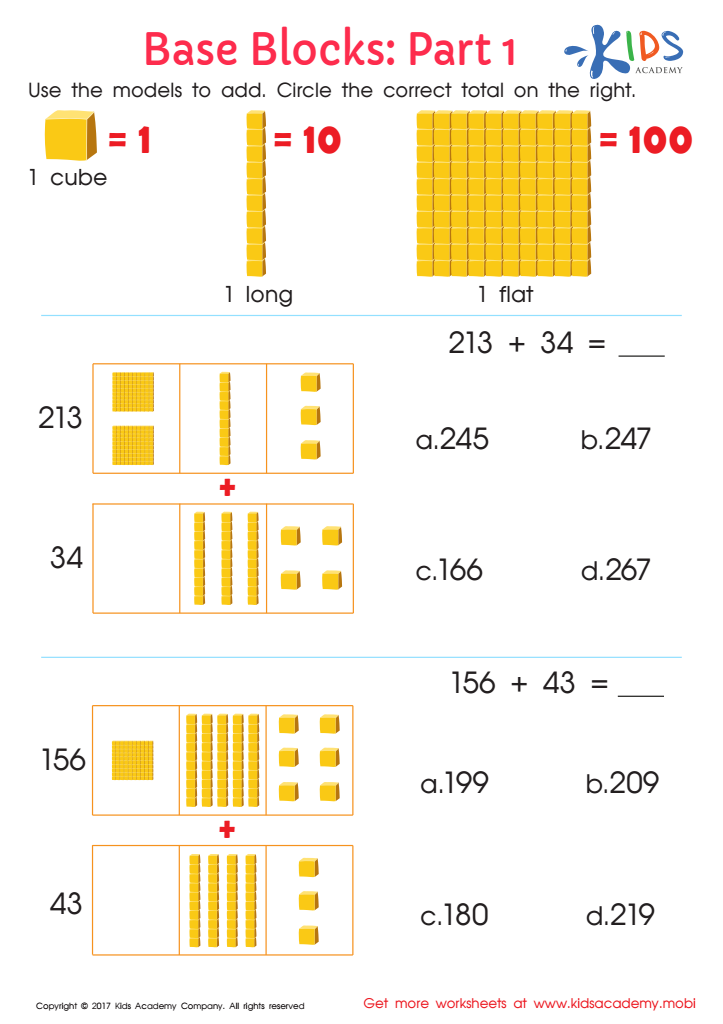
Base Ten Blocks Worksheet: Part 1
 Assign to My Students
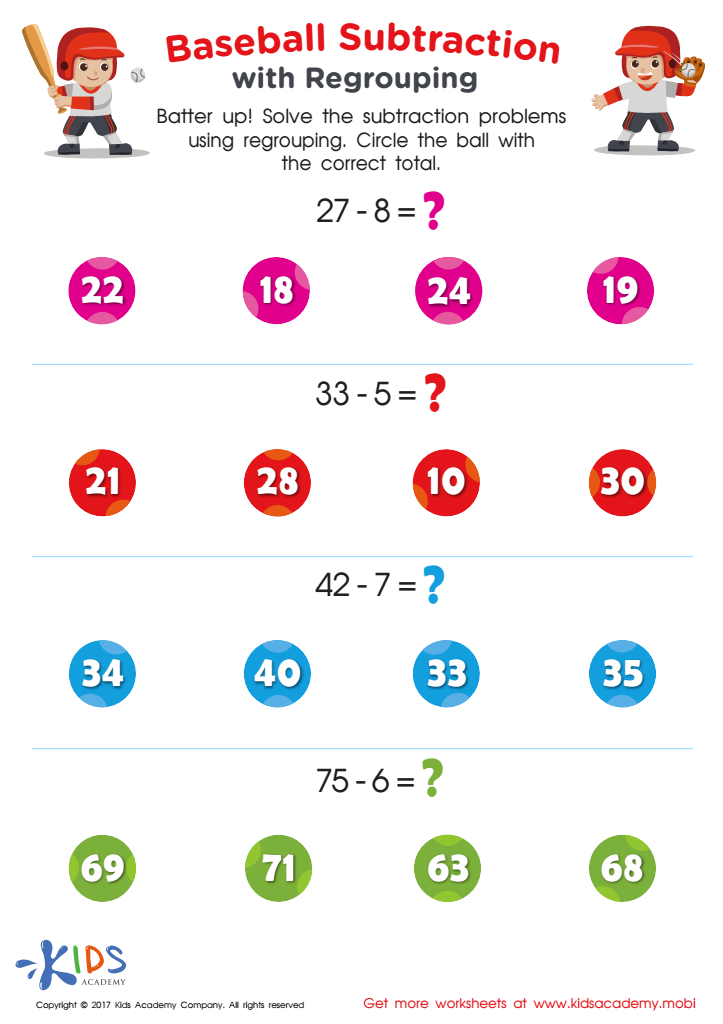
Subtraction With Regrouping for 2nd Grade Worksheet
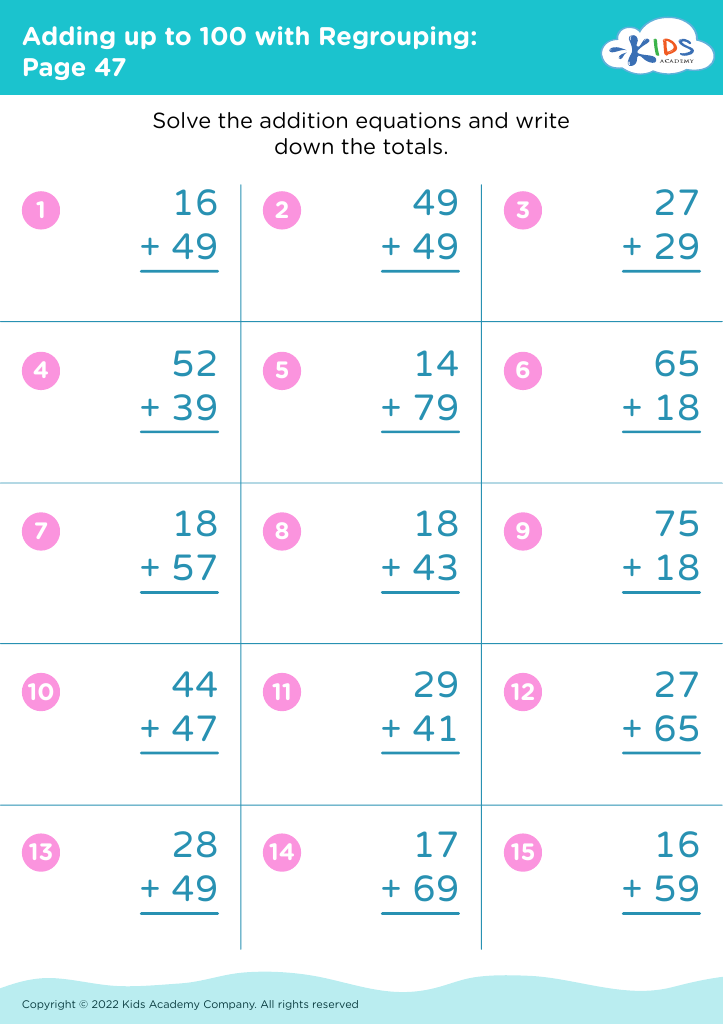
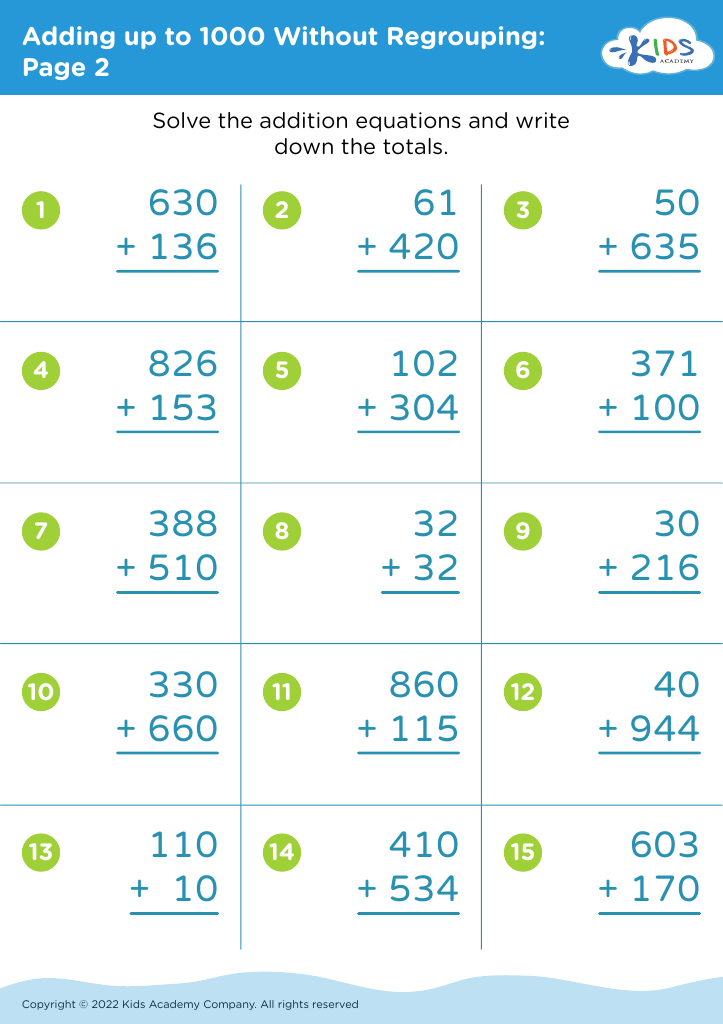
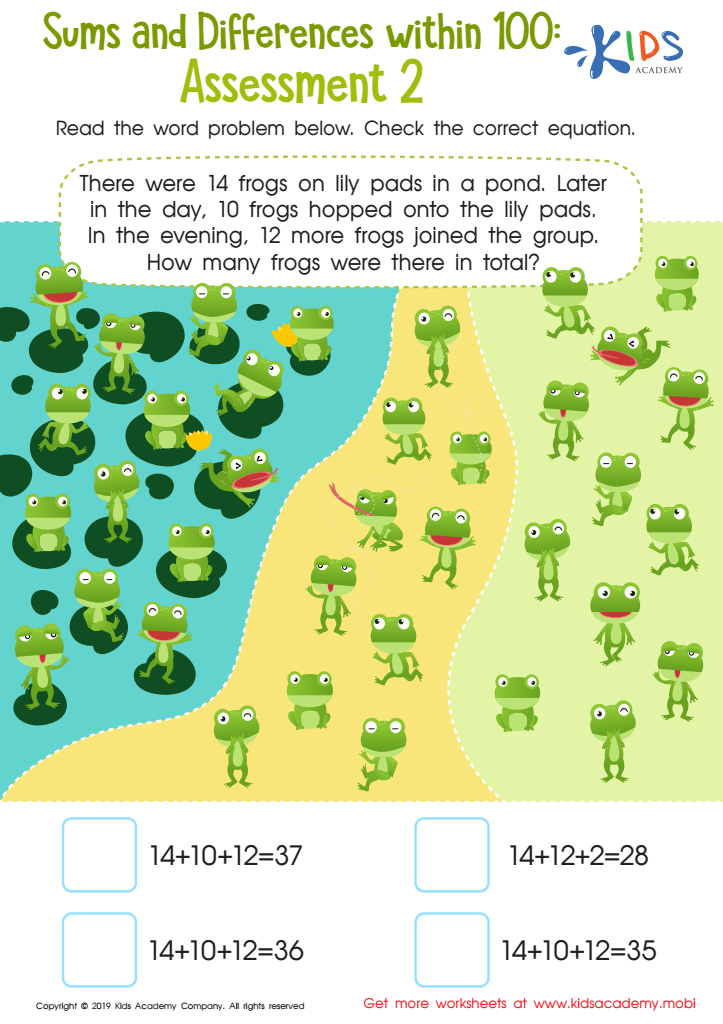
Sums and Differences Within 1 - Assessment 2 Worksheet
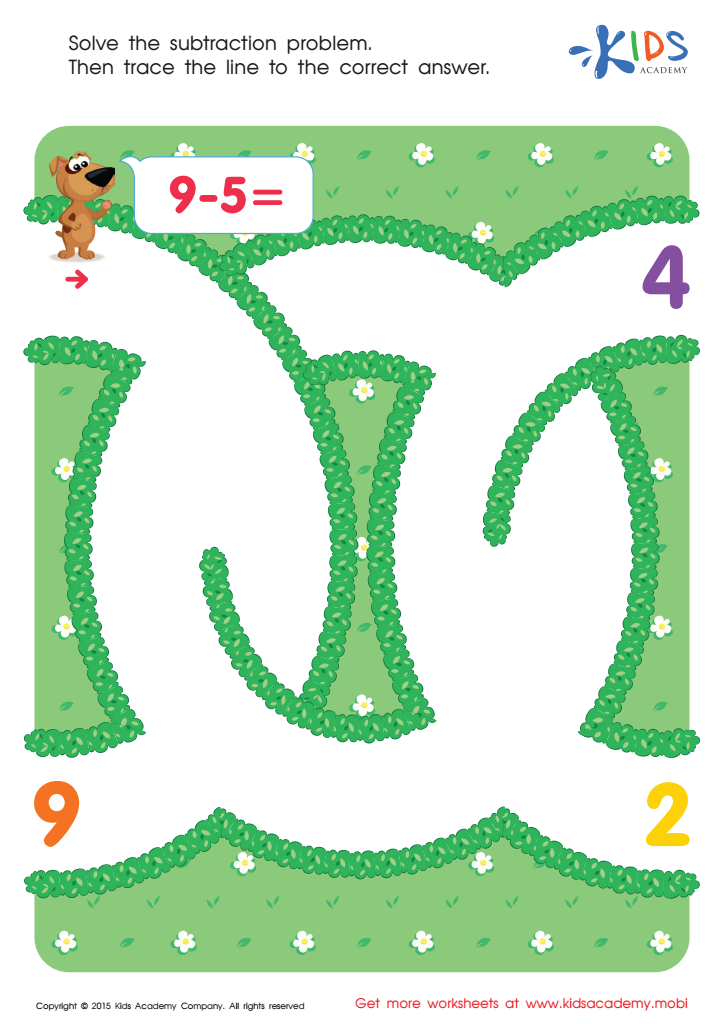
Subtraction Nine And Five Worksheet
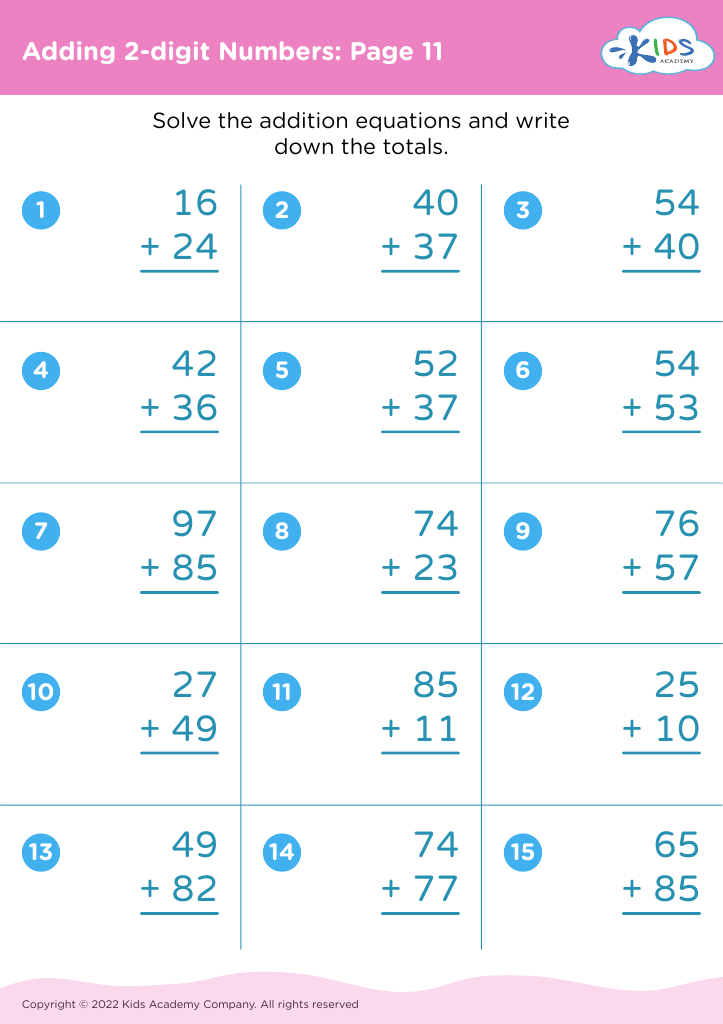
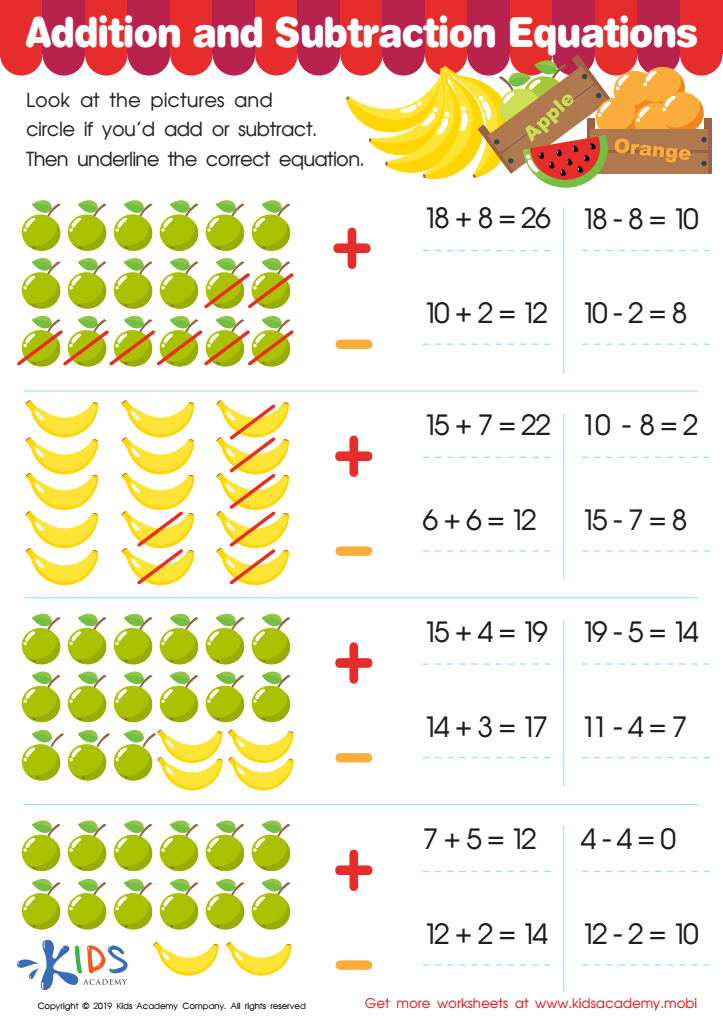
Addition and Subtraction: Equations Worksheet
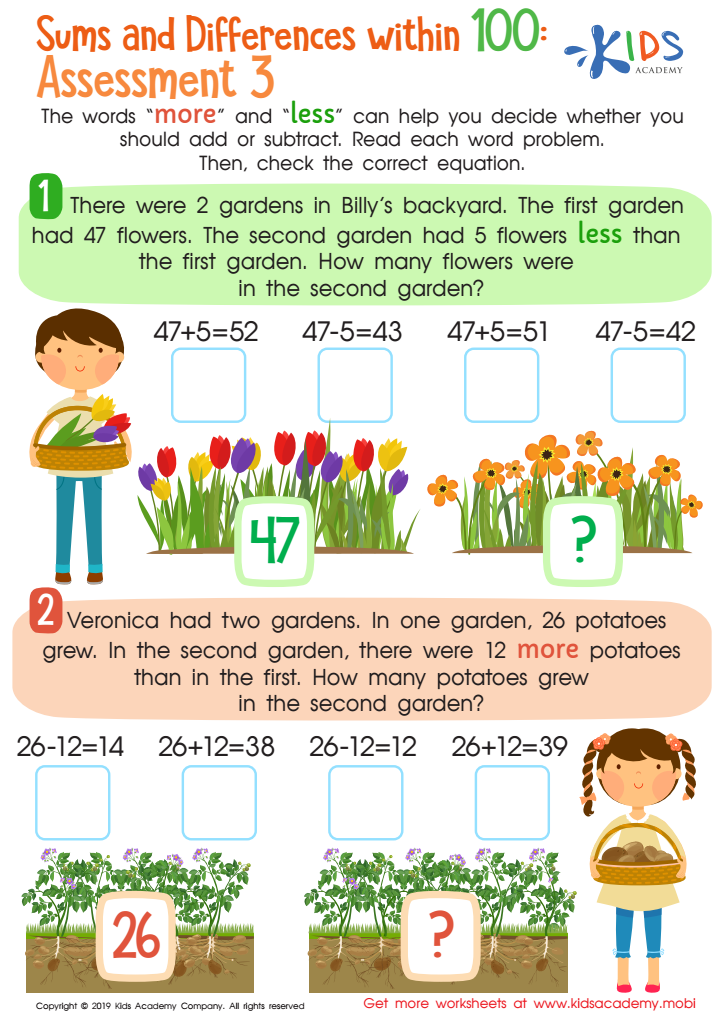
Sums and Differences Within 1 - Assessment 3 Worksheet
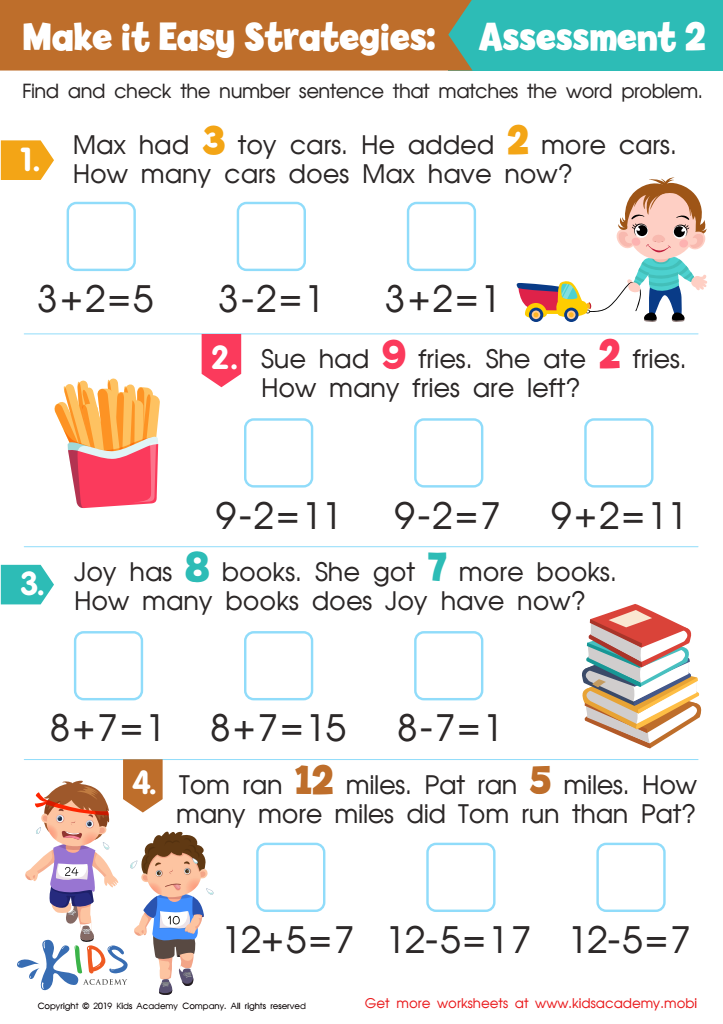
Make it Easy Strategies: Assessment 2 Worksheet
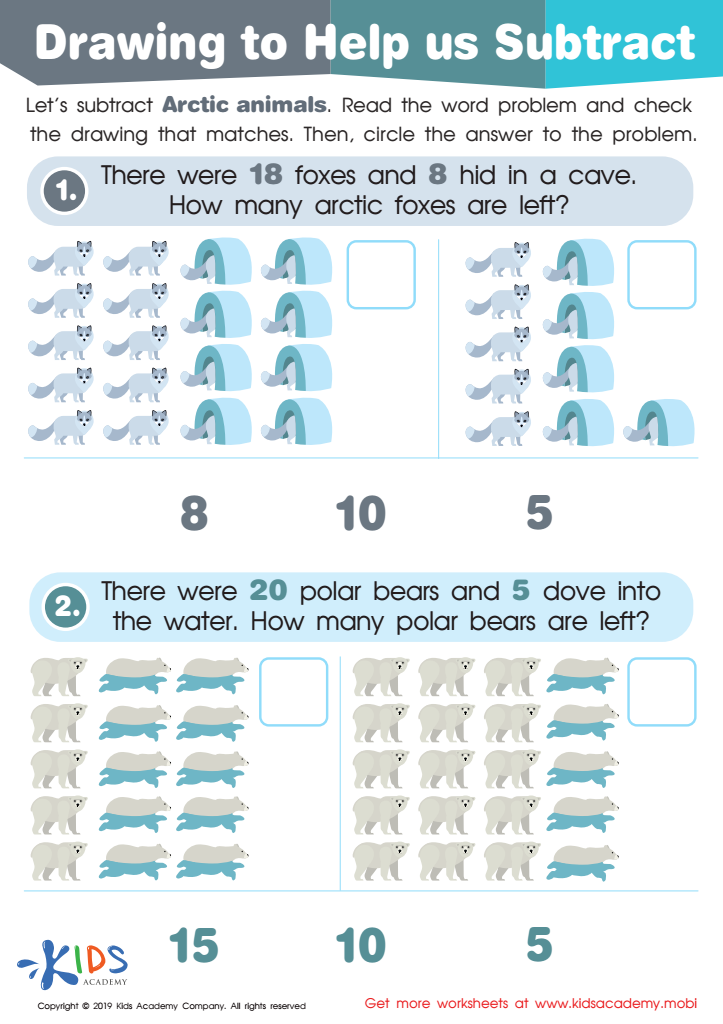
Drawing to Help Us Subtract Worksheet
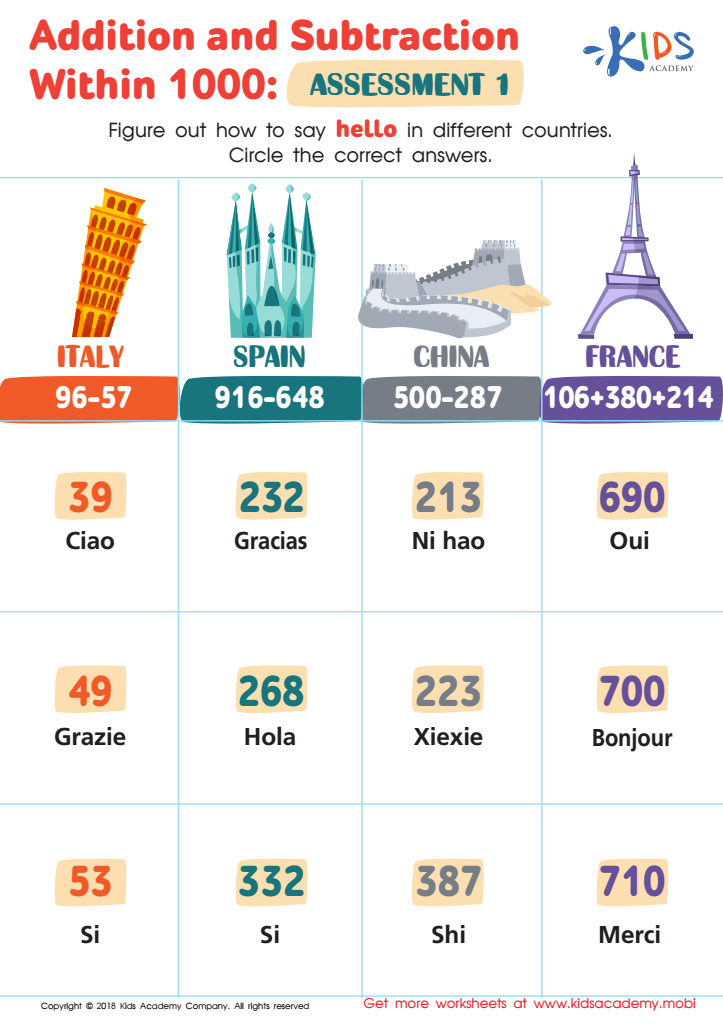
Addition and Subtraction Within 1000: Assessment 1 Worksheet
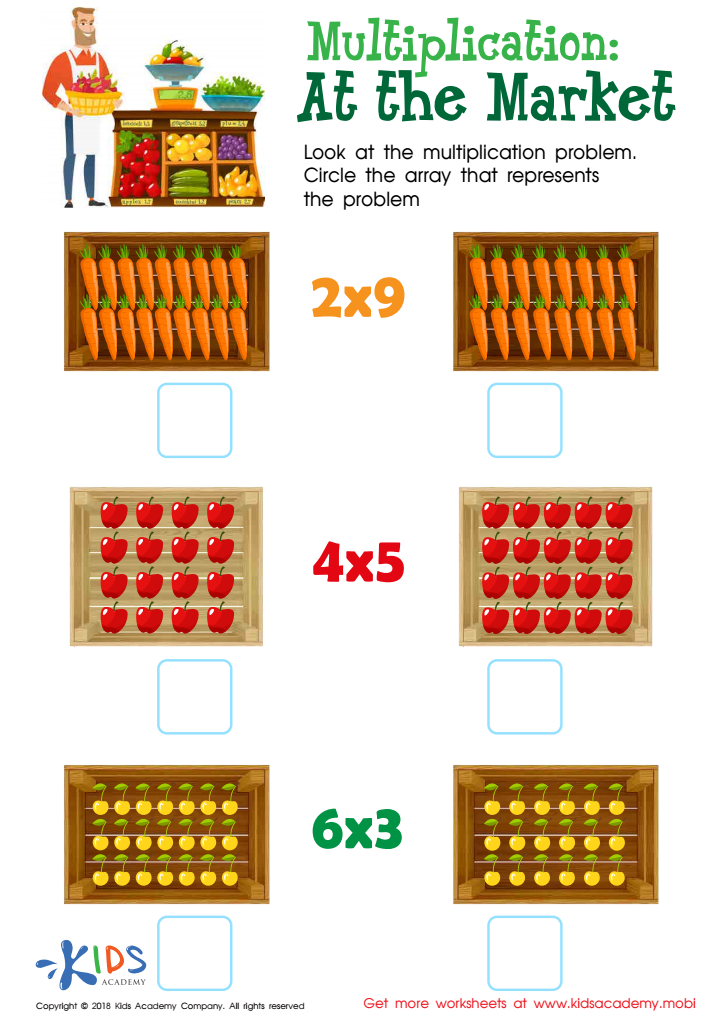
At the Market Worksheet
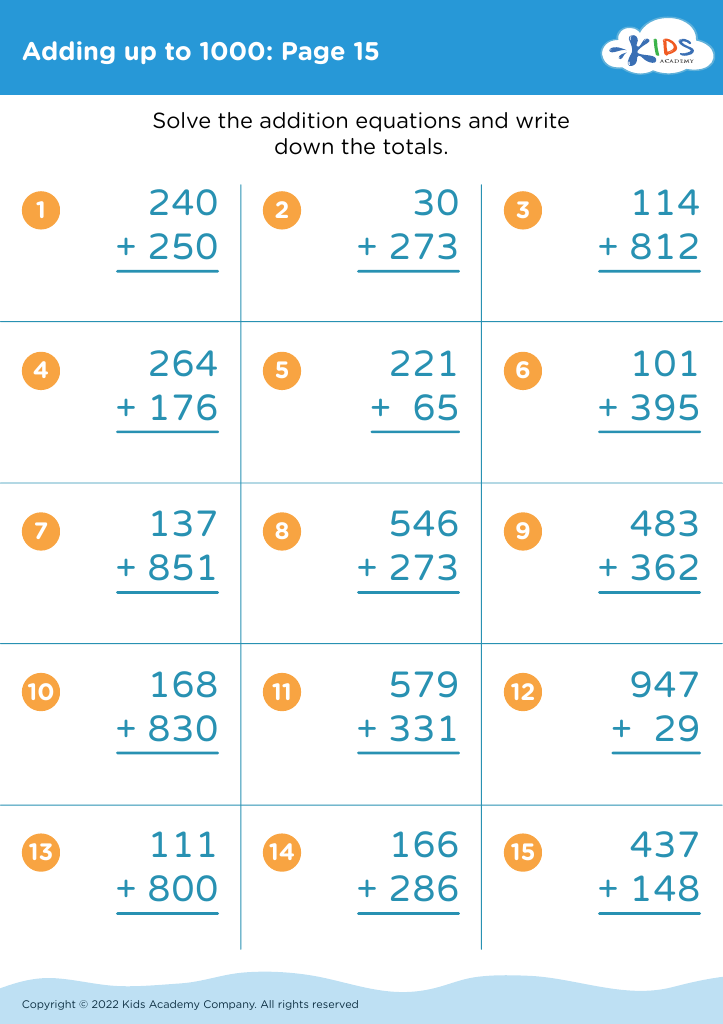
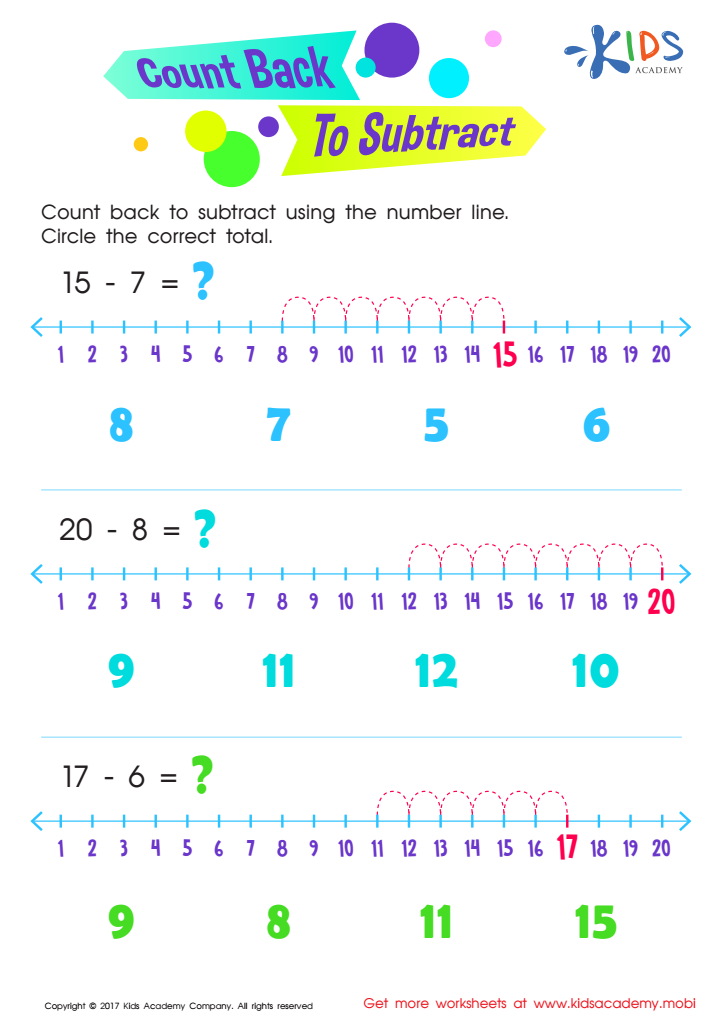
Count Back to Subtract Substraction Worksheet
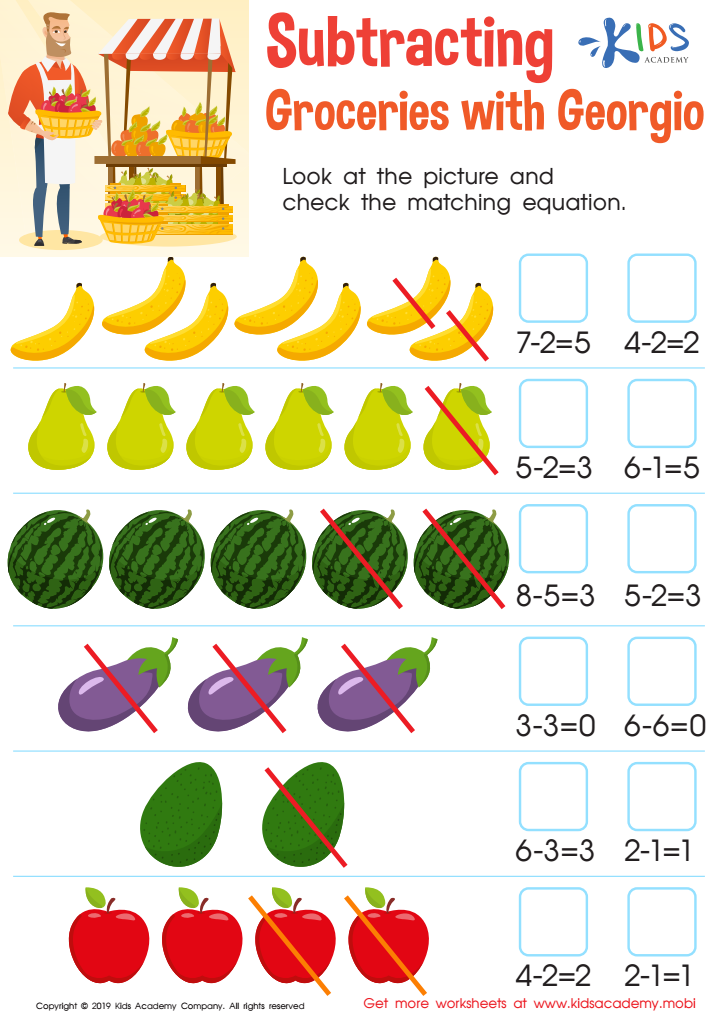
Subtracting: Groceries with Georgio Worksheet
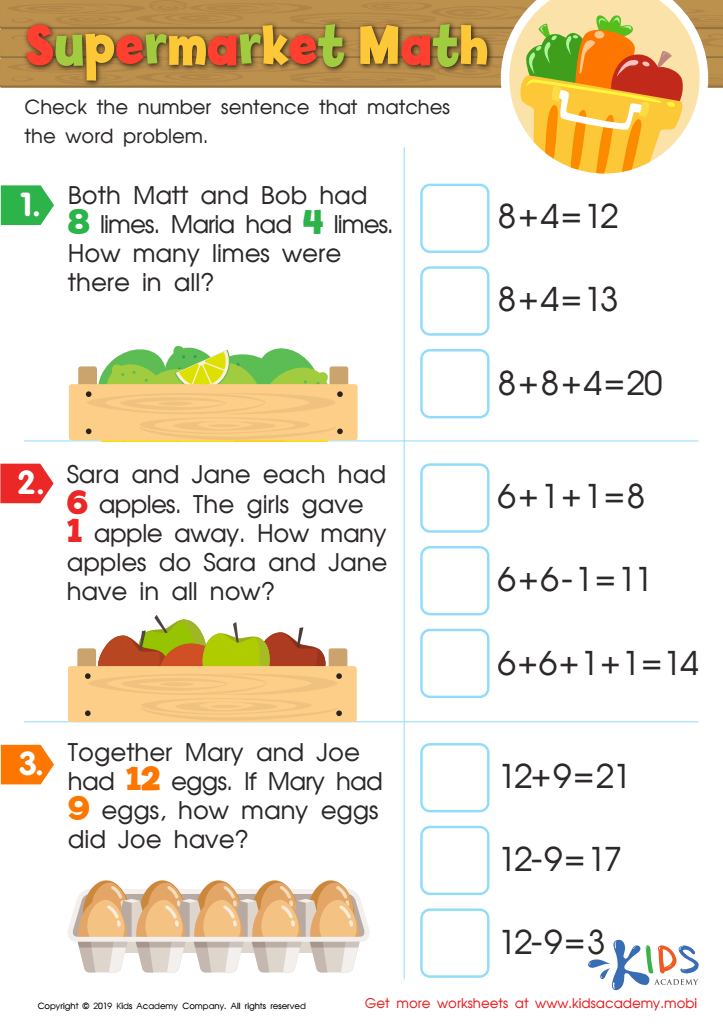
Supermarket Math Worksheet
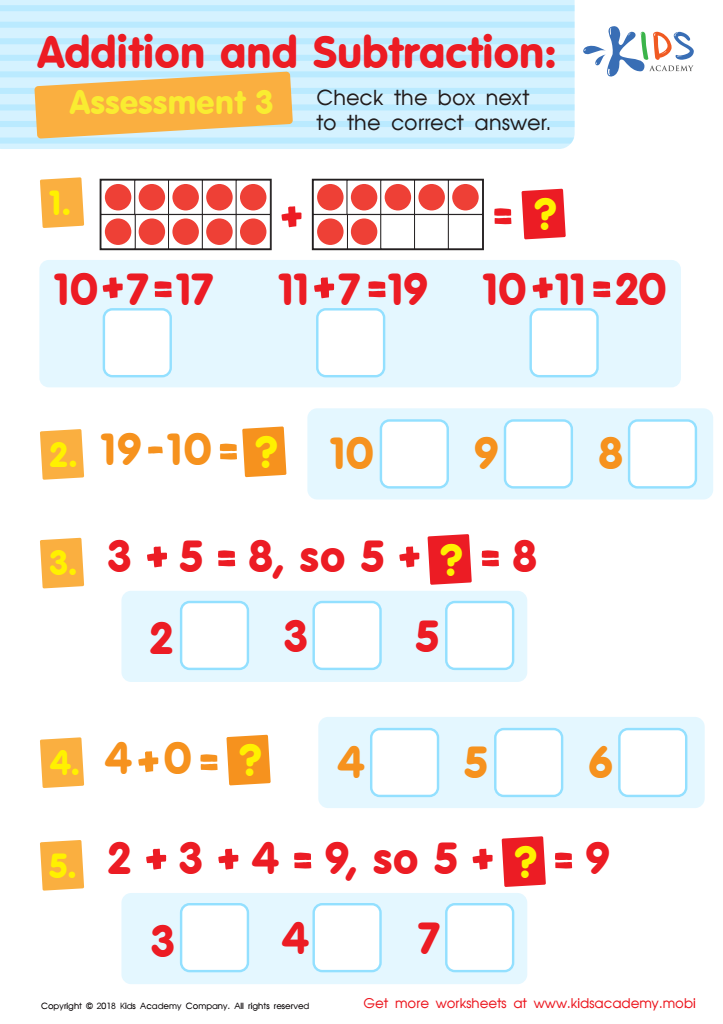
Addition and Subtraction Assessment 3 Worksheet
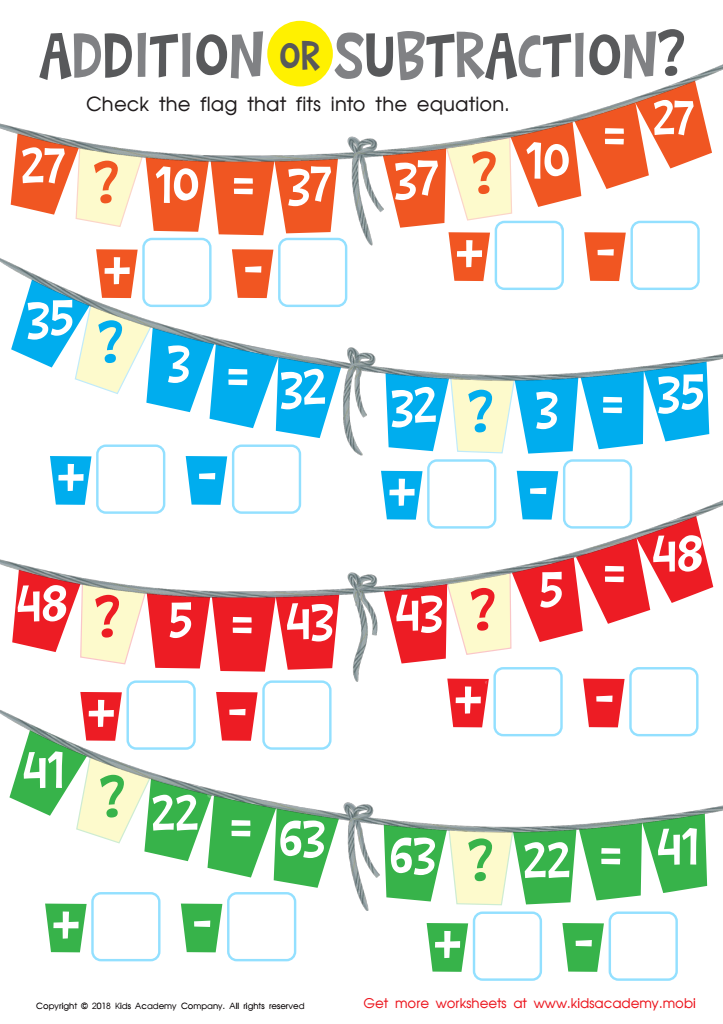
Addition or Subtraction? Worksheet
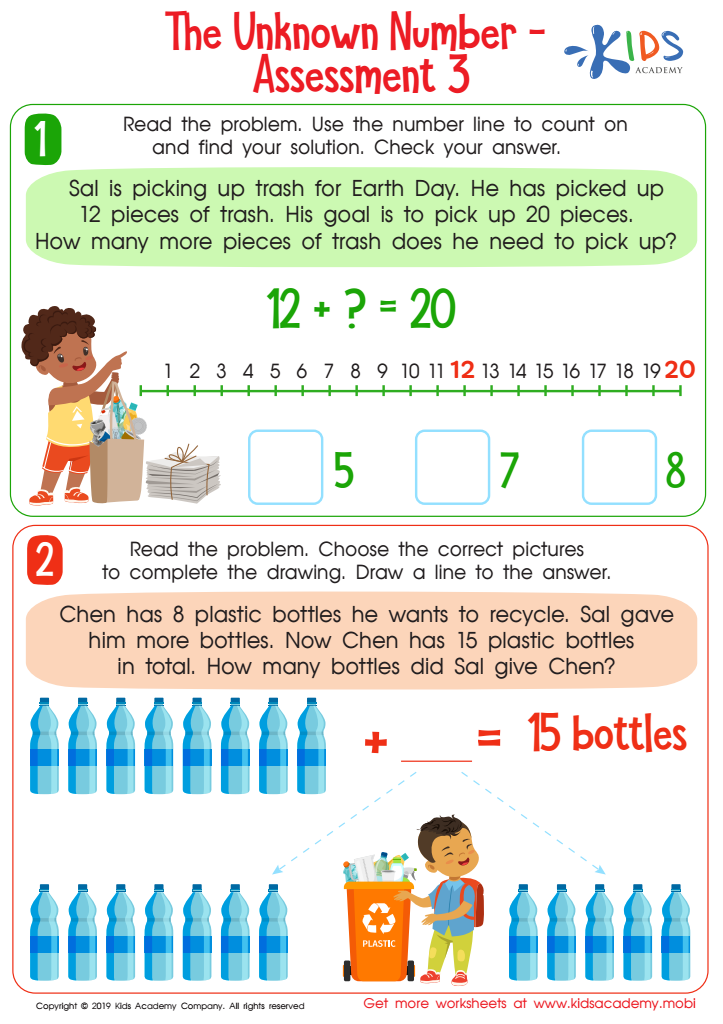
The Unknown Number - Assessment 3 Worksheet






Subtraction skills are essential for children aged 6-9, as they form the foundation for more advanced mathematics and critical thinking. During this developmental stage, children are transitioning from concrete to abstract thinking; mastering subtraction helps them understand number relationships, quantities, and problem-solving strategies.
Proficient subtraction skills enable children to tackle real-life situations, such as managing money or sharing items, which builds their confidence and autonomy. These skills translate into everyday tasks, fostering a sense of responsibility and equity among peers.
Moreover, strong subtraction abilities support overall academic success. Many interdisciplinary subjects, including science and social studies, require basic math skills for data interpretation and critical analysis. By ensuring children develop these fundamental skills, parents and teachers lay the groundwork for lifelong learning and mathematical fluency.
Engaging with subtraction also promotes cognitive development. It sharpens children's analytical thinking, encouraging them to balance and evaluate options when solving problems. Therefore, both parents and teachers must prioritize the development of subtraction skills, creating fun, interactive learning experiences that strengthen children's mathematical understanding and build a positive attitude towards learning. This commitment ultimately sets the stage for future success in both mathematics and beyond.








