Text analysis Worksheets for Ages 6-9
4 filtered results
-
From - To
Discover our engaging Text Analysis Worksheets tailored for children aged 6-9! Designed to bolster reading comprehension and analytical skills, these worksheets guide young learners through fun activities that promote understanding of story elements and reinforce vocabulary. Featuring interactive exercises, questions, and creative prompts, each worksheet encourages critical thinking and helps kids develop their ability to dissect and interpret various texts. Perfect for classroom or home use, these resources make reading enjoyable and meaningful. Explore our collection today and watch your child's love for reading grow while they build essential language skills! Unlock the power of comprehension with our Text Analysis Worksheets.
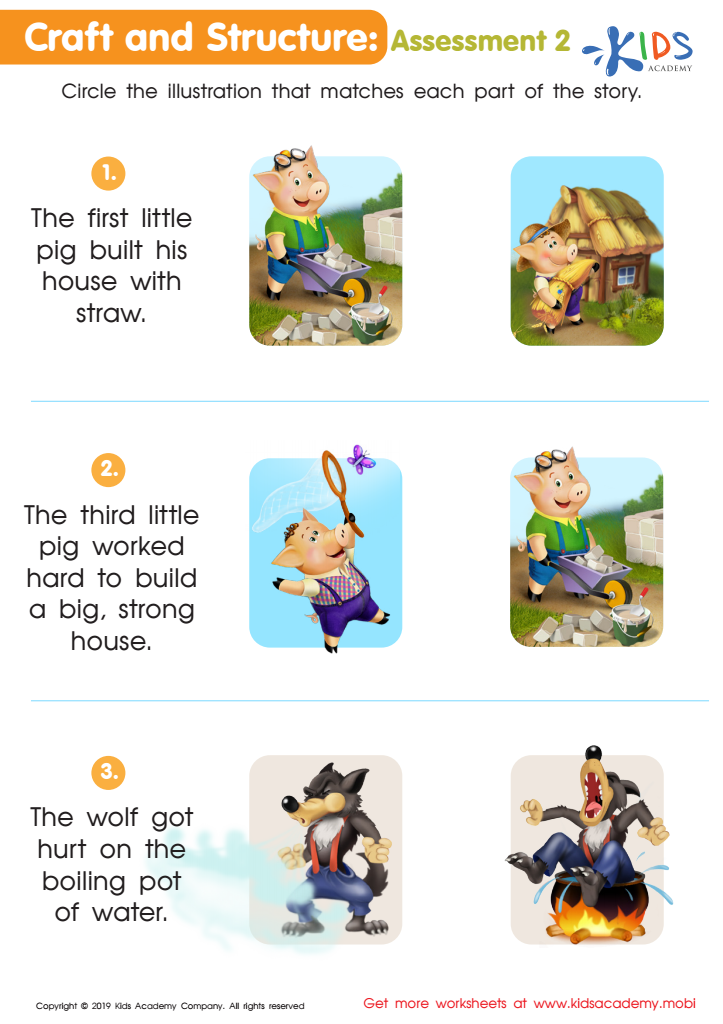
Craft and Structure: Assessment 2 Worksheet 2
 Assign to My Students
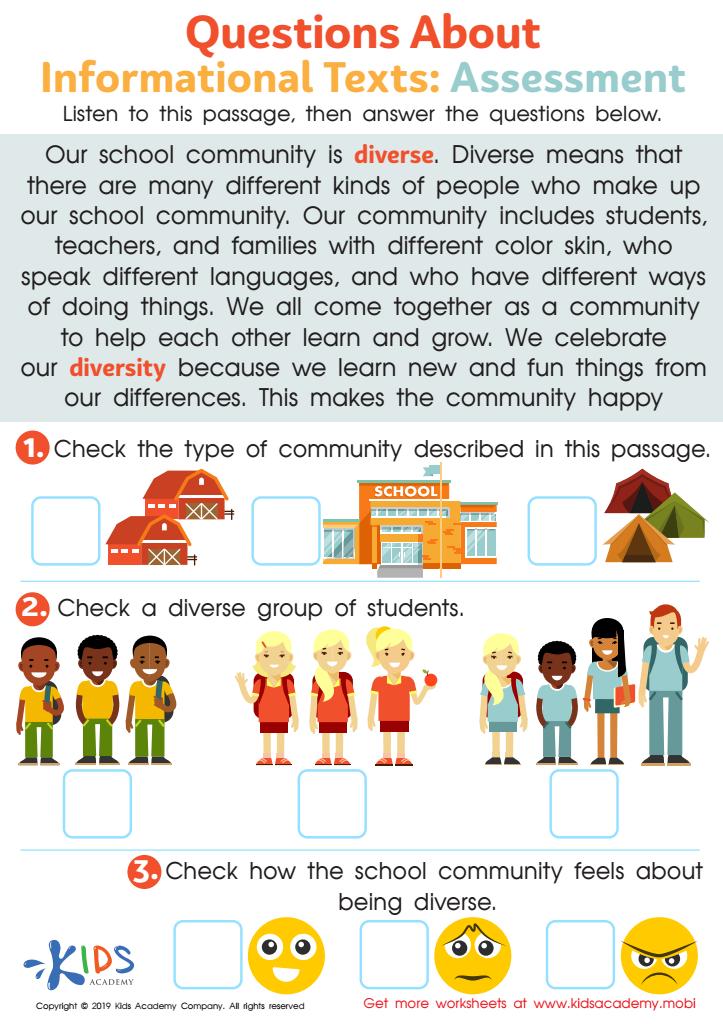
Questions About Informational Texts: Assessment 1 Worksheet
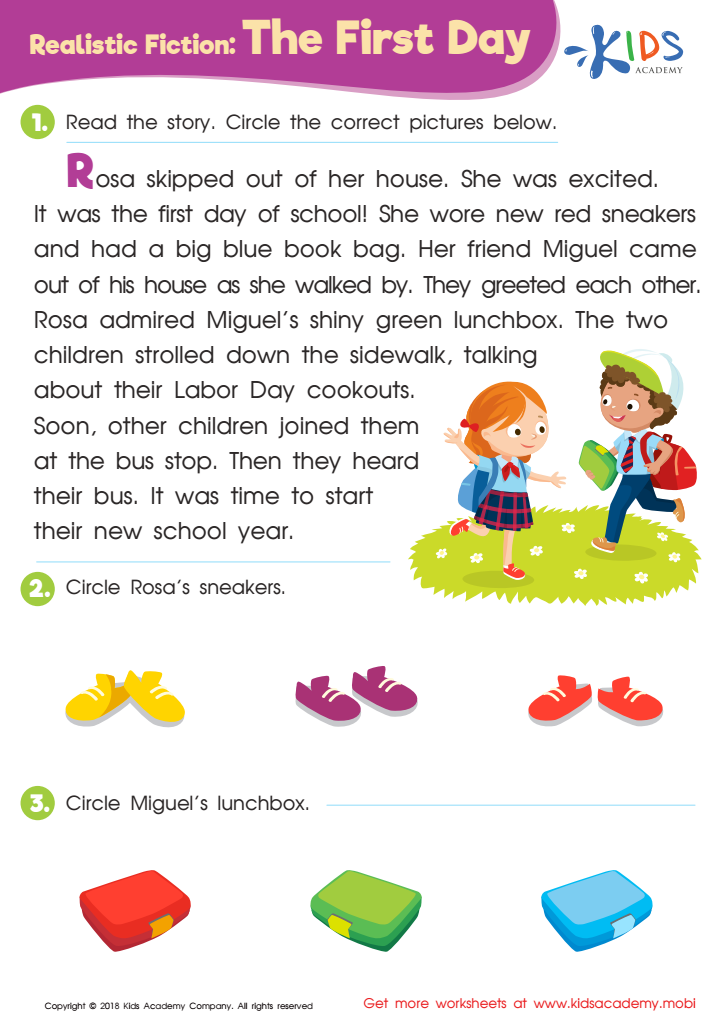
Realistic Fiction: The First Day Worksheet
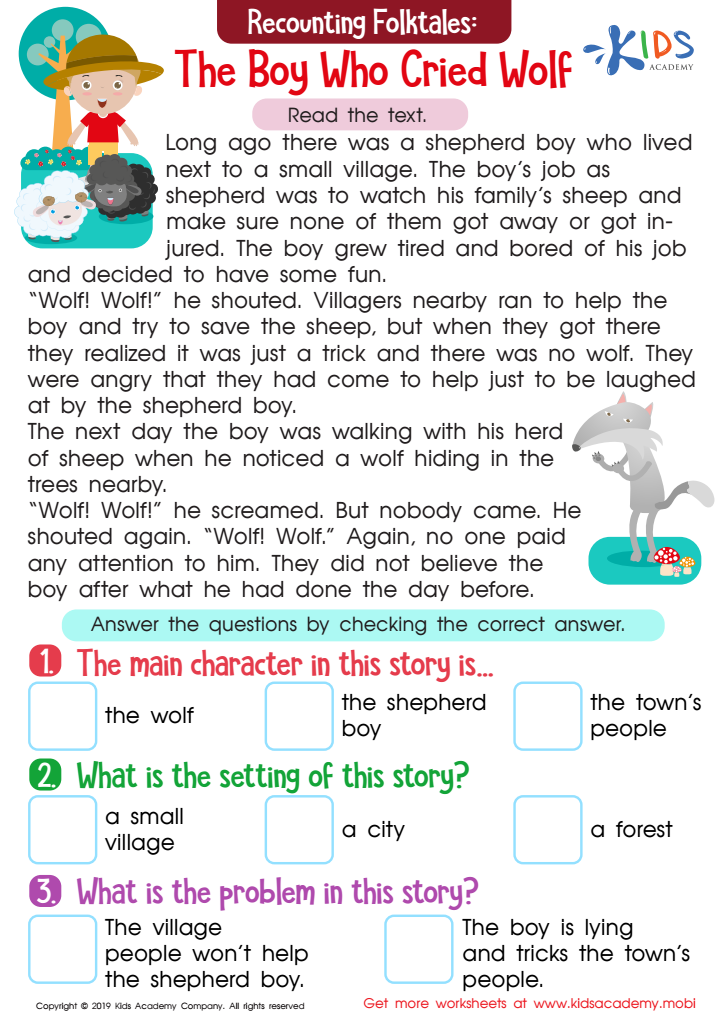
The Boy Who Cried Wolf Part 1 Worksheet







Text analysis for children aged 6-9 is crucial as it lays the foundation for critical thinking, comprehension, and communication skills. At this age, children are beginning to transition from learning to read to reading to learn. Engaging in text analysis encourages them to delve deeper into the materials they encounter, fostering a love for reading and enhancing their ability to interpret various texts—both fictional and informational.
Understanding how to analyze texts helps children identify key ideas, themes, and character motivations, developing empathy and perspective-taking skills. Through analysis, they learn to make connections between texts, enhancing their overall comprehension and retention. Furthermore, it supports vocabulary expansion, as children encounter new words in context and learn to dissect complex sentences.
Parents and teachers play a vital role in guiding this process. By encouraging discussions and asking questions about texts, they can stimulate critical thinking, guiding children to articulate their thoughts and supporting their overall literacy development. Moreover, integrating text analysis in the curriculum can create a collaborative learning environment where children feel encouraged to express their viewpoints, question narratives, and grow as independent thinkers, ultimately setting them up for future academic success.








