Understanding ecosystems Worksheets for Ages 6-9
11 filtered results
-
From - To
Explore the fascinating world of ecosystems with our "Understanding Ecosystems Worksheets" tailored for children ages 6-9! Designed to stimulate young minds, these engaging worksheets introduce fundamental concepts of ecosystems, highlighting the interdependence of plants, animals, and their environments. Through fun activities, vibrant illustrations, and interactive exercises, kids will learn about food chains, habitats, and conservation. Our resources promote critical thinking and enhance comprehension by encouraging students to observe, analyze, and reflect on the natural world. Perfect for home or classroom use, these worksheets offer an excellent way to inspire environmental awareness and nurture a love for science in young learners!
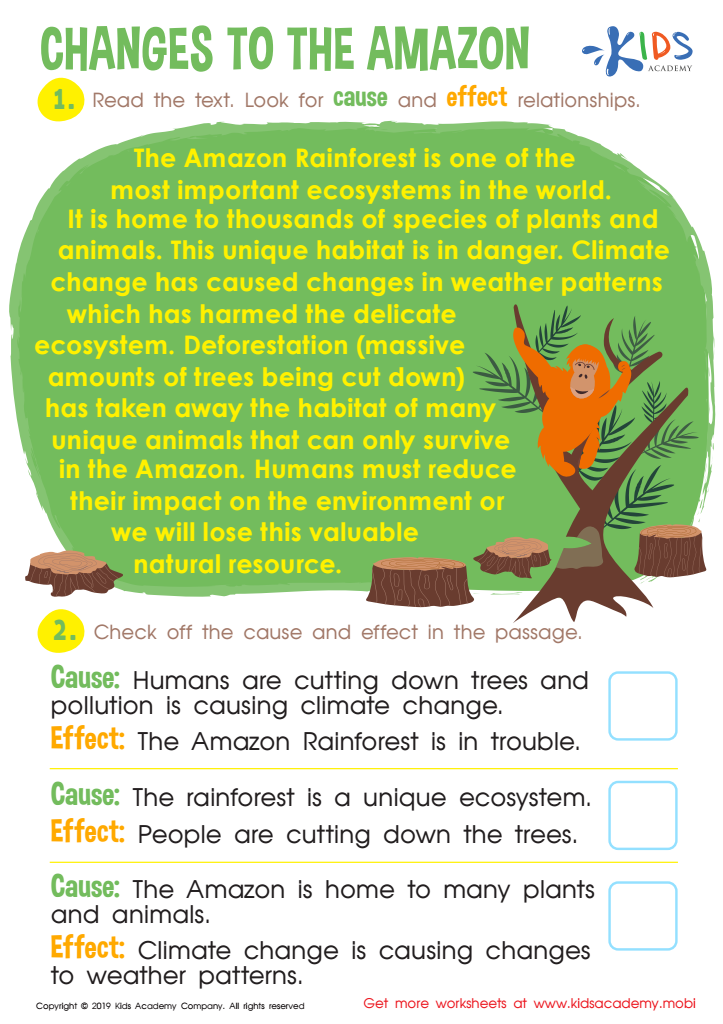
Changes to the Amazon Worksheet
 Assign to My Students
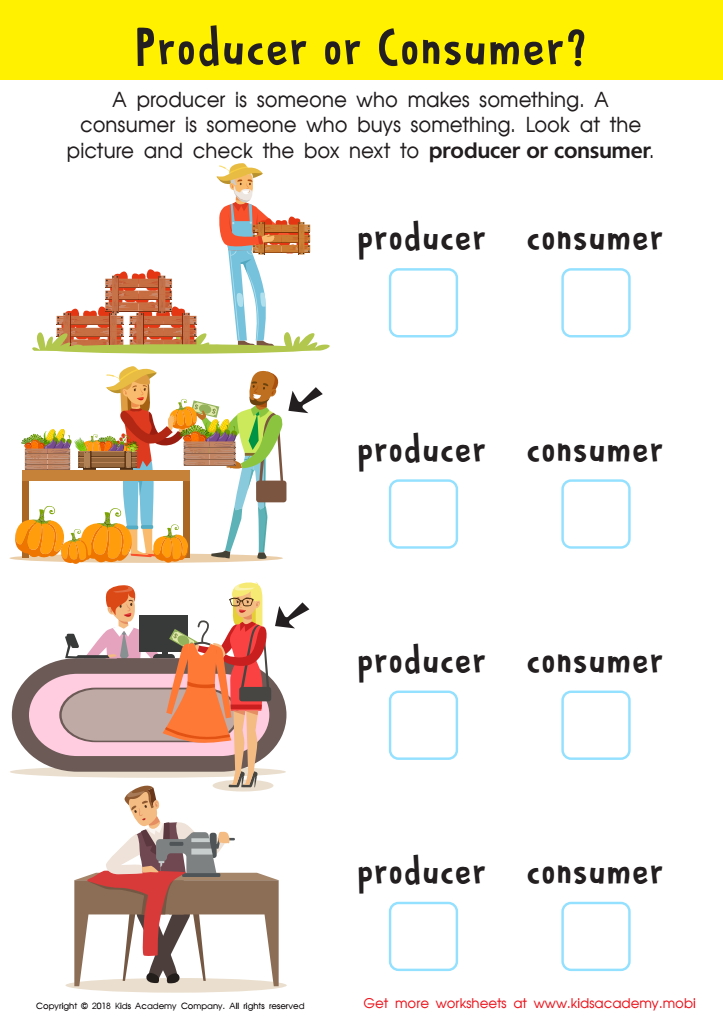
Producer or Consumer? Worksheet
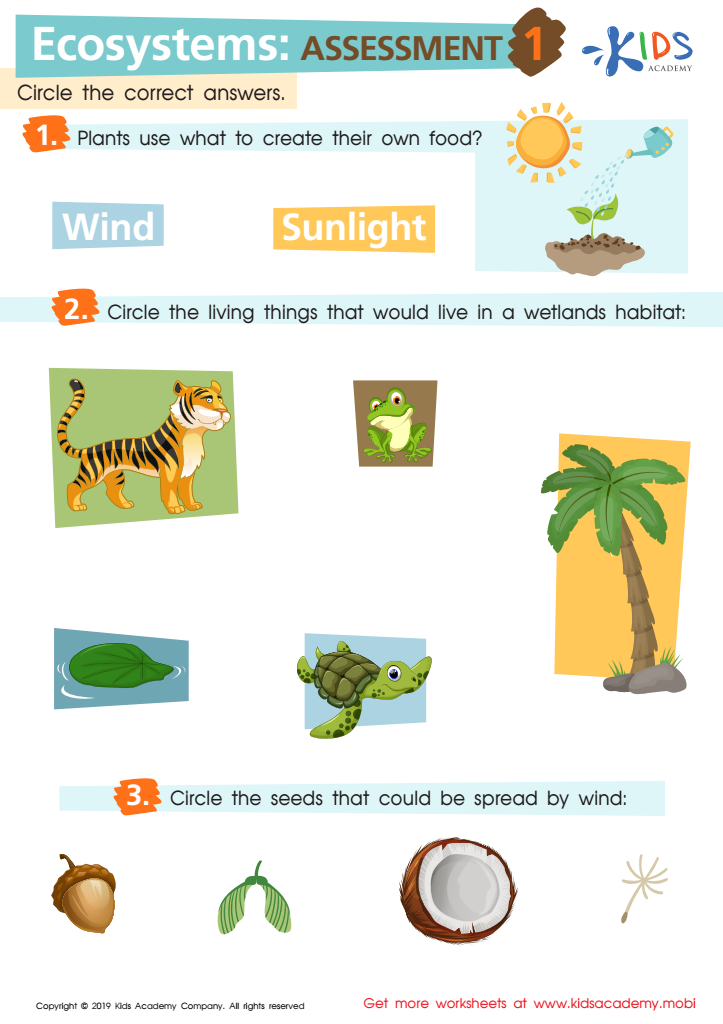
Ecosystems: Assessment 1 Worksheet
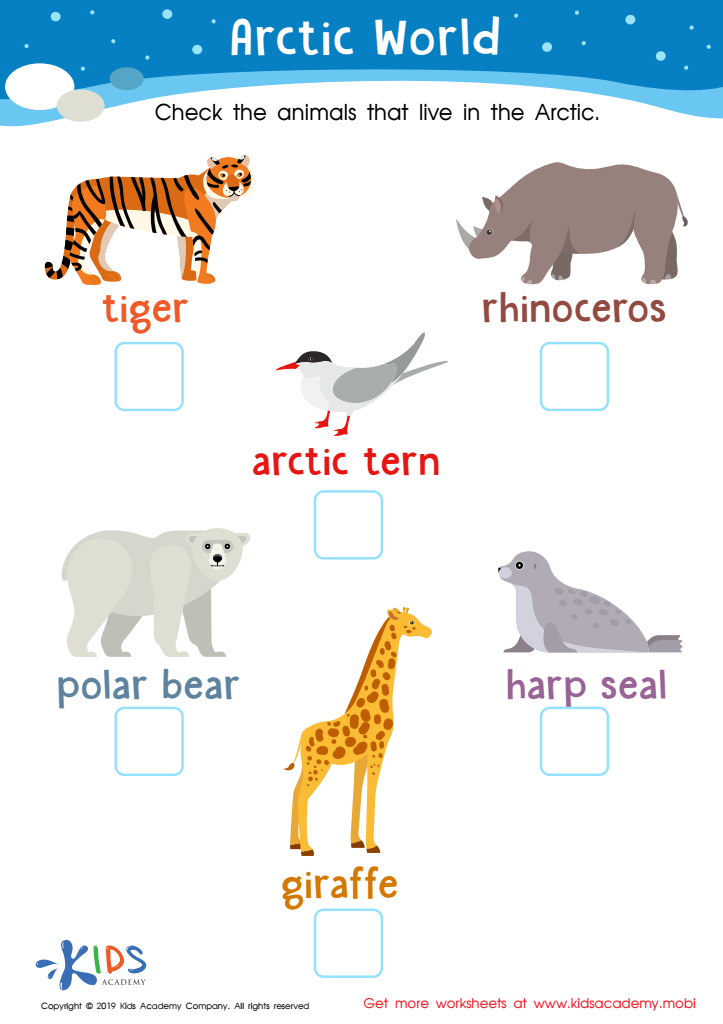
Arctic World Worksheet
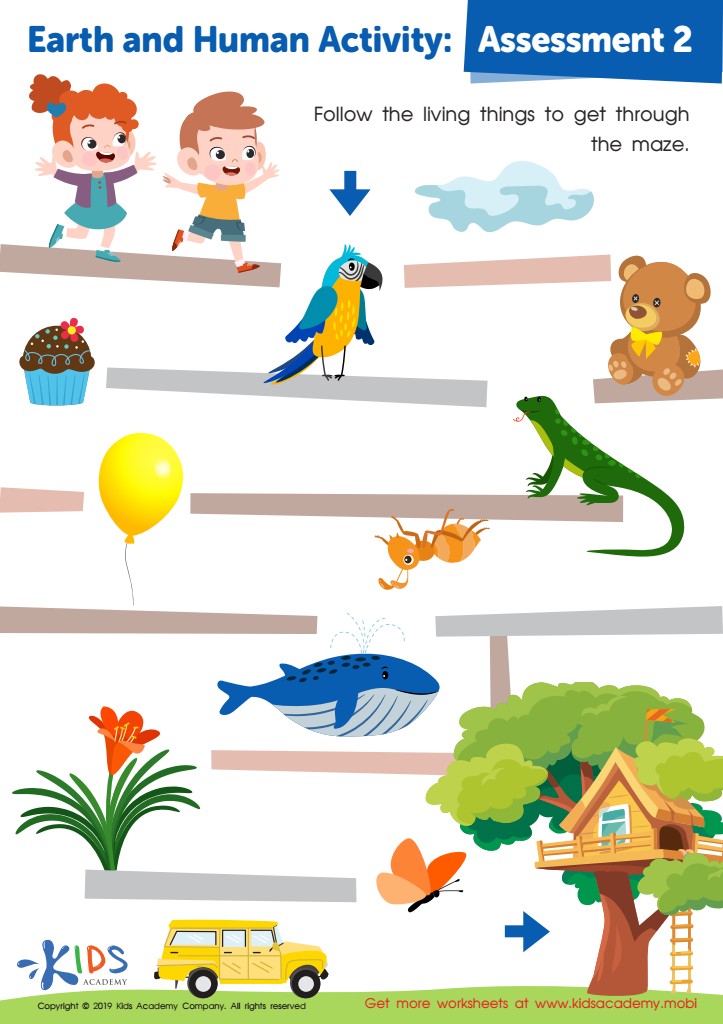
Earth and Human Activity: Assessment 2 Worksheet
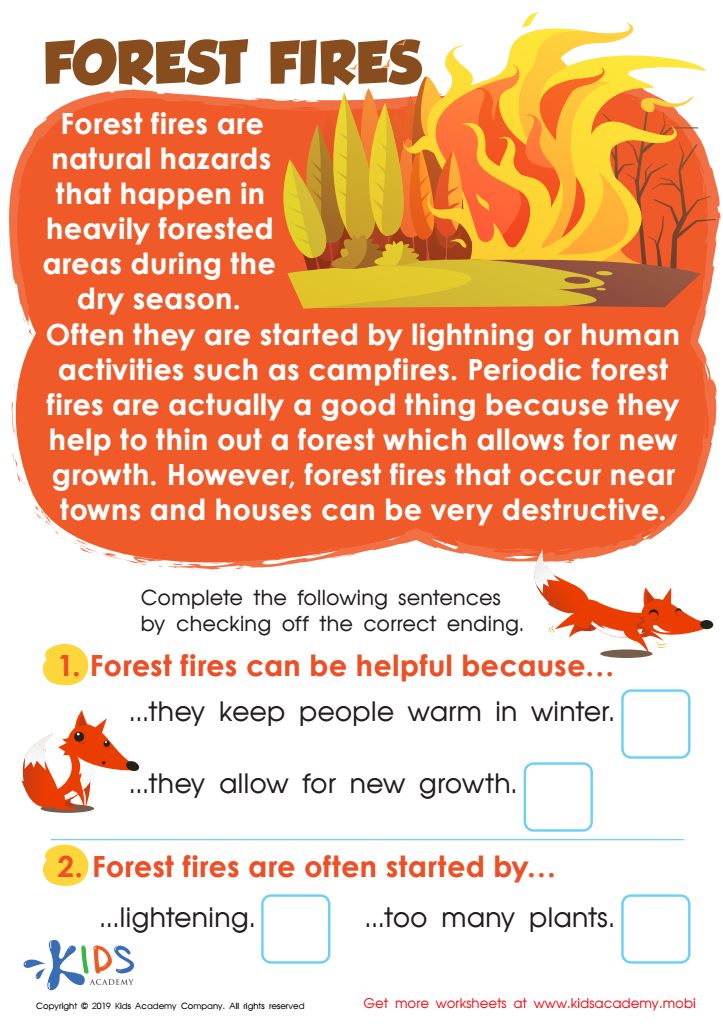
Forest Fires Worksheet
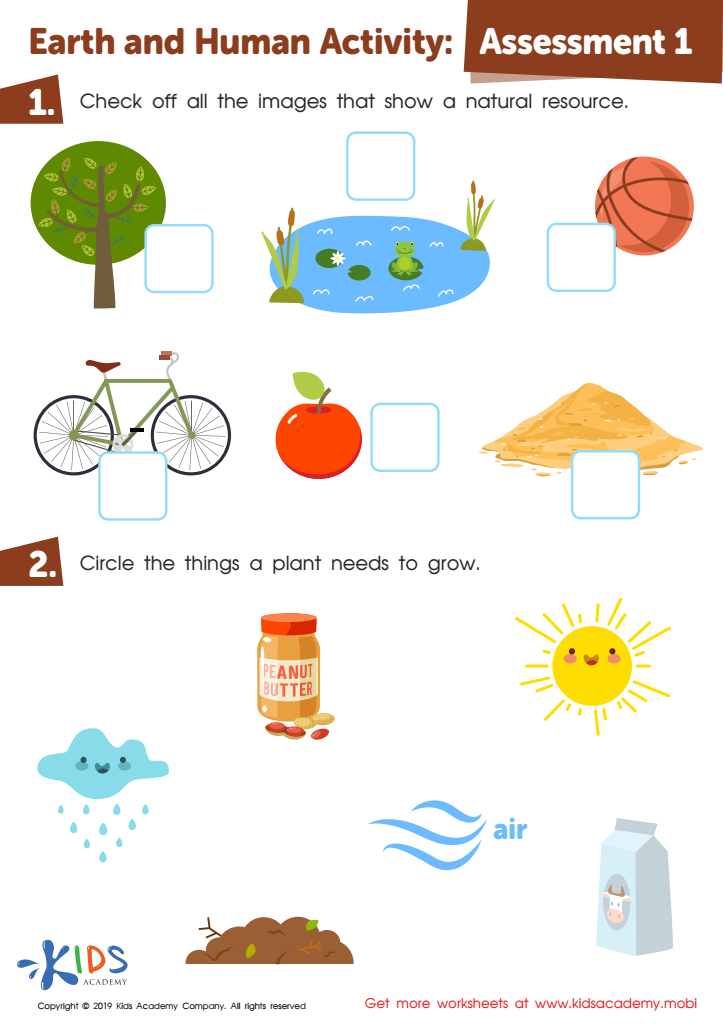
Earth and Human Activity: Assessment 1 Worksheet
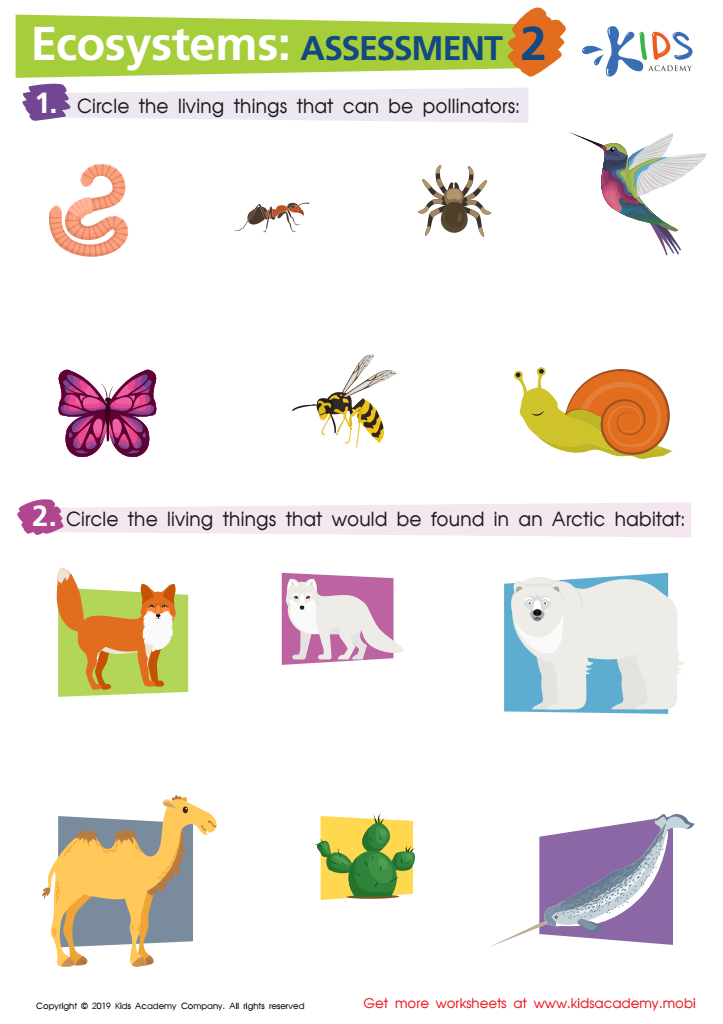
Ecosystems: Assessment 2 Worksheet
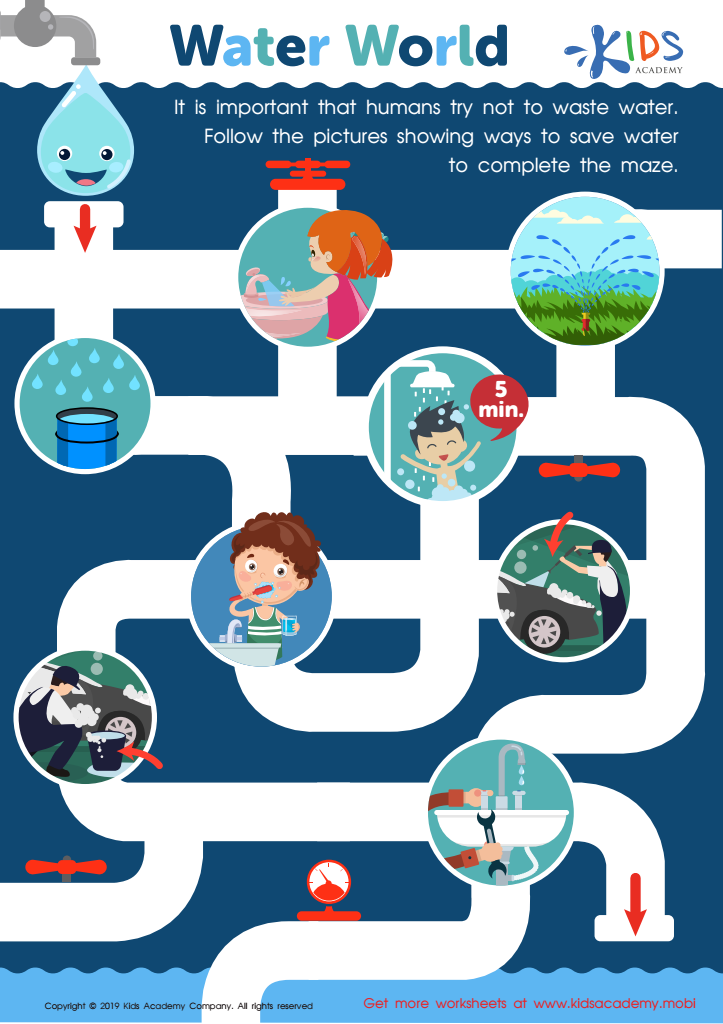
Water World Worksheet
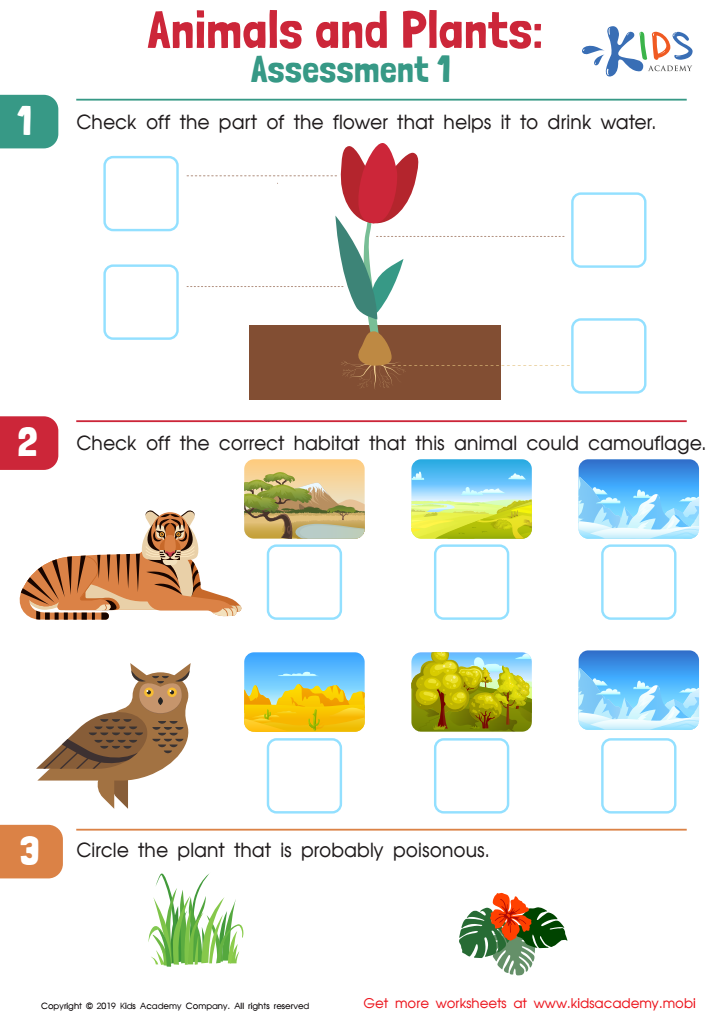
Animals and Plants: Assessment 1 Worksheet
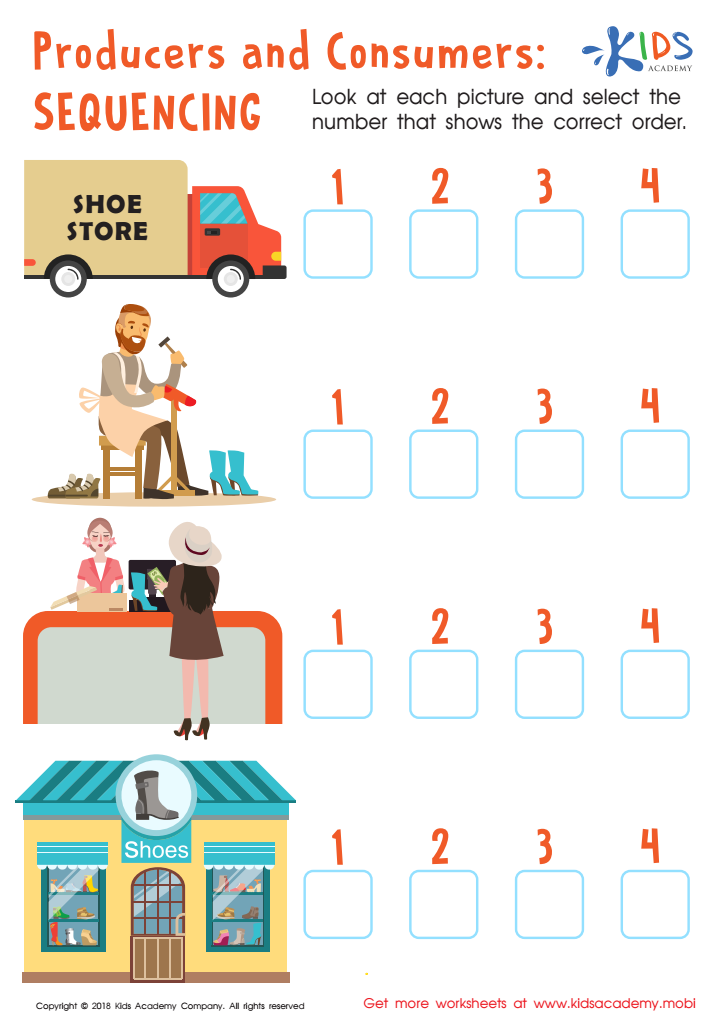
Producers and Consumers: Sequencing Worksheet








Understanding ecosystems is essential for children aged 6-9 as it lays the foundation for their environmental awareness and responsibility. At this age, children are naturally curious and eager to explore the world around them. By learning about ecosystems—the interactions between living organisms and their environments—they gain insights into how organisms depend on one another and their surroundings for survival.
This knowledge fosters a sense of stewardship, encouraging children to respect nature and the delicate balance that sustains it. Parents and teachers can use this framework to teach important values such as kindness, responsibility, and interconnectedness. Moreover, understanding ecosystems helps children recognize the impact of human activities on the environment, instilling a proactive approach to issues like pollution and conservation.
Incorporating multimedia resources, hands-on activities, and field trips into lessons makes learning about ecosystems engaging and memorable. Engaged learners are more likely to develop critical thinking skills as they explore concepts like food chains, habitats, and biodiversity. Overall, by fostering an understanding of ecosystems, parents and teachers empower children to become informed, caring individuals who are equipped to tackle the environmental challenges of the future.








