Reading comprehension Addition & Subtraction Worksheets for Ages 6-9 - Page 2
66 filtered results
-
From - To
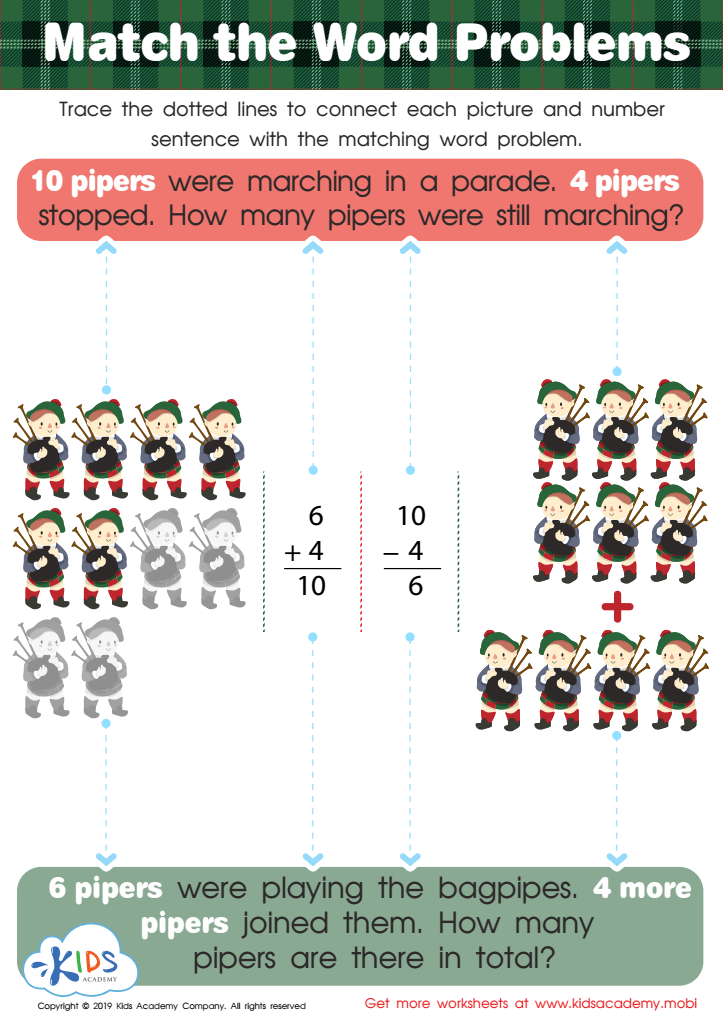
Match the Word Problems Worksheet
 Assign to My Students
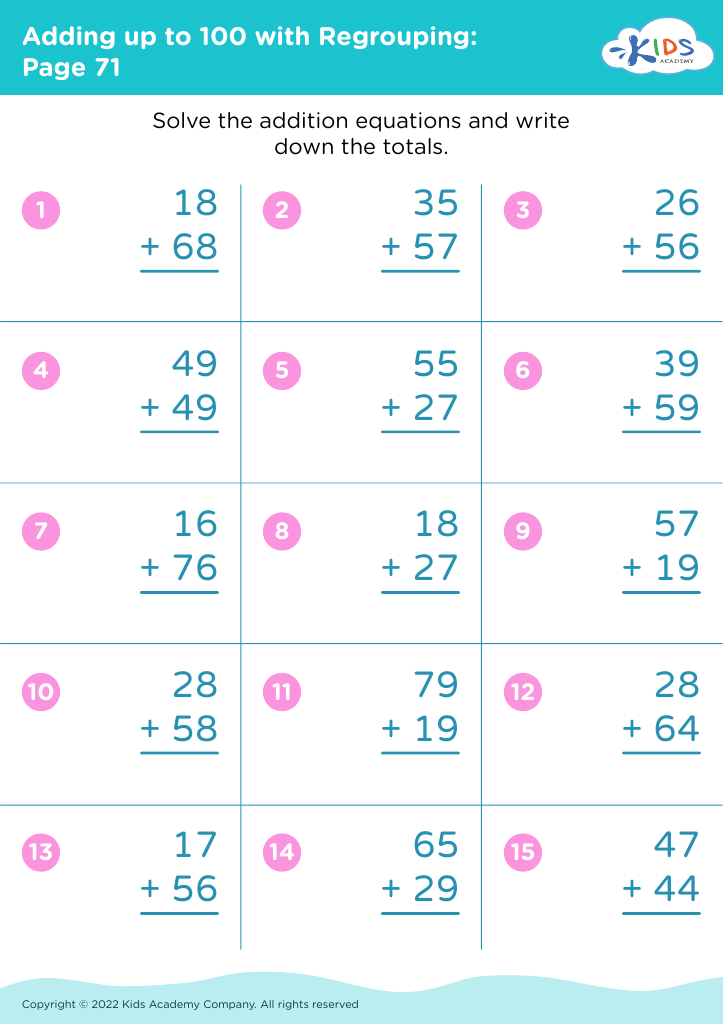
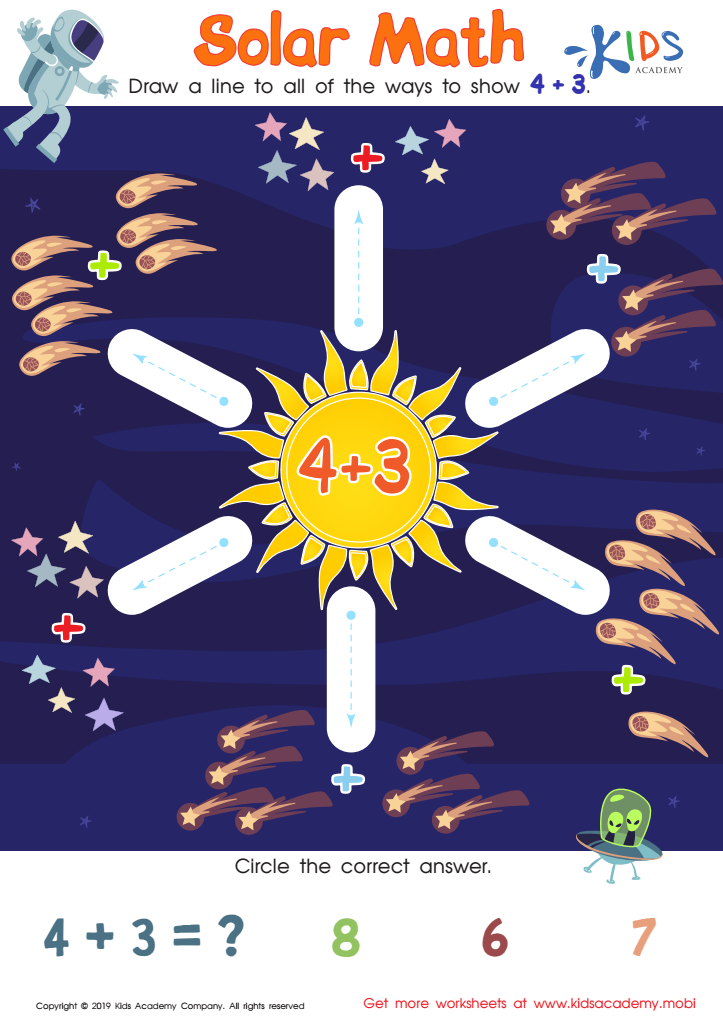
Solar Math Worksheet
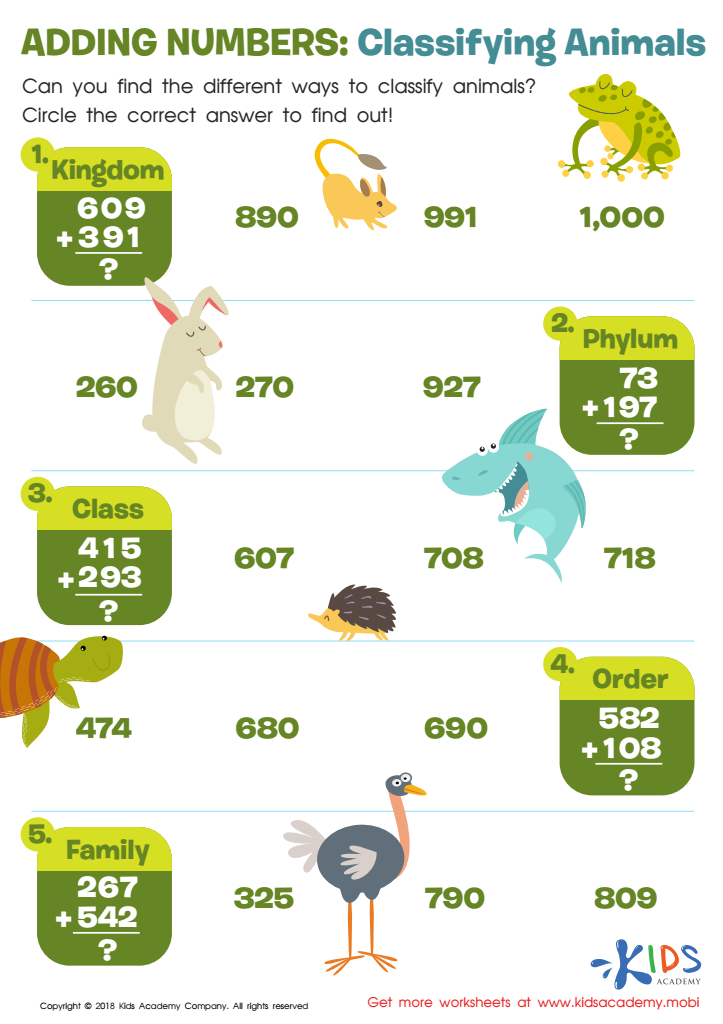
Adding Numbers: Classifying Animals Worksheet
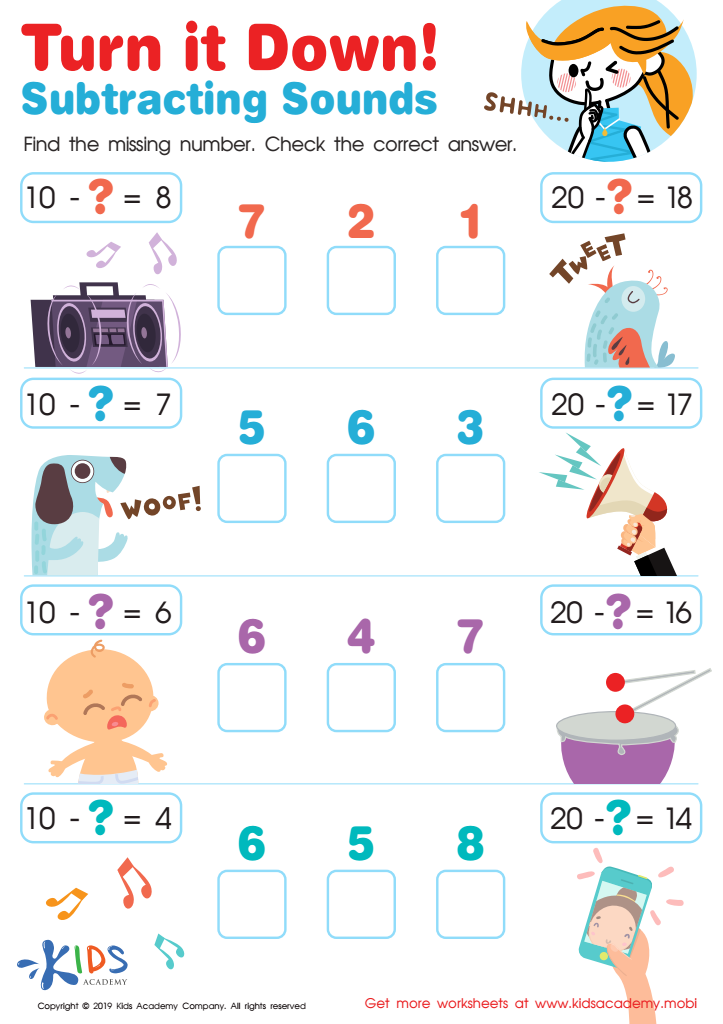
Turn It down! Subtracting Sounds Worksheet
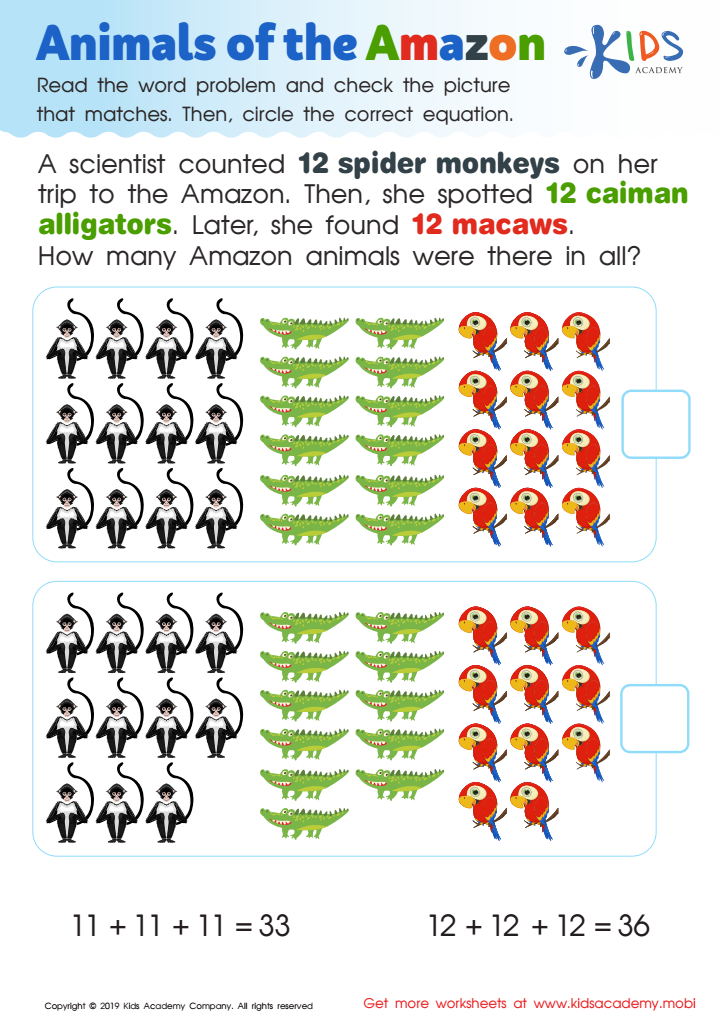
Animals of Amazon Worksheet
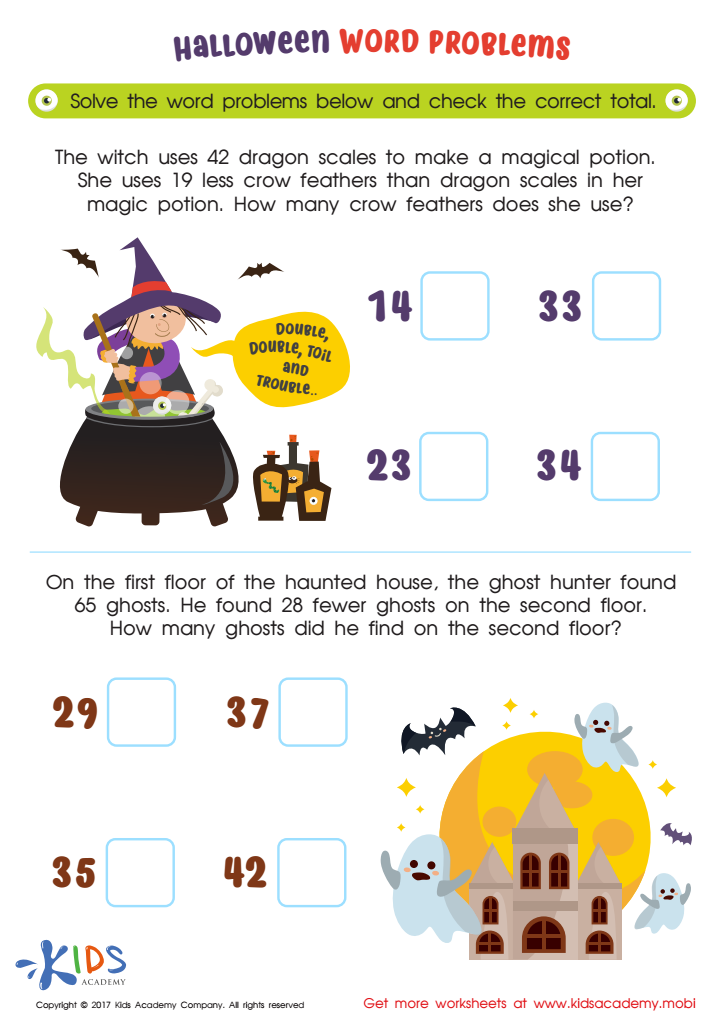
Halloween Word Problems Printable
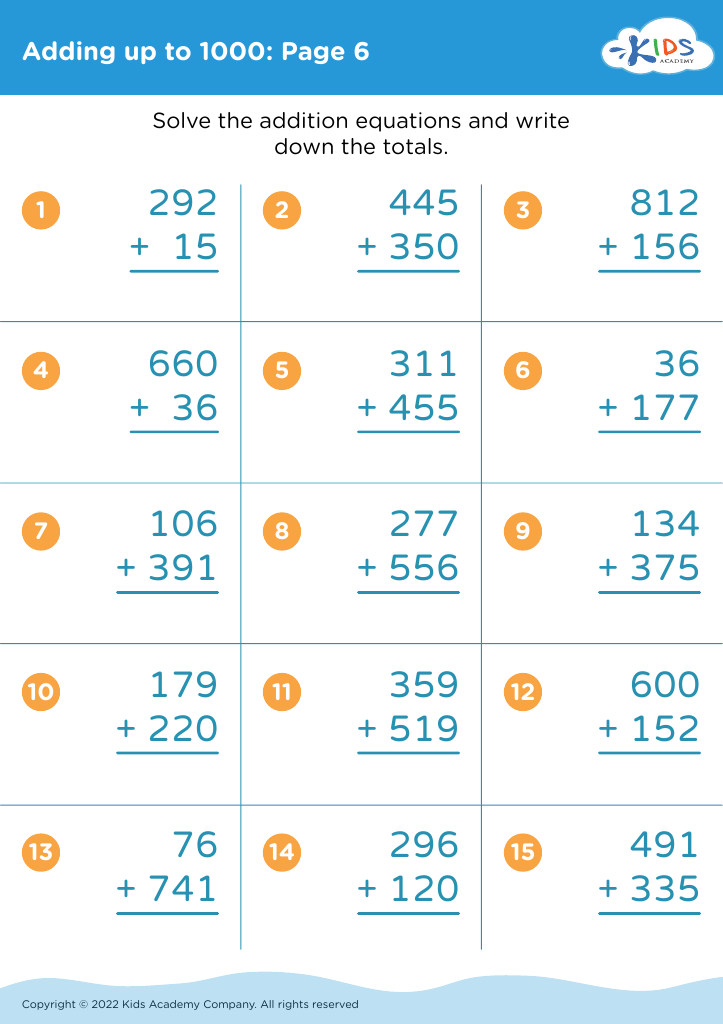
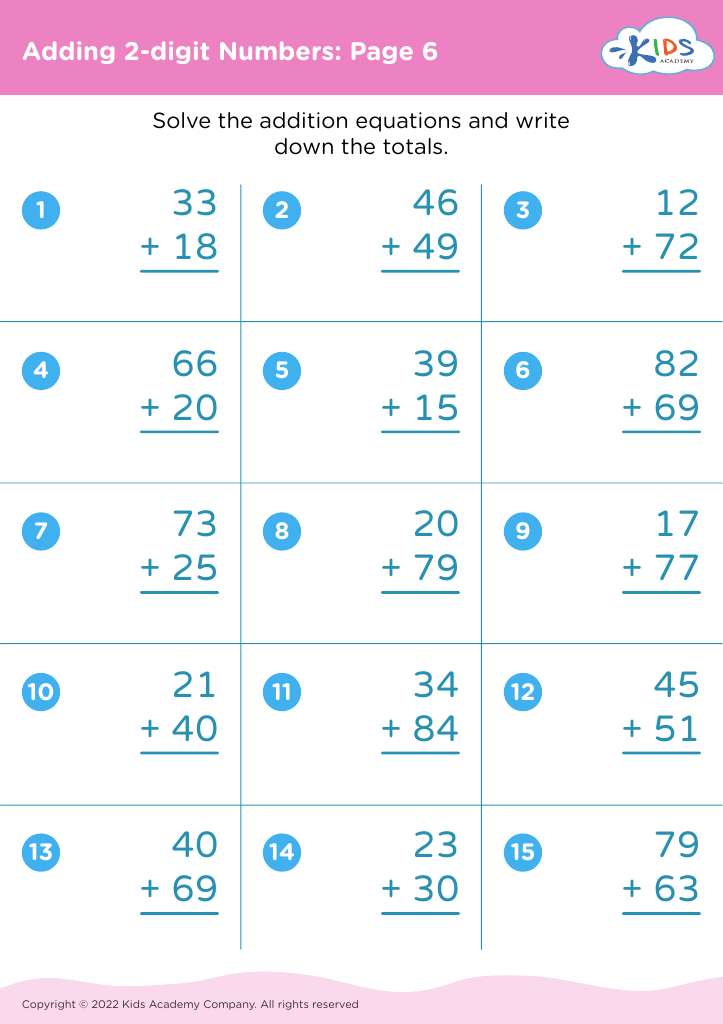
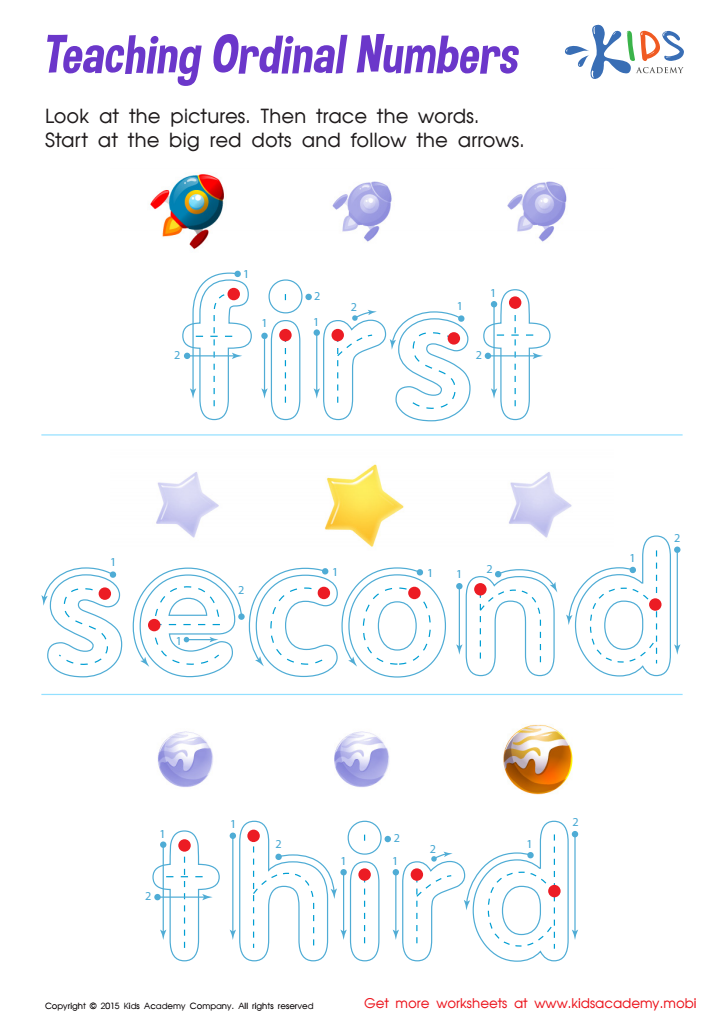
Ordinal Numbers: Teaching Ordinal Numbers Printable
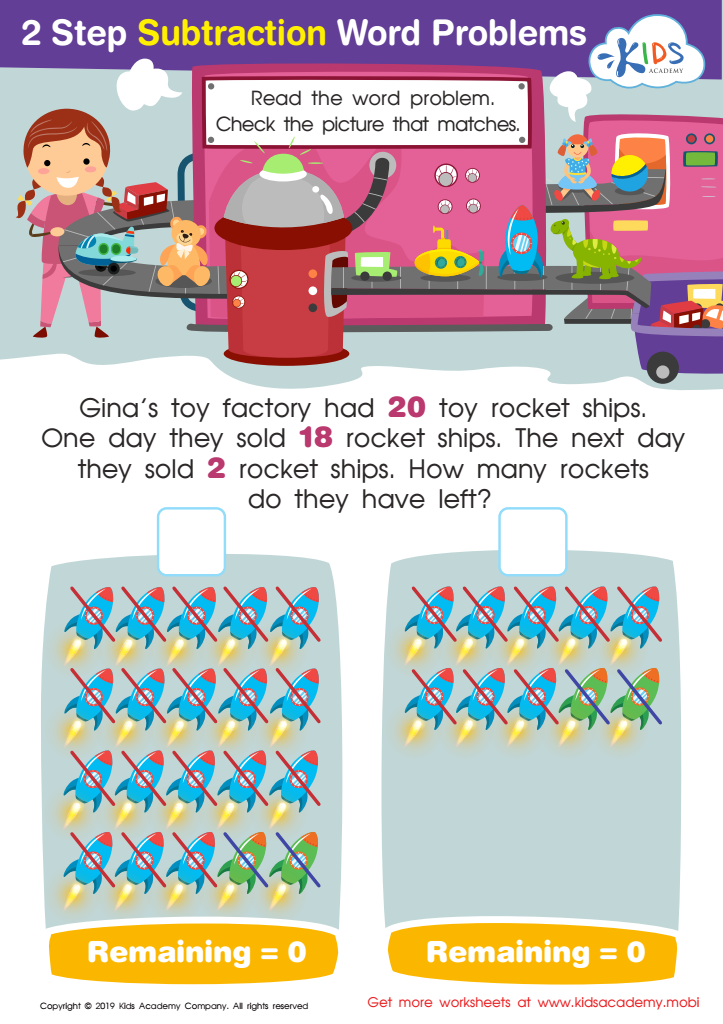
Step Subtraction Word Problems Worksheet
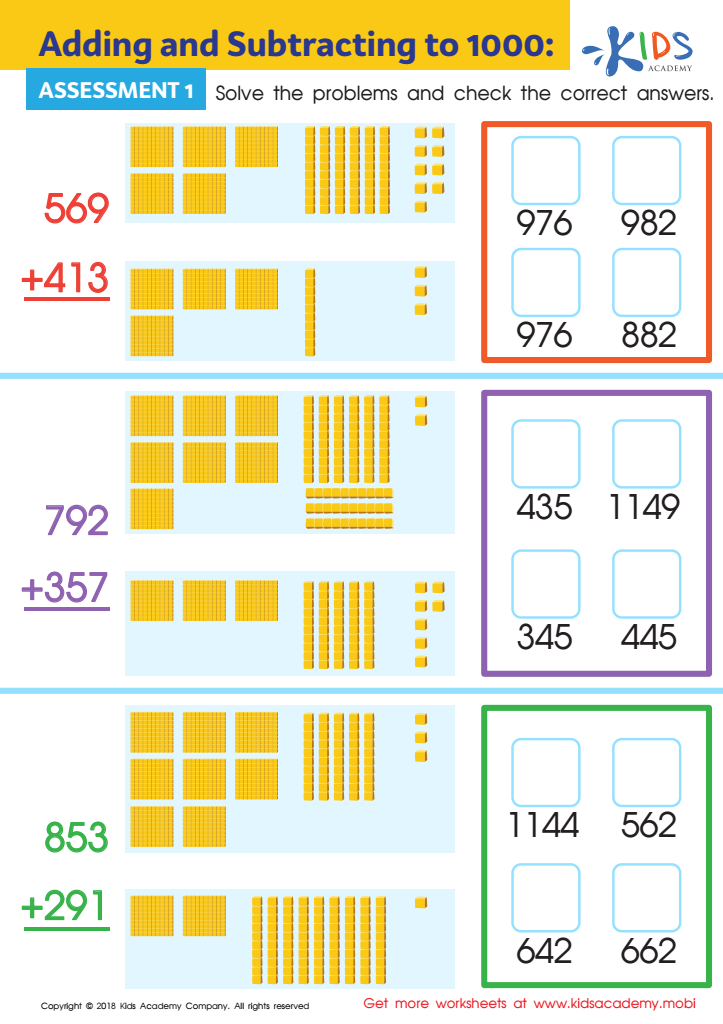
Adding and Subtracting to 1 Worksheet: Assessment 1
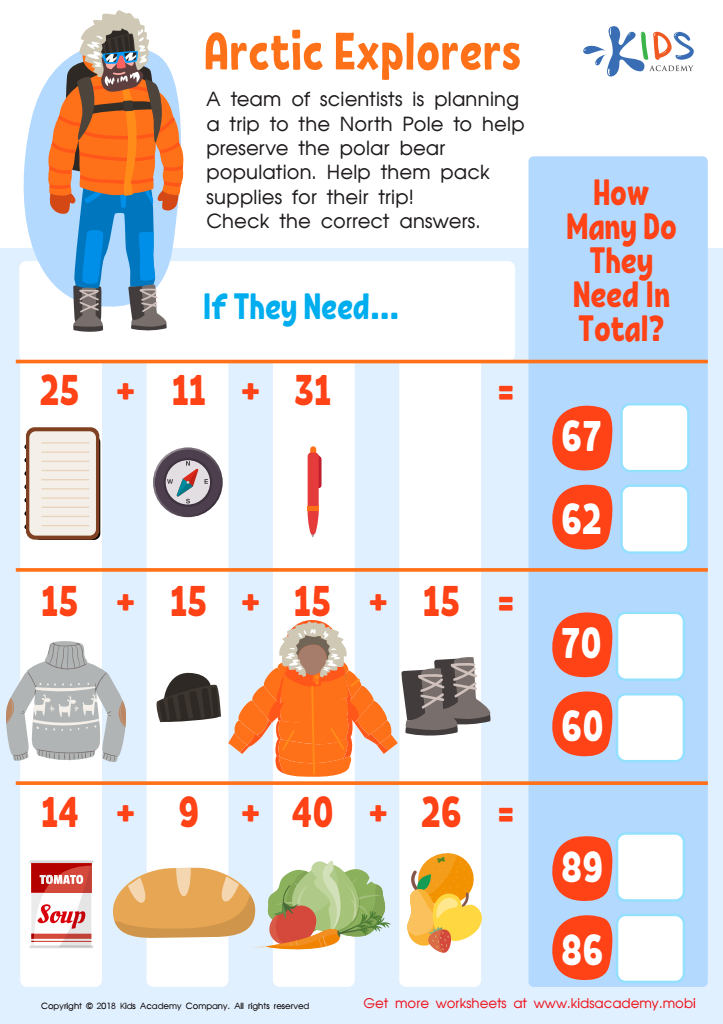
Arctic Explorers Worksheet
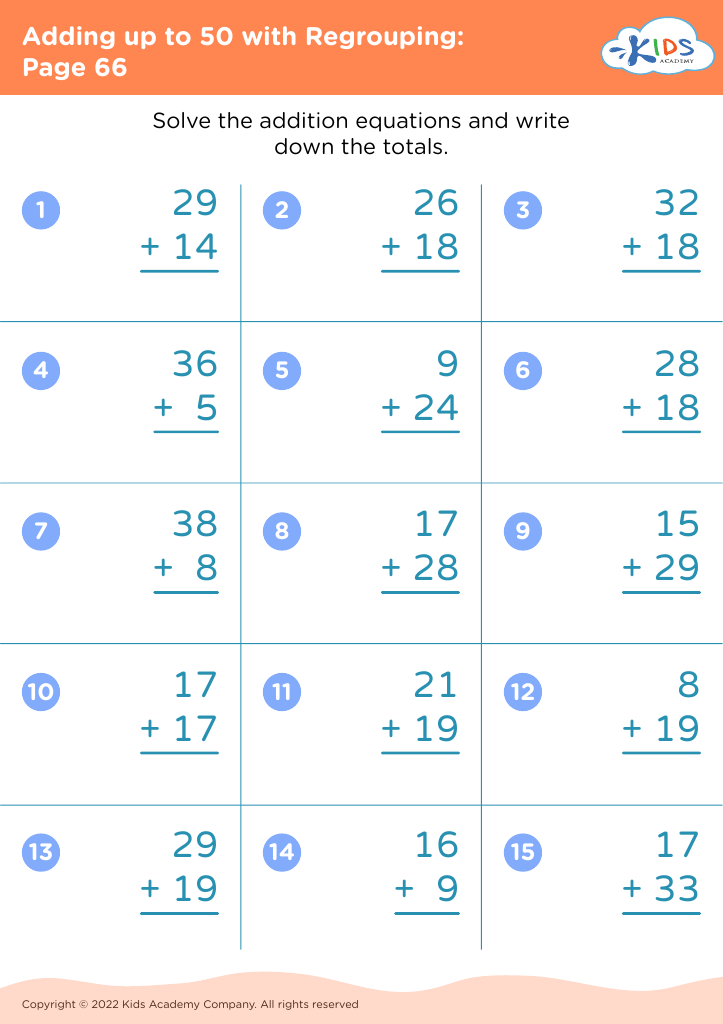
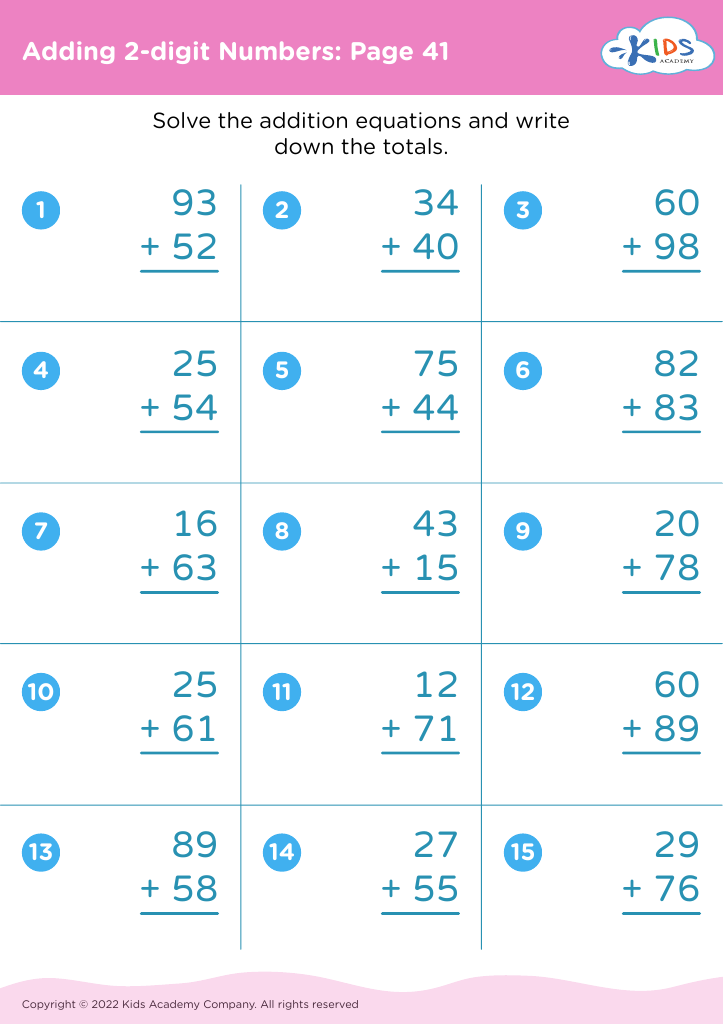
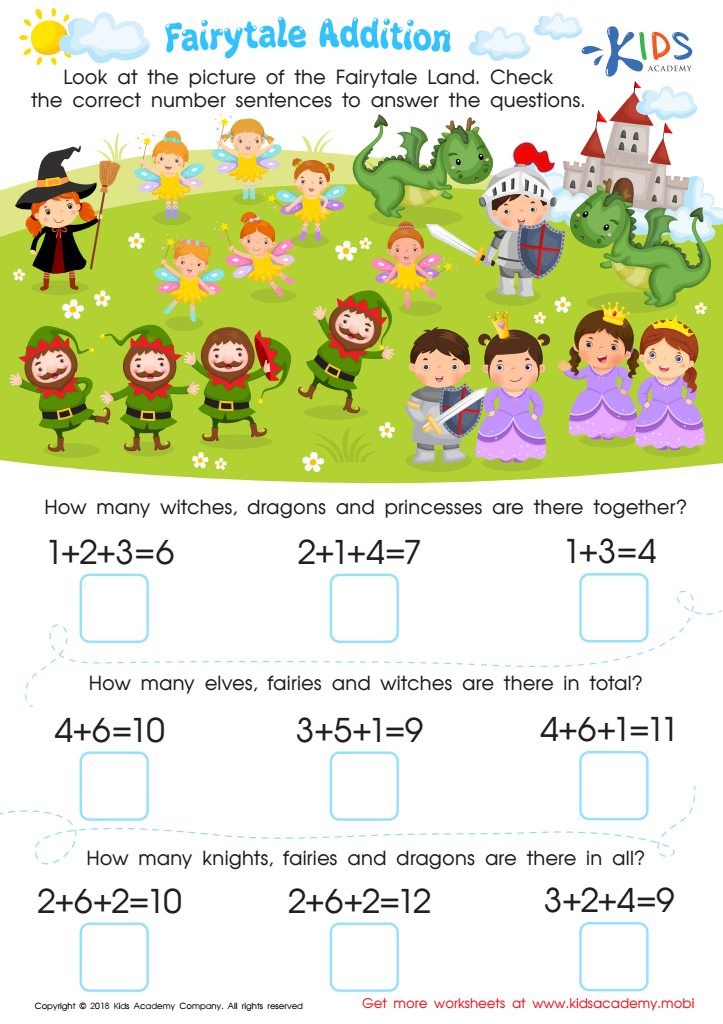
Fairytale Addition Worksheet
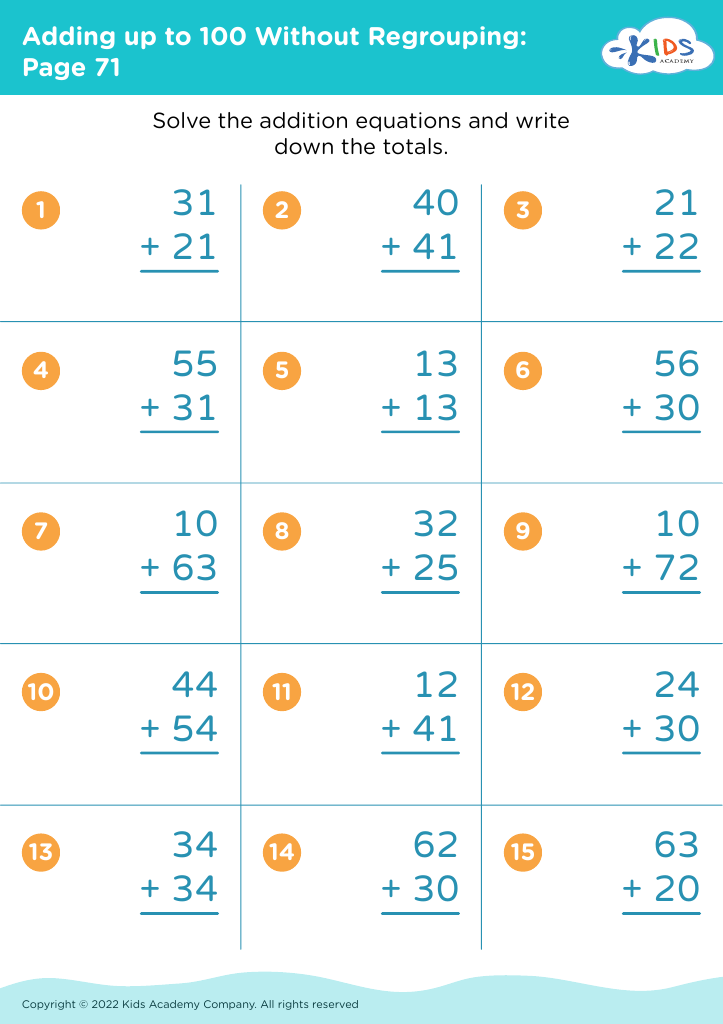
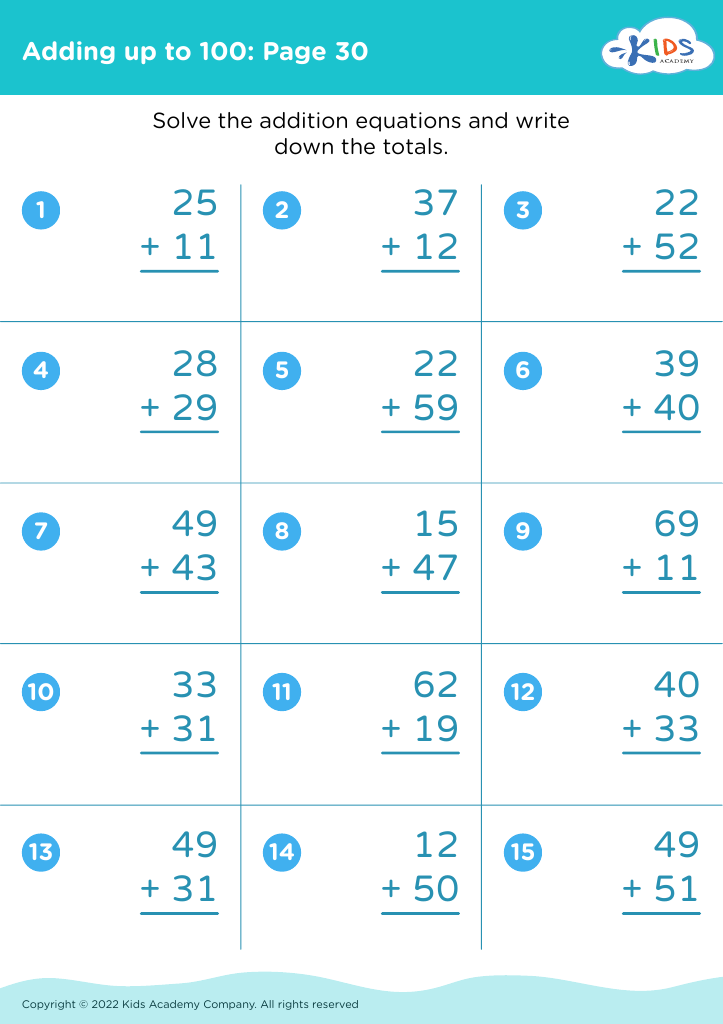
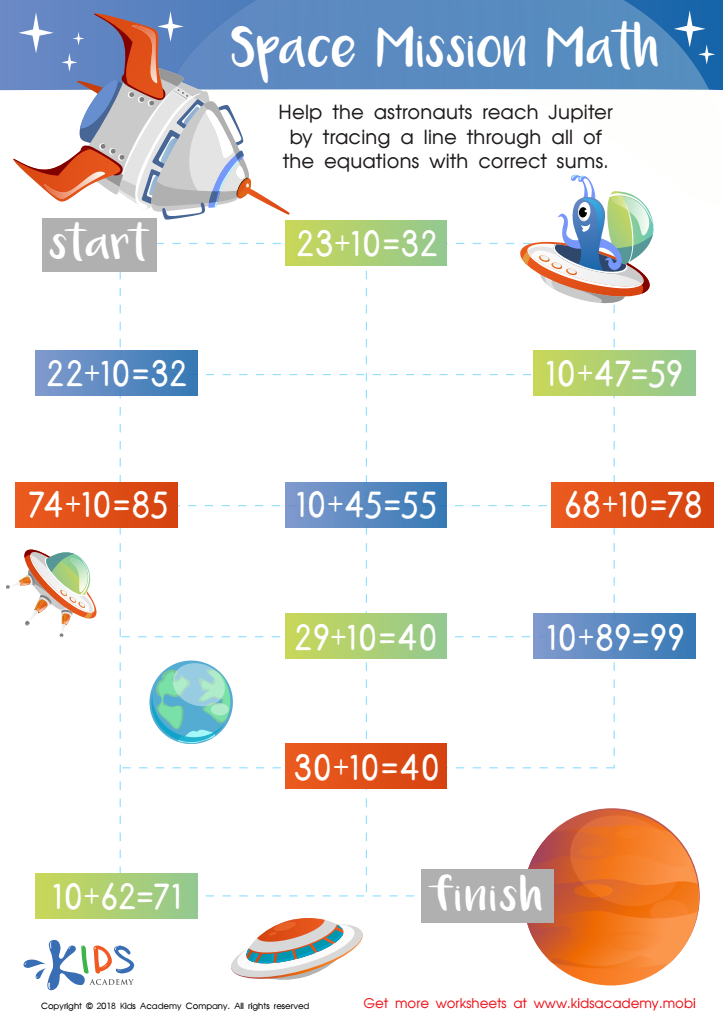
Space Mission Math Worksheet
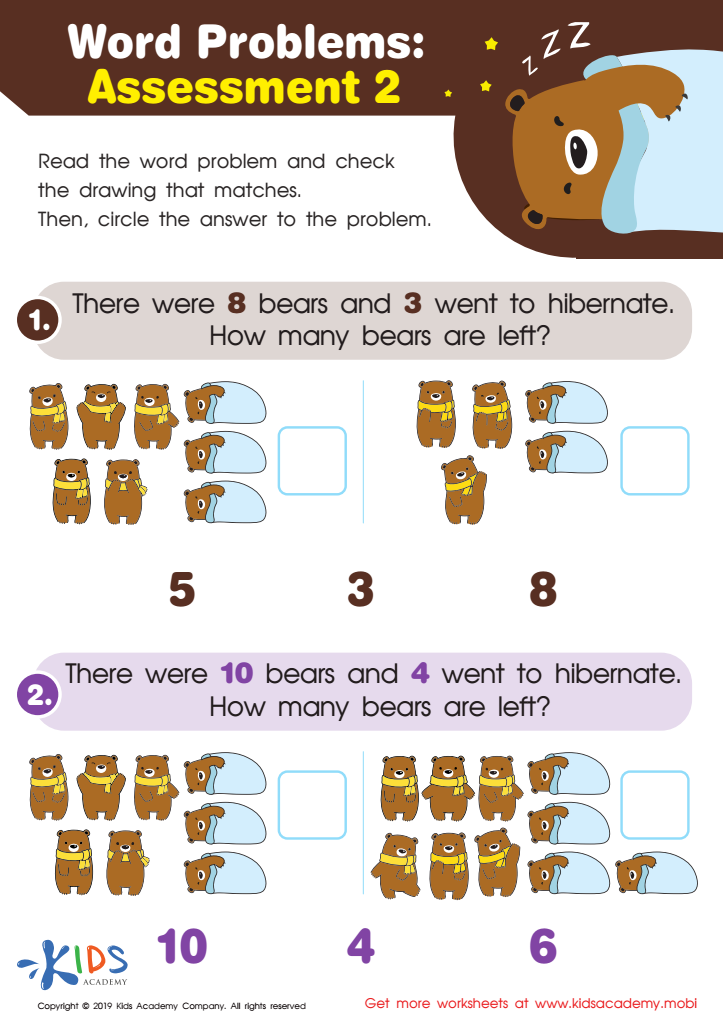
Word Problems: Assessment 2 Worksheet








Parents and teachers play a crucial role in nurturing foundational skills in young children aged 6-9, particularly in the areas of reading comprehension, addition, and subtraction. This period, known as the "formative years," is critical for cognitive development, and proficiency in these skills sets the stage for future academic success.
Reading comprehension is essential because it enables children to understand and interpret text, fostering a love for reading and learning. As students transition from "learning to read" to "reading to learn," improved comprehension helps them grasp complex concepts across all subjects, promoting intellectual curiosity and critical thinking. Moreover, strong reading skills are linked to better communication abilities, both written and verbal, which are indispensable in everyday life.
Similarly, proficiency in addition and subtraction forms the bedrock of more advanced mathematical concepts. Mastery of these basic operations helps children develop logical thinking and problem-solving skills. These math skills are not just academic; they are practical tools used in daily activities like telling time, handling money, and measuring ingredients for a recipe.
Investing in the development of these skills during early childhood creates a robust foundation upon which more advanced knowledge will be built, ensuring that children reach their full potential both academically and in real-life situations. This holistic approach leads to well-rounded, confident learners ready to face future challenges with ease.








