Addition Practice Addition Worksheets for Ages 6-9 - Page 2
65 filtered results
-
From - To
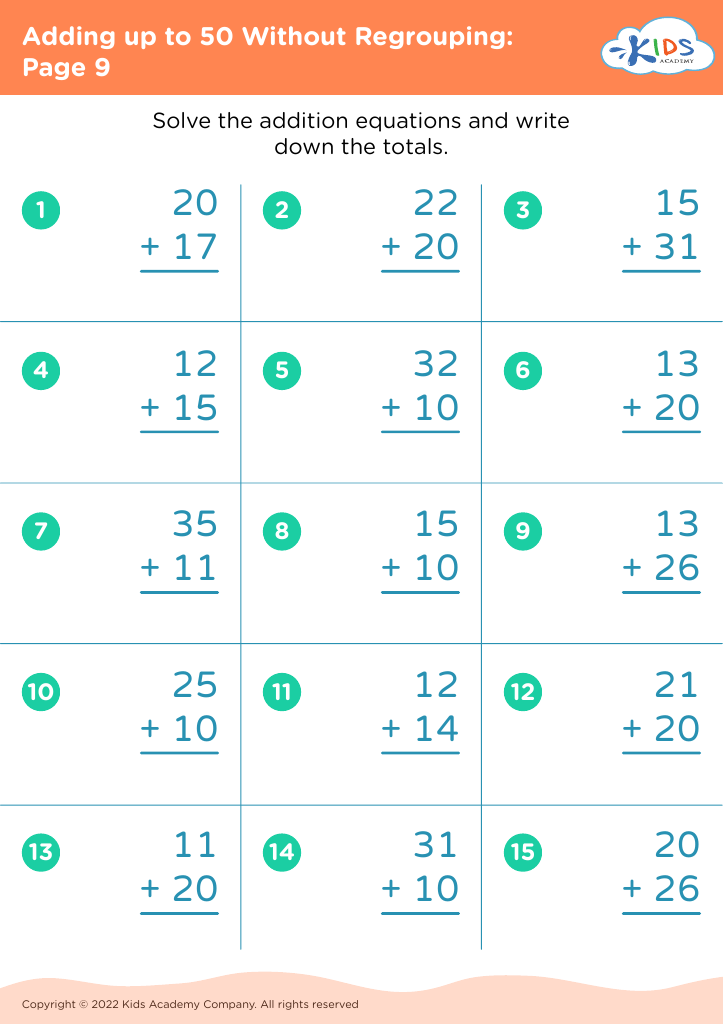
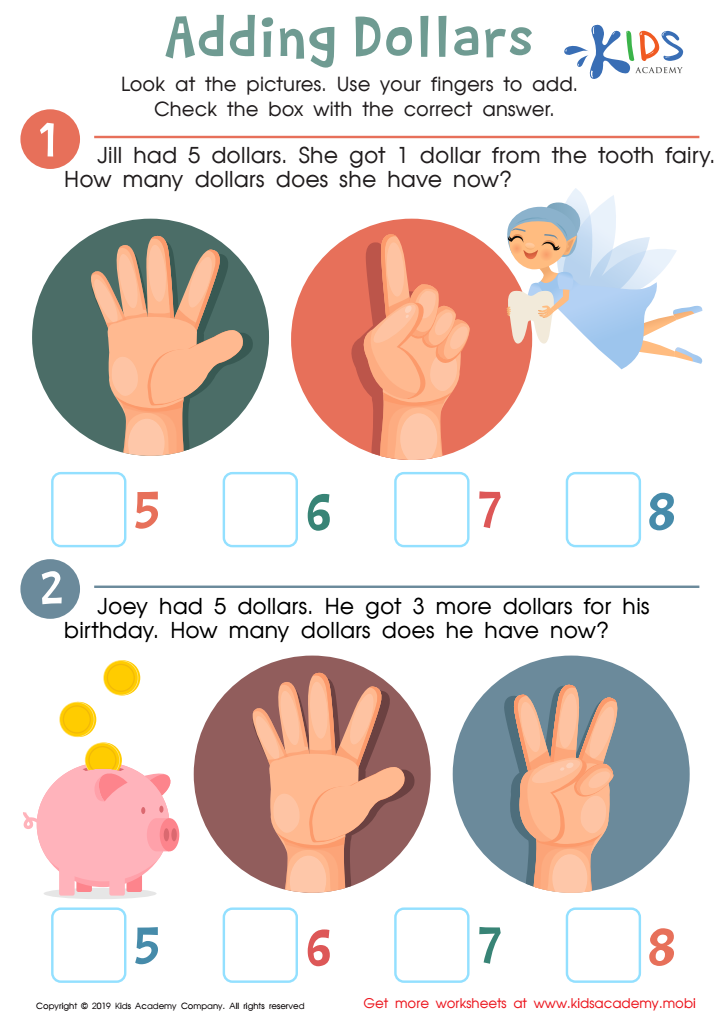
Tooth Fairy Addition Worksheet
 Assign to My Students
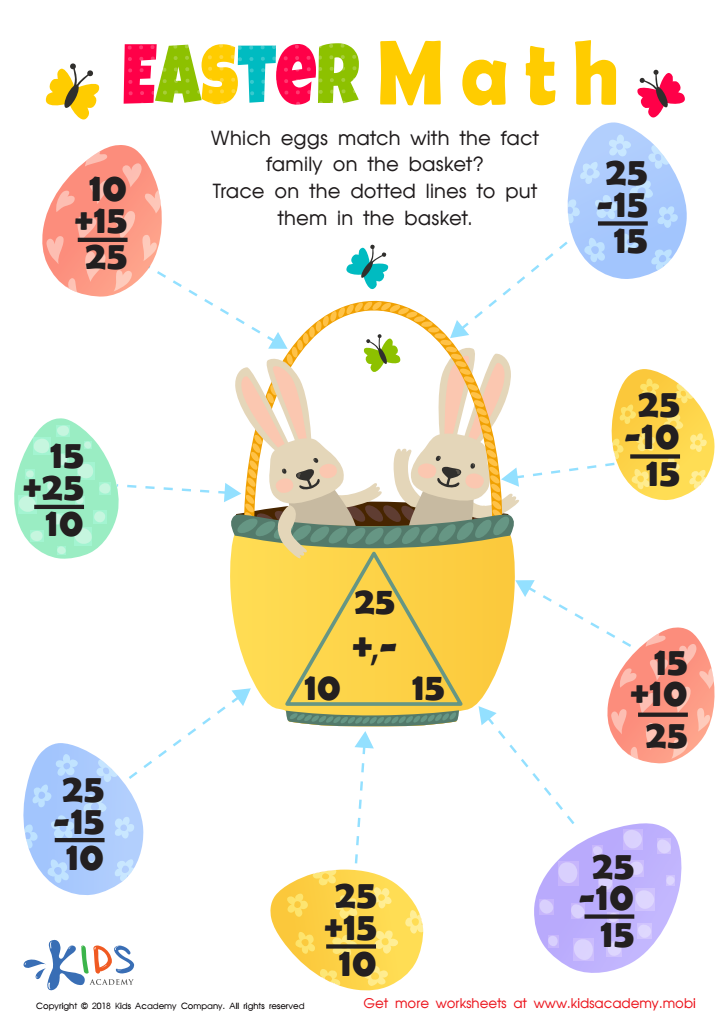
Fact Families: Easter Math Worksheet
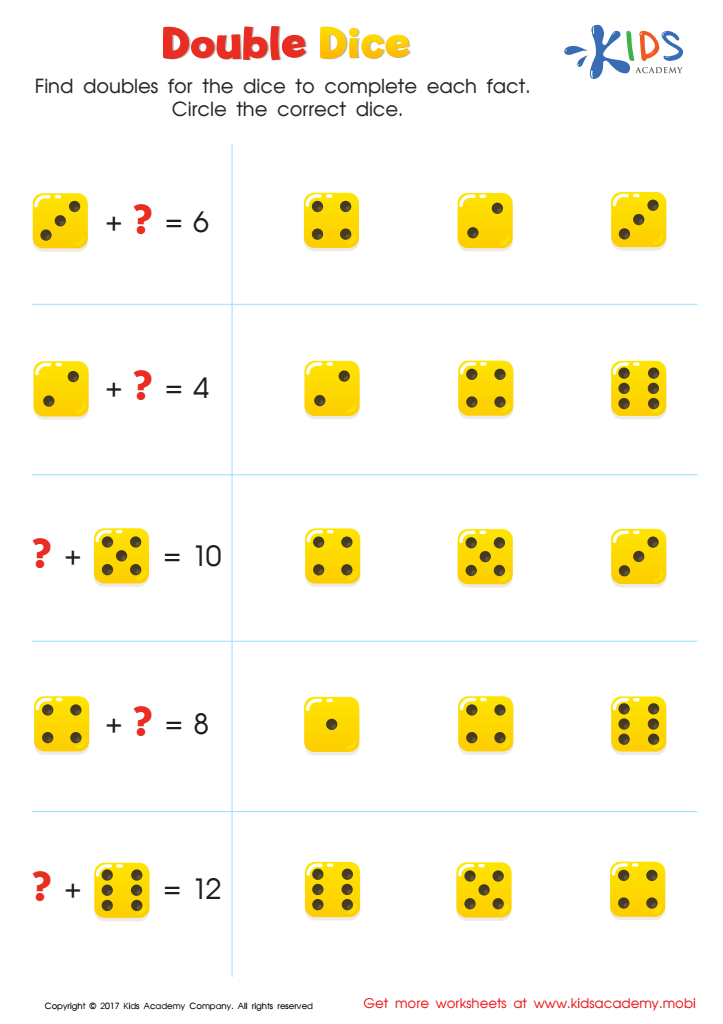
Addition Facts: Double Dice Worksheet
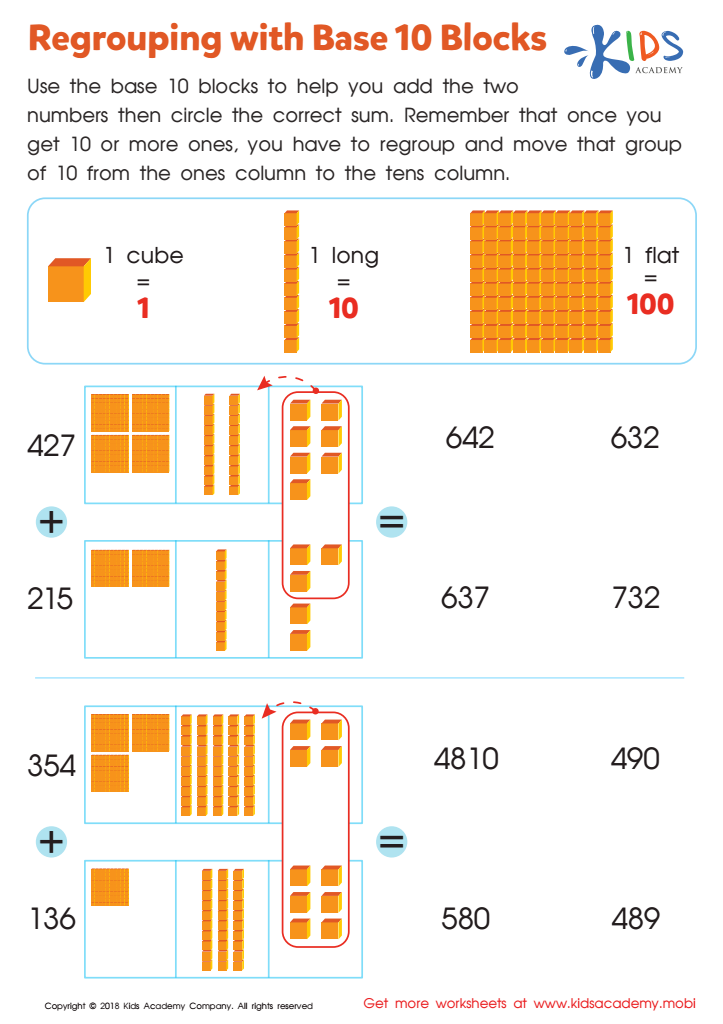
Regrouping with Base 10 Blocks Worksheet
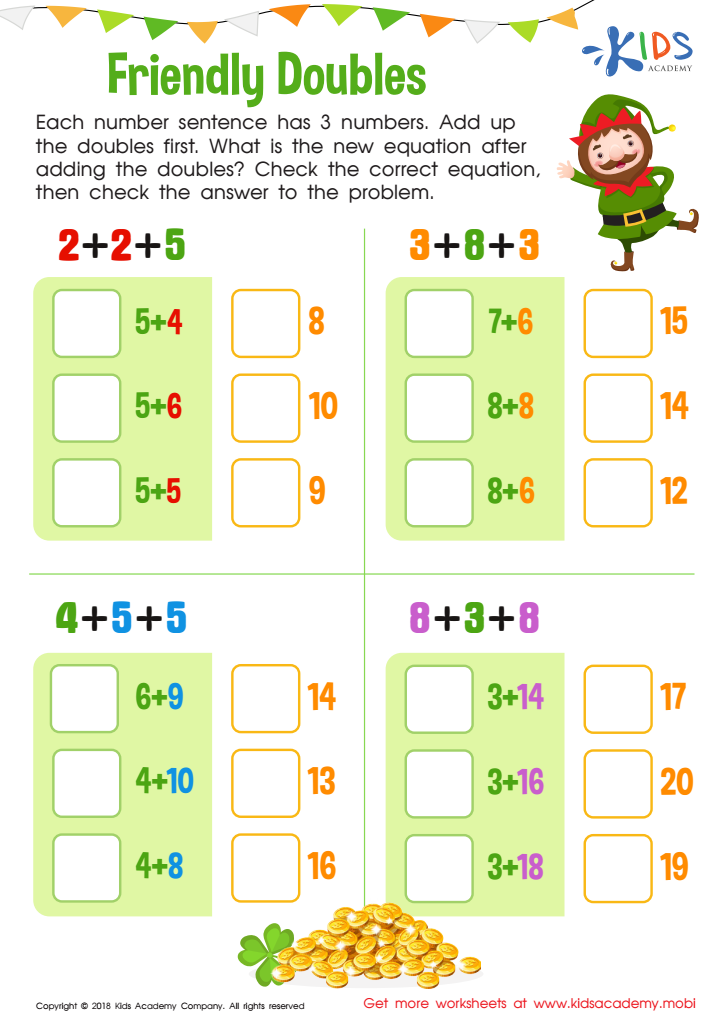
Friendly Doubles Worksheet
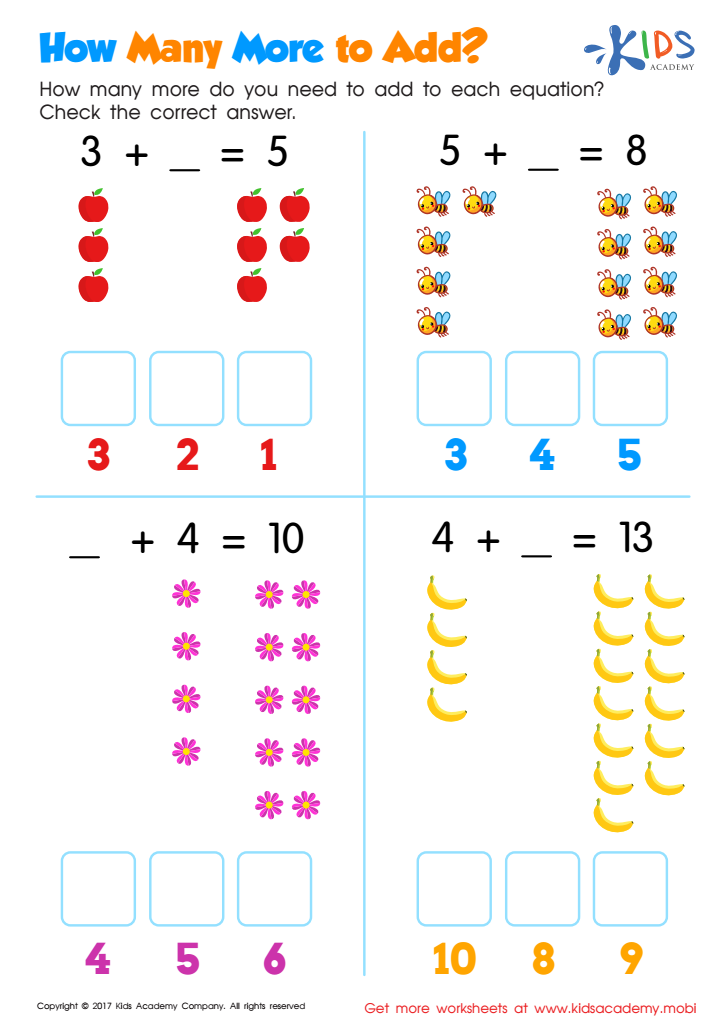
How Many More to Add Worksheet
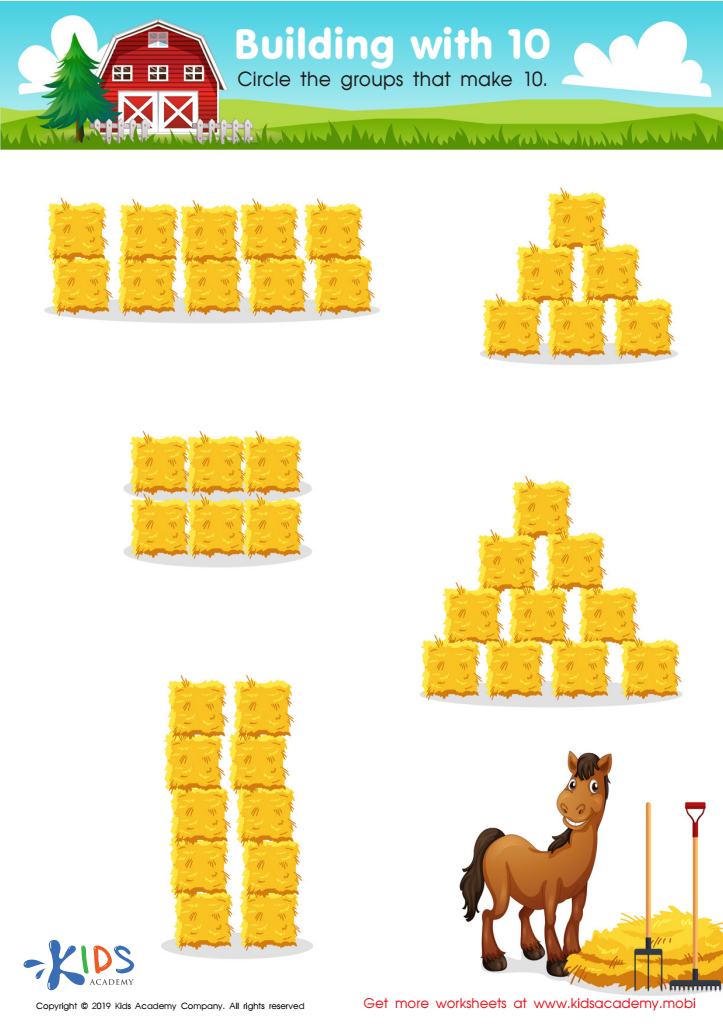
Building with 10 Worksheet
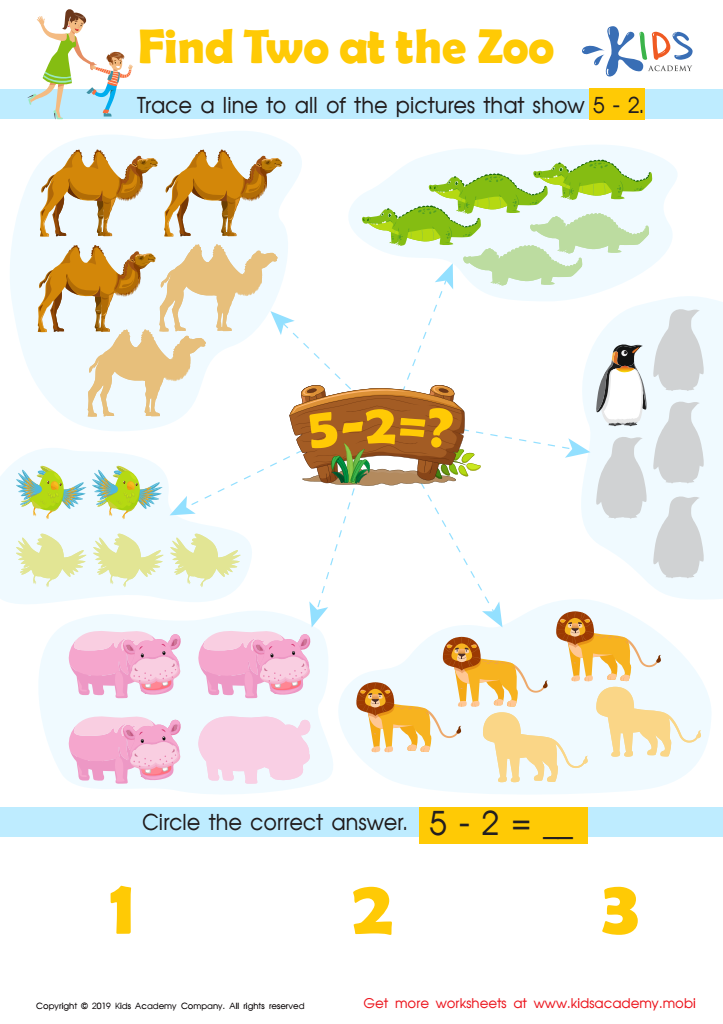
Find Two at the Zoo Worksheet
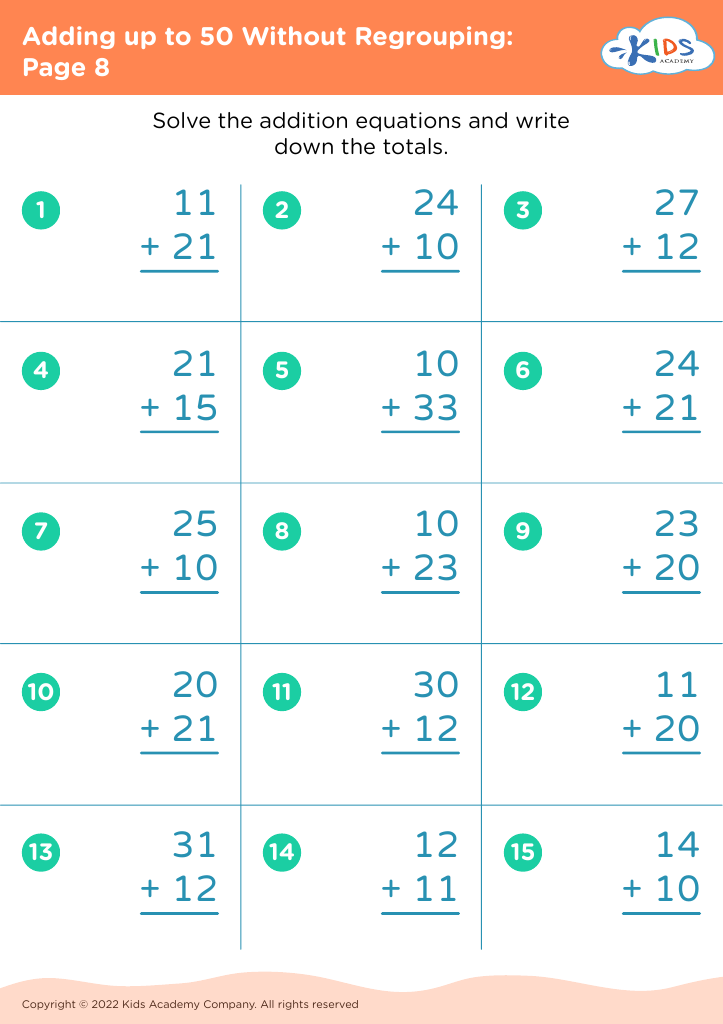
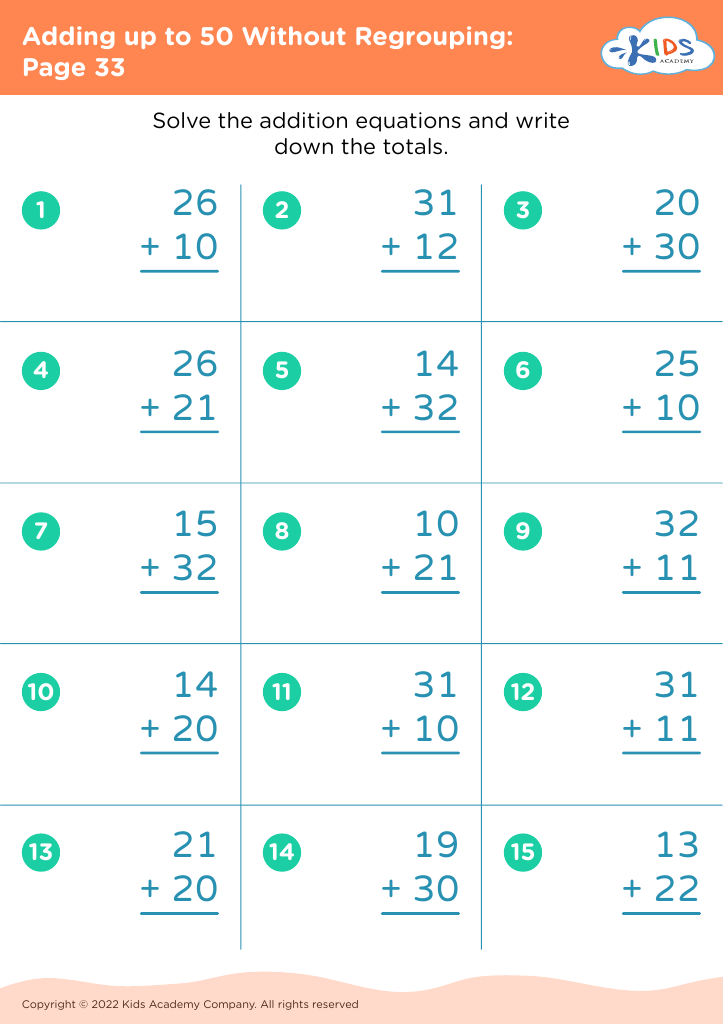
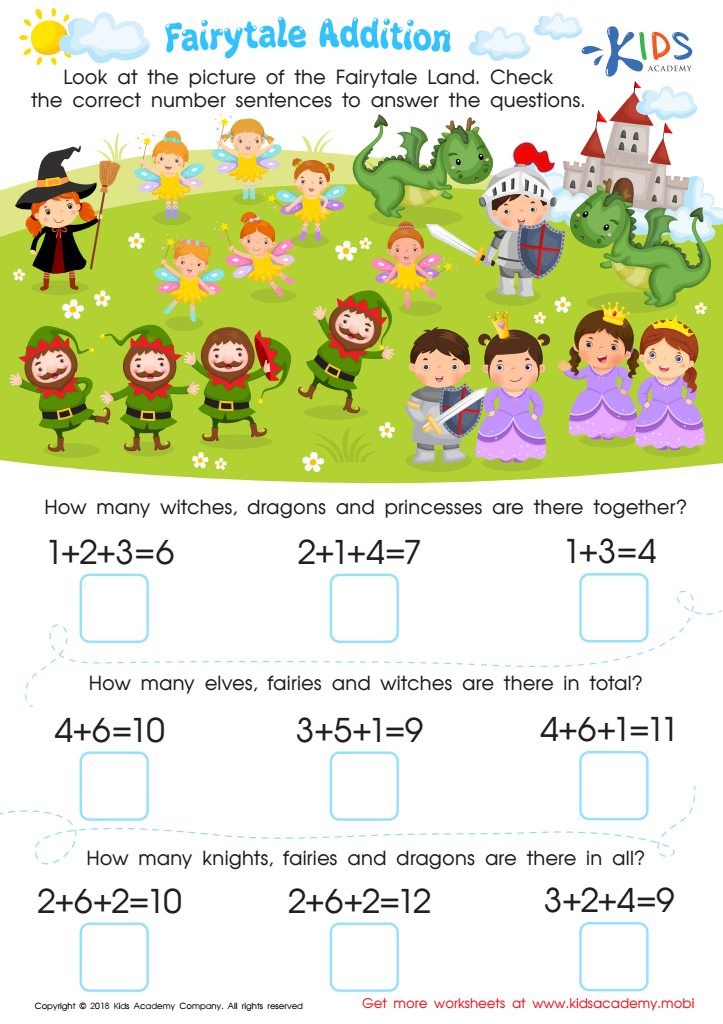
Fairytale Addition Worksheet
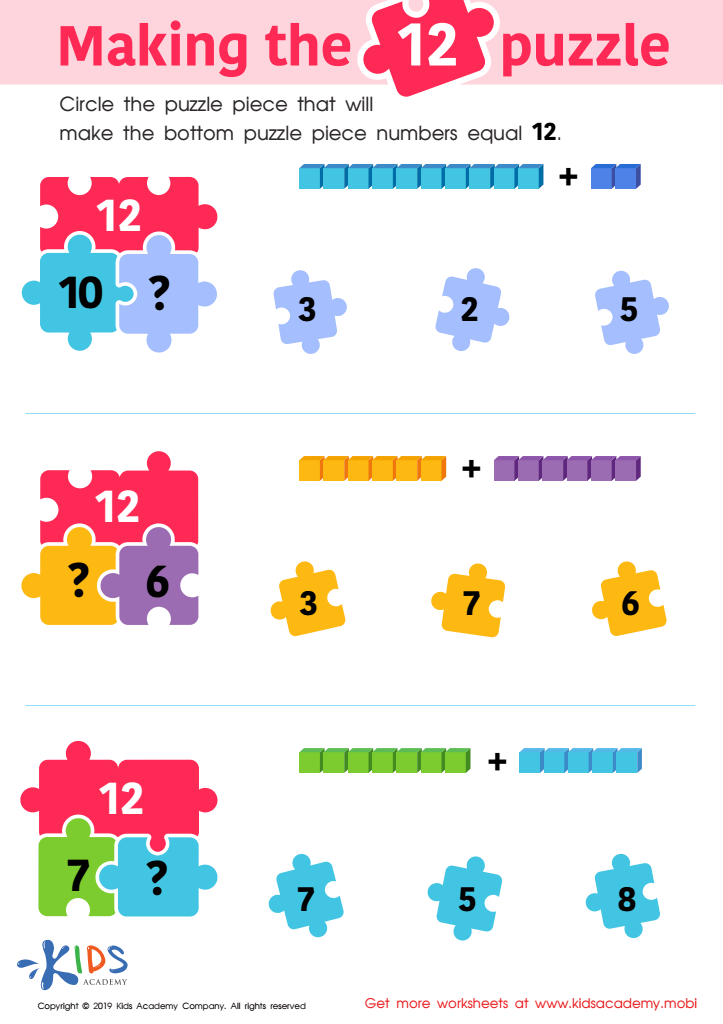
Making the 12 Puzzle Worksheet
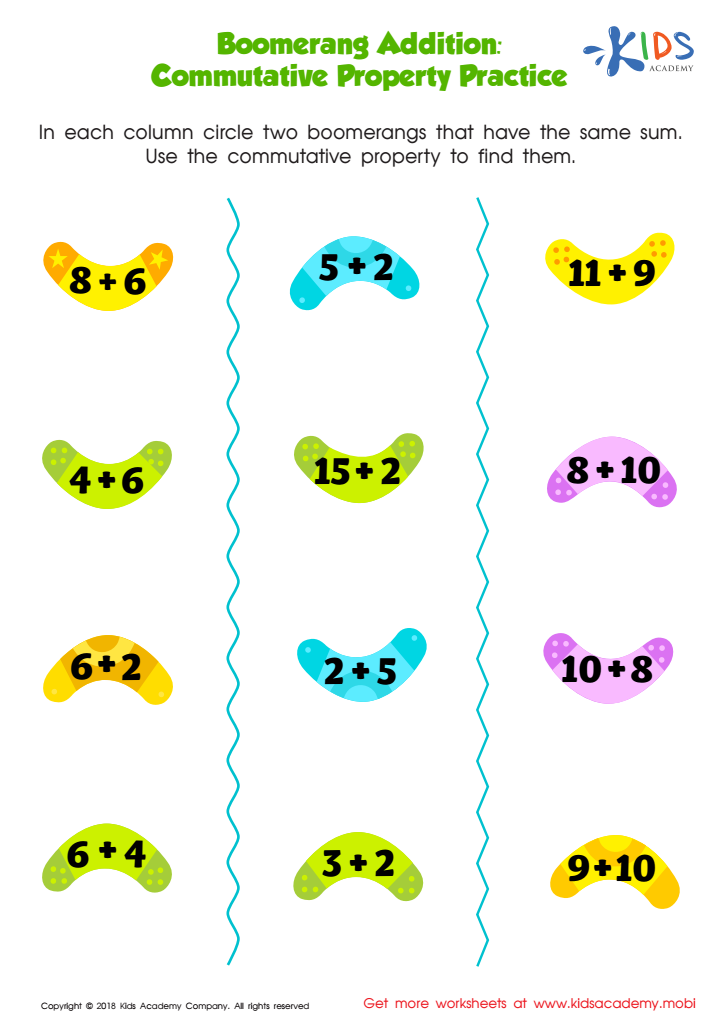
Boomerang Addition Worksheet
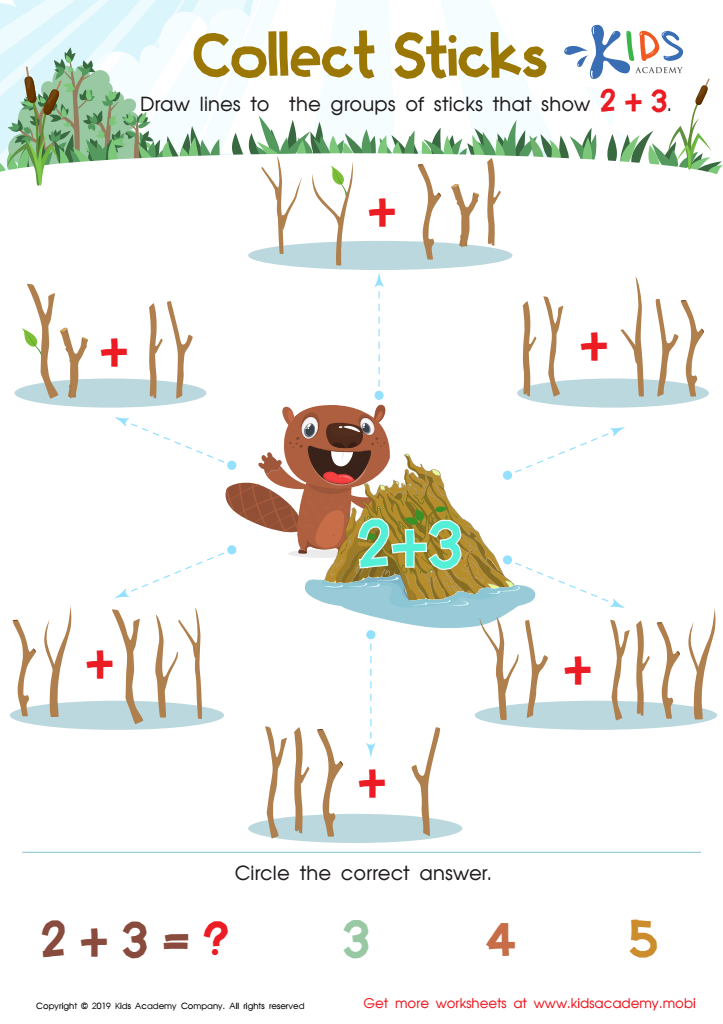
Collect Sticks Worksheet
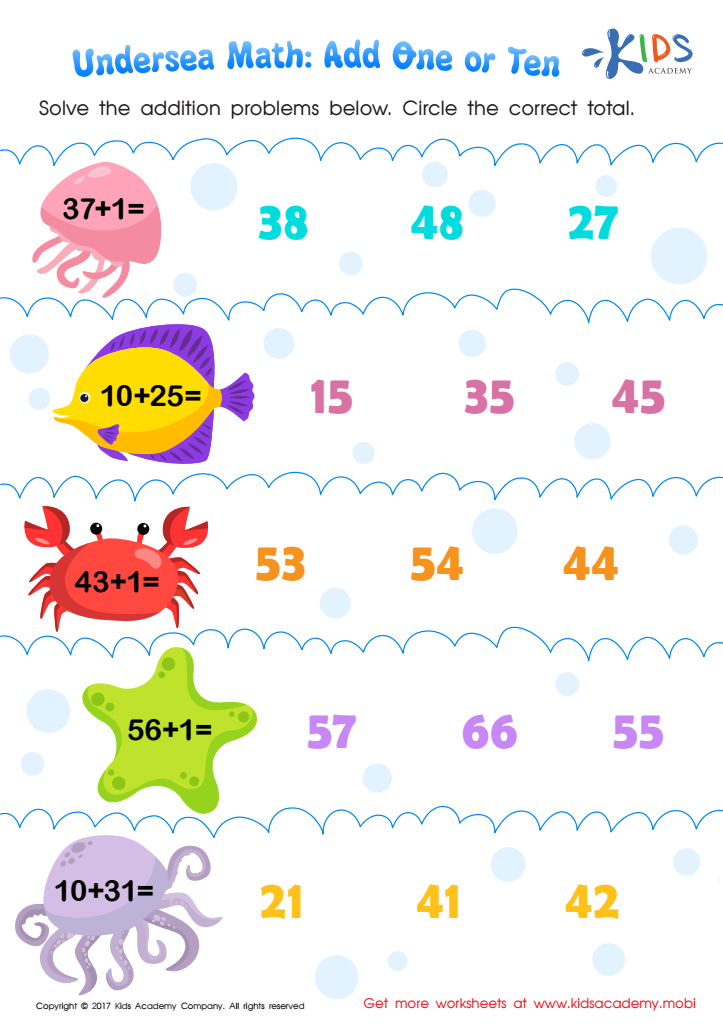
Undersea Math Worksheet
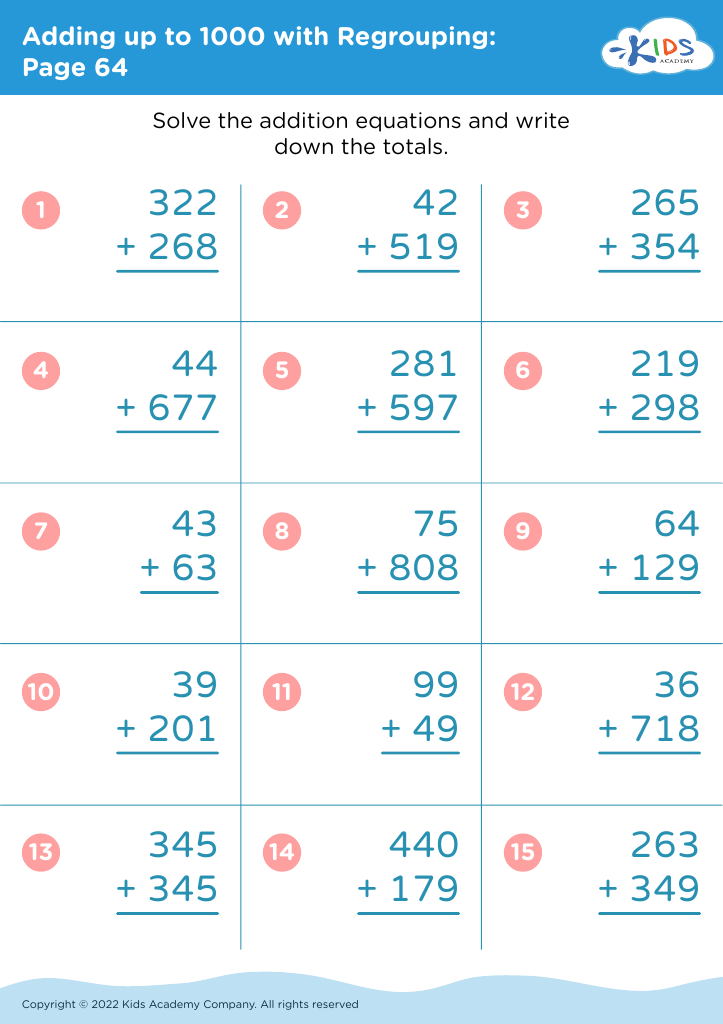
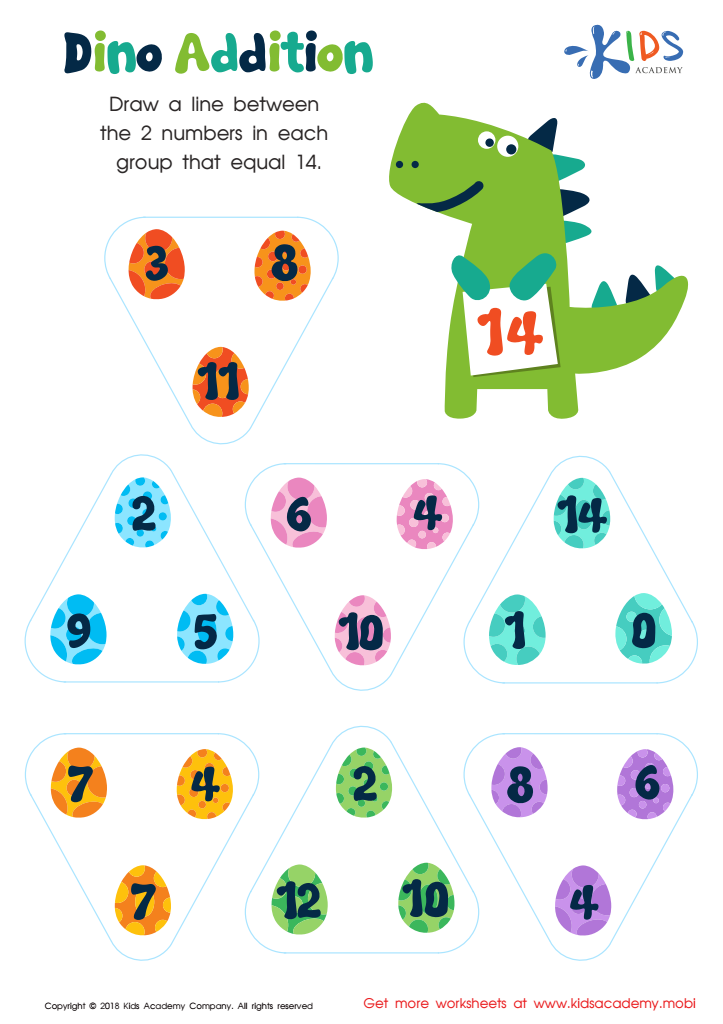
Dino Addition Worksheet
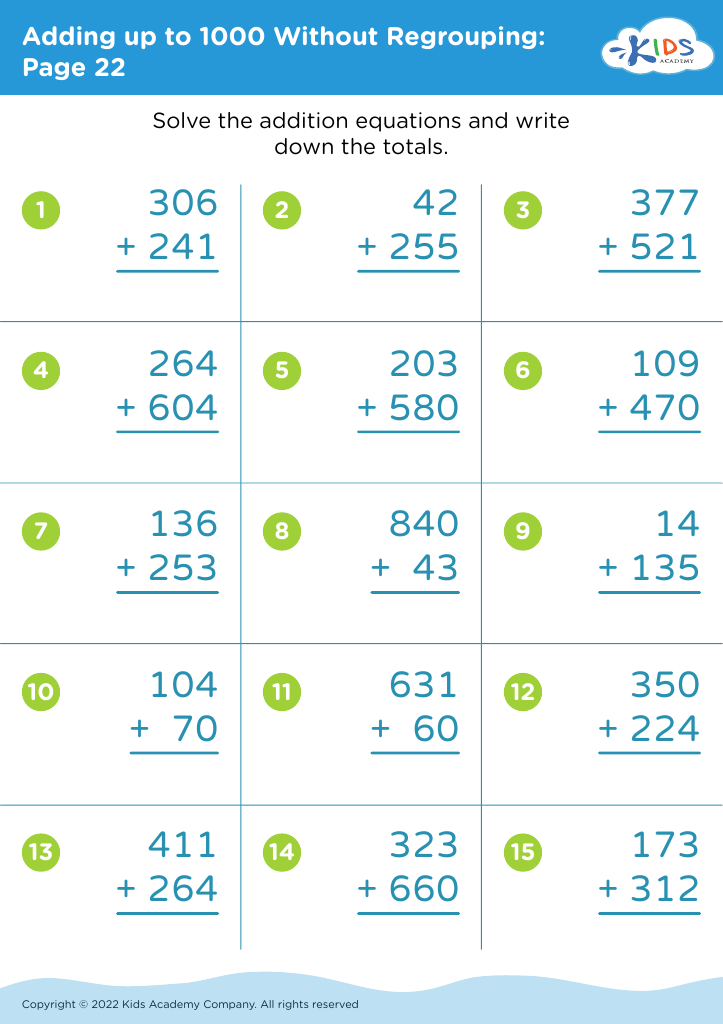



.jpg)

.jpg)


Ensuring that children aged 6-9 practice addition is crucial for their foundational understanding of mathematics. At this developmental stage, young learners are highly receptive to building skills that they will use for the rest of their lives. Proficiency in basic addition not only lays the groundwork for more advanced mathematical concepts like subtraction, multiplication, division, fractions, and algebra, but it also enhances their problem-solving abilities in everyday situations.
Consistent practice with addition helps reinforce number sense, which is the understanding of numbers and their relationships. This fundamental skill is vital for their cognitive development, boosting their confidence as they approach new challenges in math. By mastering addition at an early age, children are better prepared for academic success, not only in mathematics but across a variety of subjects where analytical skills are essential.
For parents and teachers, focusing on addition practice helps them identify areas where children might need extra support. Early intervention can address gaps in understanding before they become significant hurdles. Furthermore, fostering a positive attitude towards math in these early years can shape children’s attitudes toward the subject, encouraging them to approach it with curiosity and confidence.
Thus, emphasizing addition practice for children aged 6-9 is imperative in creating a strong educational foundation, facilitating continuous learning growth, and fostering a lifelong appreciation for mathematics.








