Basic Math Skills Geometry Worksheets for Ages 6-9
19 filtered results
-
From - To
Enhance your child’s math skills with our "Basic Math Skills Geometry Worksheets for Ages 6-9." These engaging, expertly designed worksheets help young learners grasp essential geometry concepts in a fun, approachable manner. Suitable for homeschooling or supplemental classroom practice, each worksheet focuses on foundational skills such as shapes, symmetry, patterns, and spatial reasoning. Encouraging both comprehension and confidence, our worksheets are perfect for children in first to third grade. Focused on making math exciting and comprehensible, these resources ensure a solid geometric base essential for future mathematical success. Download and print now to inspire your child’s learning journey!
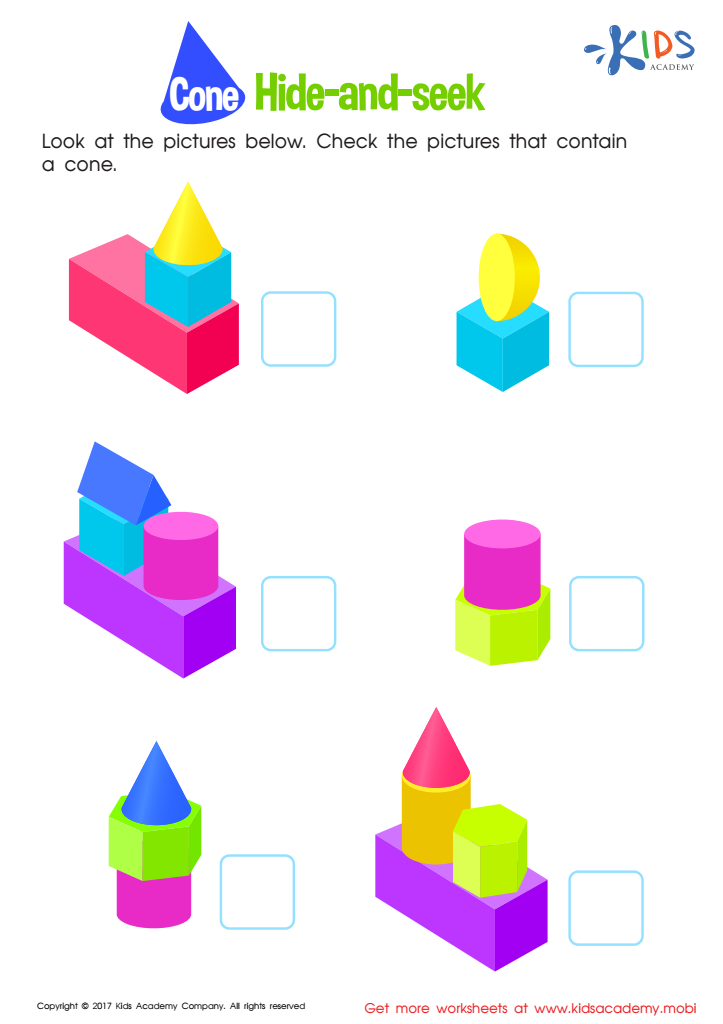
Cone Hide-and-Seek Worksheet
 Assign to My Students











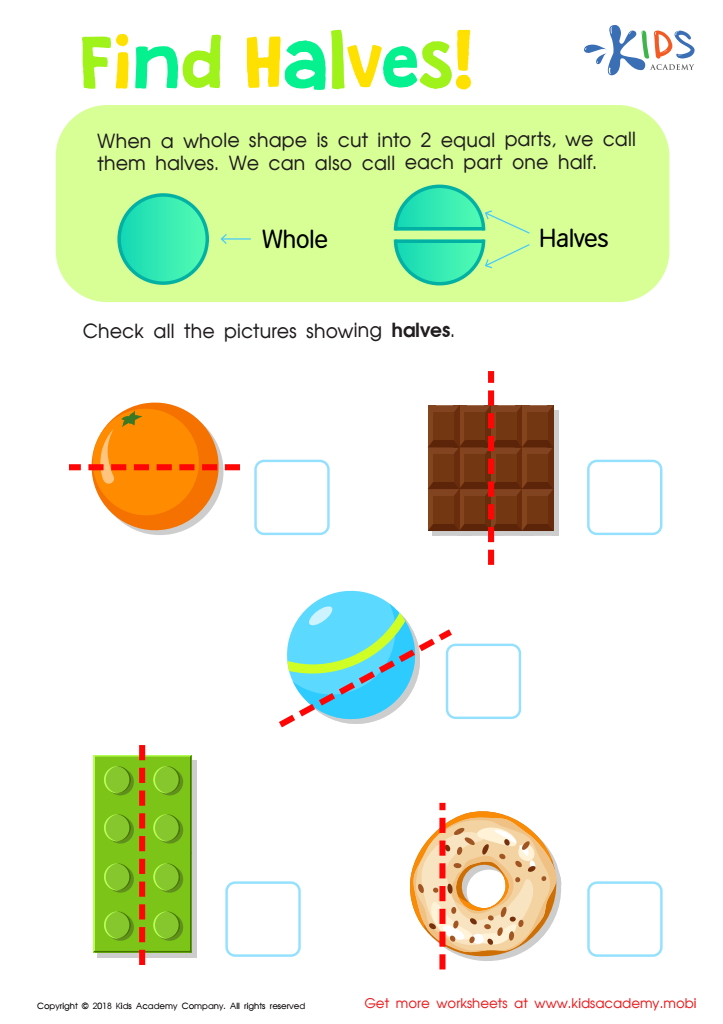
Find Halves Worksheet
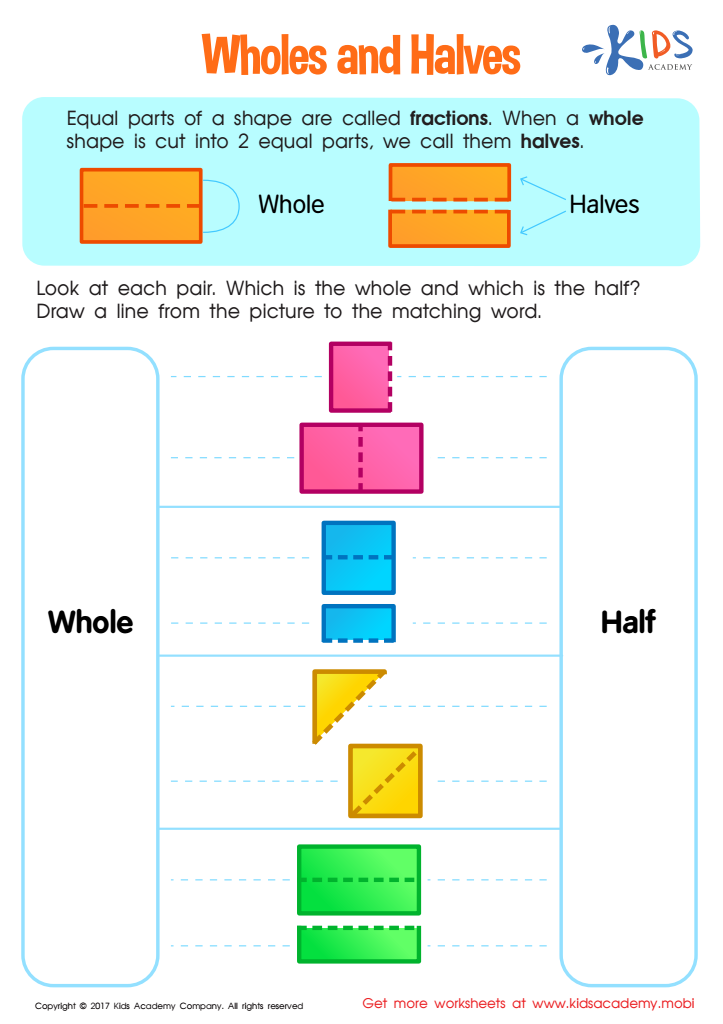
Wholes and Halves Worksheet
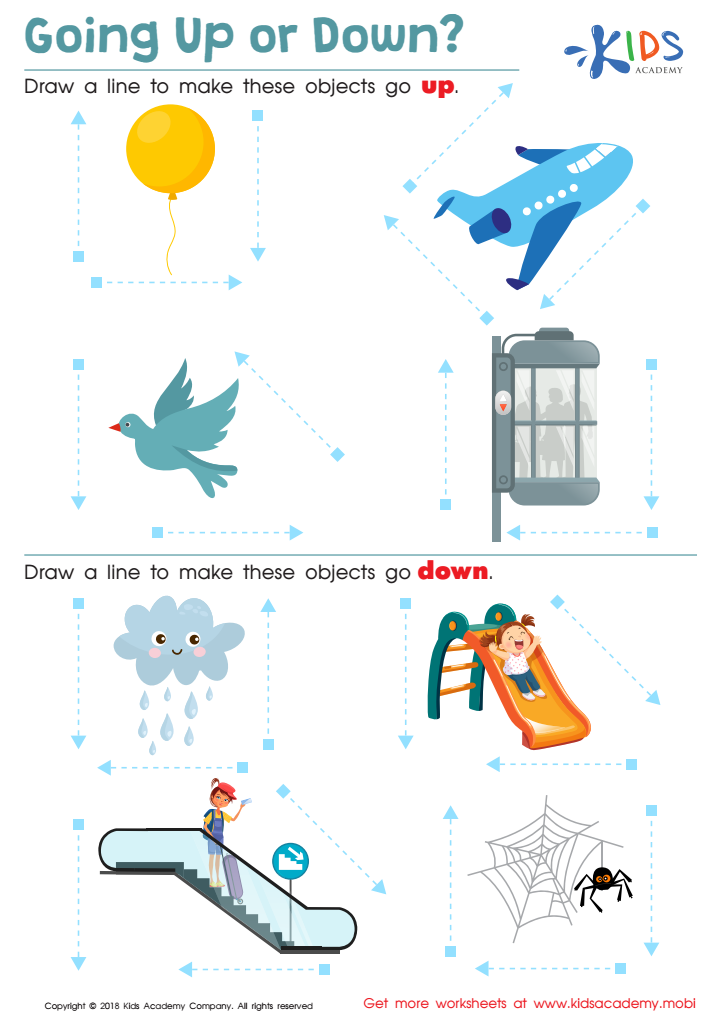
Going up or Down? Worksheet
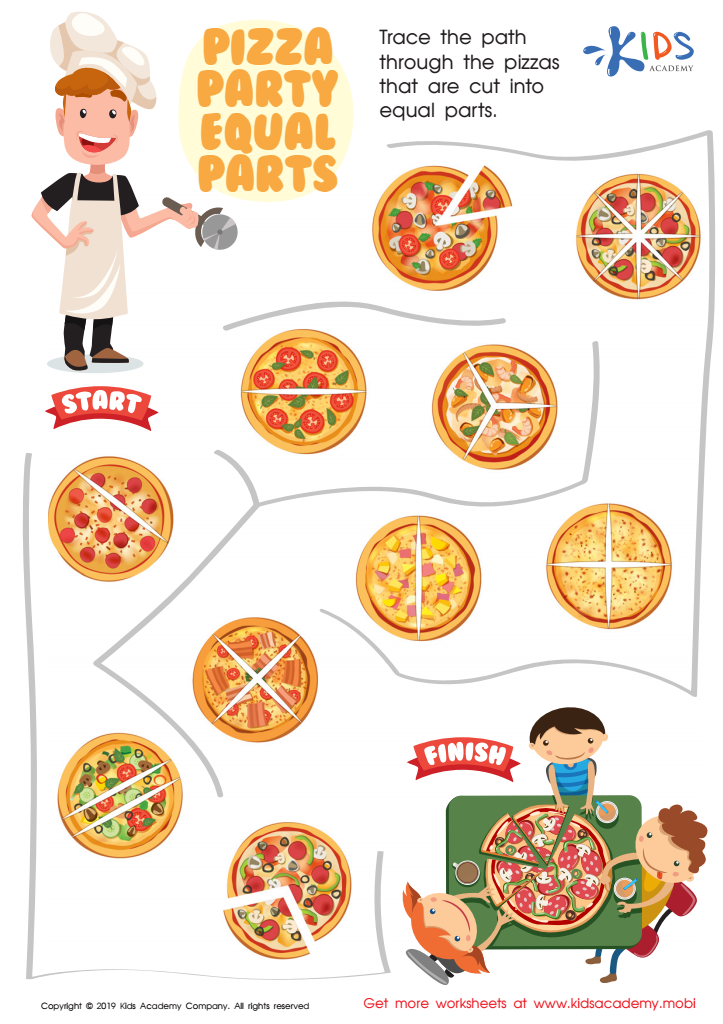
Pizza Party Equal Parts Worksheet
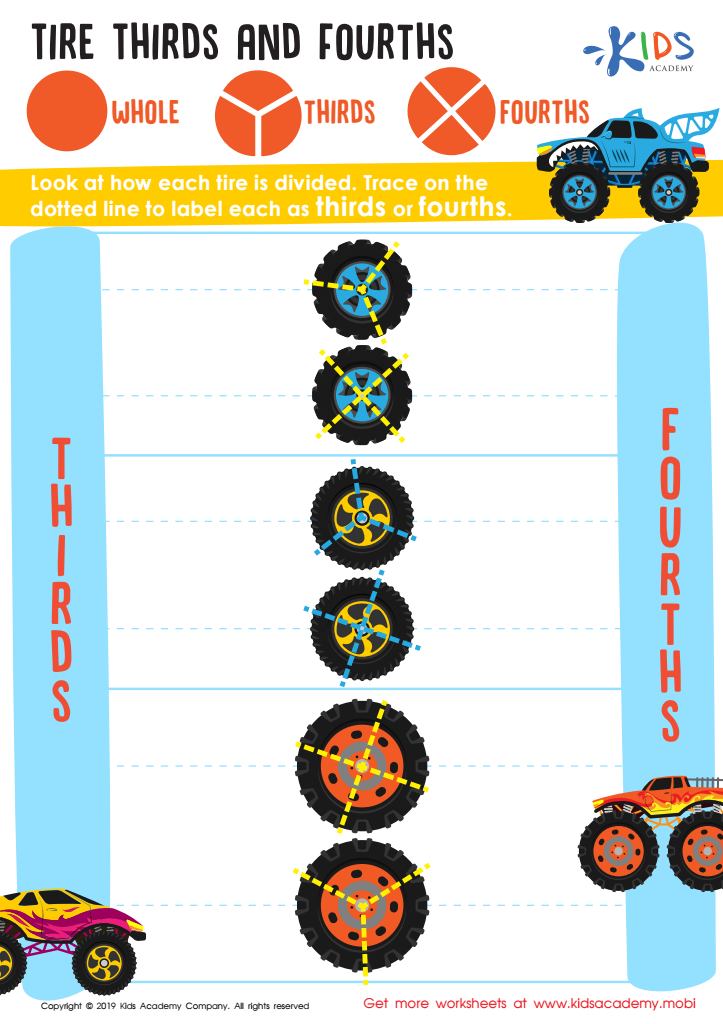
Tire Thirds and Fourths Worksheet
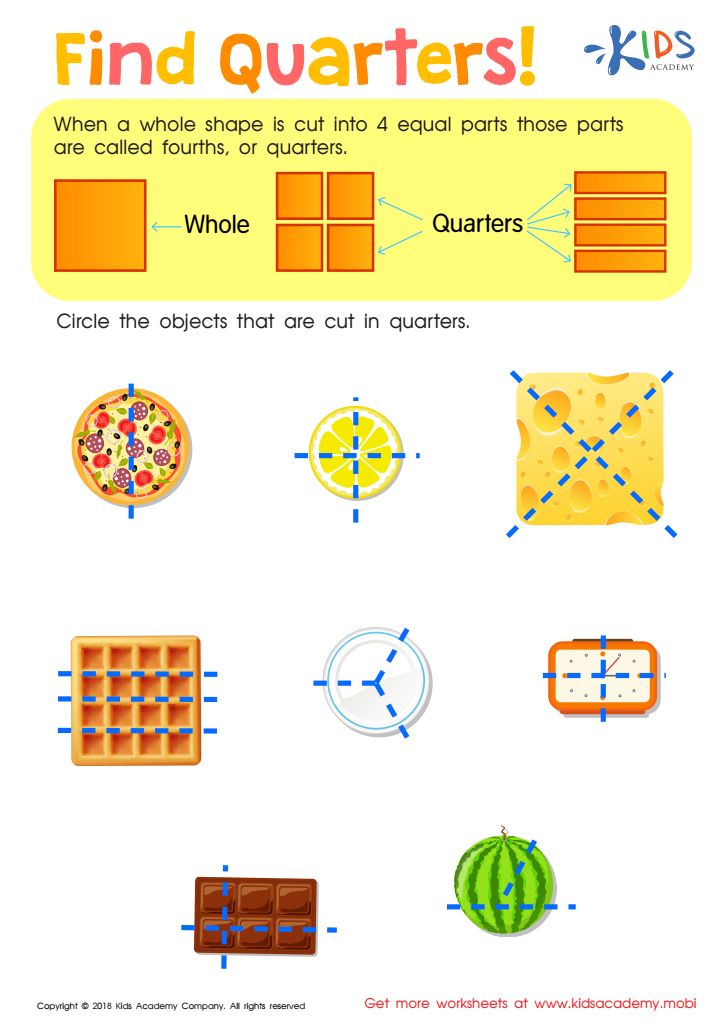
Find Quarters Worksheet
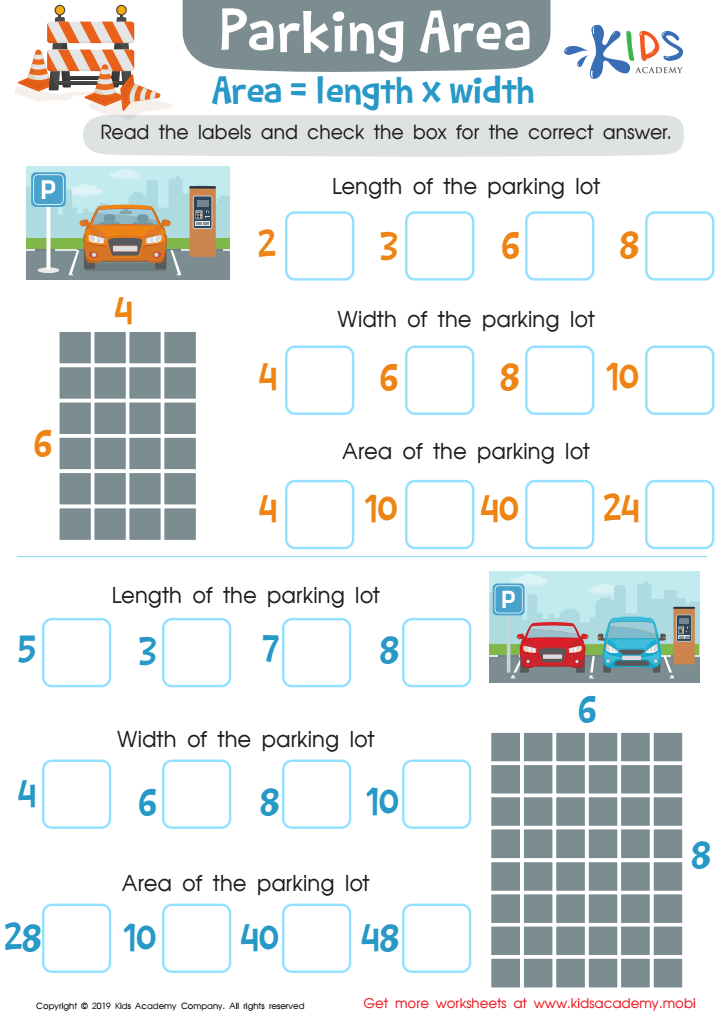
Parking Area Worksheet
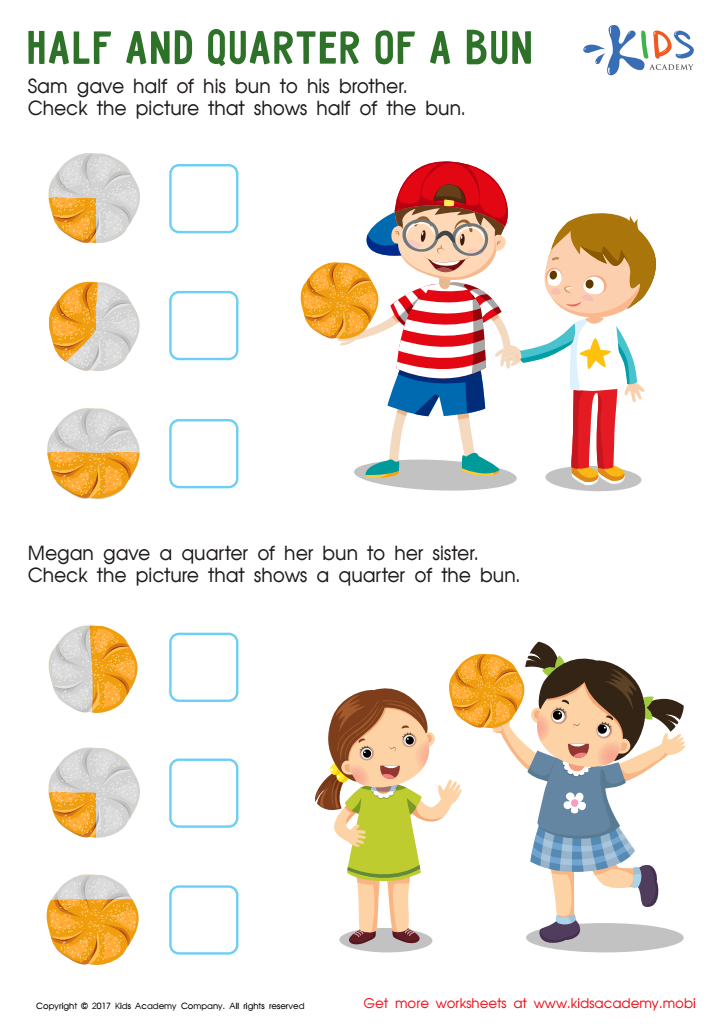
Half and Quarter of a Bun Worksheet
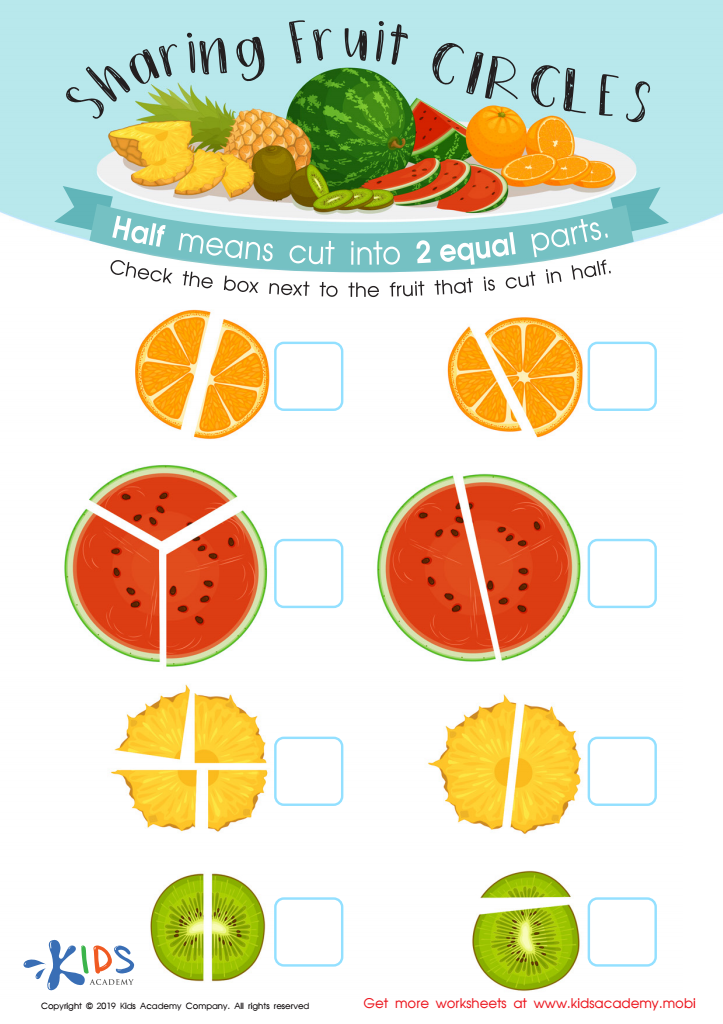
Sharing Fruit Circles Worksheet
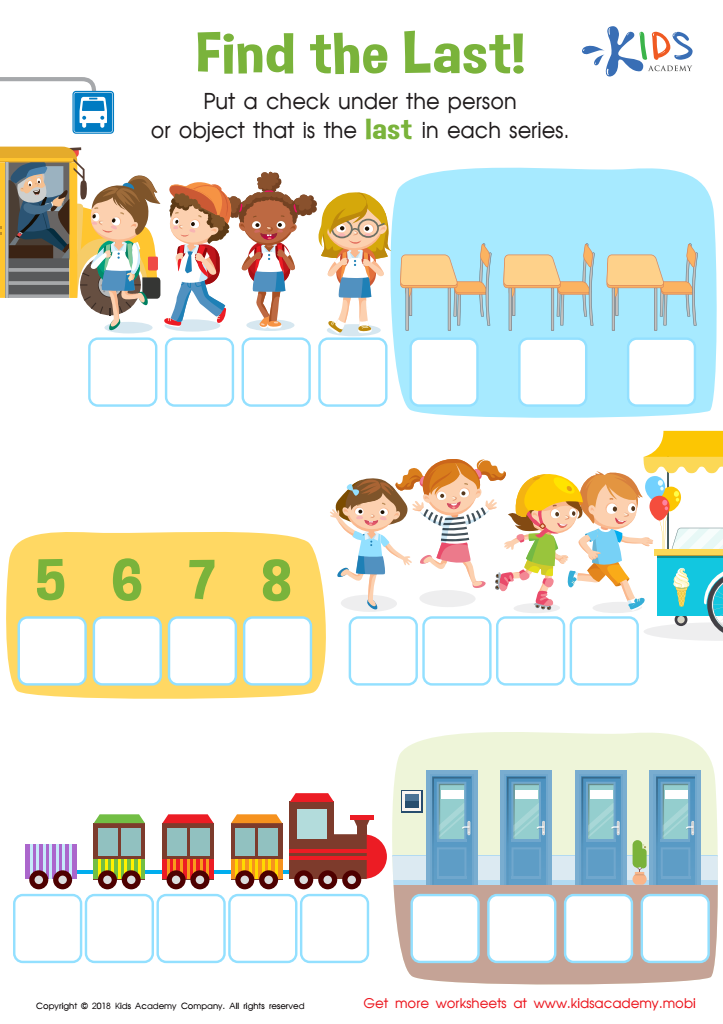
Find the Last! Worksheet
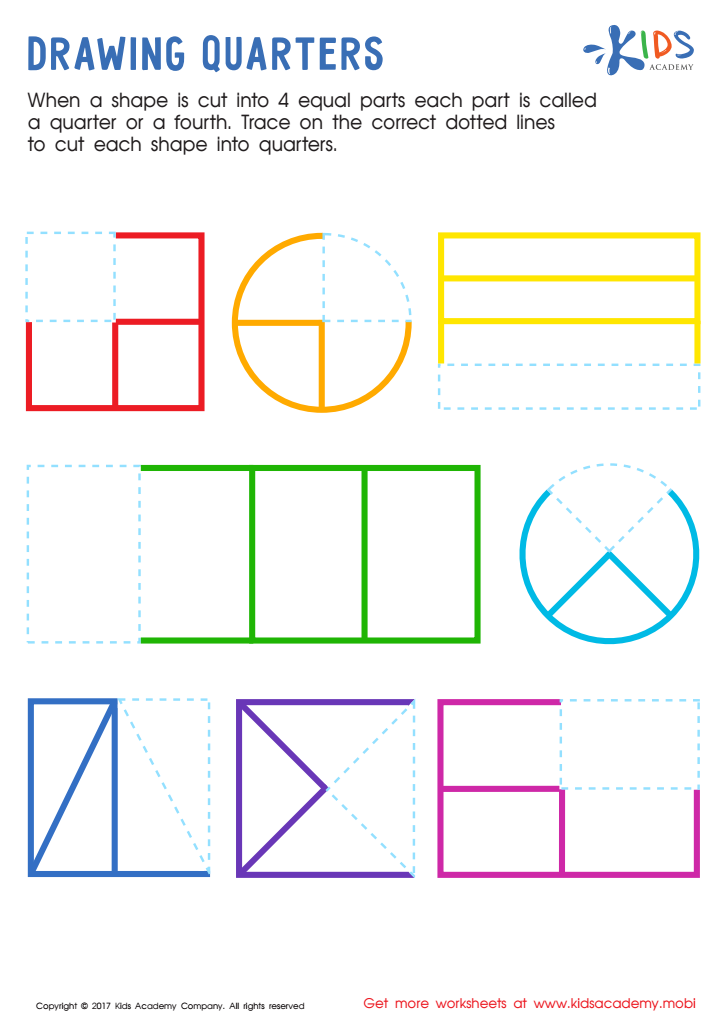
Drawing Quarters Worksheet
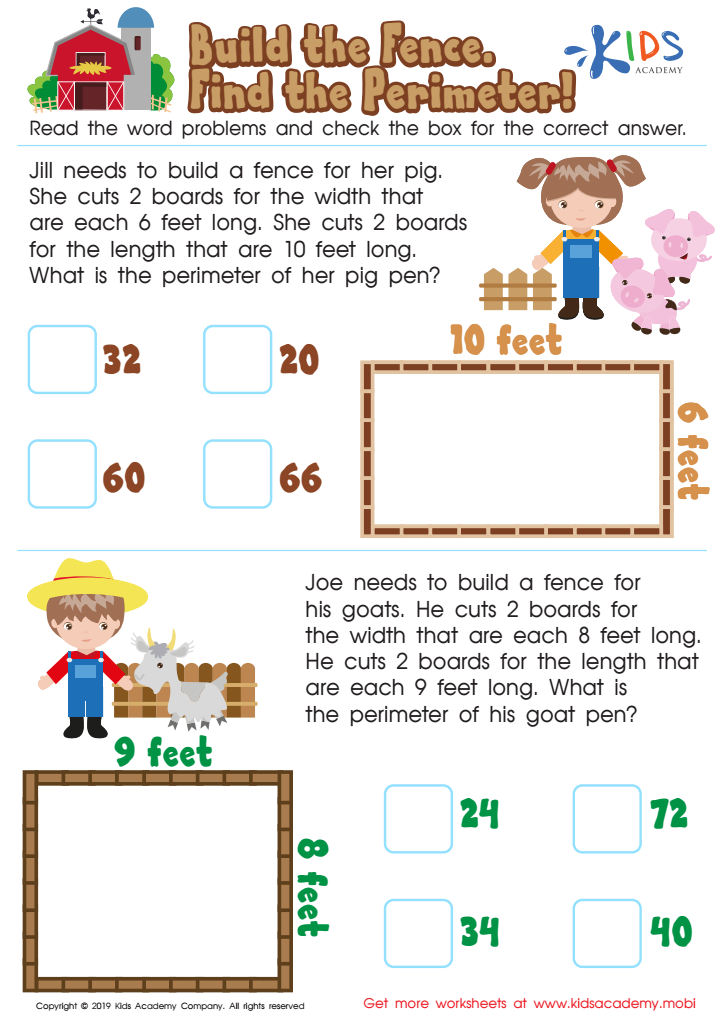
Build the Fence, Find the Perimeter Worksheet
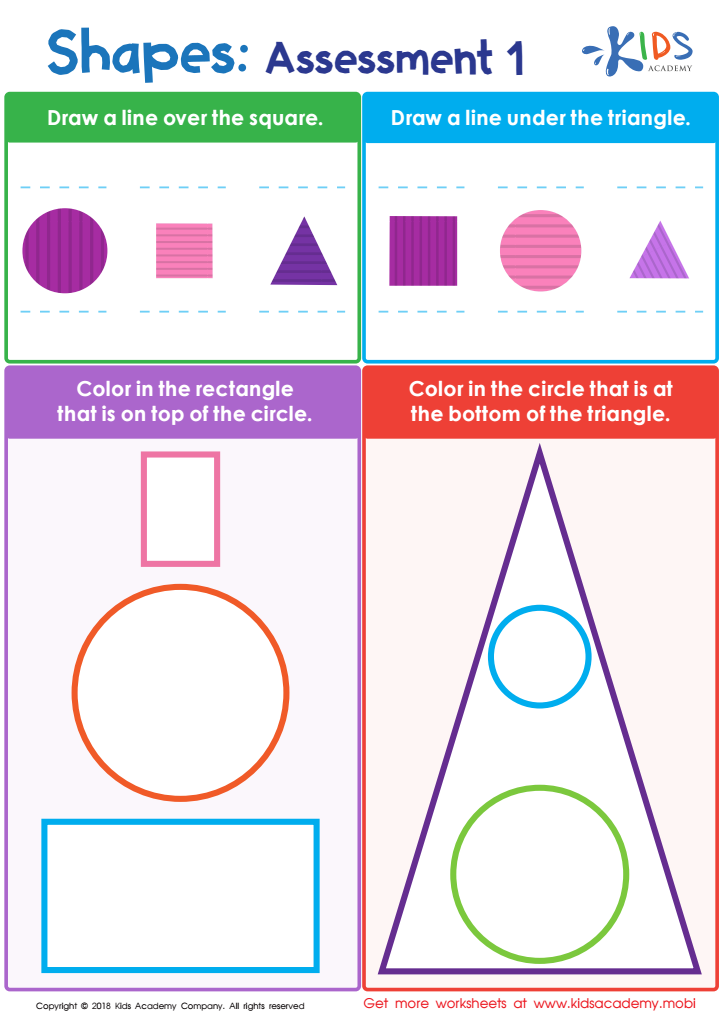
Shapes: Assessment 1 Worksheet
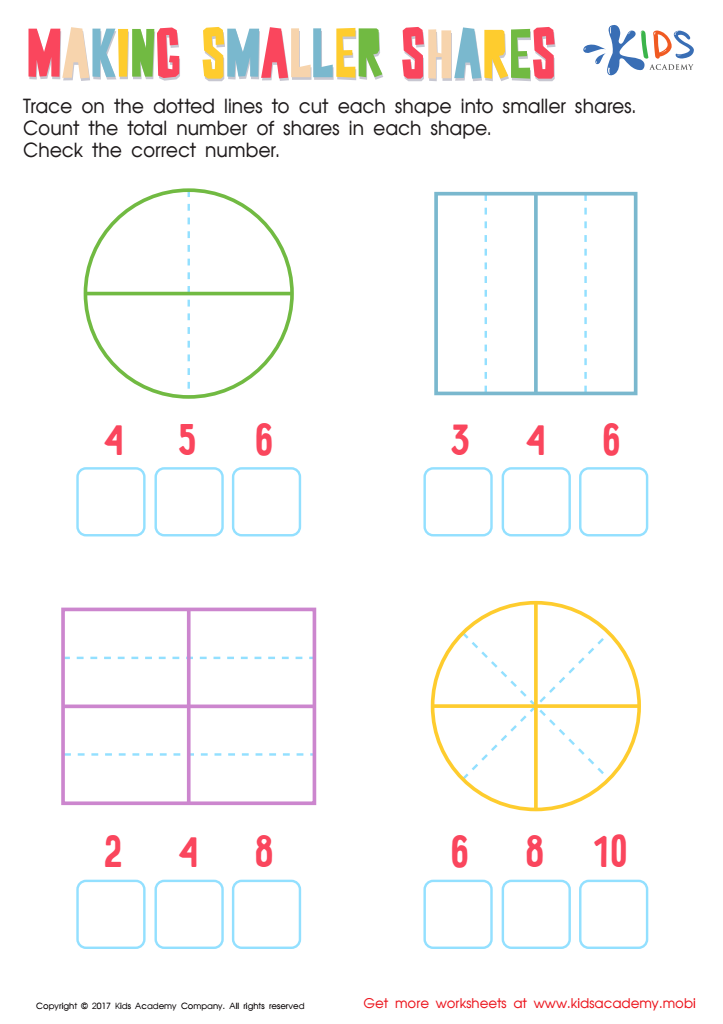
Making Smaller Shares Worksheet
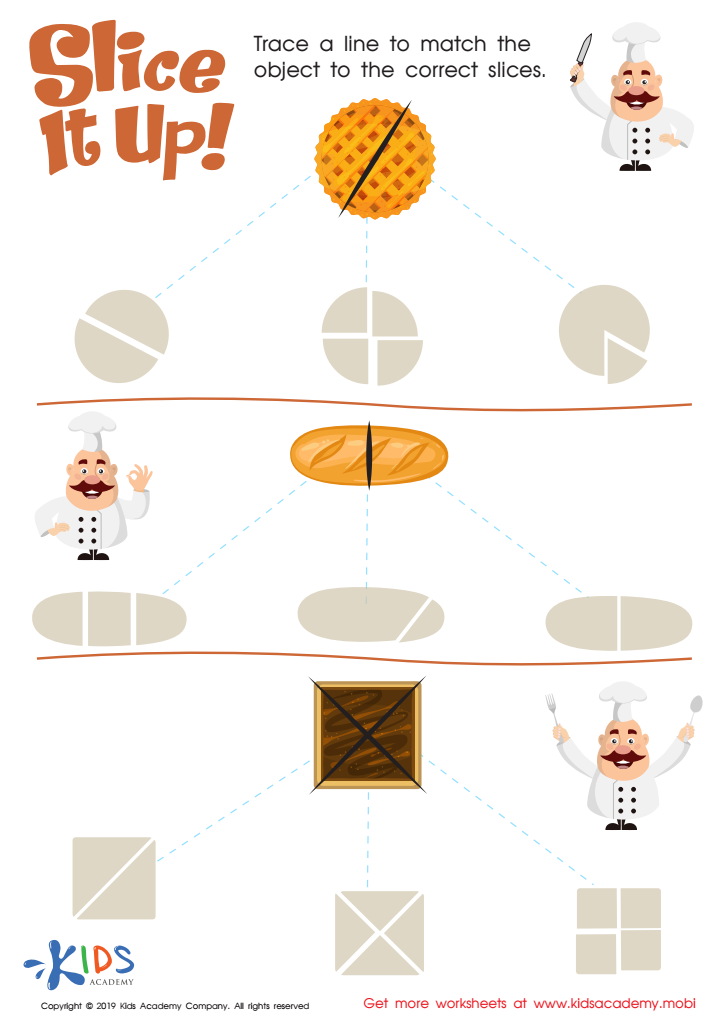
Slice It Up Worksheet
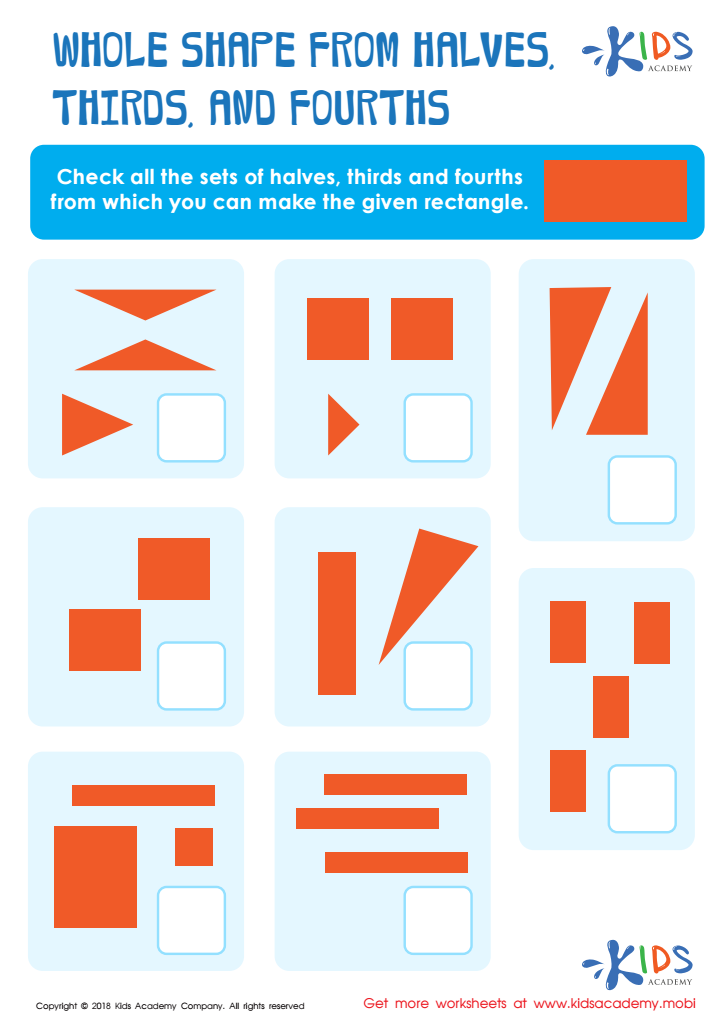
Whole Shape from Halves, Thirds and Fourths Worksheet
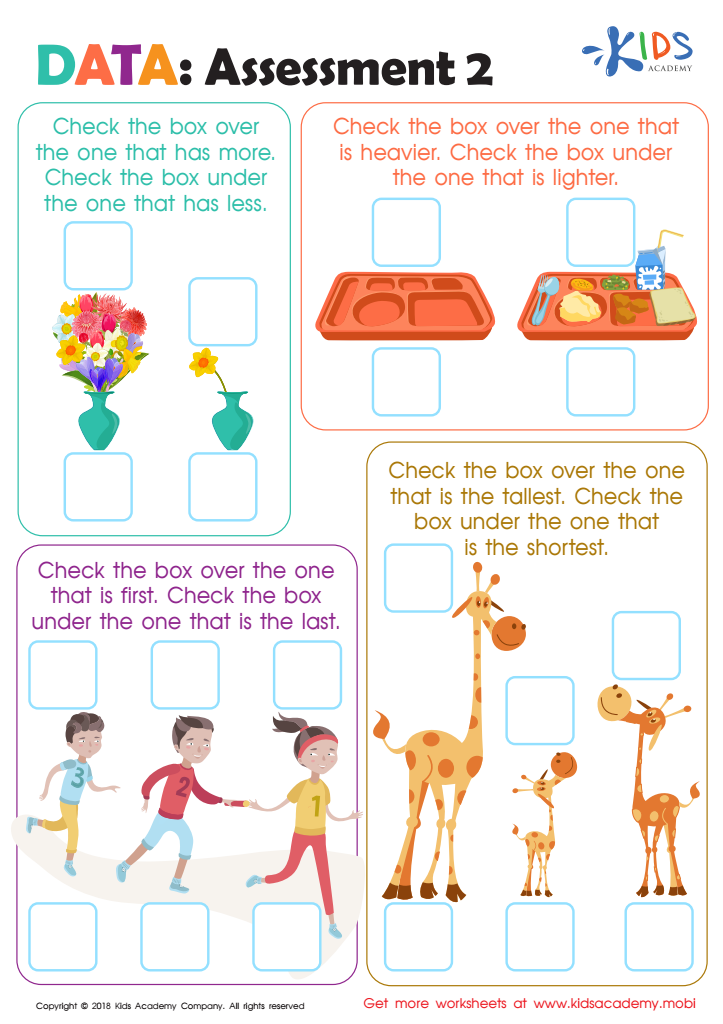
Data: Assessment 2 Worksheet
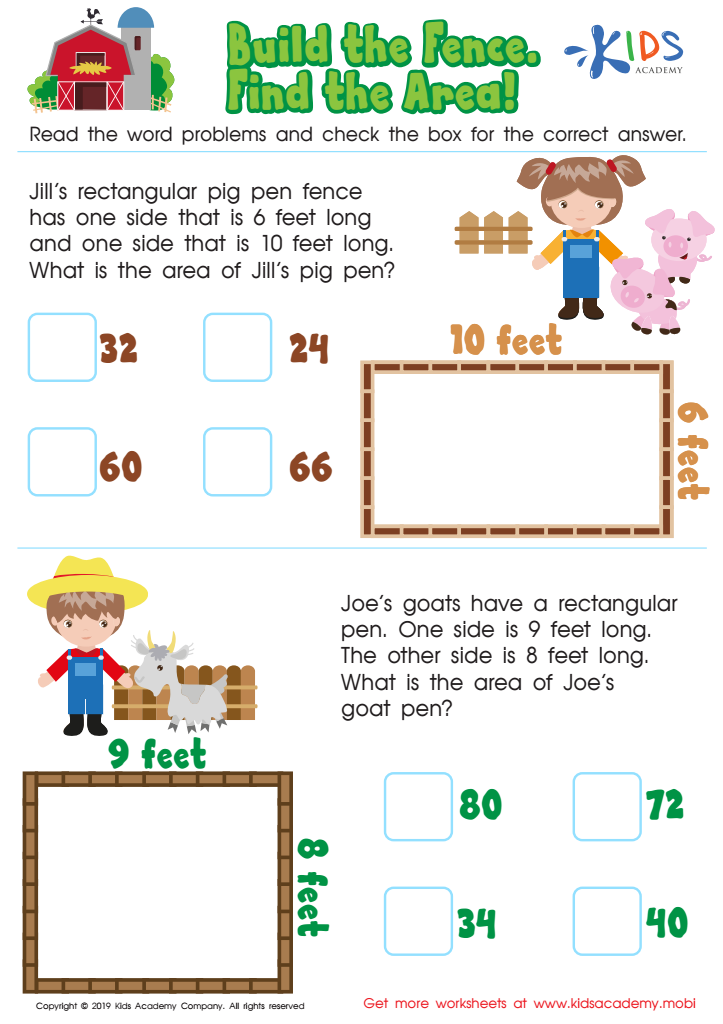
Build the Fence, Find the Area Worksheet








Parents and teachers should care about basic math skills in geometry for ages 6-9 because this foundational knowledge sets the stage for children’s overall academic success and critical thinking development. Geometry, even at an early age, introduces children to shapes, spatial reasoning, and the properties of different forms, which enhances their visual and cognitive development.
Learning about shapes helps children recognize and organize visual information, an essential skill not just in math, but also in reading and everyday problem-solving. Geometry encourages logical thinking and enhances the ability to analyze and manipulate objects in their minds, which are fundamental skills in STEM (Science, Technology, Engineering, Mathematics) disciplines.
For example, by understanding shapes and their properties, a child can better comprehend how letters and numbers are formed, hence improving their literacy and numeracy. Furthermore, practicing geometry can improve fine motor skills through activities such as drawing and building with blocks.
Additionally, developing these skills at a young age helps students gain confidence in their abilities to tackle more complex mathematical concepts in the future. Early exposure to geometry also fosters a positive attitude towards math, reducing anxiety and building a foundation for lifelong learning.
In essence, basic geometry does more than teach children about shapes; it equips them with vital tools for intellectual growth, problem-solving, and future academic achievements.








