Problem-solving abilities Geometry Worksheets for Ages 6-9
5 filtered results
-
From - To
Enhance your child's problem-solving skills with our expertly designed Geometry Worksheets for ages 6-9. These engaging, educational activities help young learners grasp essential geometric concepts while honing their analytical abilities. Our worksheets cover a variety of topics including shapes, symmetry, and spatial reasoning, ensuring a well-rounded understanding of geometry. Each worksheet is tailored to challenge and inspire kids, making learning fun and effective. Perfect for classroom use or at-home practice, our Geometry Worksheets are a valuable resource for building a solid math foundation and boosting critical thinking. Download now to empower your child with important problem-solving skills!
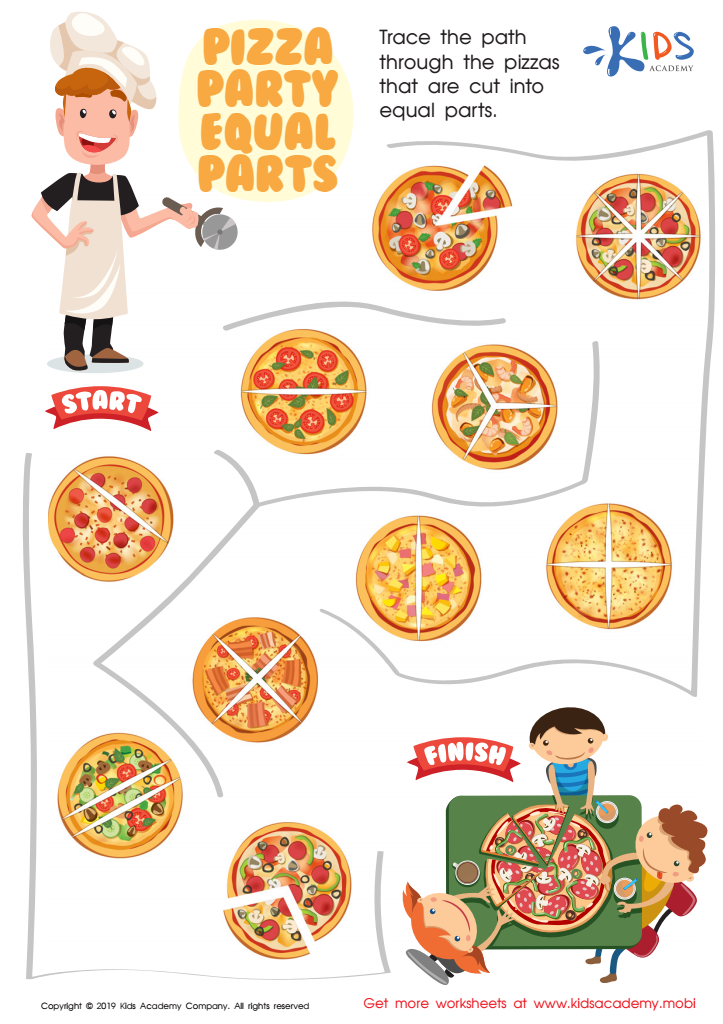
Pizza Party Equal Parts Worksheet
 Assign to My Students











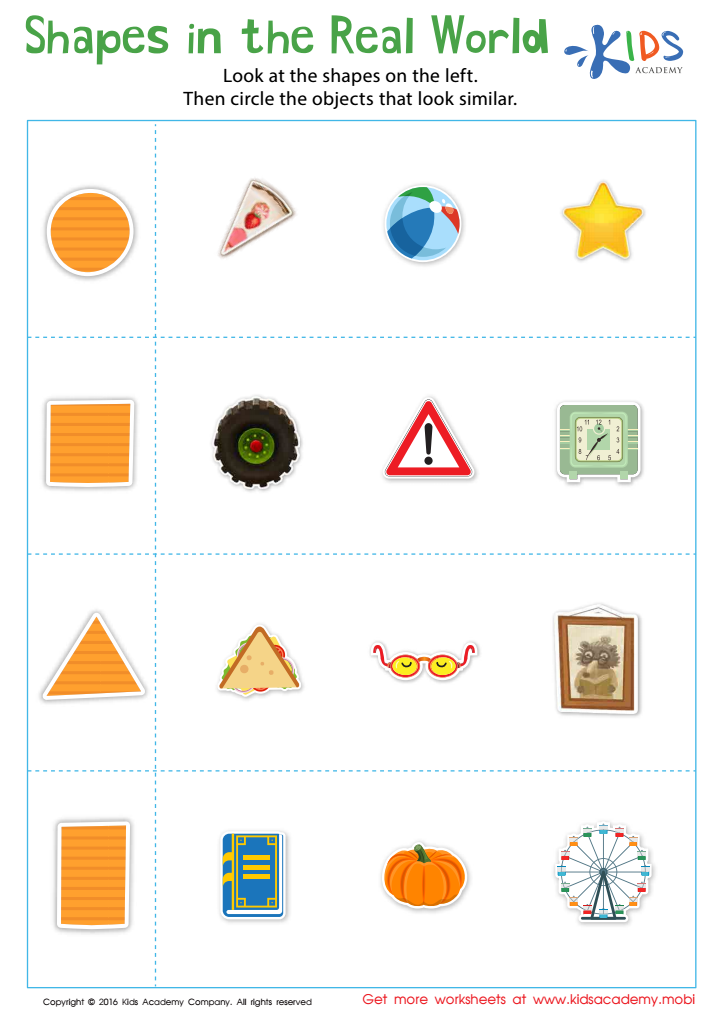
Shapes in the Real World Worksheet
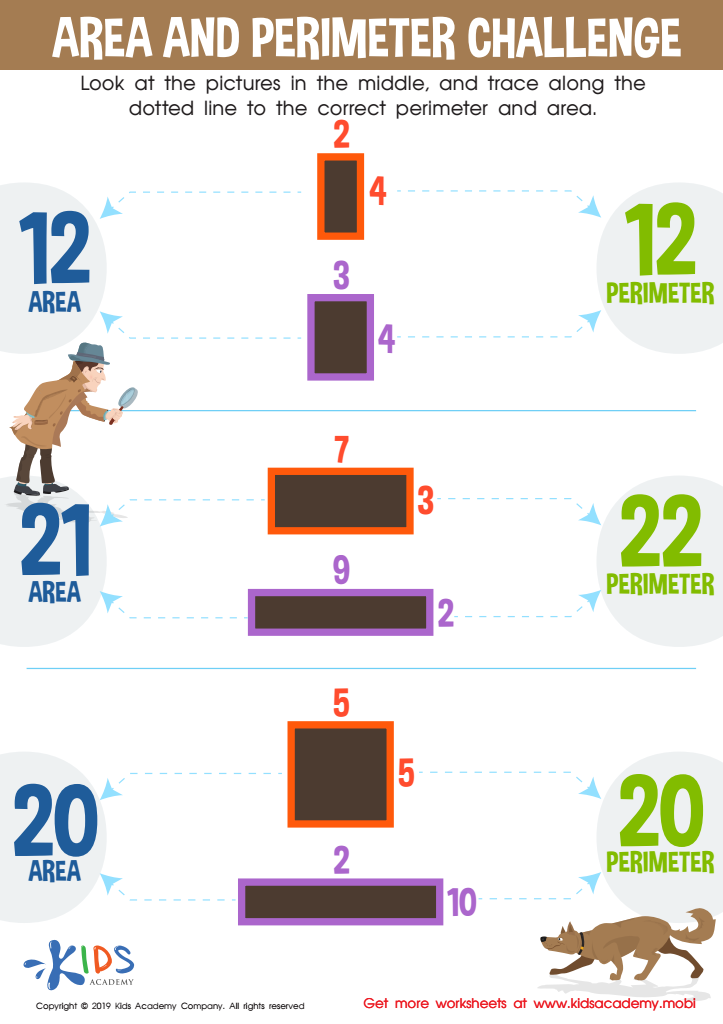
Area and Perimeter Challenge Worksheet
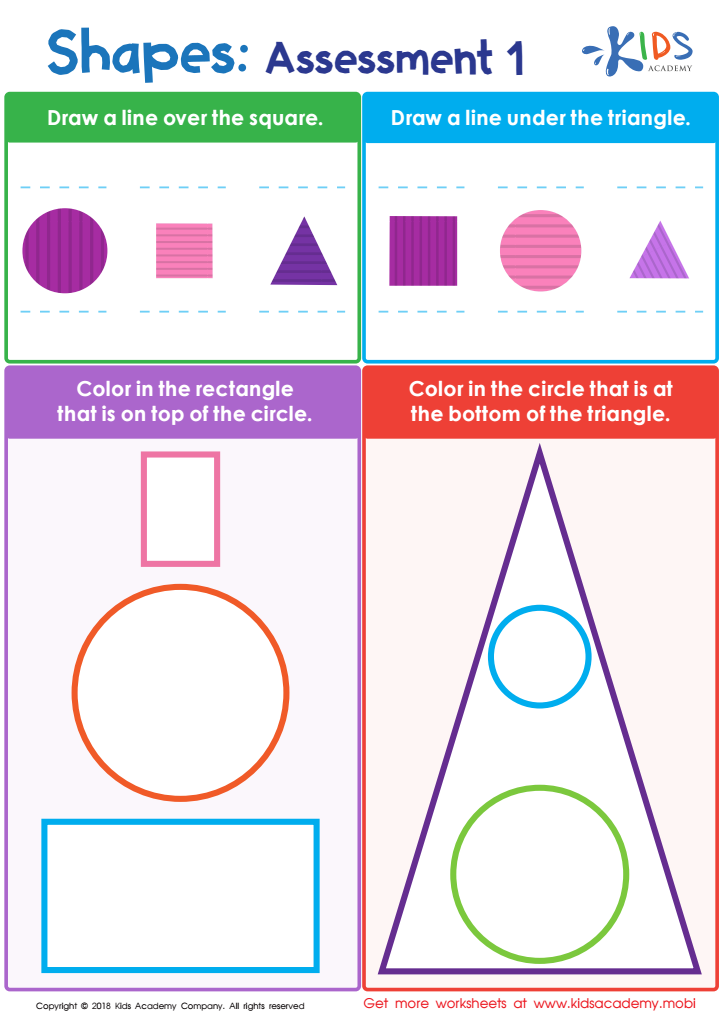
Shapes: Assessment 1 Worksheet
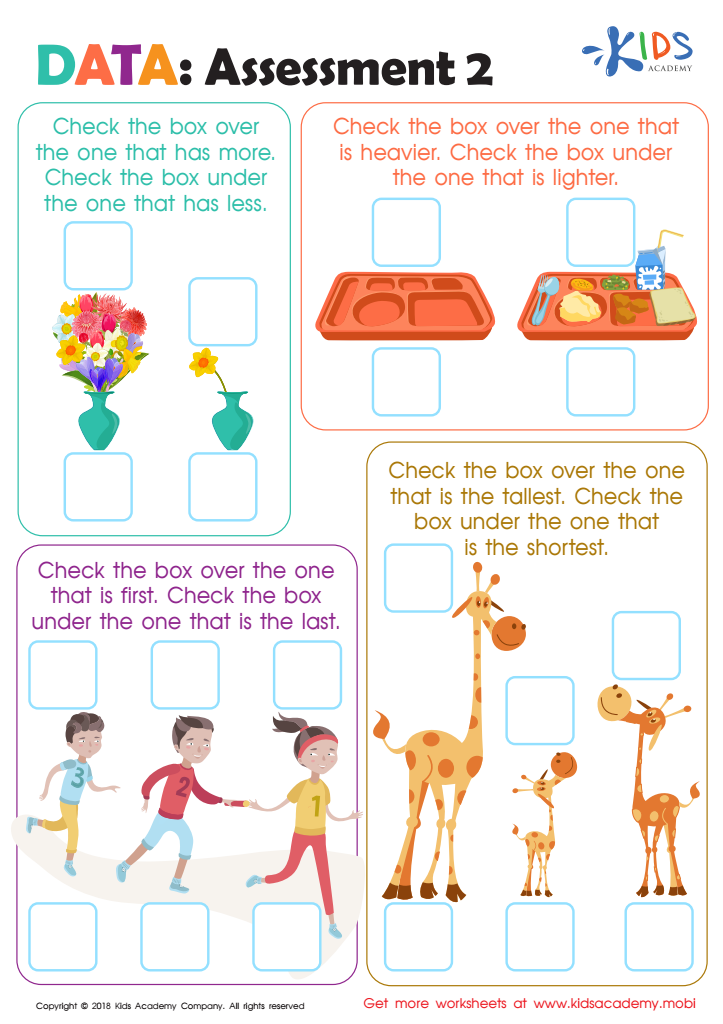
Data: Assessment 2 Worksheet








Problem-solving abilities in geometry are essential for children ages 6-9 because they foster a wide range of vital cognitive and developmental skills. At this early age, children are like sponges, absorbing information and forming critical connections in their brains. Engaging in geometry helps improve spatial awareness, which is crucial for understanding the physical world around them. For example, recognizing shapes and understanding their properties aids in identifying everyday objects, contributing to better spatial orientation and physical coordination.
Moreover, problem-solving in geometry enhances critical thinking and logical reasoning. When children solve geometric problems or puzzles, they learn how to approach challenges systematically, think analytically, and develop perseverance to find solutions. These skills are transferable to various other subjects, including math, science, and even literacy, as children learn to identify patterns and organize information logically.
Additionally, geometry's visual and hands-on nature can make learning more engaging and enjoyable for young children. It supports creativity by encouraging them to visualize concepts and construct shapes, developing their imaginative and visual-spatial skills.
Overall, by prioritizing problem-solving abilities in geometry, parents and teachers equip children with foundational skills that will benefit their academic journey and everyday life, fostering a lifelong love of learning.








