Basic Addition Skills Math Worksheets for Ages 6-9 - Page 2
41 filtered results
-
From - To
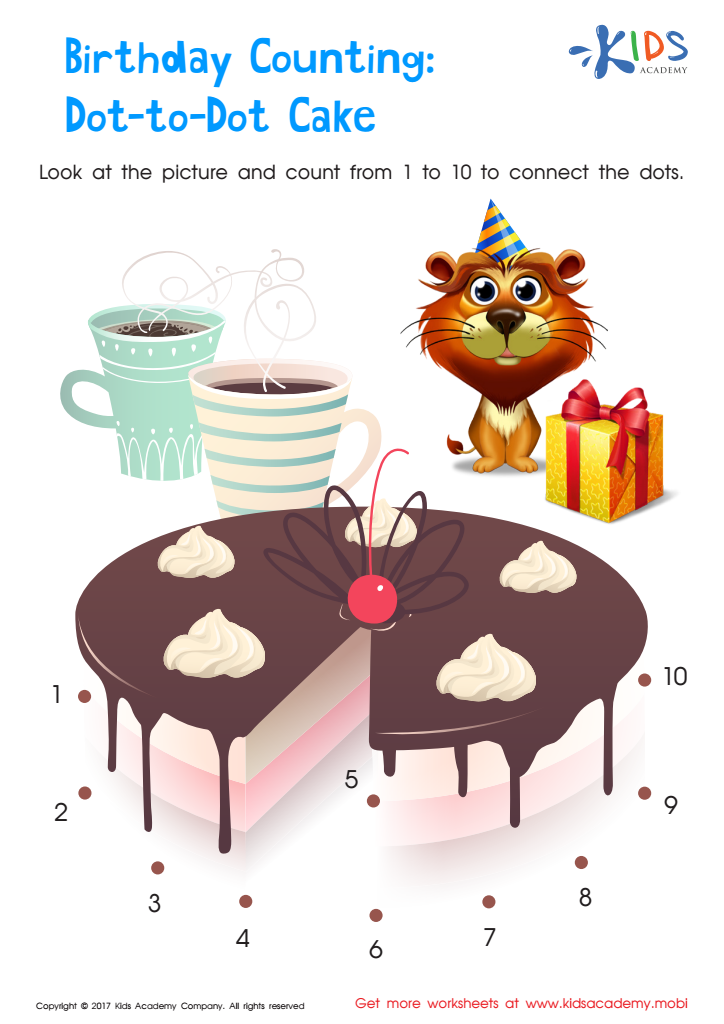
Birthday Counting Connect Dots Worksheet
 Assign to My Students
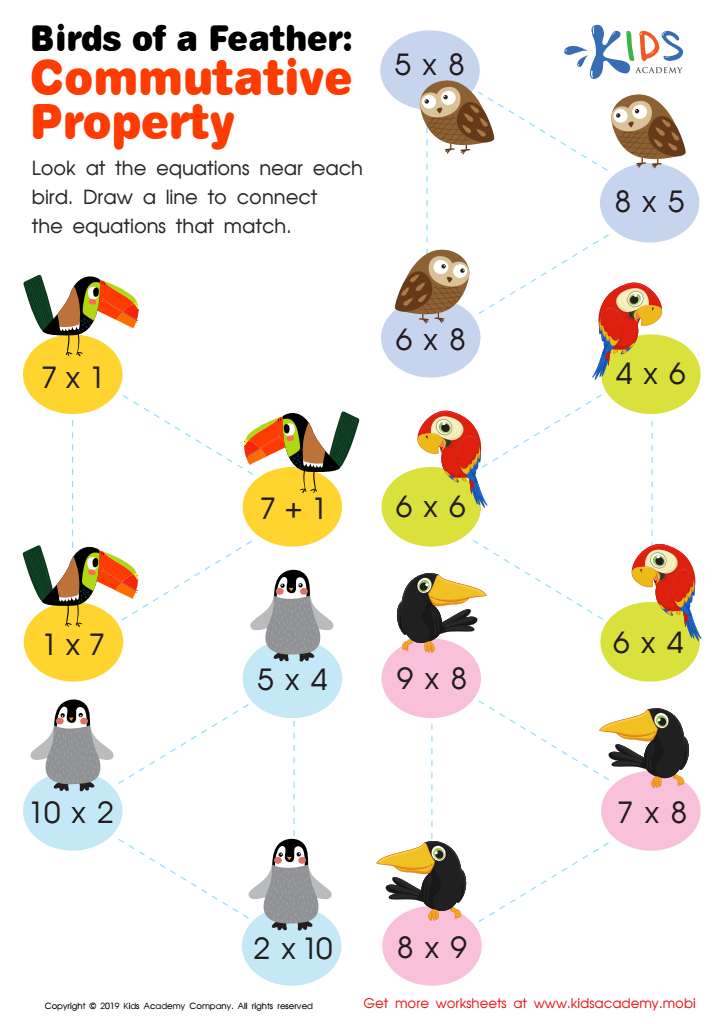
Birds of a Feather: Commutative Property Worksheet
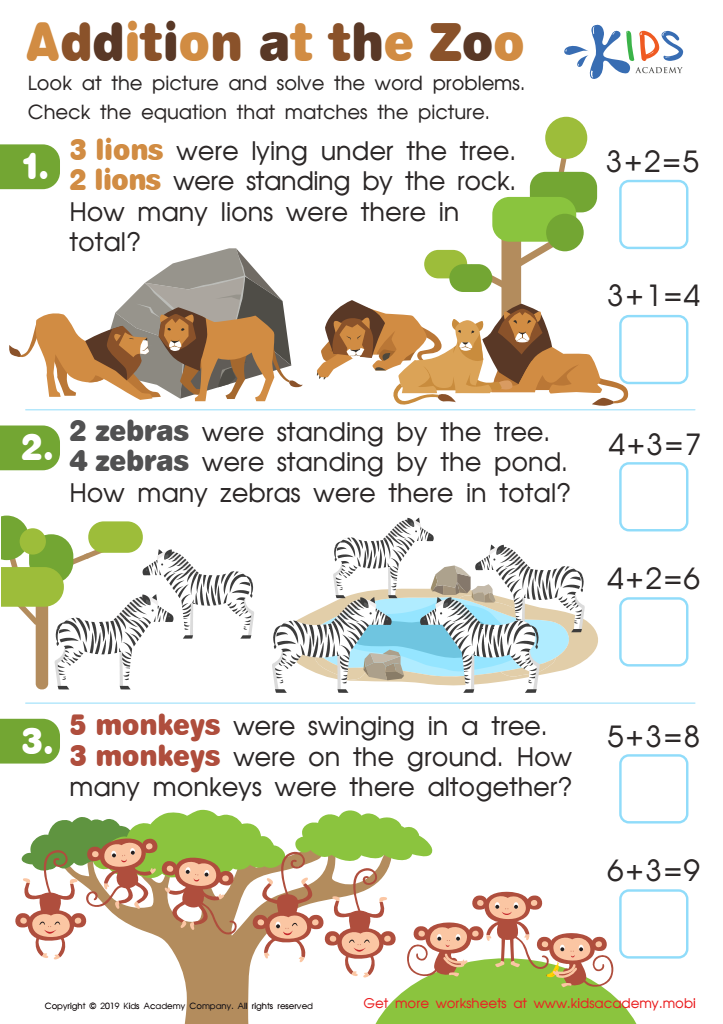
Addition at the Zoo Worksheet
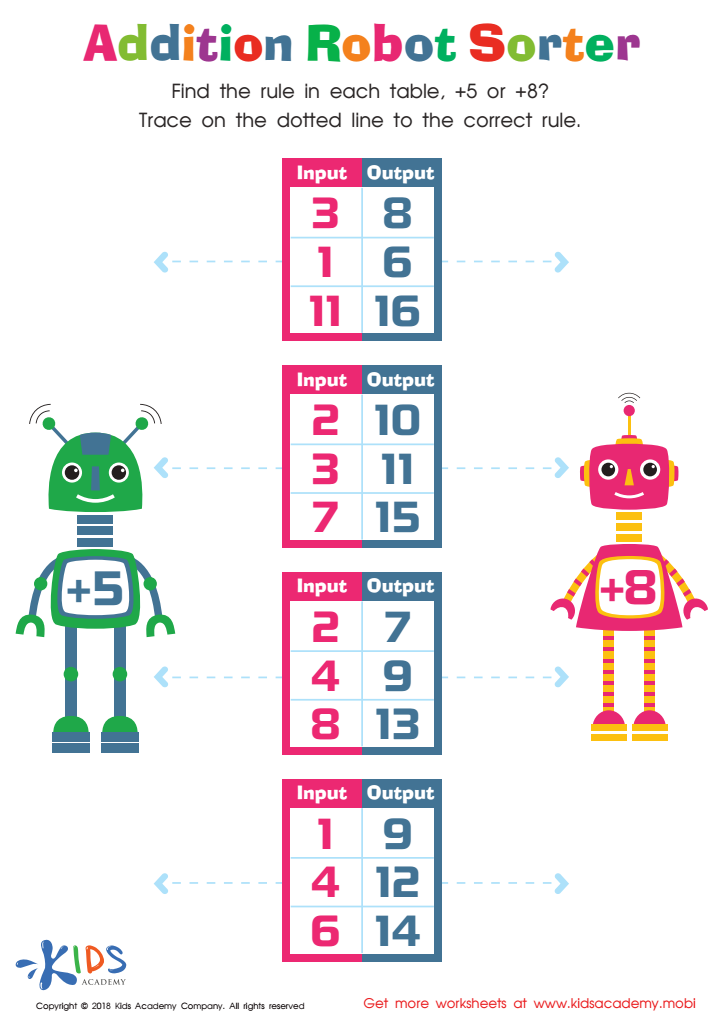
Addition Robot Sorter Worksheet
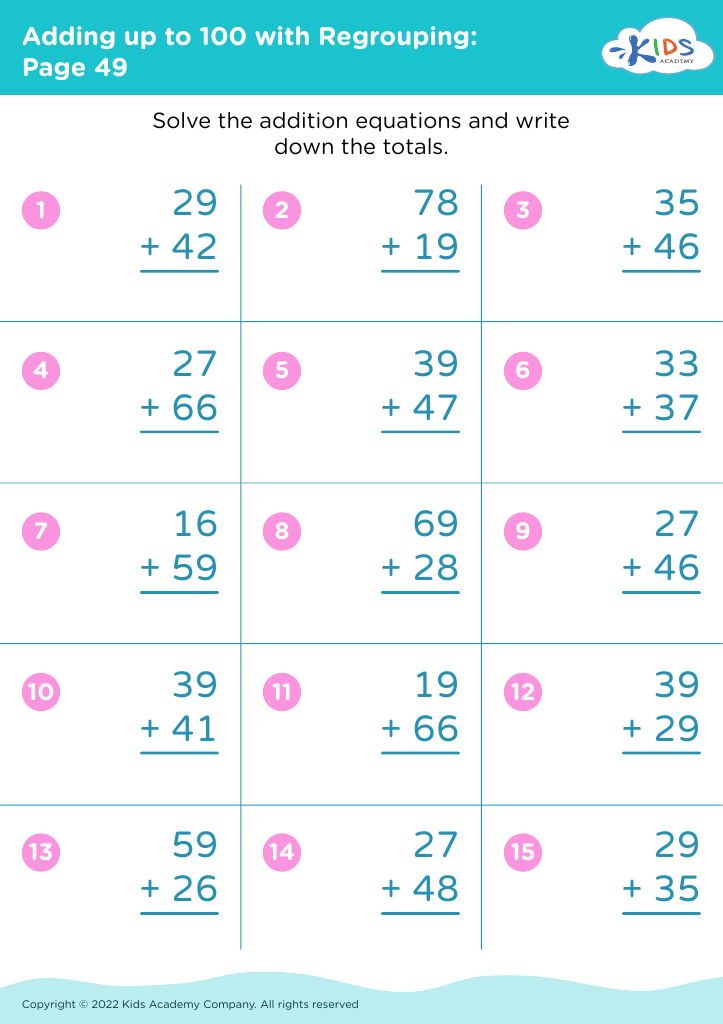
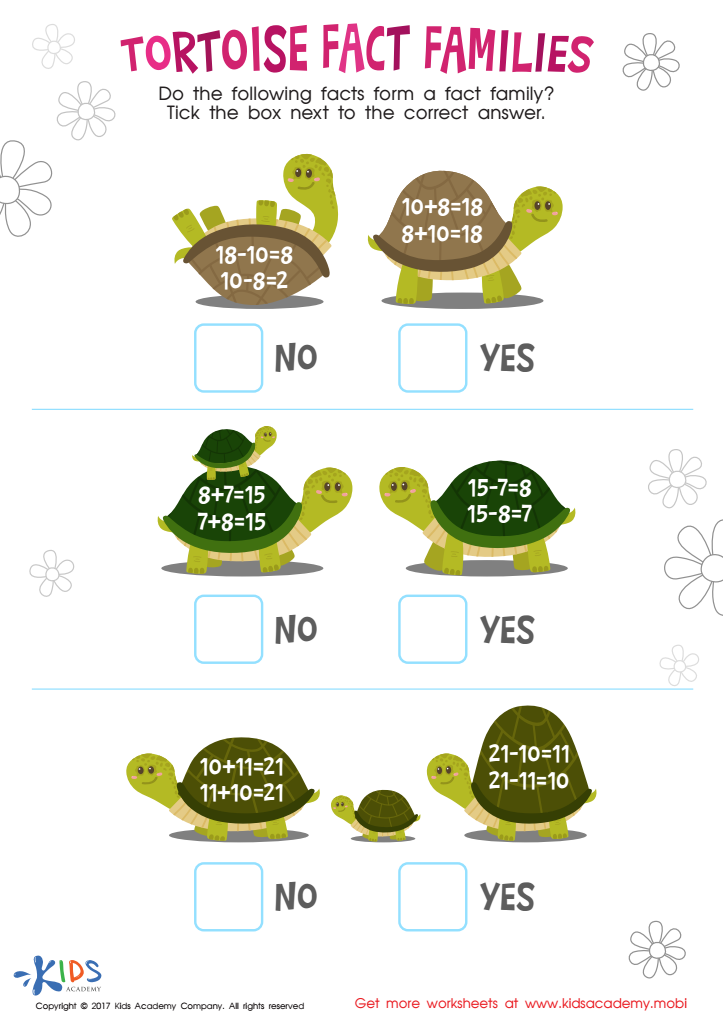
Tortoise Fact Families Printable
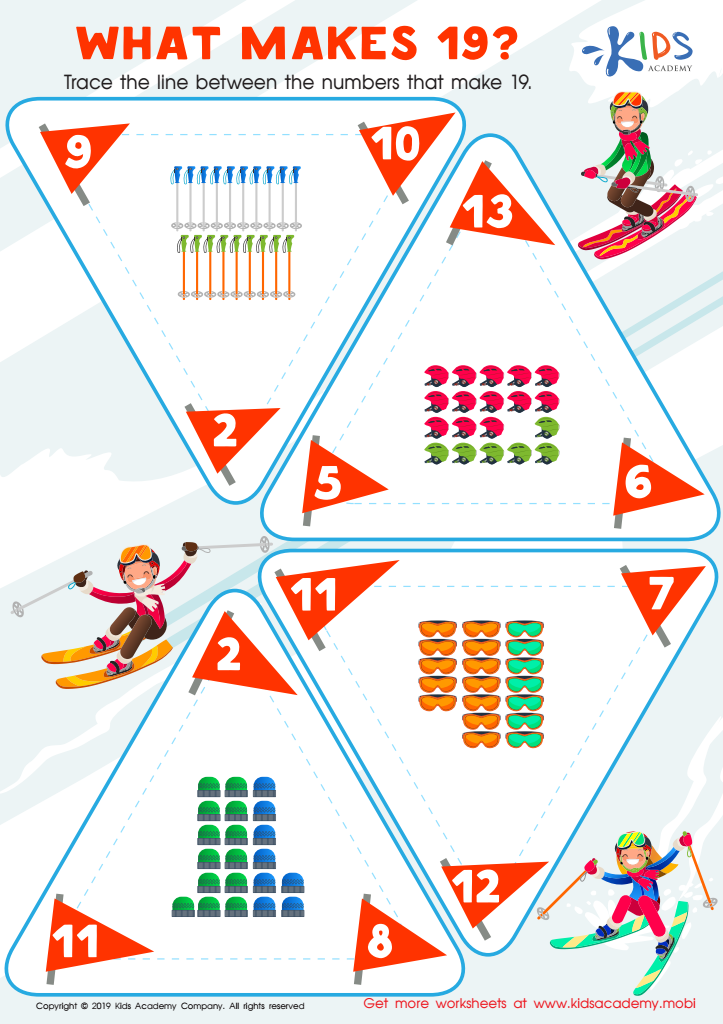
What Makes 19? Worksheet
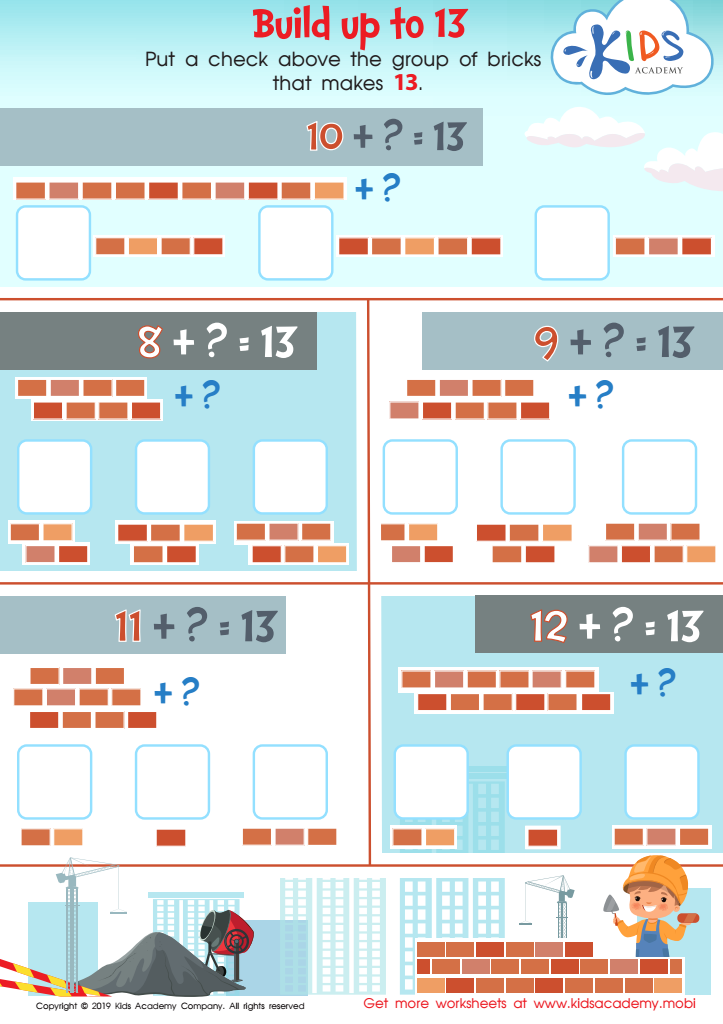
Build up to 13 Worksheet
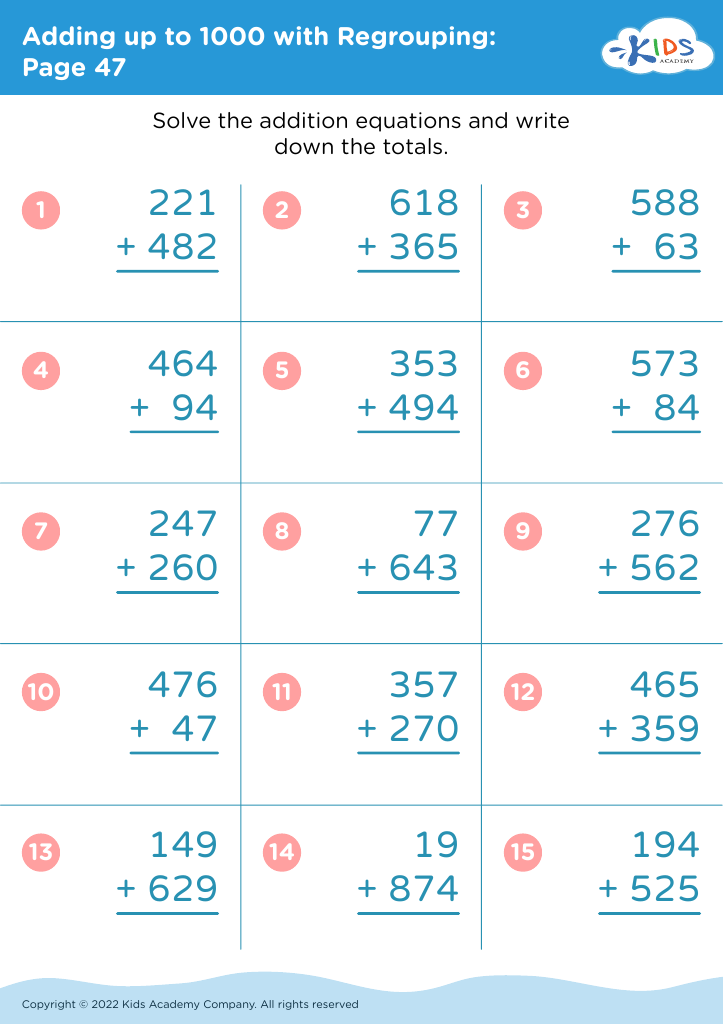
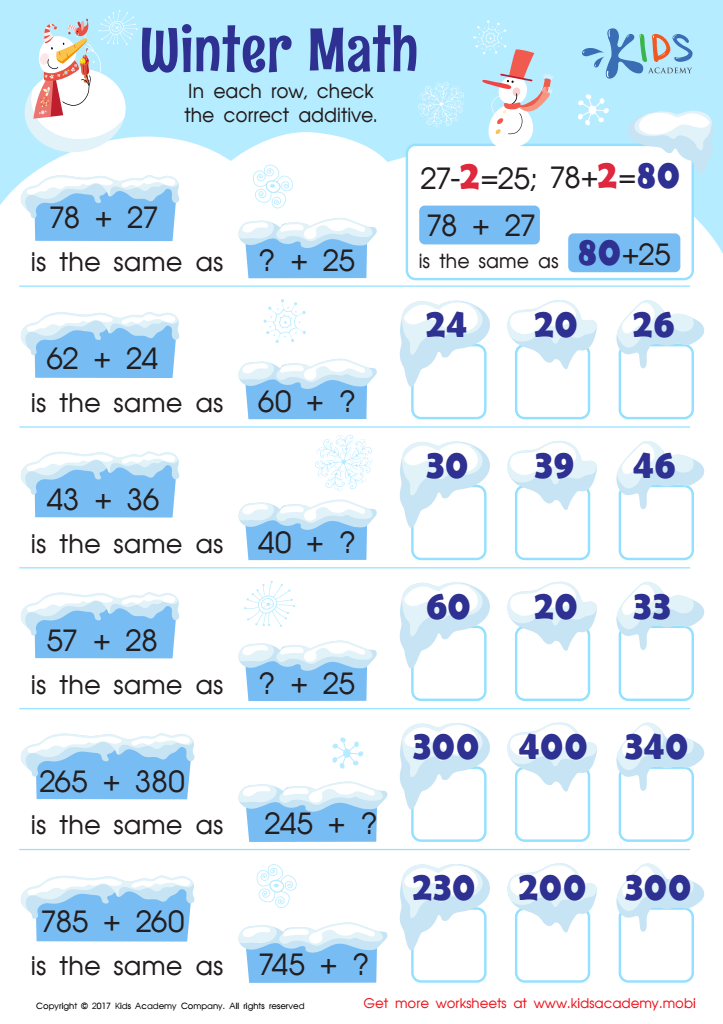
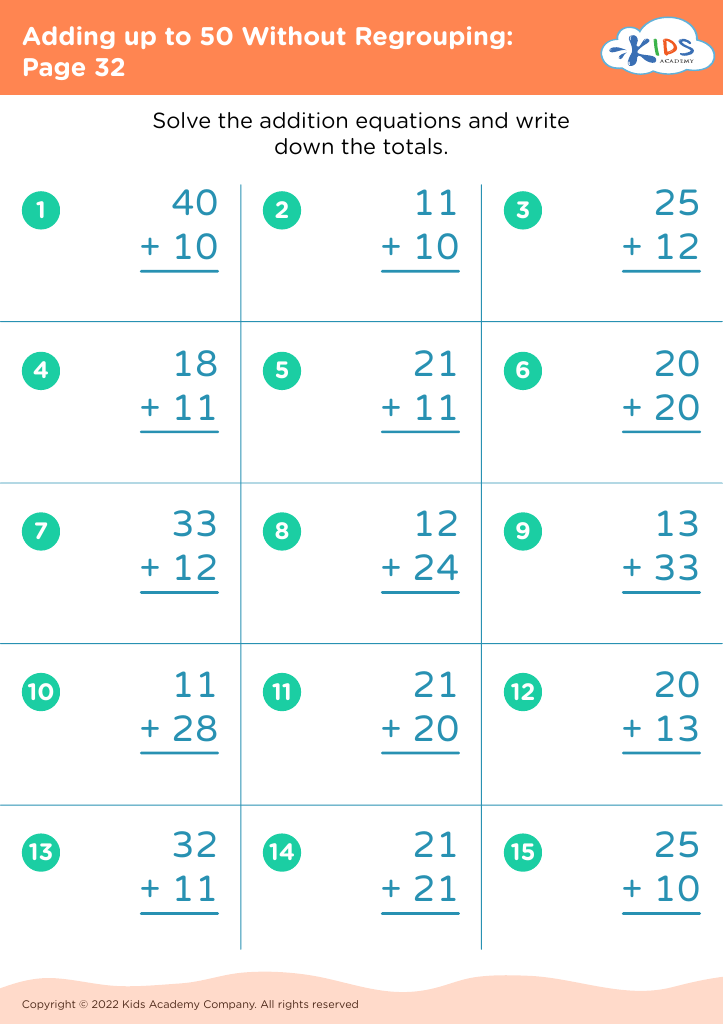
Free Addition Worksheet
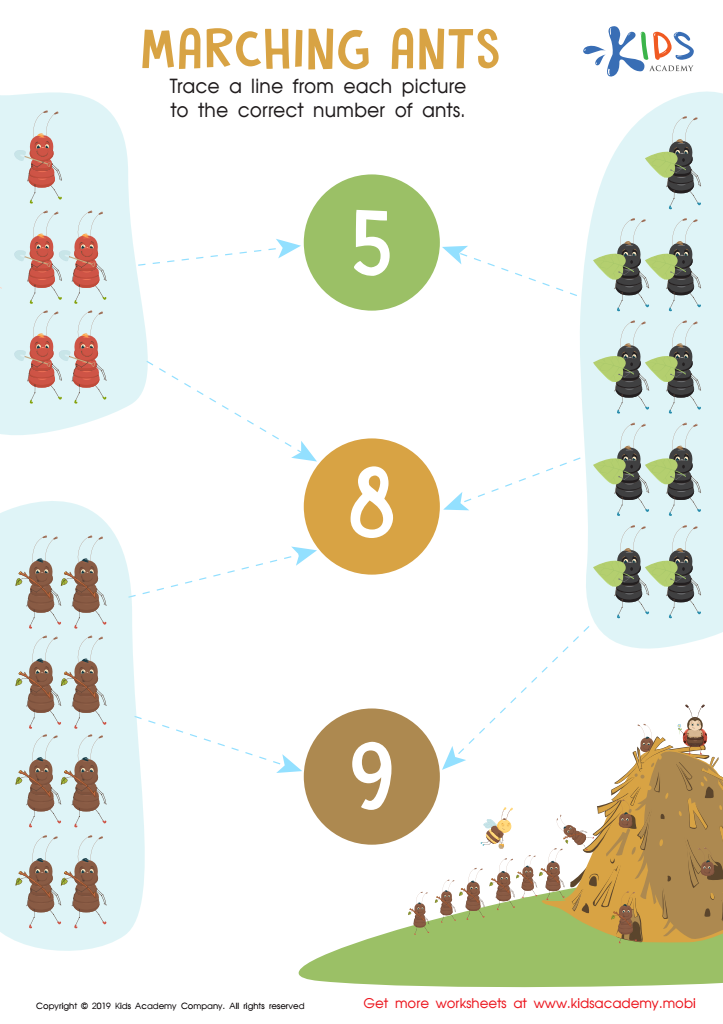
Marching Ants Worksheet
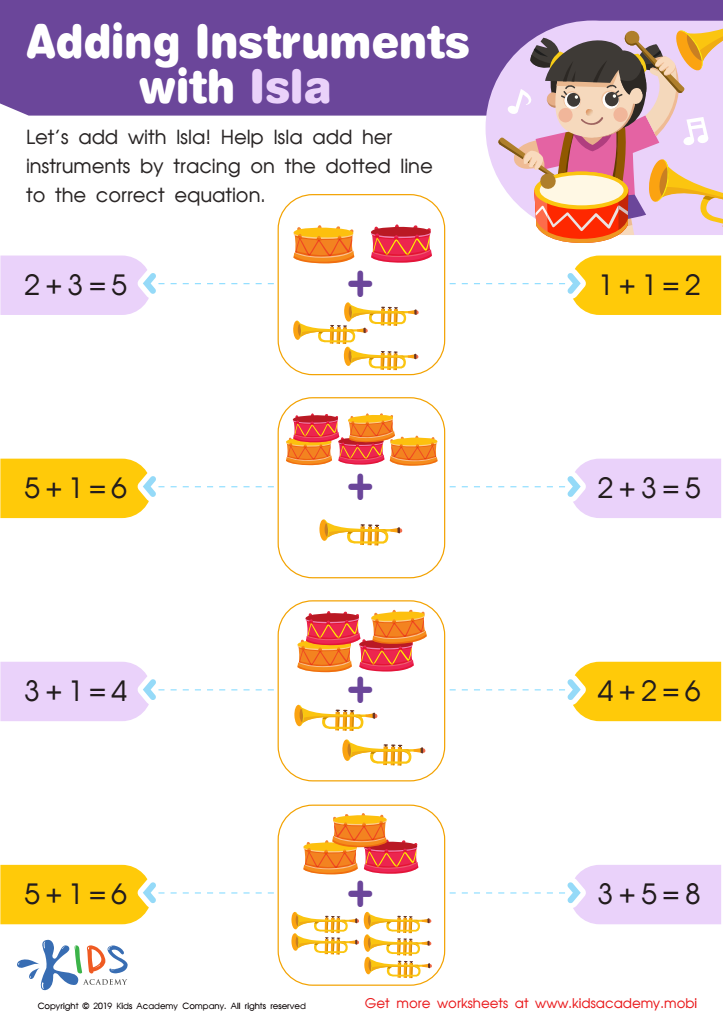
Adding Instruments with Isla Worksheet





%20(1).jpg)

Parents and teachers play a pivotal role in the foundational development of children, and focusing on basic addition skills for ages 6-9 is essential for several reasons. First, mastering these skills is vital for everyday life. Whether it’s counting money, measuring ingredients in a recipe, or understanding time, simple addition builds a practical, real-world numeracy base. Secondly, this period is crucial for cognitive development. Basic addition enhances problem-solving abilities, logical thinking, and number fluency, laying a foundation for more complex mathematical concepts in the future, such as multiplication and division.
Furthermore, early success in math can boost a child's confidence and foster a positive attitude toward learning. Struggles with early math concepts often translate to math anxiety and reluctance in tackling more advanced topics later. Through consistent practice and encouragement, children start to enjoy the subject, perceiving it as approachable and fun rather than intimidating.
Lastly, these early math skills are interconnected with other parts of learning. Skills in addition reinforce comprehension in math-related subjects, such as science and engineering. Promoting strong basic addition skills helps in crafting a well-rounded, confident, and capable learner ready to face future educational challenges. Therefore, prioritizing basic addition practice is key for holistic academic and real-life success.








