Multiplication practice Math Worksheets for Ages 6-9 - Page 2
78 filtered results
-
From - To
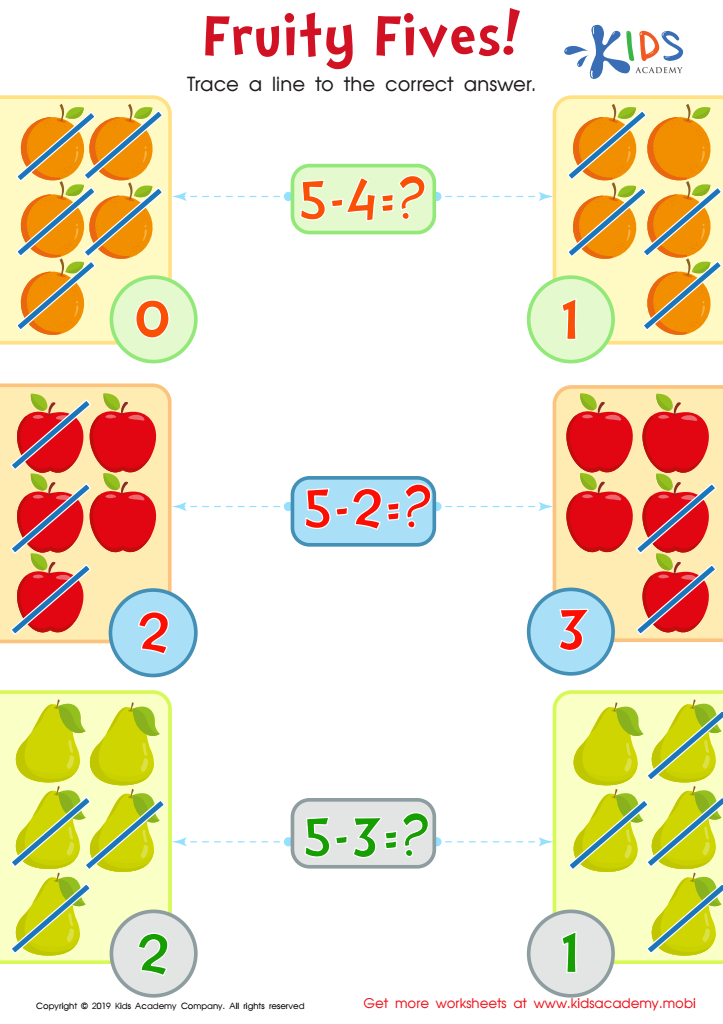
Fruity Fives! Worksheet
 Assign to My Students
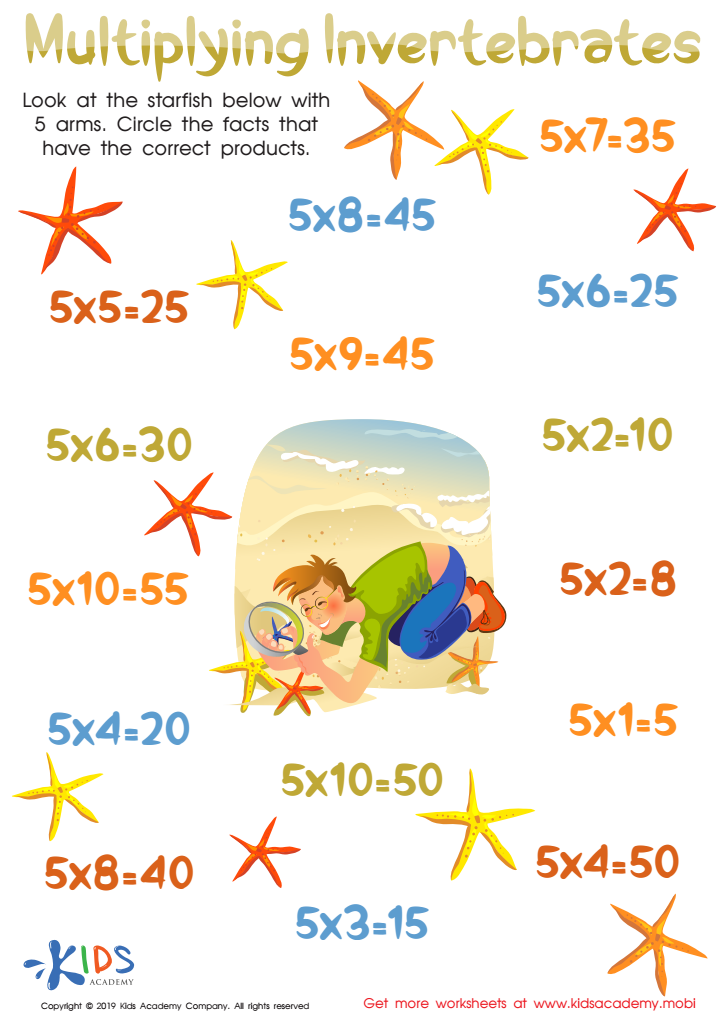
Multiplying Invertebrates Worksheet
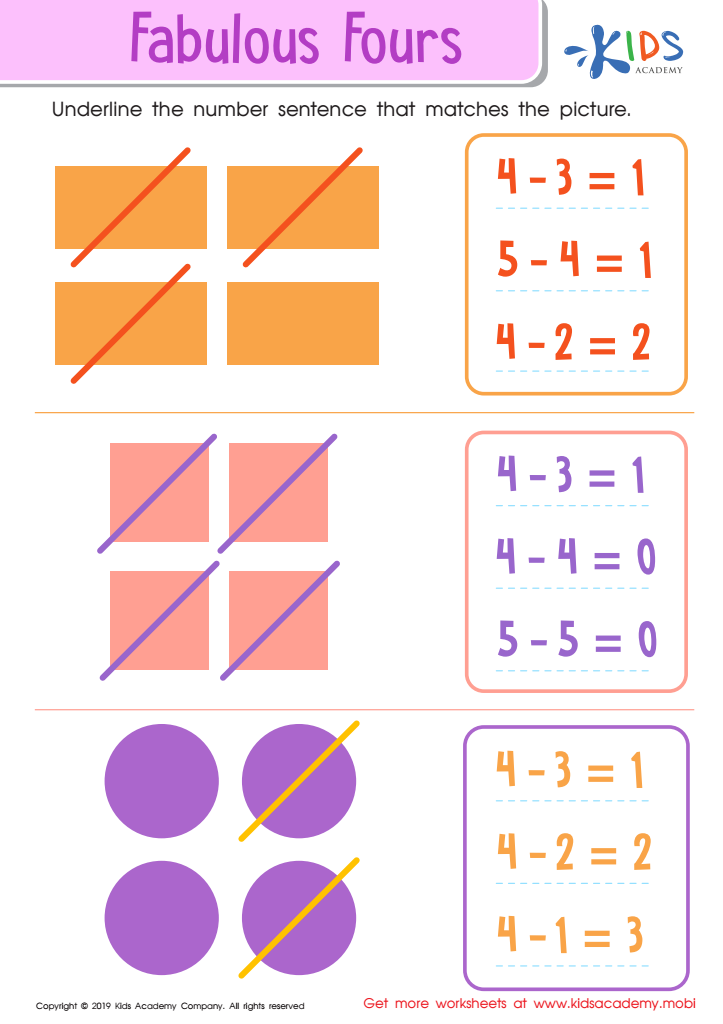
Fabulous Fours Worksheet
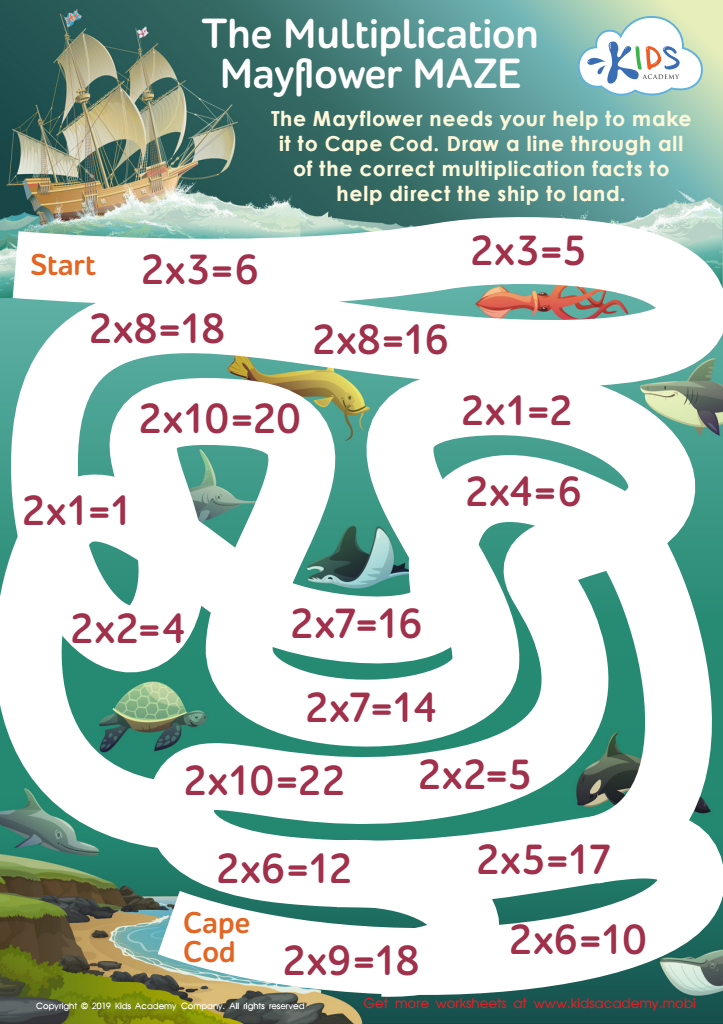
The Multiplication Mayflower Maze Worksheet
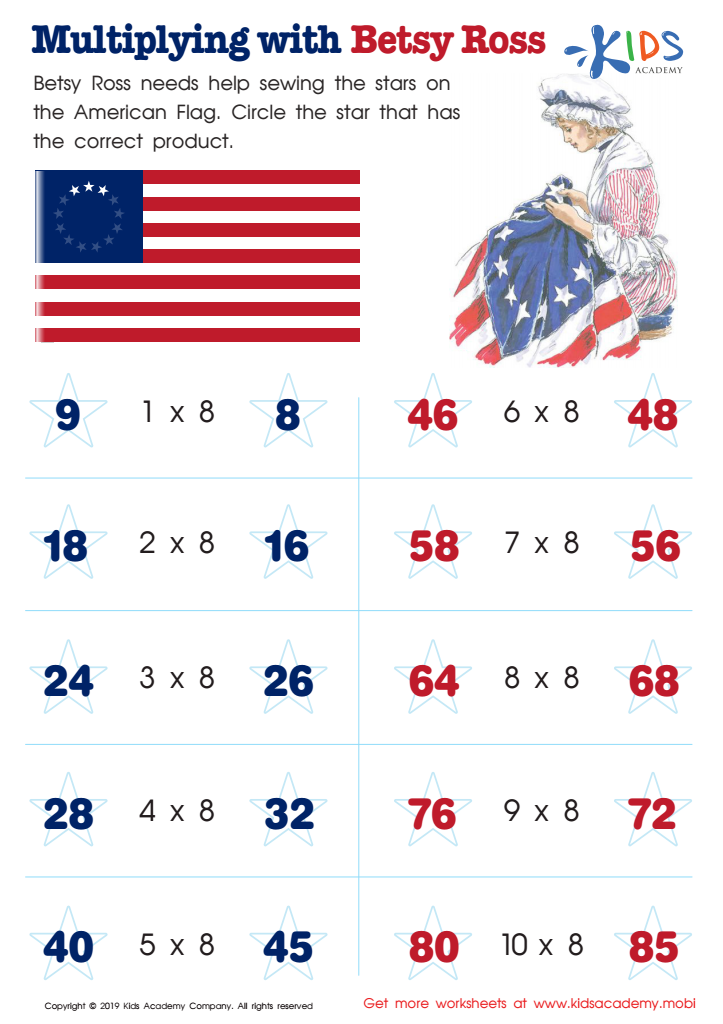
Multiplying with Betsy Ross Worksheet
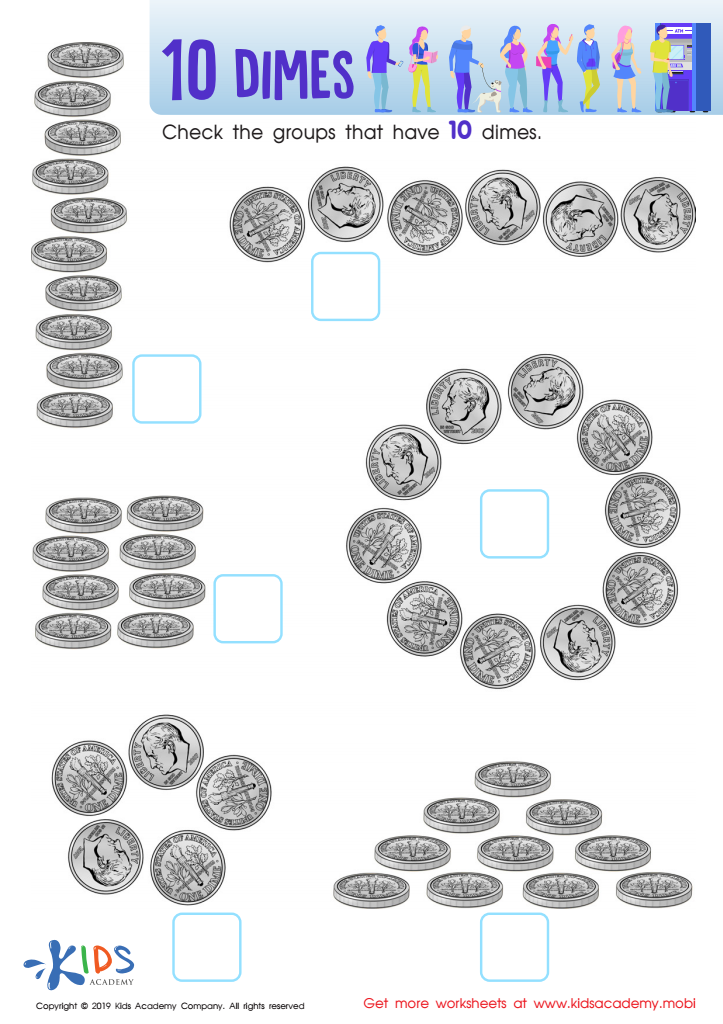
10 Dimes Worksheet
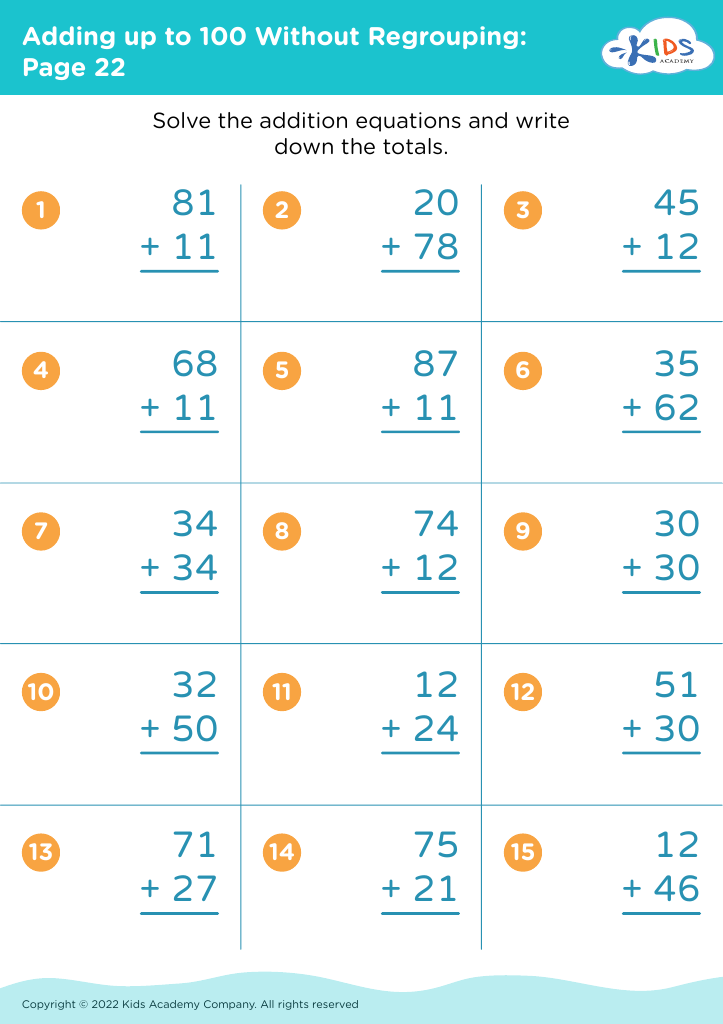
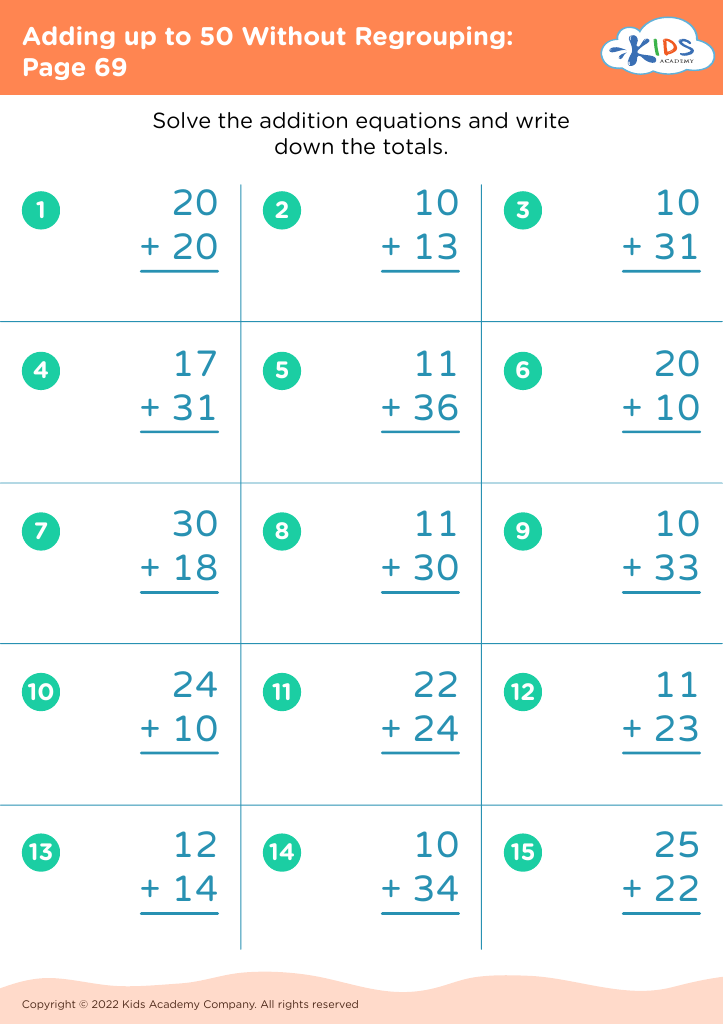
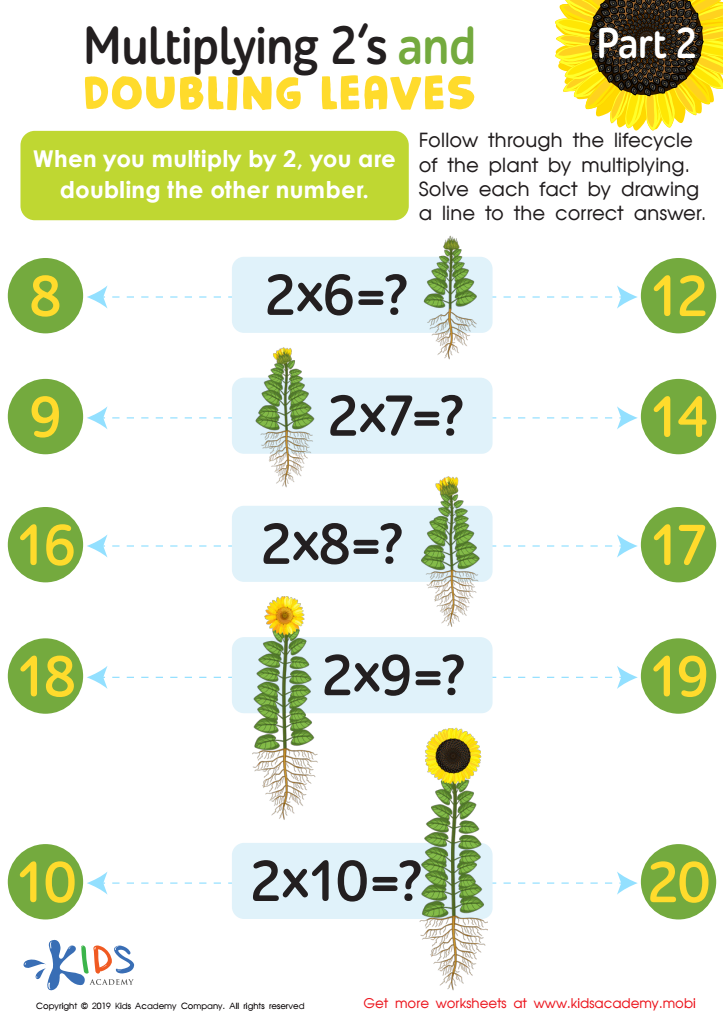
Multiplying 2’s and Doubling Leaves Part 2 Worksheet
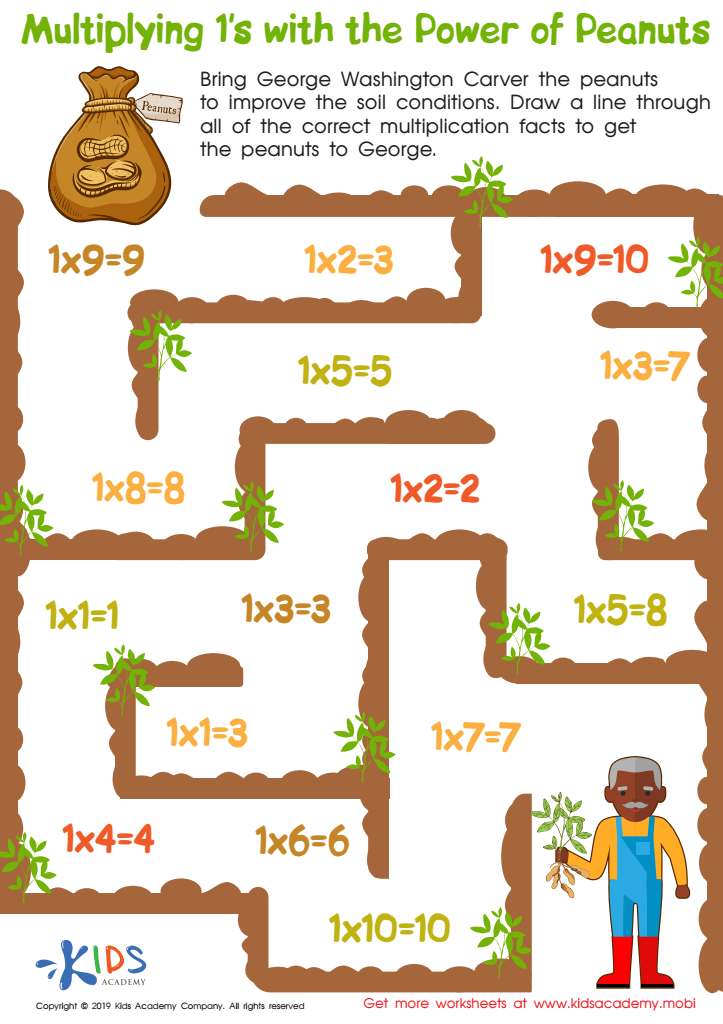
Multiplying 1’s With the Power of Peanuts Worksheet
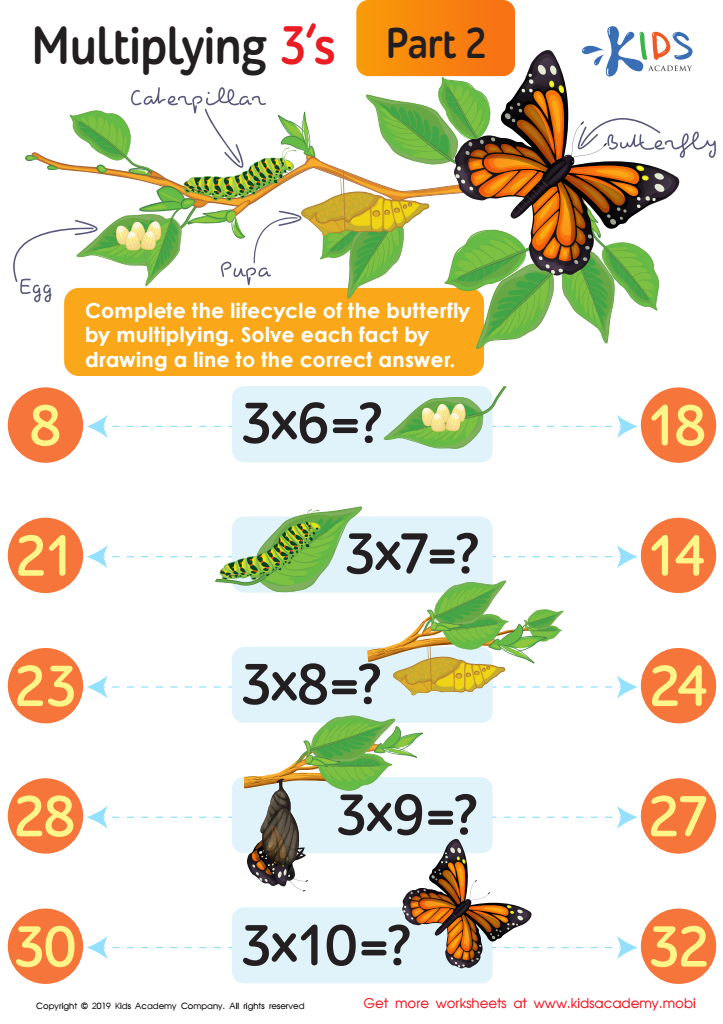
Multiplying 3s Part 2 Worksheet
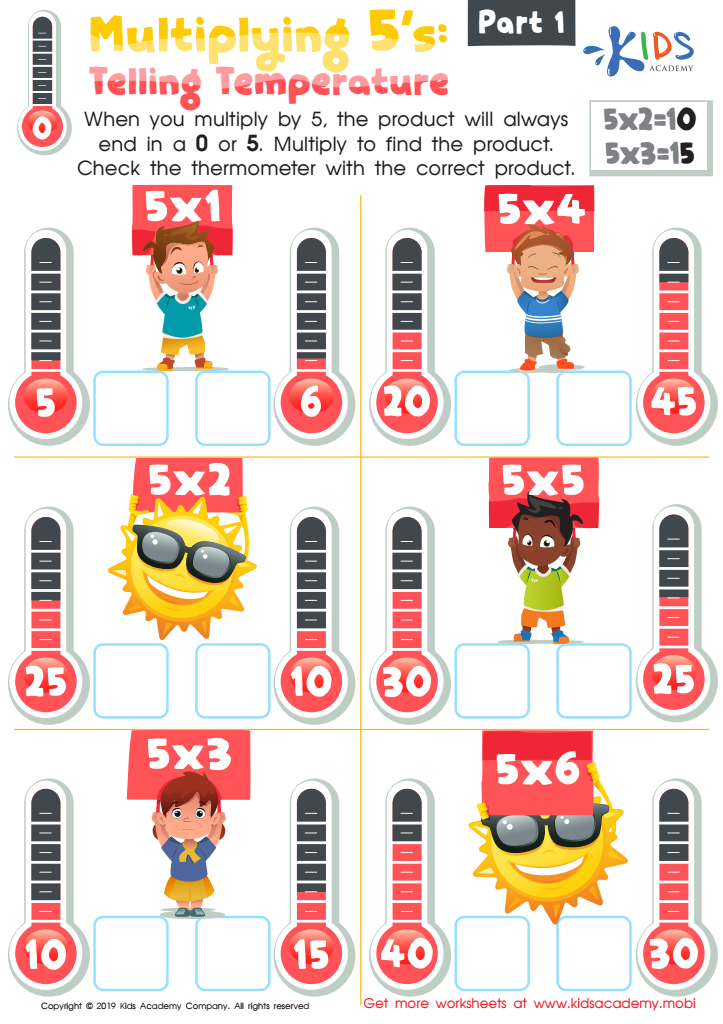
Multiplying 5’s: Telling Temperature Worksheet
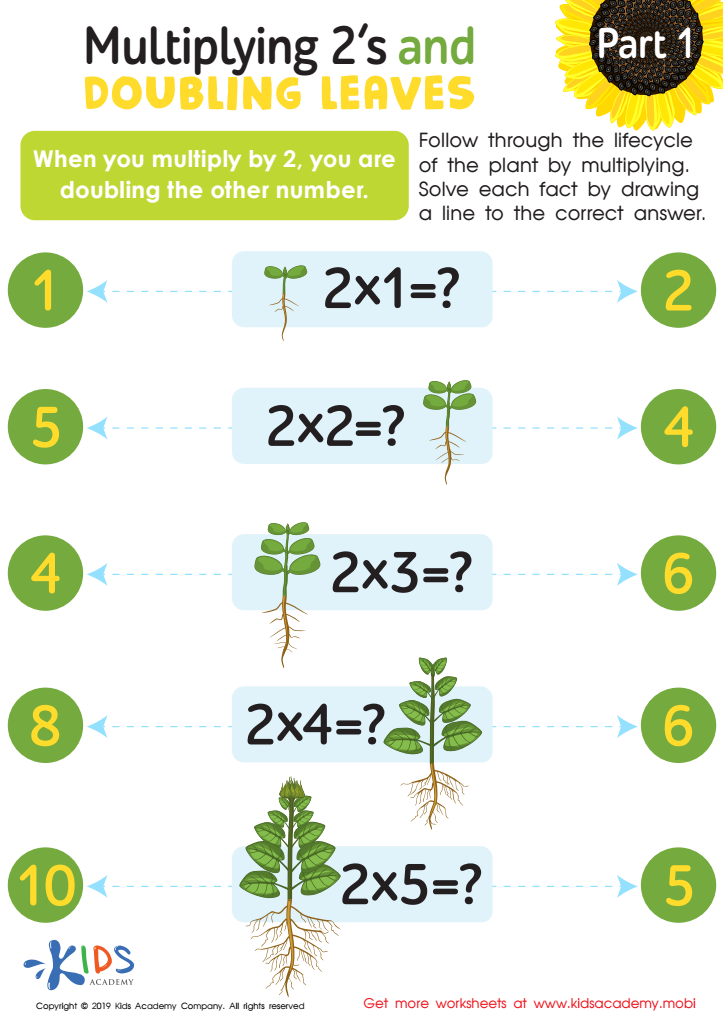
Multiplying 2’s and Doubling Leaves Part 1 Worksheet
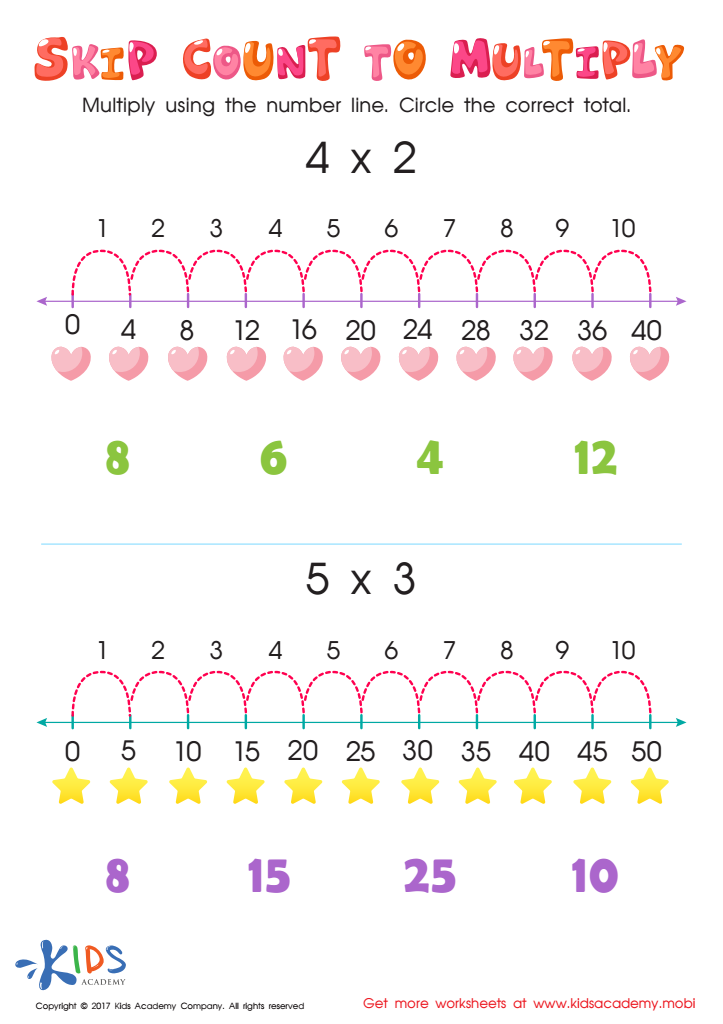
Skip Count Multiplication Worksheet
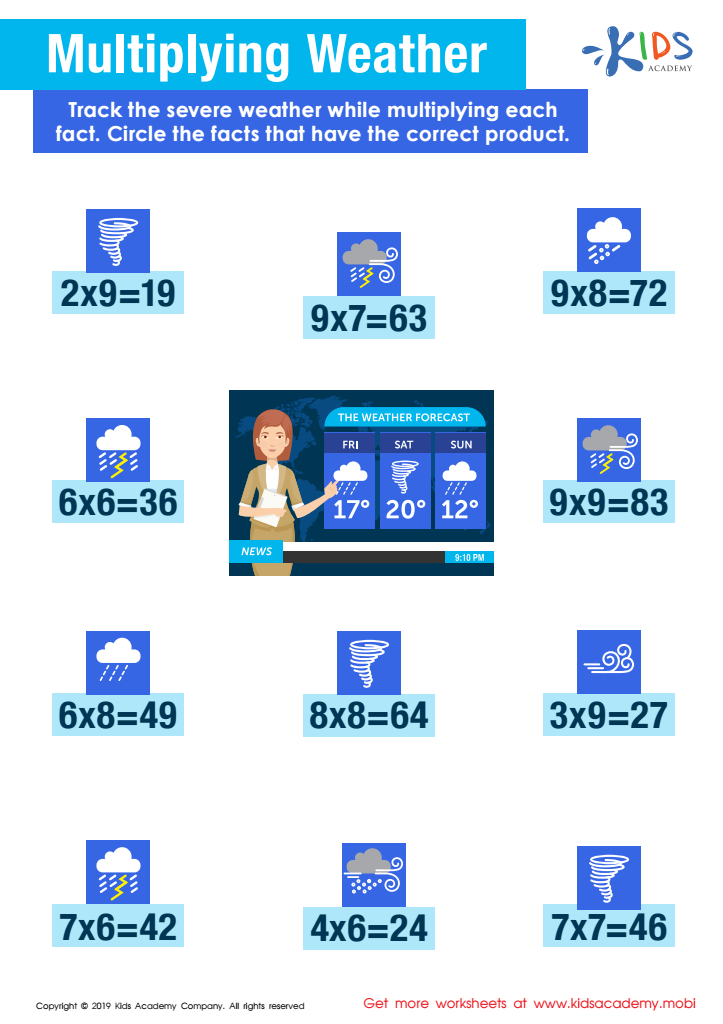
Multiplying Weather Worksheet
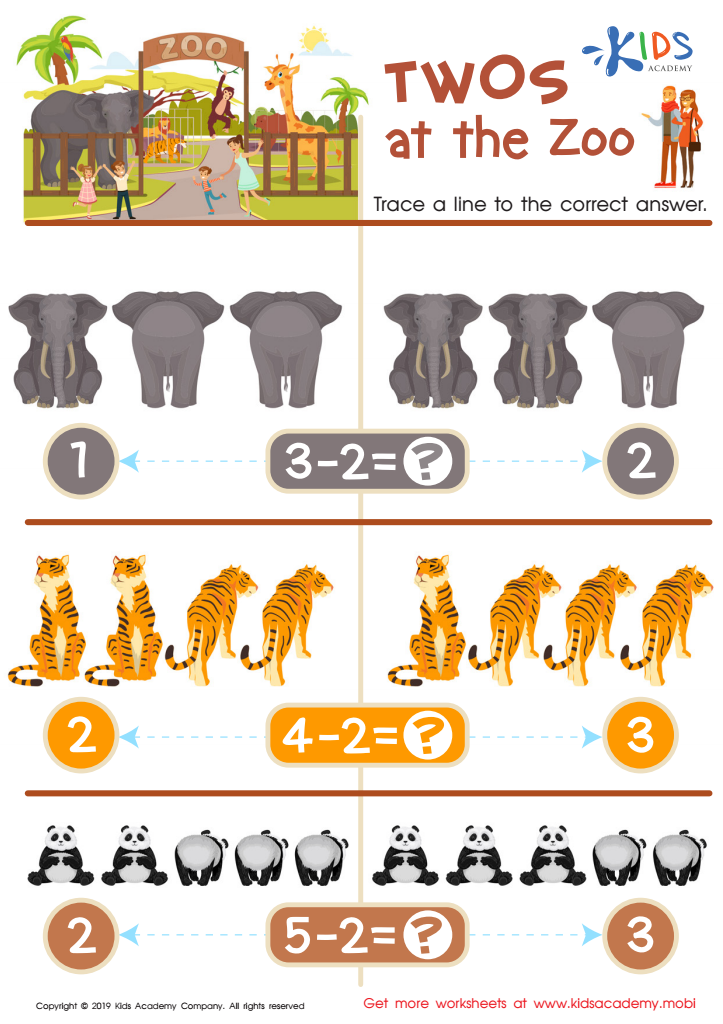
Twos at the Zoo Worksheet
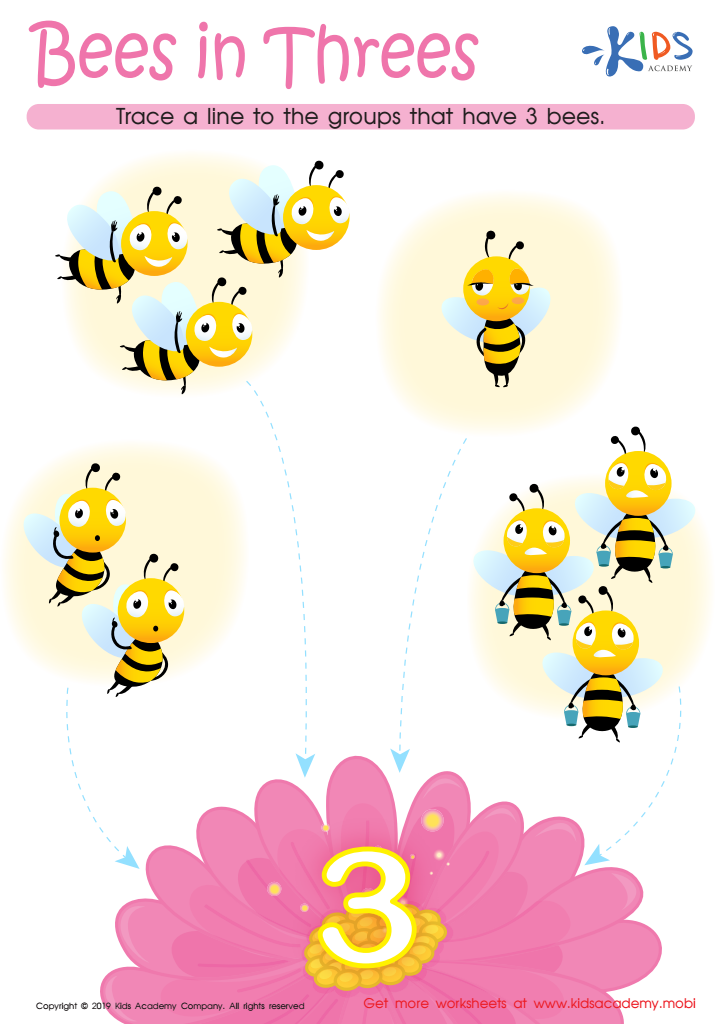
Bees in Threes Worksheet
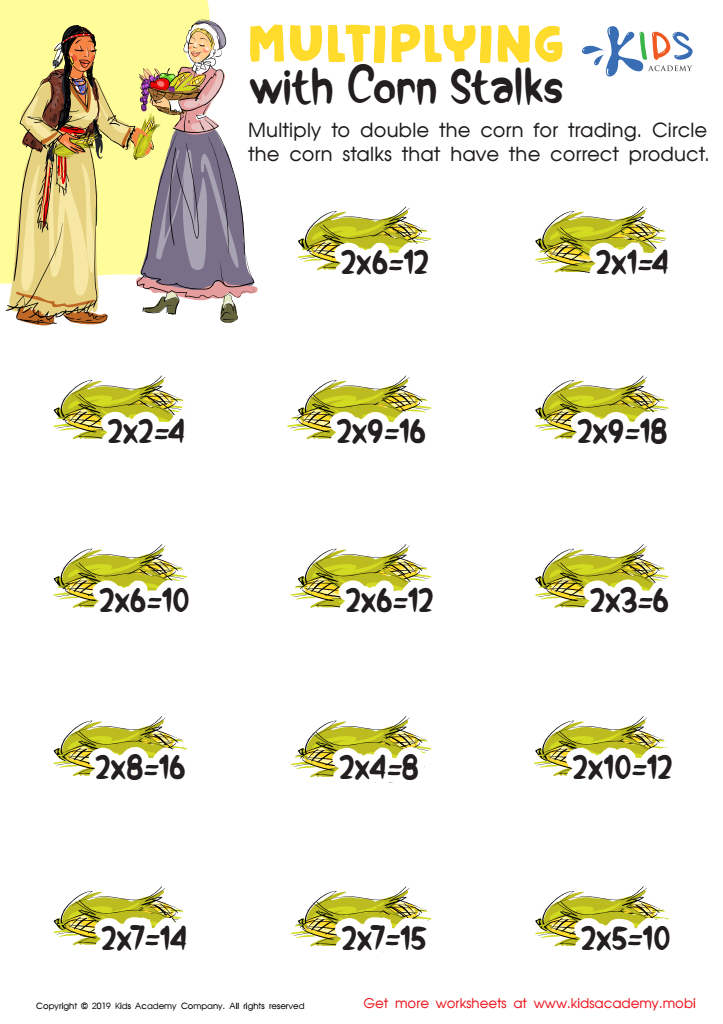
Multiplying With Corn Stalks Worksheet
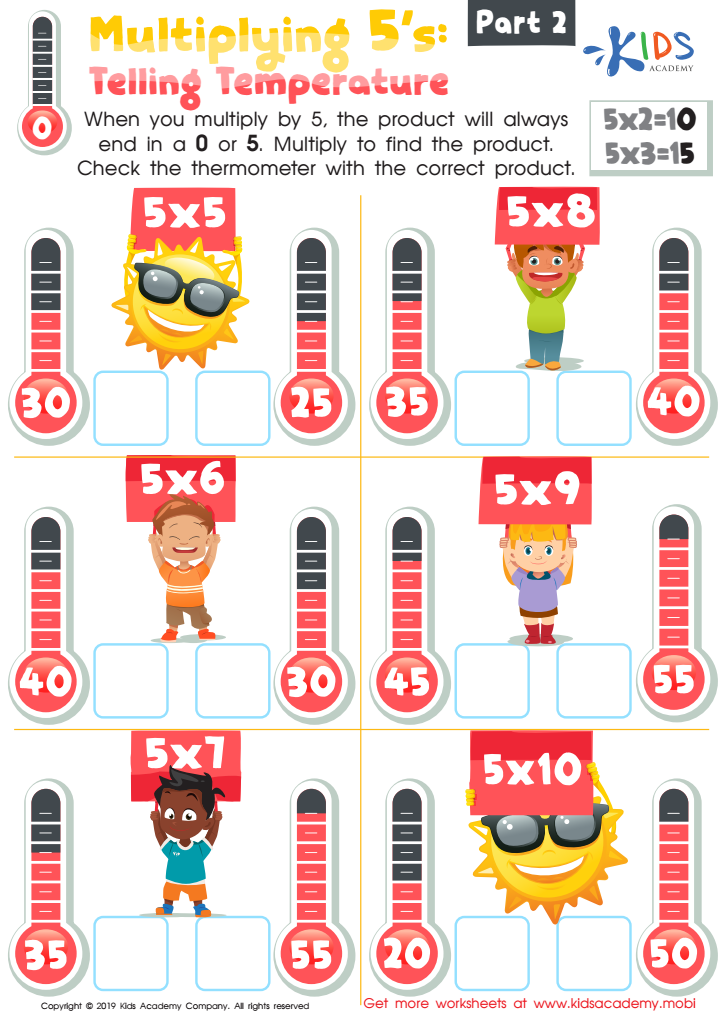
Multiplying 5’s: Telling Temperature Part 2 Worksheet
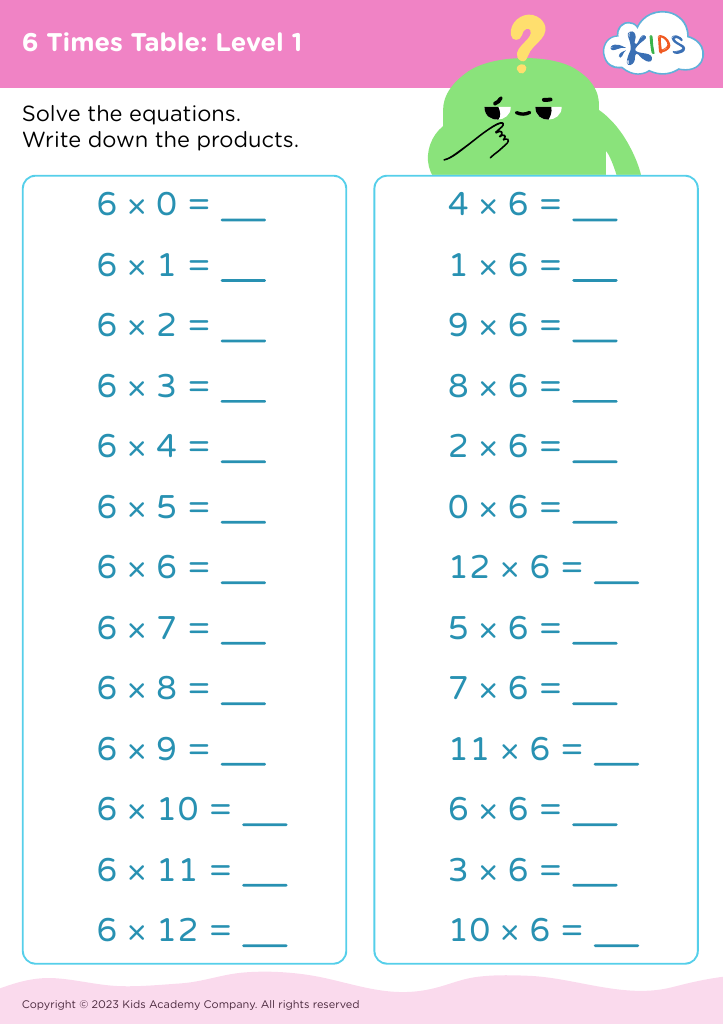
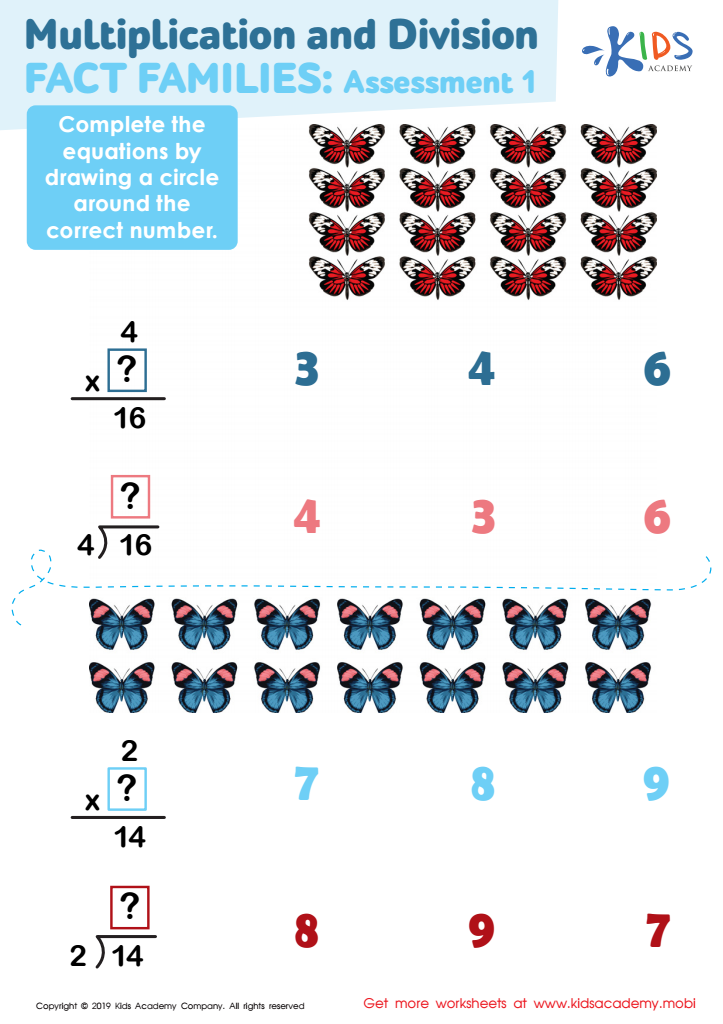
Multiplication and Division Fact Families Assessment 1 Worksheet
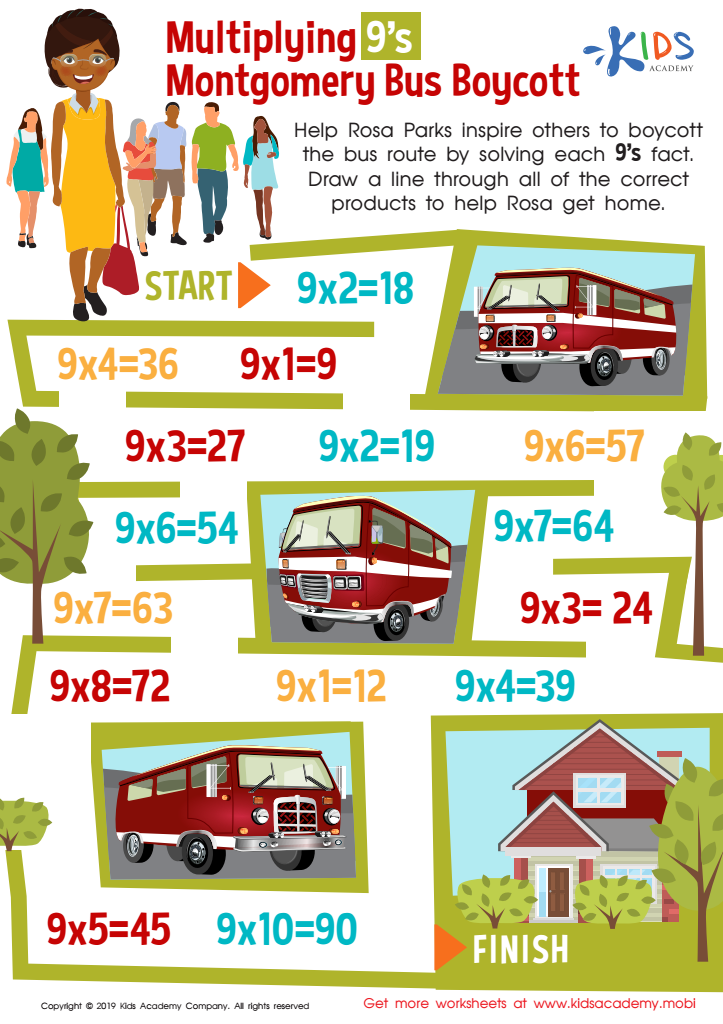
Multiplying 9’s Montgomery Bus Boycott Worksheet


.jpg)




Multiplication practice is vital for children ages 6 to 9, as it lays the foundation for their mathematical understanding and overall academic success. At this developmental stage, children are beginning to grasp abstract concepts, and multiplication is a key building block in their number sense. Mastering multiplication leads to greater confidence in math, which is essential for encouraging a positive attitude towards learning.
Incorporating regular multiplication practice not only helps children memorize basic facts, but also enhances their problem-solving abilities and critical thinking skills. These early experiences with multiplication foster the development of patterns and relationships within mathematics, preparing students for more complex concepts, such as division, fractions, and higher-level math in later grades.
Moreover, multiplication practice often occurs within a cultural context, preparing children for real-world applications through activities like shopping, cooking, or counting items. Parents and teachers play a crucial role in nurturing a child's curiosity and motivation toward math. By engaging in playful practices—like using games, songs, and interactive worksheets—they can create enjoyable and effective learning environments. Committing to multiplication practice not only benefits academic achievement but also cultivates a lifelong appreciation for math.








