Categorization skills Matching Worksheets for Ages 6-9
4 filtered results
-
From - To
Our "Categorization Skills Matching Worksheets for Ages 6-9" are designed to enhance your child's cognitive abilities and critical thinking. These engaging printable worksheets help children develop essential categorization skills by matching and sorting various items into correct groups. Tailored for young learners, these activities foster problem-solving skills and logical reasoning while making learning fun and interactive. Perfect for parents and teachers, our worksheets provide a strong foundation in essential learning skills. Download now to support your child's learning journey and watch them gain confidence and proficiency in categorization!
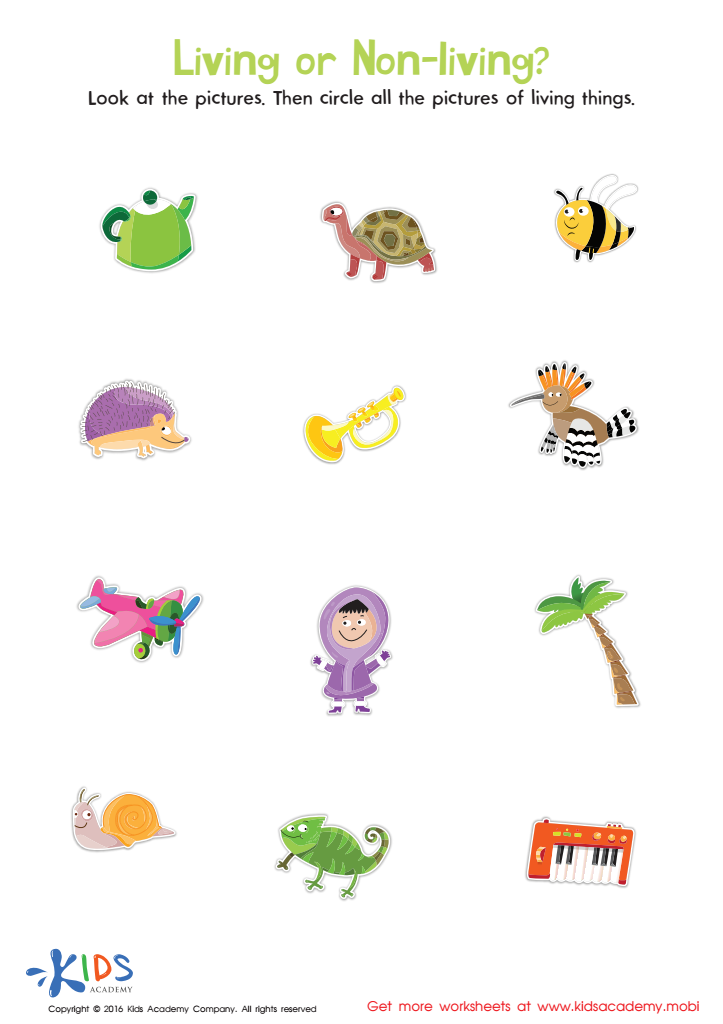
Identifying Living and Non–living Things Sorting Worksheet
 Assign to My Students
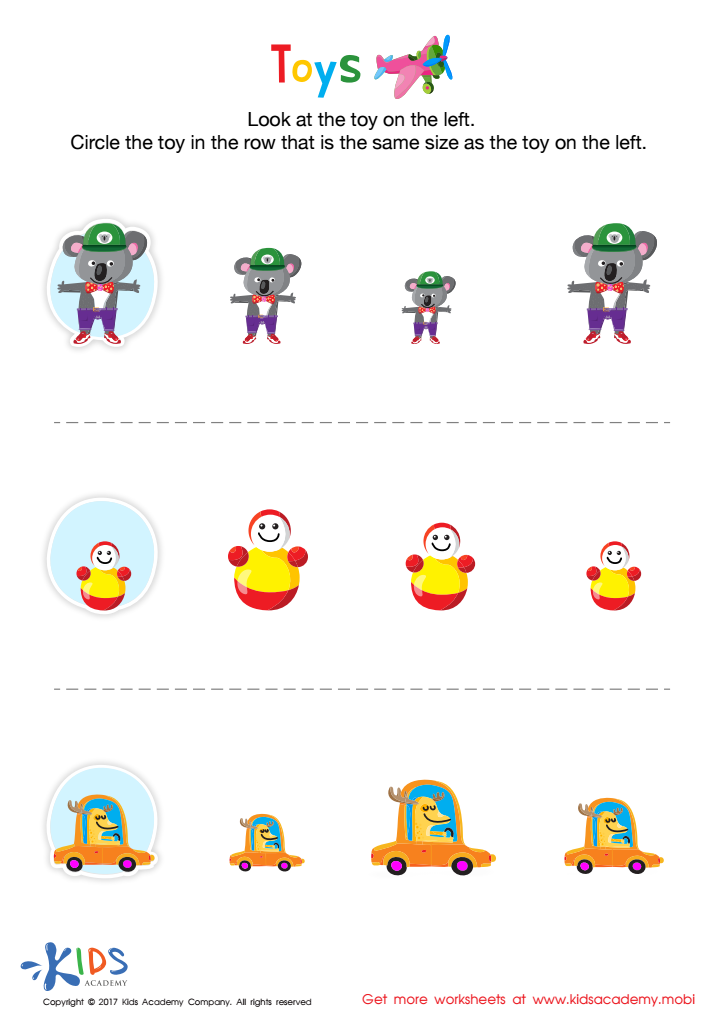
Matching: Classifying Toys by Size Worksheet
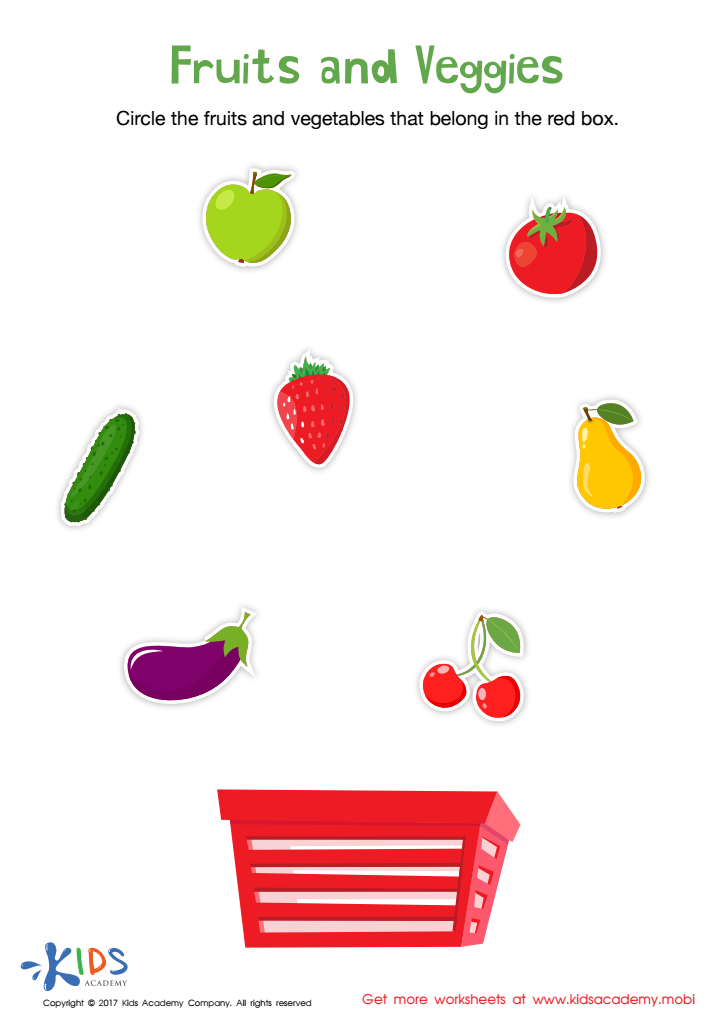
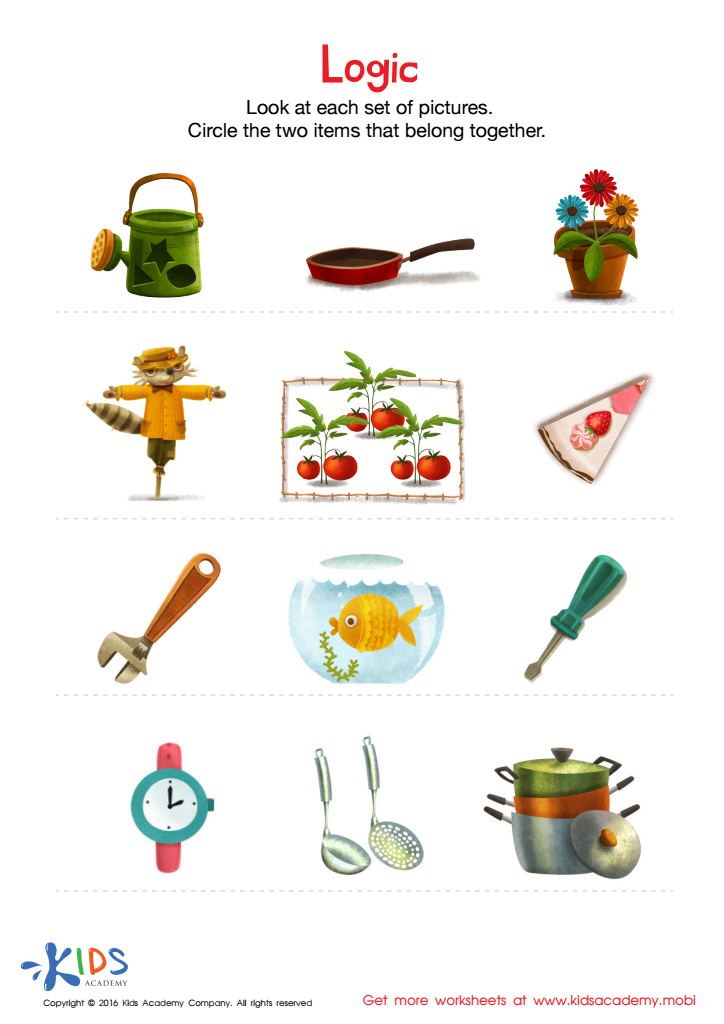
Logic Game Sorting Worksheet






Categorization skills are fundamental cognitive abilities that influence how children organize information in their minds. For ages 6-9, these skills are especially important as they directly impact learning and academic success. Rapid advancements in reading, mathematics, and critical thinking during this period require solid categorization skills. When children learn to sort objects, ideas, or information into categories, they're better equipped to understand and retain concepts.
In reading, for instance, effective categorization aids in vocabulary development as children learn to group similar words or concepts, which enhances comprehension and retention. This can make it easier for them to understand stories and grasp complex ideas. In mathematics, categorization helps children recognize patterns and relationships between numbers and shapes, which is crucial for problem-solving and operations.
Beyond academics, categorization also fosters organizational and executive functioning skills. Children who can categorize efficiently display improved attention spans, better task management, and effective memory retrieval. These skills contribute to social-emotional development as well, aiding children in making sense of social structures, rules, and the diverse roles within their community.
Therefore, fostering categorization skills through categorized matching games, hands-on activities, and puzzles is essential. Creating opportunities for children to practice these skills equips them with the necessary tools for academic achievement and personal growth.








