Problem-Solving Skills Place Value Worksheets for Ages 6-9
5 filtered results
-
From - To
Enhance your child's mathematical understanding with our engaging Problem-Solving Skills Place Value Worksheets, designed specifically for ages 6-9. These worksheets provide a fun and interactive way for young learners to grasp the concept of place value while sharpening their problem-solving abilities. Featuring colorful illustrations and diverse activities, children will develop critical thinking skills as they tackle engaging problems. From identifying digits in different places to applying their knowledge in practical scenarios, your child will build a strong foundation in math. Perfect for classroom use or at home, these worksheets foster a love for learning and strengthen essential math skills in an enjoyable way!
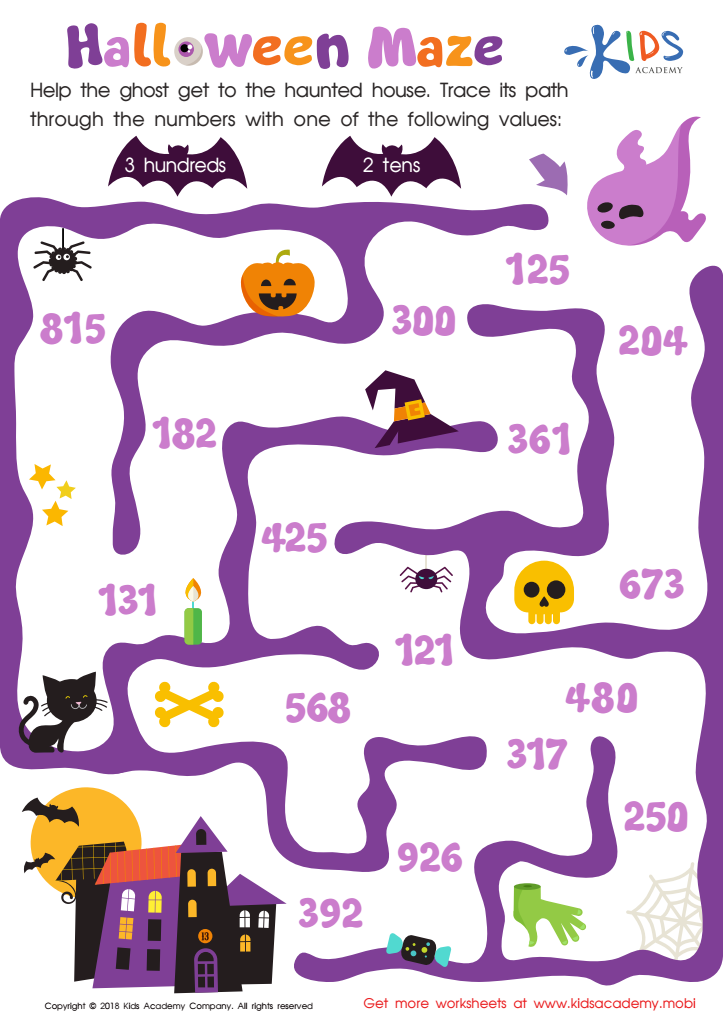
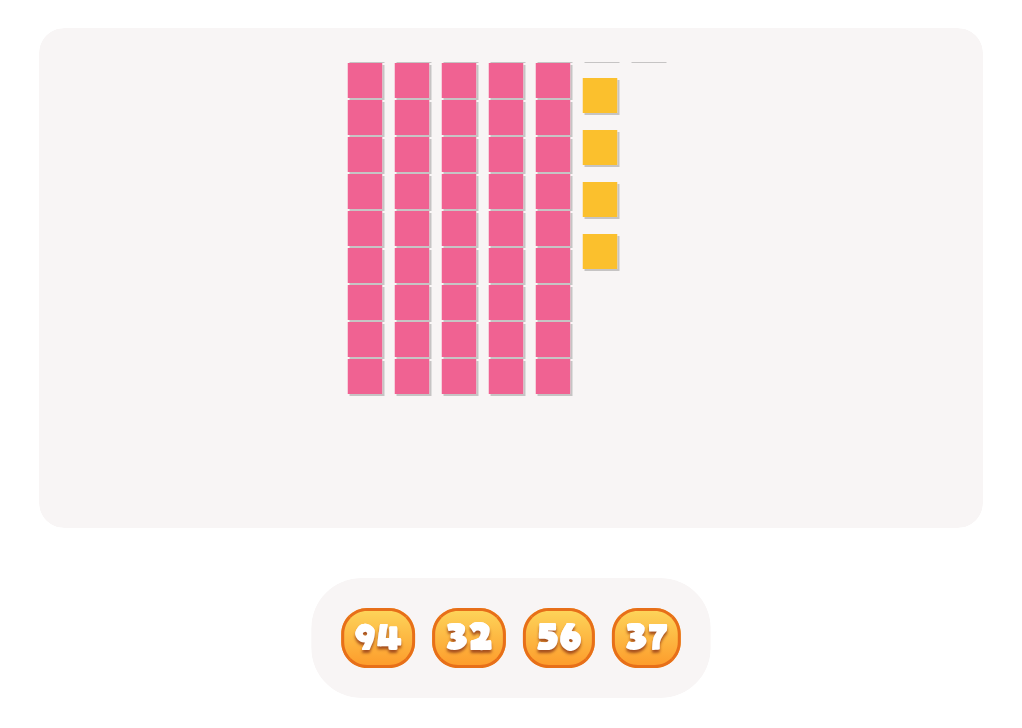
Place Value: Halloween Maze Worksheet
 Assign to My Students
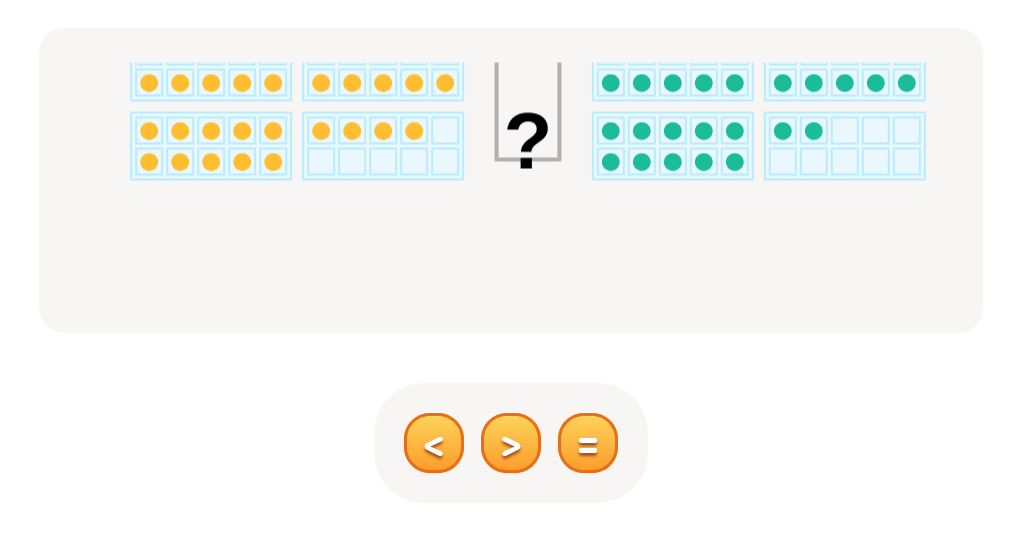

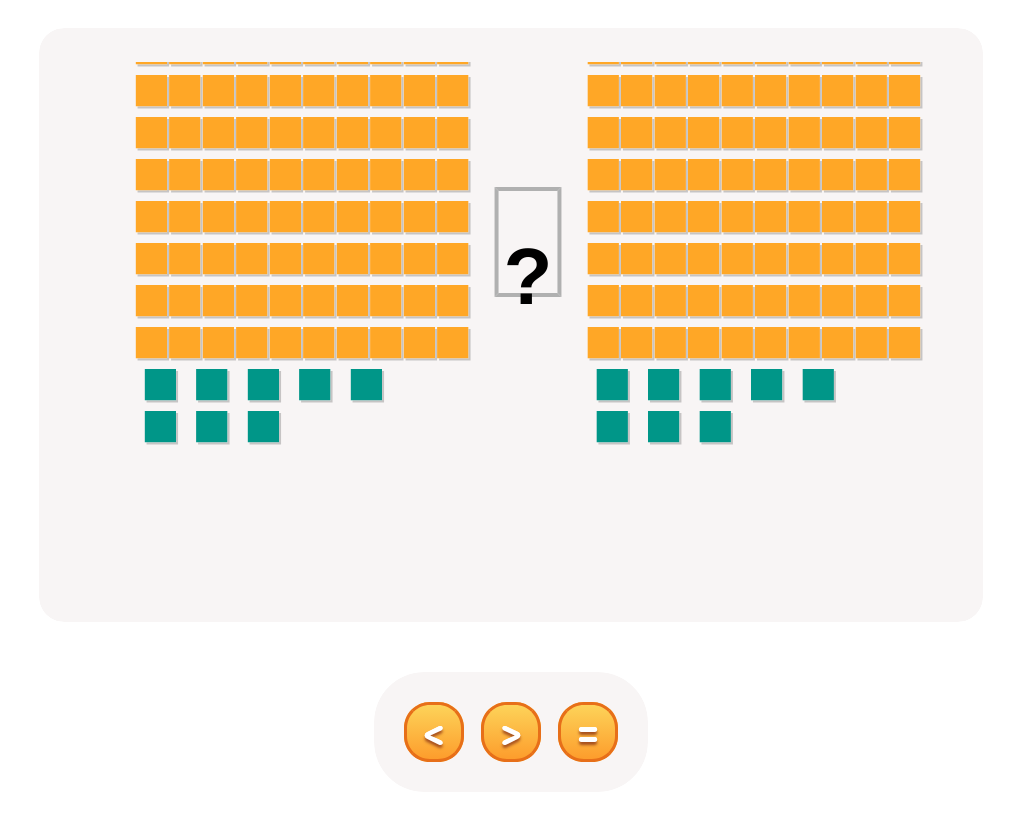
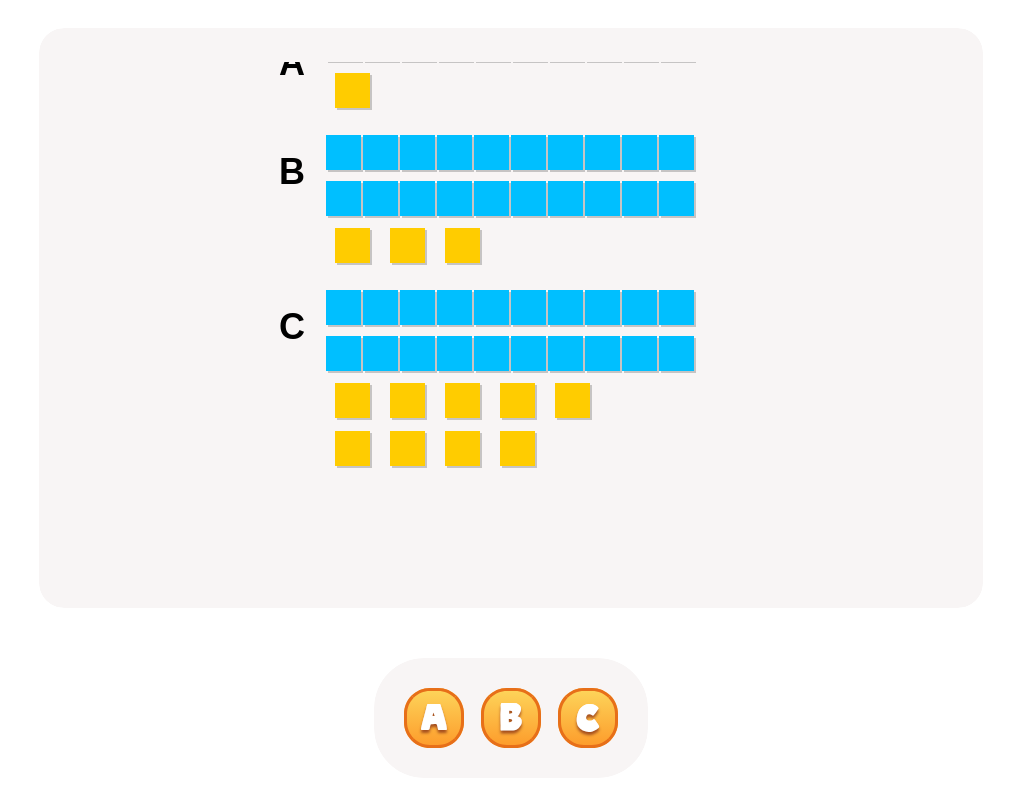

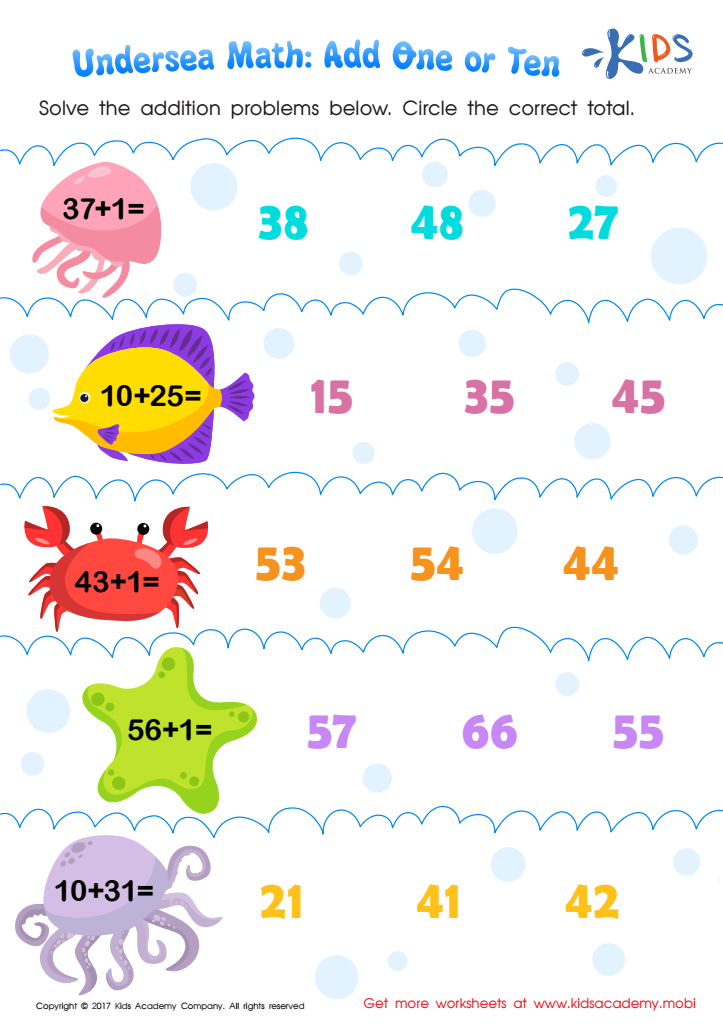
Undersea Math Worksheet
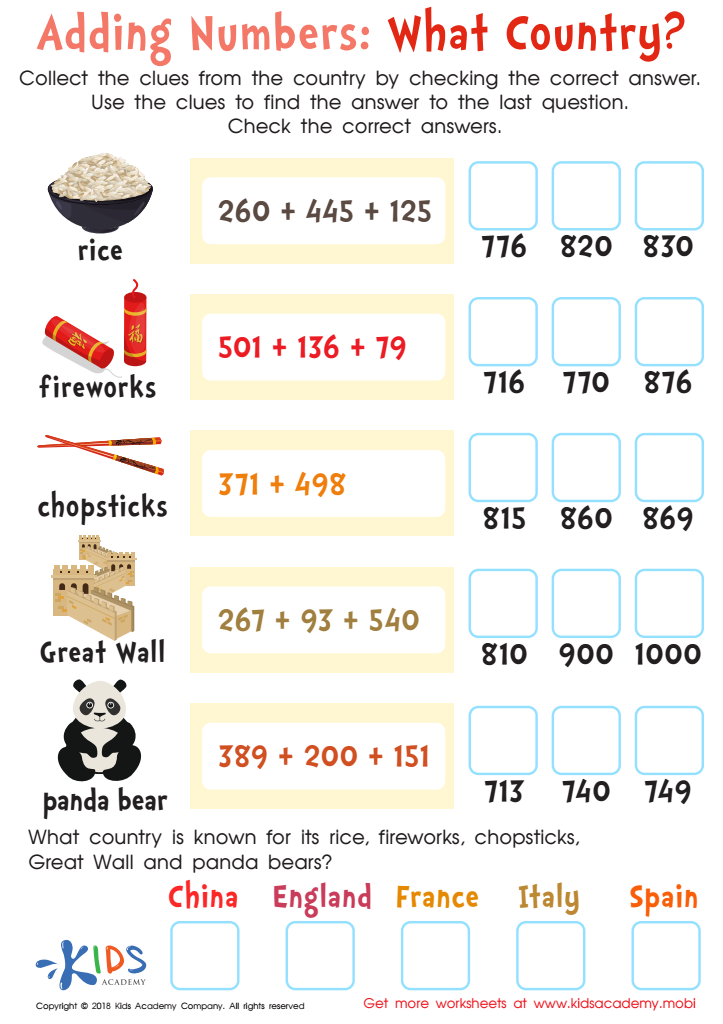
Adding Numbers: What Country Worksheet
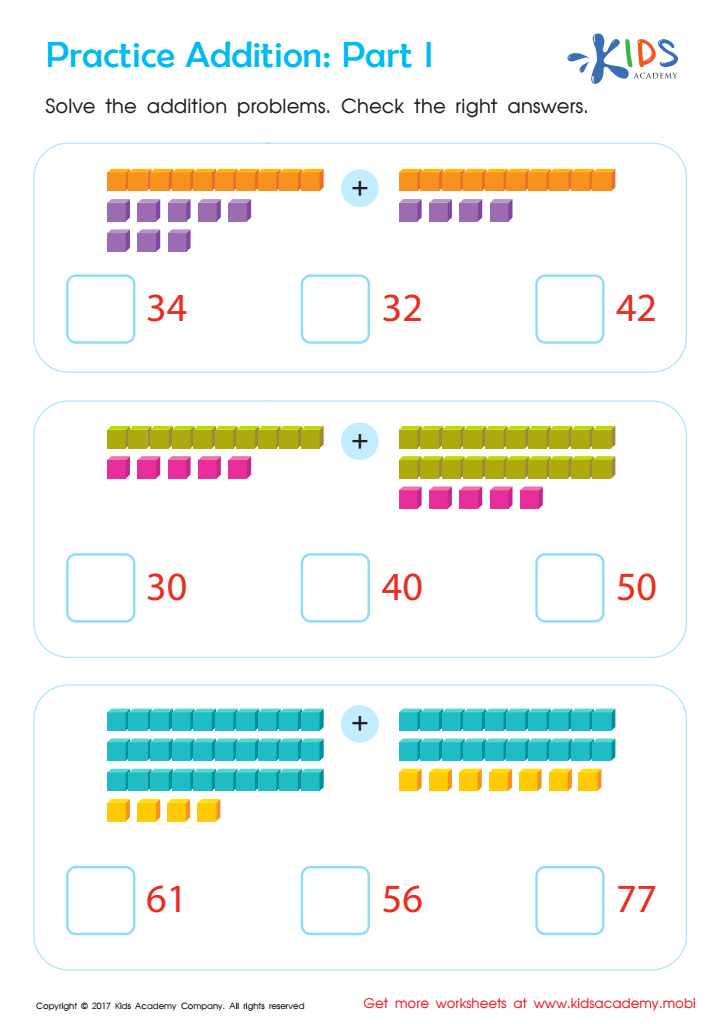
Practice Addition: Part 1 Worksheet
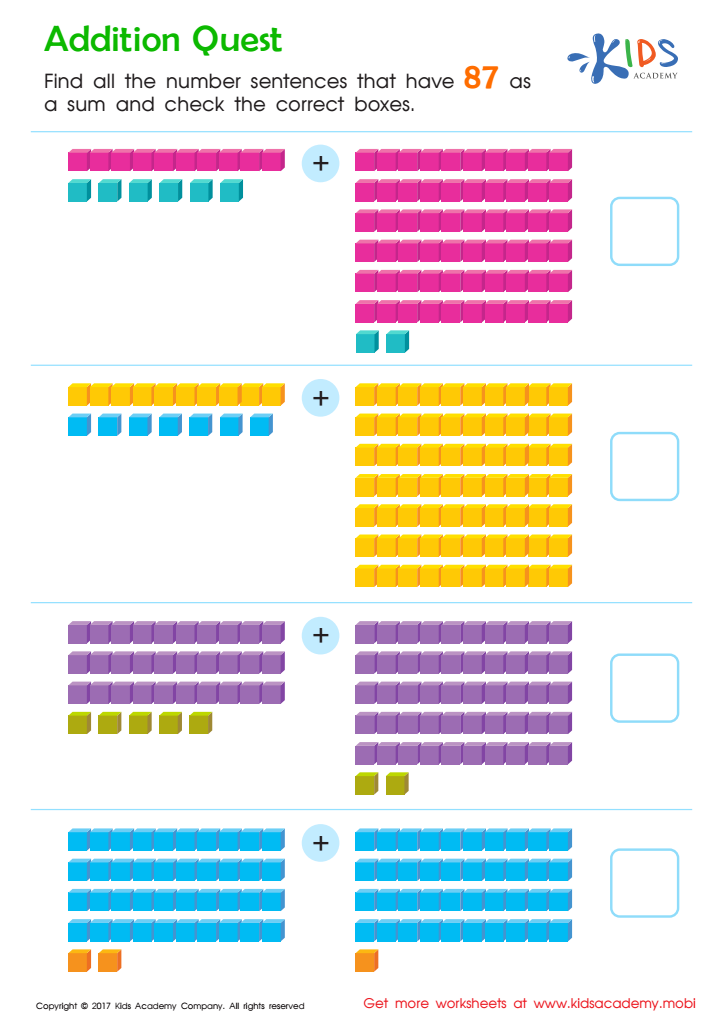
Addition Quest Worksheet: Part 1








Problem-solving skills in place value are vital for children ages 6-9 as they form the foundation for understanding more complex mathematical concepts. This age group is at a crucial developmental stage where they begin to grasp the concept of numbers, particularly how they are structured in the decimal system. Understanding place value helps students recognize that digits have different values based on their positions. For example, in the number 245, the '2' represents 200, the '4' represents 40, and the '5' represents 5.
Parents and teachers should care about enhancing these skills because proficiency in place value is directly linked to future success in math and critical thinking. Mastering these concepts not only aids in arithmetic operations but also promotes logical reasoning and problem-solving approaches, essential for everyday life. When children can confidently manipulate numbers, they are less likely to struggle with more advanced topics like addition, subtraction, and beyond. Moreover, encouraging a problem-solving mindset fosters resilience and persistence, allowing children to tackle challenges effectively. Thus, investing time and effort into developing place value and problem-solving skills at an early age lays the groundwork for lifelong learning and mathematical competence.








