Information retention Reading Worksheets for Ages 6-9
4 filtered results
-
From - To
Unlock your child's reading potential with our Information Retention Reading Worksheets designed specifically for ages 6-9. These engaging worksheets focus on enhancing comprehension and memory skills, helping kids retain crucial details from their reading materials. Each activity is tailored to nurture their ability to summarize, interpret, and recall information effectively. With a variety of fun exercises, including questions and interactive challenges, learners will stay motivated while developing essential literacy skills. Ideal for home or classroom use, our resources empower young readers, fostering a love for learning and paving the way for academic success. Start your child’s journey to becoming a confident reader today!
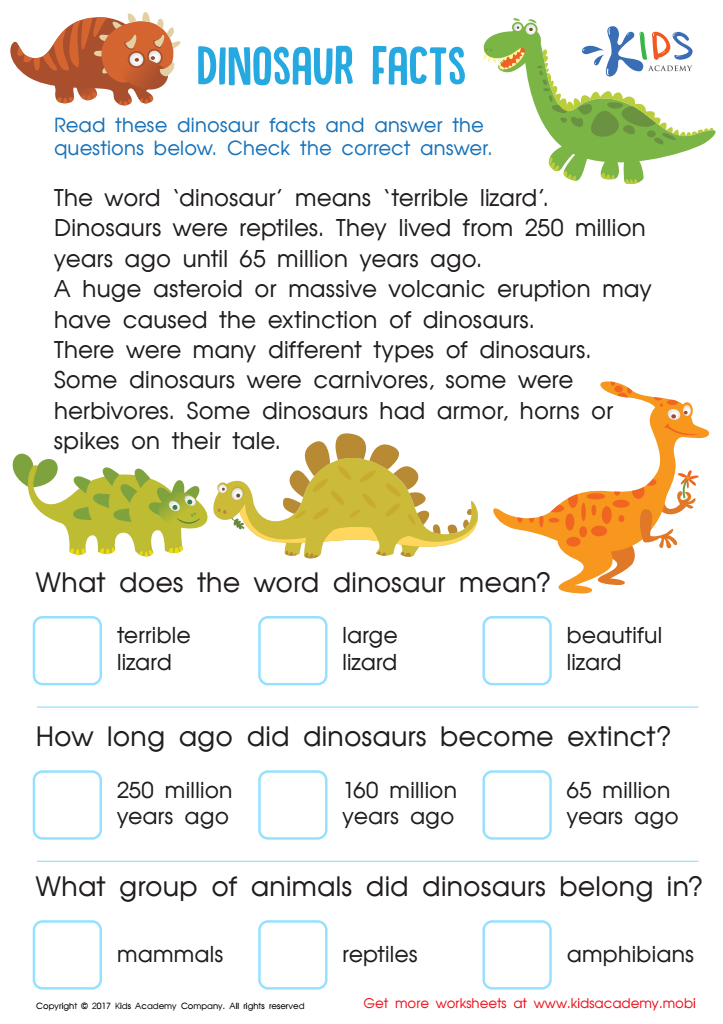
Dinosaur Facts Worksheet
 Assign to My Students
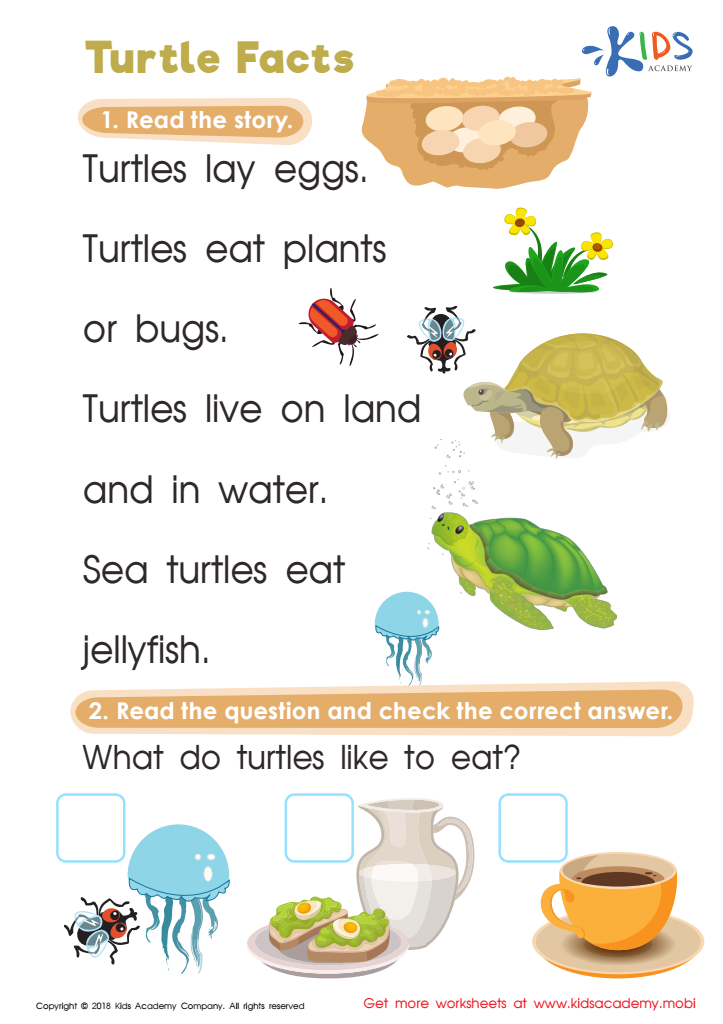
Turtle Facts Worksheet
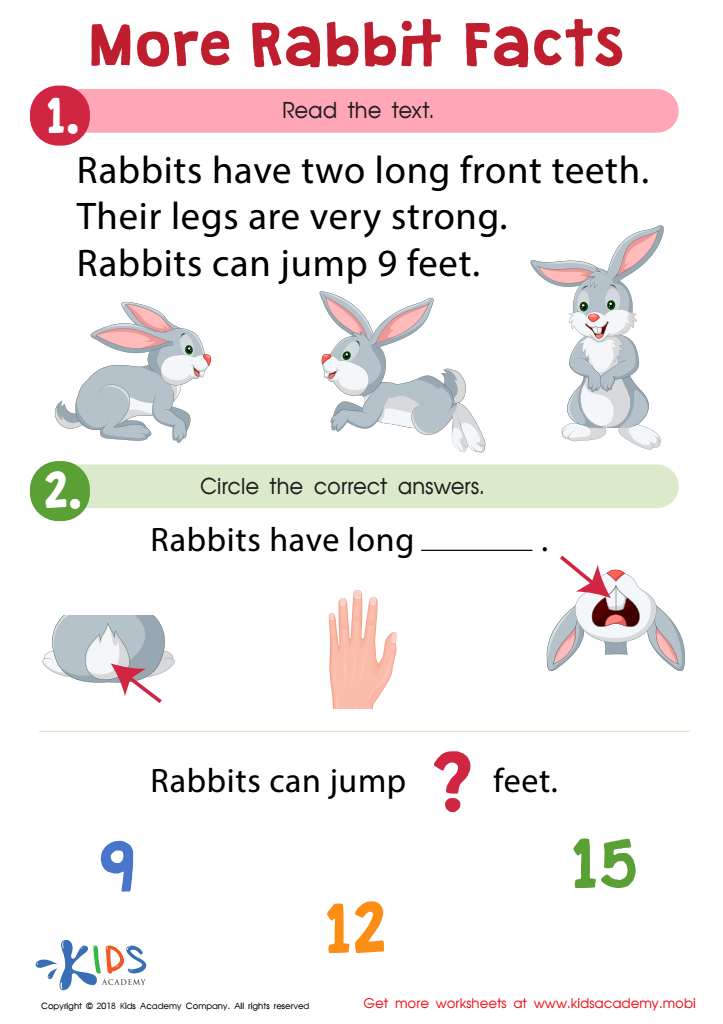
More Rabbit Facts Worksheet
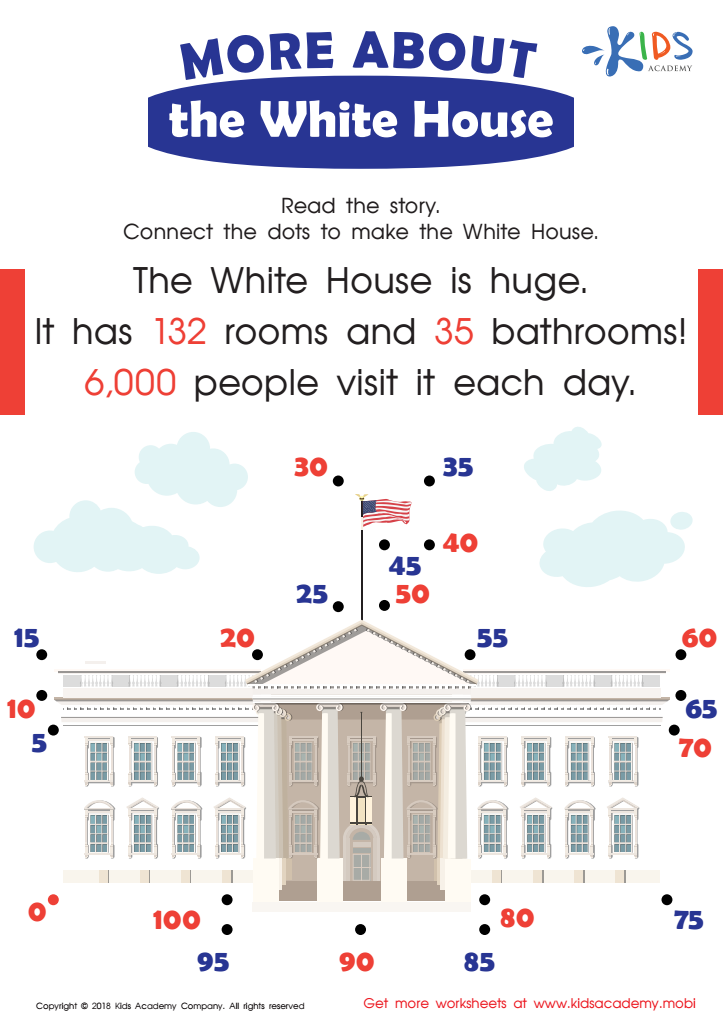
More About the White House Worksheet




.jpg)


Information retention in reading is crucial for children aged 6-9, a pivotal time when they develop foundational literacy skills. At this age, children transition from "learning to read" to "reading to learn." High levels of retention impact their comprehension and ability to connect concepts, which are essential for academic success.
Parents and teachers should prioritize teaching strategies that enhance information retention, such as summarization techniques, engaging discussions, and interactive activities. These strategies not only support memory but also make reading more enjoyable, fostering a lifelong love for books.
Improved information retention equips children with the tools to understand and analyze what they read. This comprehension affects performance across subjects, from math to science, further emphasizing the interconnectedness of knowledge. Additionally, strong retention skills also encourage critical thinking, creativity, and the ability to form new ideas.
Moreover, it strengthens the child’s confidence and independent learning skills, making them more eager to explore literature on their own. In essence, fostering information retention during these formative years sets a solid foundation for future learning, self-esteem, and academic participation, making it a top priority for both parents and educators.








