Letter recognition Reading Worksheets for Ages 6-9
10 filtered results
-
From - To
Enhance your child's reading skills with our Letter Recognition Reading Worksheets designed for ages 6-9. These engaging worksheets focus on identifying both uppercase and lowercase letters, improving phonemic awareness, and building a strong foundation in early literacy. Each worksheet is carefully crafted to make learning fun and interactive, featuring activities such as matching, tracing, and coloring. Perfect for reinforcing classroom lessons and supporting homeschooling, our resources cater to diverse learning styles. Help your child gain confidence and proficiency in letter recognition, setting the stage for successful reading and writing development. Discover your curated selection on Kids Academy today!
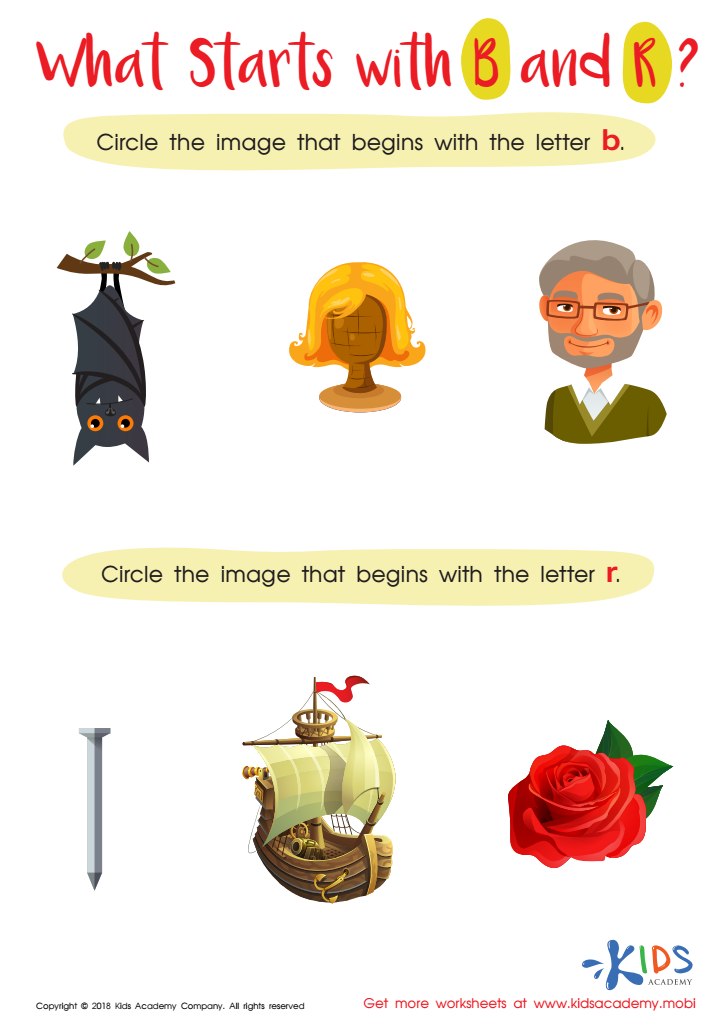
What Starts with B and R? Worksheet
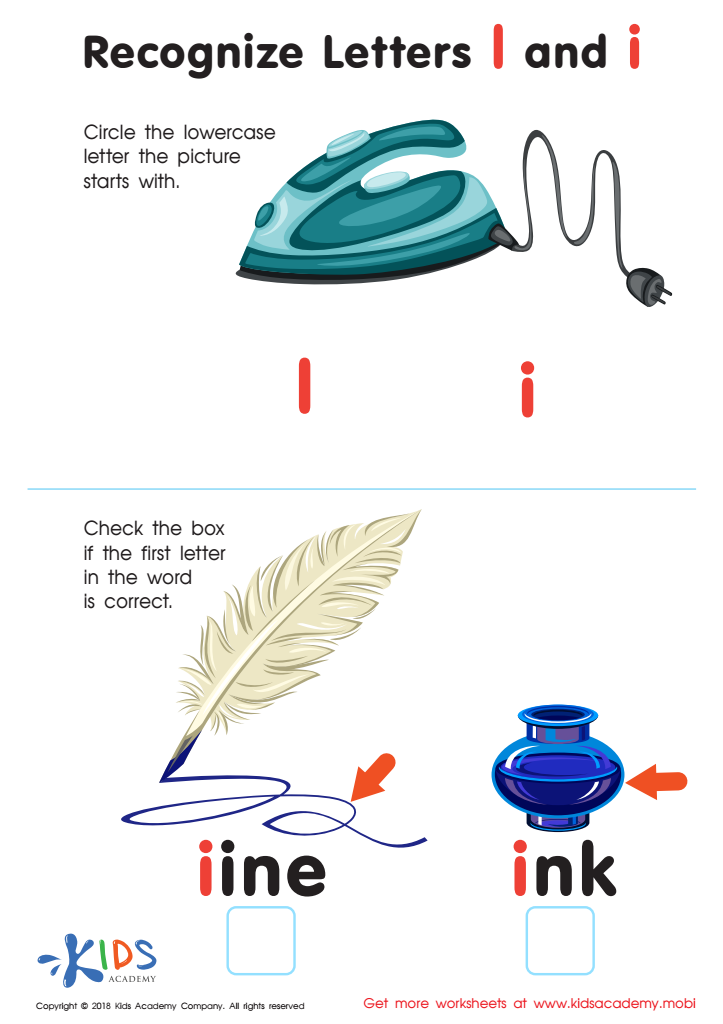
Recognize Letters l and i Worksheet

Long and Short U Worksheet
 Assign to My Students
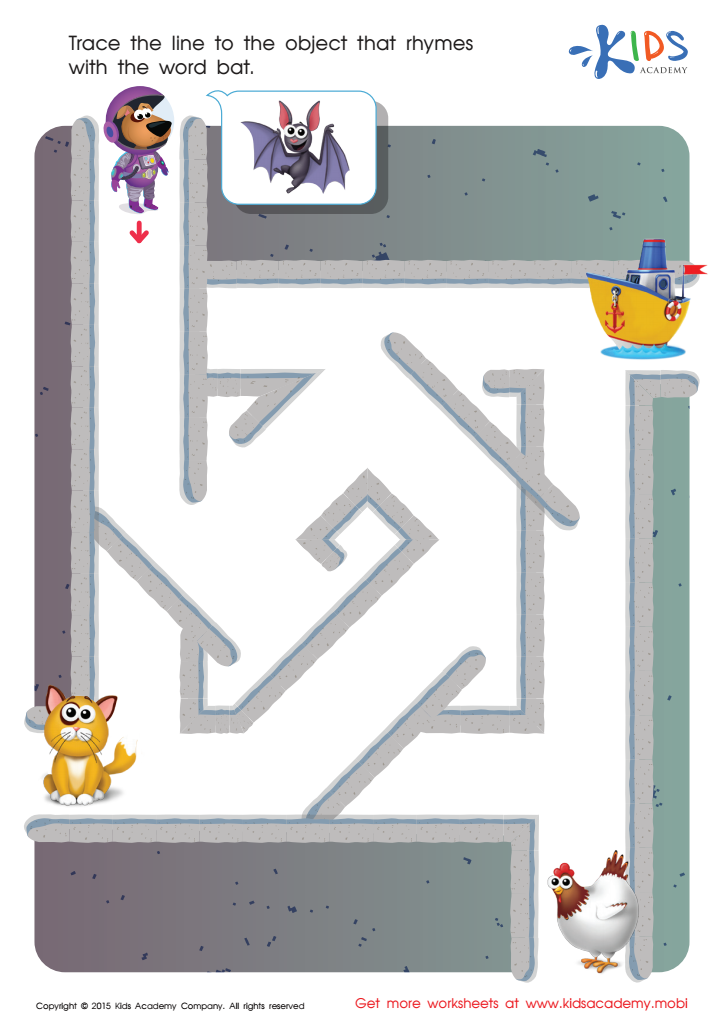
Bat Rhyming Words Worksheet
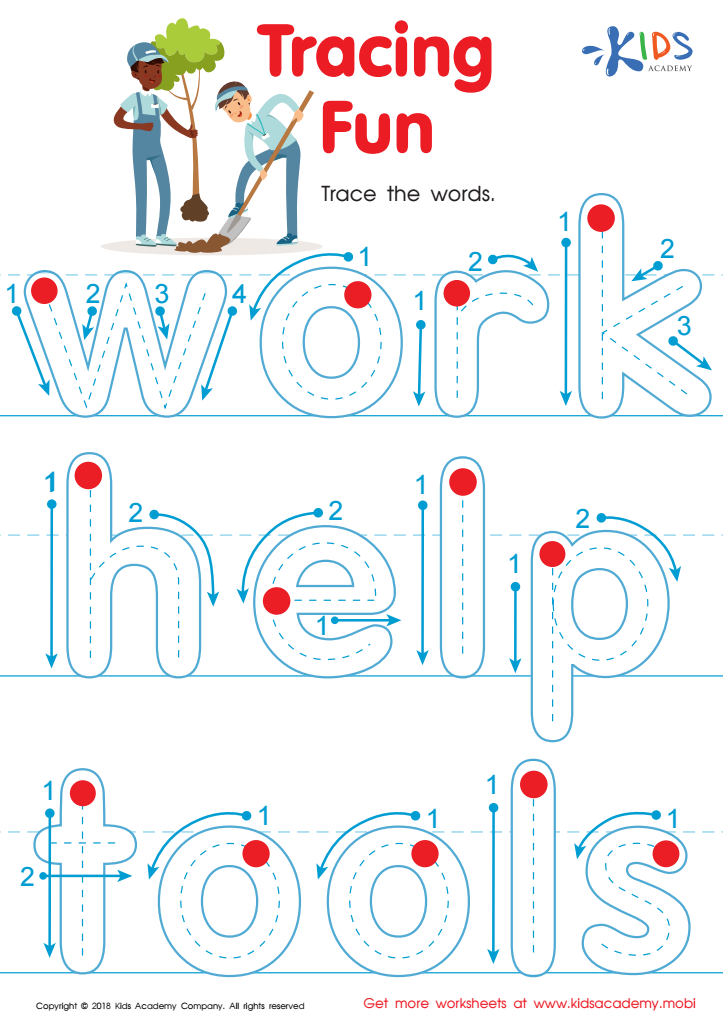
Tracing Fun Worksheet
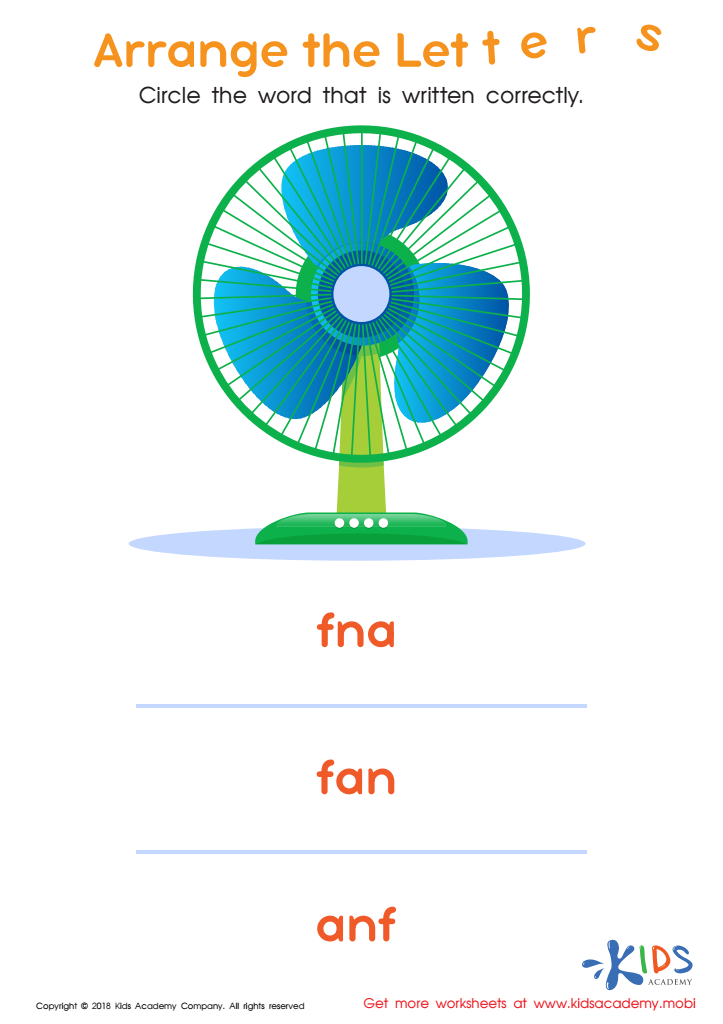
Arrange the Letters Worksheet
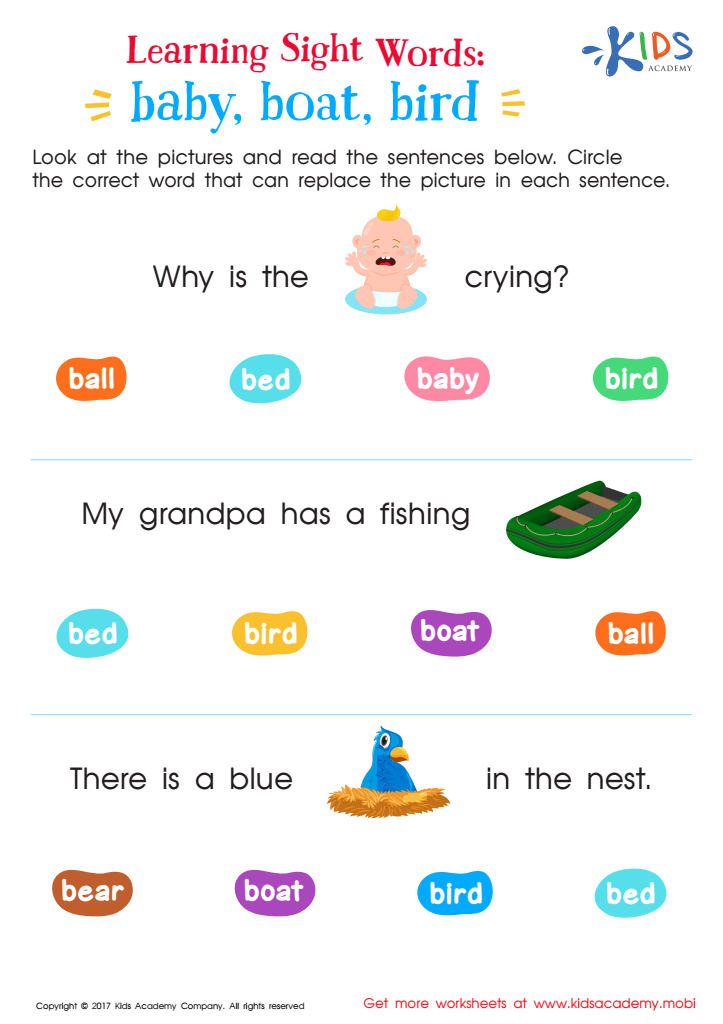
Baby, Boat, Bird Worksheet Sight Words Worksheet
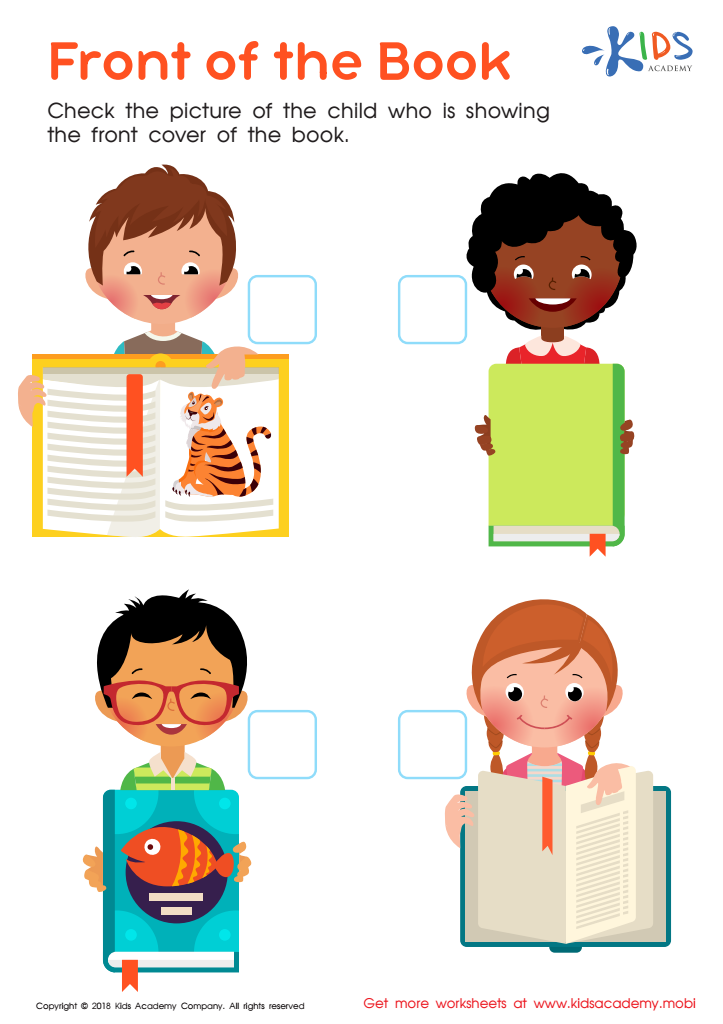
Front of the Book Worksheet

Long and Short E Worksheet
Assign to My Students
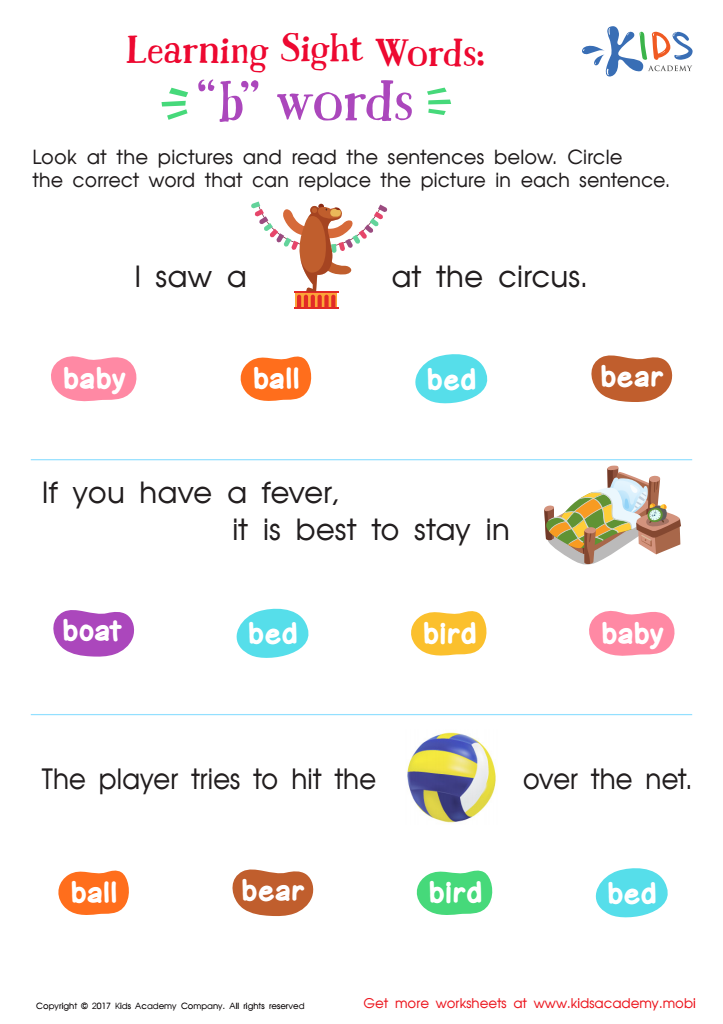
"B" Words Printable Sight Words Worksheet








Letter recognition is a fundamental component of literacy development for children aged 6-9. During these formative years, children transition from learning to recognize letters to using that recognition to read and comprehend texts more complexly. When parents and teachers place a strong emphasis on letter recognition, they build a foundation for successful reading and writing skills.
One key benefit is that it helps children decode words efficiently. Recognizing letters and understanding how they combine to form sounds allows young readers to sound out words, leading to improved reading fluency and comprehension. Additionally, letter recognition supports vocabulary acquisition. When children understand the building blocks of words, they can more easily learn and remember new words.
Letter recognition is also tied to confidence in reading and writing. Children who struggle to identify letters may become frustrated or disinterested in literacy activities, which can hinder their academic growth. By focusing on letter recognition, teachers and parents can help demystify the reading process, making it more enjoyable and less intimidating for young learners.
Moreover, strong letter recognition skills are closely linked to future academic success. Early mastery sets the stage for more advanced literacy skills, which are crucial across all subject areas. By giving attention to letter recognition during these critical years, parents and teachers equip children with the tools they need for lifelong learning and achievement.








