Number Recognition Reading Worksheets for Ages 6-9 - Page 2
35 filtered results
-
From - To
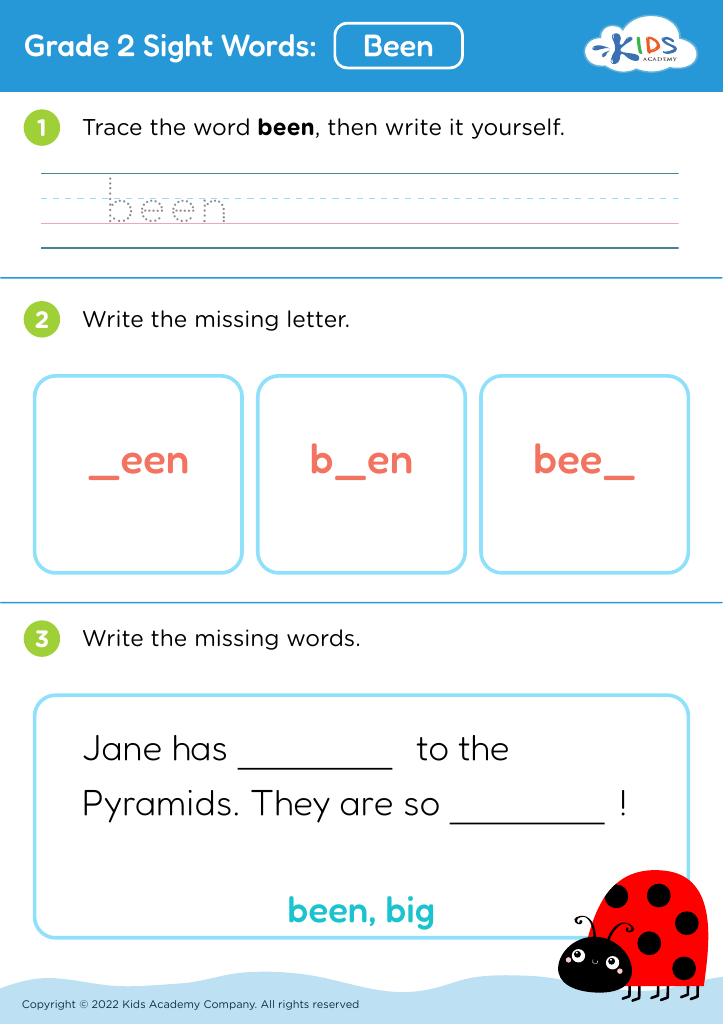
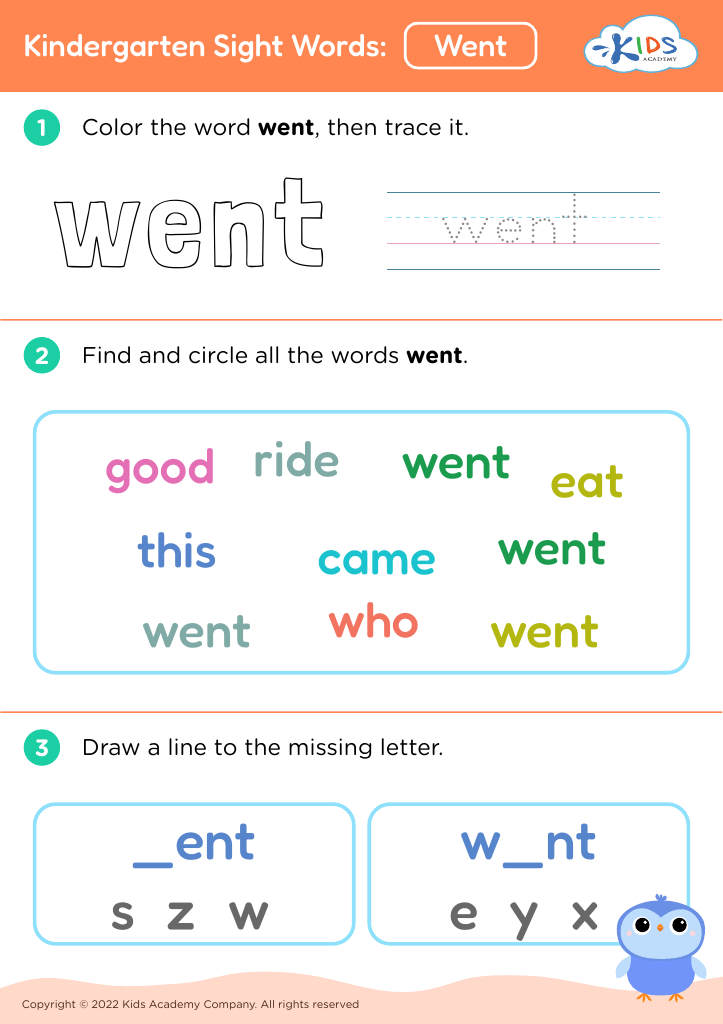
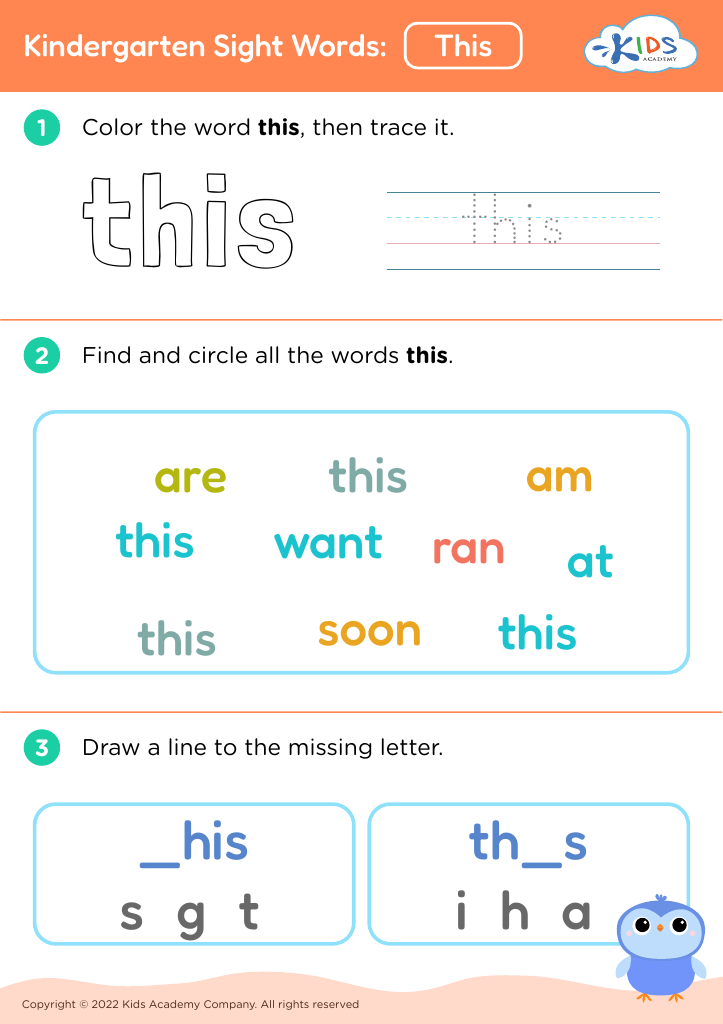
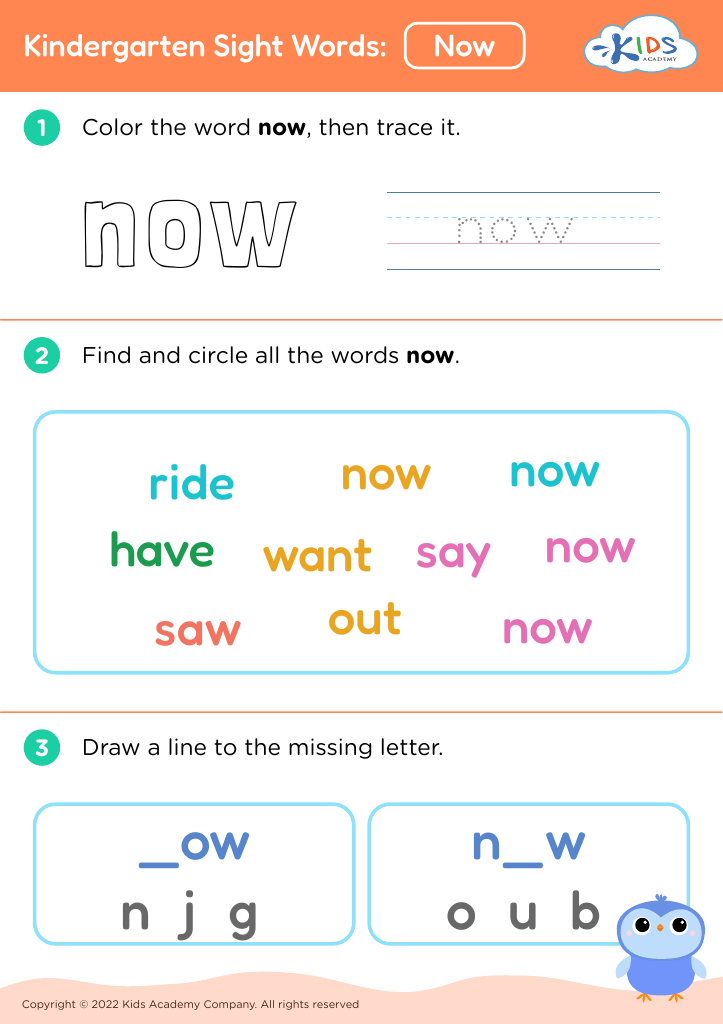








Number recognition is a vital foundational skill for children aged 6-9, and both parents and teachers play a crucial role in fostering this ability. Understanding numbers enables children to navigate everyday tasks, such as counting objects, telling time, and managing money, all of which are essential for daily life. Mastery of number recognition also supports mathematical learning, including addition, subtraction, and problem-solving, thereby laying the groundwork for future academic success.
Moreover, number recognition contributes to overall cognitive development. It enhances a child’s understanding of patterns, sequencing, and relationships, promoting critical thinking skills. Familiarity with numbers can build confidence and reduce anxiety towards mathematics, creating a positive attitude towards learning in general.
Collaboration between parents and teachers is essential in this context. Parents can reinforce number recognition at home through fun, interactive games and activities, ensuring that children see mathematics as an enjoyable aspect of their lives. Simultaneously, educators can provide structured learning experiences in classrooms, catering to various learning styles and encouraging peer interactions. By prioritizing number recognition, parents and teachers help cultivate not only mathematical proficiency but also a lifelong love for learning, making a lasting impact on children’s educational journeys.








