Vocabulary enhancement Reading Worksheets for Ages 6-9
117 filtered results
-
From - To
Enhance your child's vocabulary with our engaging Vocabulary Enhancement Reading Worksheets designed specifically for ages 6-9. These worksheets provide fun and interactive activities that promote language development, comprehension, and critical thinking skills. With colorful illustrations and age-appropriate content, kids will explore new words and their meanings while enjoying reading. Our resources support early literacy and help build a strong foundation for future learning. Ideal for both classroom and home use, these worksheets cater to various learning styles, making vocabulary expansion an exciting adventure. Give your child the tools they need for effective communication and a love for reading!
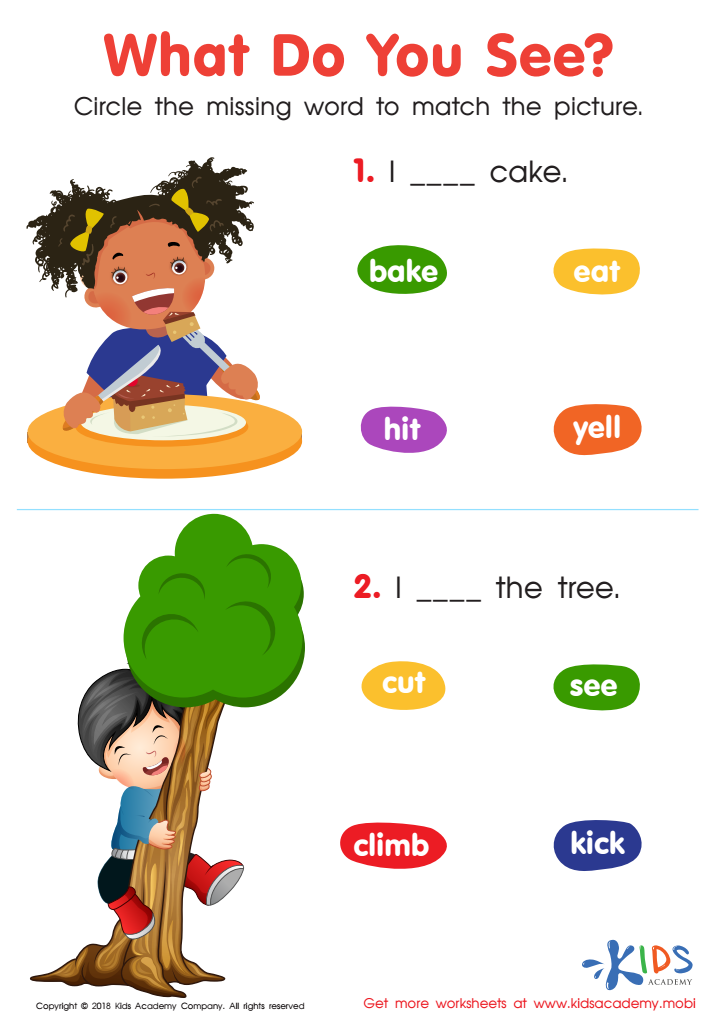
What Do You See? Reading Worksheet
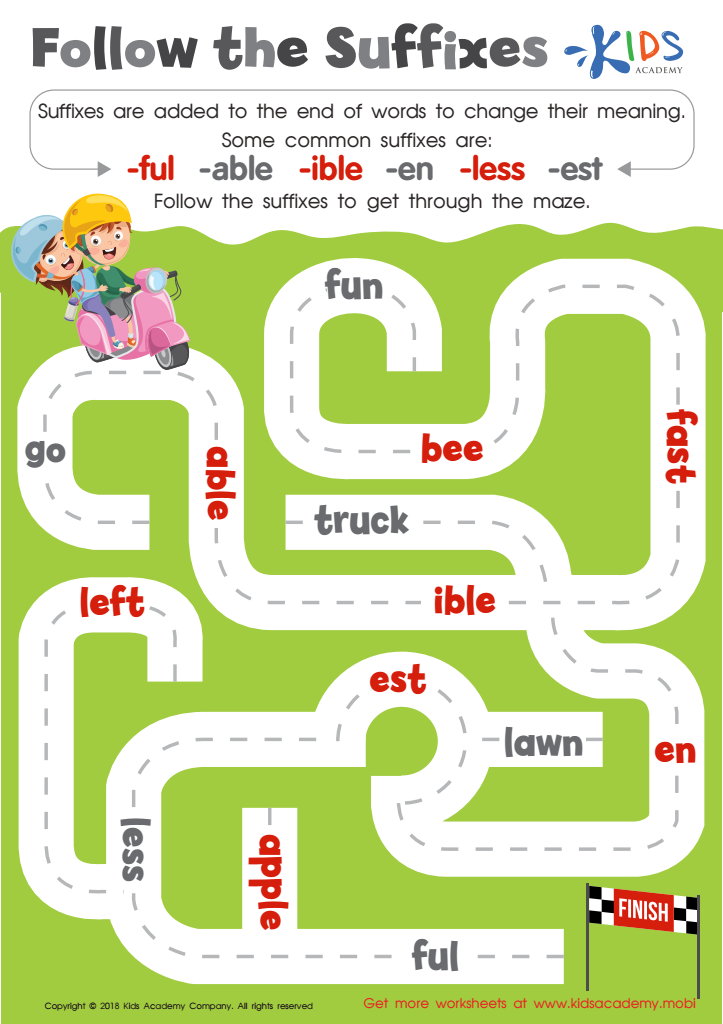
Reading: Follow the Suffixes Worksheet
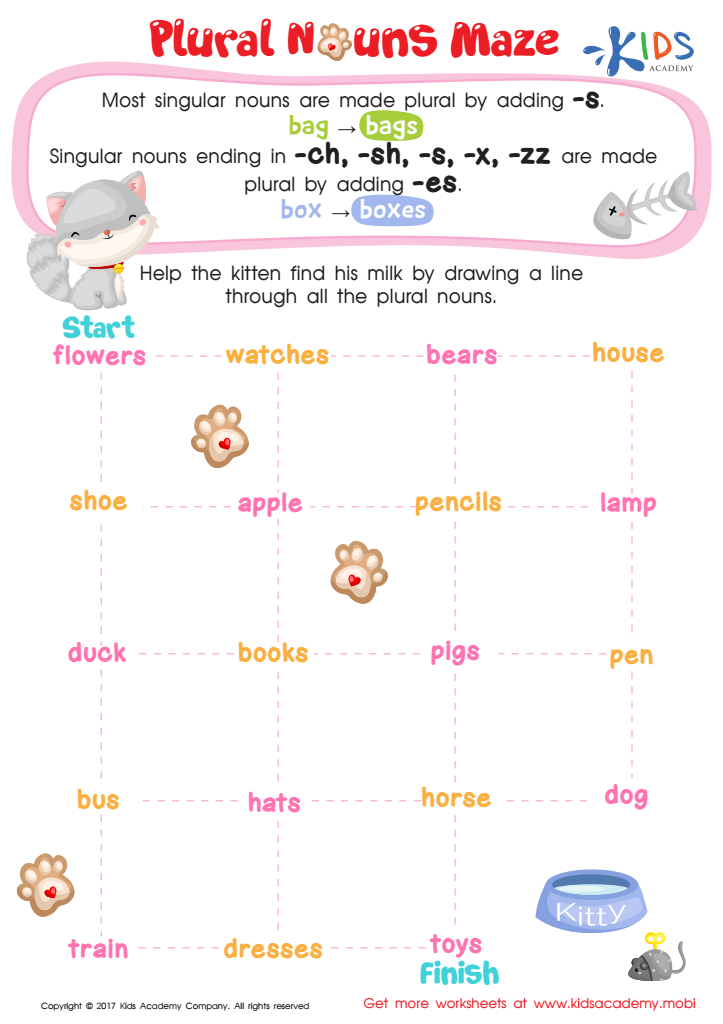
Plural Nouns Maze Worksheet
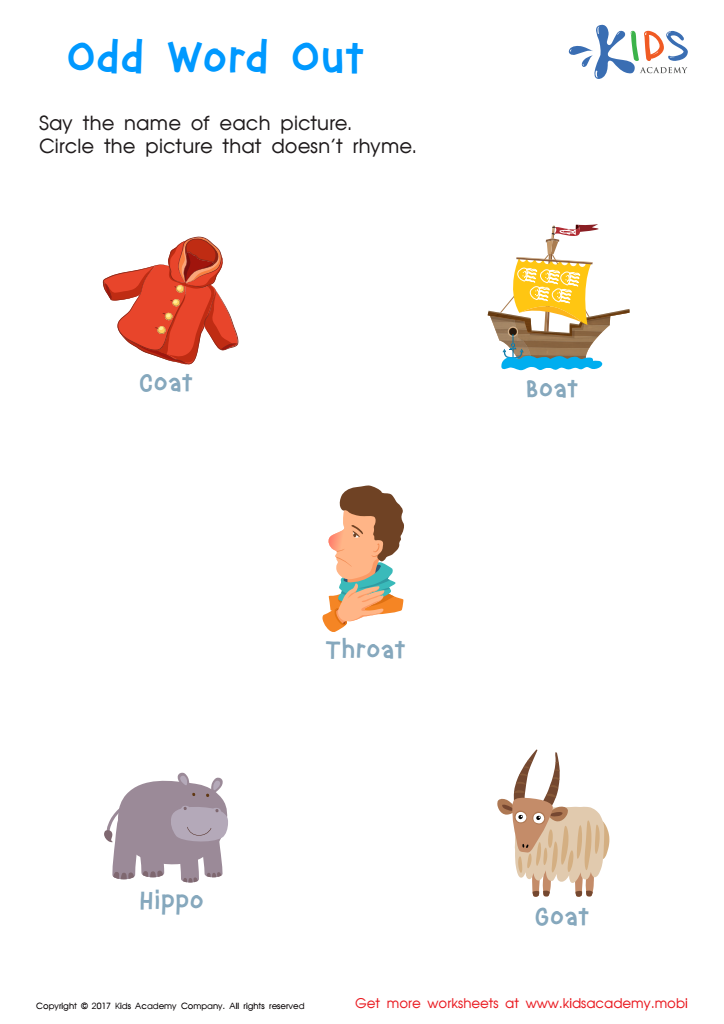
Odd Word Out Rhyming Worksheet
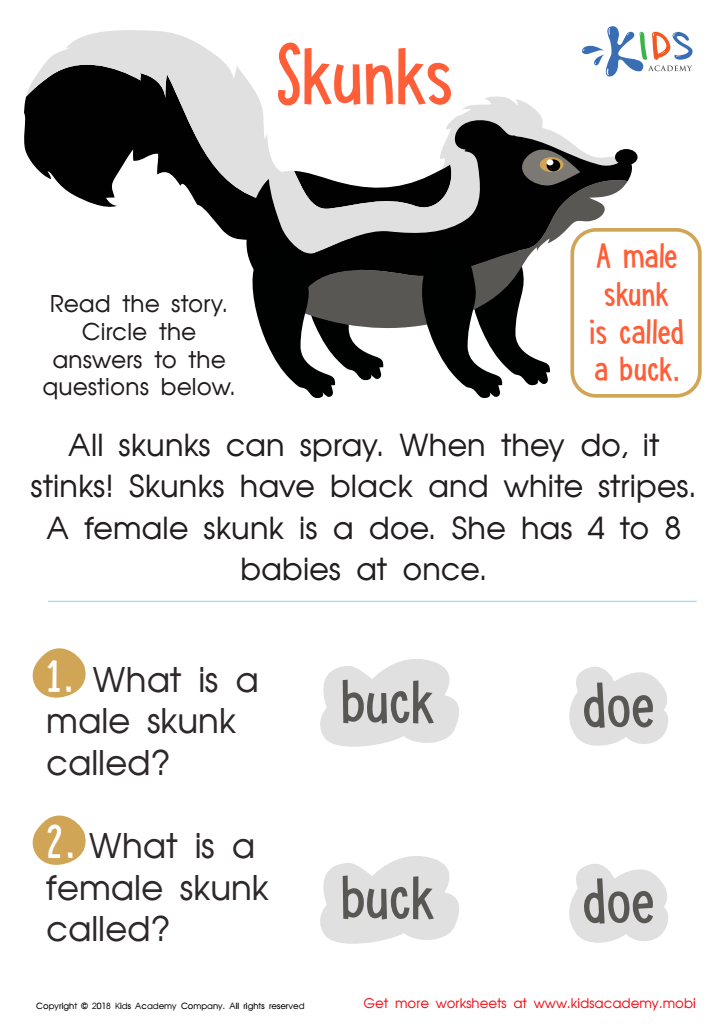
Skunks Worksheet
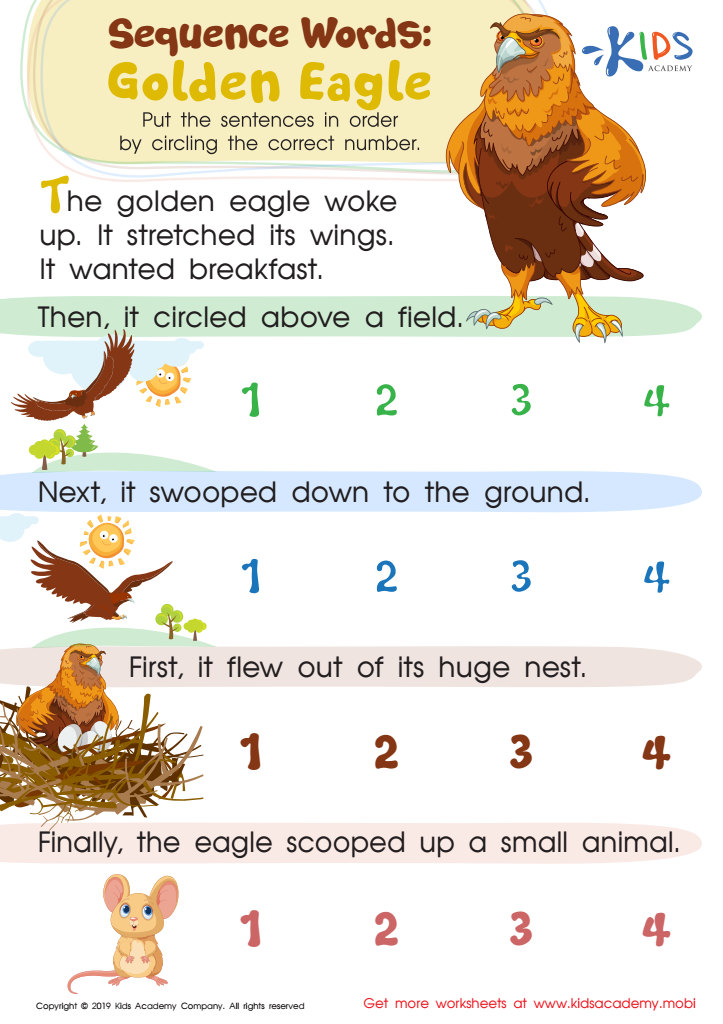
Sequence Word Eagle Worksheet
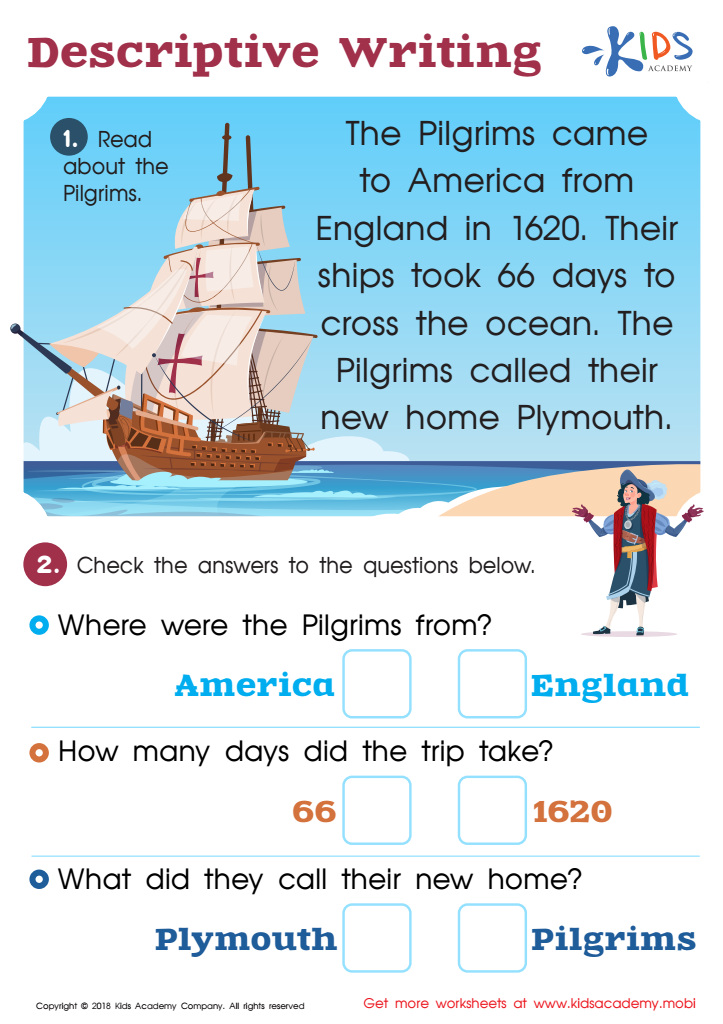
Descriptive Writing Worksheet: Part 1
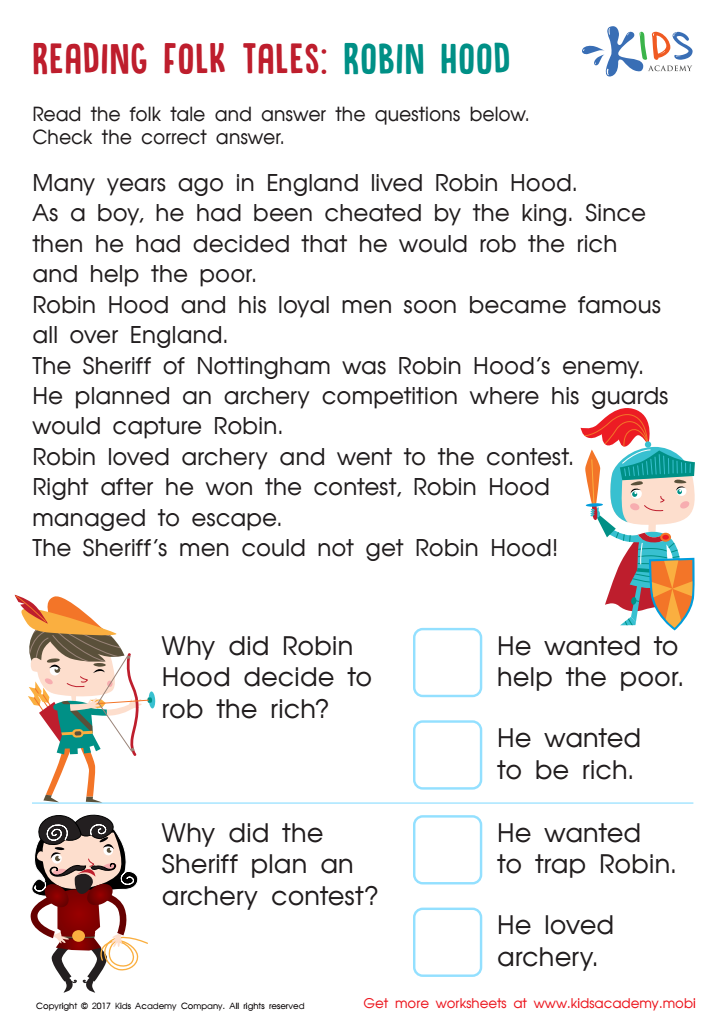
Robin Hood Folktale Worksheet
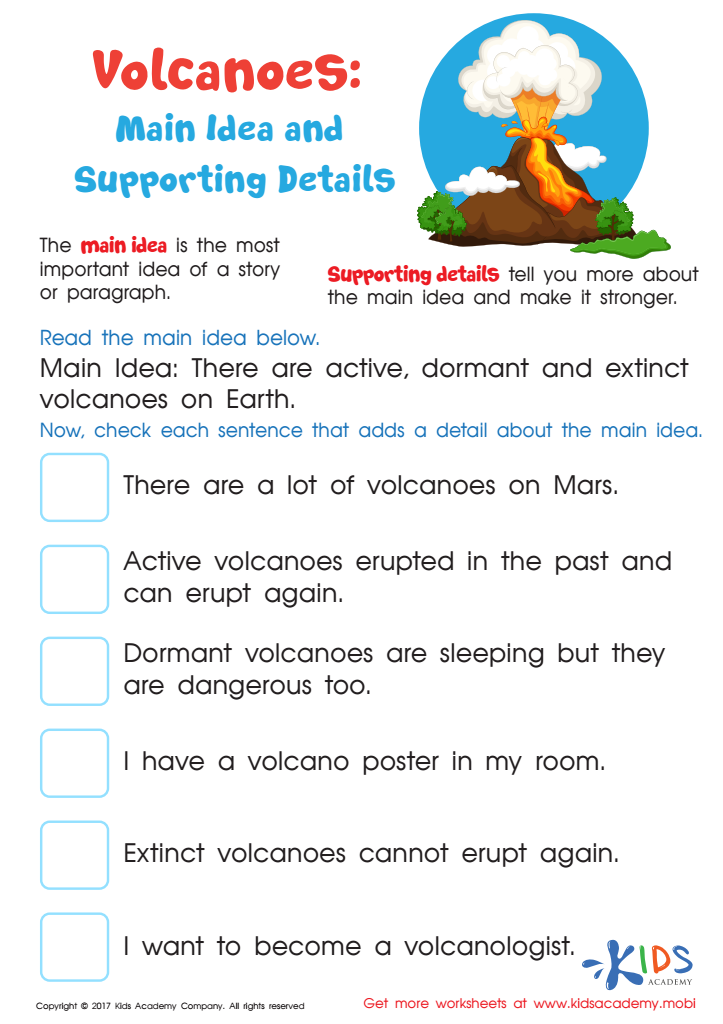
Volcano Facts Worksheet
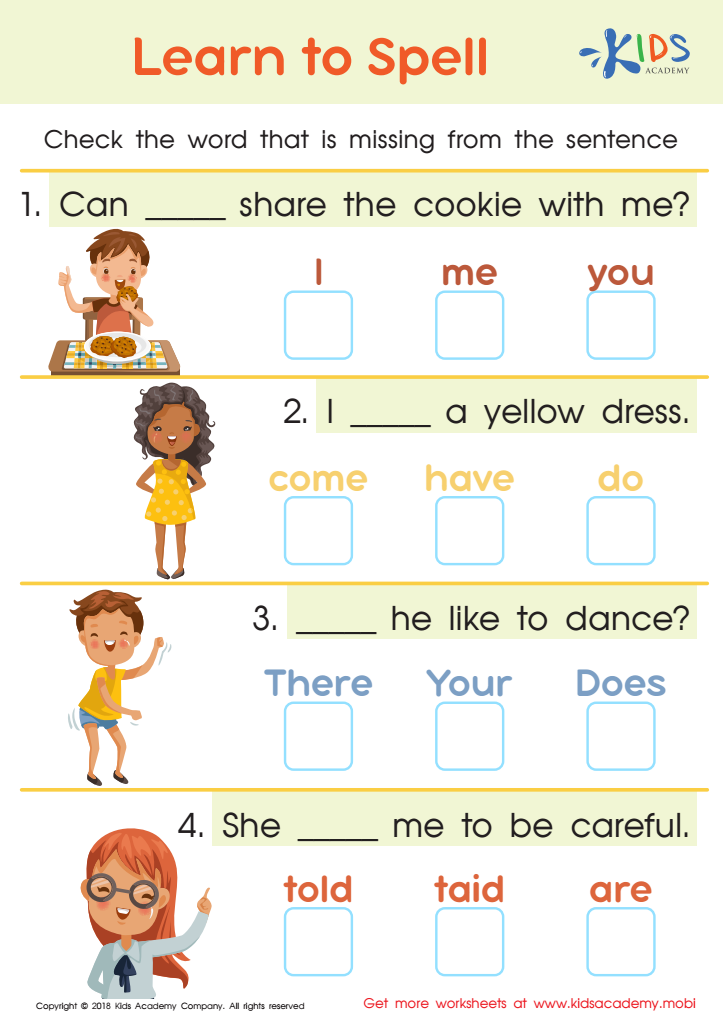
Learn to Spell Worksheet
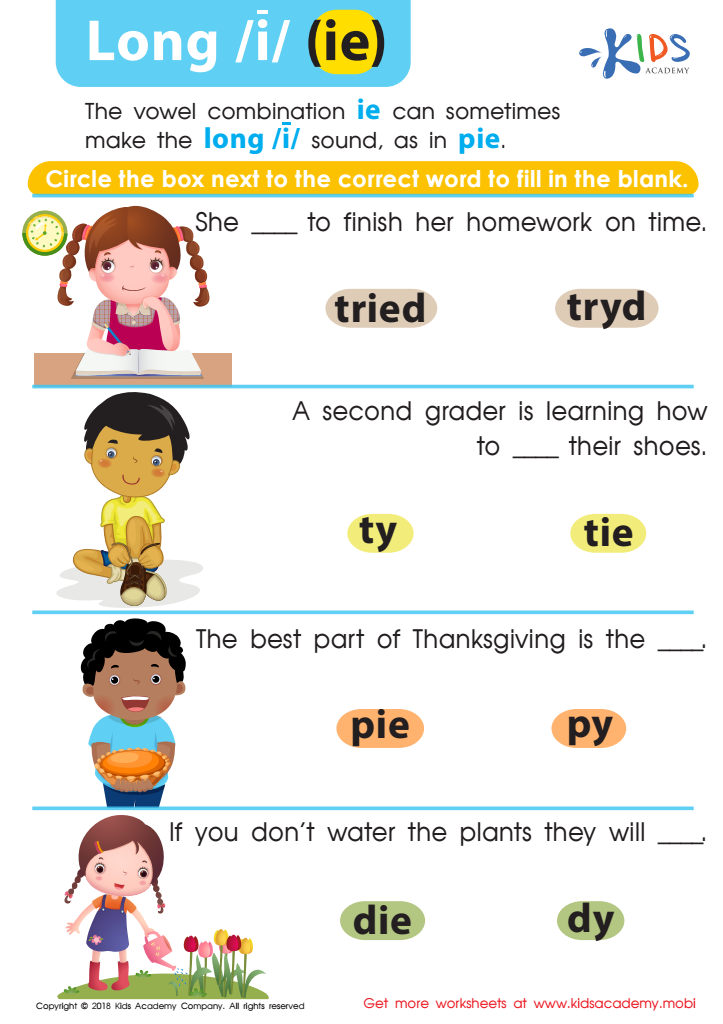
Reading: Long I and IE Worksheet
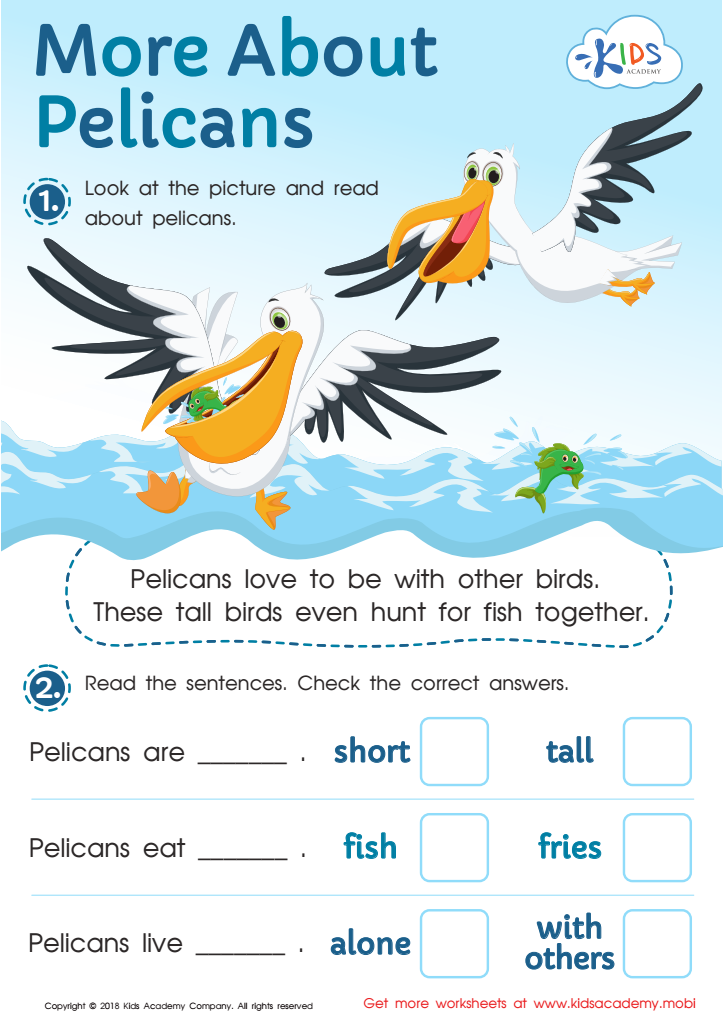
More About Pelicans Worksheet
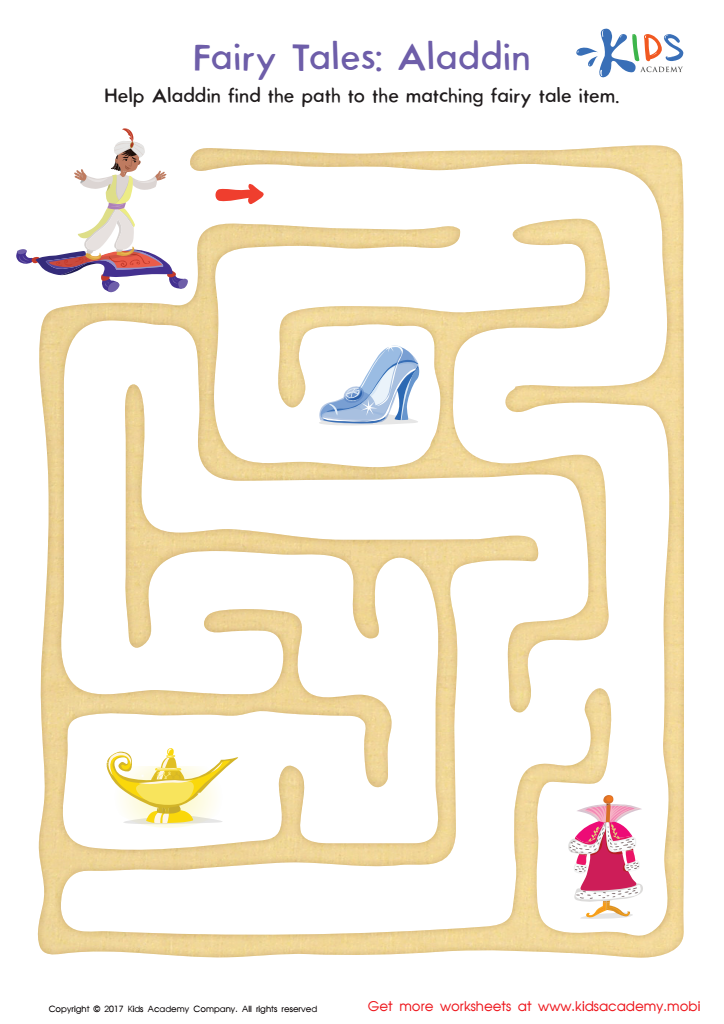
Fairy Tales Aladdin Printable
Folktales Printable PDF Worksheet: The 3 Little Pigs
 Assign to My Students
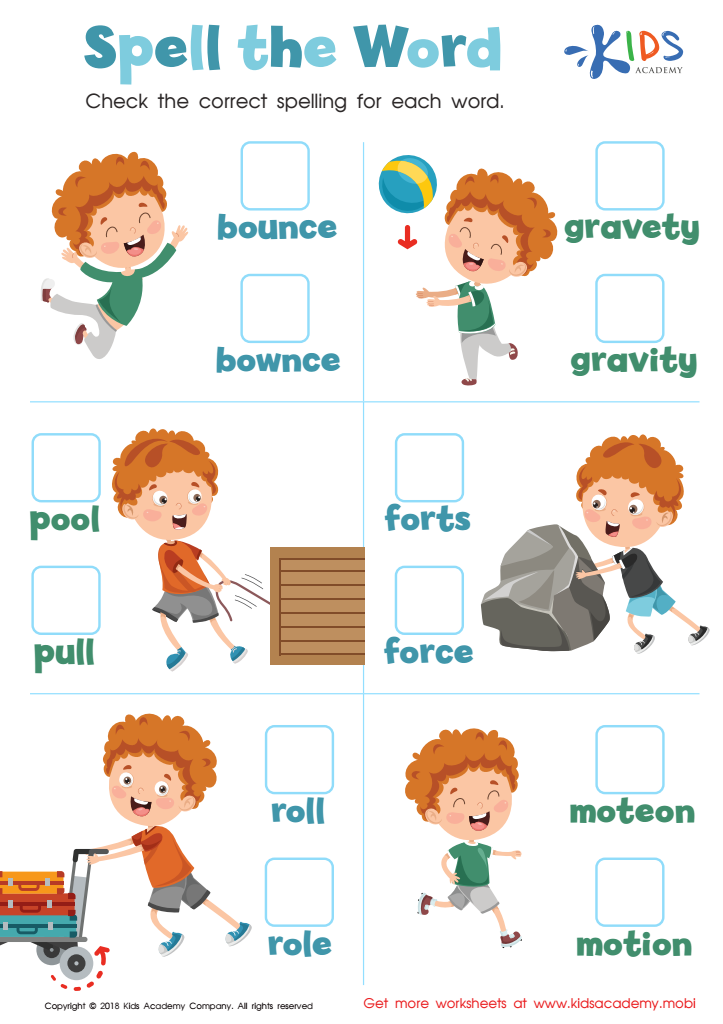
Spell the Word Worksheet
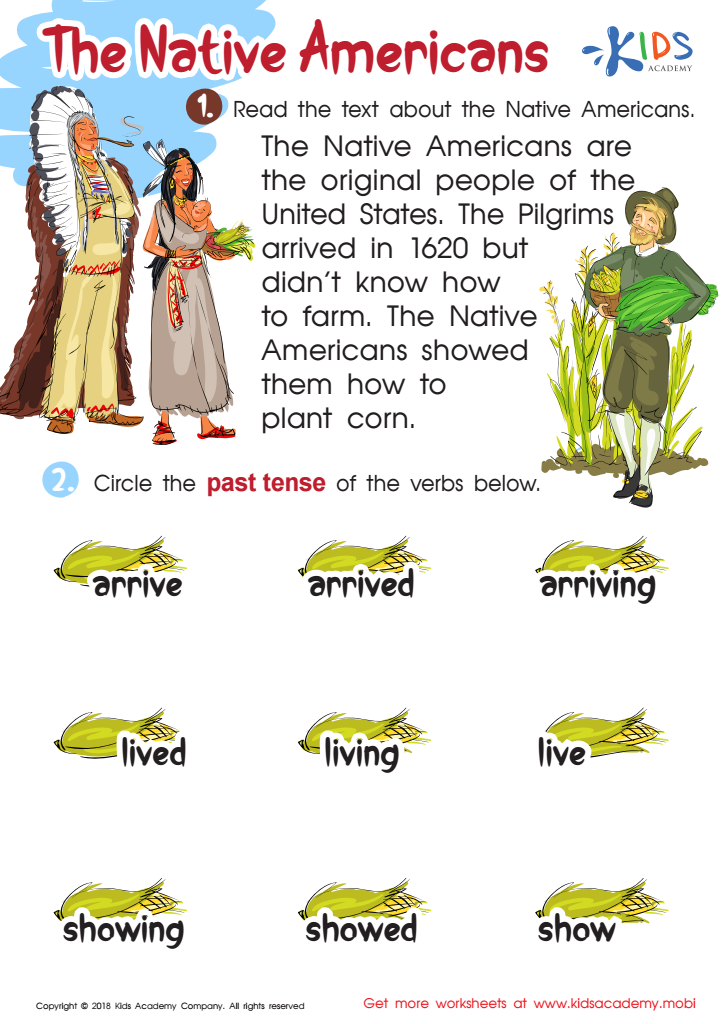
The Native Americans Worksheet
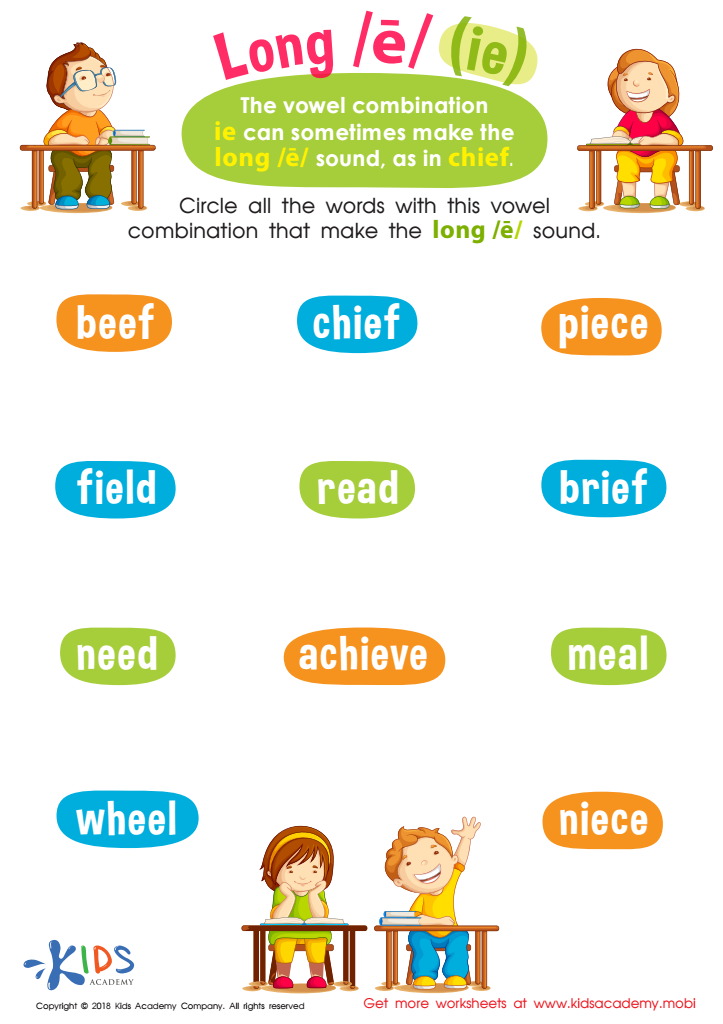
Reading: Long E and IE Worksheet
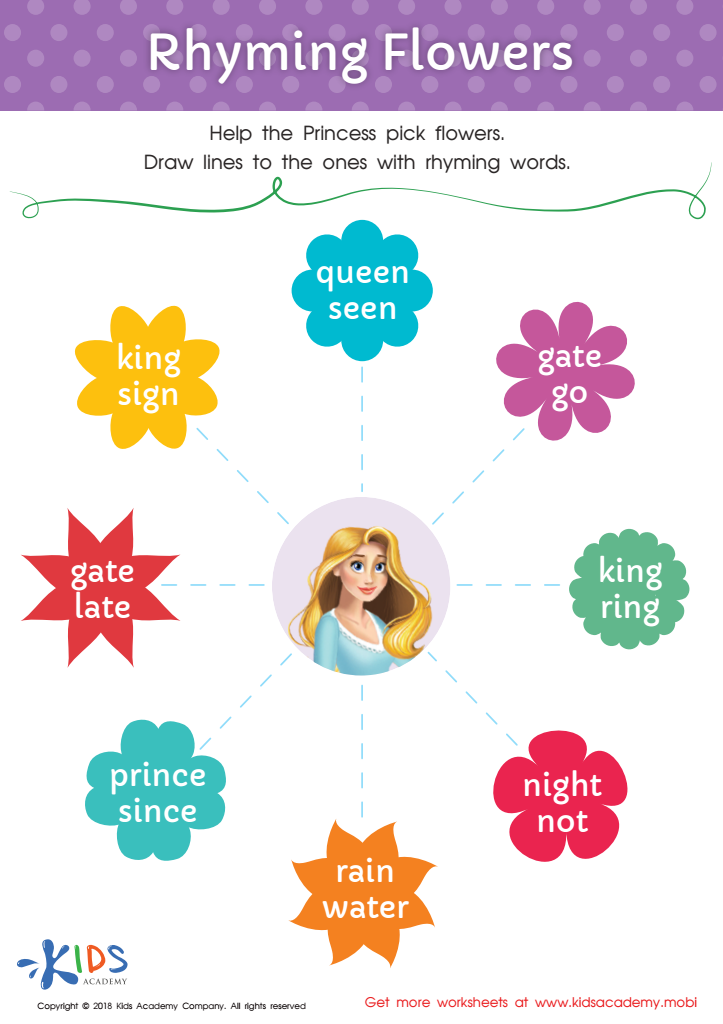
Rhyming Flowers Worksheet
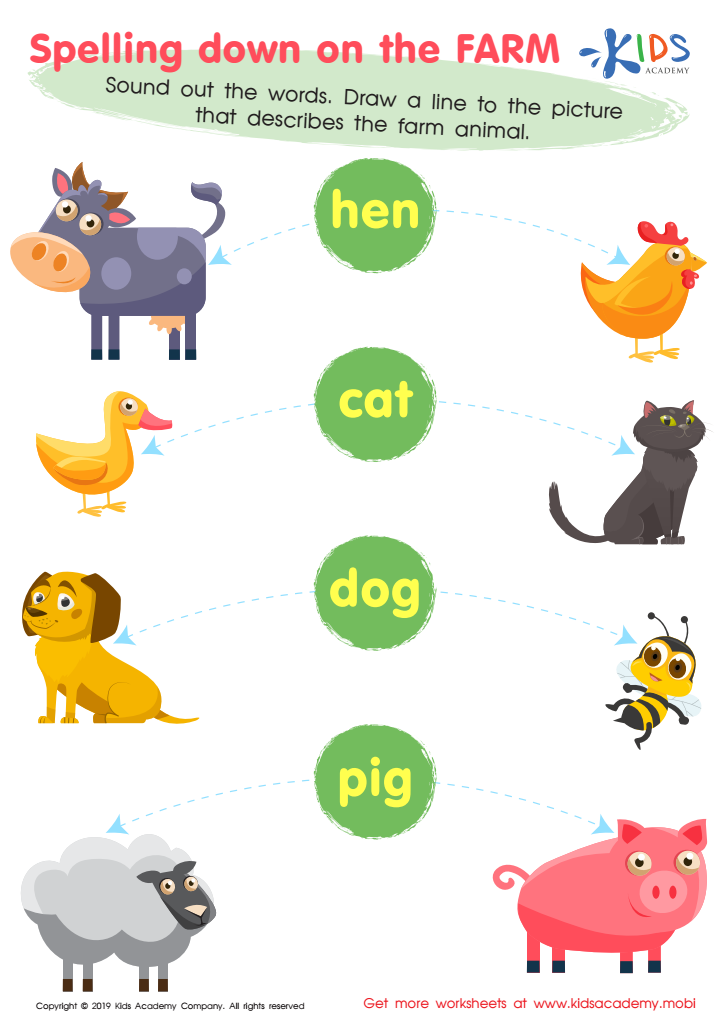
Spelling Down on the Farm Worksheet
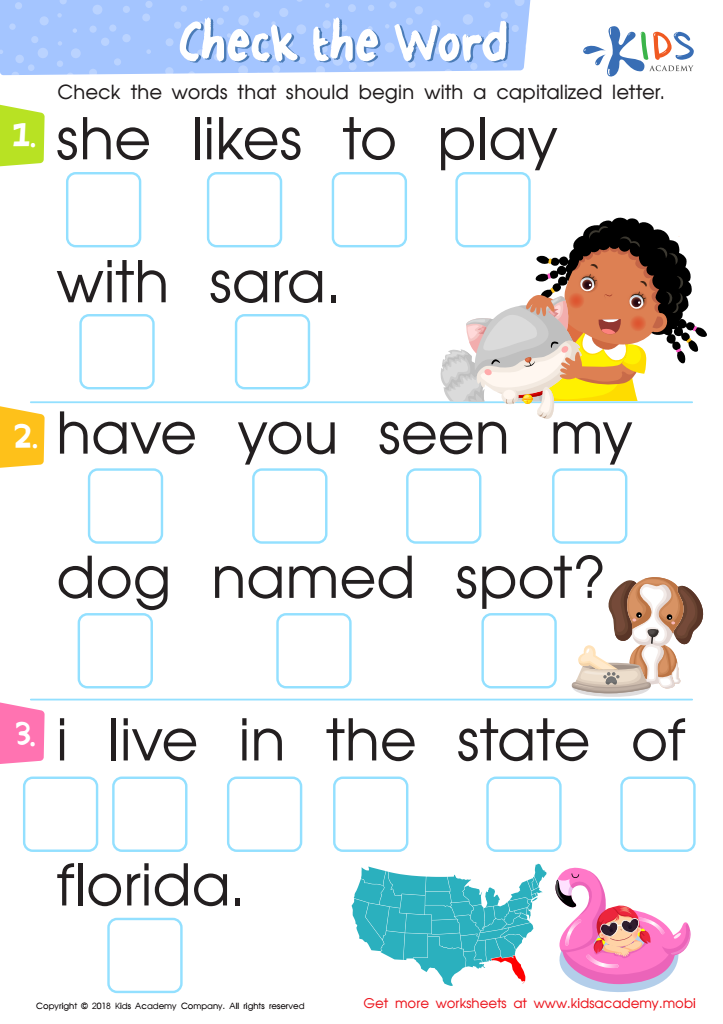
Check the Word Worksheet

Constellations Word Search Printable
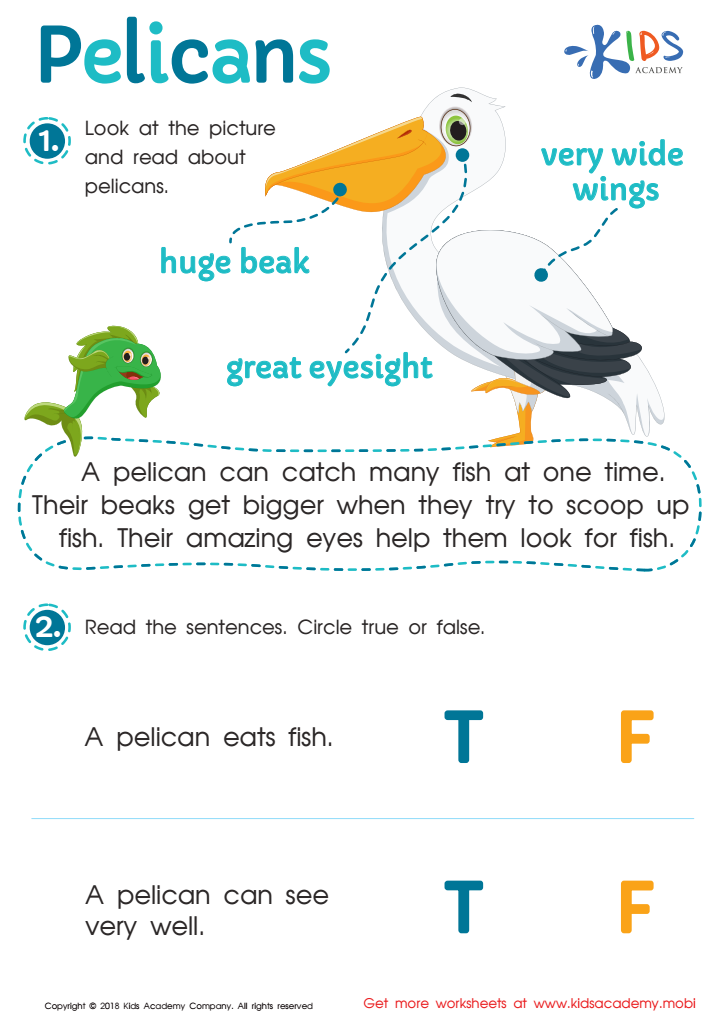
Pelicans Worksheet
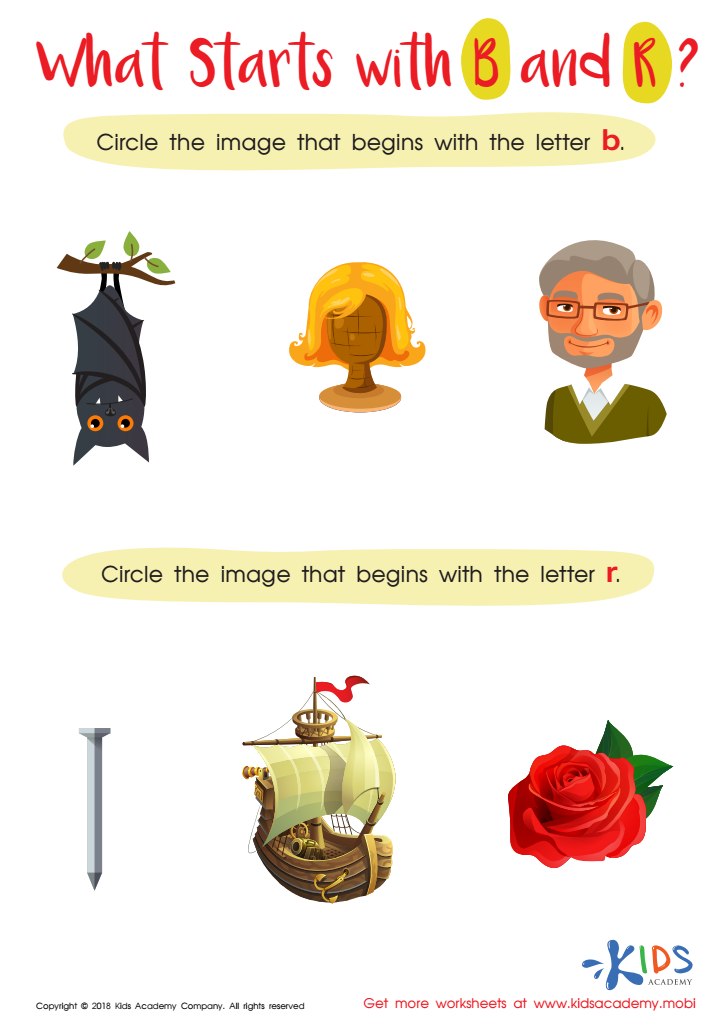
What Starts with B and R? Worksheet
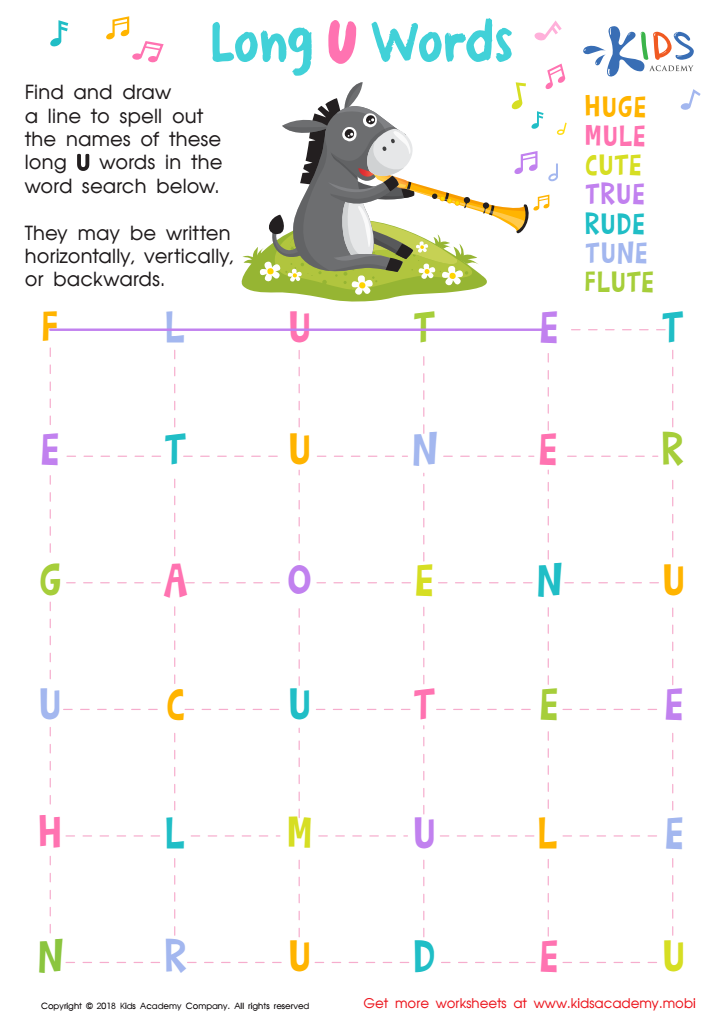
Long /u/ Words Worksheet



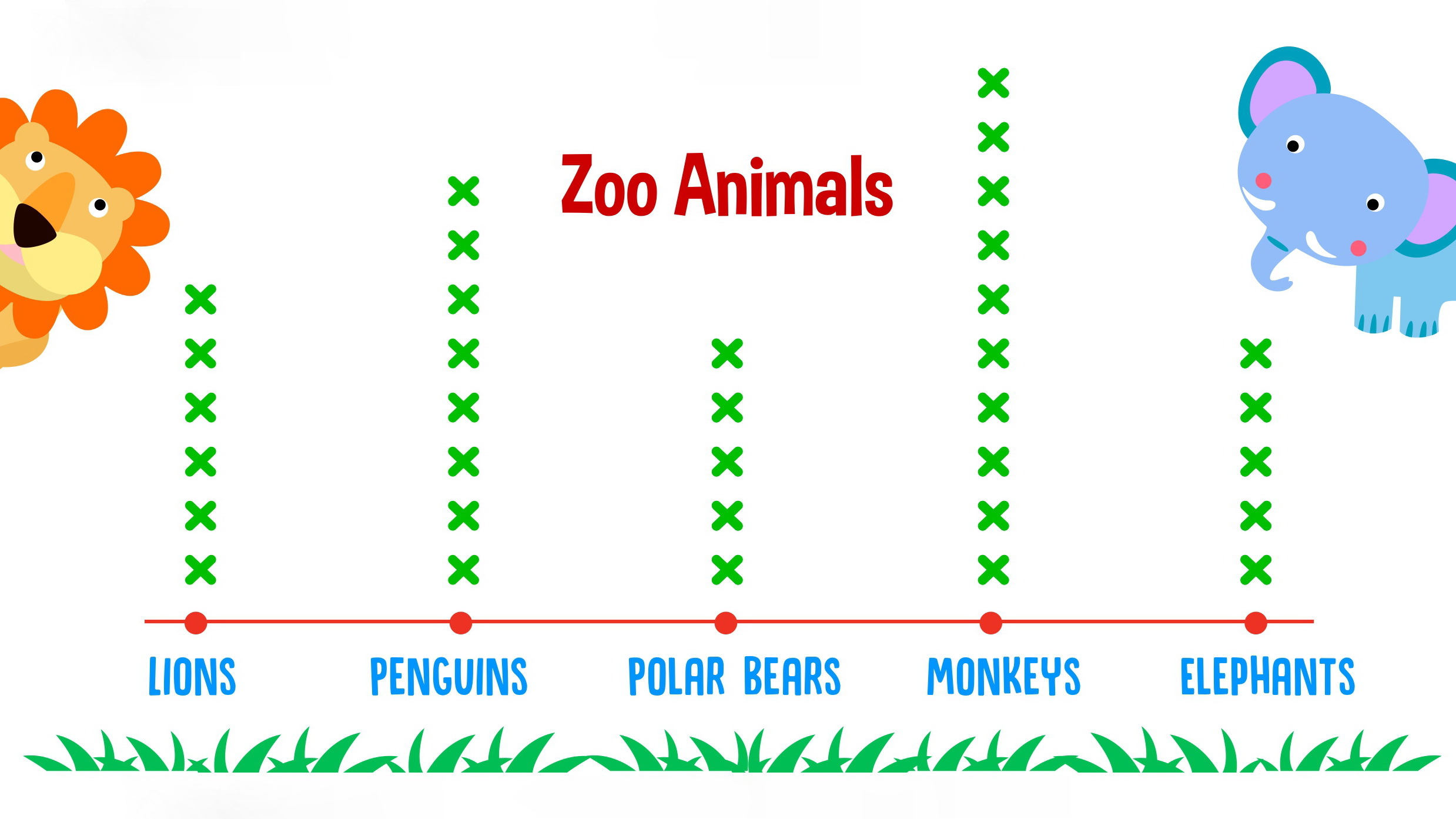
.jpg)



Vocabulary enhancement in reading for children aged 6-9 is crucial for their overall literacy development and academic success. During these formative years, children are rapidly acquiring language skills, and a robust vocabulary is foundational for comprehension and expressive language. Enhancing vocabulary empowers young readers to decode complex texts, understand context clues, and engage more deeply with stories, which fosters critical thinking.
For parents and teachers, prioritizing vocabulary development encourages children to articulate their thoughts clearly and confidently. Activities that enrich vocabulary—such as reading diverse literature, playing word games, or having discussions about new words—make learning enjoyable and interactive. A rich vocabulary also supports writing skills, allowing children to express their ideas more creatively and precisely.
Investing in vocabulary enhancement not only contributes to a child’s academic performance but also shapes their social and emotional skills. Children with a broader vocabulary can better articulate their feelings and thoughts, improving their communication with peers and adults. Overall, nurturing vocabulary from an early age sets the stage for lifelong learning, enabling children to thrive in various contexts, from school to social interactions. Thus, parents and teachers play a vital role in guiding and supporting this essential aspect of early education.








