Basic Math Skills Science Worksheets for Ages 6-9
5 filtered results
-
From - To
Unlock your child’s potential with our engaging Basic Math Skills Science Worksheets for ages 6-9! Designed to integrate math concepts within fascinating science topics, these worksheets help young learners solidify foundational math skills while exploring the wonders of the natural world. With fun exercises covering addition, subtraction, measurement, and problem-solving, children will enjoy hands-on learning that fosters critical thinking and analytical skills. Parents and educators can easily download and print these colorful worksheets, perfect for home or classroom use. Ignite your child's curiosity and confidence in math and science with our interactive resources that make learning enjoyable!
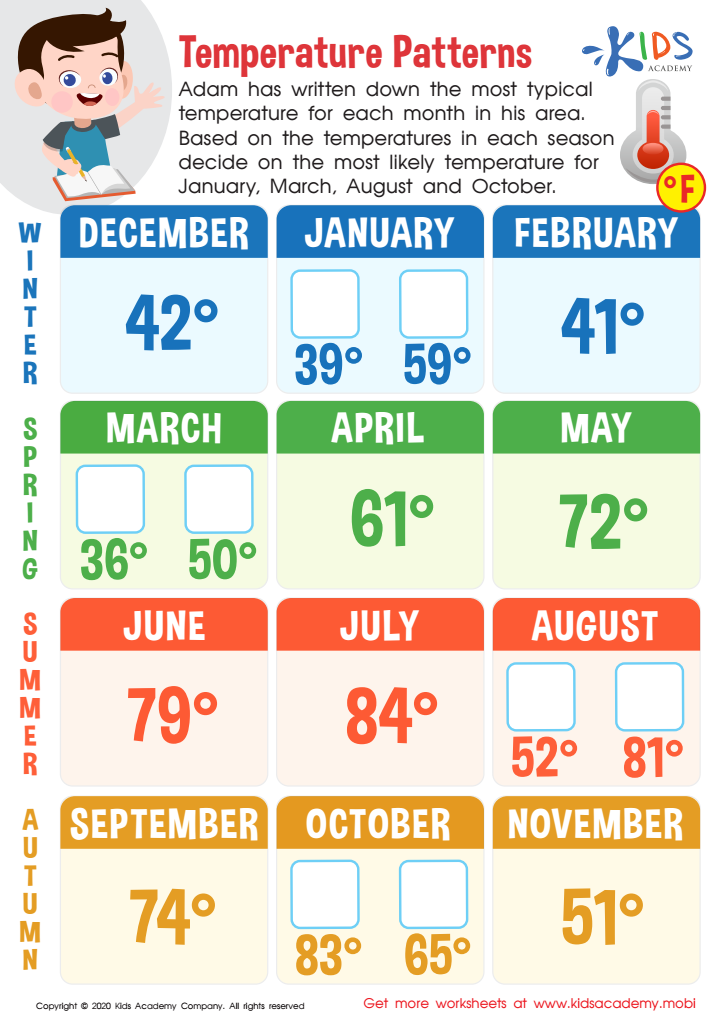
Temperature Patterns Worksheet
 Assign to My Students
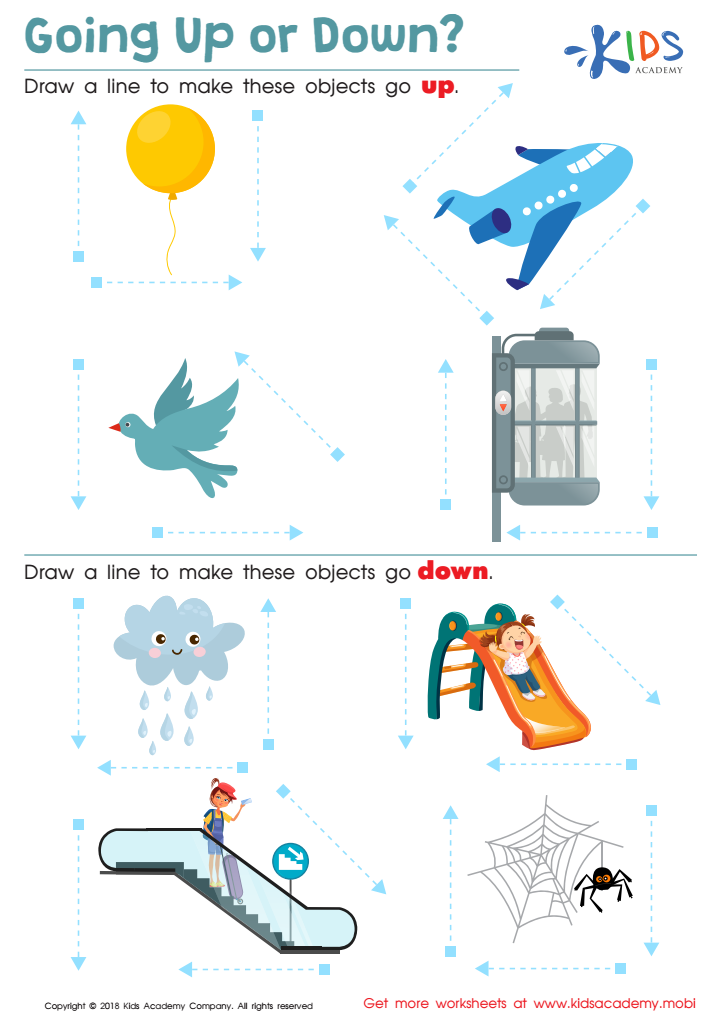
Going up or Down? Worksheet
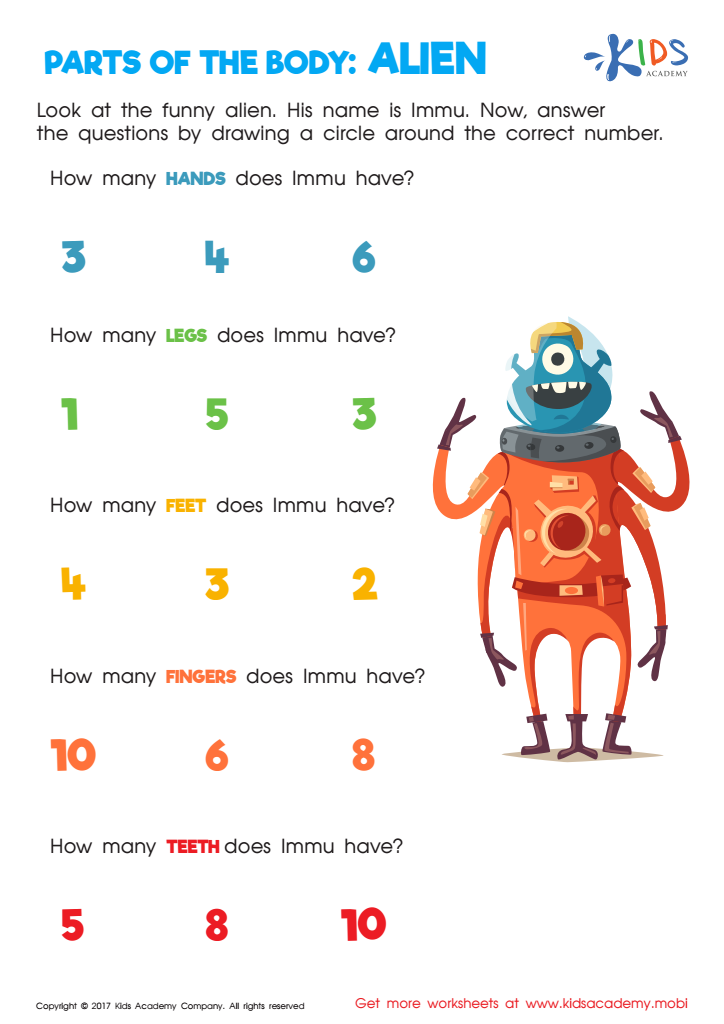
Alien Worksheet
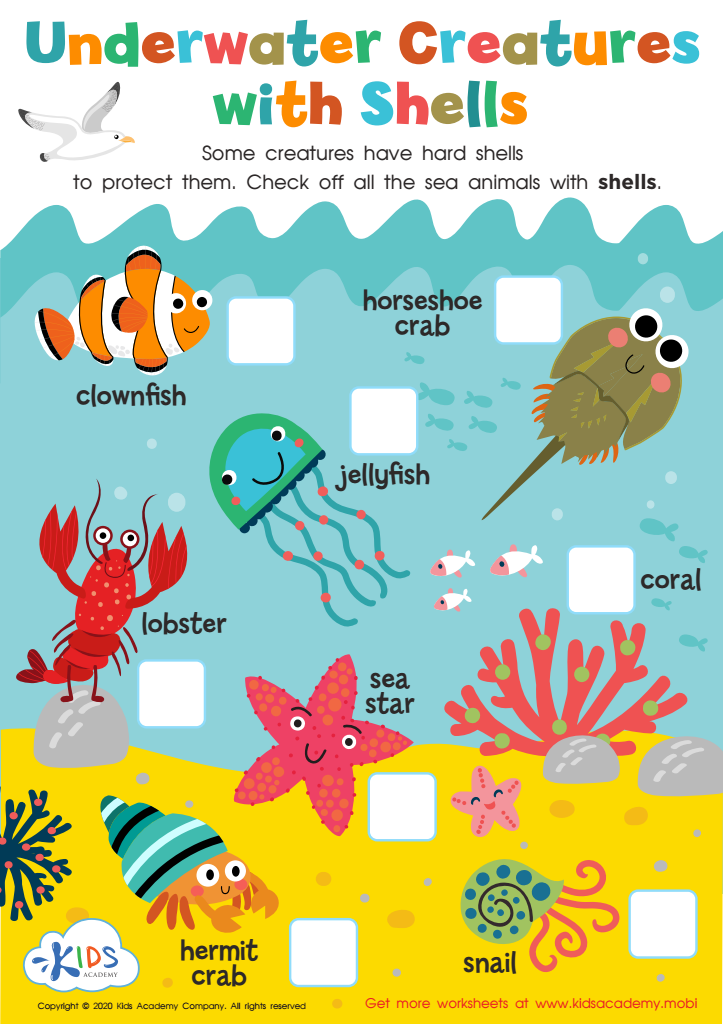
Underwater Creatures with Shells Worksheet
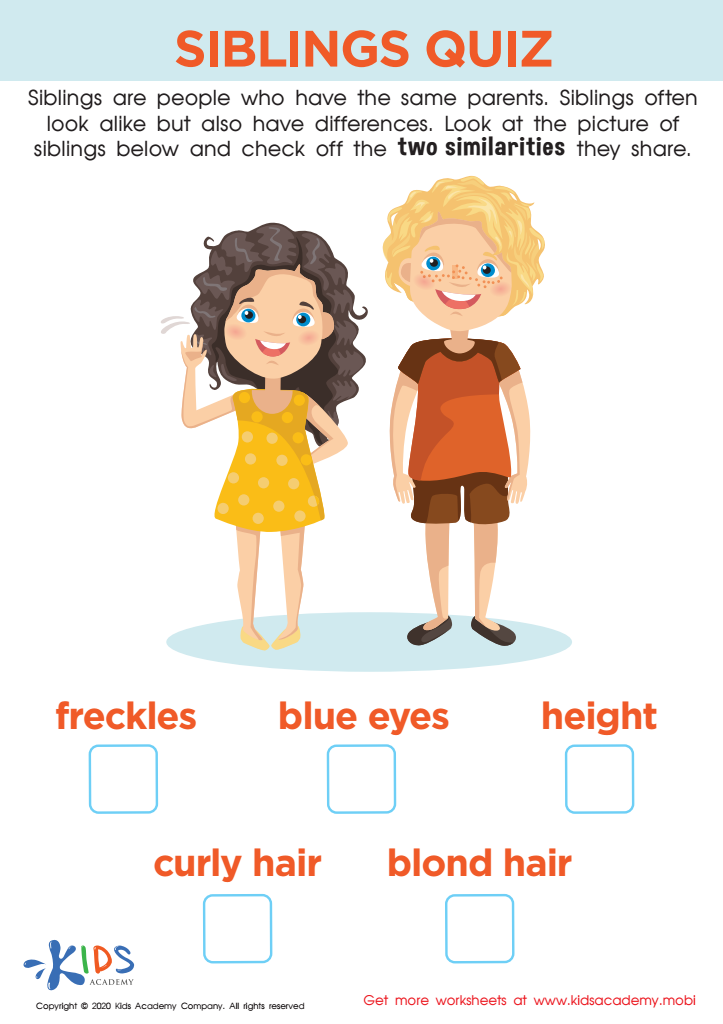
Siblings Quiz Worksheet






.jpg)
Parents and teachers should prioritize basic math skills science for ages 6-9 because this foundational knowledge is crucial for a child's cognitive development and academic success. At this vital stage, children are highly receptive to learning, and engaging them with basic math concepts—such as addition, subtraction, and simple shapes—firmly establishes their understanding of numerical relationships and problem-solving abilities.
Mastering basic math skills fosters critical thinking and logical reasoning, which are essential not only in academics but in everyday life. Additionally, math proficiency enhances a child’s confidence and enthusiasm for learning, particularly in STEM (Science, Technology, Engineering, and Mathematics) fields, which are becoming increasingly important in our technology-driven world.
Moreover, early exposure to math encourages children to explore scientific concepts. Understanding numbers and patterns leads to better comprehension of scientific experiments, data interpretation, and problem-solving in scientific contexts. This synergy between math and science promotes a holistic approach to learning.
By supporting the development of basic math skills, parents and teachers empower children to become independent thinkers and effective learners, equipping them with the tools necessary for future challenges in school and beyond. It lays a solid groundwork for informed and engaged citizens, capable of making sense of the world around them.







