
Animal identification Plants and Animals Worksheets for Ages 6-9
5 filtered results
Difficulty Level
Grade
Age
-
From - To
Subject
Activity
Standards
Explore our engaging "Animal Identification Plants and Animals Worksheets" designed for children aged 6-9. These interactive printables make learning about various animal species fun and educational! Each worksheet features vibrant illustrations and simple descriptions, facilitating easy identification of animals while fostering curiosity about the natural world. Activities include matching, coloring, and categorization, helping young learners develop critical thinking skills and grow their knowledge of biodiversity. Perfect for home or classroom use, these worksheets encourage hands-on learning and can complement science lessons. Dive into the adventure of exploring plants and animals and ignite a passion for nature in your child today!
Favorites
With answer key
Interactive
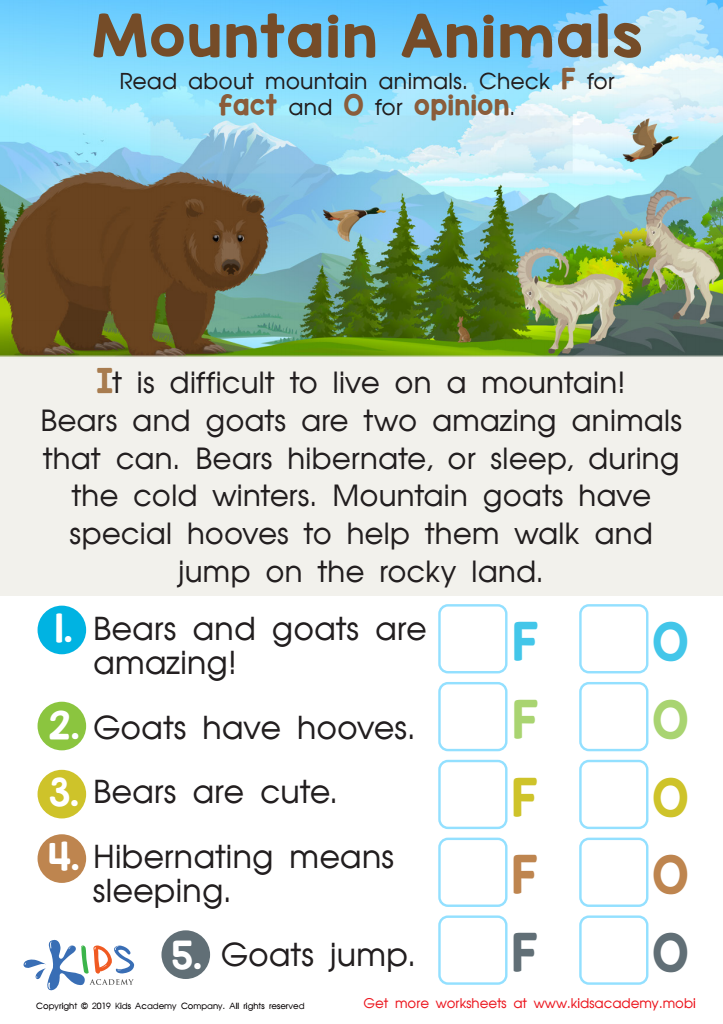
Mountain Animals Worksheet
Is mountain wildlife amazing? Fact or fiction? Help your child sharpen critical-thinking skills with this engaging worksheet. Featuring a fun nonfiction passage about animals like bears and goats, your child will read through the text and identify each statement as fact or fiction. Perfect for boosting reading comprehension and analytical abilities!
 Assign to My Students
Mountain Animals Worksheet
Worksheet











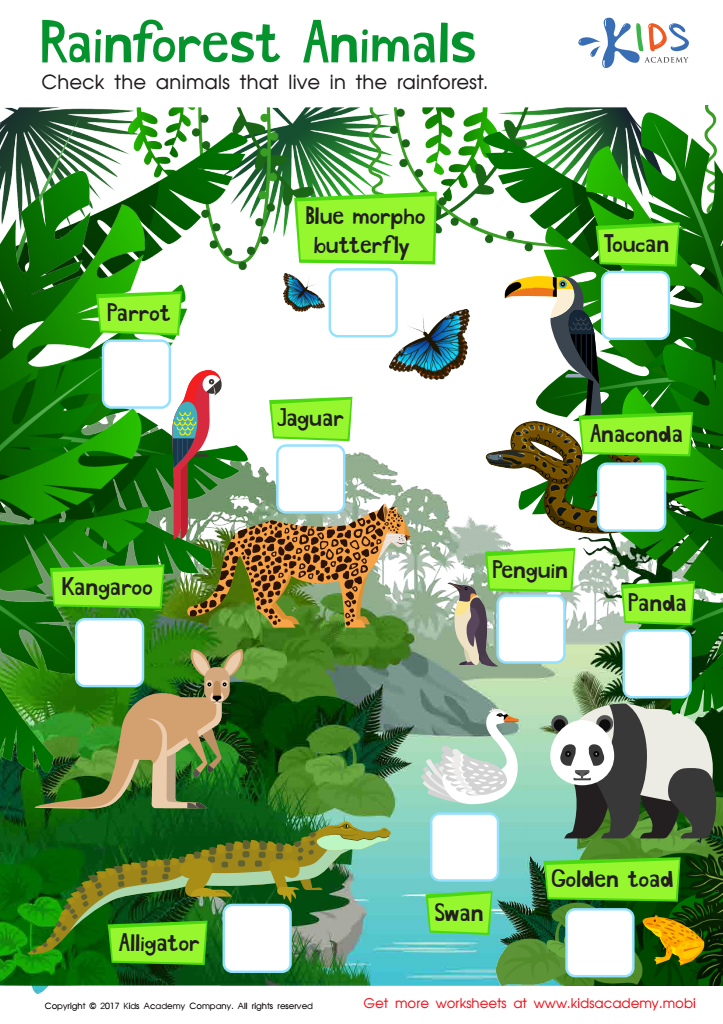
Rainforest Animals Worksheet
Kids love the bright, vivid pics of rainforest animals in this worksheet. It fuels their interest in life science and brings joy to their learning. It encourages them to study these animals in detail.
Rainforest Animals Worksheet
Worksheet
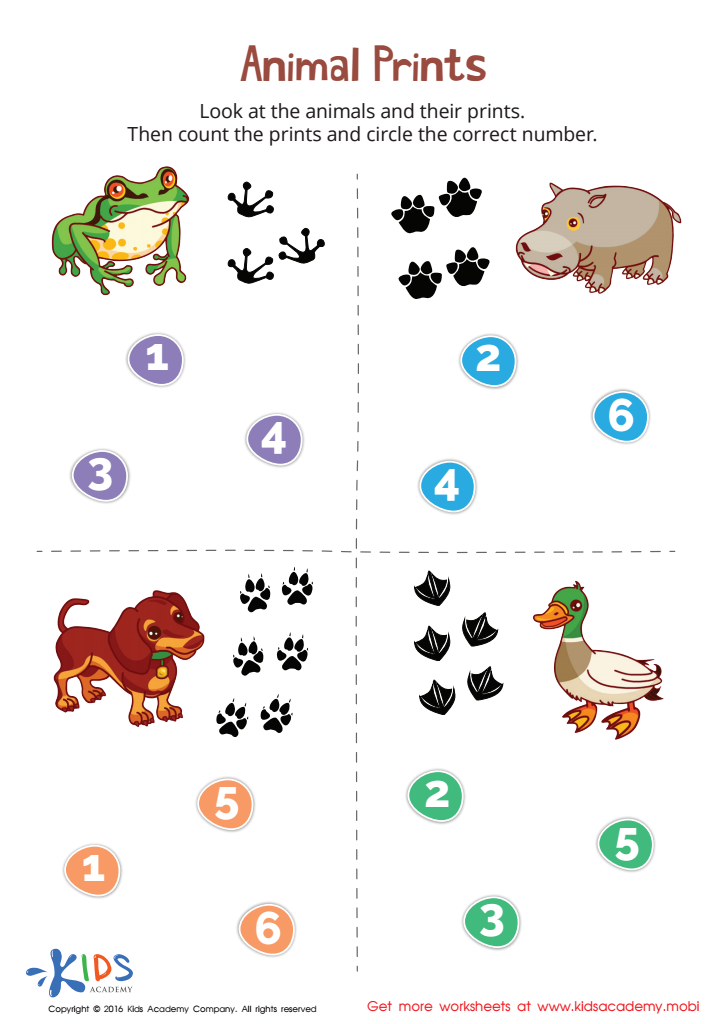
Animal Prints Match-Up Worksheet
Help your little learner build early math skills with this fun animal paw prints worksheet. With it, they'll count, recognize numbers, and learn about the animals that make the paw prints. Talk to them about the prints and ask them to count. They'll love exploring and learning about the different animals, all while sharpening essential math skills!
Animal Prints Match-Up Worksheet
Worksheet
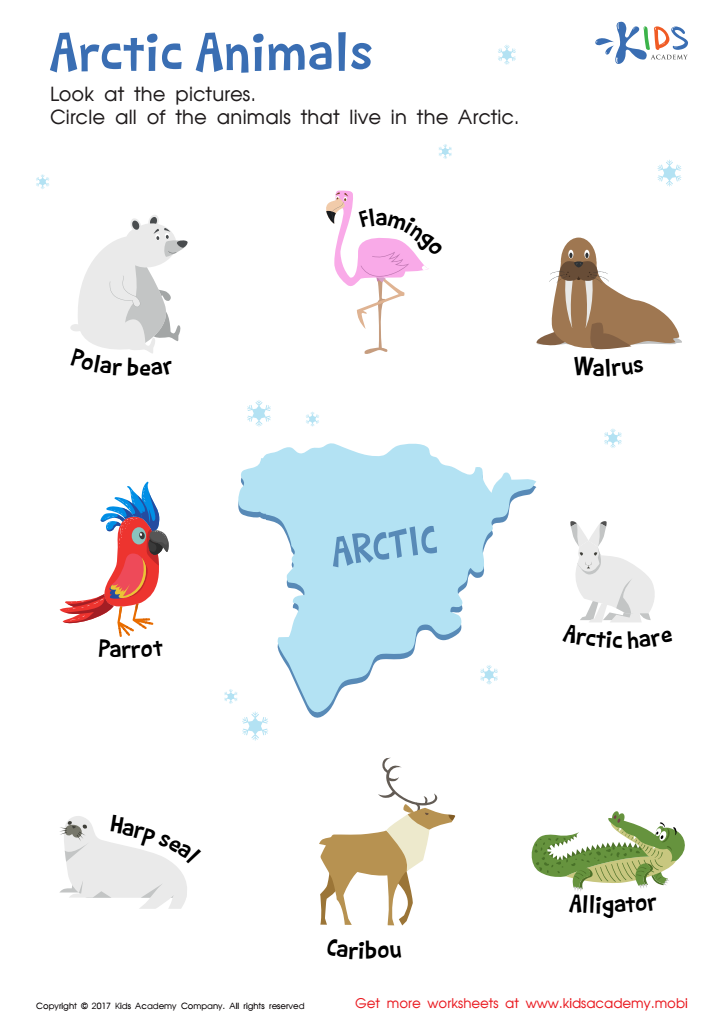
Arctic Animals Worksheet
Kids love animals and this worksheet is a great way to teach them where they live. It reinforces classification skills and introduces new animals, like the Arctic hare. Use it to discuss the Arctic climate and how these animals live, then ask your child where other animals live to keep the conversation going.
Arctic Animals Worksheet
Worksheet
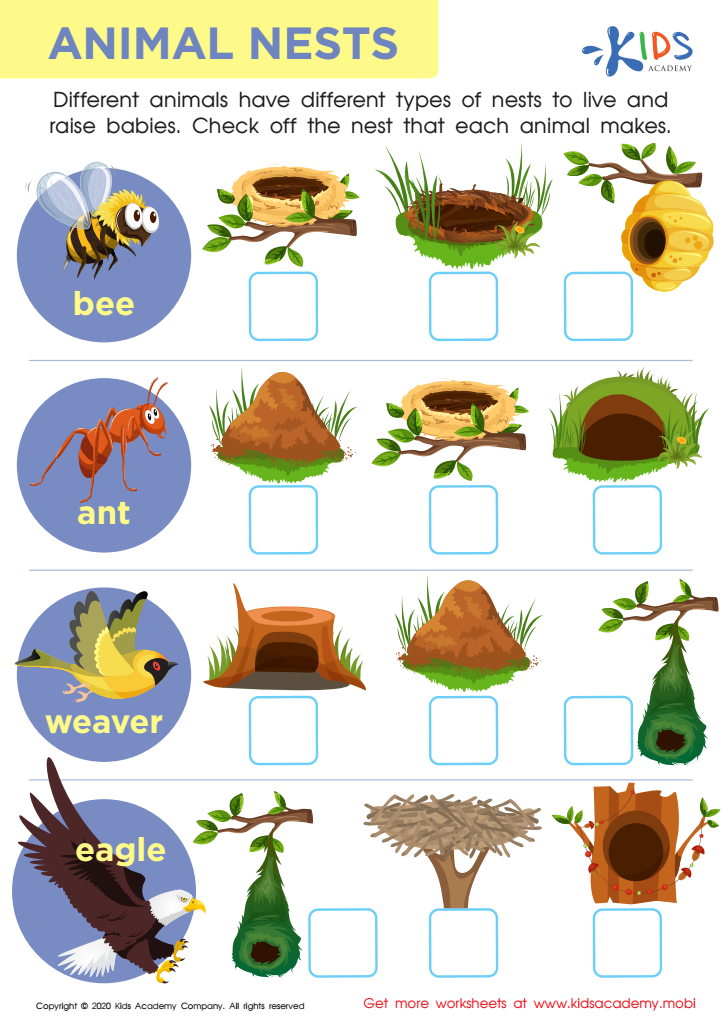
Animal Nests Worksheet
Animals need homes to sleep and stay safe. Look at the animal on the left and examine the nests and hives to the right. Check off the correct one for each animal to complete the worksheet! From birds to bees, it's a great way to show different types of homes animals make!
Animal Nests Worksheet
Worksheet
Join Kids Academy for Free
Who is primarily going to use this learning content?








Parents and teachers should prioritize the identification of plants and animals for children aged 6-9 because it lays the foundation for environmental literacy and fosters a strong connection with nature. As children learn to recognize various species, they develop observational skills, critical thinking, and an appreciation for biodiversity. Understanding local flora and fauna can spark curiosity and promote a sense of responsibility toward the environment.
Additionally, identifying animals and plants supports the development of language skills. Children learn new vocabulary related to science and nature, which enhances their communication abilities. These activities can also be integrated into various subjects, making learning more engaging and interdisciplinary.
Furthermore, fostering an interest in plants and animals encourages outdoor exploration, which is vital for children's health and well-being. Spending time in nature reduces stress and boosts physical activity, contributing to overall development.
Finally, as future caretakers of our planet, nurturing a sense of stewardship in young children is essential. When they understand the importance of plants and animals within ecosystems, children are more likely to grow into environmentally conscious adults who value conservation efforts and sustainable practices. Therefore, integrating animal and plant identification into education is vital for nurturing informed and responsible future citizens.








