Vocabulary enhancement Plants and Animals Worksheets for Ages 6-9
18 filtered results
-
From - To
Enhance your child's vocabulary with our engaging Plants and Animals Worksheets for ages 6-9! These interactive science worksheets help young learners build essential vocabulary while discovering the fascinating world of flora and fauna. Each activity is designed to expand students' understanding of plant and animal life through fun exercises, illustrated scenarios, and thought-provoking questions. Our printable resources make learning about nature exciting and accessible, fostering a love for the environment and improving language skills simultaneously. Ideal for classroom and home use, these worksheets support key educational goals in a stimulating and enjoyable way. Start exploring today!
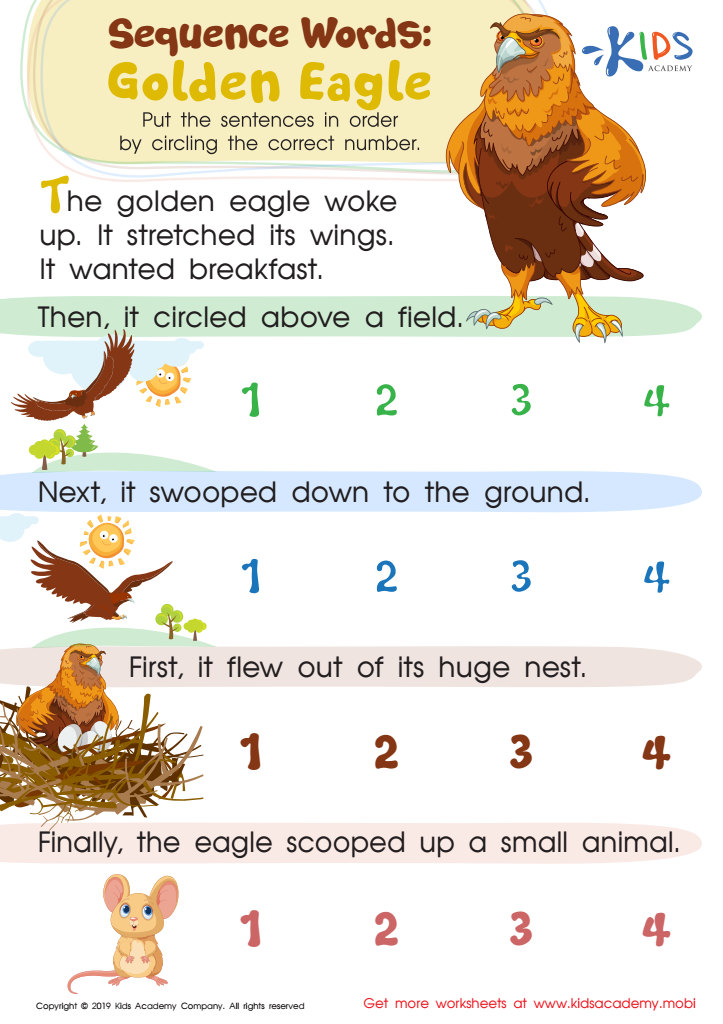
Sequence Word Eagle Worksheet
 Assign to My Students
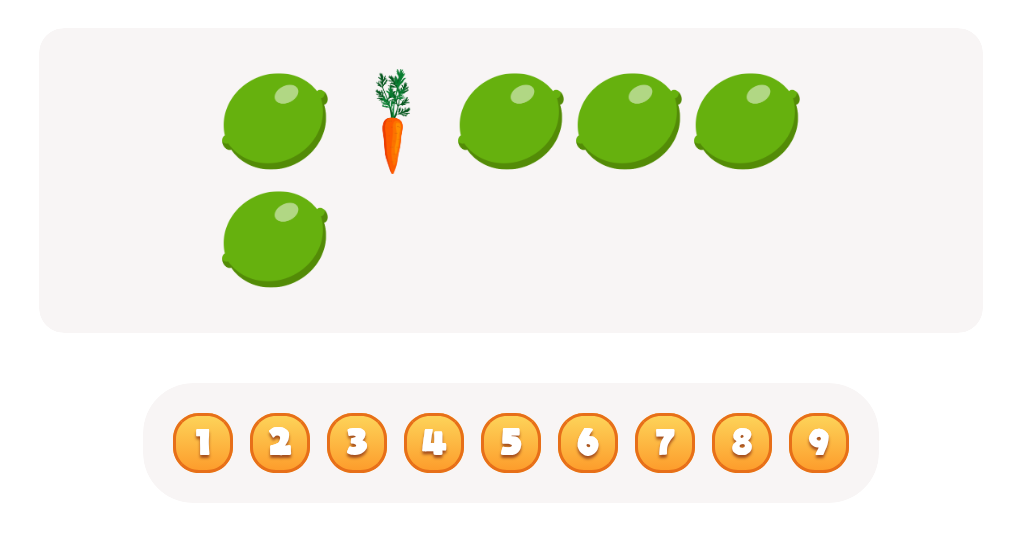


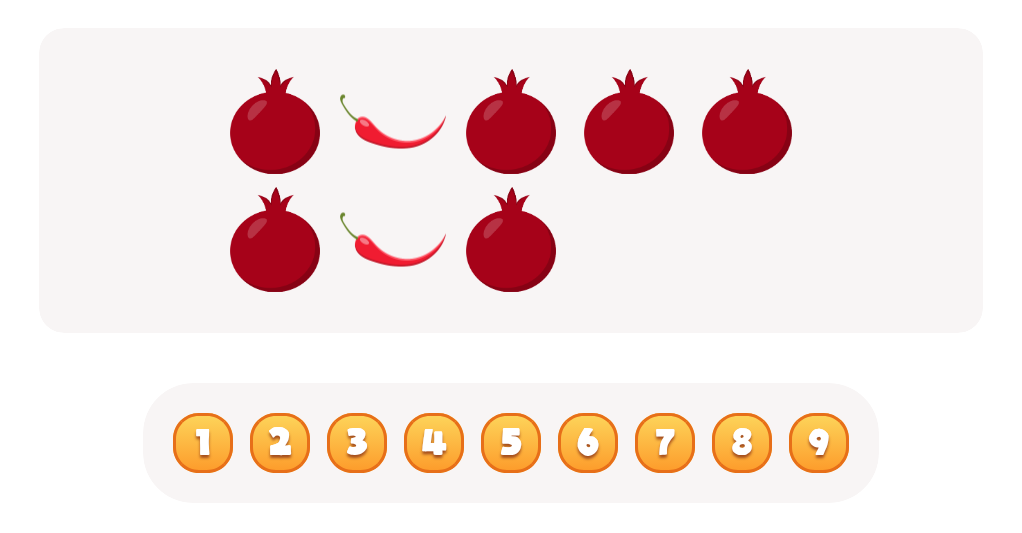
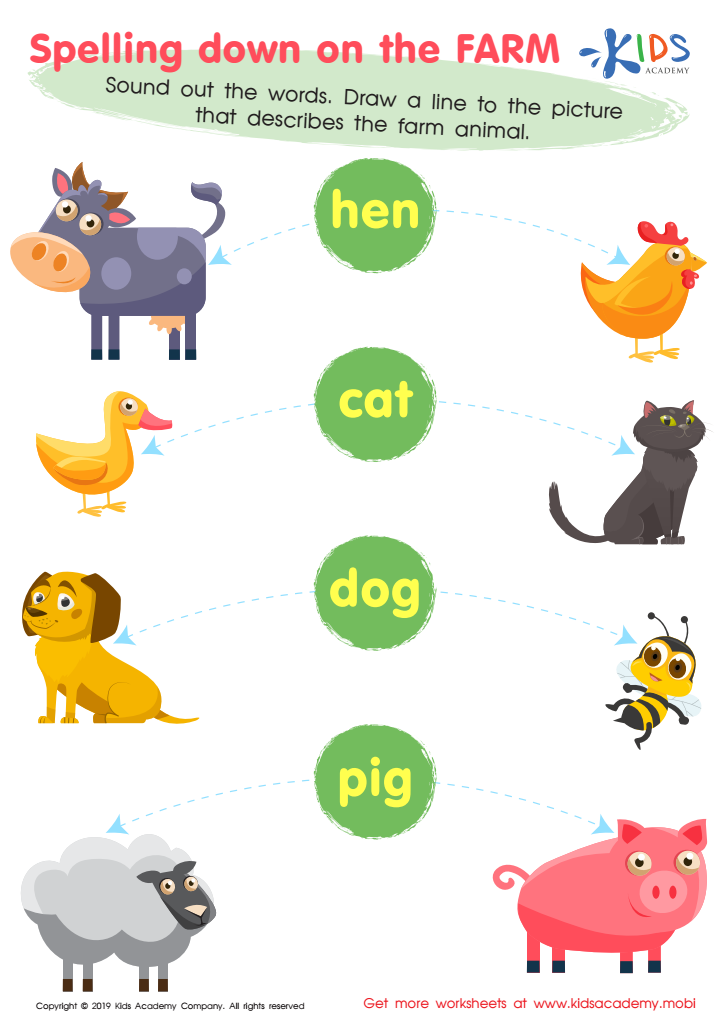
Spelling Down on the Farm Worksheet
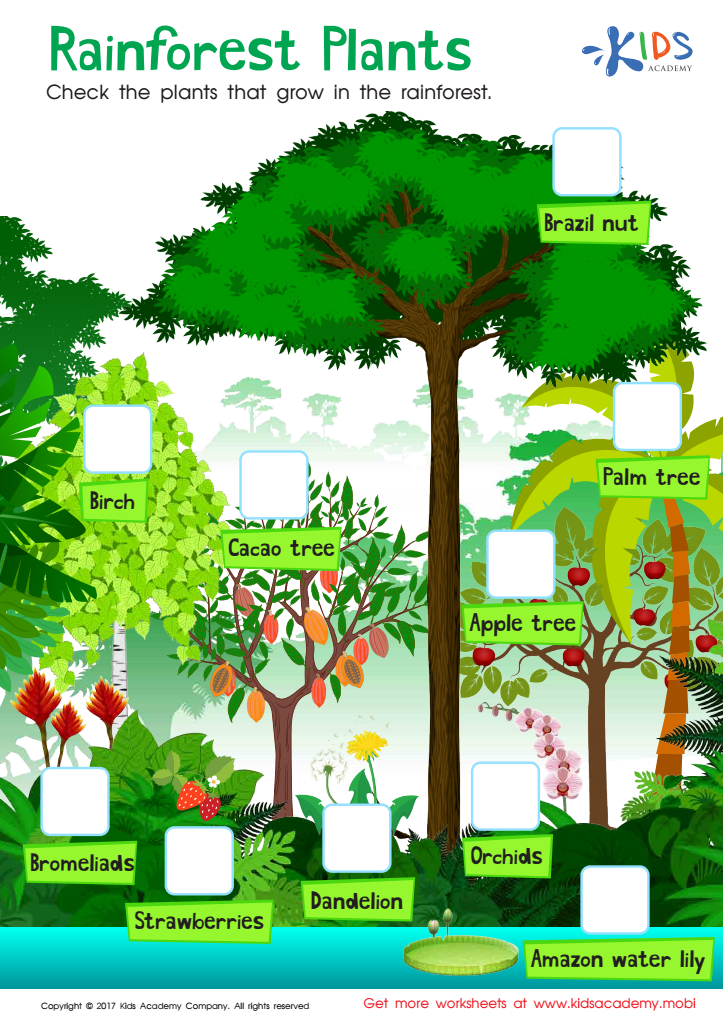
Rainforest Plants Worksheet
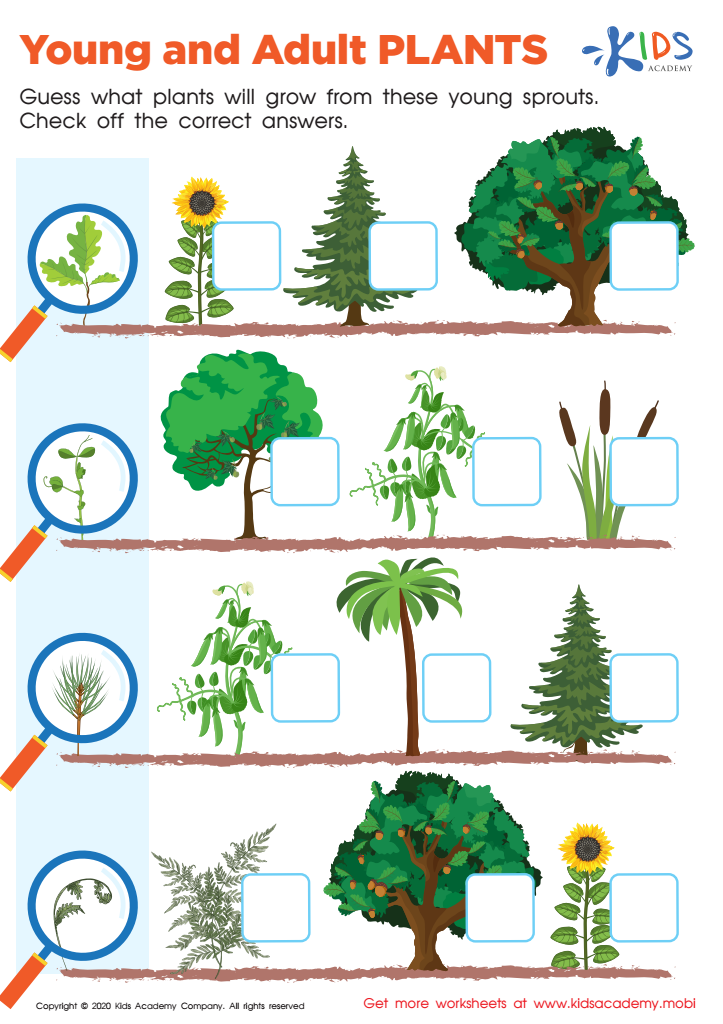
Young and Adult Plants Worksheet
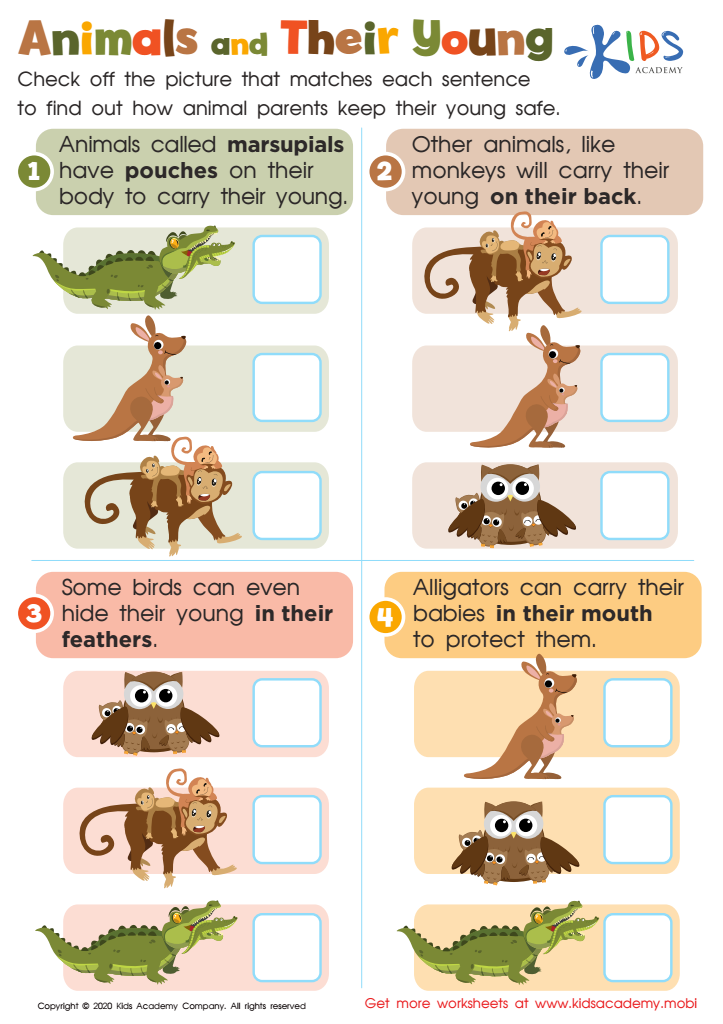
Animals and Their Young Worksheet
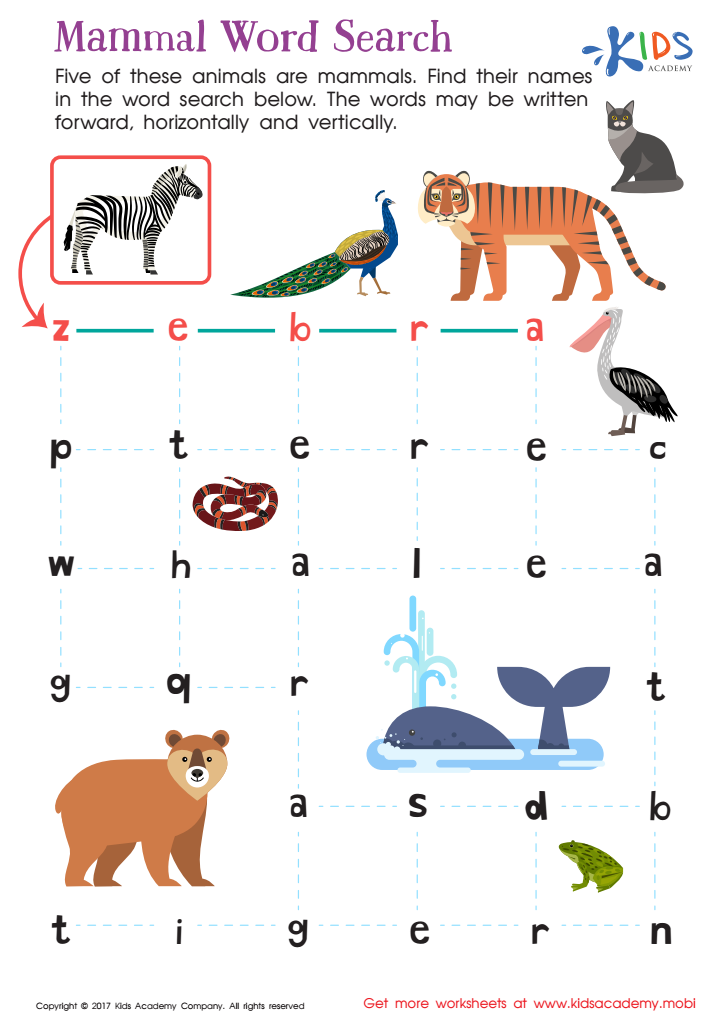
Printable Mammal Word Search
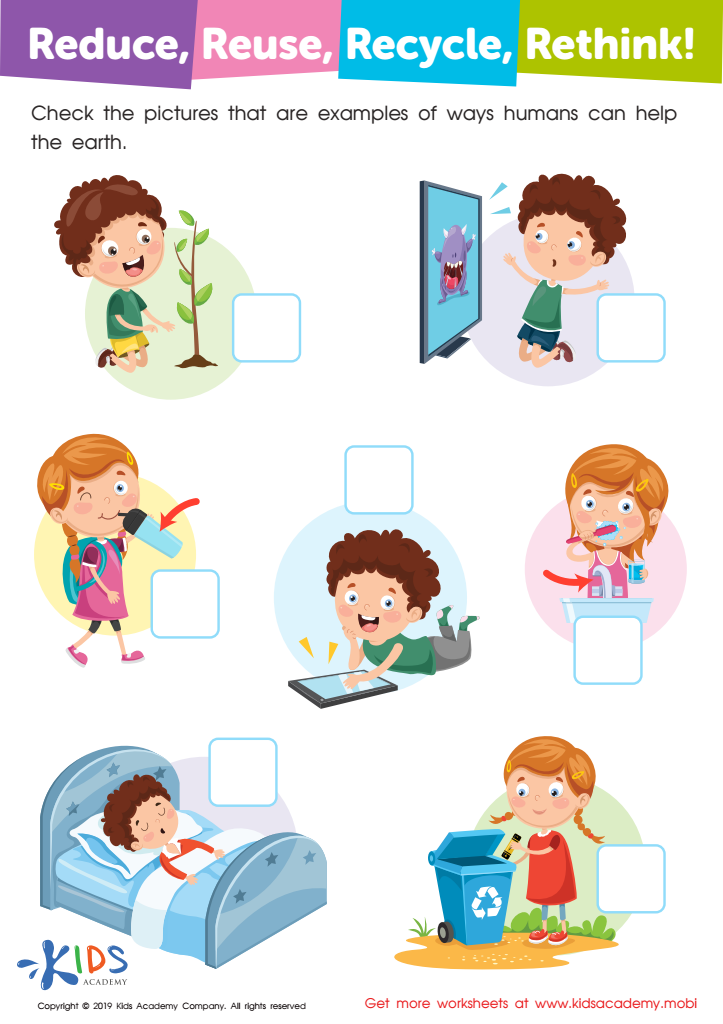
Reduce, Reuse, Recycle, Rethink Worksheet
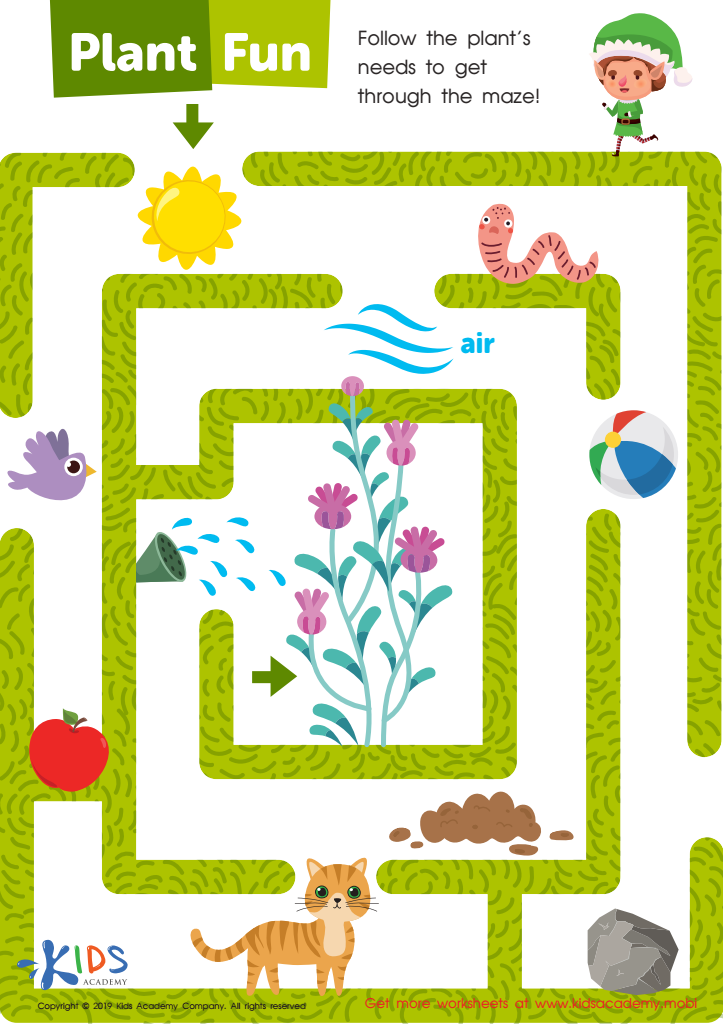
Plant Fun Worksheet
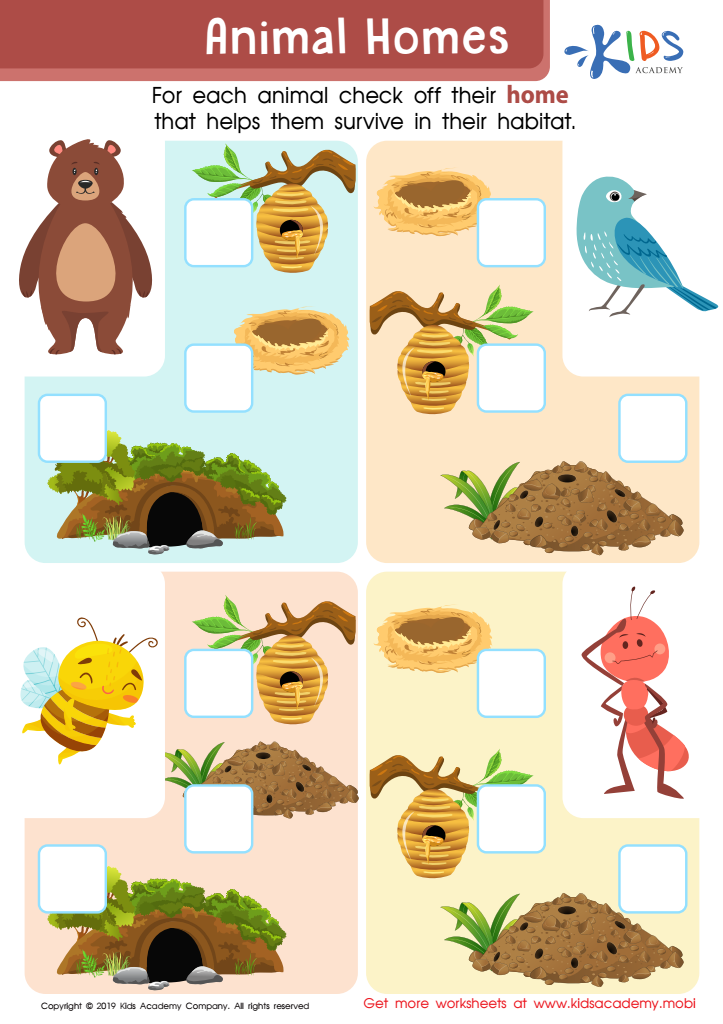
Animal Homes Worksheet
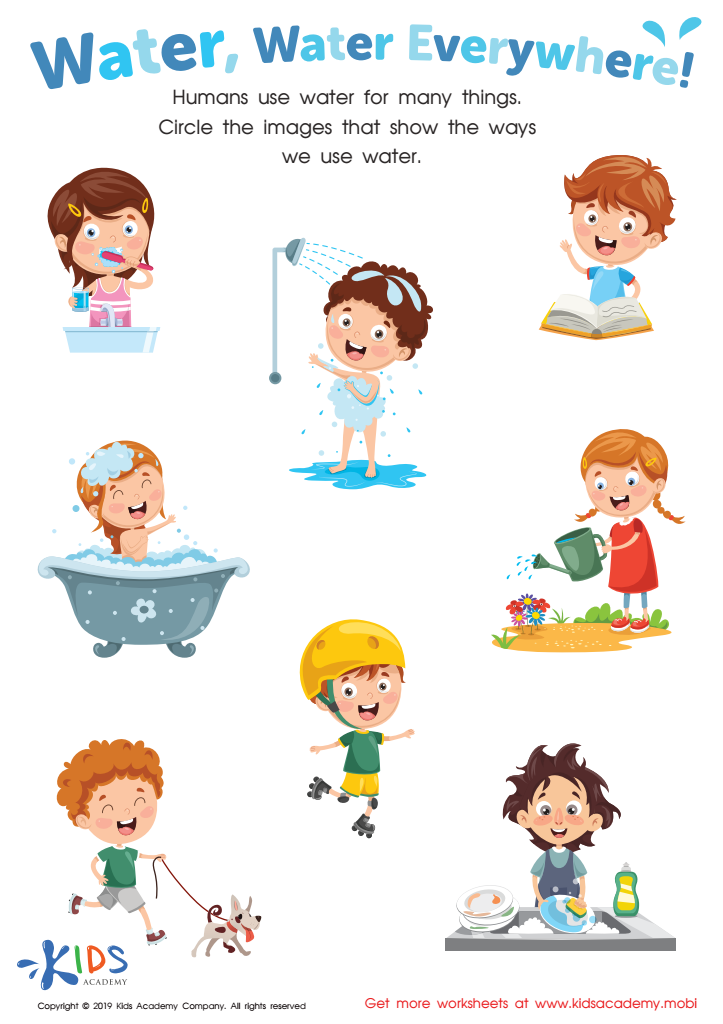
Water, Water Everywhere! Worksheet
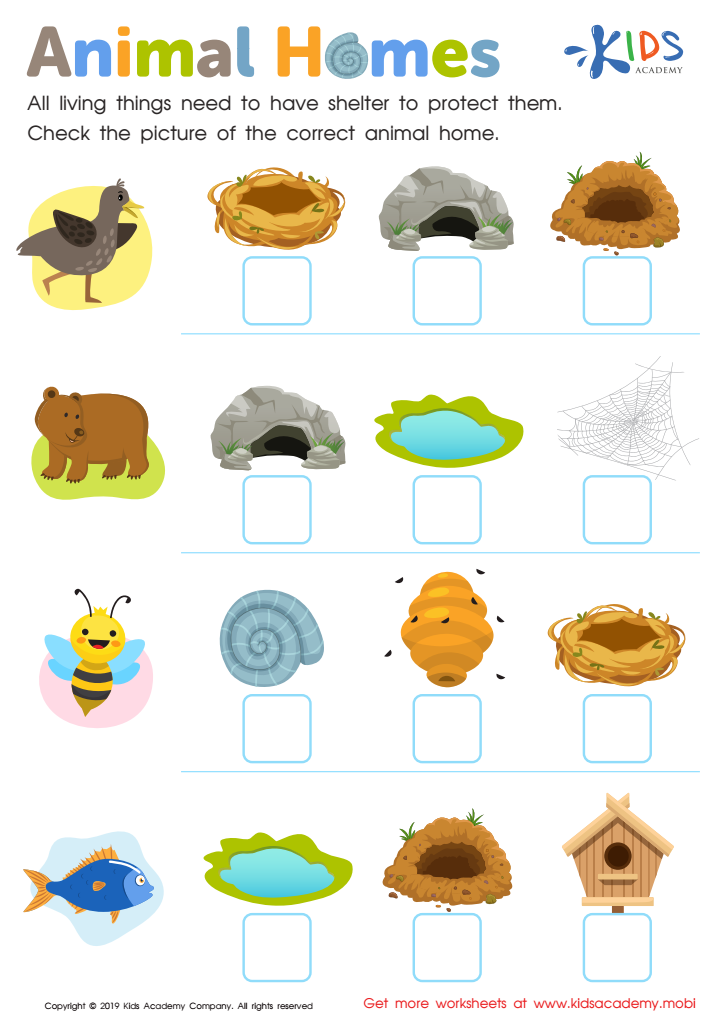
Animal Homes Worksheet
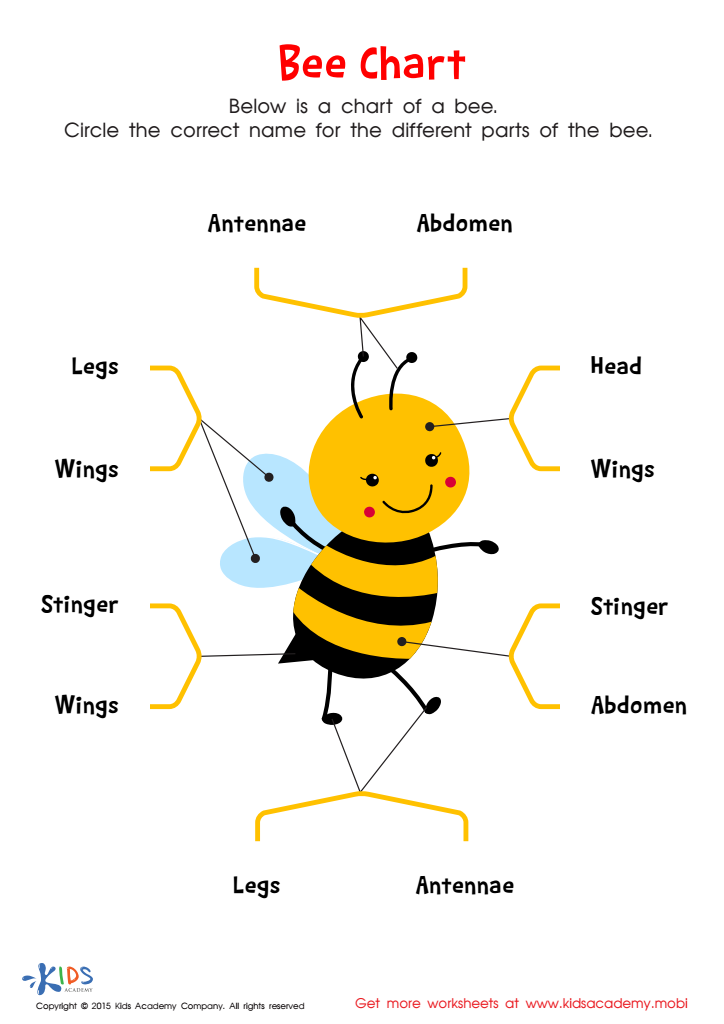
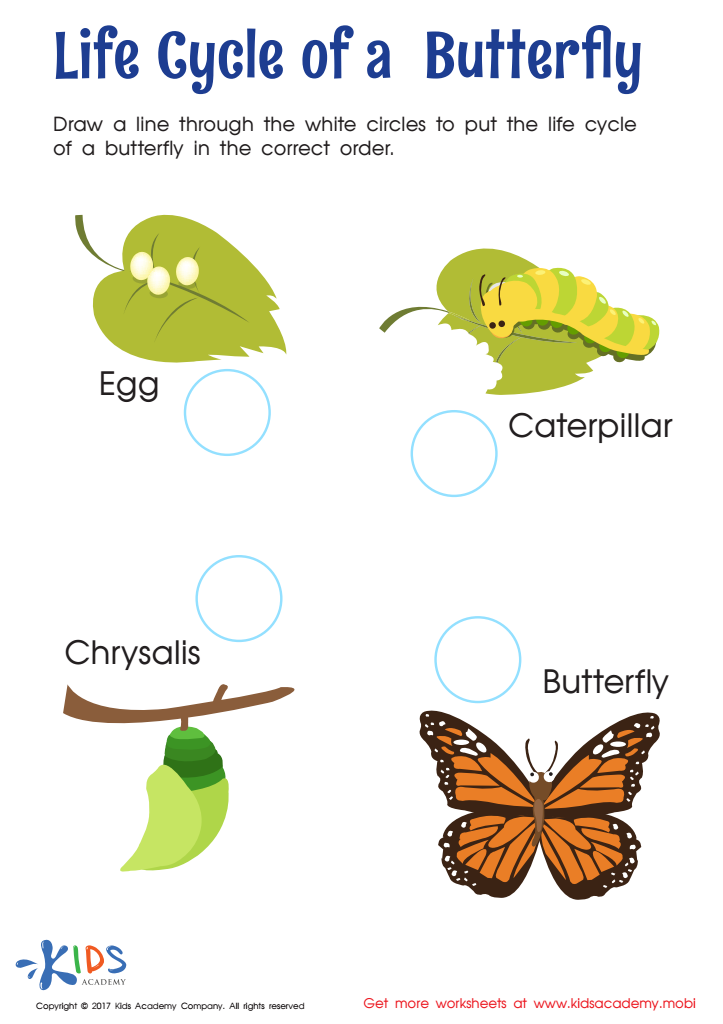
Life Cycle of Butterfly Worksheet
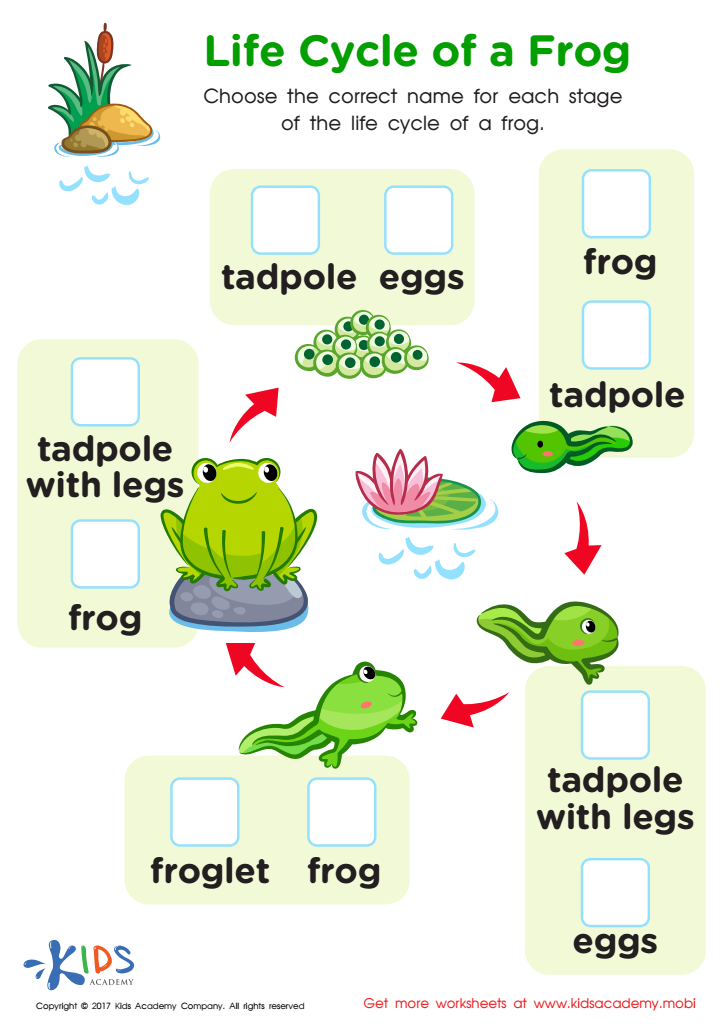
Life Cycle Frog Printable
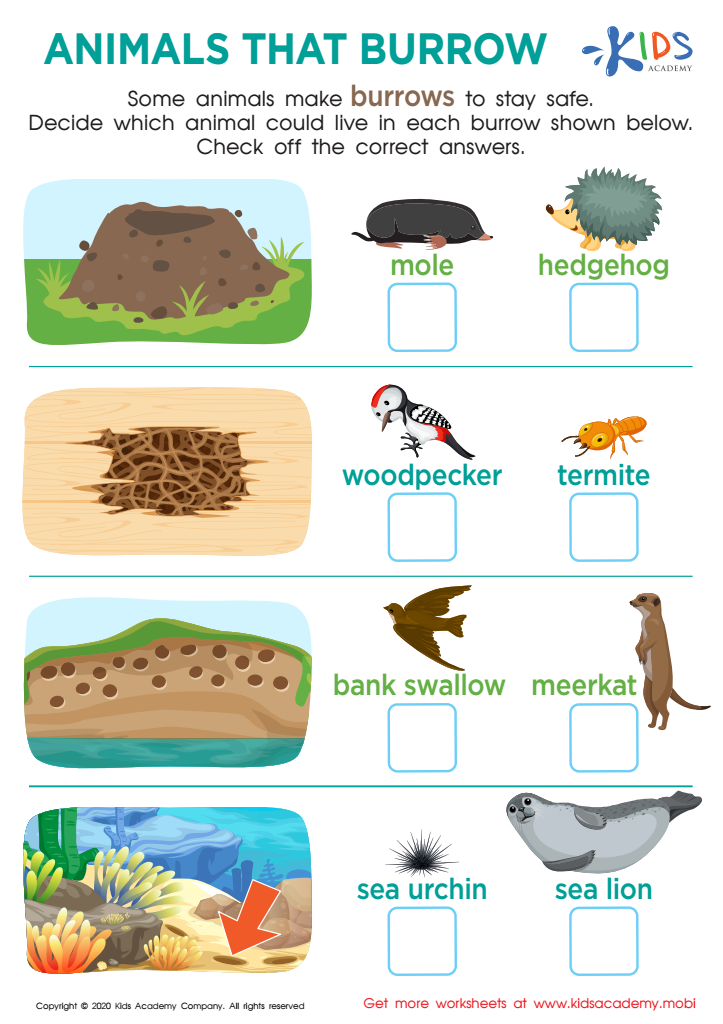
Animals That Burrow Worksheet
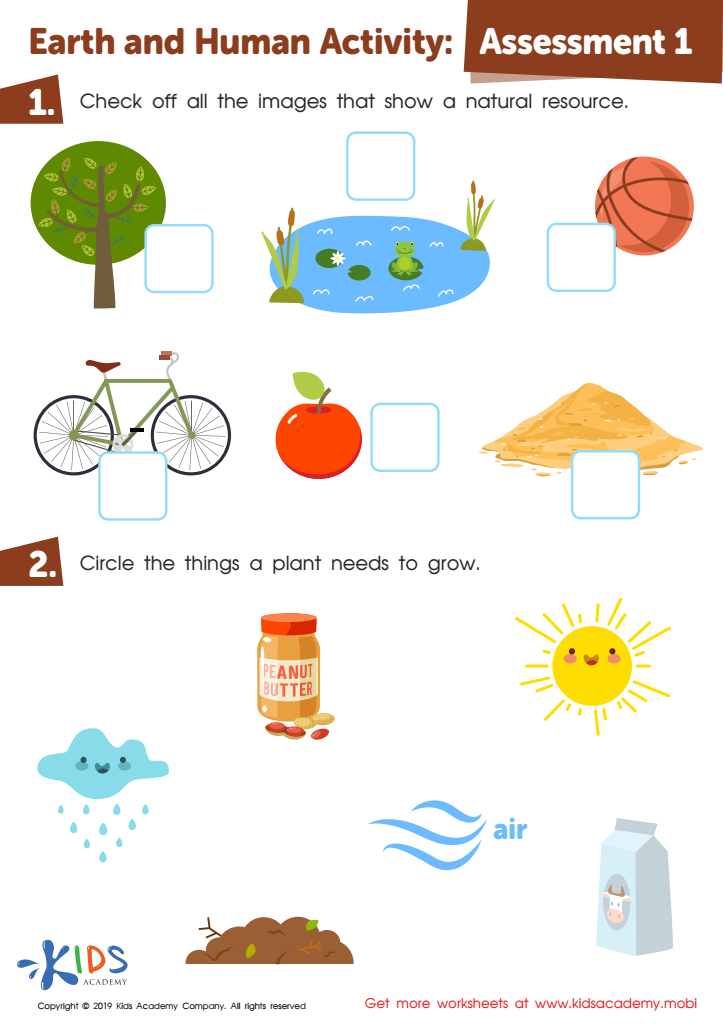
Earth and Human Activity: Assessment 1 Worksheet
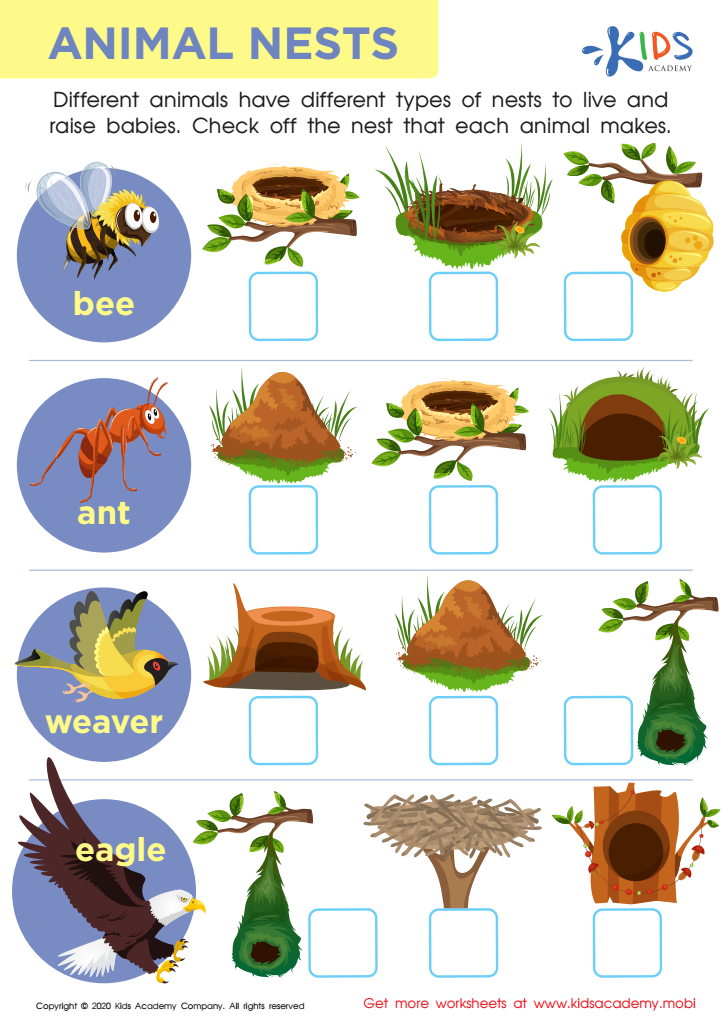
Animal Nests Worksheet






Parents and teachers should prioritize vocabulary enhancement for children ages 6 to 9, specifically focusing on topics like plants and animals, because these years are crucial for cognitive and linguistic development. A robust vocabulary in early childhood sets the foundation for effective communication, reading comprehension, and academic success.
Interacting with plants and animals naturally piques children's curiosity, making it an engaging context for learning. When children learn specific terms like "photosynthesis," "carnivore," or "habitat," they are not just memorizing words—they are understanding concepts that help them make sense of the world. These terms enrich their language skills and equip them to participate in more complex discussions both in and out of the classroom.
Furthermore, an enhanced vocabulary fosters better questioning skills and inquisitiveness. For instance, when children know the word "ecosystem," they are more likely to ponder the intricate relationships within nature, leading to deeper critical thinking and analytical skills.
Finally, incorporating vocabulary related to plants and animals can instill a lasting appreciation for nature, promoting environmental stewardship from a young age. By weaving meaningful vocabulary into everyday learning experiences, parents and teachers make education both comprehensive and compelling, ensuring children are well-prepared for future academic endeavors and informed citizenship.