Reading comprehension History Worksheets for Ages 6-9 - Page 2
41 filtered results
-
From - To
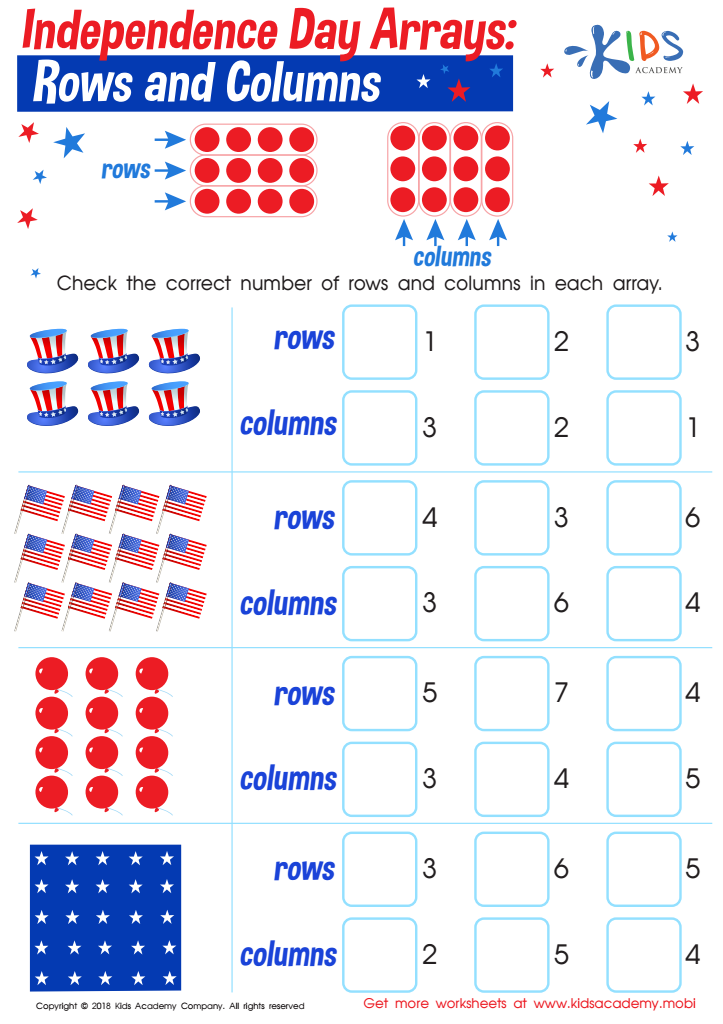
Independence Day Arrays: Rows and Columns Worksheet
 Assign to My Students
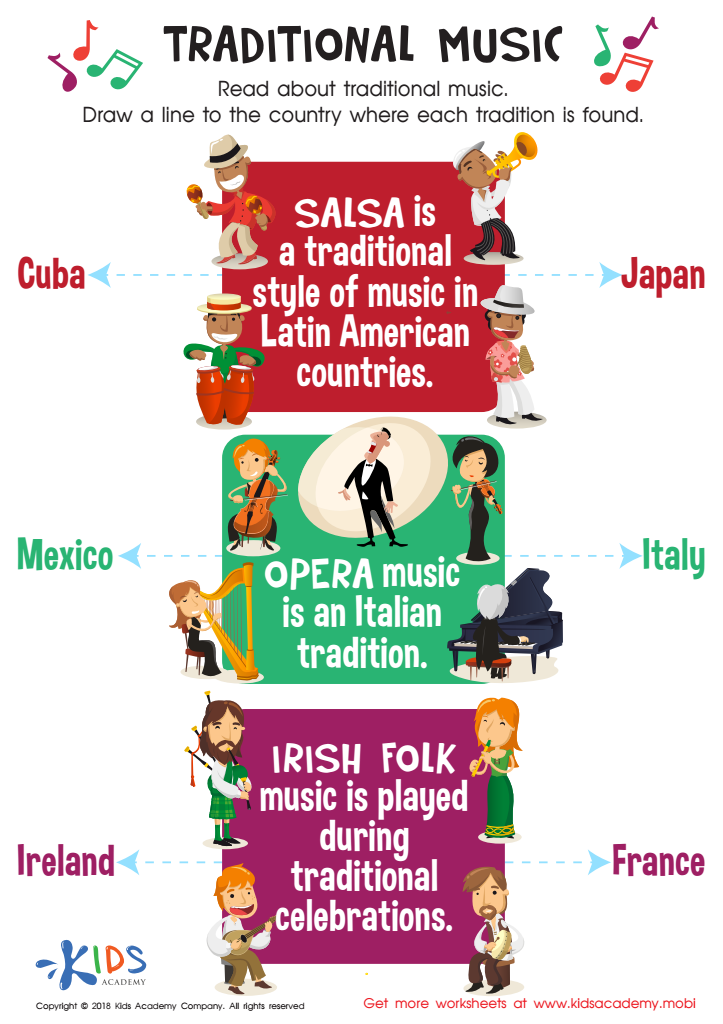
Traditional Music Worksheet
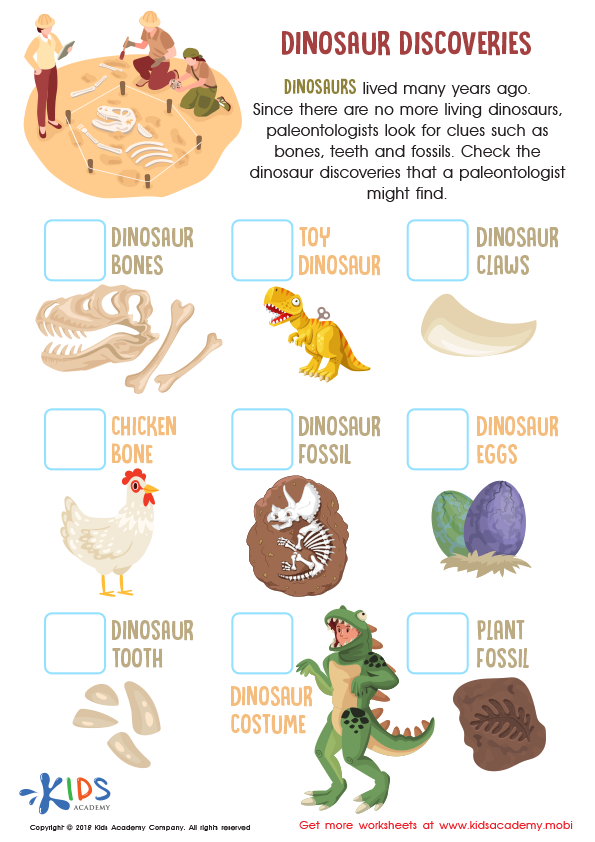
Dinosaur Discoveries Worksheet
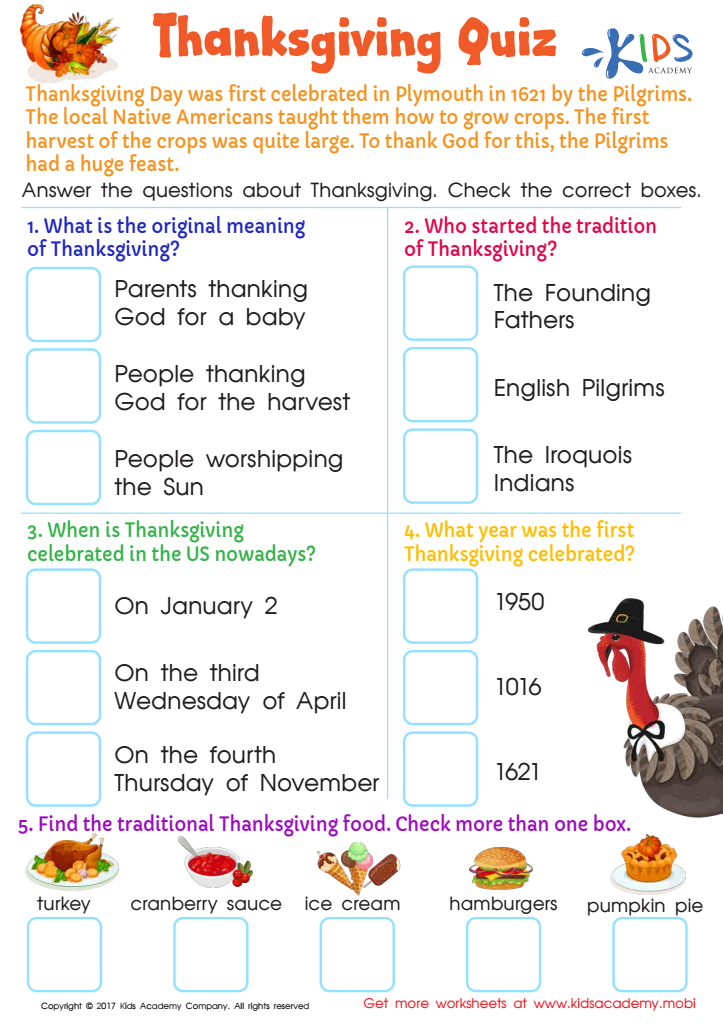
Thanksgiving Quiz Worksheet
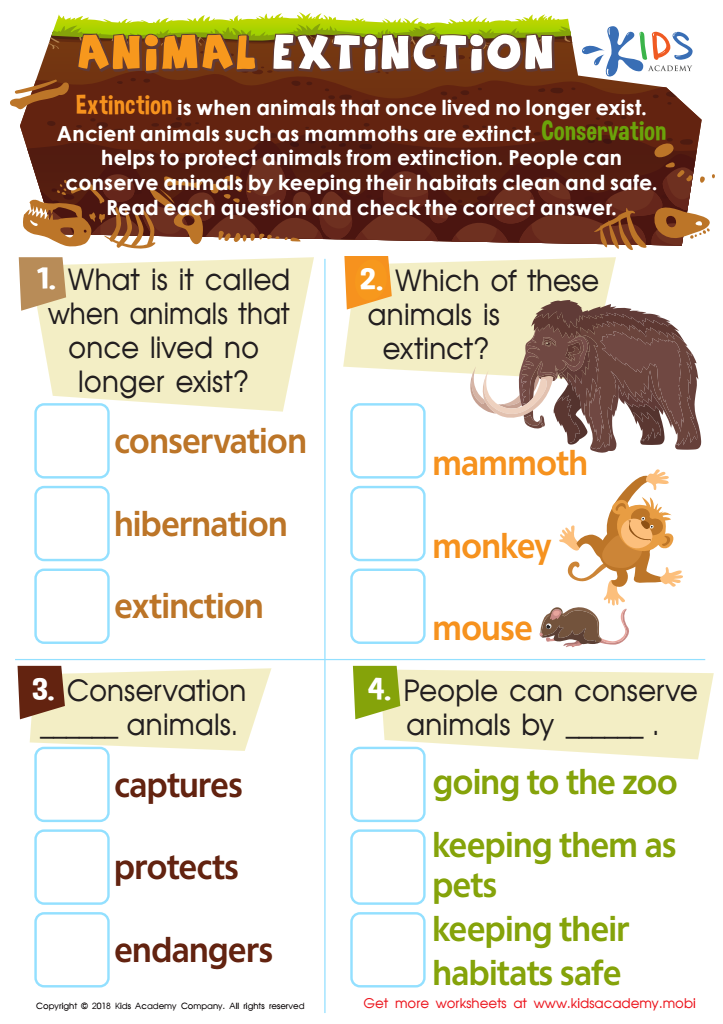
Animal Extinction Worksheet
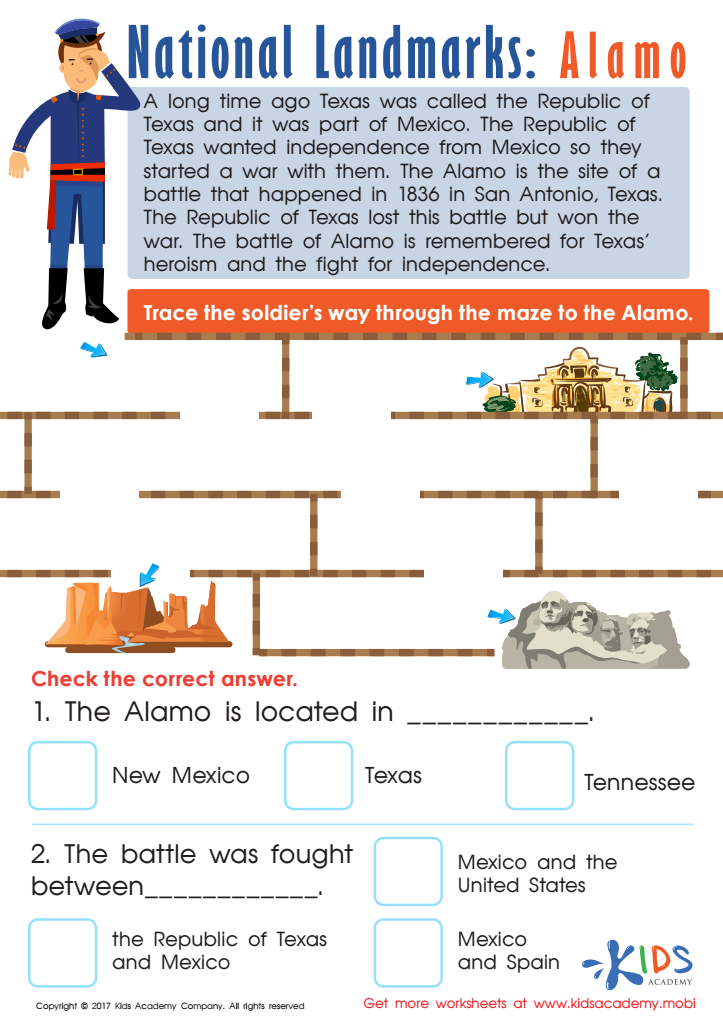
Alamo Printable Worksheet
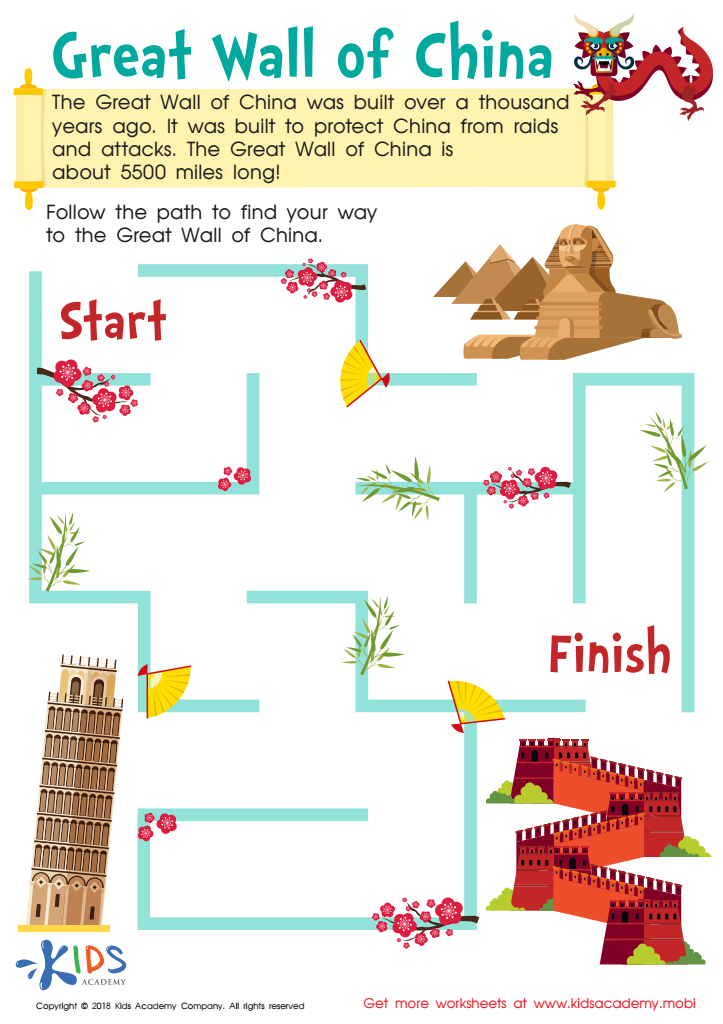
Great Wall of China Worksheet
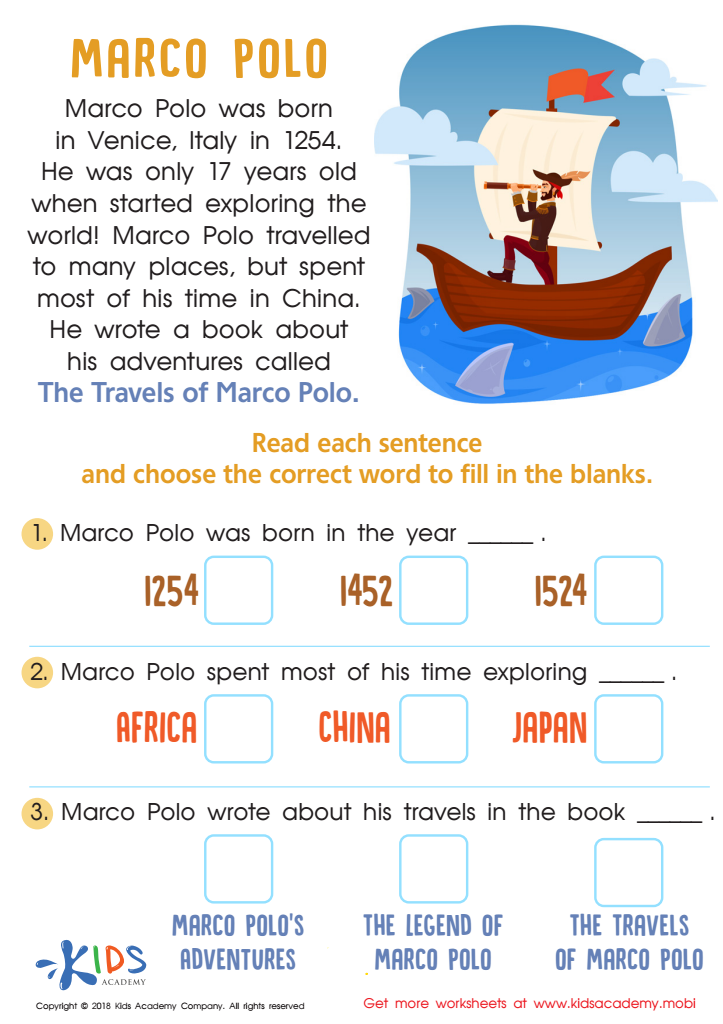
Marco Polo Worksheet
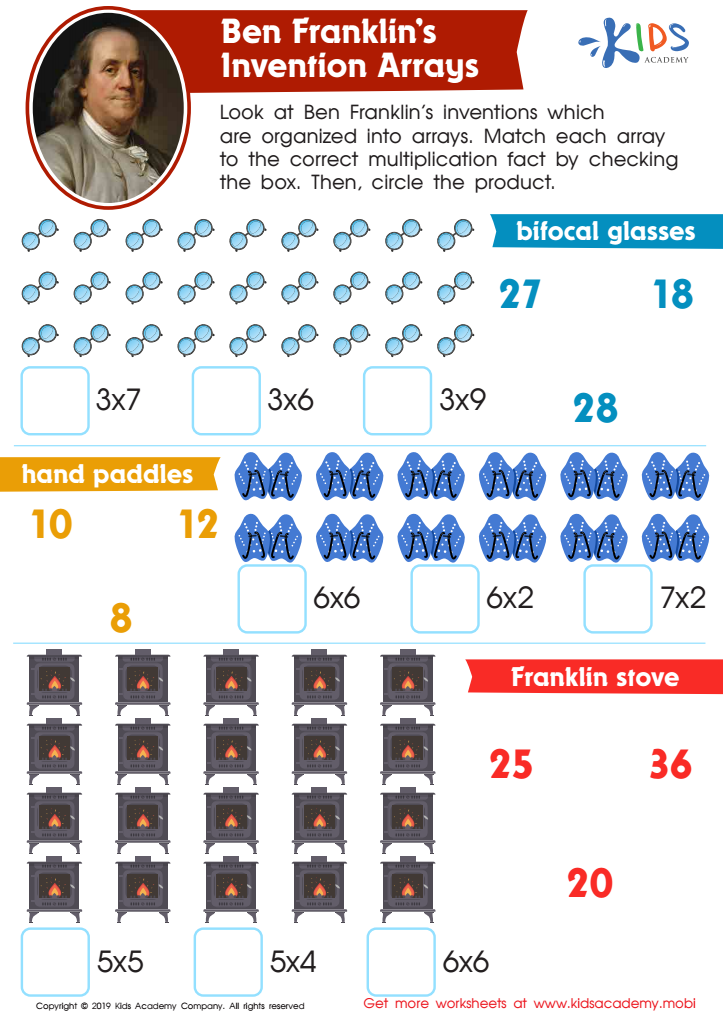
Ben Franklin’s Invention Arrays Worksheet
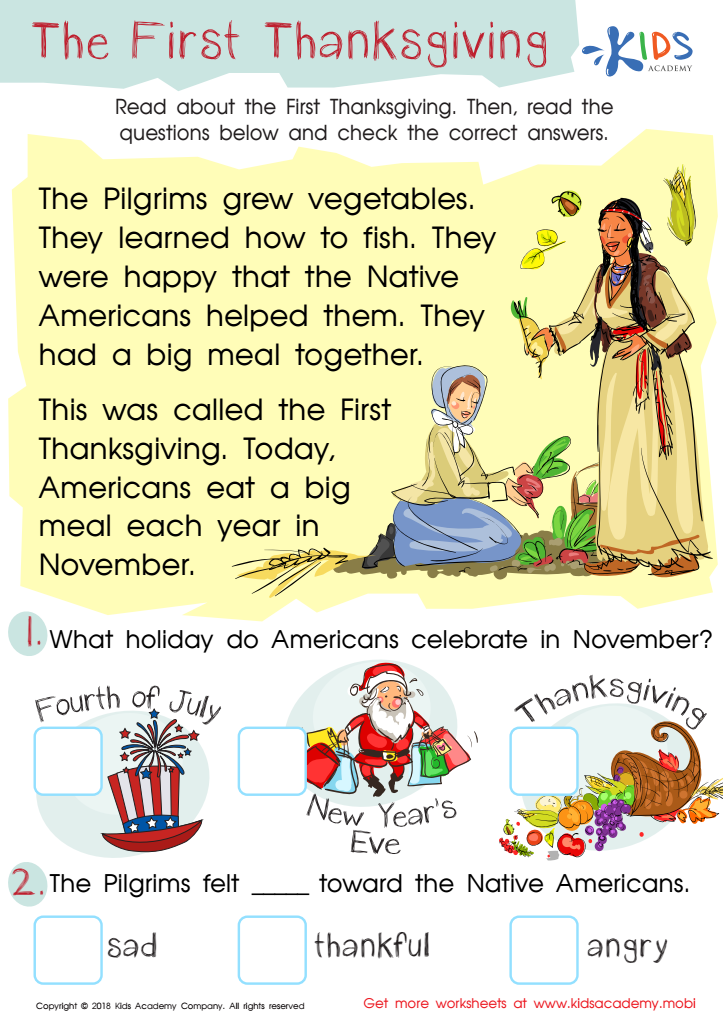
Assessment: First Thanksgiving Worksheet
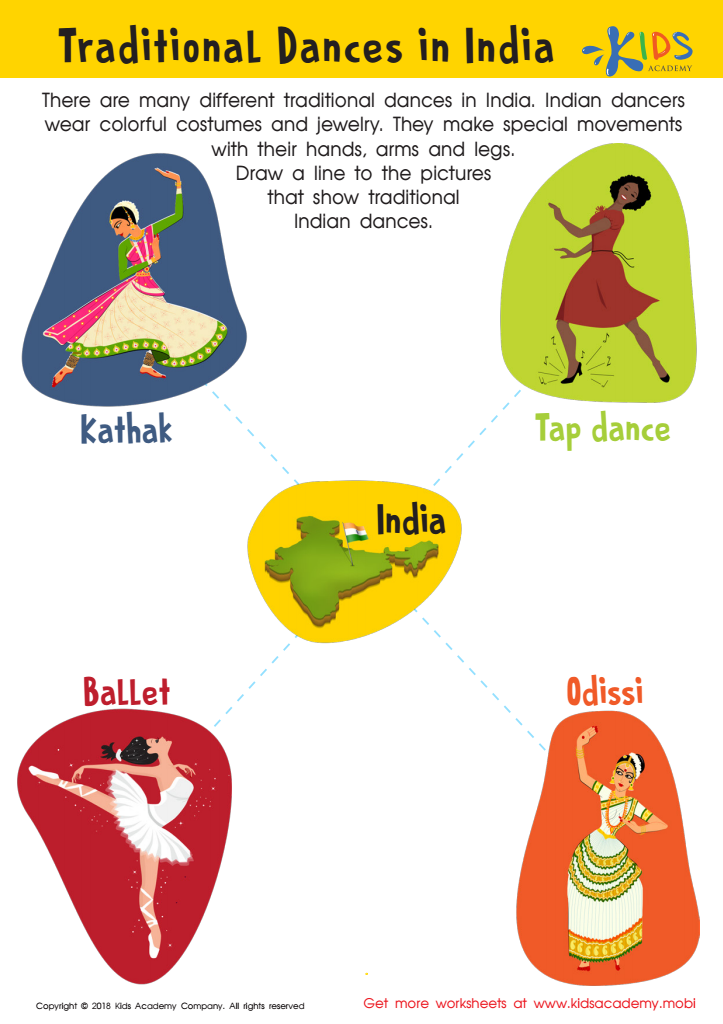
Traditional Dances in India Worksheet
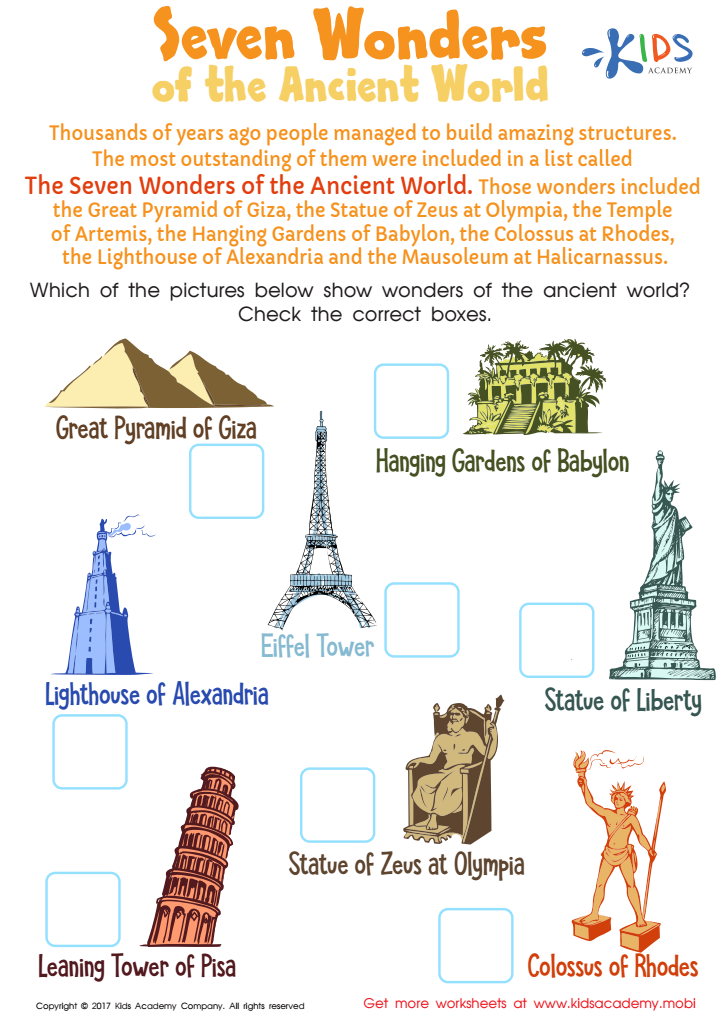
Seven Wonders of the Ancient World Worksheet
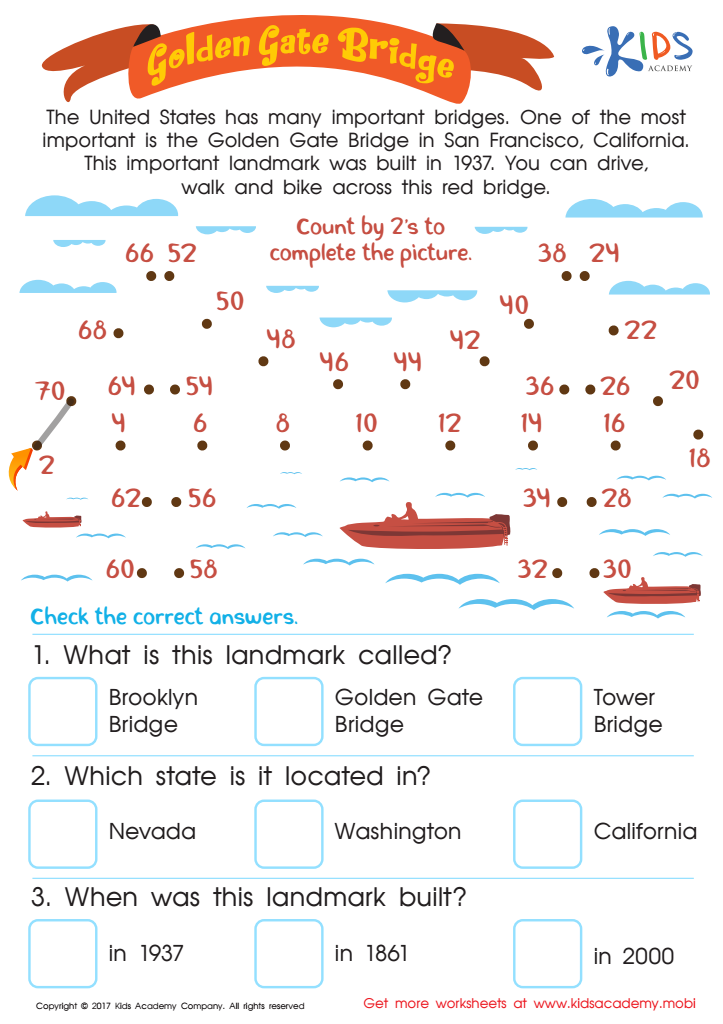
Golden Gate Bridge Worksheet
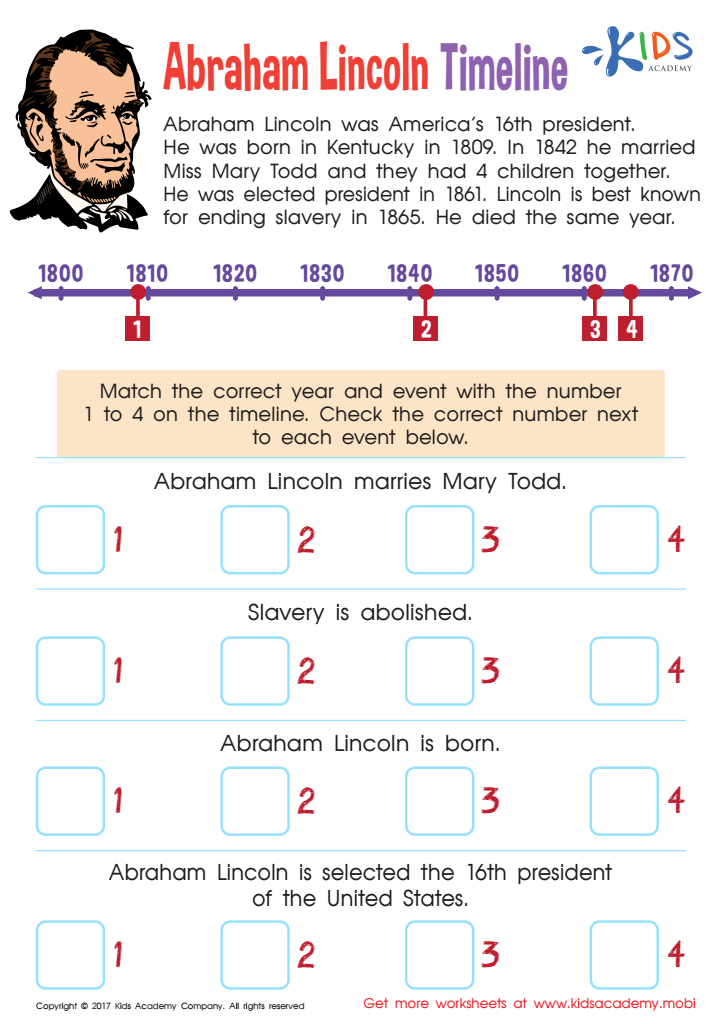
Abraham Lincoln Timeline Worksheet
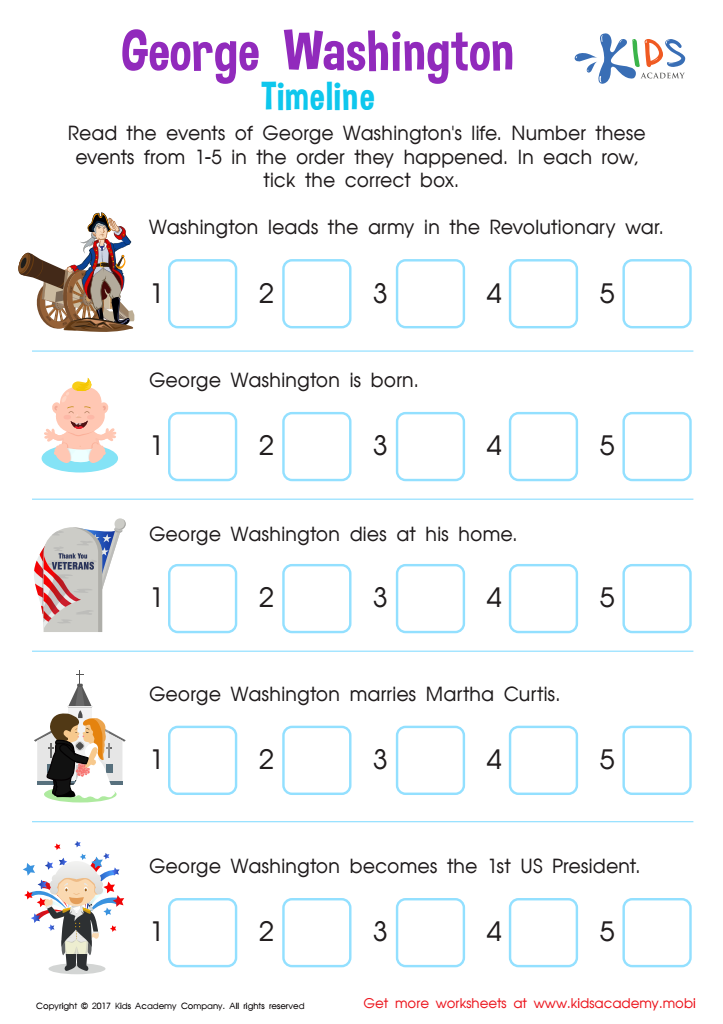
George Washington Timeline Worksheet
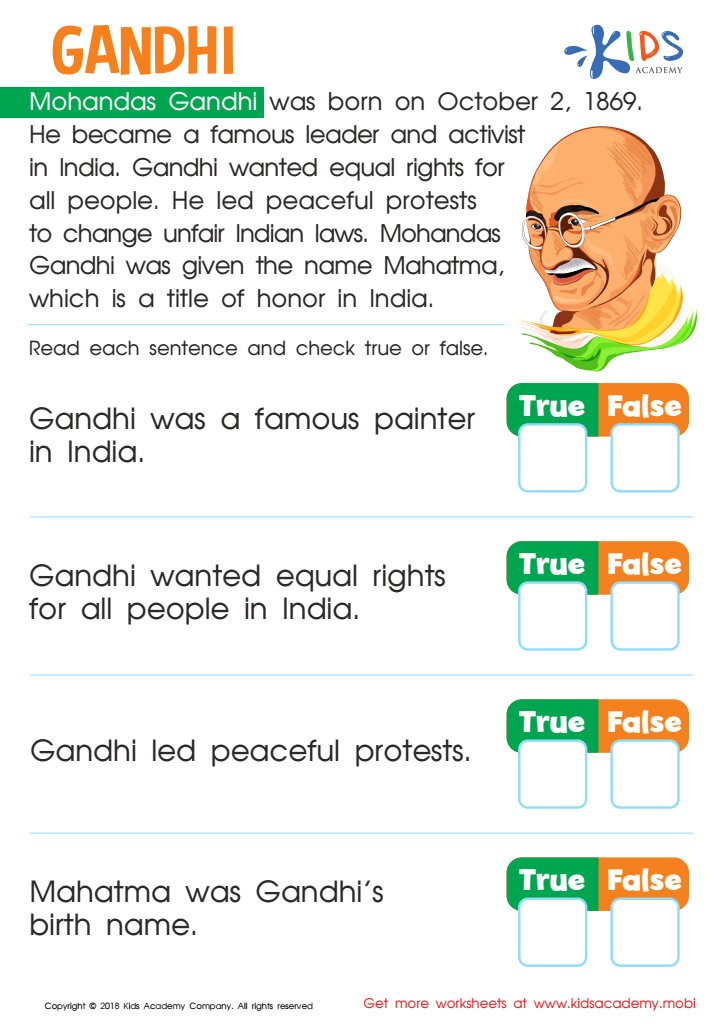
Gandhi Worksheet
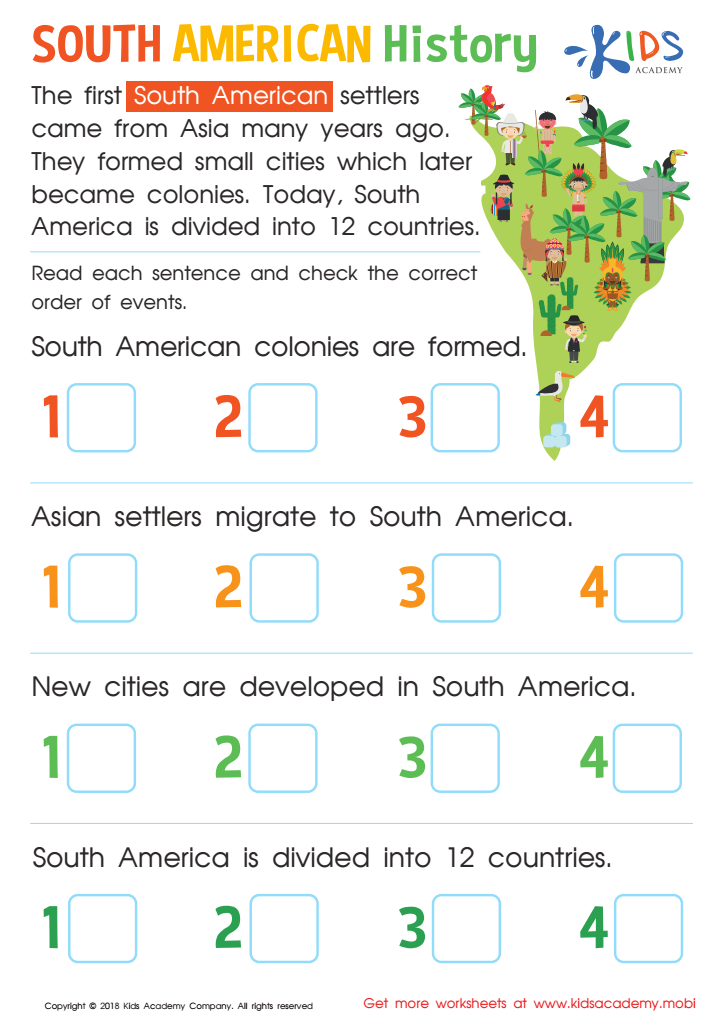
South American History Worksheet




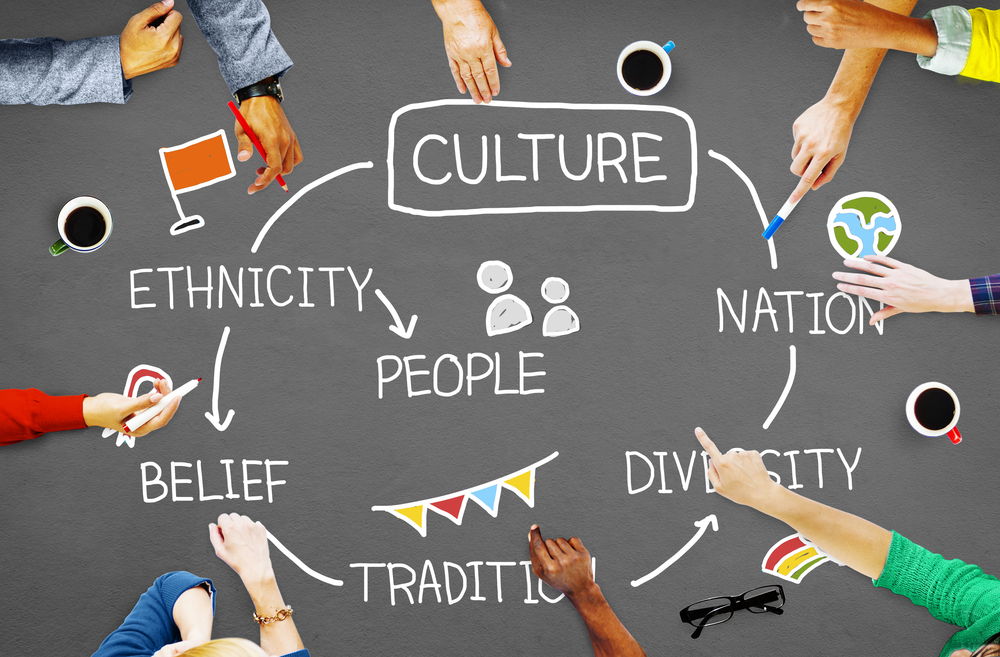



Reading comprehension for children aged 6-9 is crucial as it lays the foundation for future learning and overall academic success. At this age, children are transitioning from learning to read to reading to learn, making it essential for them to understand not just the words on the page, but also the concepts, themes, and historical contexts of the stories they engage with.
Understanding historical narratives enhances children's ability to relate to their own experiences and the world around them. It fosters critical thinking as they analyze characters' decisions and the consequences these decisions had in different eras. Moreover, good reading comprehension skills help children develop empathy, as they glimpse into different cultures and perspectives.
For parents and teachers, emphasizing reading comprehension in history can motivate discussions about civic knowledge and social responsibility. It promotes engagement with lessons on diversity, resilience, and human experiences, shaping informed and thoughtful future citizens. Furthermore, effective comprehension strategies, cultivated in early readers, contribute to improved performance in all subjects and can significantly increase a child's confidence and love for learning. Thus, prioritizing reading comprehension in history at this crucial developmental stage is vital for holistic educational growth.








