Developing analytical skills Social Studies Worksheets for Ages 6-9
4 filtered results
-
From - To
Enhance your child's analytical skills with our engaging Social Studies worksheets designed specifically for ages 6 to 9. These interactive resources encourage critical thinking and problem-solving, helping young learners analyze important concepts related to communities, cultures, and history. Each worksheet features fun activities that promote exploration and discussion, guiding children to observe, interpret, and draw conclusions. Perfect for classroom settings or at-home learning, our worksheets provide a dynamic approach to understanding social studies, nurturing a sense of curiosity about the world around them. Equip your child with essential analytical skills while they learn about the diverse society we live in!
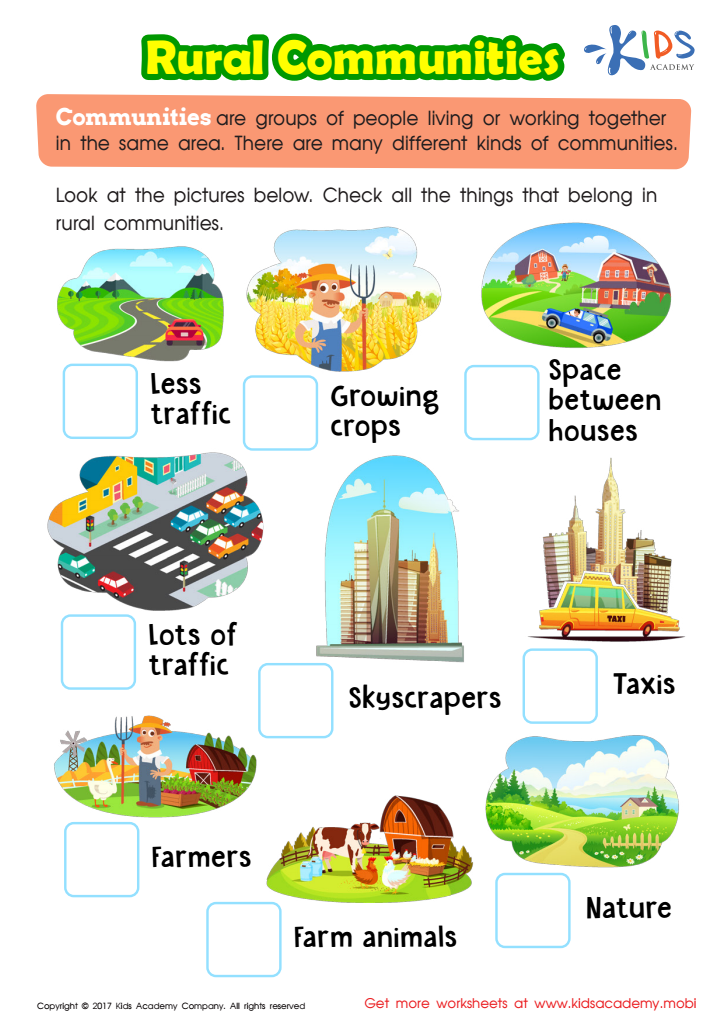
Rural Communities Printable
 Assign to My Students

What Needs Electricity Printable
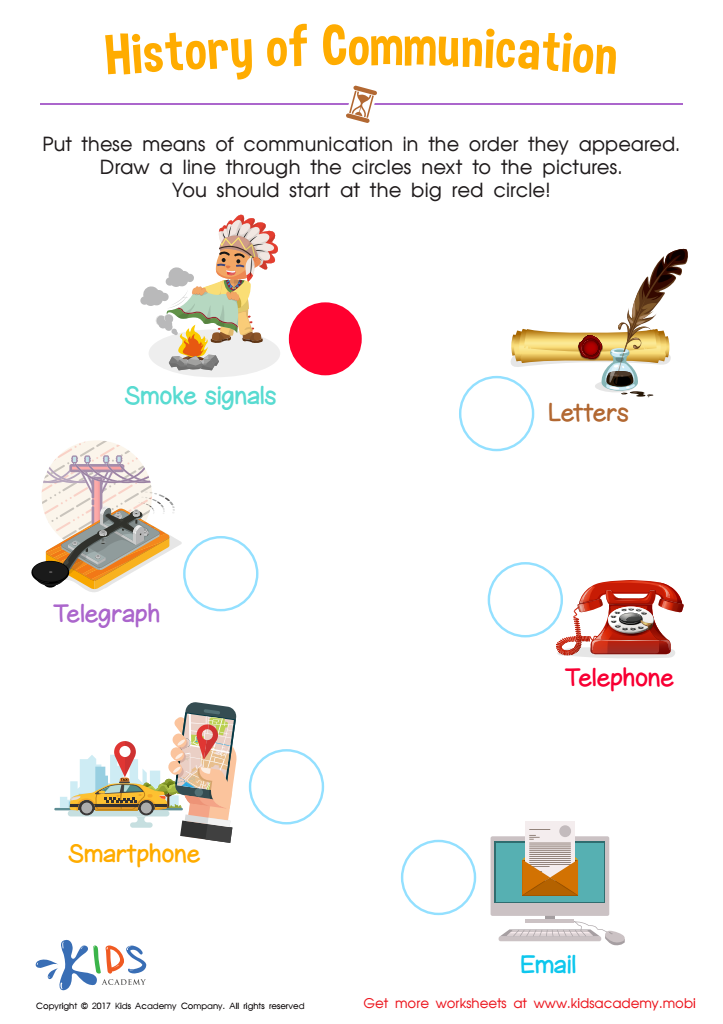
History of Communication Worksheet
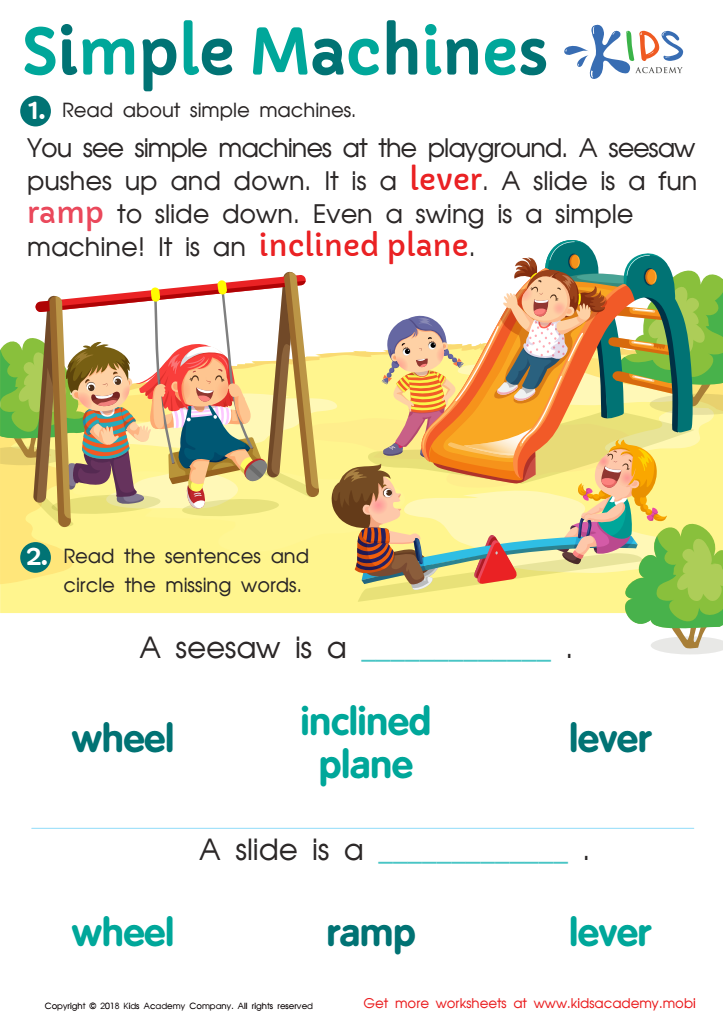
Simple Machines Worksheet








Developing analytical skills in social studies for children aged 6-9 is crucial for several reasons. First, these skills foster critical thinking, allowing young students to interpret information, distinguish between facts and opinions, and understand cause-and-effect relationships. This foundation helps them grasp complex social dynamics, such as community roles, cultural diversity, and historical events, promoting informed citizenship.
Furthermore, analytical skills empower children to ask questions and seek answers, nurturing their curiosity and engagement with the world around them. They learn to analyze maps, charts, and primary sources, encouraging exploratory learning beyond textbooks. This hands-on approach enhances their problem-solving abilities and promotes empathy, as students consider multiple perspectives in social issues.
It also prepares students for future academic challenges, showing them that learning extends beyond factual recall. Rather, they become confident learners capable of synthesizing information and making connections across different subjects.
When parents and teachers prioritize these skills, they not only enrich a child's educational experience but also cultivate a generation of thoughtful, informed individuals who can navigate and contribute positively to their communities. Thus, supporting analytical skills in social studies is essential in shaping capable, responsible citizens.








