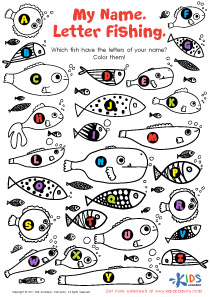
Fine Motor Skills ABC Order Worksheets for 6-Year-Olds
18 filtered results
-
From - To
Enhance your 6-year-old's fine motor skills with our engaging ABC Order Worksheets! Designed for early learners, these worksheets combine letter recognition and ordering exercises with fun activities that encourage dexterity and coordination. Kids will trace letters, color, and connect dots while practicing the alphabet in order. Each worksheet serves to strengthen hand-eye coordination and fine motor control, critical for writing and everyday tasks. Spark creativity and learning through interactive exercises that make mastering the alphabet enjoyable. Perfect for classroom settings or home learning, our worksheets provide an excellent way for children to develop essential skills while having fun!
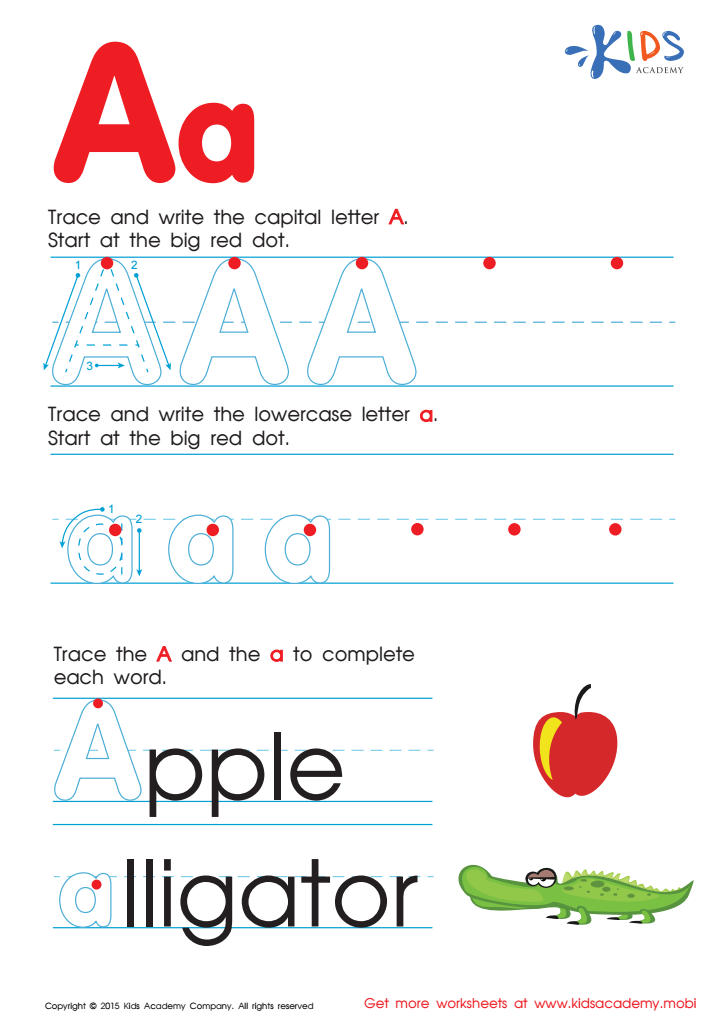
Letter A Tracing Page
 Assign to My Students











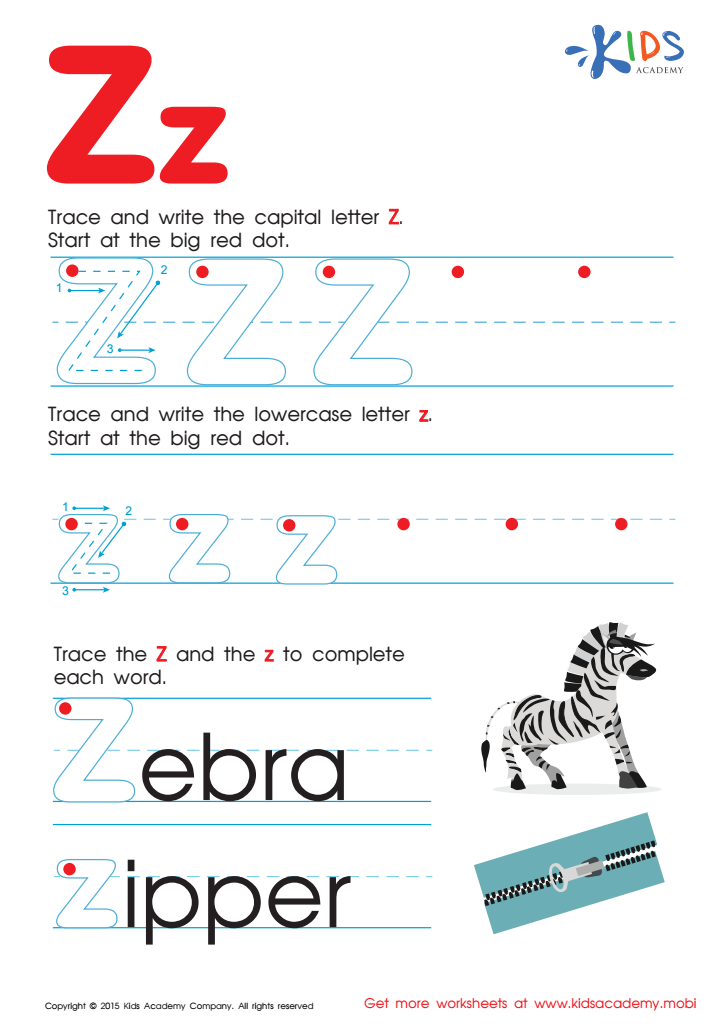
Letter Z Tracing Page
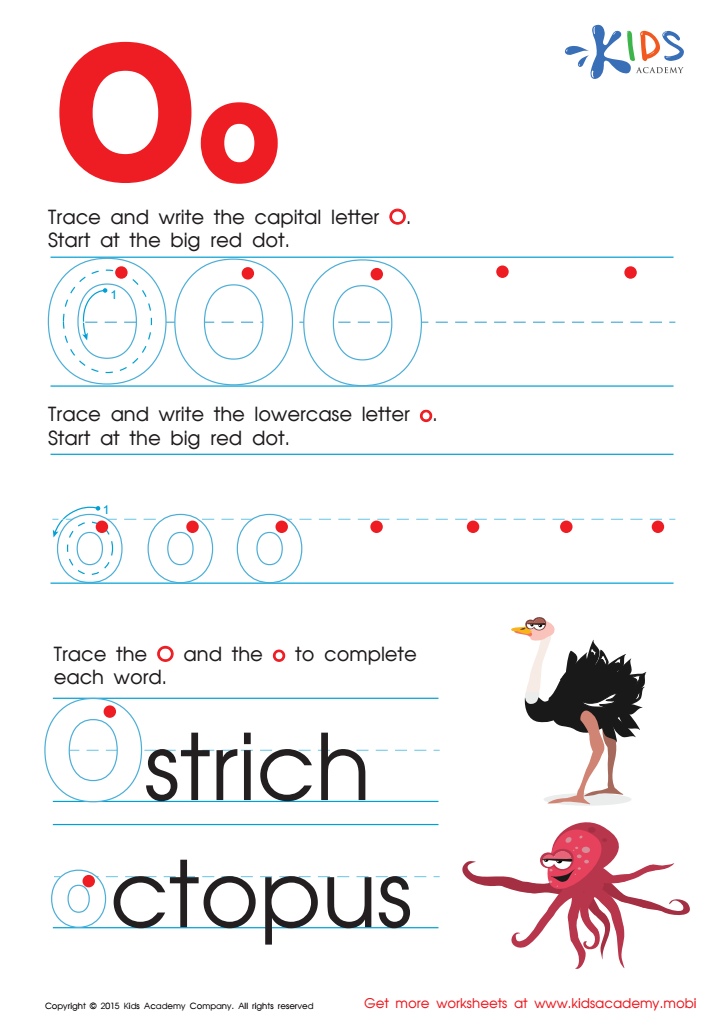
Letter O Tracing Page
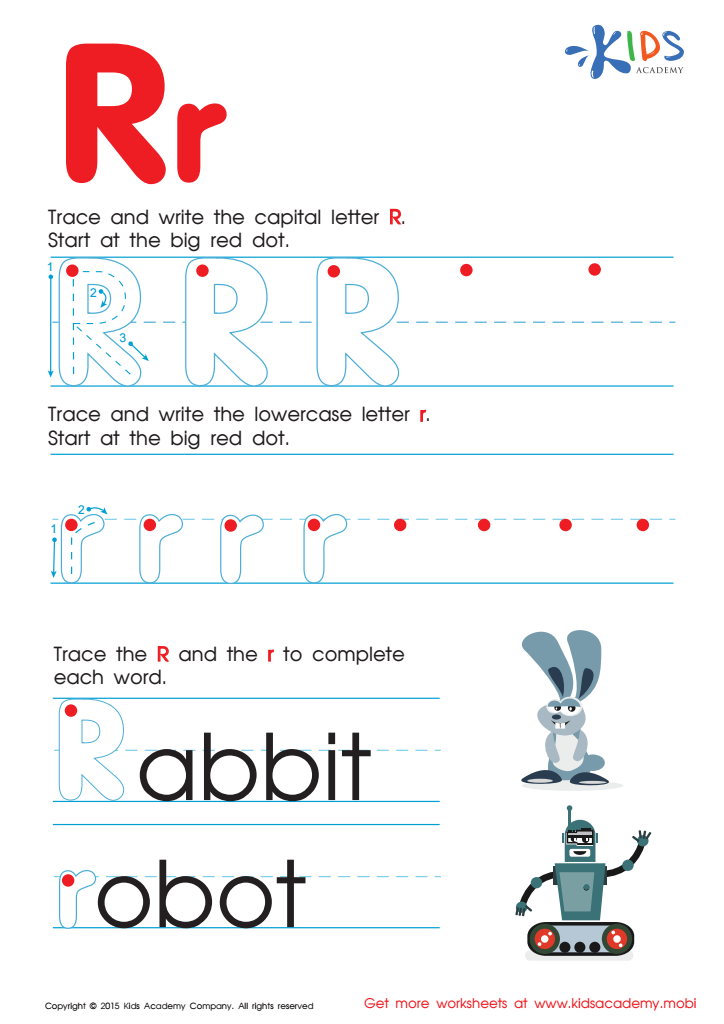
Letter R Tracing Page
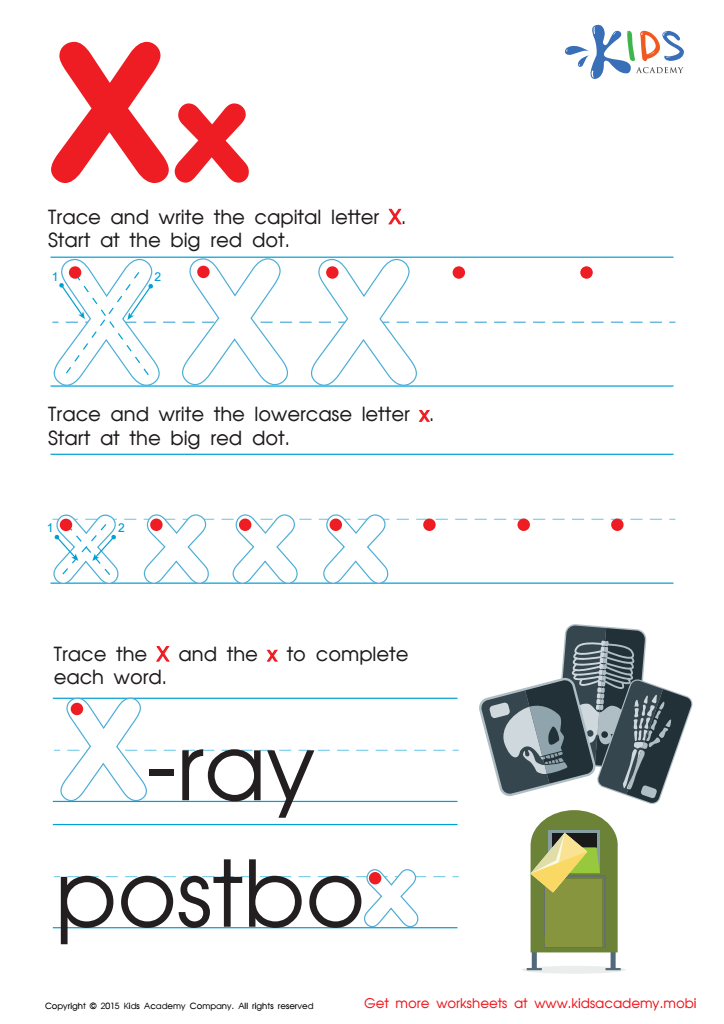
Letter X Tracing Page
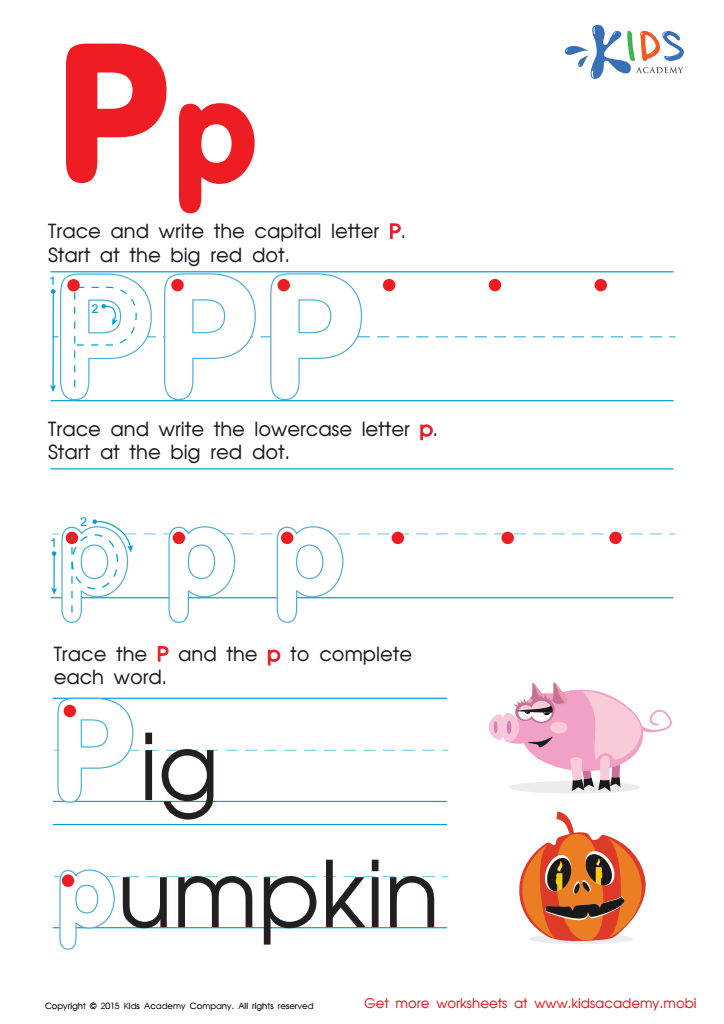
Letter P Tracing Page
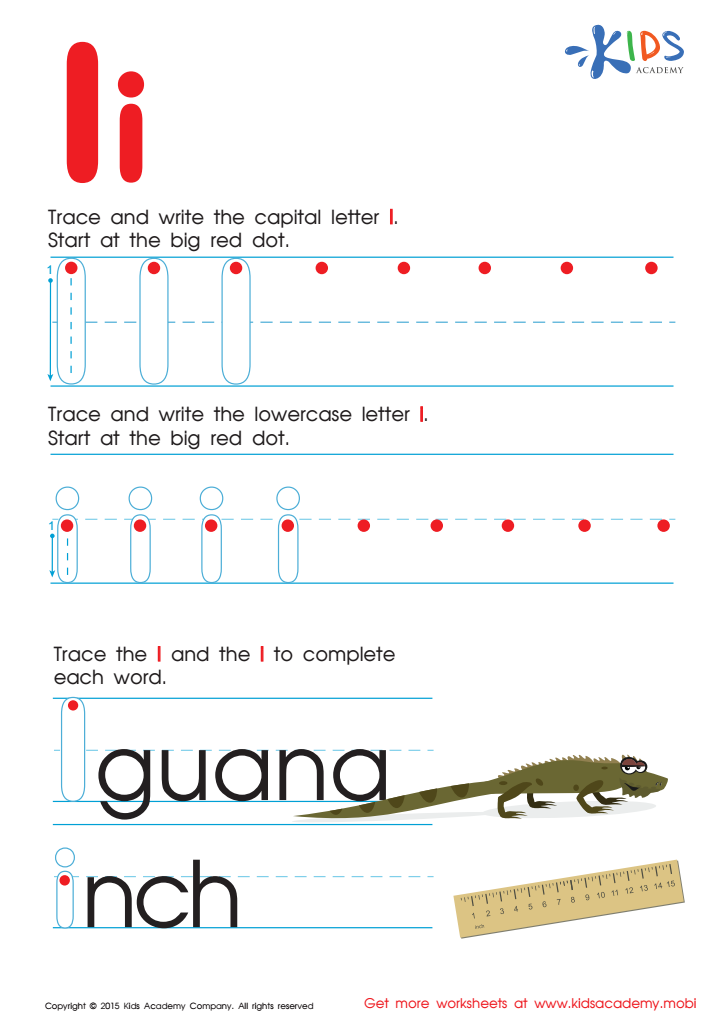
Letter I Tracing Page
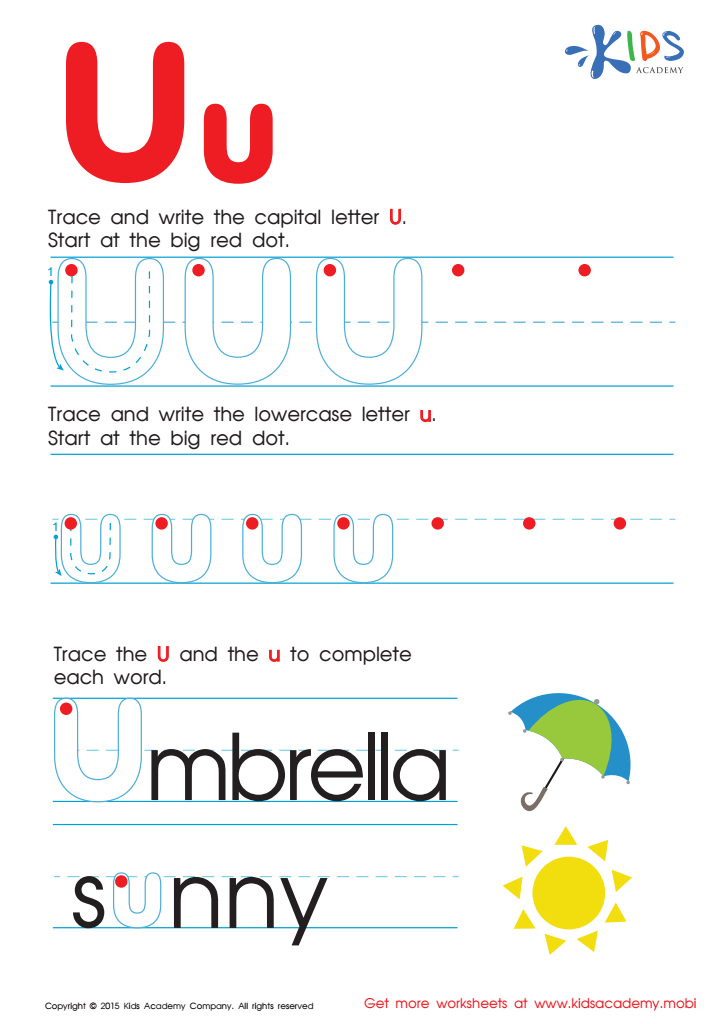
Letter U Tracing Page
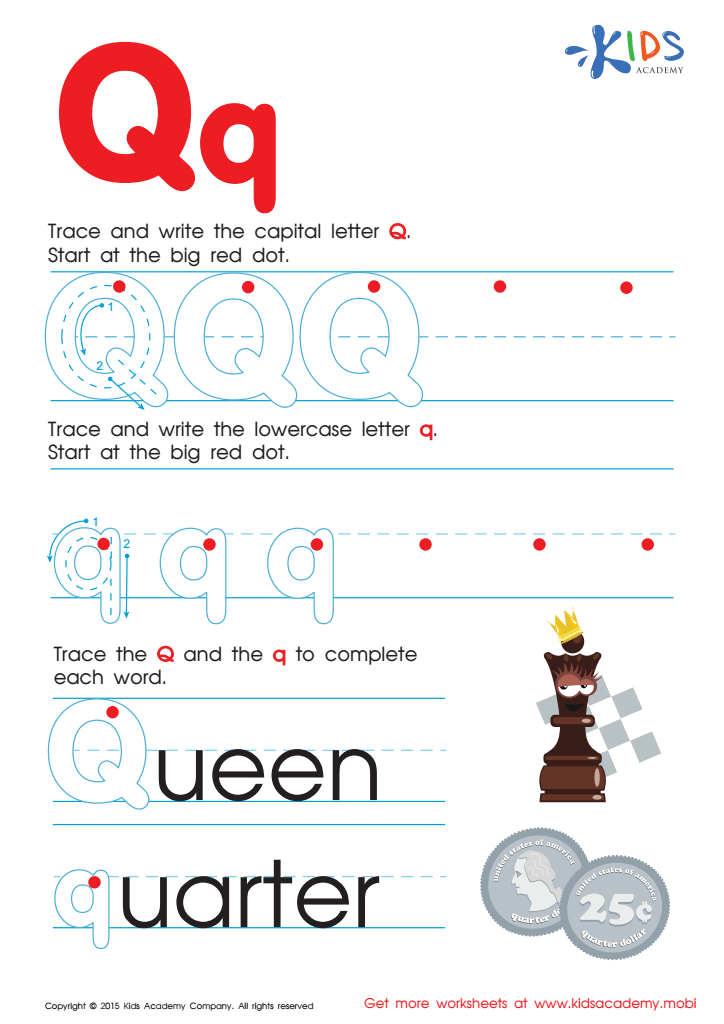
Letter Q Tracing Page
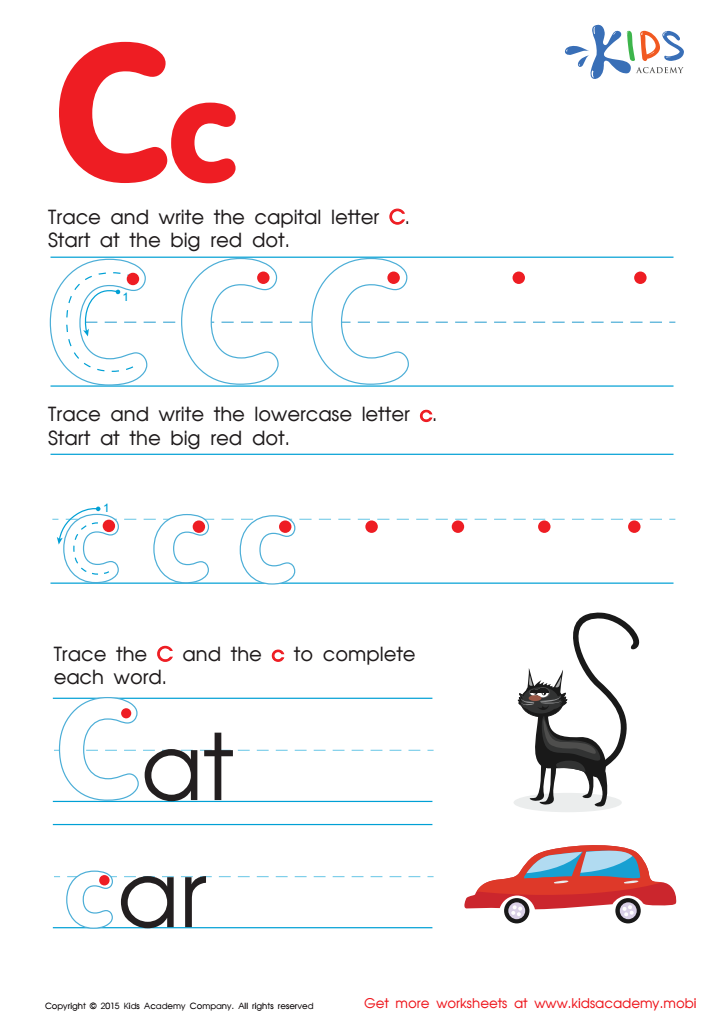
Letter C Tracing Page
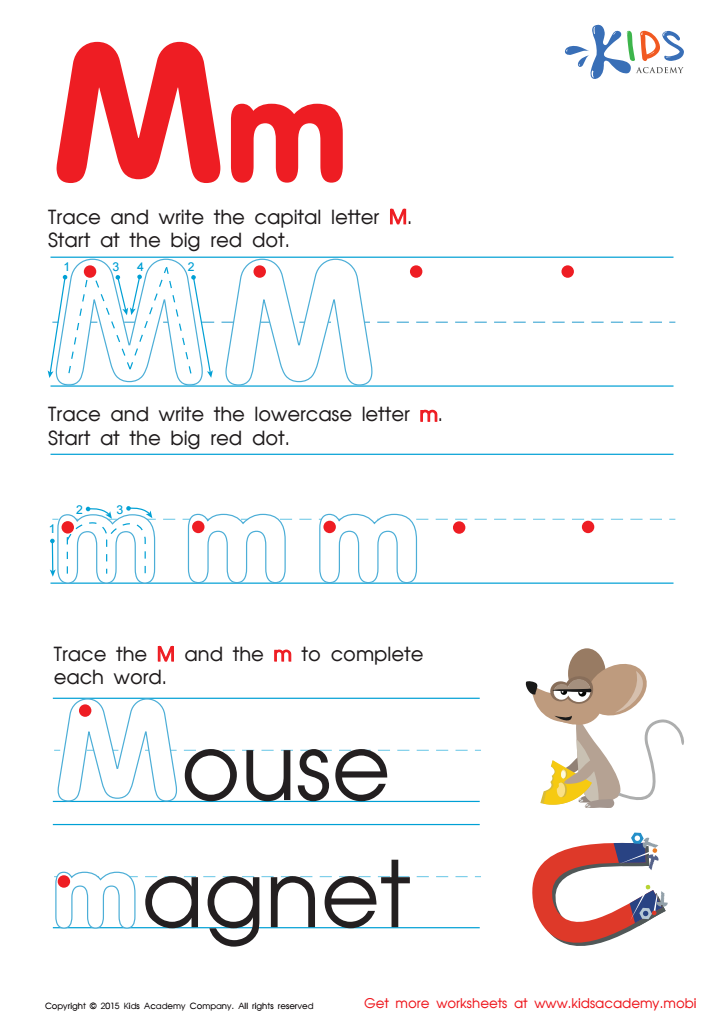
Letter M Tracing Page

Letter G Tracing Page
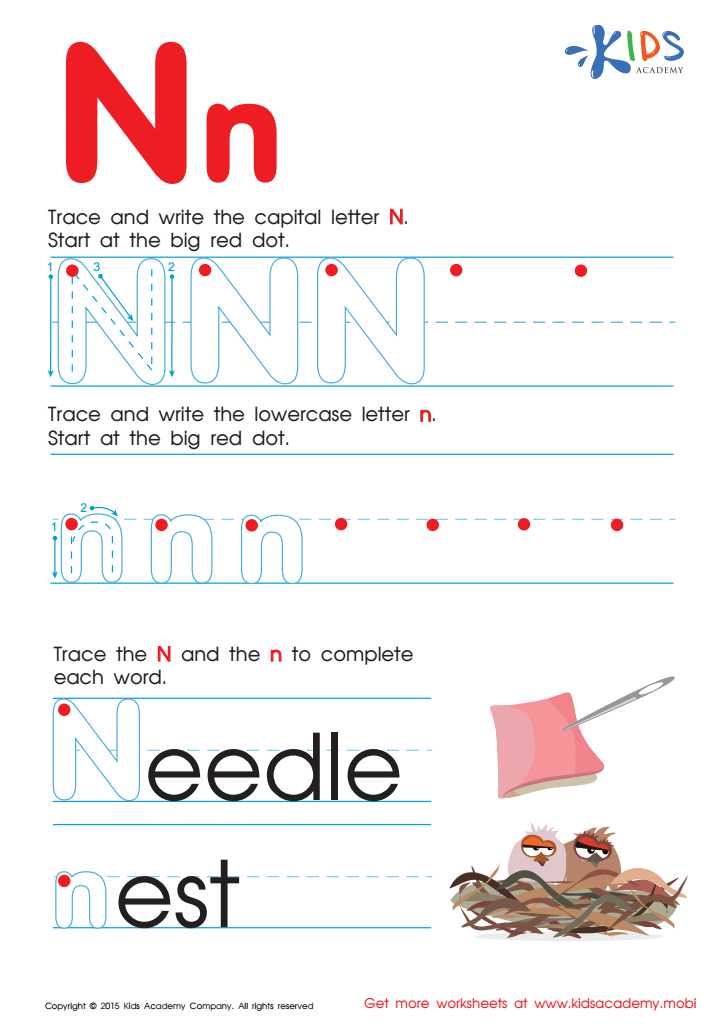
Letter N Tracing Page
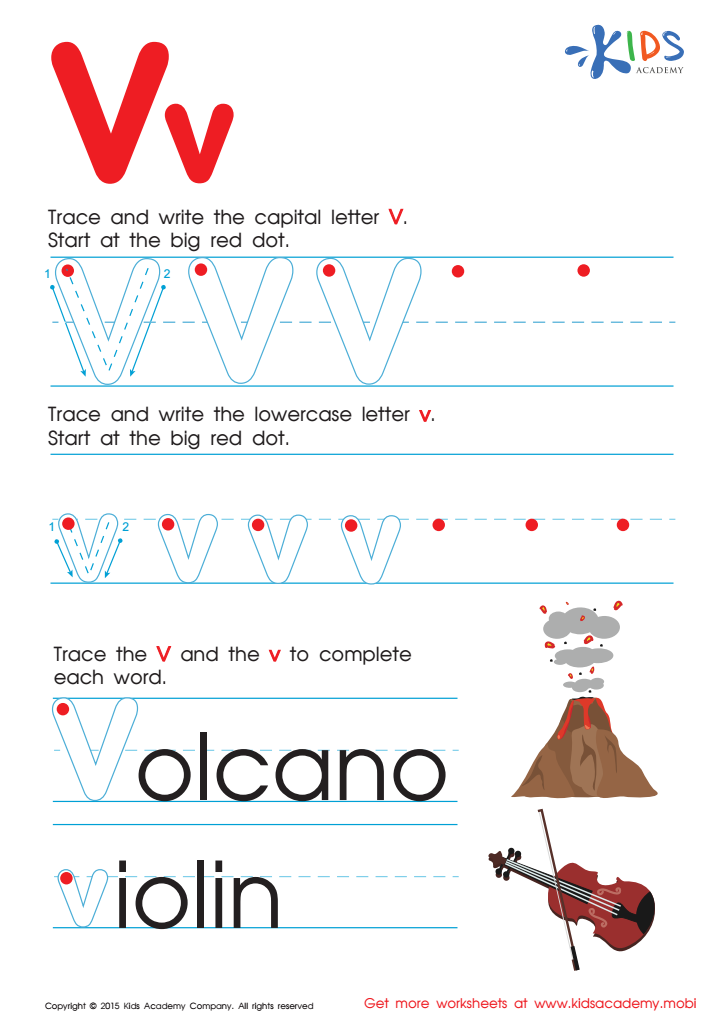
Letter V Tracing Page
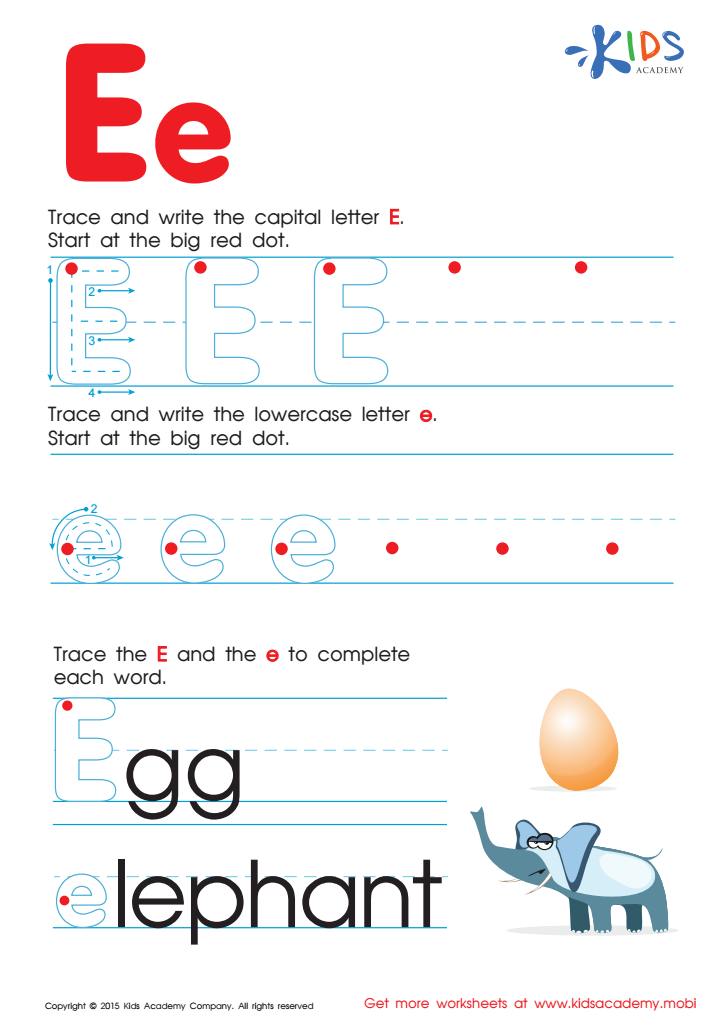
Letter E Tracing Page
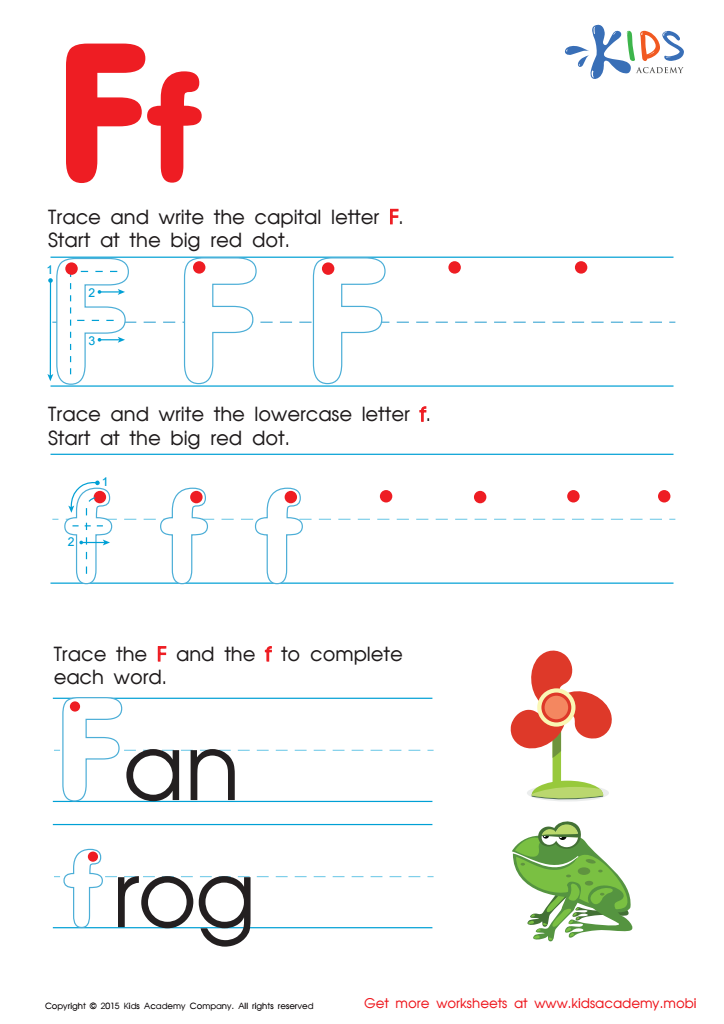
Letter F Tracing Page
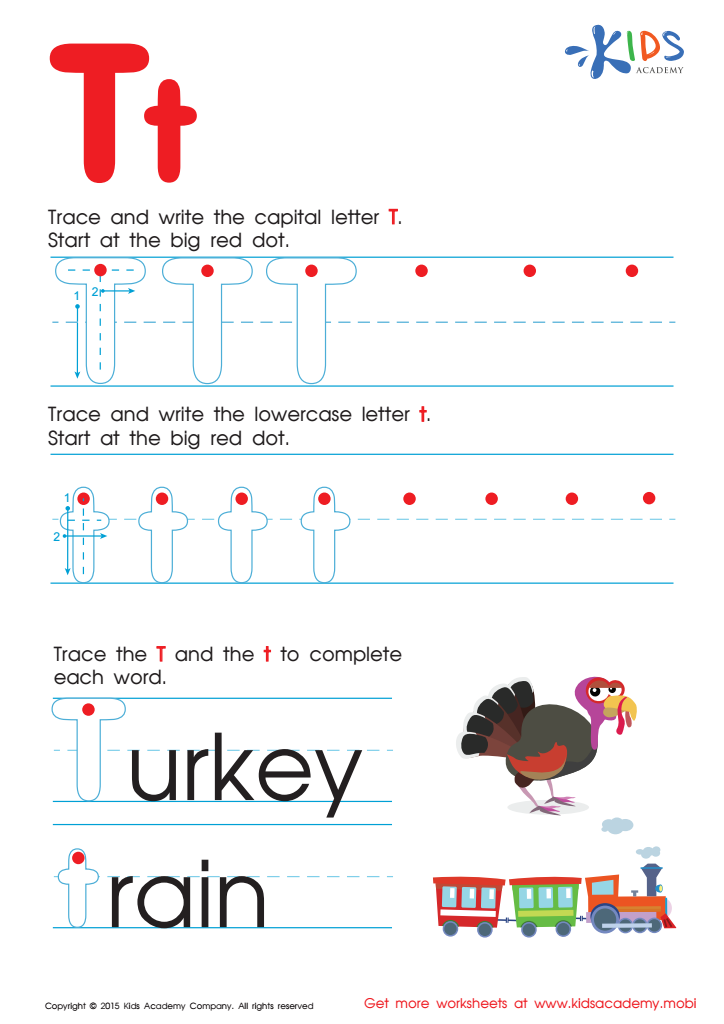
Letter T Tracing Page

Letter D Tracing Page








Fine motor skills are essential for a child's overall development, especially at the age of six. These skills involve the small muscles in hands and fingers, allowing children to perform tasks such as writing, tying shoelaces, and manipulating small objects. A focus on fine motor skills not only enhances dexterity but also boosts confidence and independence in young learners. Teaching the ABCs of fine motor skills through engaging activities like drawing, cutting, and using playdough helps support literacy and numeracy by preparing children to handle writing utensils successfully.
Parents and teachers should encourage fine motor skill development because these abilities are foundational for academic success. As children learn to form letters and numbers properly, they are better equipped to communicate their thoughts and ideas, which is critical in their educational journey. Additionally, strong fine motor skills contribute to problem-solving abilities and creativity, fostering holistic growth.
Moreover, cultivating these skills can help identify any developmental delays early on, allowing for timely interventions. When caregivers prioritize fine motor skill activities, they invest in a child’s readiness for school tasks and daily life challenges, ultimately setting the stage for a lifetime of learning and self-sufficiency.