Reading proficiency Alphabet Worksheets for 6-Year-Olds
6 filtered results
-
From - To
Boost your child's reading proficiency with our Alphabet Worksheets for 6-Year-Olds! Designed to make learning fun and effective, these printables help young learners master letter recognition, phonics, and early reading skills. Each worksheet is thoughtfully crafted to engage children with varied activities like tracing, matching, and coloring. Ideal for both classroom and at-home practice, our worksheets cater to developing critical foundational skills necessary for reading success. Empower your child to become a confident reader with our engaging, educational, and age-appropriate alphabet worksheets today! Explore our collection and give your child a head start in their reading journey!
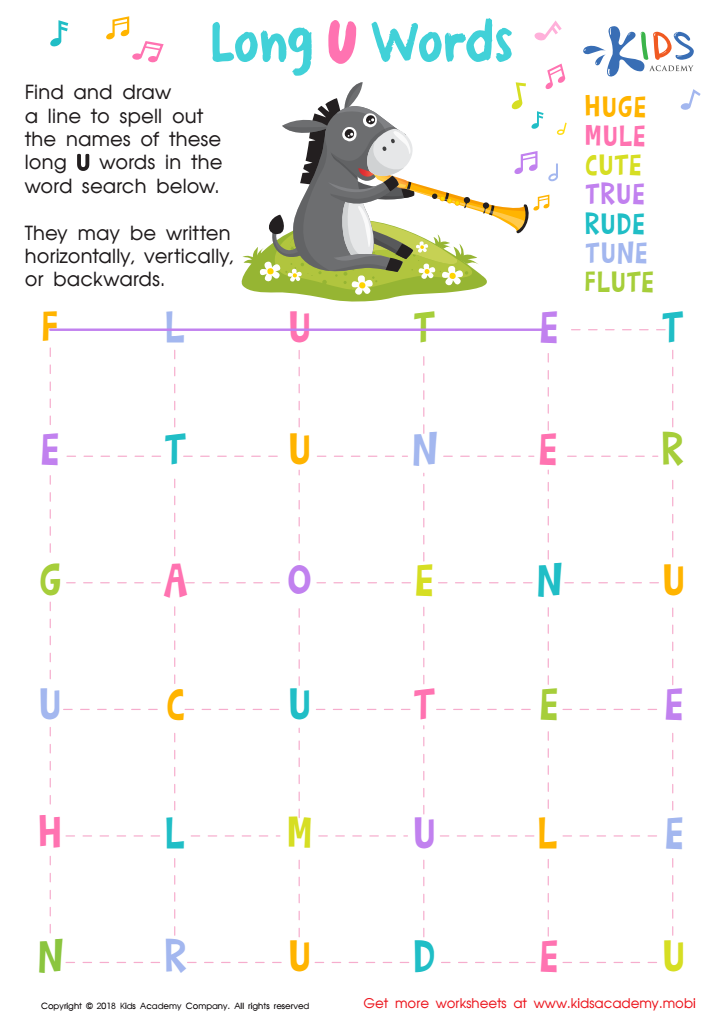
Long /u/ Words Worksheet
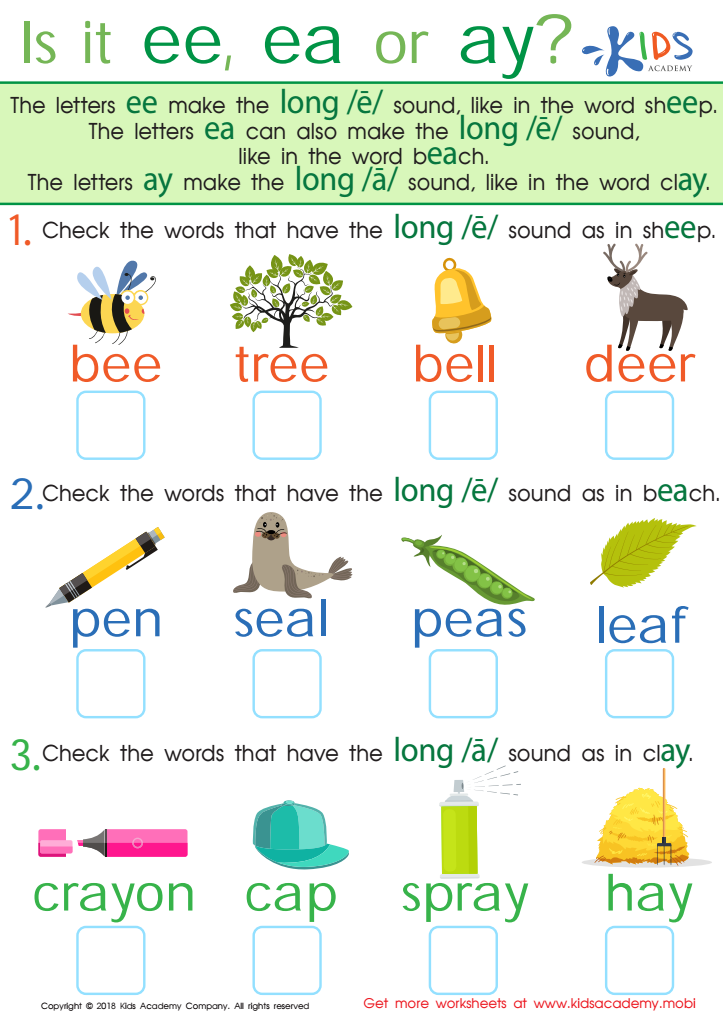
Is It EE, EA, or AY? Worksheet
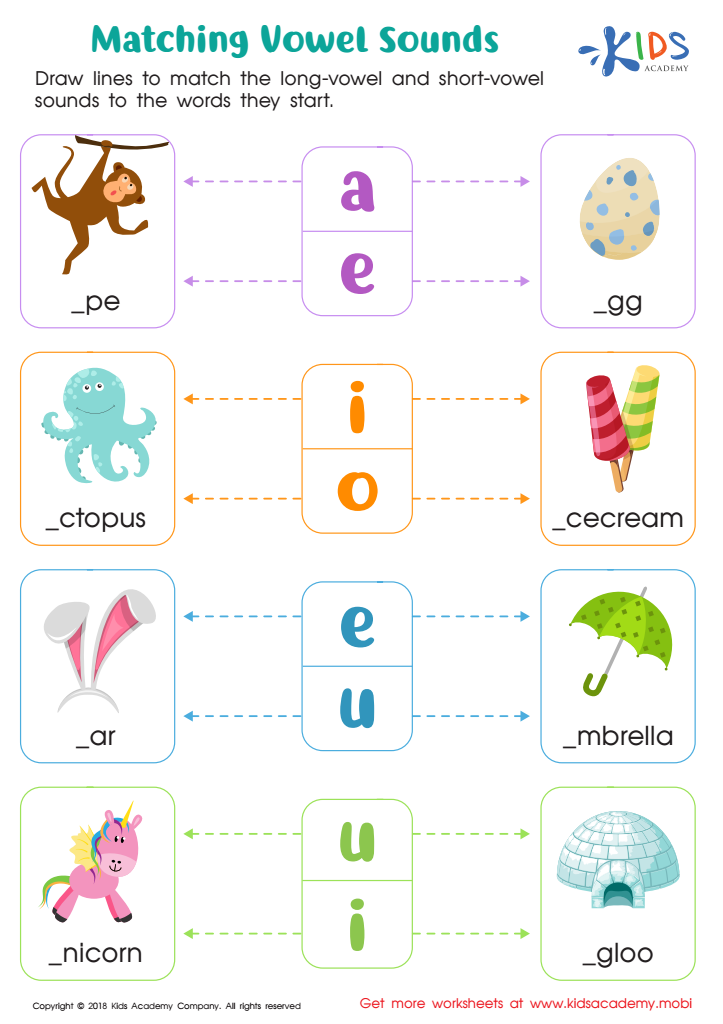
Matching Vowel Sounds Worksheet

Long and Short U Worksheet
 Assign to My Students
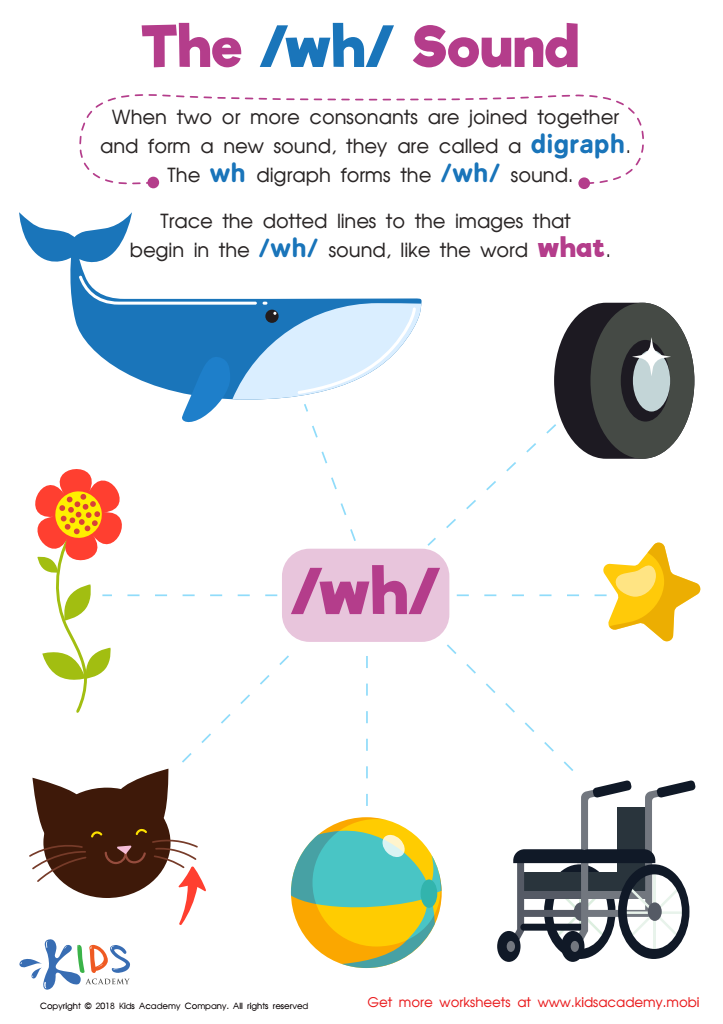
The /wh/ Sound Worksheet
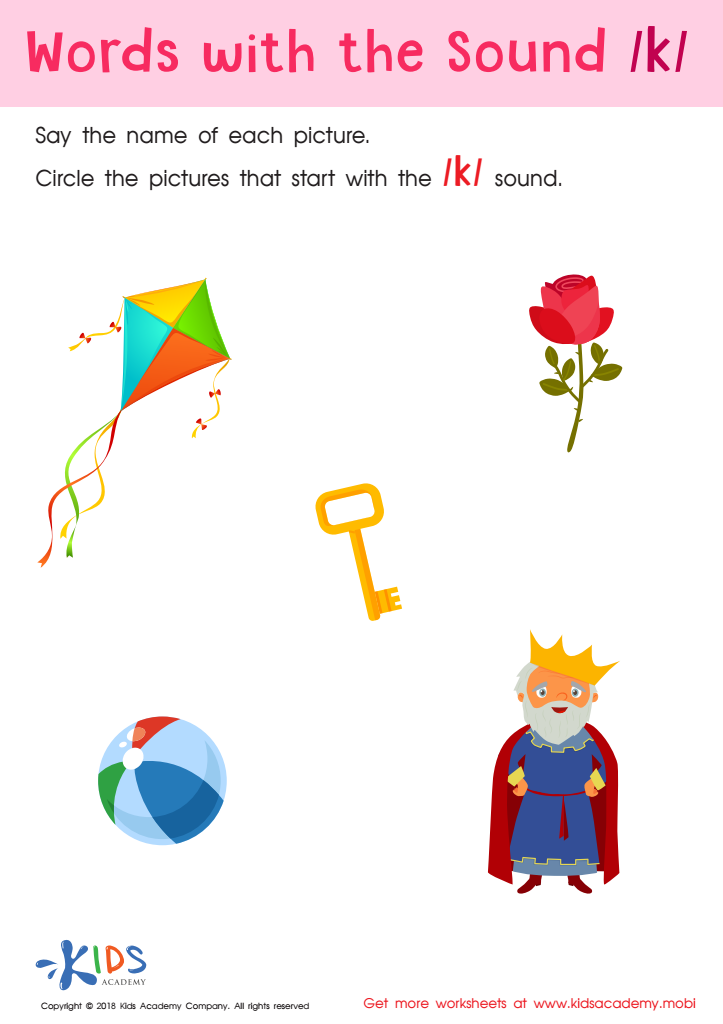
Words with sound k Reading Worksheet






Reading proficiency is fundamental for a child's educational development, particularly around the age of six, which typically marks the start of formal schooling. At this stage, children transition from learning to read to reading to learn, making it imperative to establish a strong foundation in literacy. Here’s why both parents and teachers should invest in a child's reading proficiency:
First, early reading skills are predictive of later academic success. Children who develop strong reading abilities early are more likely to excel in all subjects, as literacy is the cornerstone of education. Reading proficiency fosters better comprehension skills, which are crucial for understanding complex concepts across various disciplines.
Second, mastering the alphabet and basic reading can significantly boost a child's confidence. This newfound confidence can lead to greater classroom participation and a more positive attitude towards learning.
Third, proficient readers are also better communicators. They develop a richer vocabulary, enhance their writing skills, and improve their ability to articulate thoughts and ideas clearly. This advanced communication is not only vital for academic success but also for effective social interactions.
Lastly, cultivating a love for reading early on can lead to lifelong learning and curiosity. By encouraging reading proficiency at age six, parents and teachers set the stage for enthusiastic, engaged, and successful learners. Establishing such a critical skill early on helps ensure children have the tools they need for future academic and life challenges.







