Spelling practice Phonics Worksheets for 6-Year-Olds - Page 2
38 filtered results
-
From - To
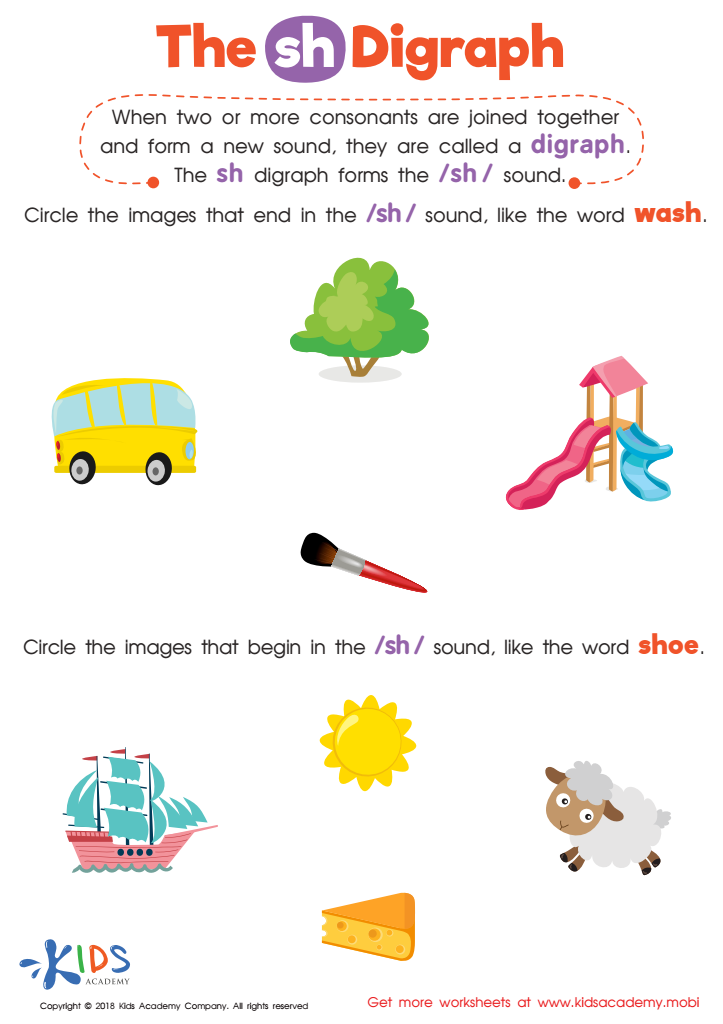
The SH Digraph Worksheet
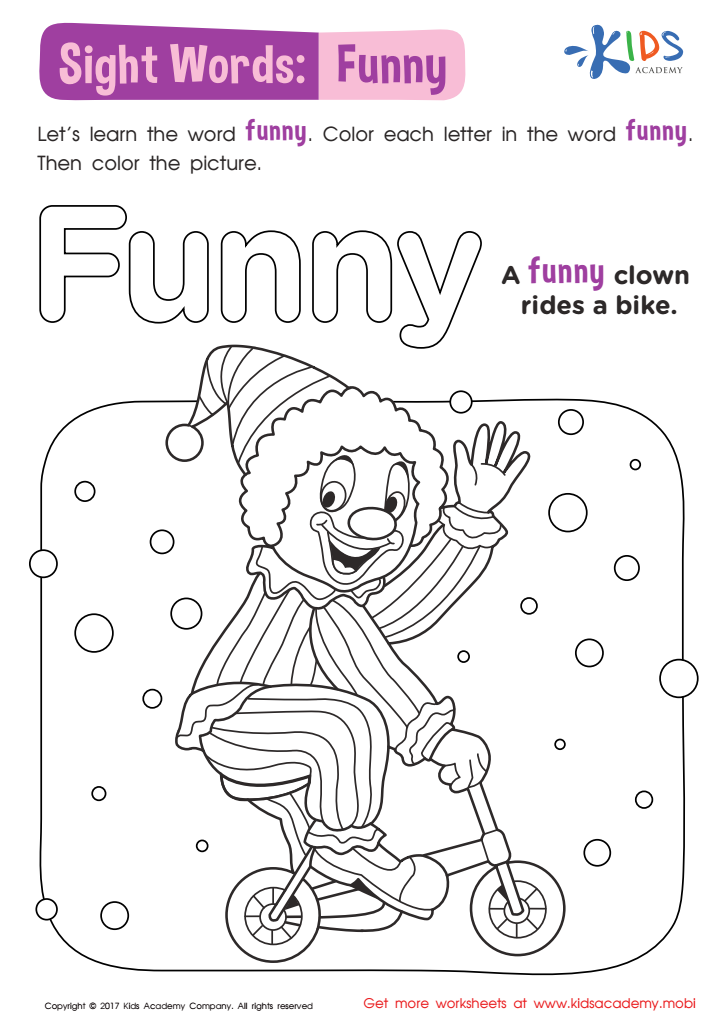
Funny Worksheet Sight Words Worksheet
 Assign to My Students
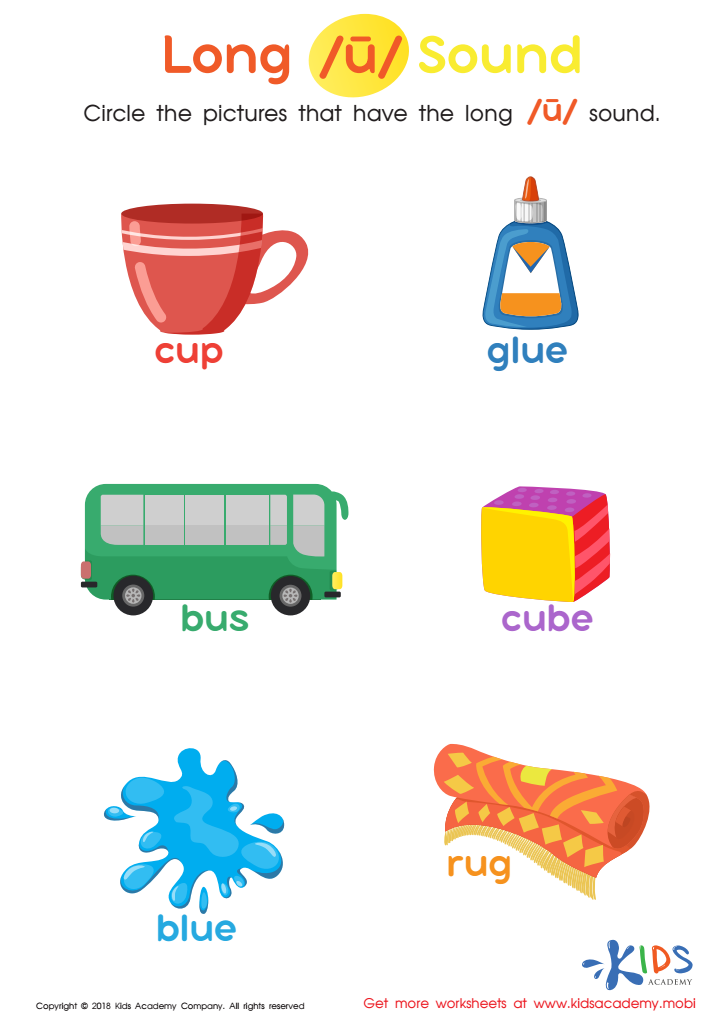
Long «u» Sound Worksheet
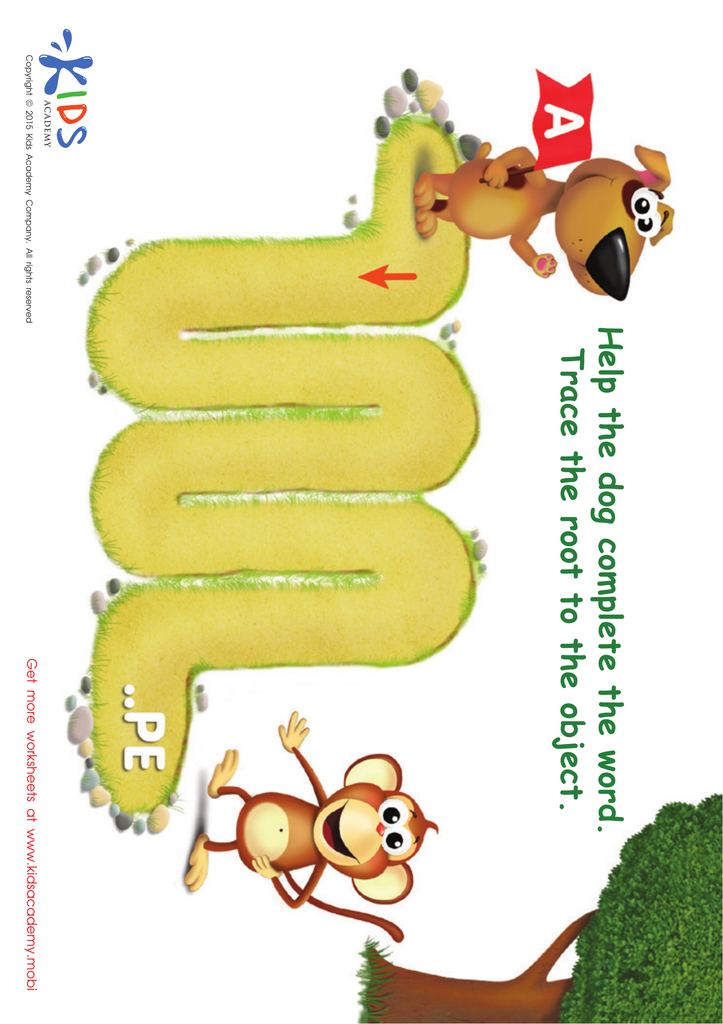
Long Vowel Sound A Worksheet Worksheet
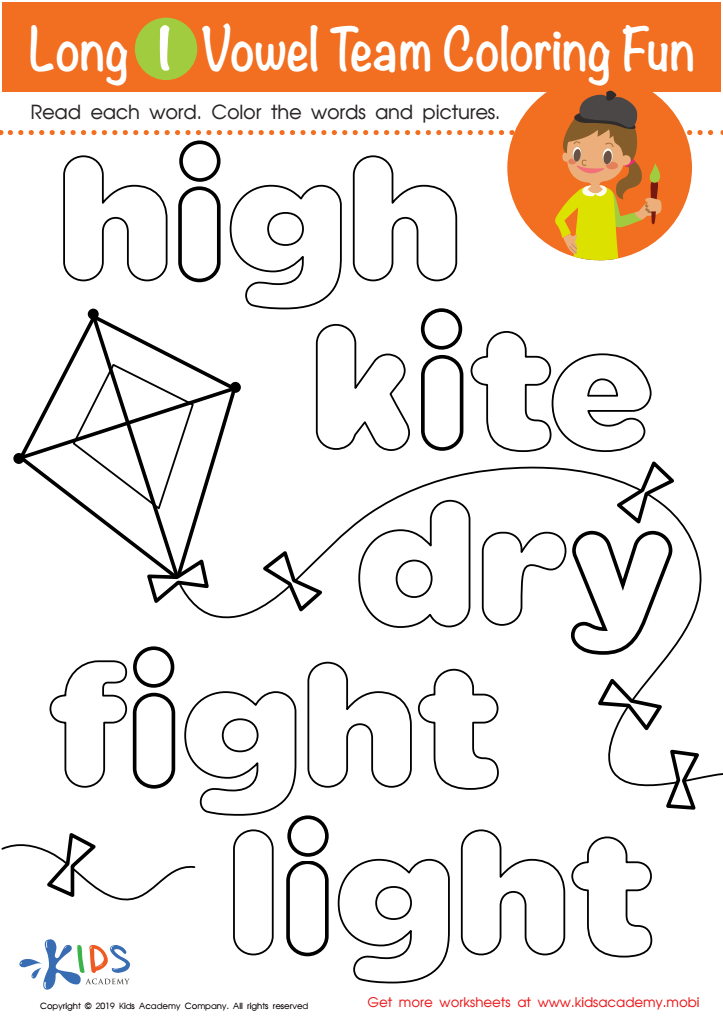
Long I Vowel Team Coloring Worksheet
Assign to My Students
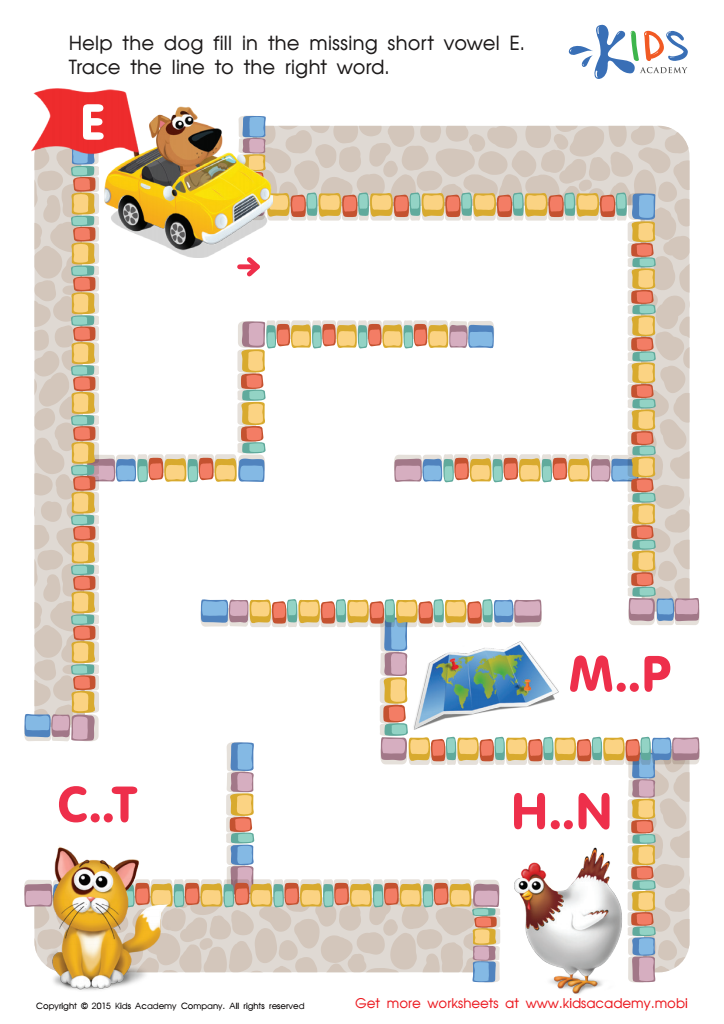
Short Vowel Sound E Worksheet
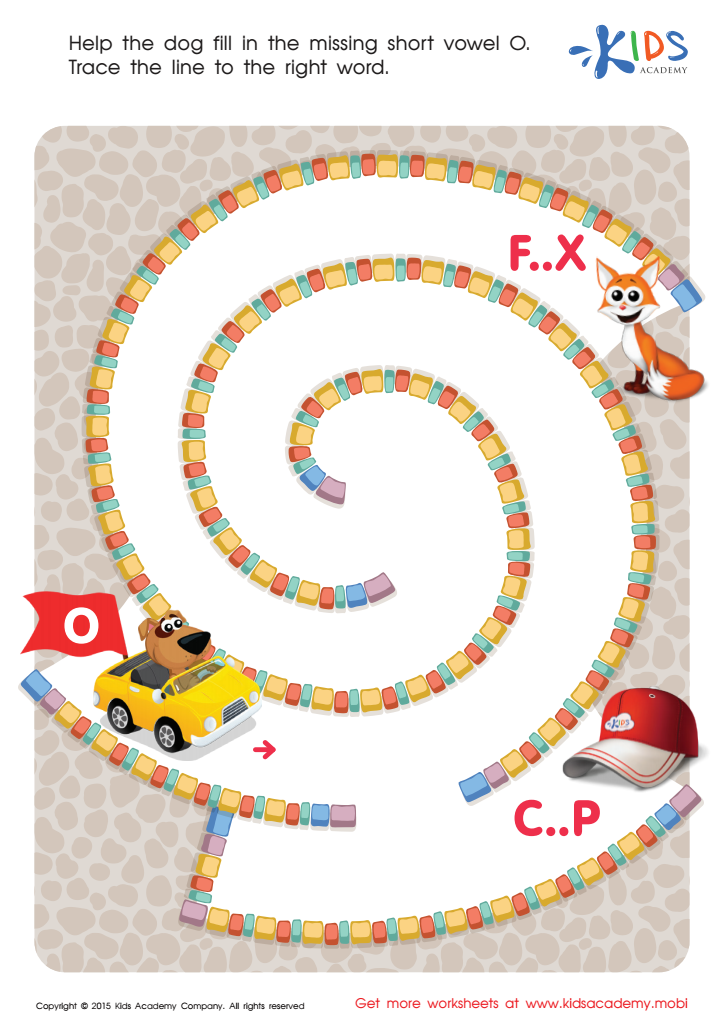
Short Vowel Sound O Worksheet
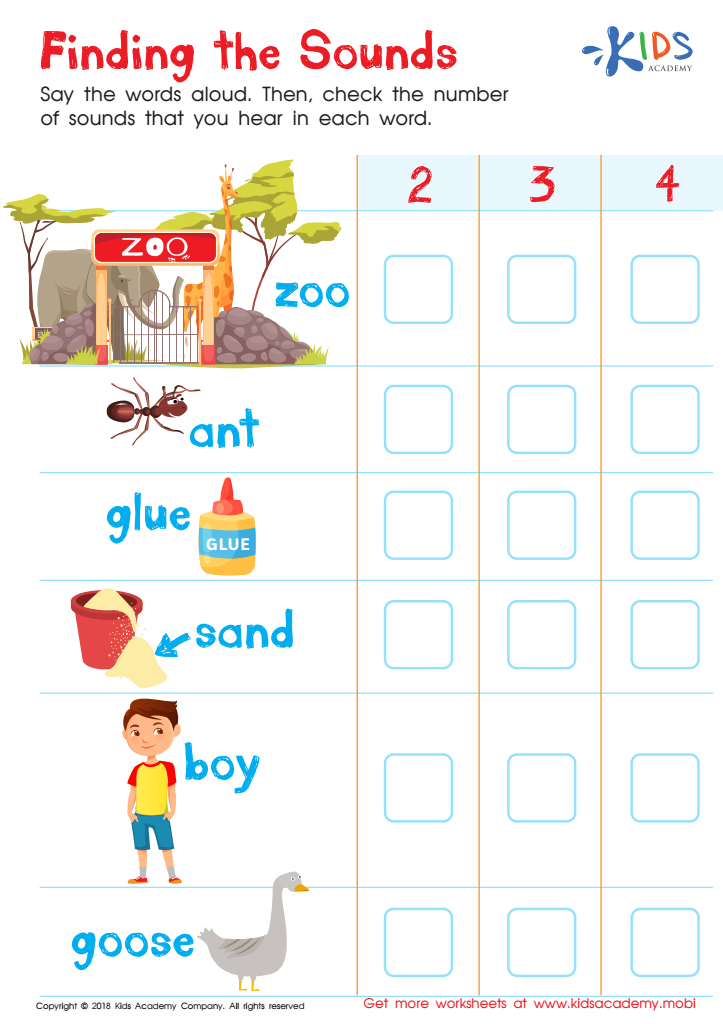
Finding the Sounds Worksheet
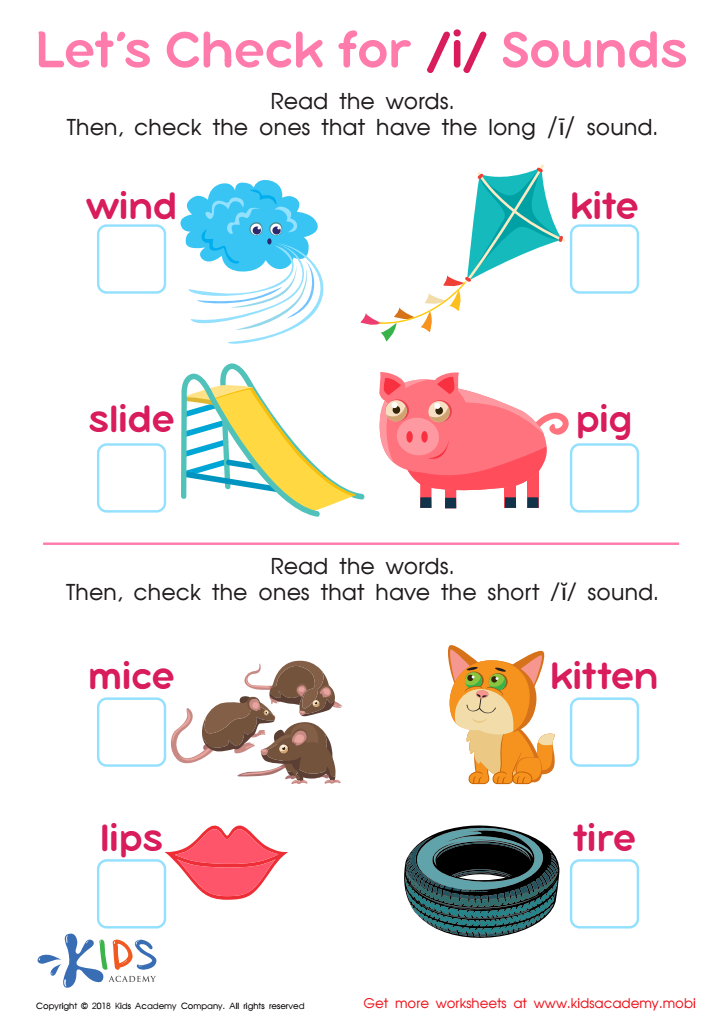
Let's Check for «i» Sounds Worksheet
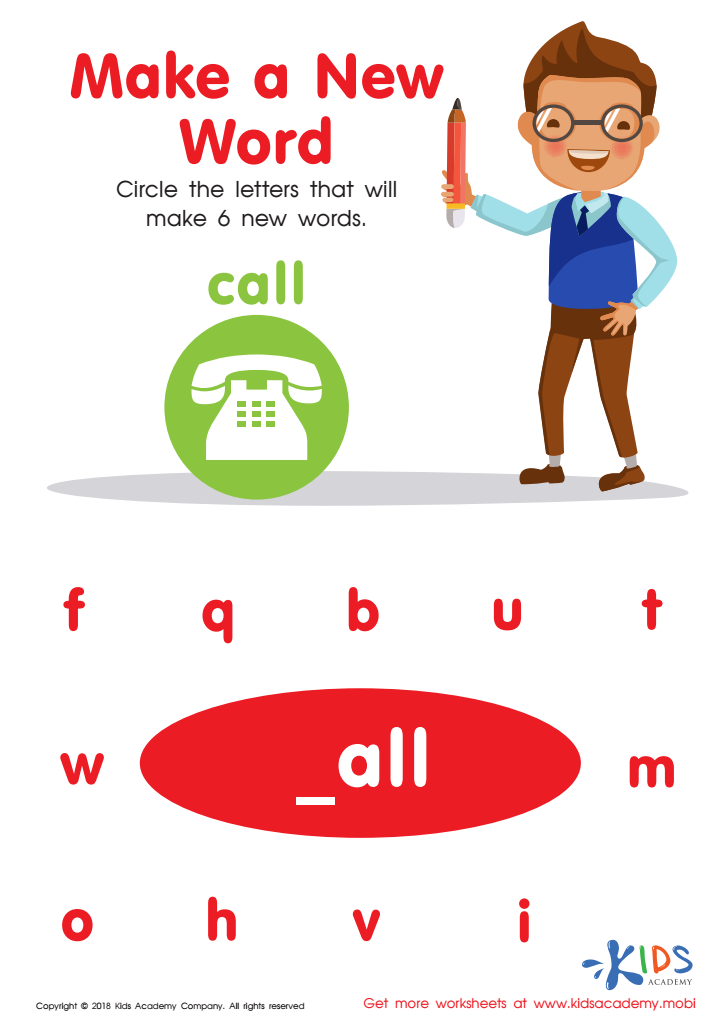
Make a New Word Worksheet
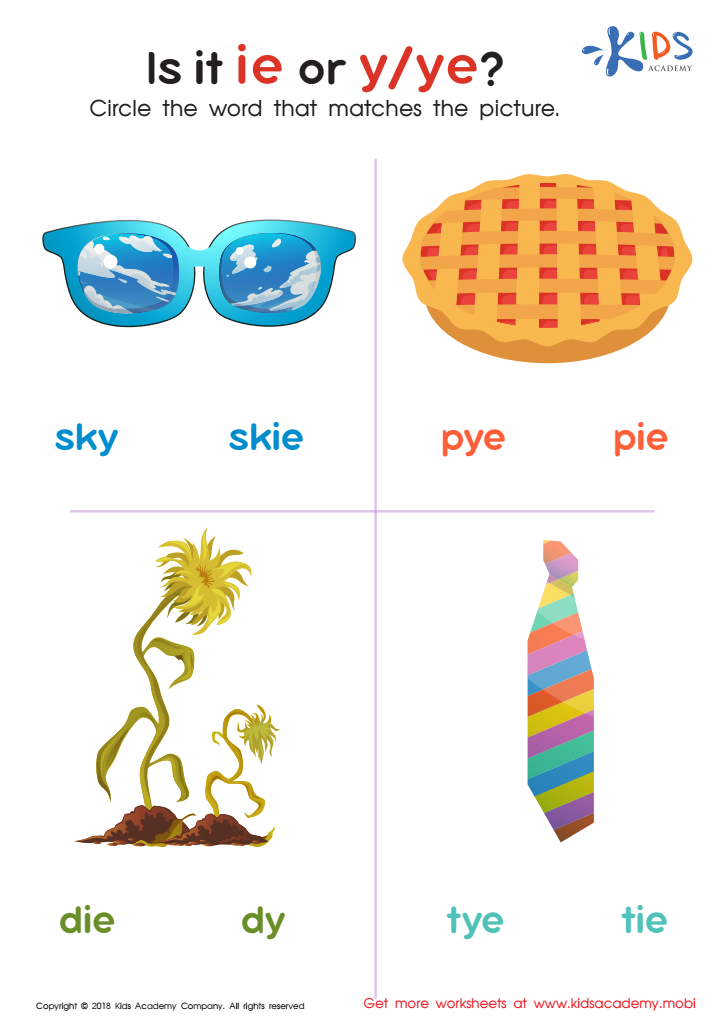
Is It IE or Y/Ye? Worksheet
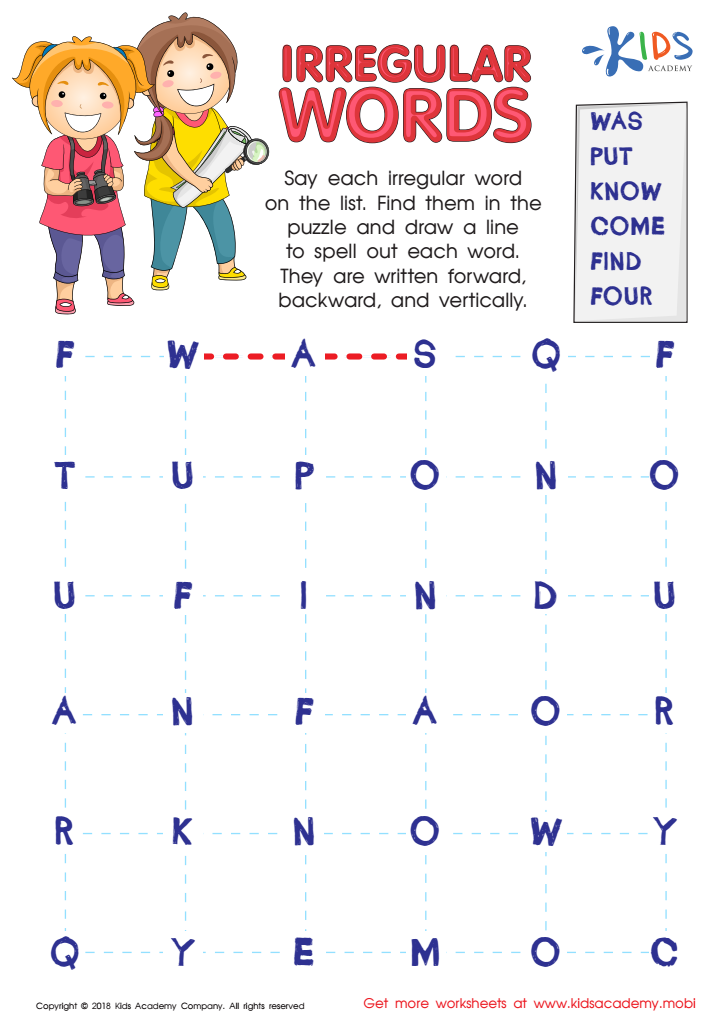
Irregular Words Worksheet
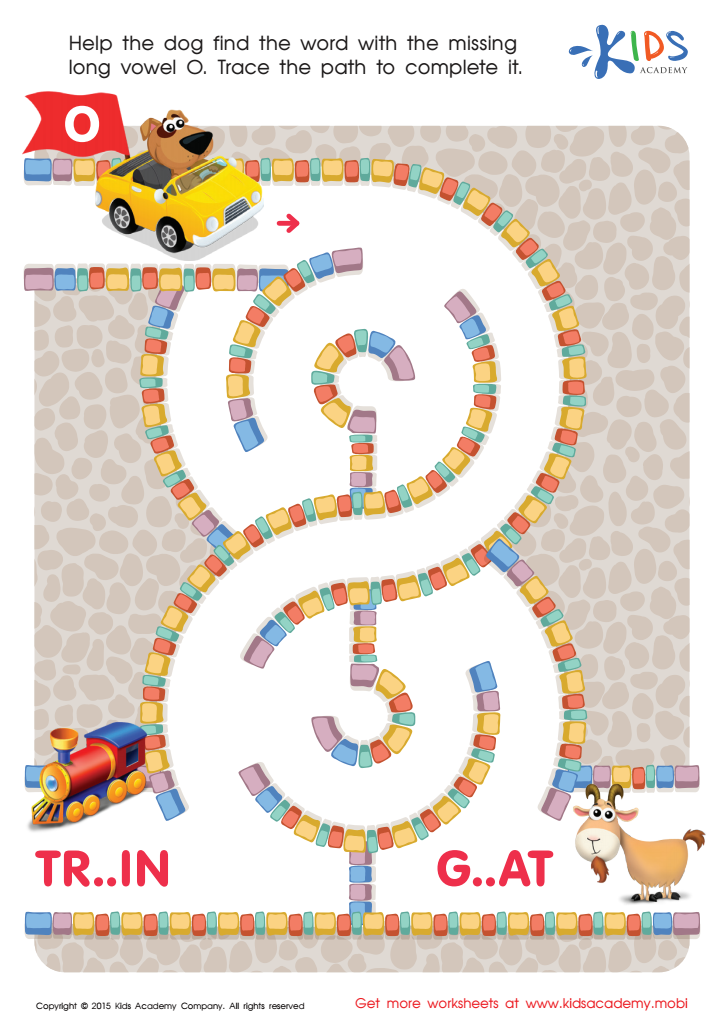
Long Vowel Sound O Worksheet
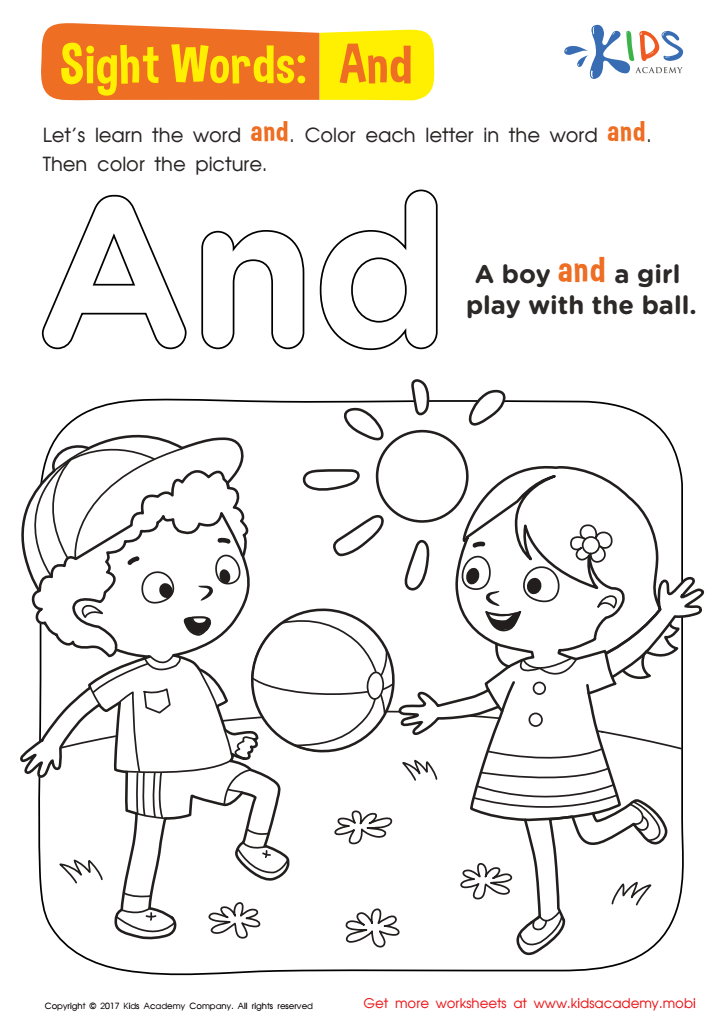
And Worksheet Sight Words Worksheet
Assign to My Students








Spelling practice and phonics are fundamental components in the early education of 6-year-olds, crucially impacting their literacy development and future academic success. At this age, children are at a pivotal stage where they transition from recognizing letters to understanding how these letters form words and convey meaning. Spelling practice reinforces this understanding by helping children recognize common spelling patterns and the relationship between sounds and letters. This foundational knowledge is integral to becoming confident and effective communicators.
Phonics, directly linked to spelling, involves teaching children the sounds of letters and how these sounds combine to form words. Phonics aids in decoding unfamiliar words, thereby improving reading fluency and comprehension. When children master phonics, they are better equipped to tackle new and complex words, enhancing their reading skills and nurturing a lifelong love for reading.
Moreover, competency in spelling and phonics boosts self-esteem. Children are more likely to participate in reading and writing activities when they feel confident in their abilities, fostering a positive attitude towards learning. Parents and teachers who prioritize spelling practice and phonics give children the tools they need to succeed academically, laying the foundation for stronger communication skills, better academic performance, and continuous intellectual growth.







