Understanding ecosystems Worksheets for 6-Year-Olds
7 filtered results
-
From - To
Welcome to our "Understanding Ecosystems Worksheets" page designed for 6-year-olds! These engaging and educational worksheets aim to introduce young learners to the fascinating world of ecosystems. Children will explore different habitats, the importance of plants and animals, and the interrelationships within them. Each worksheet includes fun activities like coloring, matching, and simple questions to reinforce learning. Perfect for classroom use or home learning, these resources help build foundational knowledge about nature while fostering a love for the environment. Download our worksheets today and embark on an exciting journey of discovery with your child!
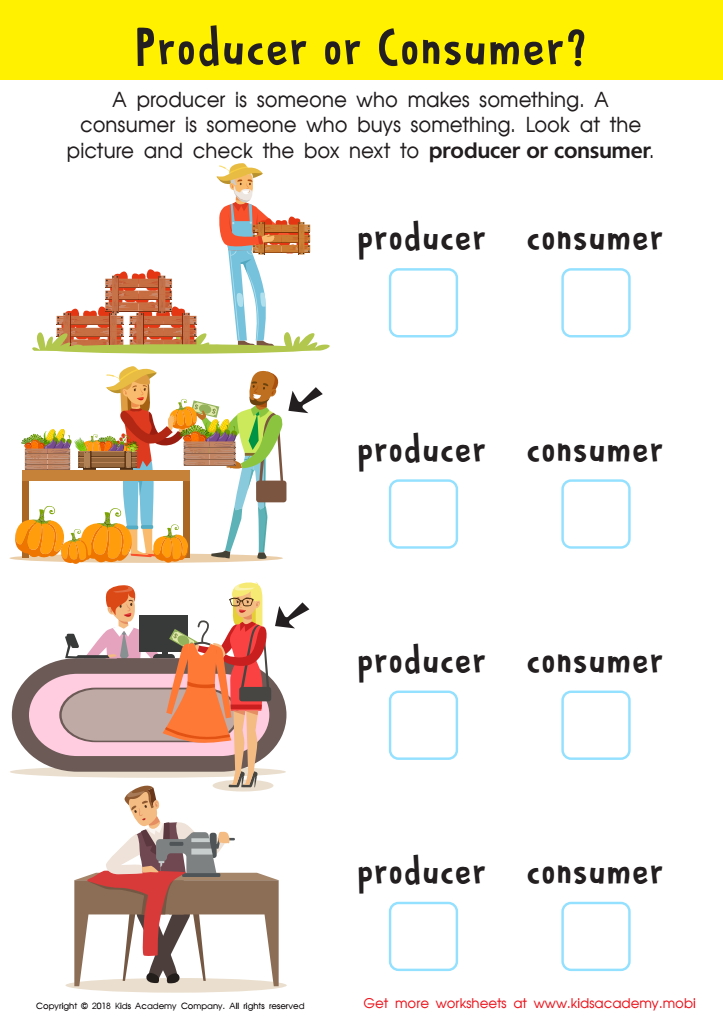
Producer or Consumer? Worksheet
 Assign to My Students
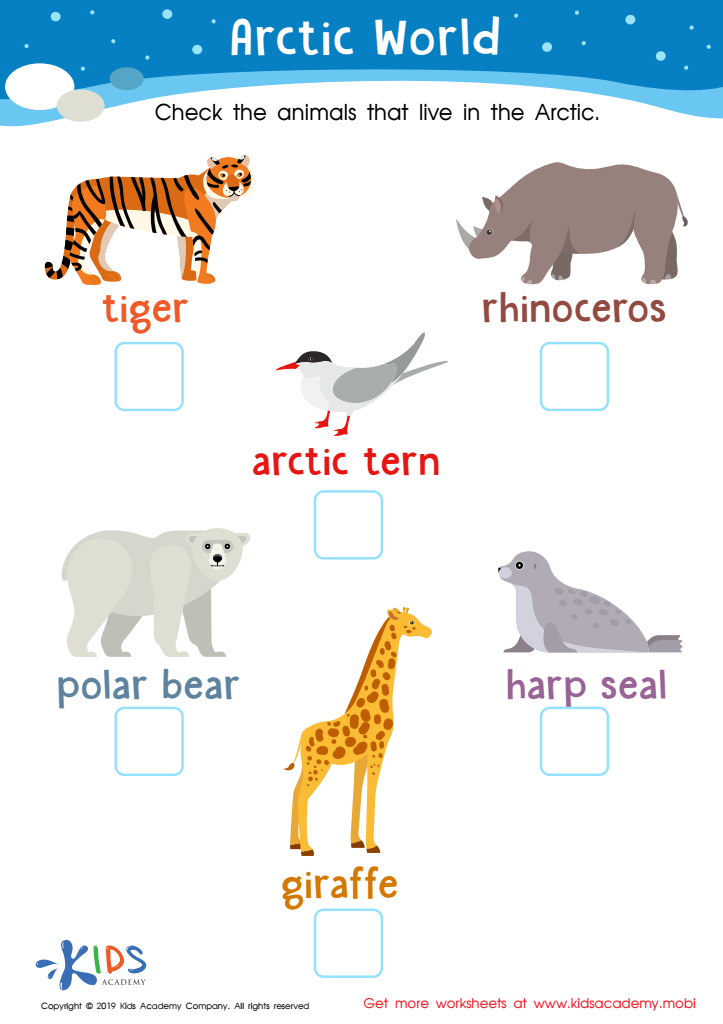
Arctic World Worksheet
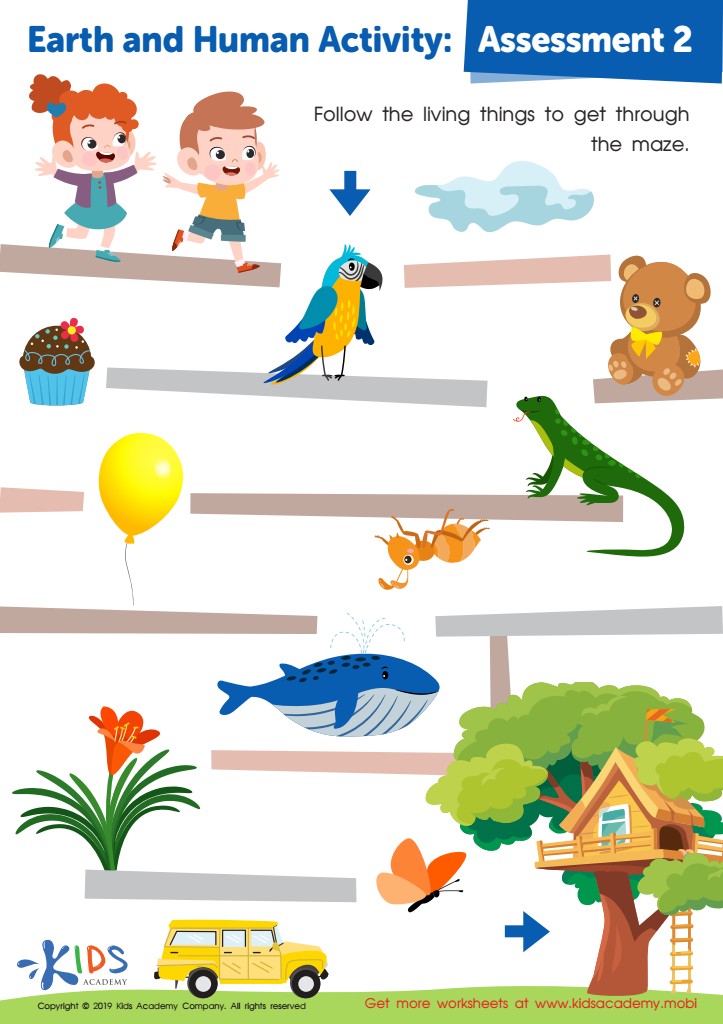
Earth and Human Activity: Assessment 2 Worksheet
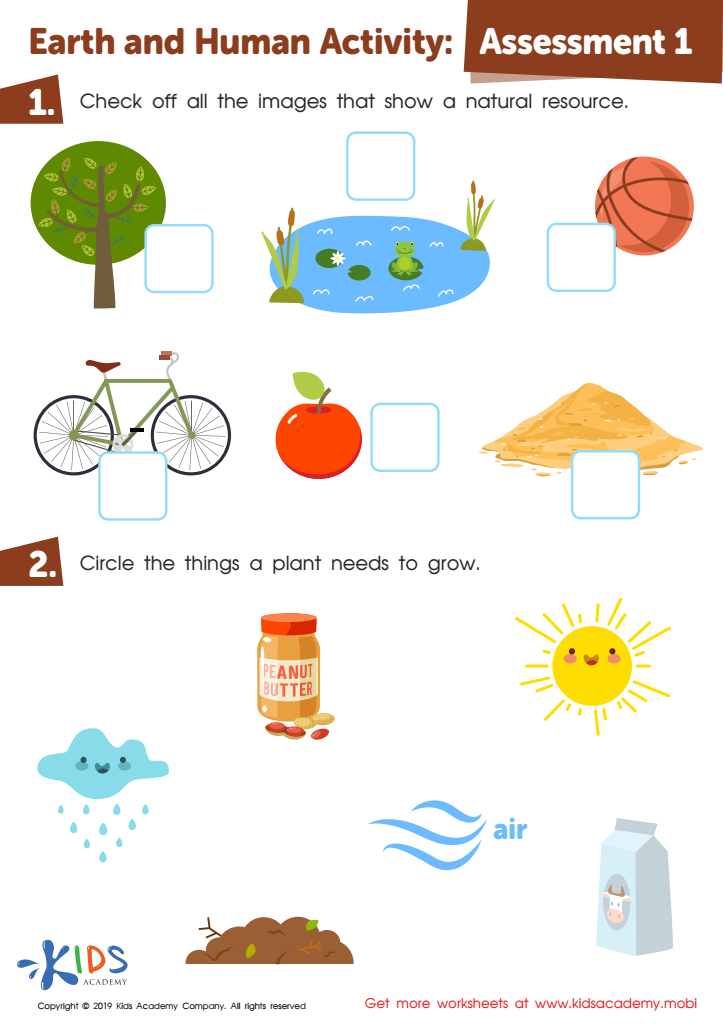
Earth and Human Activity: Assessment 1 Worksheet
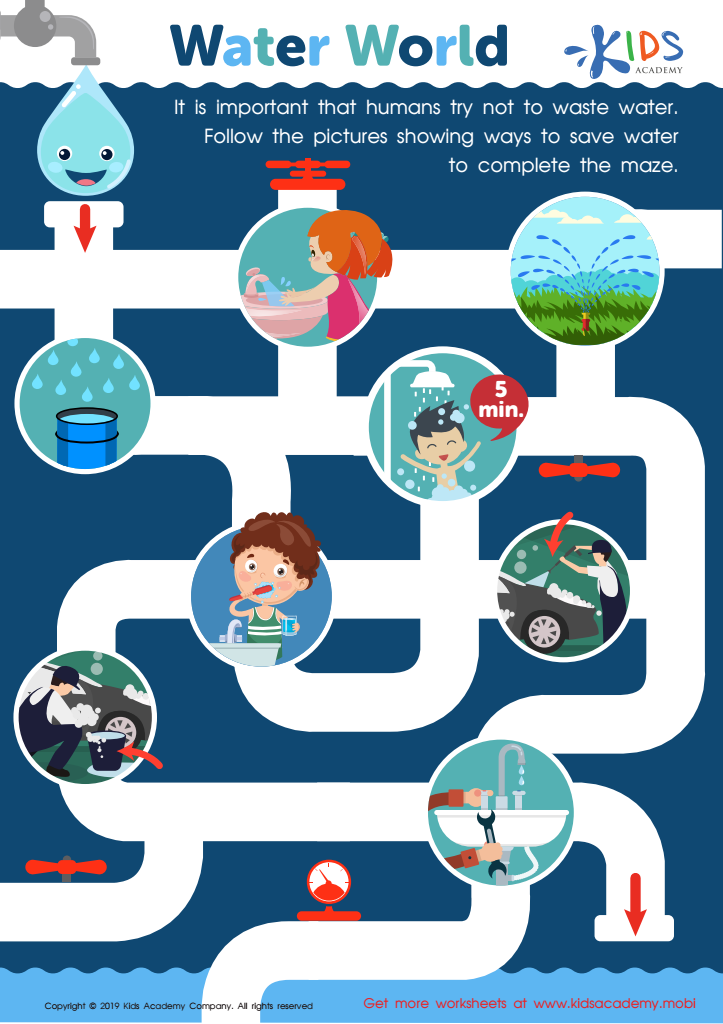
Water World Worksheet
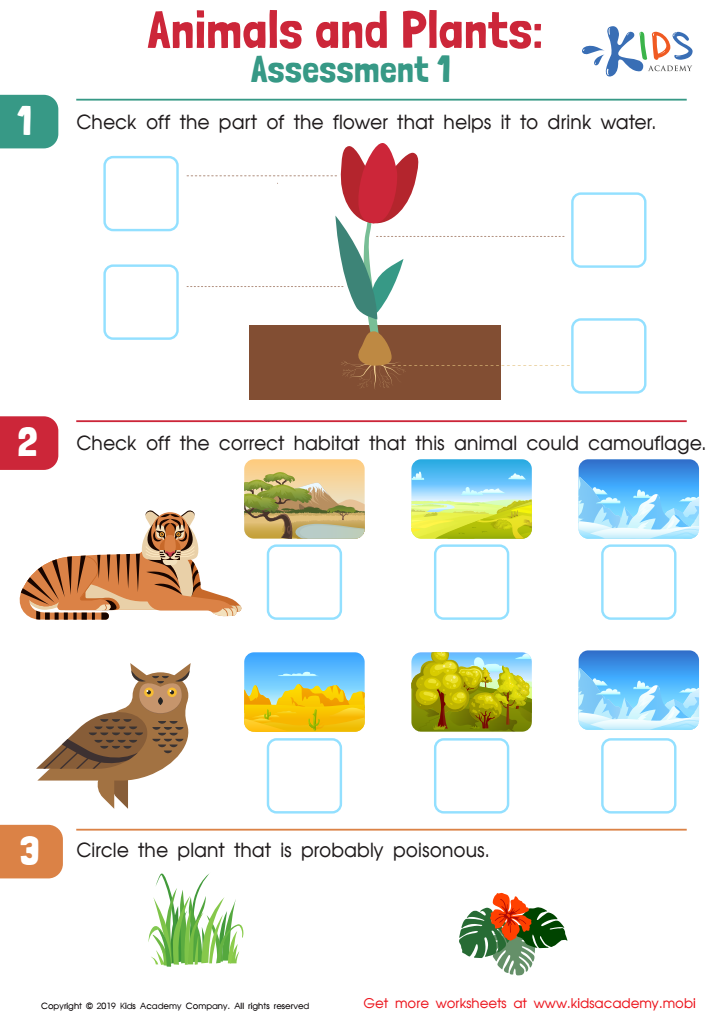
Animals and Plants: Assessment 1 Worksheet
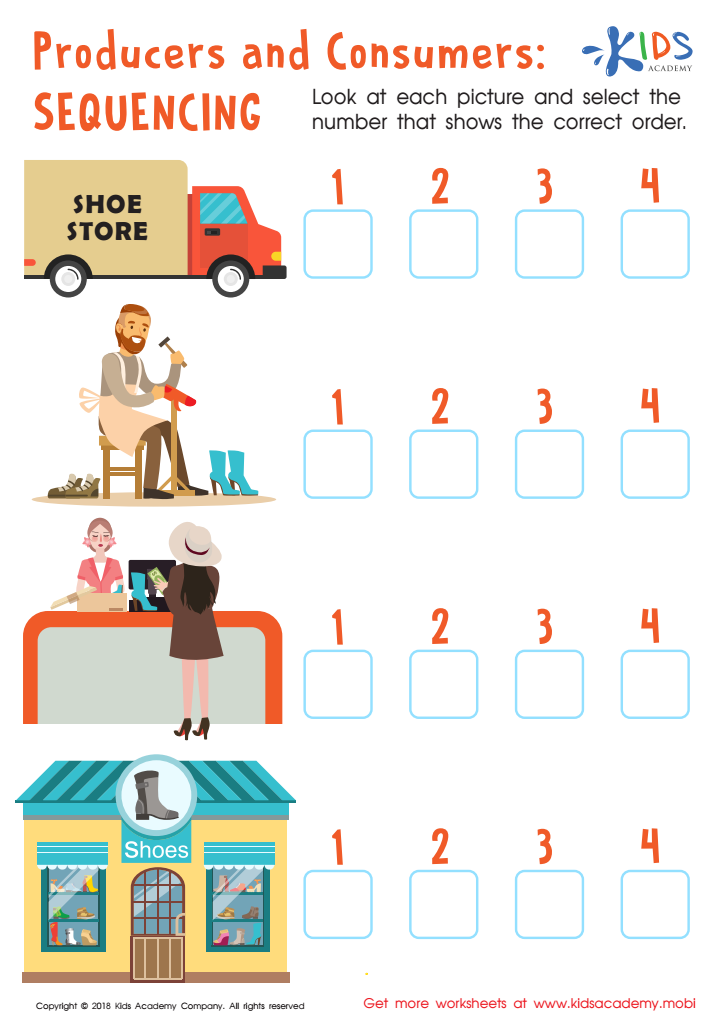
Producers and Consumers: Sequencing Worksheet




.jpg)



Understanding ecosystems is crucial for 6-year-olds as it helps foster essential life skills and a sense of responsibility towards the environment. At this age, children are naturally curious about the world around them. Learning about ecosystems introduces them to interconnections between plants, animals, and their habitats, encouraging inquiry and exploration.
Parents and teachers play a vital role in nurturing this curiosity. By teaching young children about ecosystems, they help develop critical thinking and problem-solving skills as children learn to observe relationships in nature. This foundational knowledge cultivates empathy and fosters a respect for all living things. It instills the importance of biodiversity and reinforces the idea that every creature, no matter how small, has a role in the environment's balance.
Additionally, understanding ecosystems lays the groundwork for sustainability, urging children to become eco-conscious citizens. As they grasp the impact of human actions on nature, they learn to appreciate conservation and protective measures for the planet. Engaging children in nature-based activities, discussions, and stories can spark passion and advocate for proactive environmental stewardship. Ultimately, this knowledge enriches their learning experience and shapes them into informed individuals who value and protect their surroundings.








