Shape identification Geometry Worksheets for 6-Year-Olds
11 filtered results
-
From - To
Unlock your 6-year-old's understanding of geometry with our Shape Identification Worksheets! Our expertly-designed activities make learning fun and engaging, helping young students identify and differentiate between various shapes. Each worksheet is crafted to enhance spatial awareness, improve fine motor skills, and foster critical thinking. Perfect for both classroom and home use, our worksheets offer colorful illustrations and simple, interactive exercises. Start building a strong foundation in geometry for your child today. Dive into the exciting world of shapes with Kids Academy’s top-rated Shape Identification Geometry Worksheets!
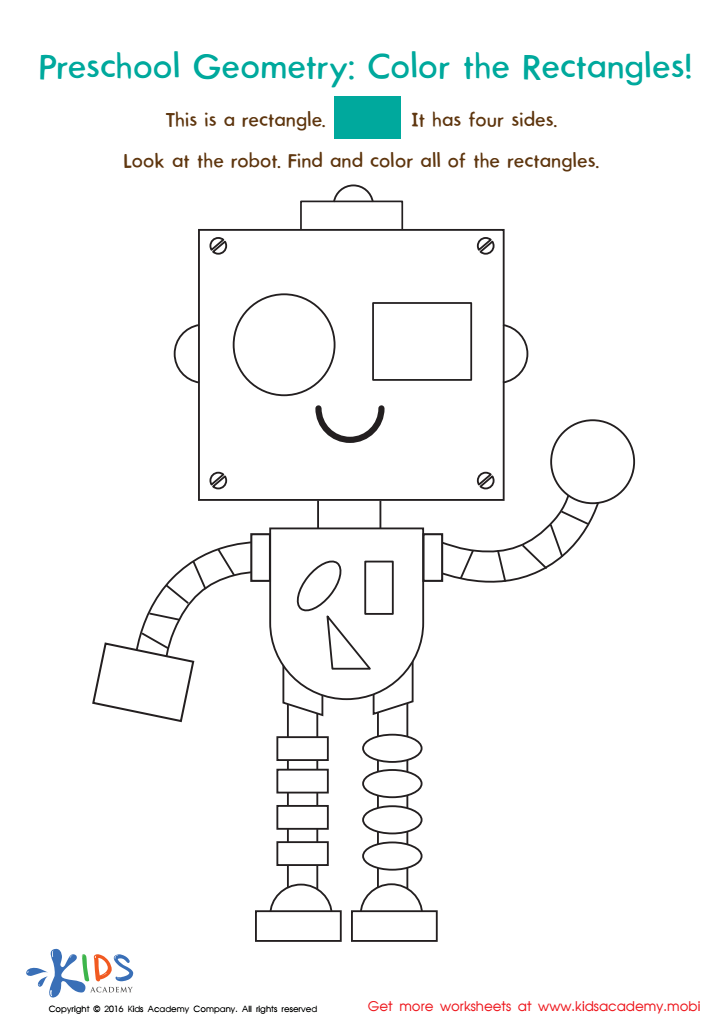
Geometry Worksheet
 Assign to My Students











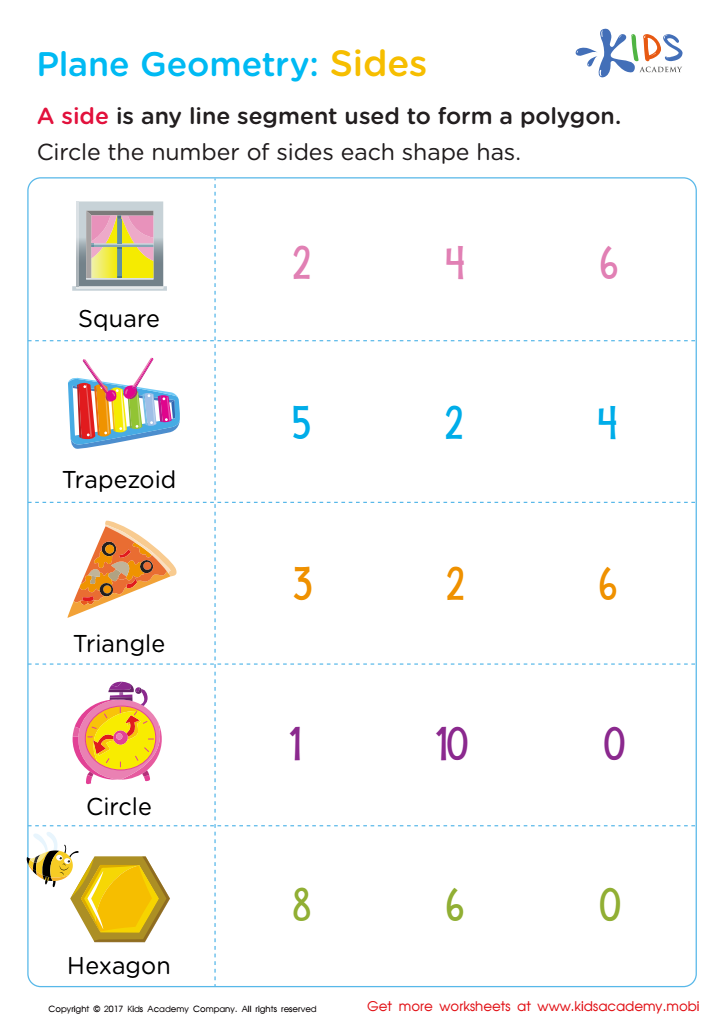
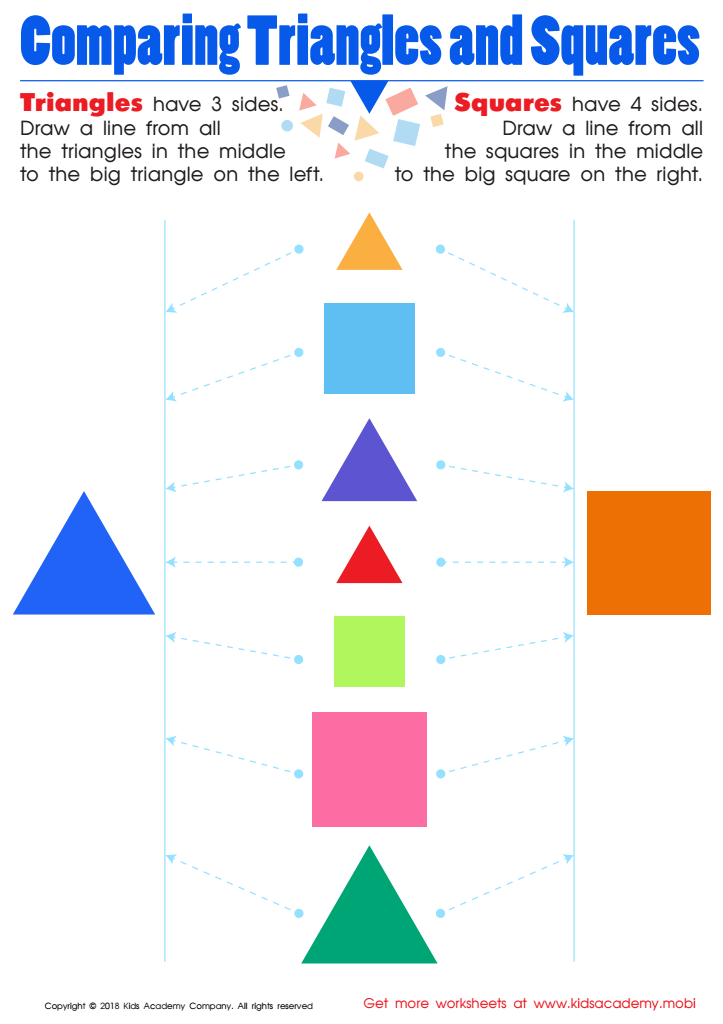
Comparing Triangles Squares Worksheet
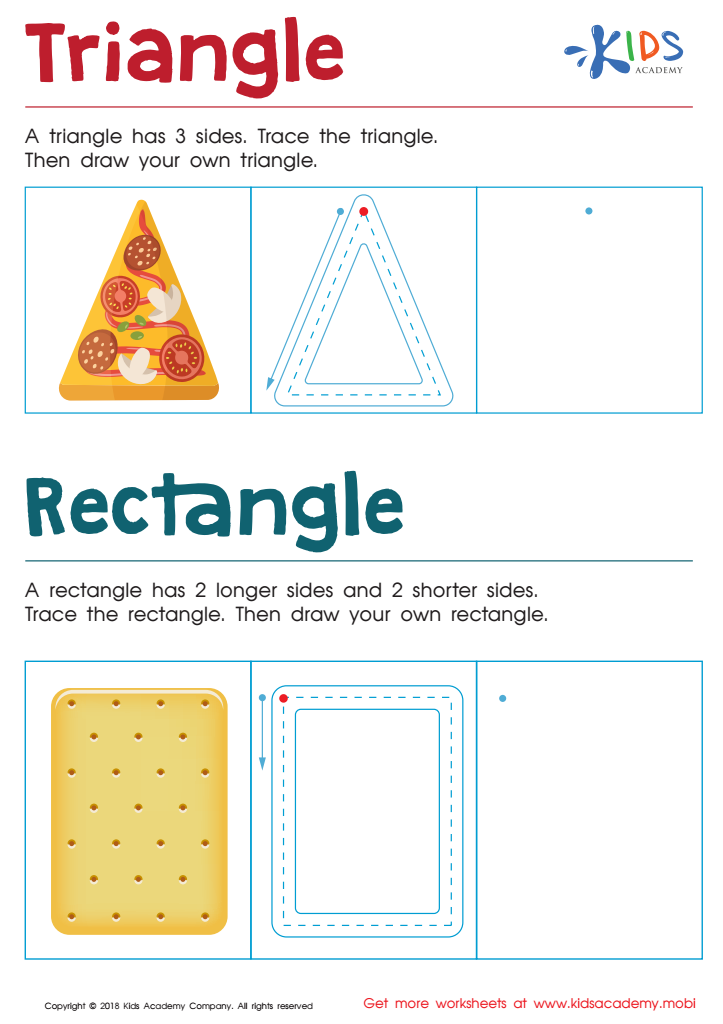
Triangle Rectangle Worksheet
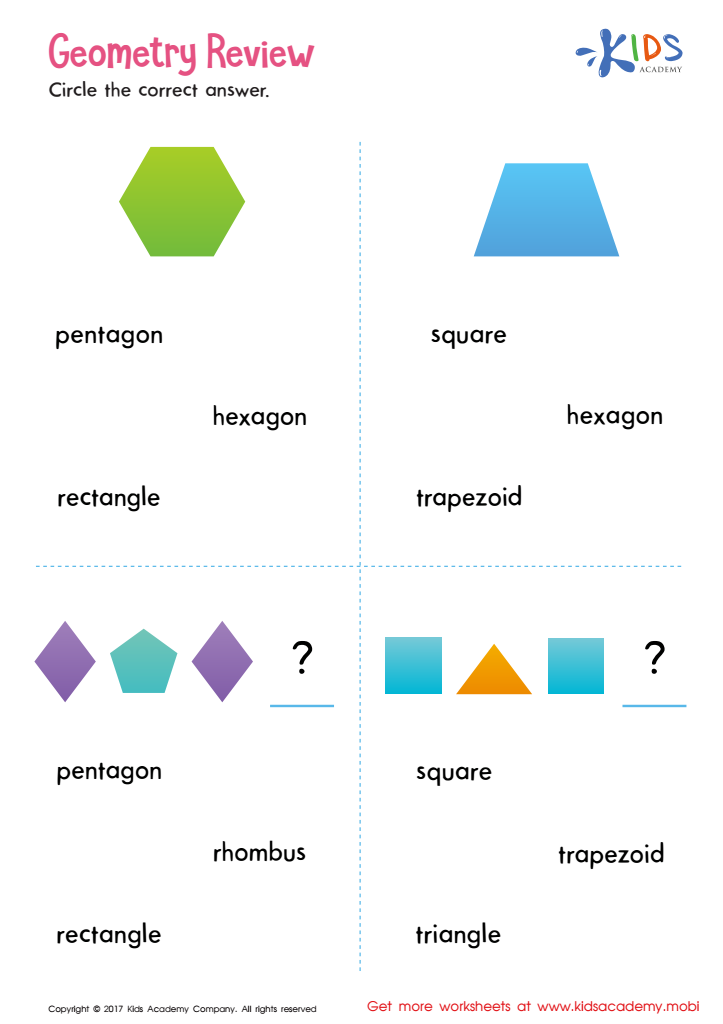
Geometry Review Printable
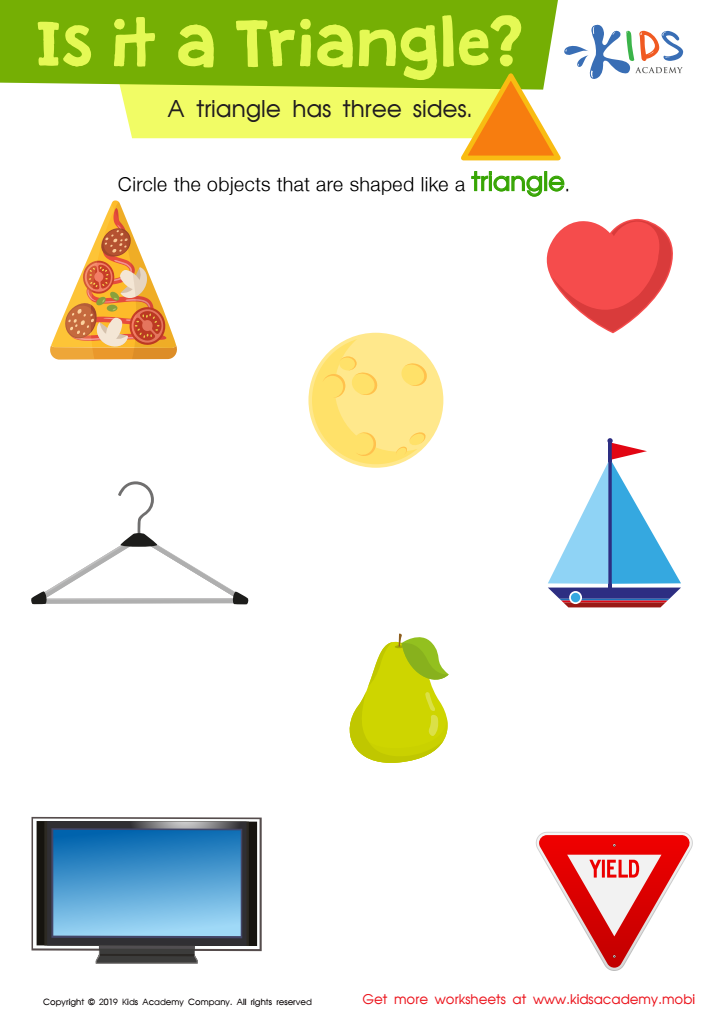
Is It a Triangle? Worksheet
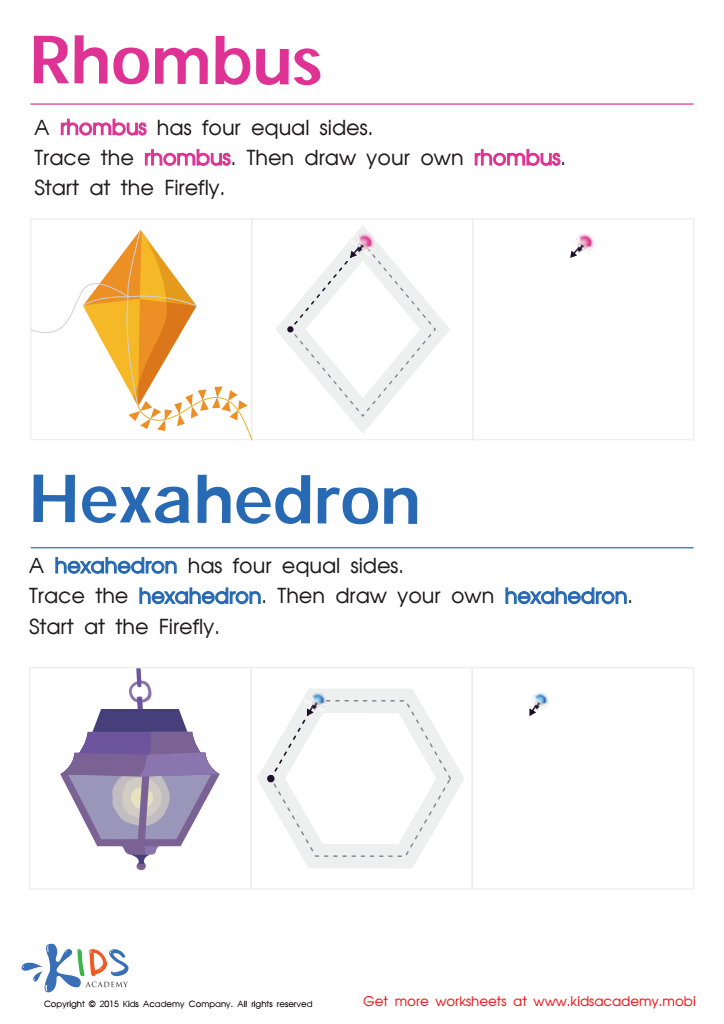
Draw a Rhombus And a Hexahedron Printable
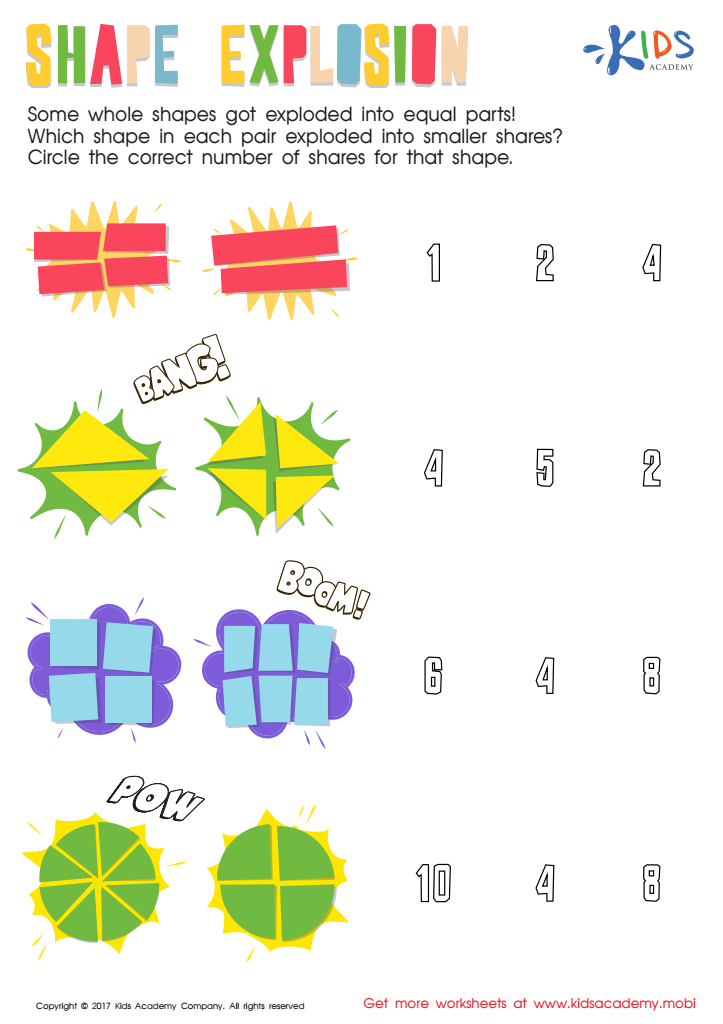
Shape Explosion Worksheet
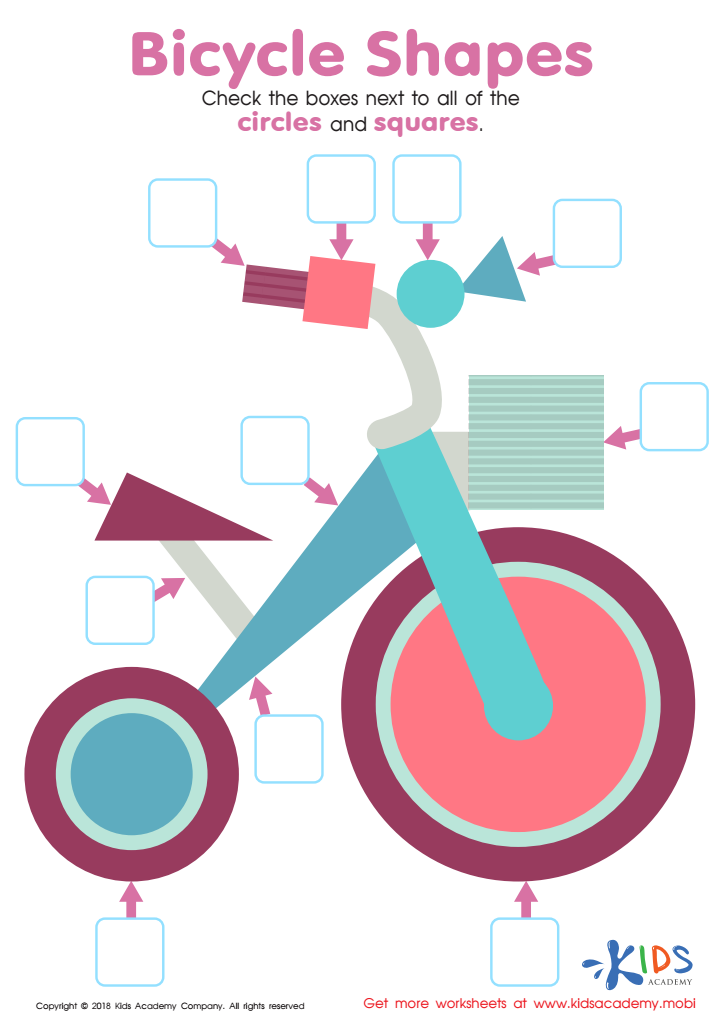
Bicycle Shapes Worksheet
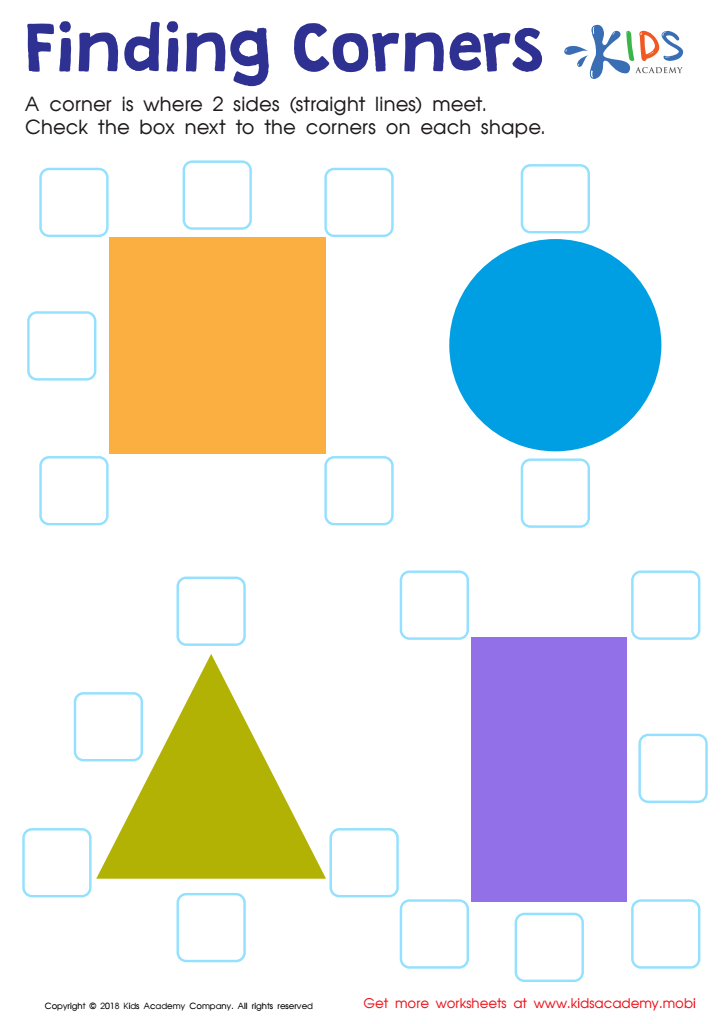
Finding Corners Worksheet
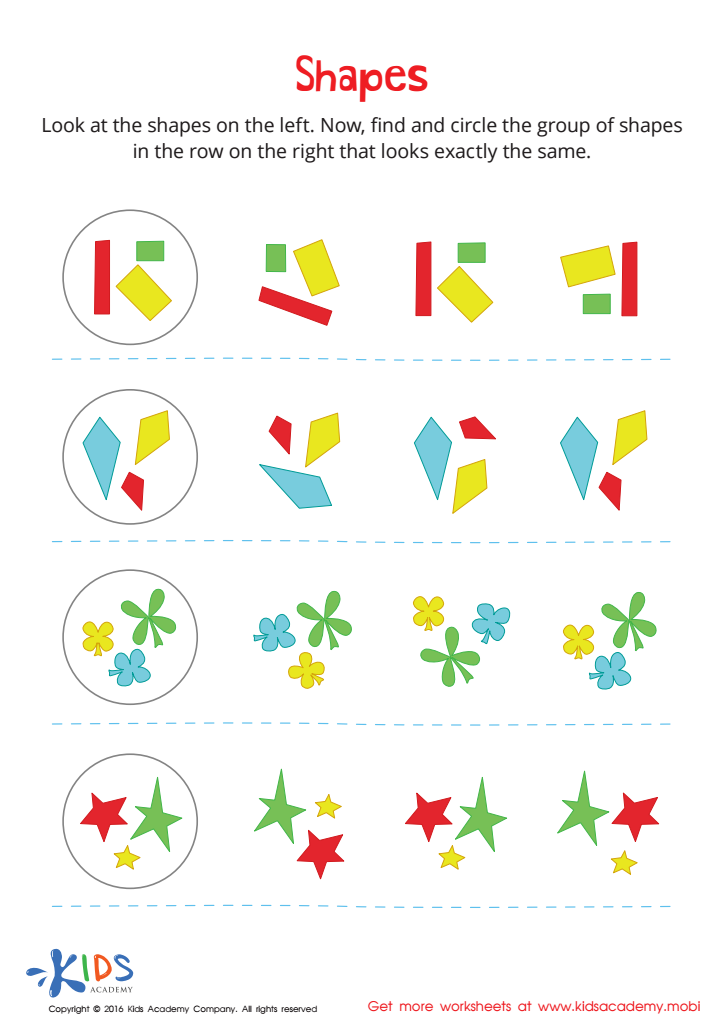
Shapes Worksheet








Understanding shape identification and basic geometry at an early age is vital for several foundational reasons. For starters, early exposure to these concepts can significantly boost a child's cognitive development. Shapes are a child's first introduction to geometry and spatial reasoning, skills that are essential for problem-solving and logical thinking. Identifying shapes helps children distinguish different forms and structures, making them more aware of their environment and aiding them in everything from solving puzzles to organizing objects efficiently.
Furthermore, shape identification is directly related to mathematics and language acquisition. Recognizing and naming shapes involves vocabulary building, which enhances communication skills. As children learn to describe the properties of shapes (e.g., “A triangle has three sides”), they are also practicing classification and categorization, vital skills for scientific thinking and data sorting.
Additionally, these early geometry skills are stepping stones for more complex mathematical tasks that children will encounter later in their education. Studies have shown that early mastery of basic shape identification and geometric thinking supports higher achievement in math during later elementary years. Engaging children with shapes through hands-on activities, games, and exploratory play solidifies these concepts in a manner that is enjoyable. Therefore, investing time in teaching shape identification to 6-year-olds sets a strong educational foundation and promotes overall development.








