Basic geometry understanding Math Worksheets for 6-Year-Olds
9 filtered results
-
From - To
Explore our engaging Basic Geometry Understanding Math Worksheets designed specifically for 6-year-olds! These worksheets aim to introduce young learners to fundamental geometric concepts in a fun and interactive way. With colorful illustrations and age-appropriate exercises, children will practice identifying shapes, understanding symmetry, and recognizing patterns. Our thoughtfully crafted activities foster creativity and critical thinking, ensuring that kids not only learn geometry but also develop a love for math. Perfect for home or classroom use, these worksheets provide a solid foundation in geometry, making learning enjoyable and effective. Give your child the tools they need to succeed in math with our delightful resources!
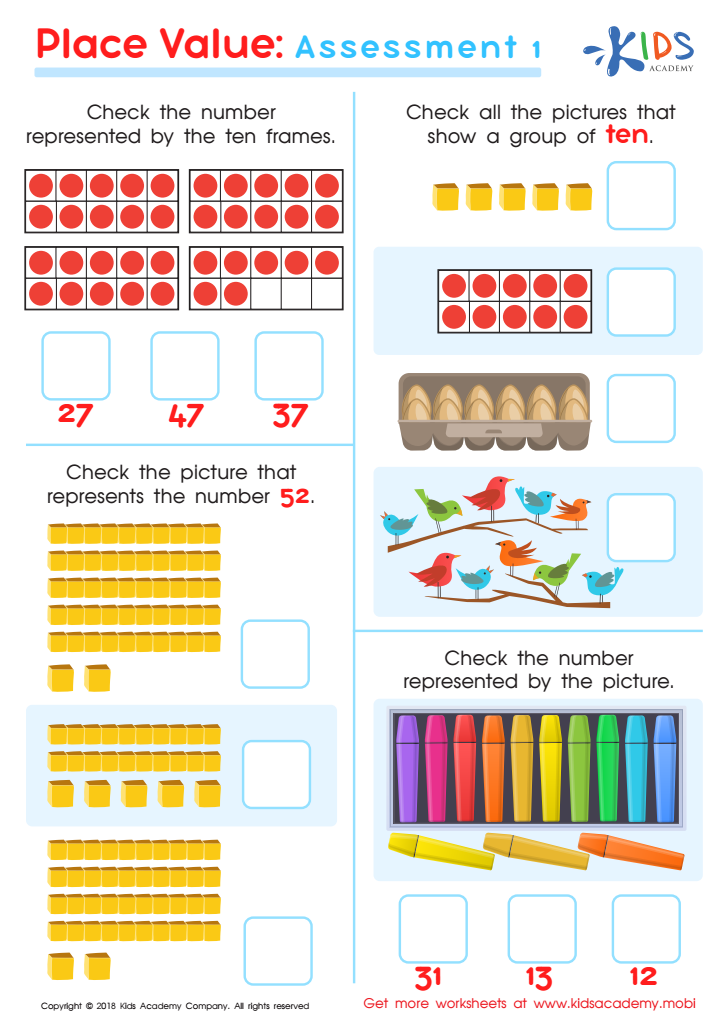
Place Value: Assessment 1 Worksheet
 Assign to My Students
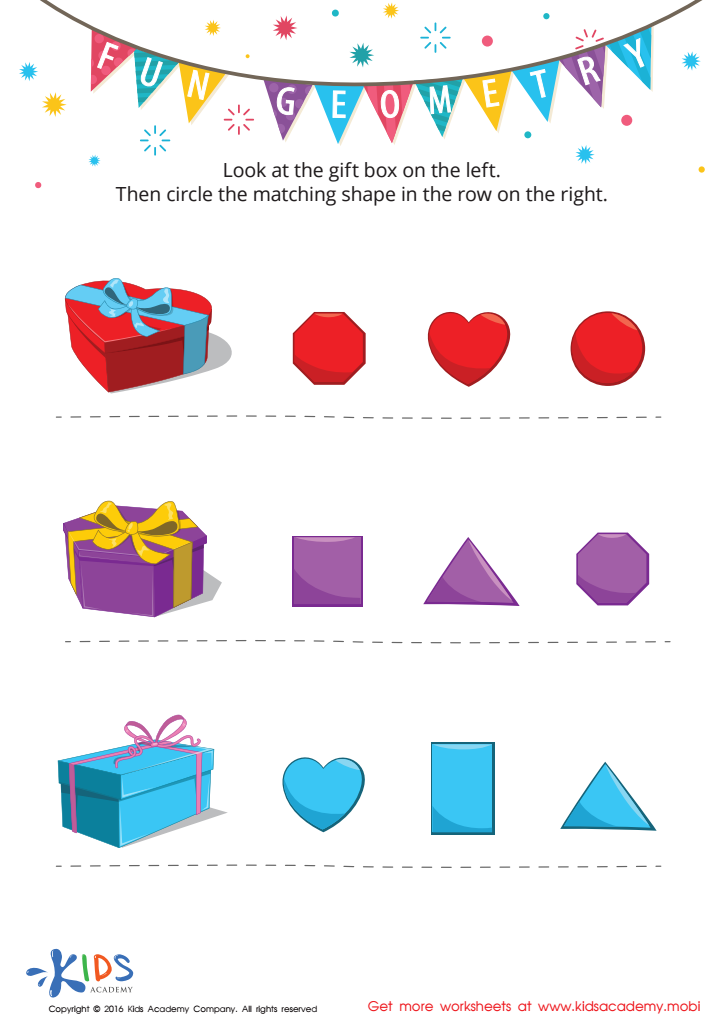
Fun Geometry Worksheet
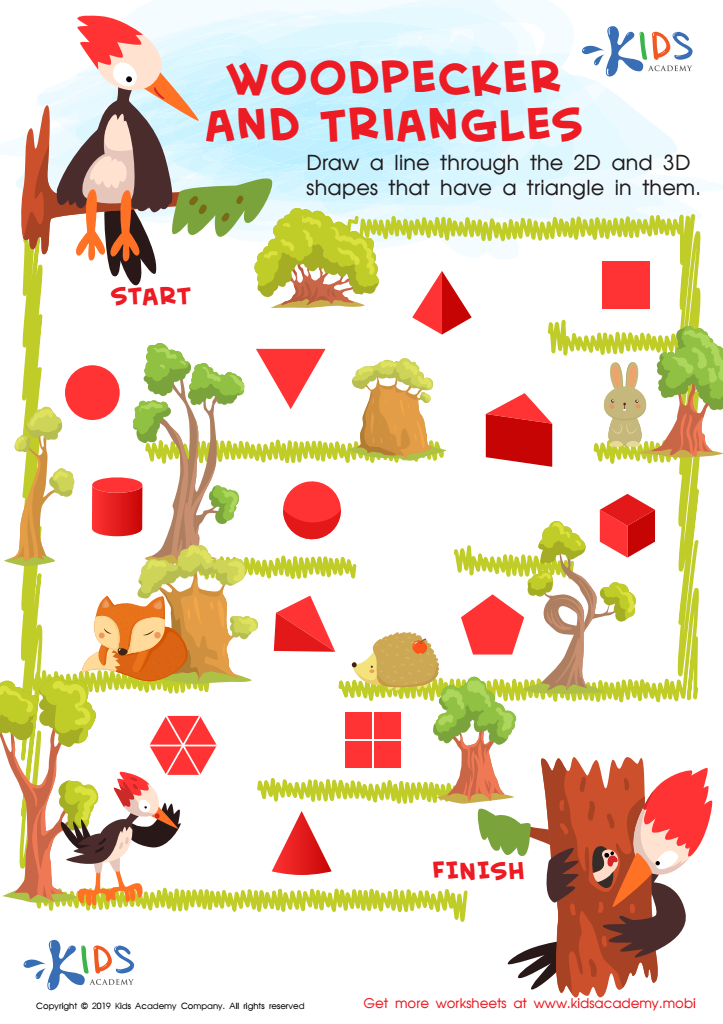
Woodpecker and Triangles Worksheet
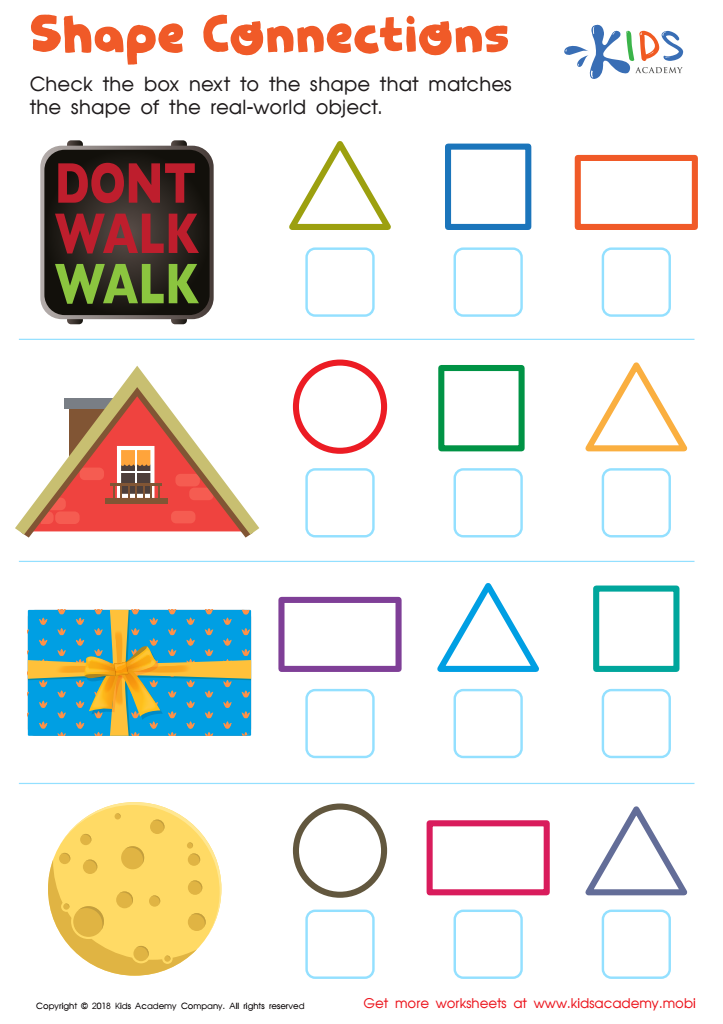
Shape Connections Worksheet
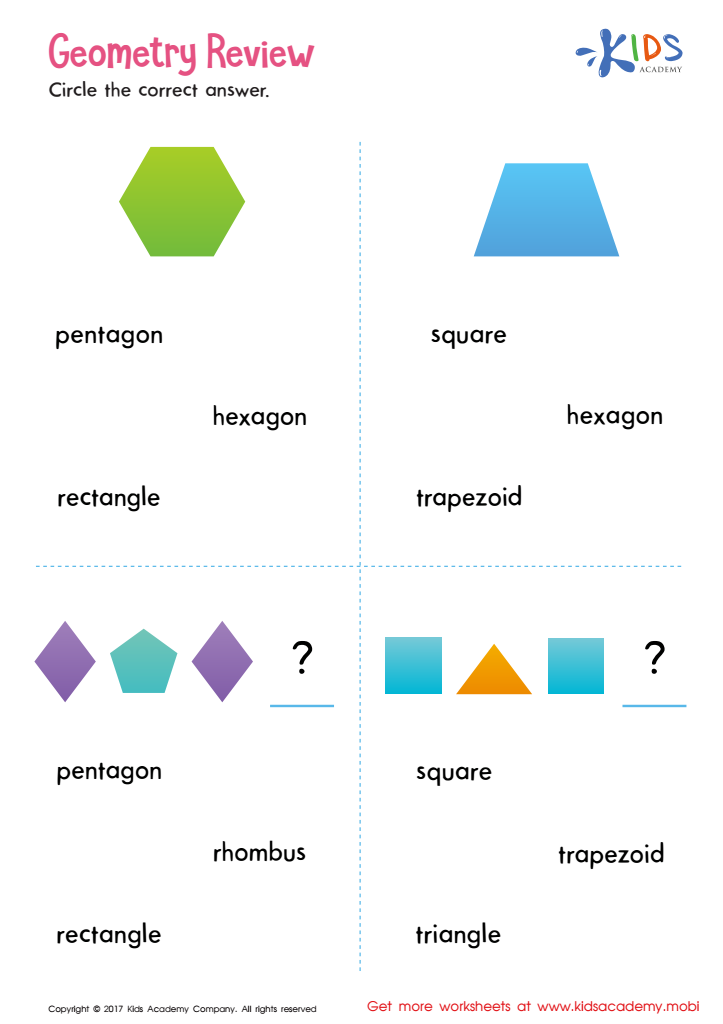
Geometry Review Printable
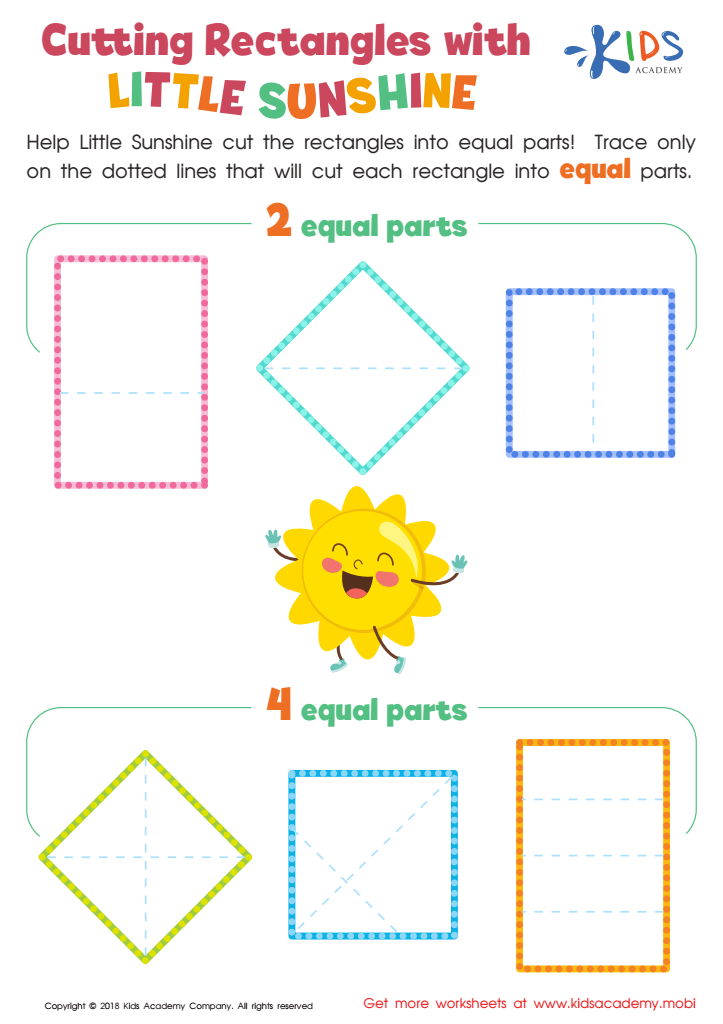
Cutting Rectangles with Little Sunshine Worksheet
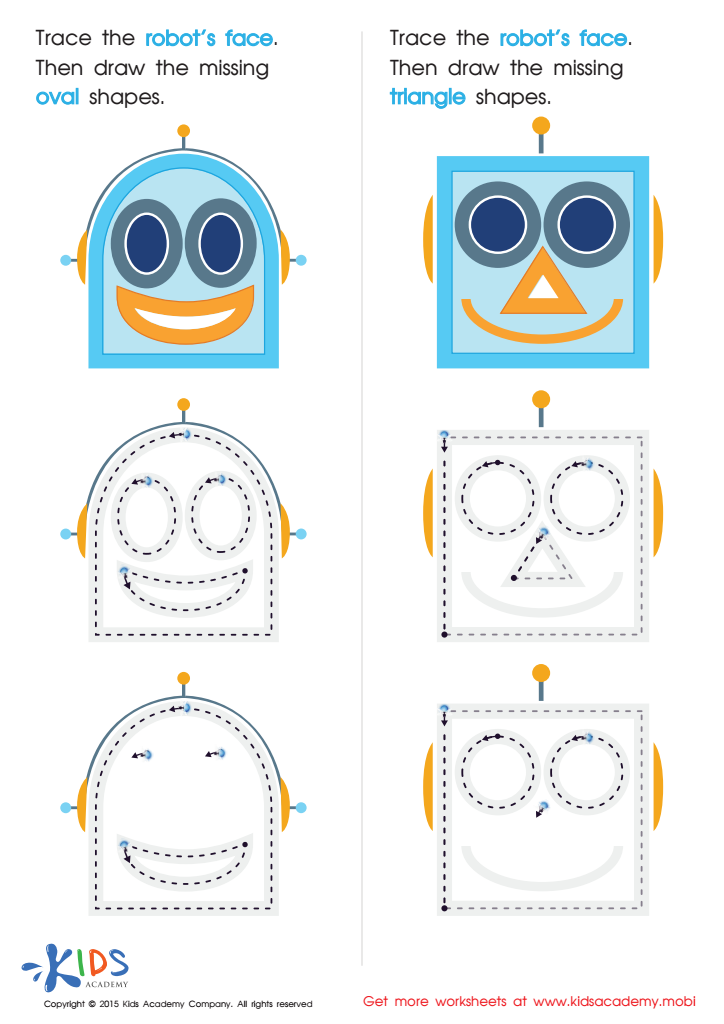
Drawing Ovals And Triangles with Fun Printable
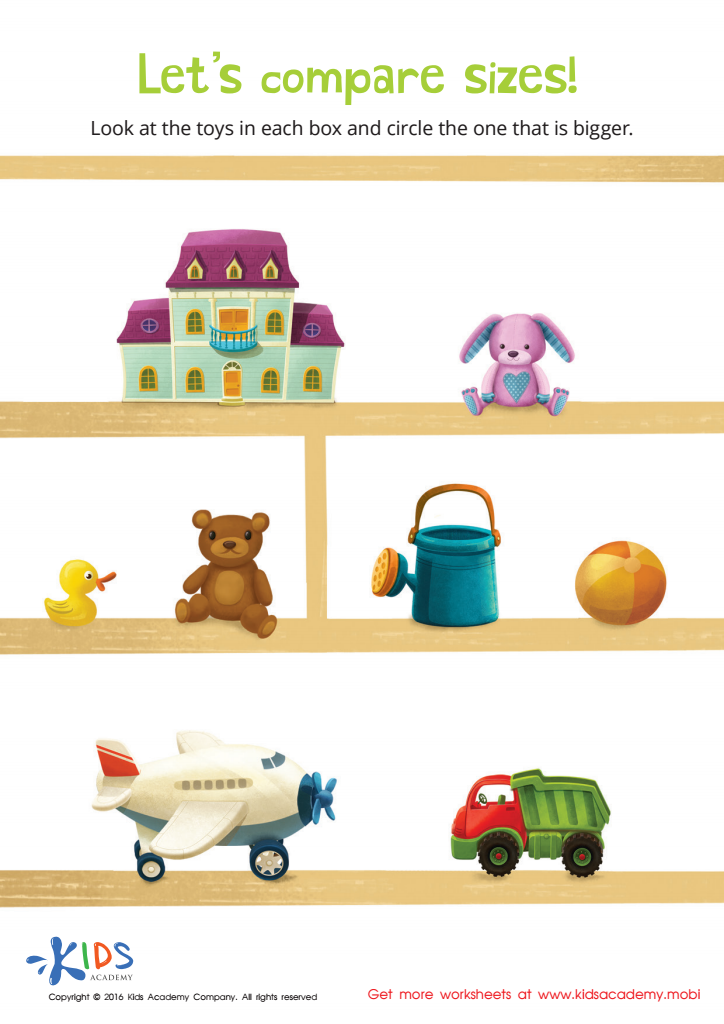
Classifying by Size Sorting Worksheet







Understanding basic geometry is crucial for 6-year-olds as it lays the foundation for their overall mathematical development. At this age, children are naturally curious and eager to learn about shapes, spaces, and relationships. Geometry helps them make sense of the world around them; recognizing shapes like circles, squares, and triangles enhances their observation skills and critical thinking.
Moreover, geometry introduces essential concepts such as symmetry, area, and volume in a tangible way, promoting problem-solving skills. When kids engage with geometry through hands-on activities, like building structures or drawing, they develop fine motor skills and spatial awareness. Additionally, a grasp of basic geometry supports other mathematical areas, such as measurement and data interpretation, fostering a well-rounded mathematical toolkit.
Parental and teacher support in this area boosts children's confidence and motivation. Positive experiences with geometry can lead to a lifelong appreciation of math and its applications. Lastly, as our world increasingly relies on technology and analytical skills, early geometry education ensures that children are well-equipped to navigate future academic and professional challenges. By caring about and supporting geometric understanding, adults play a pivotal role in setting the stage for children’s success in math and beyond.








