Fine Motor Skills Numbers 11–20 Worksheets for 6-Year-Olds
6 filtered results
-
From - To
Unlock your child's potential with our engaging Fine Motor Skills Worksheets for numbers 11 to 20, specially designed for 6-year-olds! These worksheets integrate fun activities that promote hand-eye coordination, dexterity, and creativity while helping kids master their number skills. Through tracing, coloring, and cutting exercises centered around numbers, children will enhance their fine motor abilities and build a strong foundation for future learning. Ideal for at-home practice or classroom use, our resources encourage independent learning in a playful way. Explore our collection and watch your child flourish as they develop essential fine motor skills while exploring numbers beyond ten!
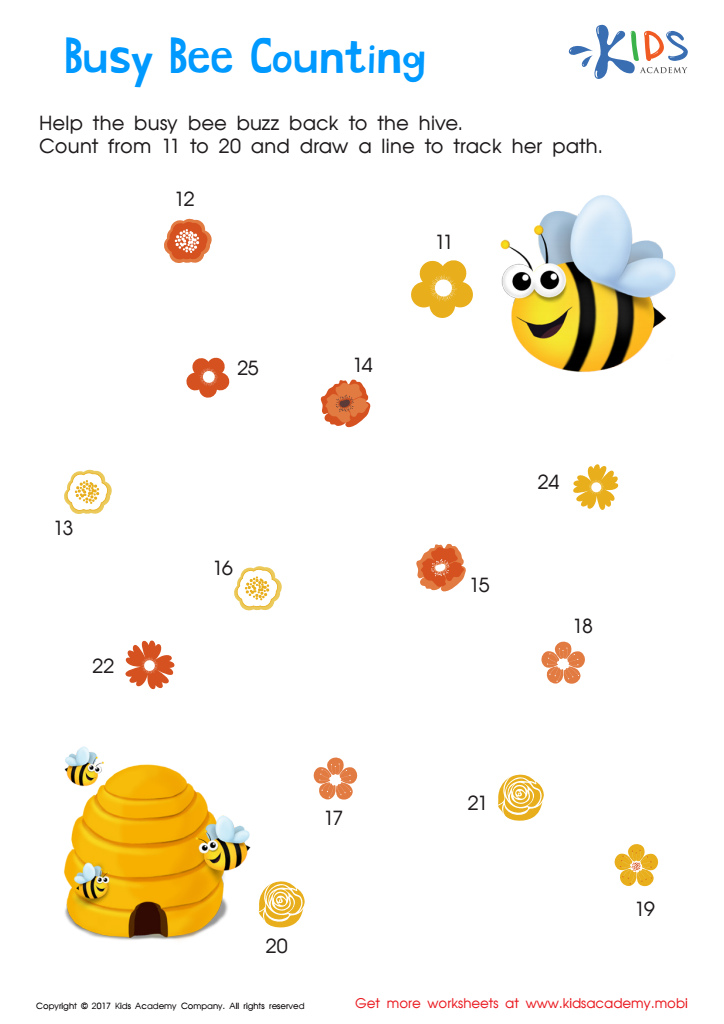
Ordering 11–20: Busy Bee Counting Worksheet
 Assign to My Students
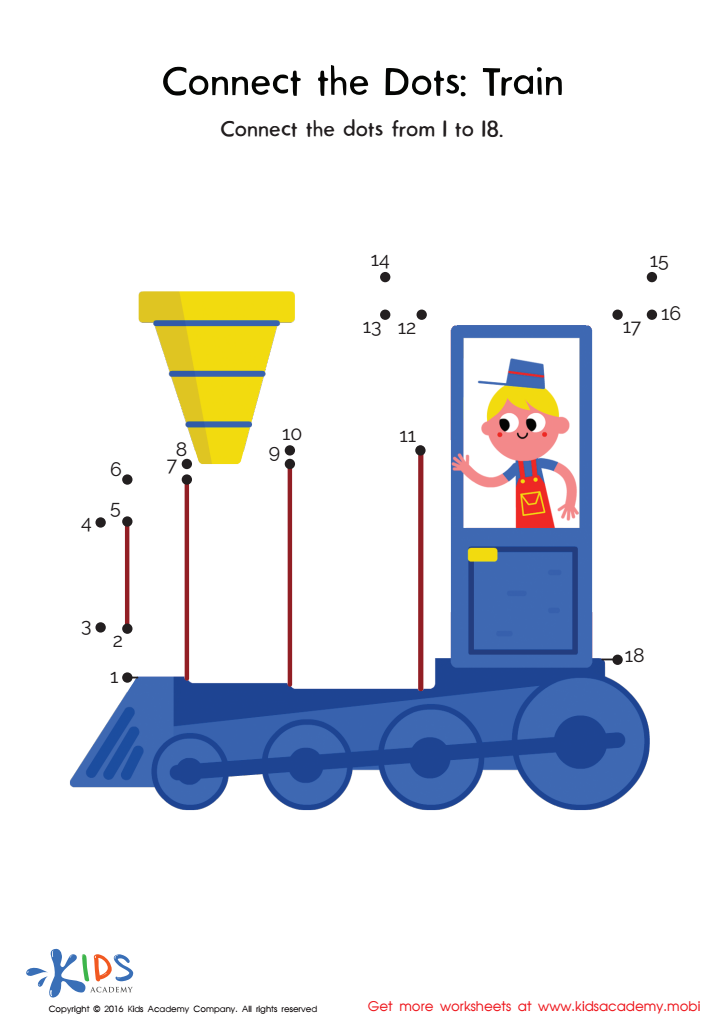
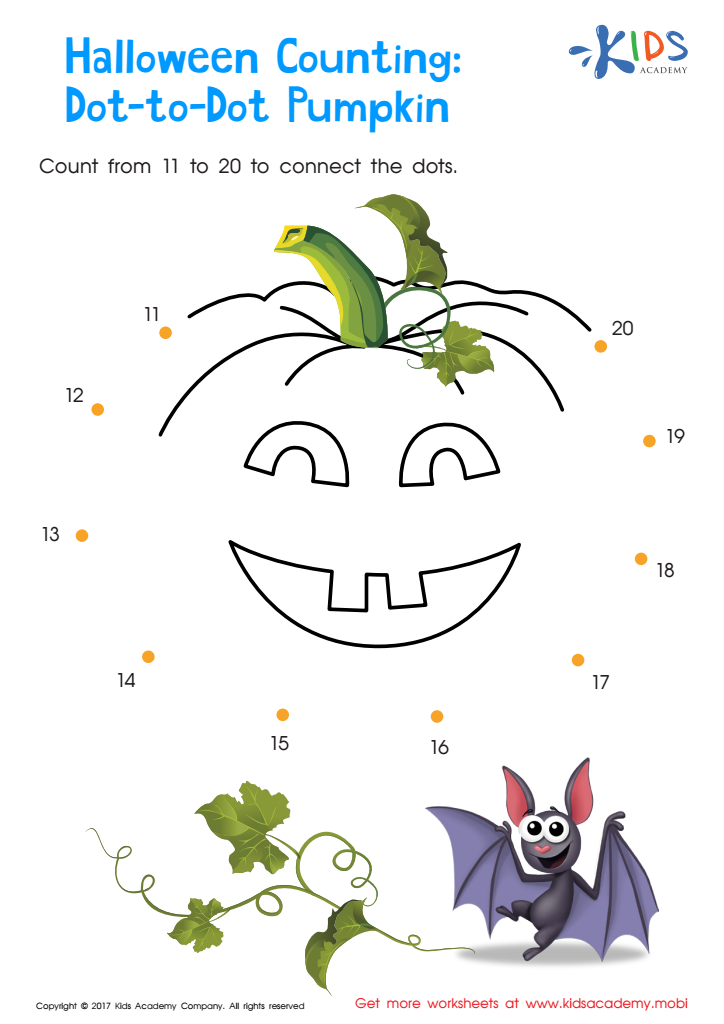
Ordering 11–20: Halloween Counting Worksheet
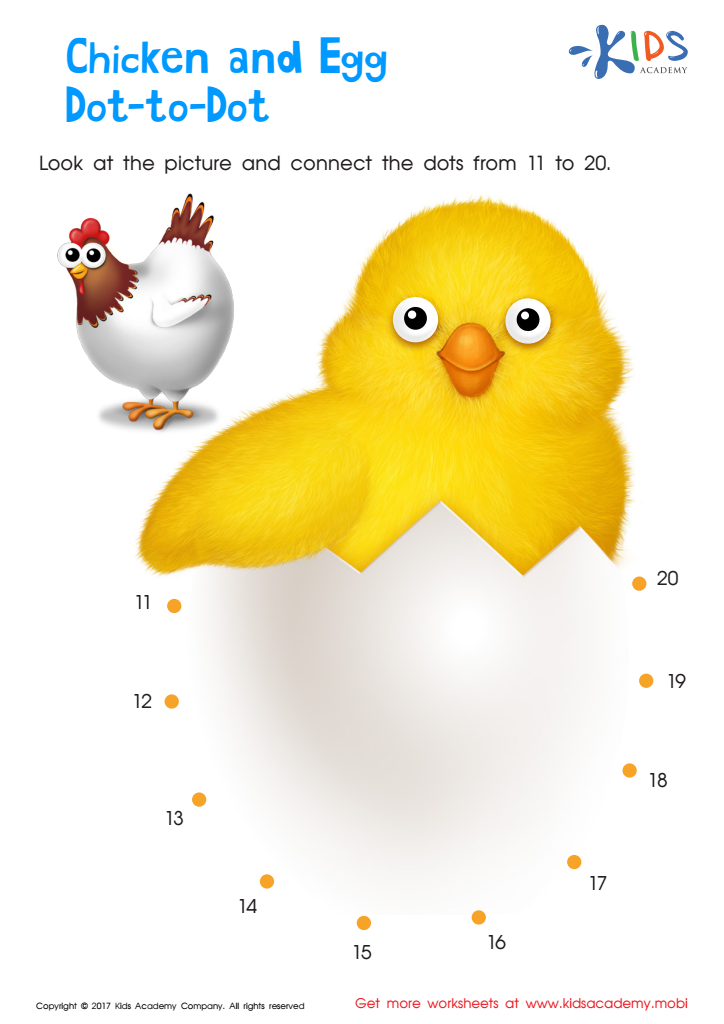
Ordering 11–20: Chicken & Egg Dot–to–dot Worksheet
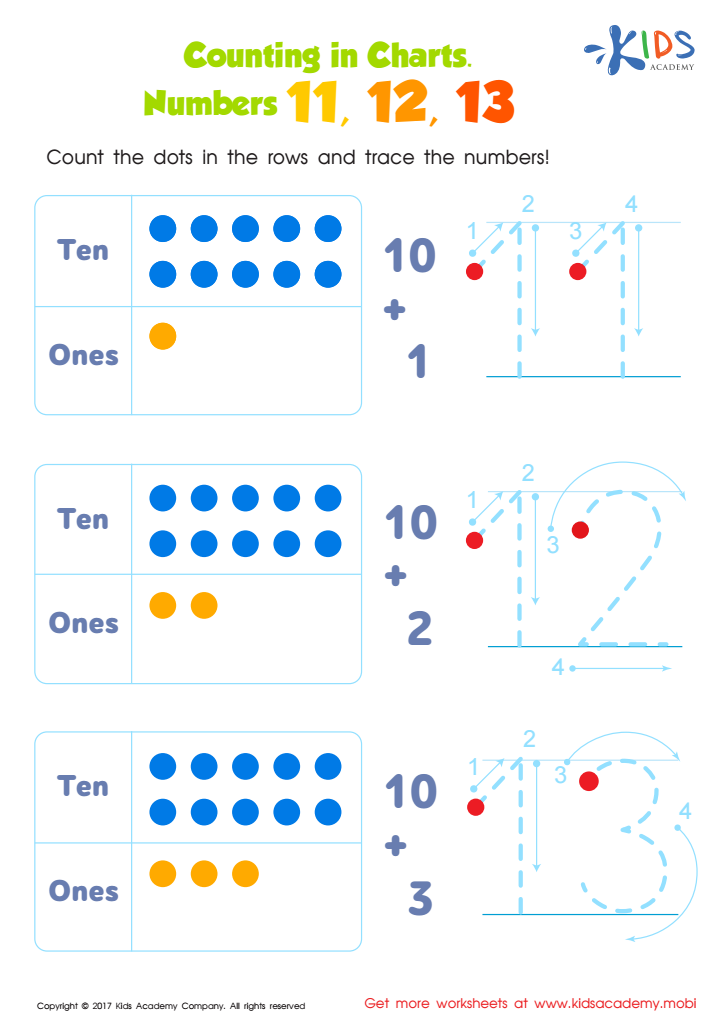
Number Tracing Worksheet For Kindergarten

Ordering 11–20: Dot–to–dot Seashell Printable



Fine motor skills are essential for children, particularly for 6-year-olds mastering the skills needed for tasks involving numbers 11-20. At this age, children are beginning to write, draw, and manipulate small objects, which are all crucial for their cognitive and communication development. Encouraging the development of fine motor skills aids in number writing and recognition, allowing children to better engage with mathematical concepts.
For parents and teachers, the significance of developing these skills extends beyond the classroom. Strong fine motor proficiency fosters confidence and independence in young learners, leading to improved academic performance. As children learn to control their grasp and coordination through activities like cutting, drawing, or manipulating small objects, they naturally improve their ability to express mathematical ideas, such as counting, sorting, or performing basic operations with numbers 11-20.
Moreover, these skills help in laying a foundation for later learning. When children struggle with fine motor tasks, it can lead to frustration and disengagement from learning. By prioritizing fine motor skill development, parents and teachers not only enhance classroom performance but also contribute to the overall growth and well-roundedness of the child, paving the way for success in future educational endeavors.








