Basic counting skills Reading Worksheets for 6-Year-Olds
3 filtered results
-
From - To
Discover our engaging "Basic Counting Skills Reading Worksheets" designed specifically for 6-year-olds! These worksheets provide a fun and interactive way for young learners to enhance their counting abilities while developing essential reading skills. Each worksheet features colorful illustrations and age-appropriate activities that captivate children's attention, making learning enjoyable. As students practice counting objects, numbers, and patterns, they gain confidence and a solid foundation in numeracy. Ideal for use at home or in the classroom, these worksheets support early childhood education and help prepare kids for future math challenges. Start your child’s counting journey today with our delightful resources!
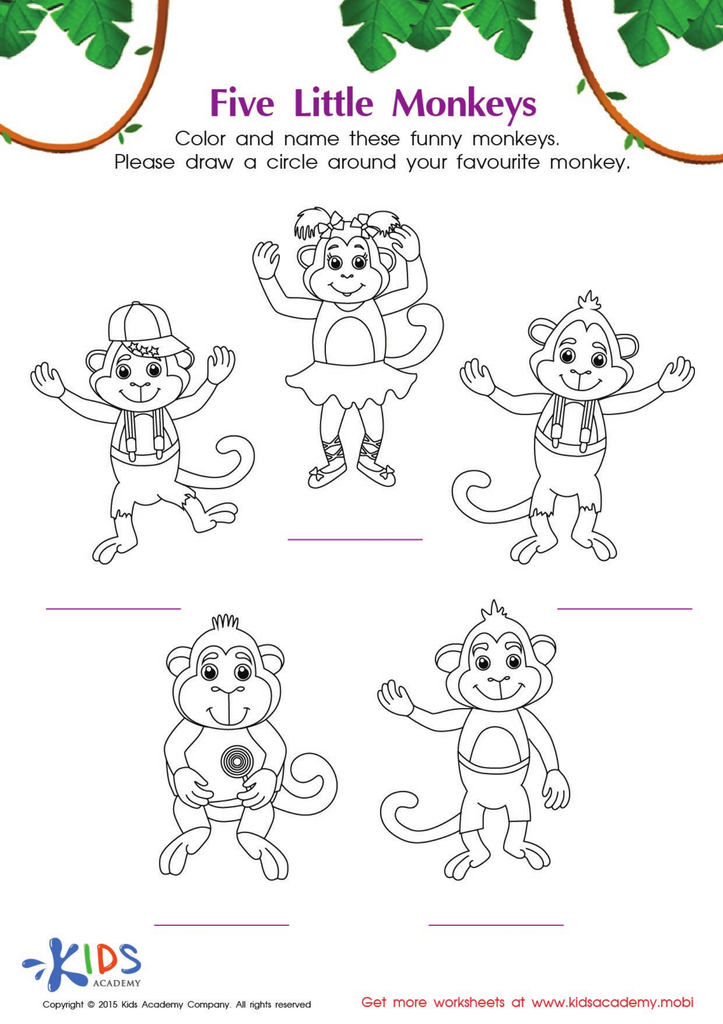
The Five Little Monkeys Coloring Worksheet
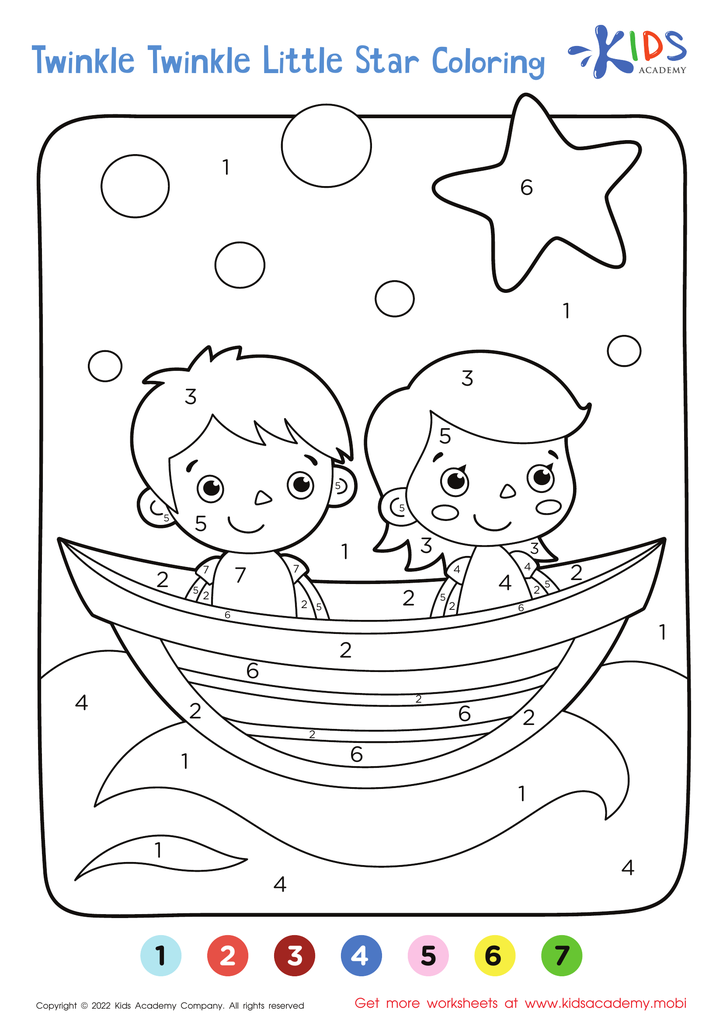
Twinkle, Twinkle, Little Star – Coloring by Numbers








Basic counting skills are foundational for 6-year-olds, impacting their overall academic success and daily life. Understanding numbers lays the groundwork for future mathematics, enhancing problem-solving abilities and logical thinking. As children learn to count, they develop an appreciation for numerical patterns and relationships, forging connections that will be utilized in more complex math concepts later on.
Beyond academics, counting is crucial for everyday life skills, such as managing money, telling time, and measuring ingredients while cooking. By fostering these skills early, parents and teachers can empower children with the confidence to tackle various practical situations. Additionally, counting activities promote fine motor skills and hand-eye coordination, important for overall development.
Reading and understanding basic counting concepts allow children to grasp important language skills as they encounter terms like "more," "less," "total," and "adding." This vocabulary expansion enhances their literacy skills alongside numeracy.
Incorporating counting into playful activities, stories, and games keeps learning engaging and enjoyable, nurtures creativity, and encourages critical thinking. By prioritizing basic counting skills, parents and teachers play a pivotal role in shaping a child's academic journey and future success, making it essential to care about this vital aspect of early education.








