Comparing Fractions Reading Worksheets for 6-Year-Olds
17 filtered results
-
From - To
Discover engaging "Comparing Fractions Reading Worksheets for 6-Year-Olds" designed to make learning fun and interactive! Our worksheets help young learners master the concept of fractions through colorful visuals and relatable scenarios. With age-appropriate activities, children will strengthen their comprehension skills as they explore the differences between various fractions. Each worksheet encourages critical thinking and problem-solving, fostering a solid foundation in math. Ideal for parents and teachers, these resources support early education by promoting hands-on learning. Watch your child's confidence soar as they compare, analyze, and draw conclusions about fractions in a playful and educational way. Perfect for at-home or classroom use!
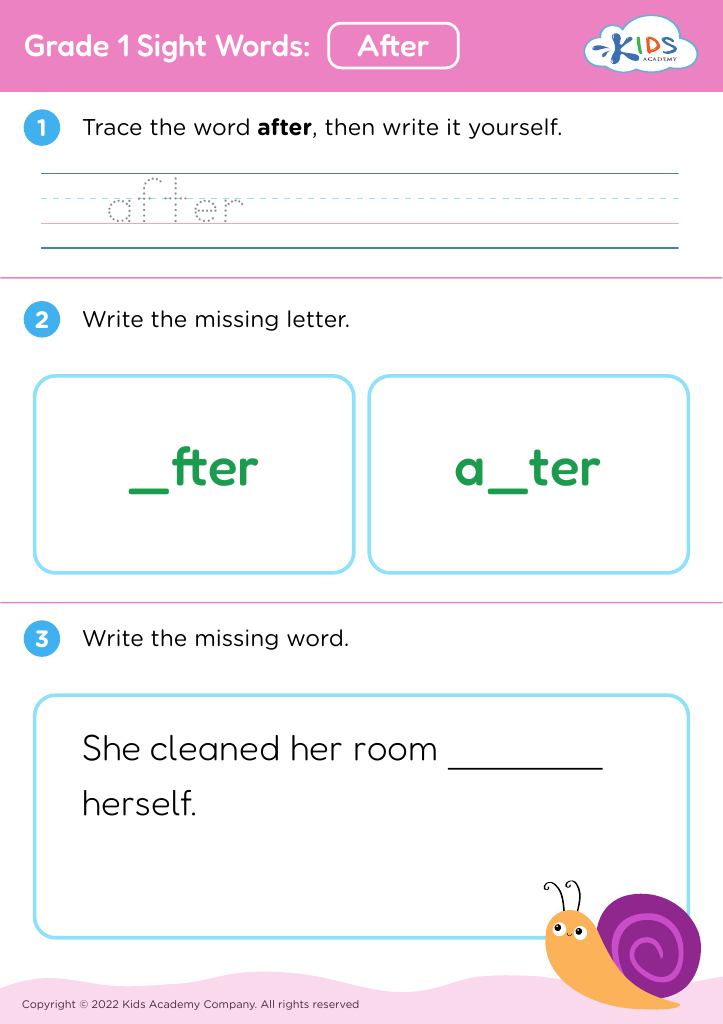
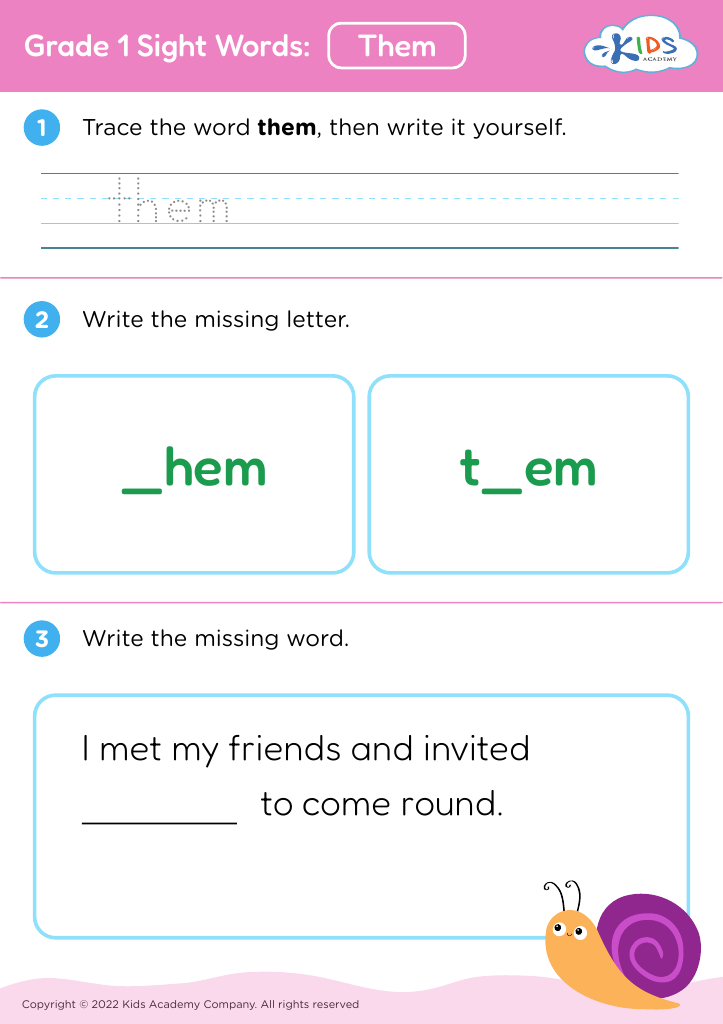
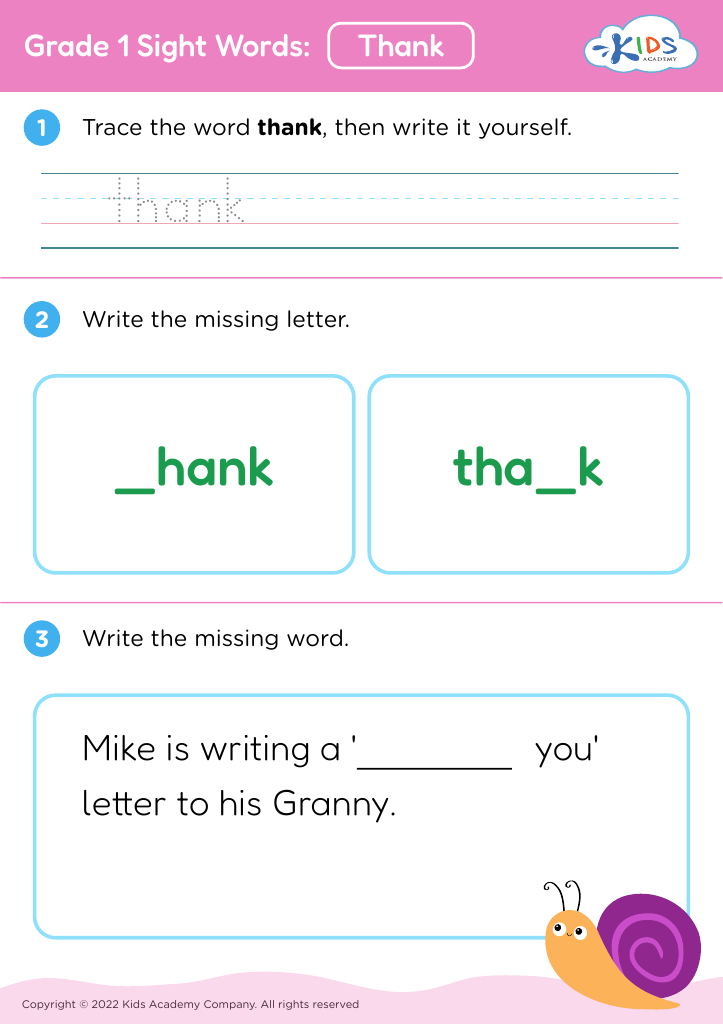
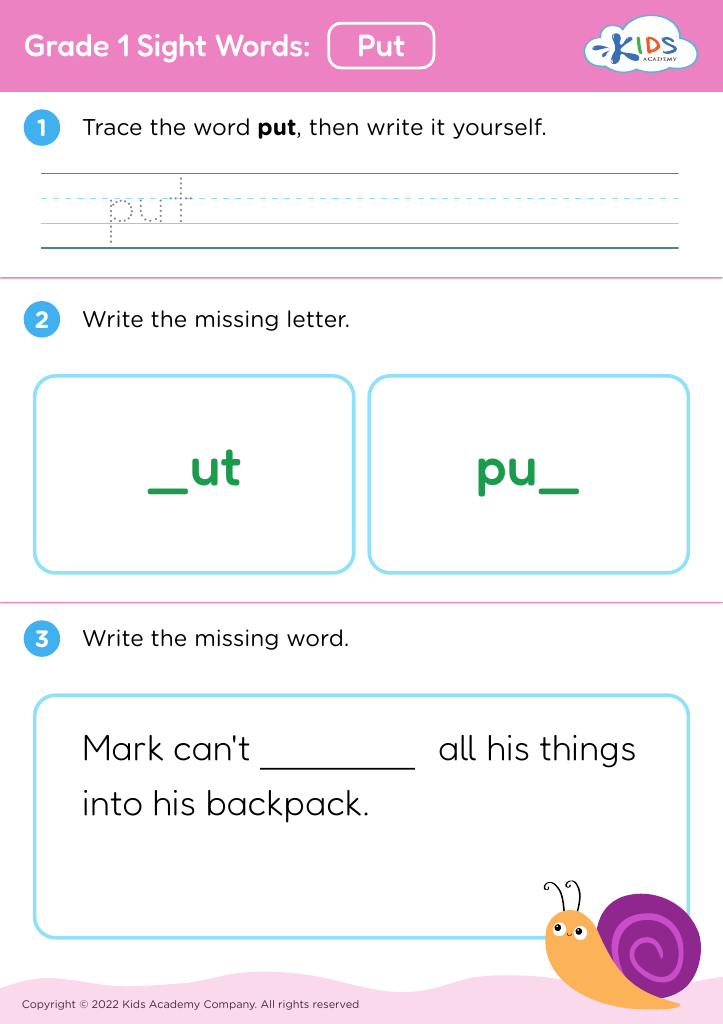






.jpg)
Comparing fractions is a fundamental mathematical skill that lays the groundwork for future learning. For 6-year-olds, grasping this concept enhances their number sense and critical thinking abilities. Parents and teachers should care about this topic because mastering fraction comparison allows children to develop mathematical confidence, which is essential as they encounter more complex mathematical concepts later in their education.
Understanding how to compare fractions also connects to real-life situations, such as sharing food or measuring ingredients, making math relevant and approachable. Engaging with fractions strengthens cognitive skills such as pattern recognition, which can support overall academic achievement across subjects.
Moreover, early exposure to comparing fractions promotes skills like problem-solving and logical reasoning. They learn to recognize, articulate, and justify their thinking, which are crucial elements in developing effective communication skills, both mathematically and socially.
Whether in fun activities or structured lessons, introducing comparing fractions aligns with early learning standards, ensuring that children are better prepared for future challenges in mathematics. By focusing on this skill, parents and teachers can support children in becoming more adept learners, fostering a positive attitude toward math that can last a lifetime.








