Reading comprehension Reading Non-Fiction Worksheets for 6-Year-Olds
24 filtered results
-
From - To
Explore engaging reading comprehension non-fiction worksheets specifically designed for 6-year-olds! At Kids Academy, our carefully crafted resources help young learners develop essential reading skills through fun and informative texts. These worksheets promote critical thinking as children read age-appropriate non-fiction material about a variety of topics, from nature to science. Each activity focuses on comprehension strategies, allowing kids to answer questions, summarize information, and make connections to real-life experiences. Our interactive approach makes reading enjoyable and educational, empowering children to become curious readers. Perfect for both classrooms and at-home learning, these worksheets nurture a love for reading while enhancing literacy skills!
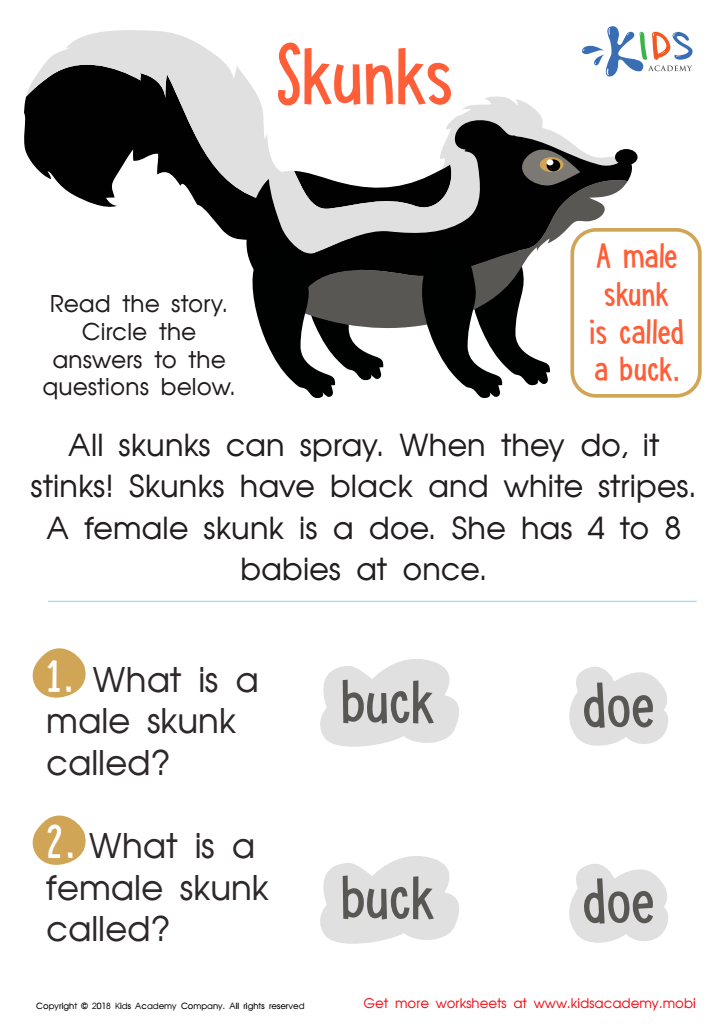
Skunks Worksheet
 Assign to My Students
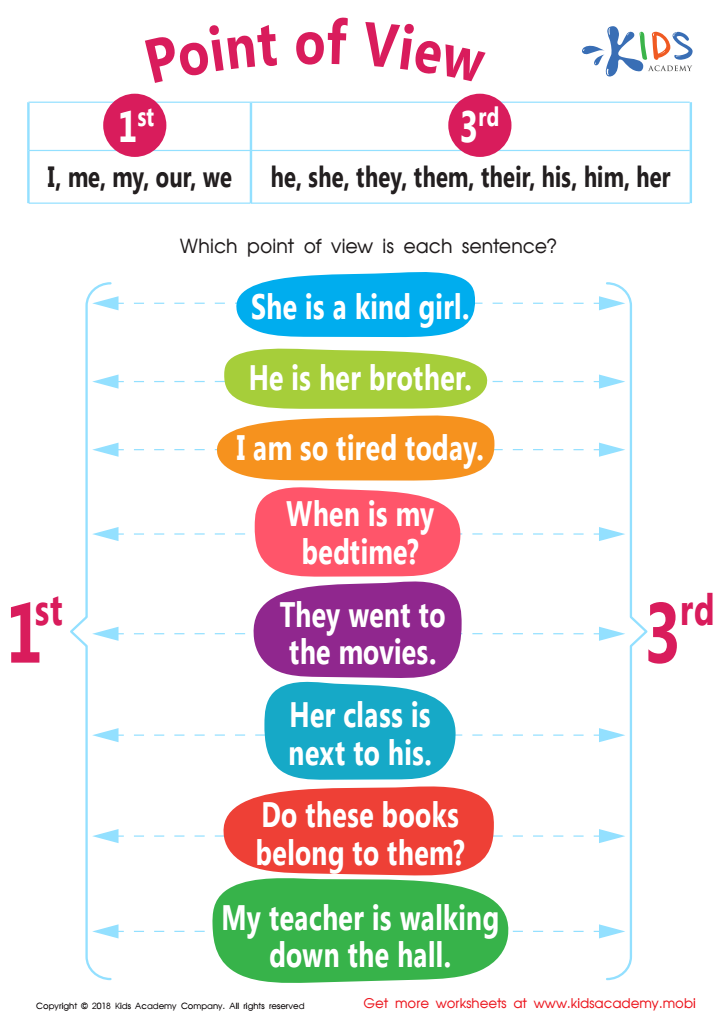
Point of View Worksheet
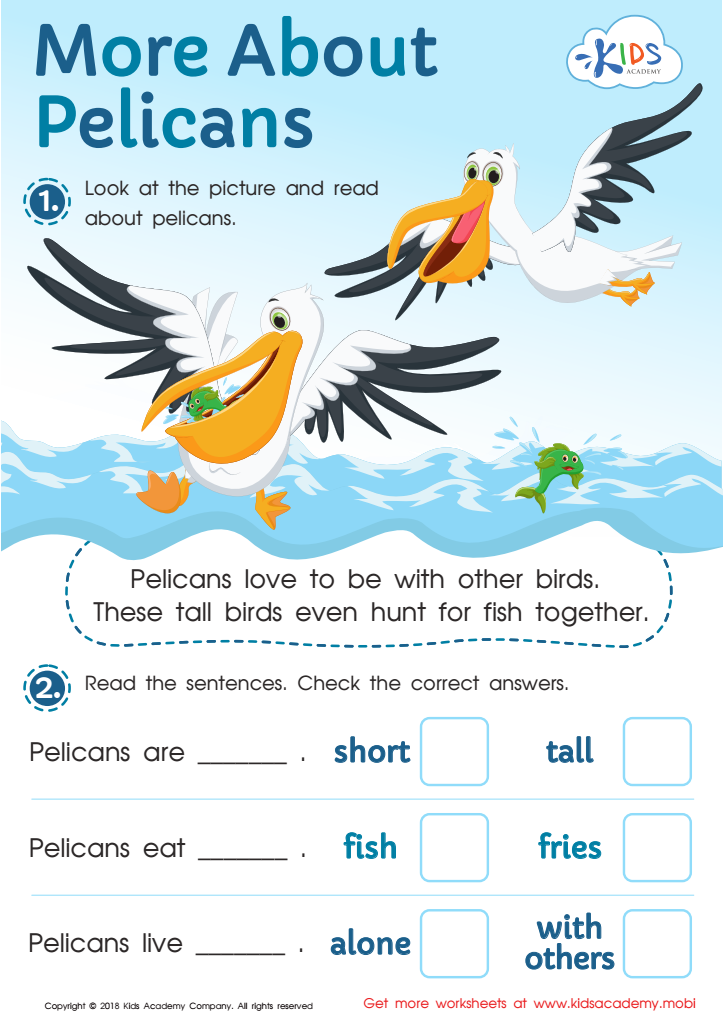
More About Pelicans Worksheet
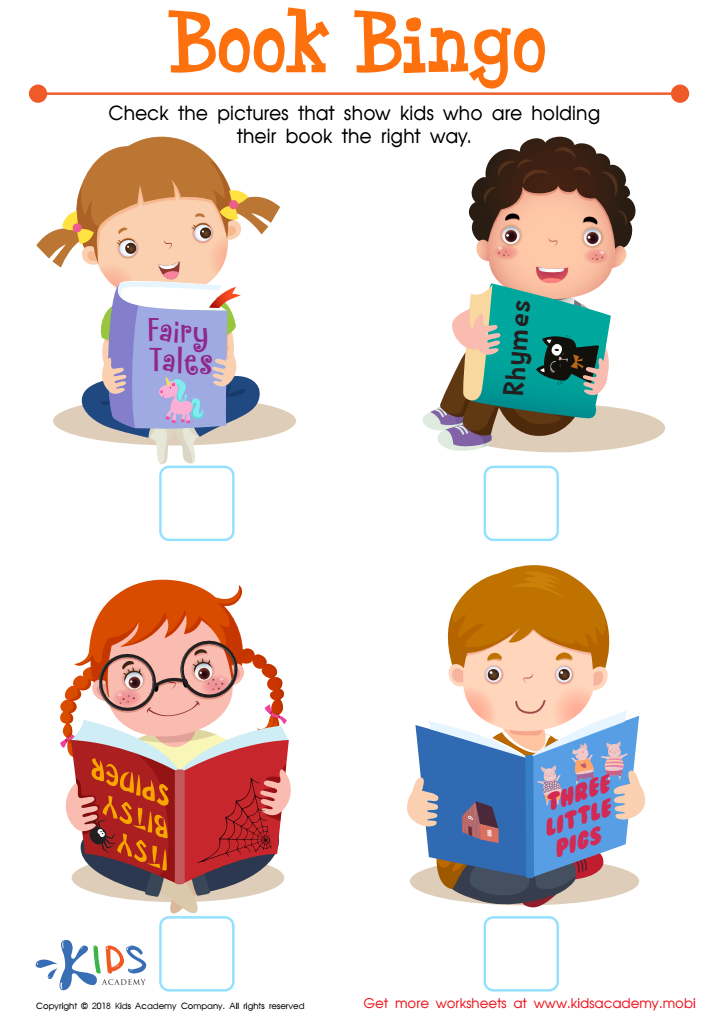
Book Bingo Worksheet
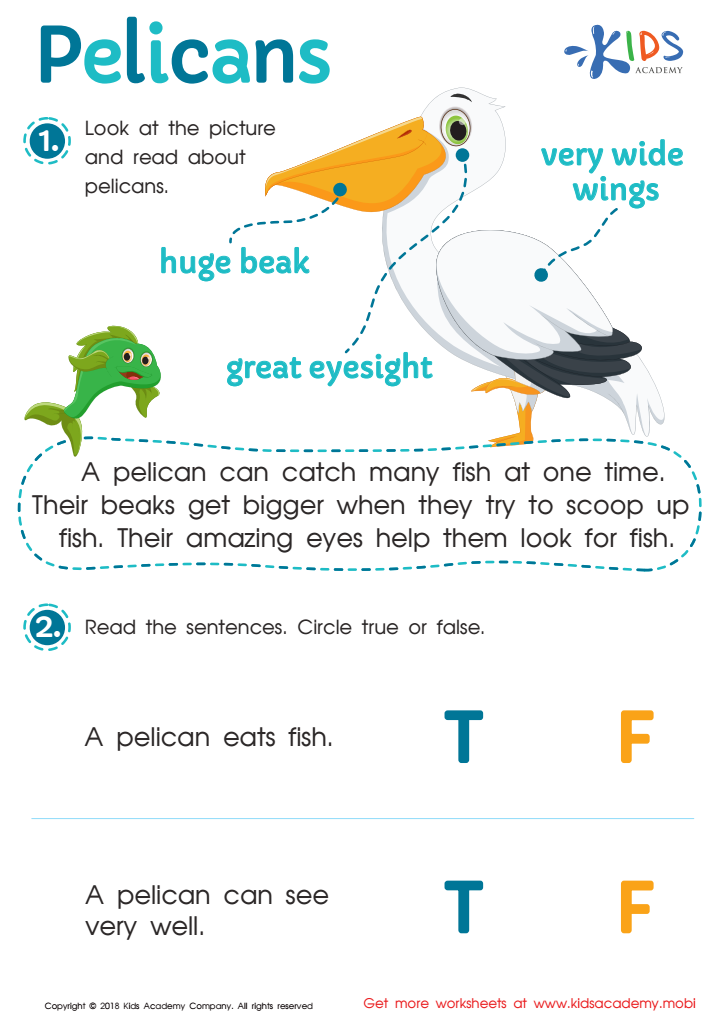
Pelicans Worksheet
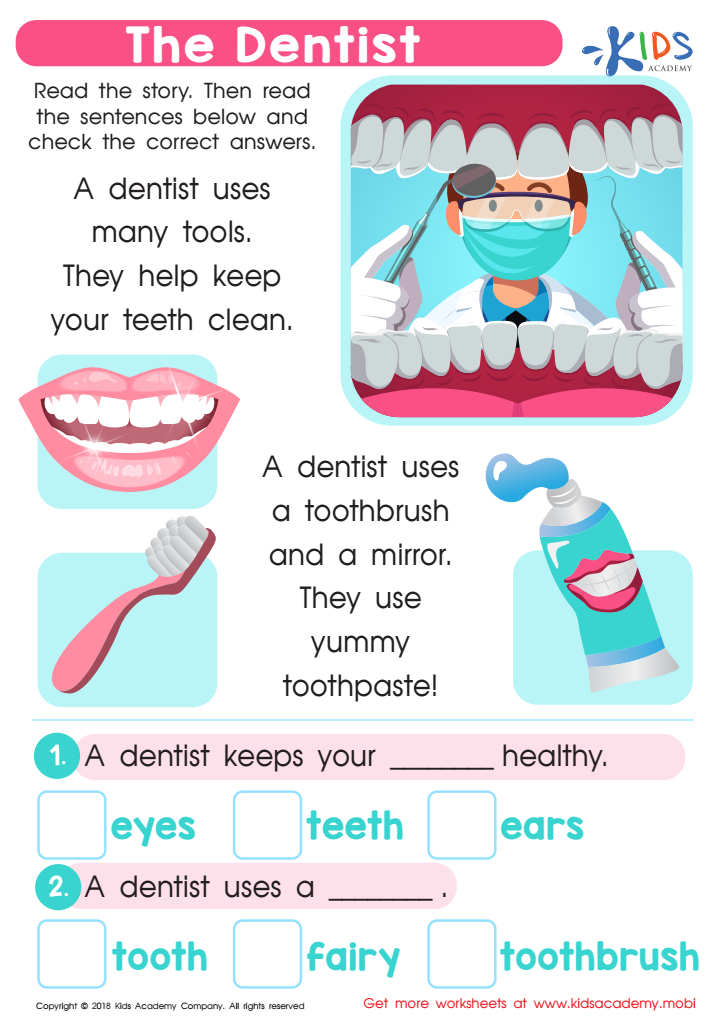
The Dentist Worksheet
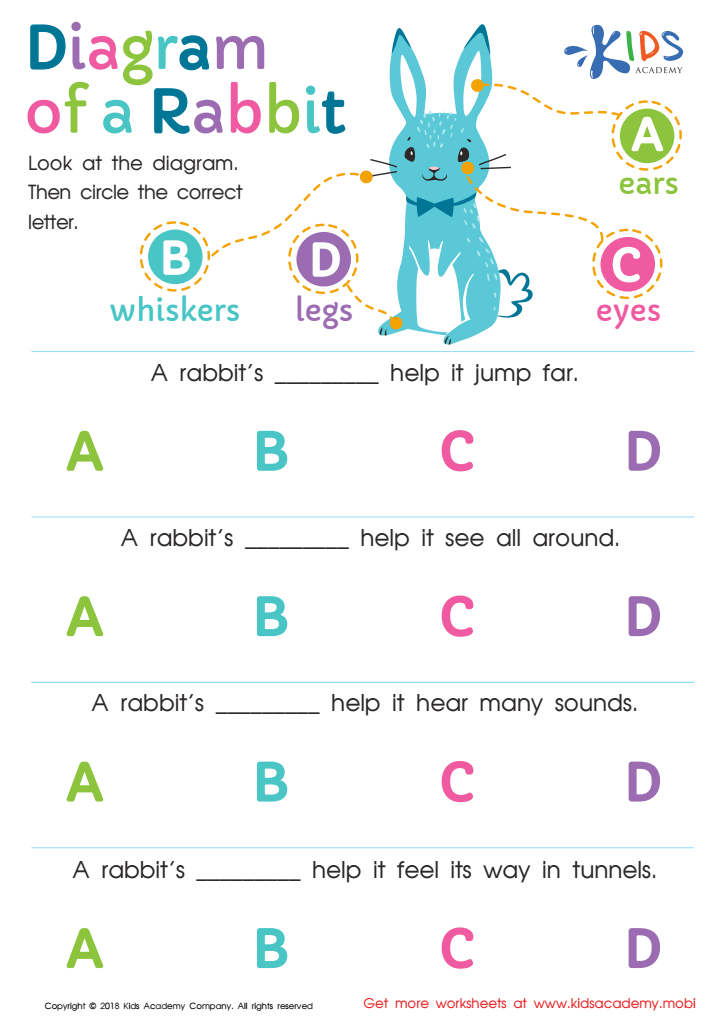
Diagram of a Rabbit Worksheet
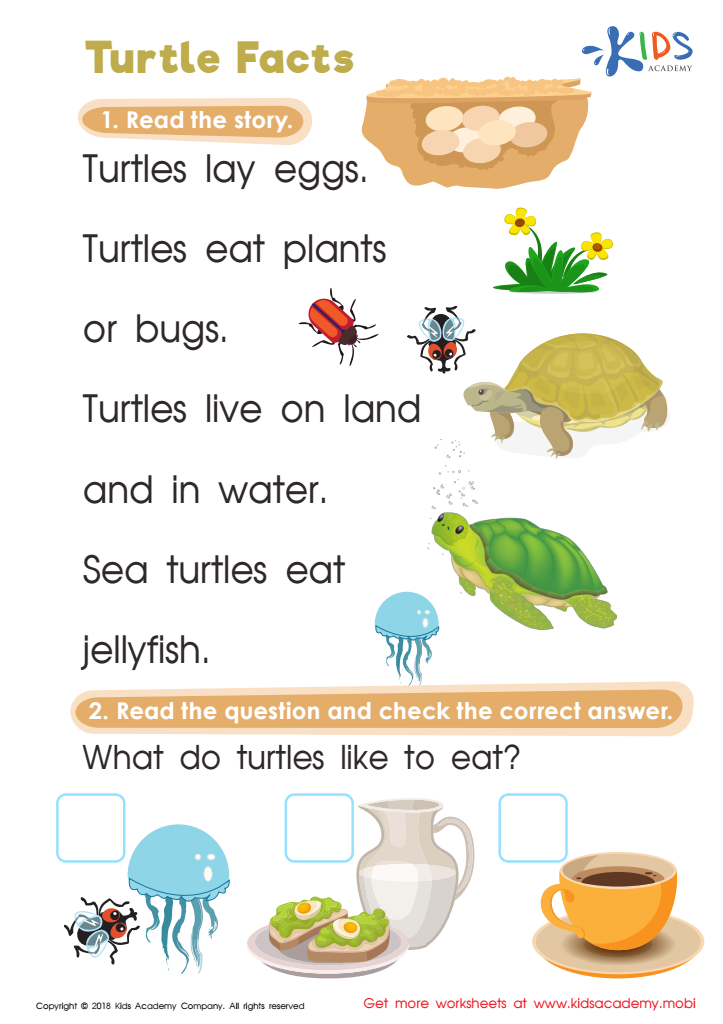
Turtle Facts Worksheet
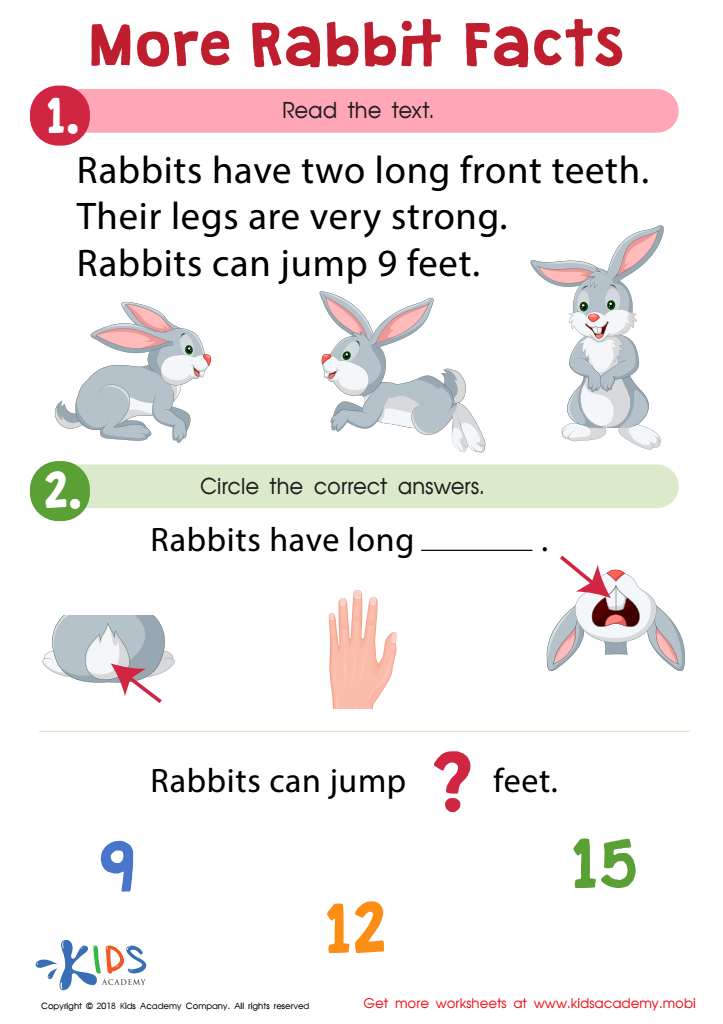
More Rabbit Facts Worksheet
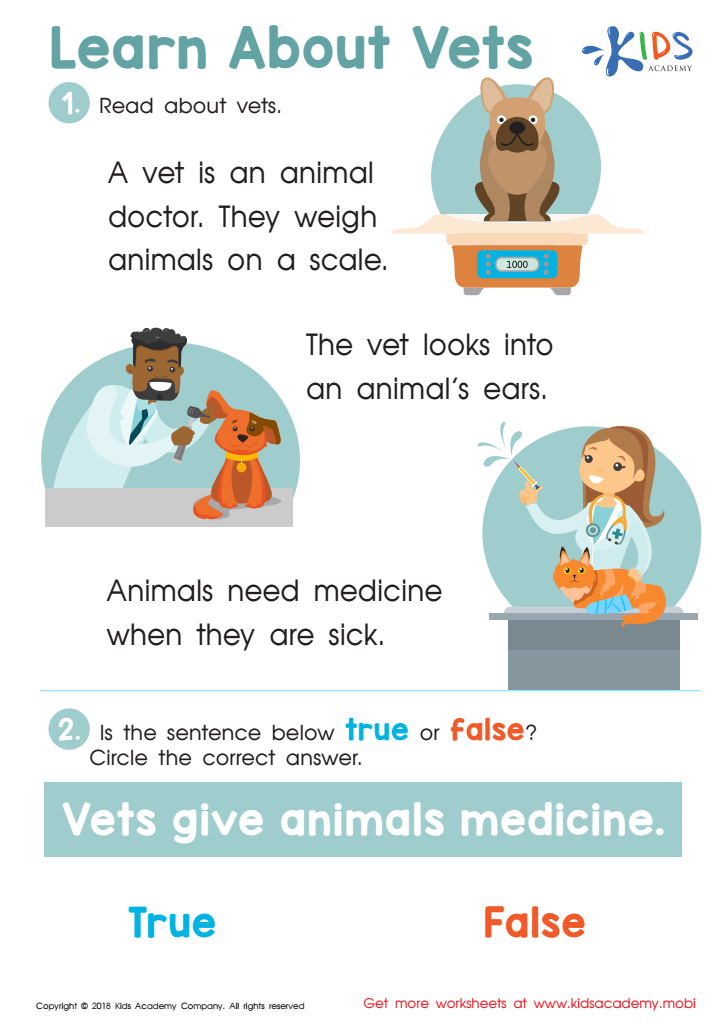
Learn About Vets Worksheet
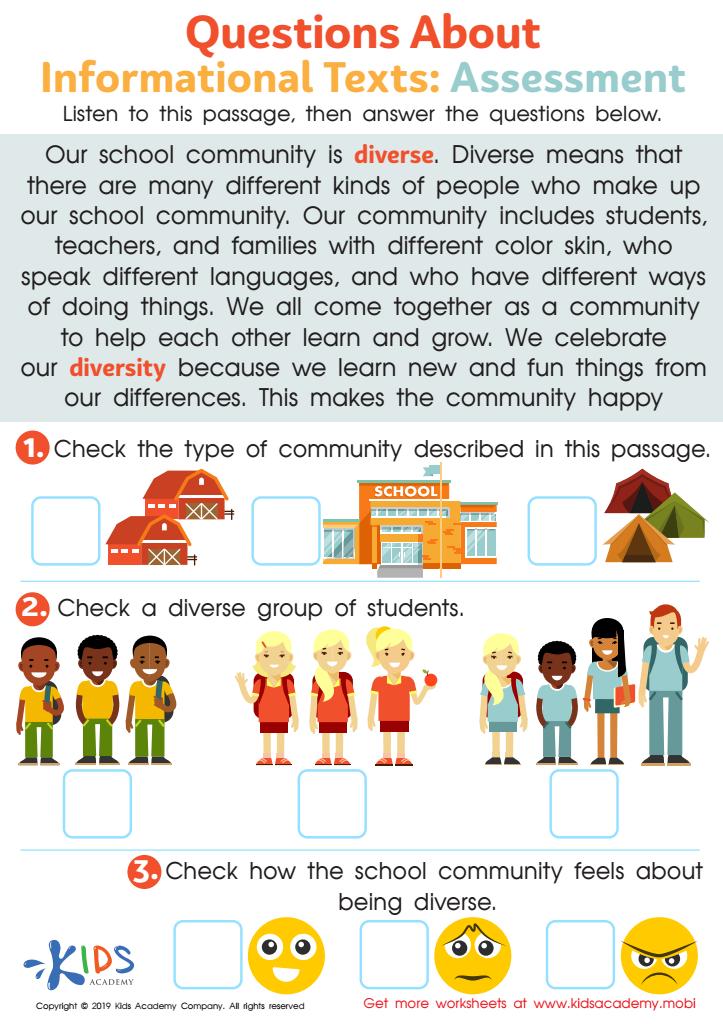
Questions About Informational Texts: Assessment 1 Worksheet
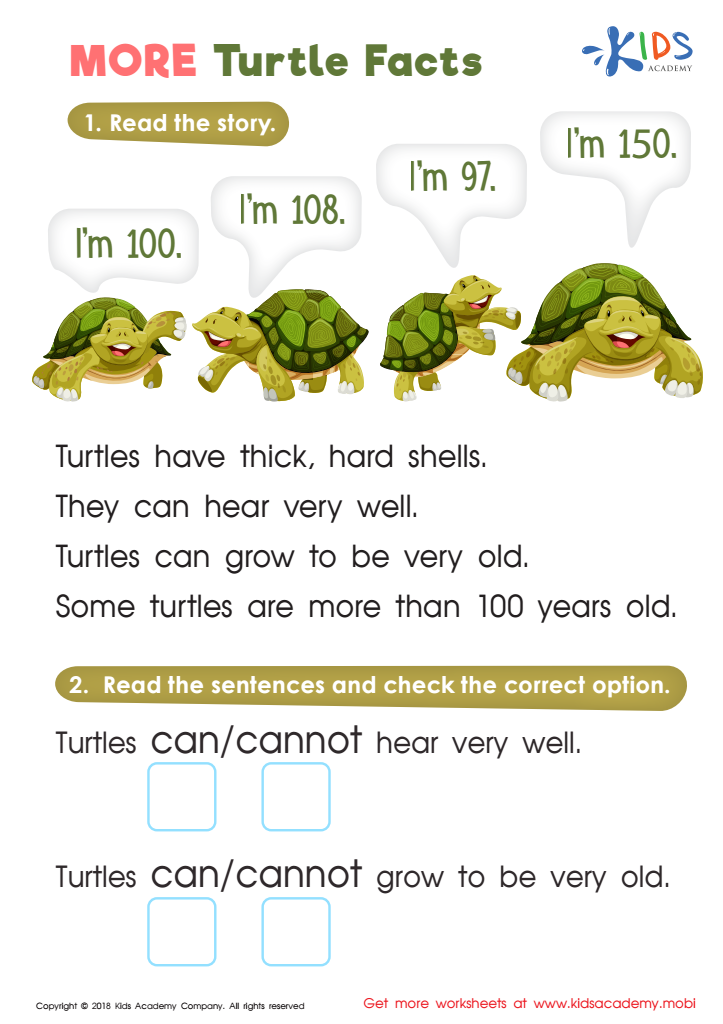
More Turtle Facts Worksheet
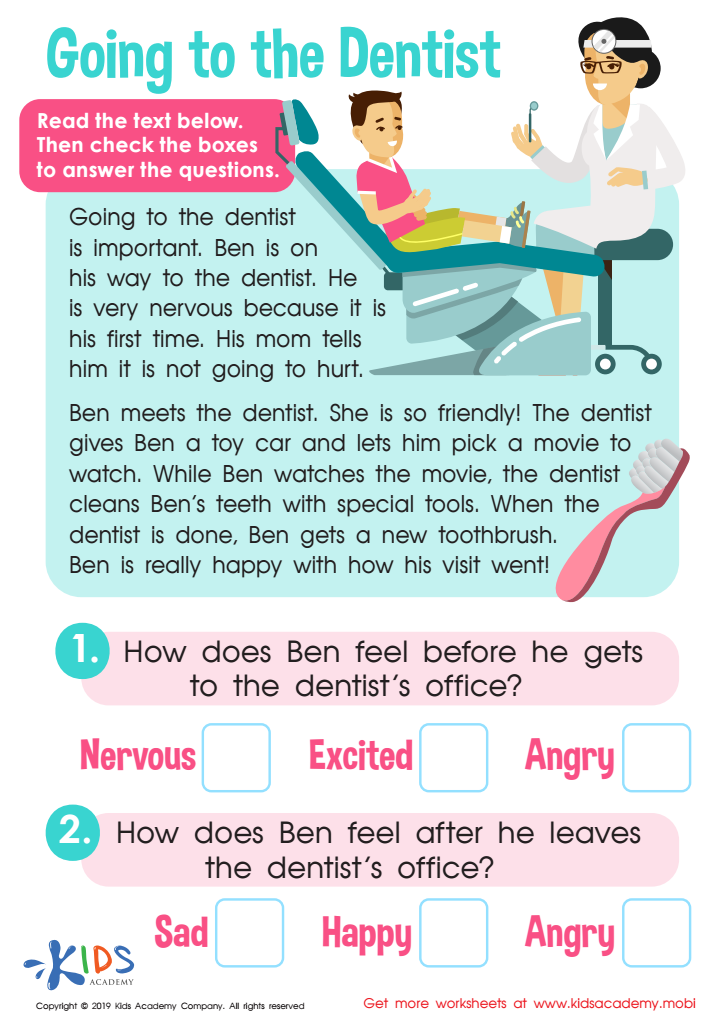
Going to the Dentist Worksheet
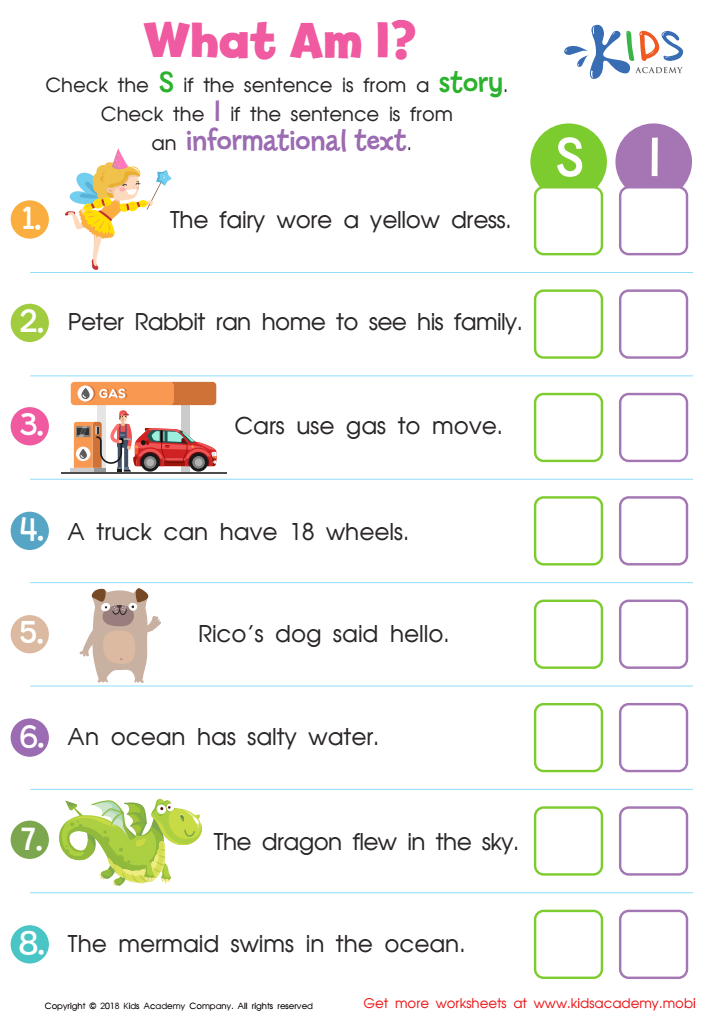
What Am I? Worksheet
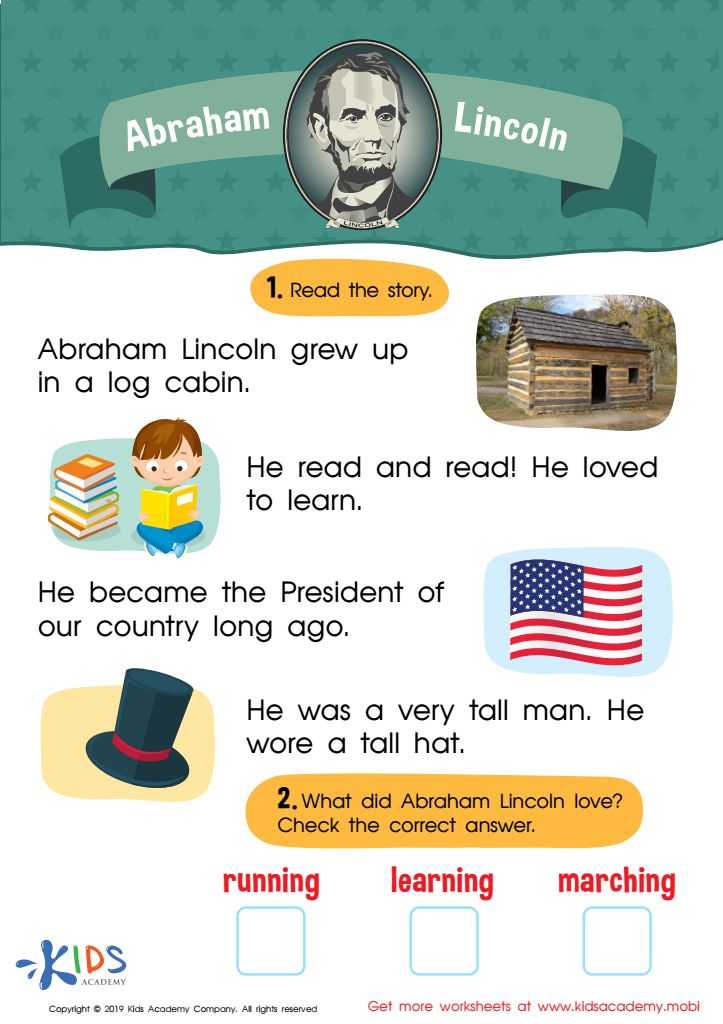
Abraham Lincoln Worksheet
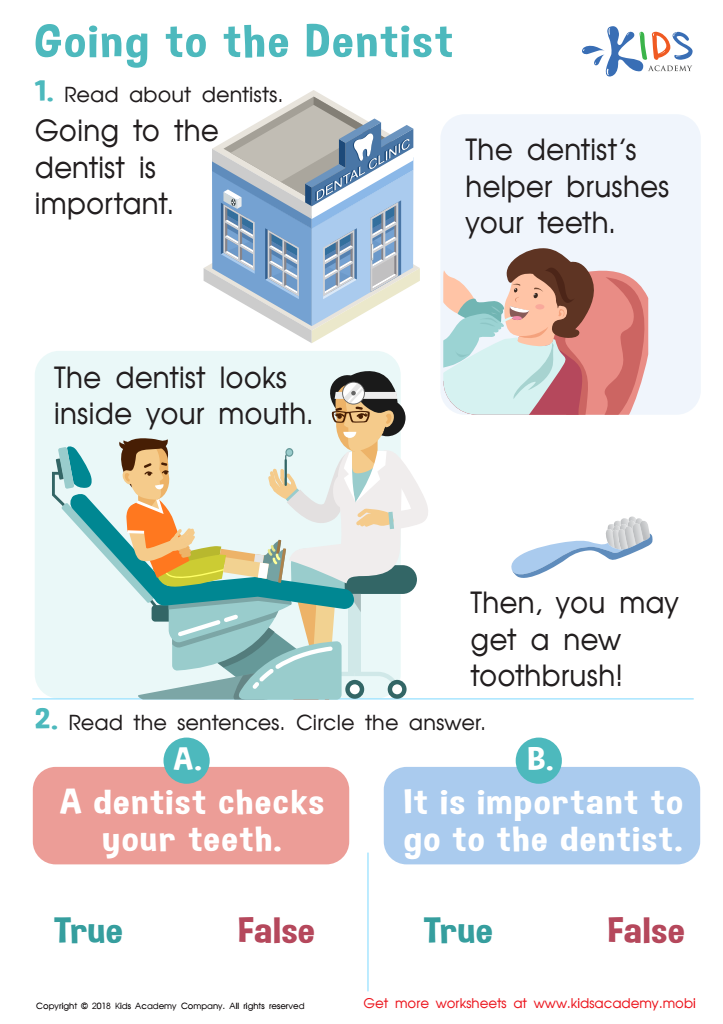
Going to the Dentist Part 2 Worksheet
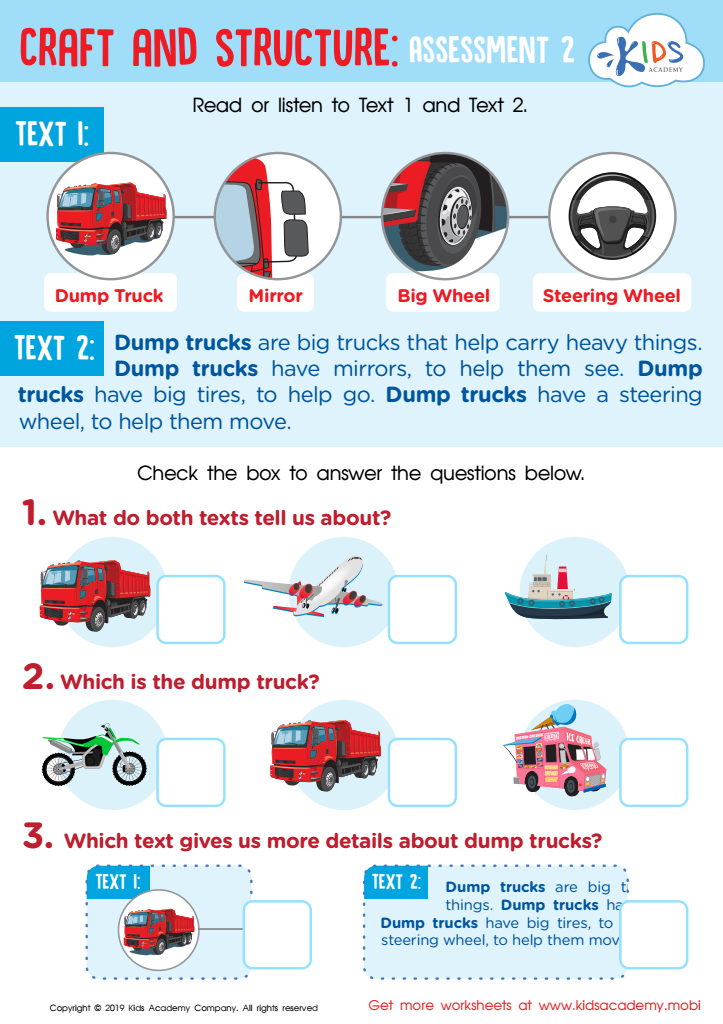
Craft and Structure: Assessment 2 Worksheet
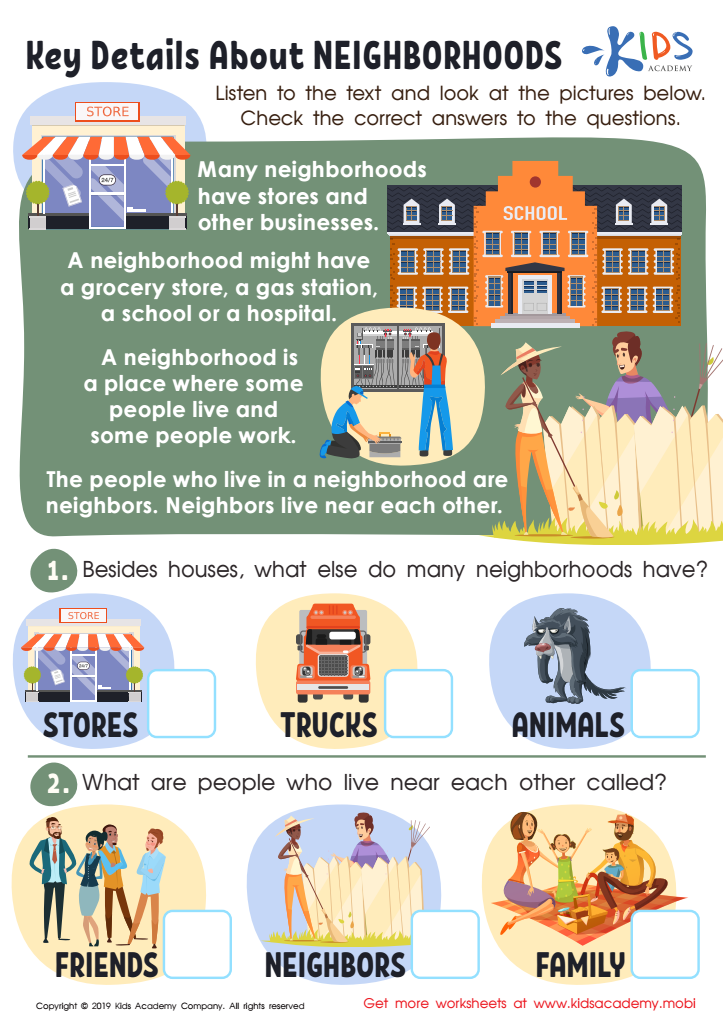
Key Details Neighborhoods Worksheet
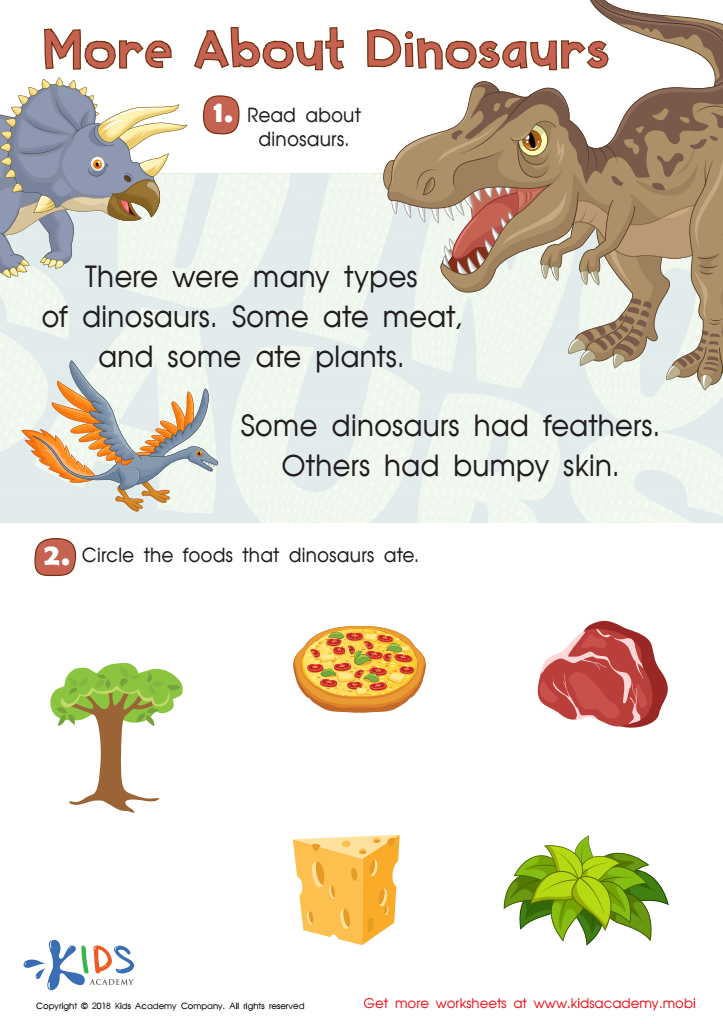
More About Dinosaurs Worksheet
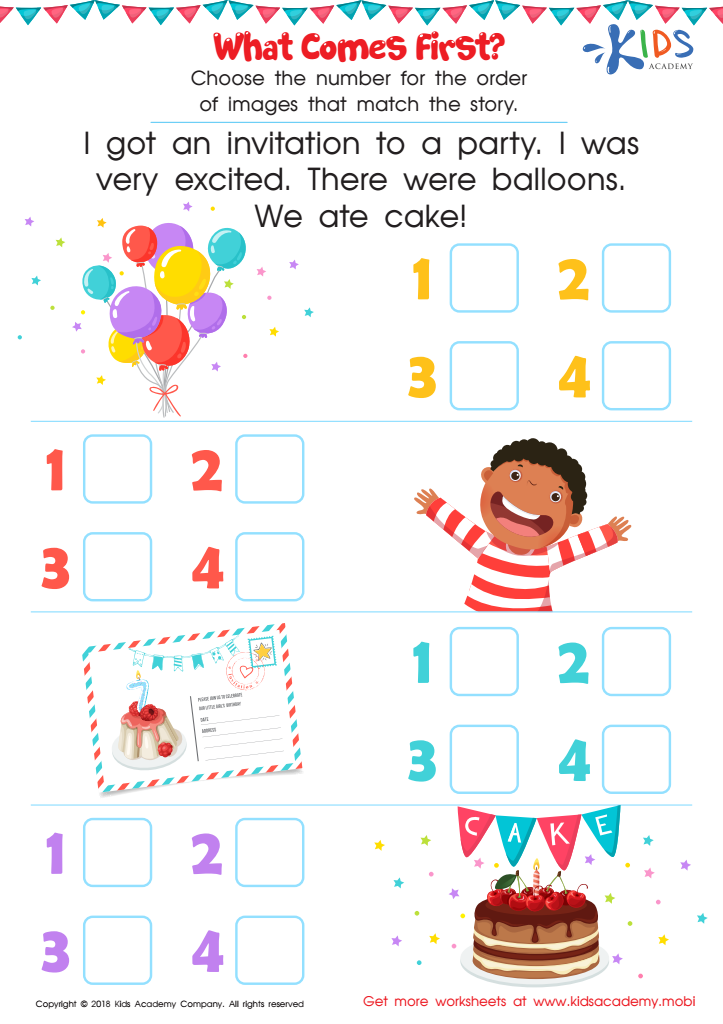
What Comes First Worksheet
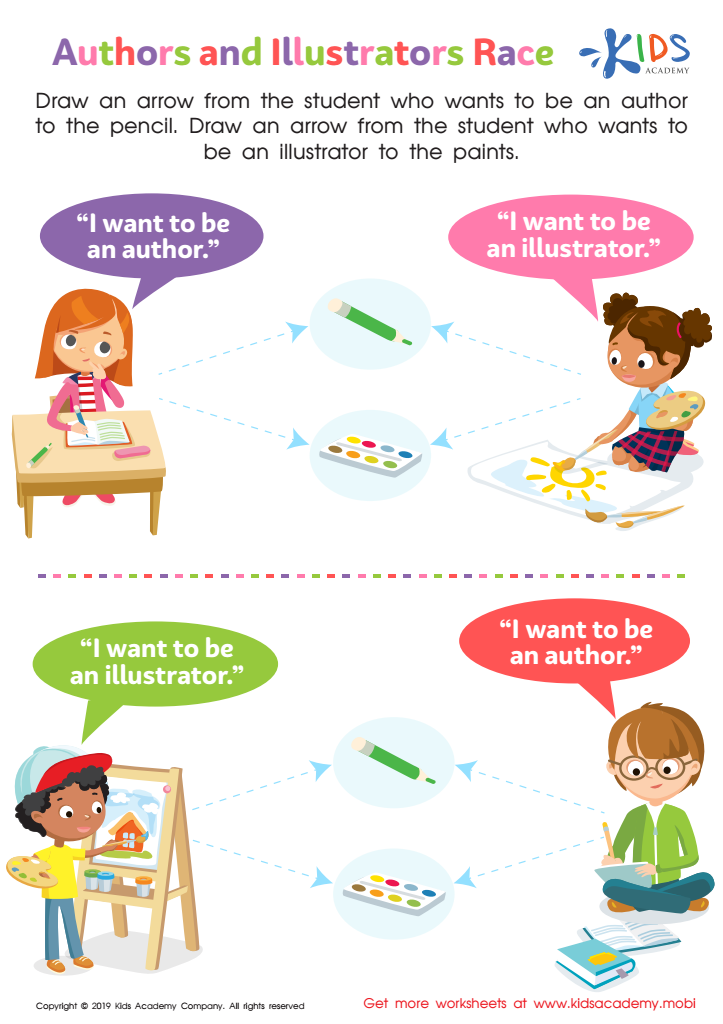
Authors and Illustrators Race Worksheet
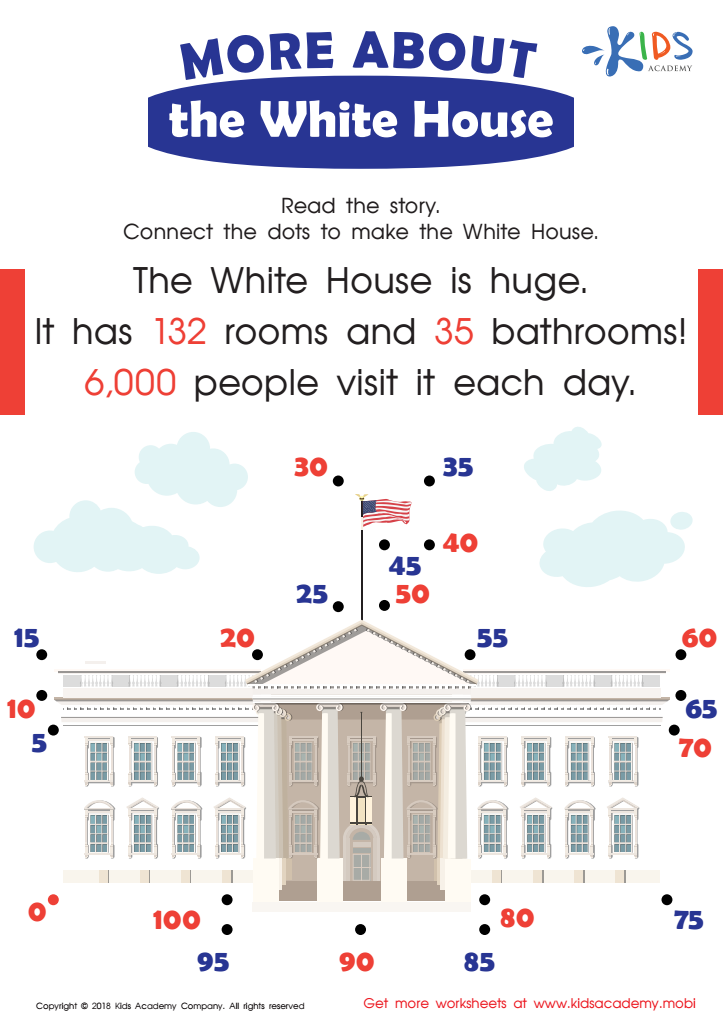
More About the White House Worksheet
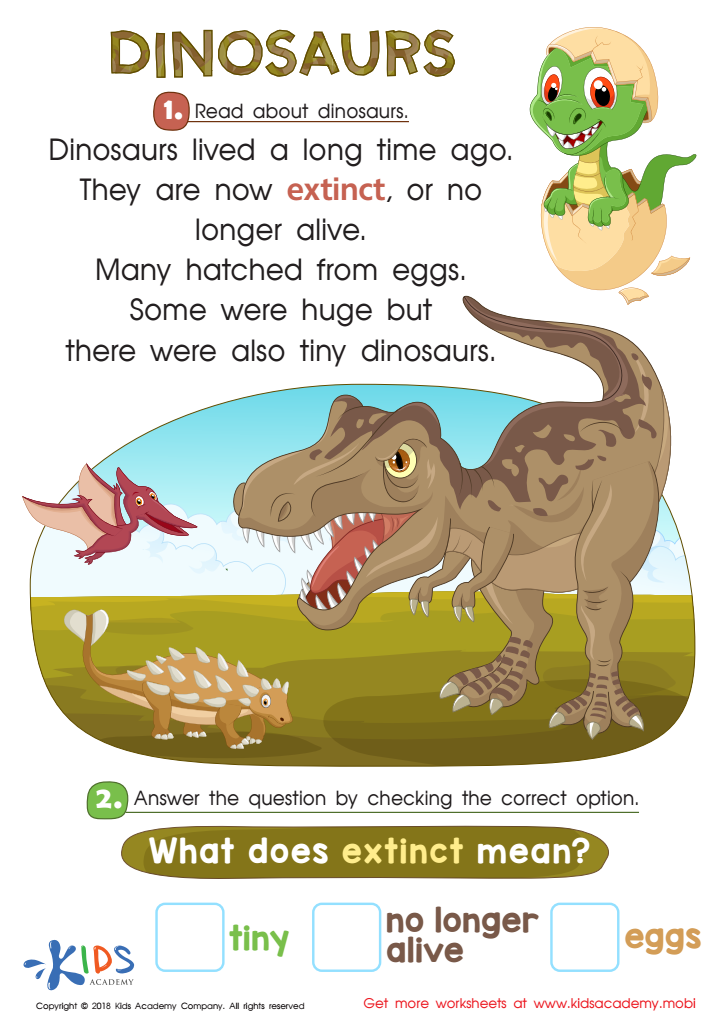
Dinosaurs Worksheet
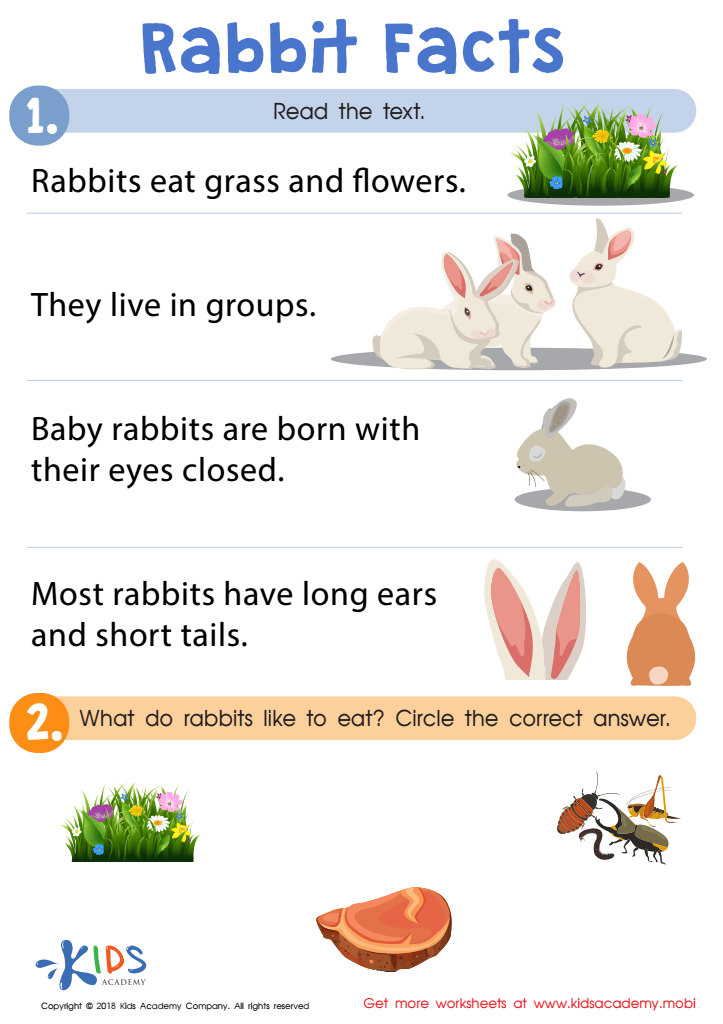
Rabbit Facts Worksheet








Reading comprehension, especially of non-fiction, is crucial for 6-year-olds as it lays a strong foundation for their future learning and development. At this age, children begin to explore the world around them through books, gaining knowledge on various topics such as science, history, and nature. When parents and teachers prioritize reading comprehension in non-fiction, they help children not just decode words, but also understand concepts and integrate new information into their existing knowledge.
Non-fiction reading cultivates critical thinking and analytical skills, enabling children to ask questions, make connections, and argue based on evidence. These skills are essential for academic success and for fostering a curious mindset. Additionally, related to real-world experiences, non-fiction can spark interest in various subjects and encourage lifelong learning and exploration.
Parents and teachers can enhance comprehension by discussing the material, asking open-ended questions, and relating it to children's everyday lives. This engagement facilitates deeper understanding and retention. Ultimately, supporting reading comprehension in non-fiction enriches young learners’ intellectual curiosity and equips them with the skills they need to navigate an information-driven world. Emphasizing this at an early age cultivates independent, informed thinkers who are well-prepared for future learning challenges.








