Counting skills Science Worksheets for 6-Year-Olds
8 filtered results
-
From - To
Enhance your 6-year-old's counting skills with our engaging science worksheets! Designed specifically for young learners, these worksheets blend fun and education, helping children grasp basic counting concepts through hands-on activities. Your child will enjoy learning fundamental skills like counting objects, understanding numbers, and recognizing patterns in an interactive way. Our colorful and visually appealing worksheets make it easy to sustain their interest while building confidence in their math abilities. Perfect for homeschooling or classroom use, these counting skills worksheets will support your child's development and spark a lifelong love for learning. Start counting in a fun way today!
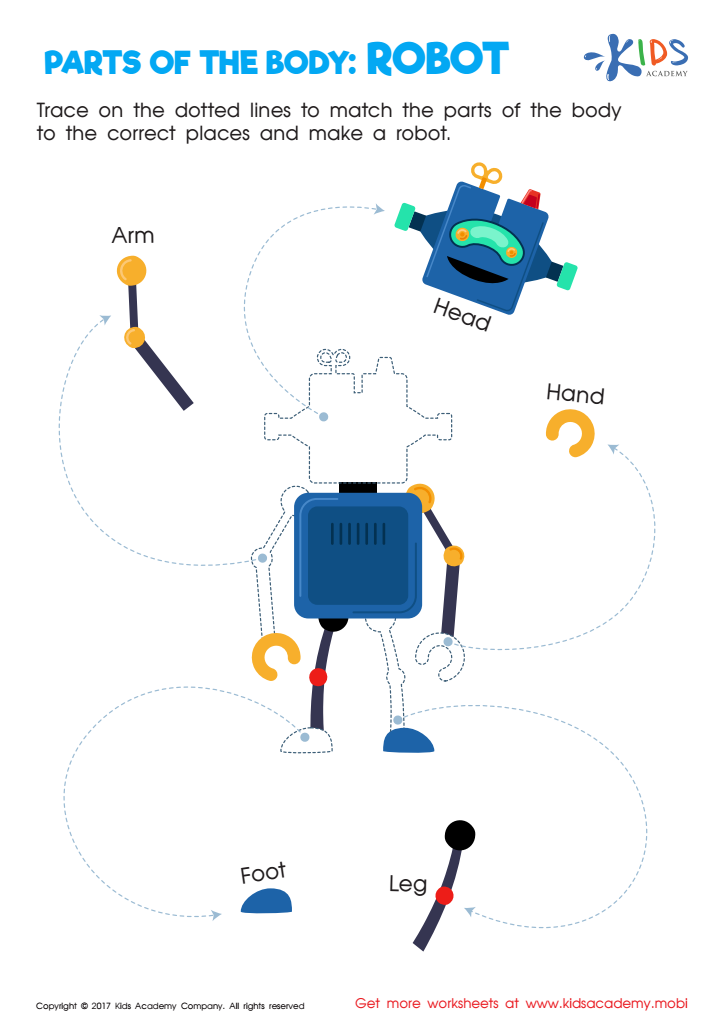
Robot Printable
 Assign to My Students
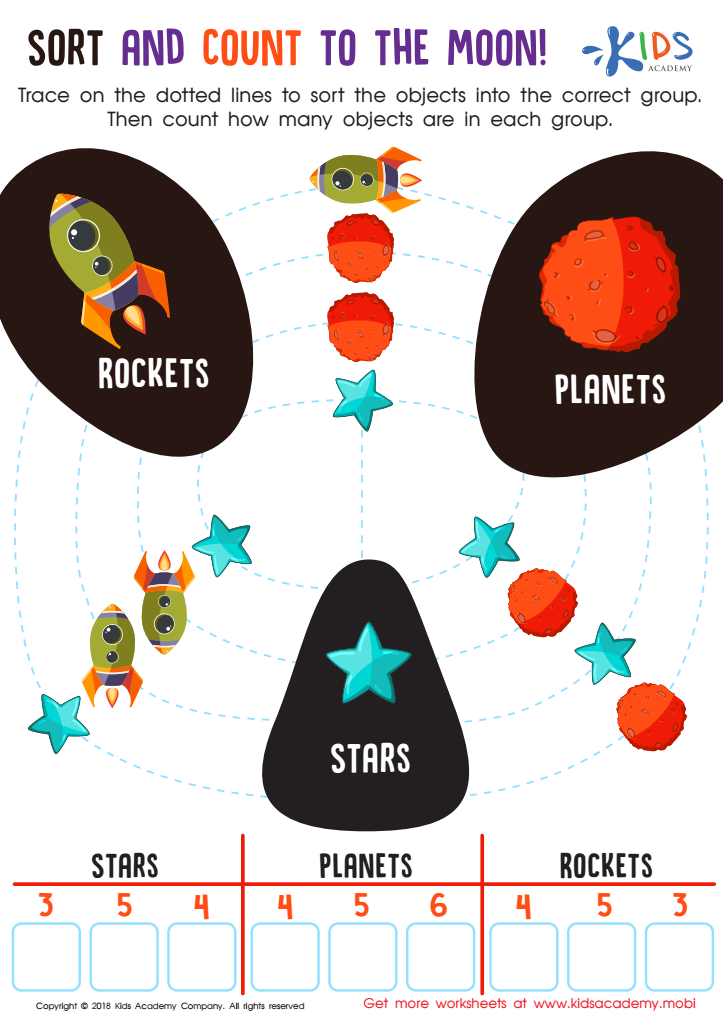
Sort and Count to the Moon Worksheet
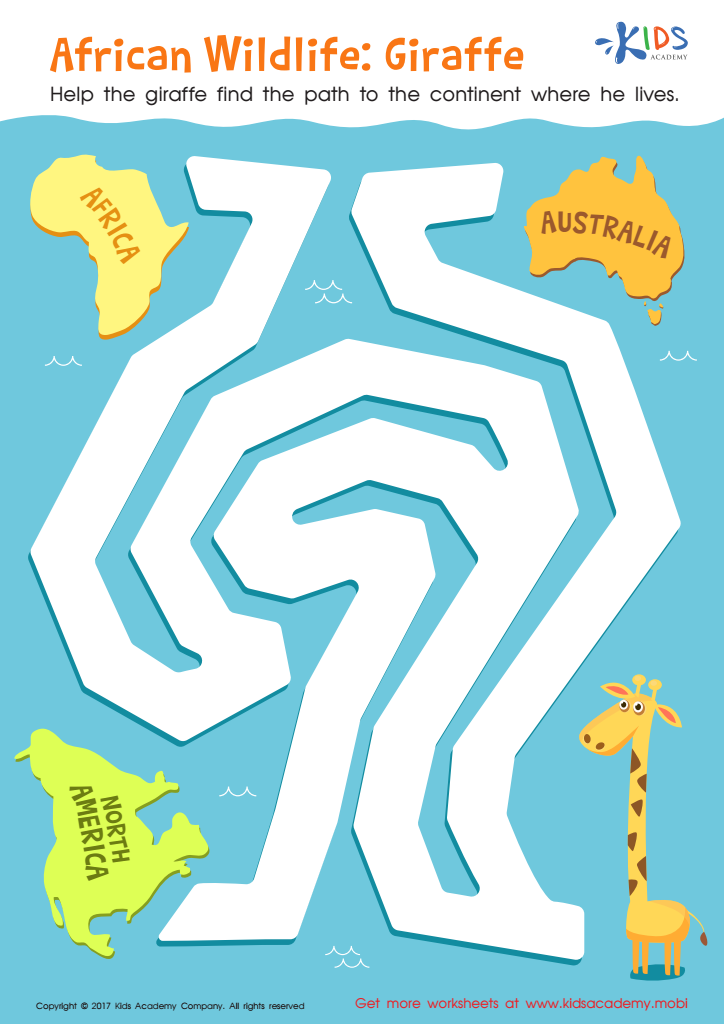
African Wildlife: Giraffe Worksheet
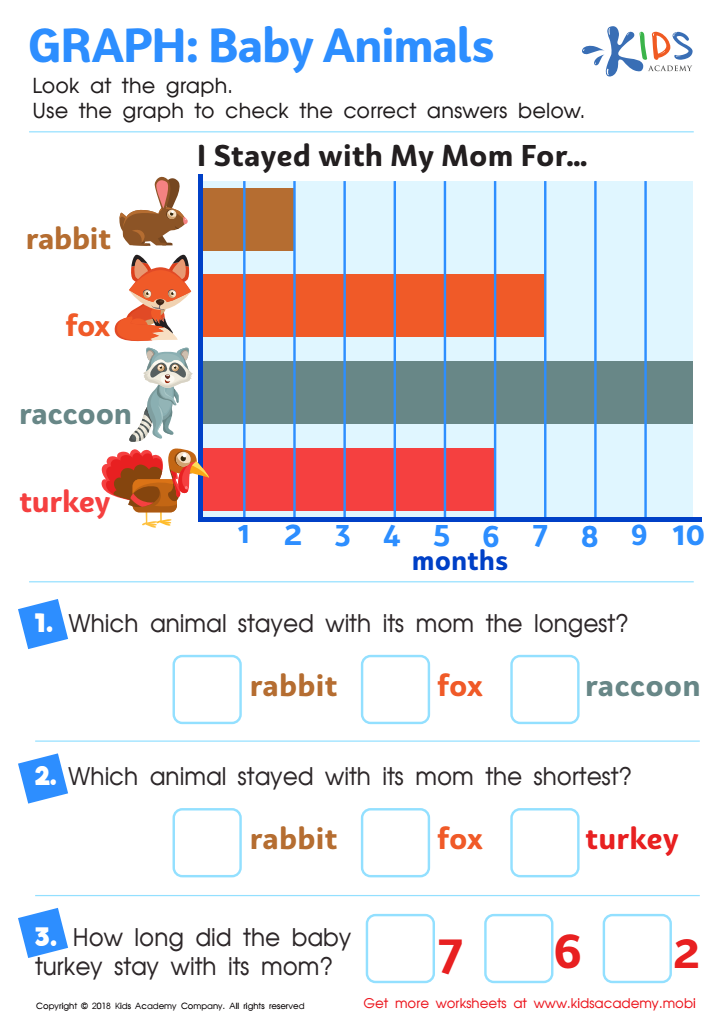
Graph: Baby Animals Worksheet
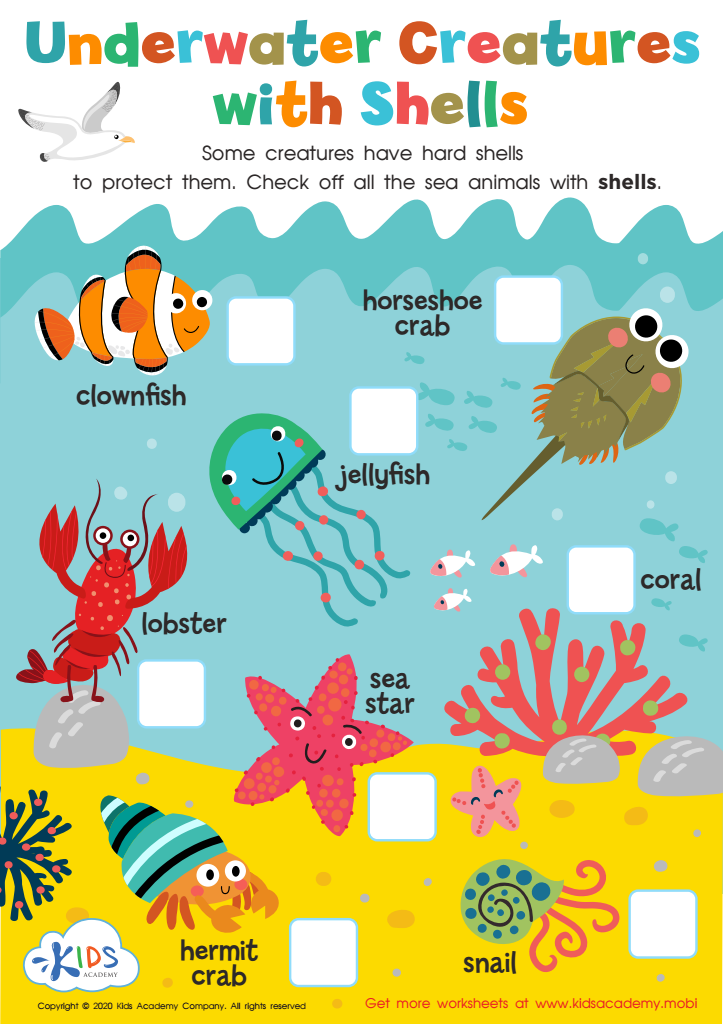
Underwater Creatures with Shells Worksheet
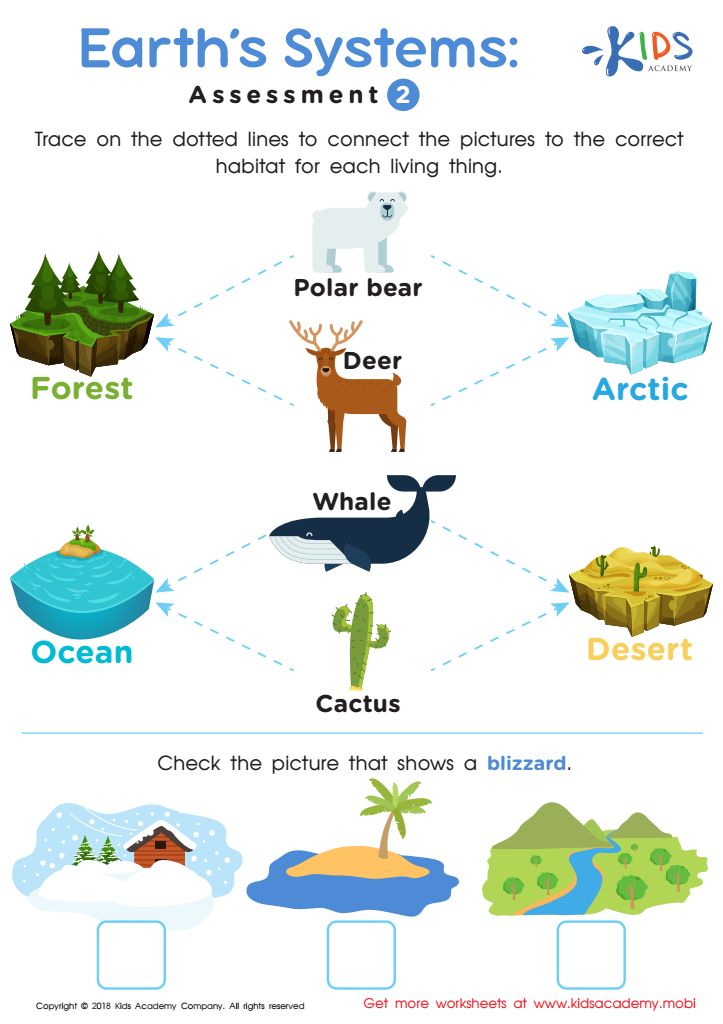
Earth's Systems: Assessment 2
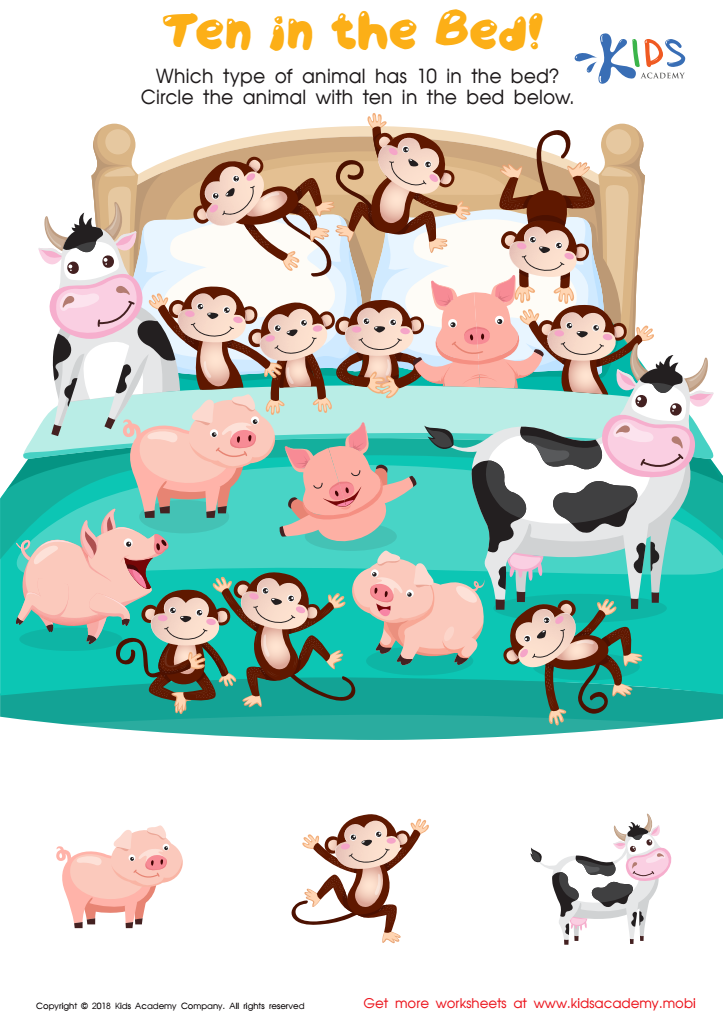
Ten in the Bed Worksheet
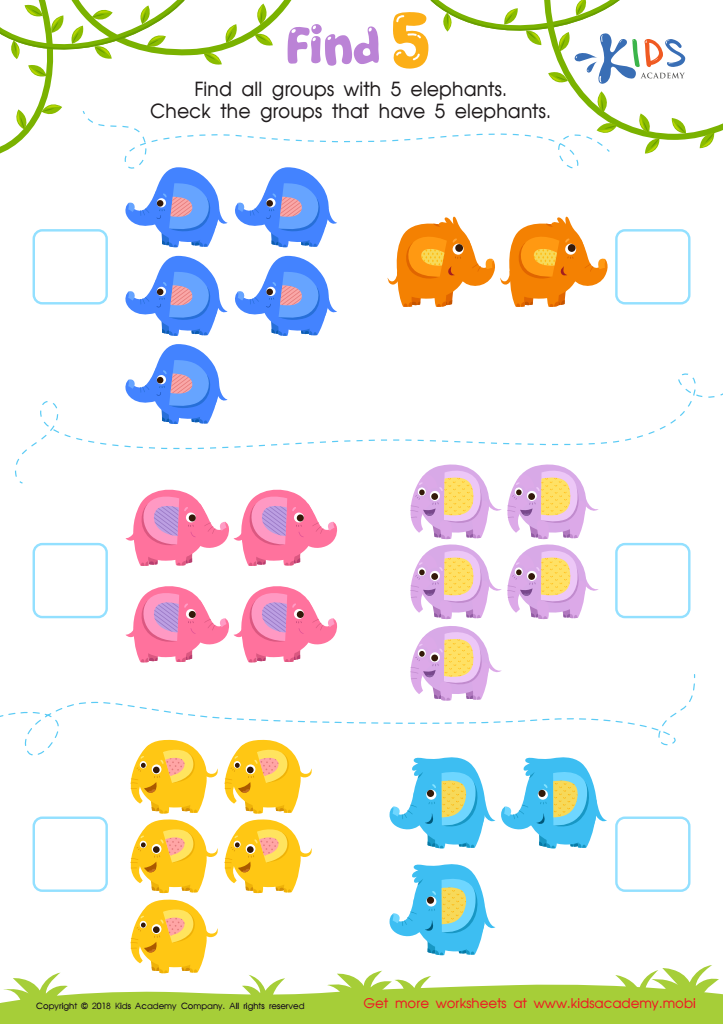
Find 5 Worksheet







Counting skills are foundational for a child's overall cognitive development, making it essential for parents and teachers to prioritize these skills in 6-year-olds. At this age, children are naturally curious, and counting provides them with a powerful tool to understand the world around them. It aids in the development of numeracy, fostering skills such as addition and subtraction, which are crucial for future mathematics.
Furthermore, counting activities often integrate elements of science. Whether tracking the growth of plants or counting the various components of an experiment, counting enhances analytical thinking. Encouraging children to count objects in their environment helps them make connections between numbers and real-world concepts, such as size, quantity, and even basic measurements.
Additionally, strong counting skills are linked to improved problem-solving abilities. Early proficiency in counting instills confidence and encourages a positive attitude towards learning, which is vital for lifelong educational engagement. Parents and teachers should thus work together to create fun and interactive counting activities, cultivating a love for both mathematics and science. By recognizing the significance of counting skills, they contribute to building a solid foundation for their child's future academic success and ability to comprehend more complex scientific concepts.







