Critical thinking skills Science Worksheets for 6-Year-Olds
5 filtered results
-
From - To
Enhance your 6-year-old's critical thinking skills with our engaging Science Worksheets! Designed specifically for young learners, these worksheets foster curiosity and analytical thinking through fun, interactive activities. Kids will explore simple scientific concepts while developing reasoning and problem-solving abilities. Each worksheet encourages them to ask questions, make predictions, and draw conclusions about the world around them. With age-appropriate tasks, our resources bolster both confidence and comprehension in young minds. Perfect for classroom use or at home, these worksheets provide a delightful way to blend learning and play. Encourage your child's natural inquisitiveness and critical thinking with our captivating Science Worksheets today!
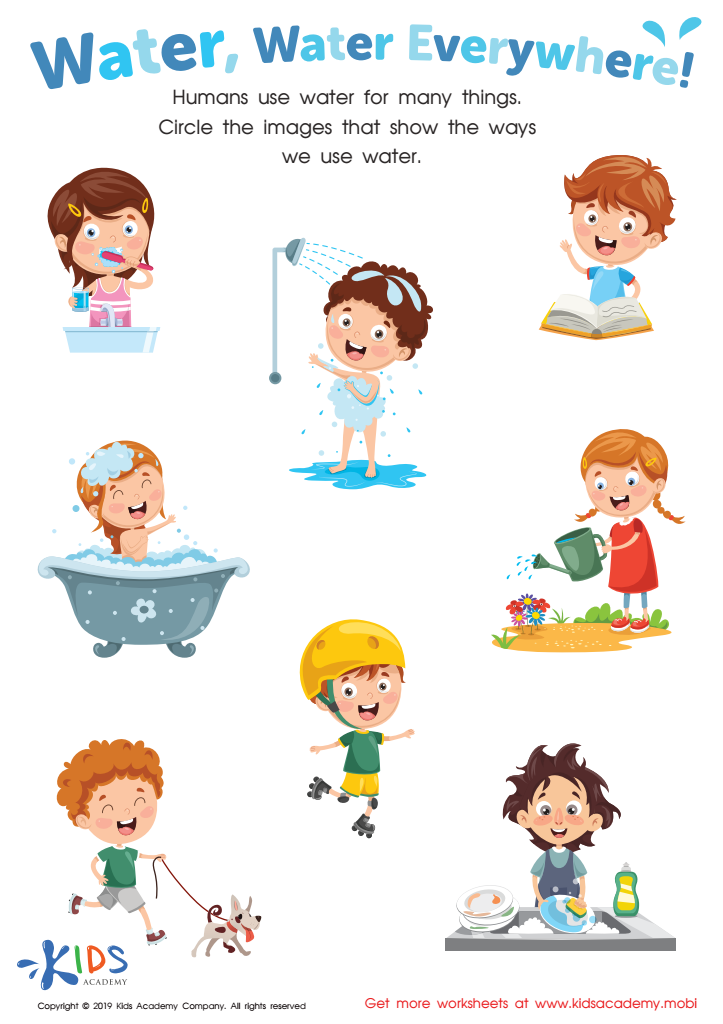
Water, Water Everywhere! Worksheet
 Assign to My Students
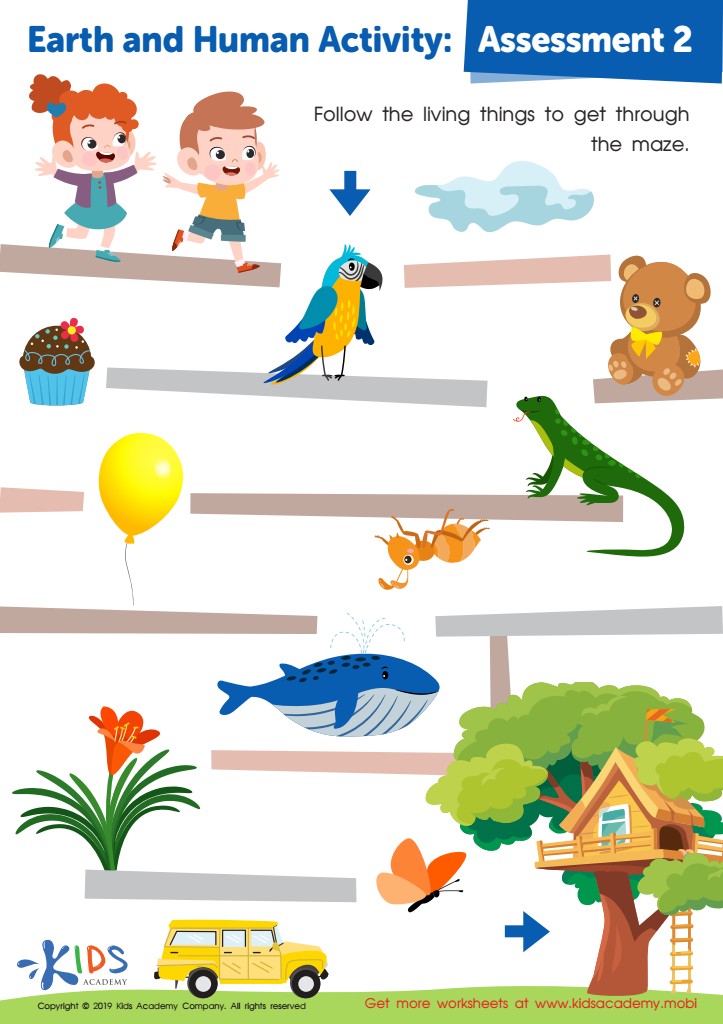
Earth and Human Activity: Assessment 2 Worksheet
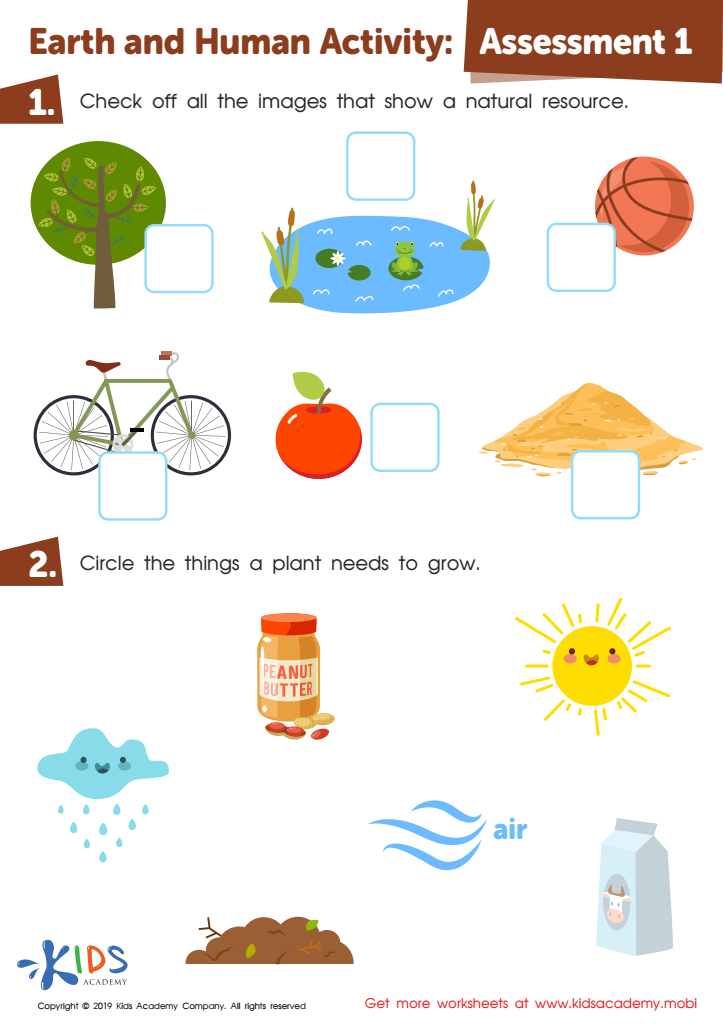
Earth and Human Activity: Assessment 1 Worksheet
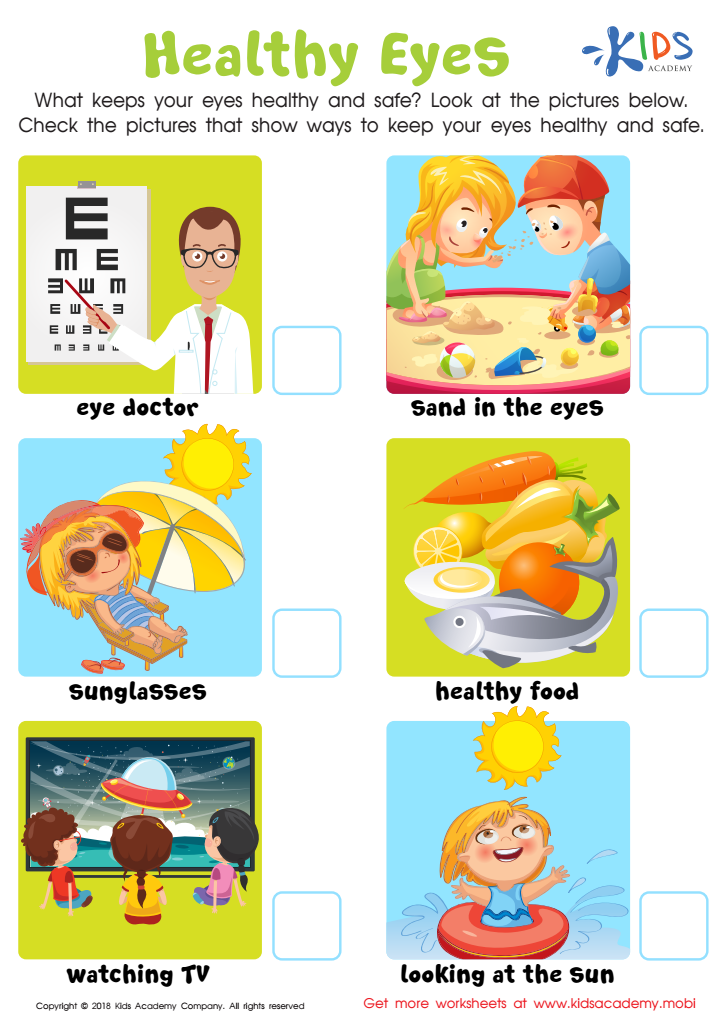
Healthy Eyes Worksheet
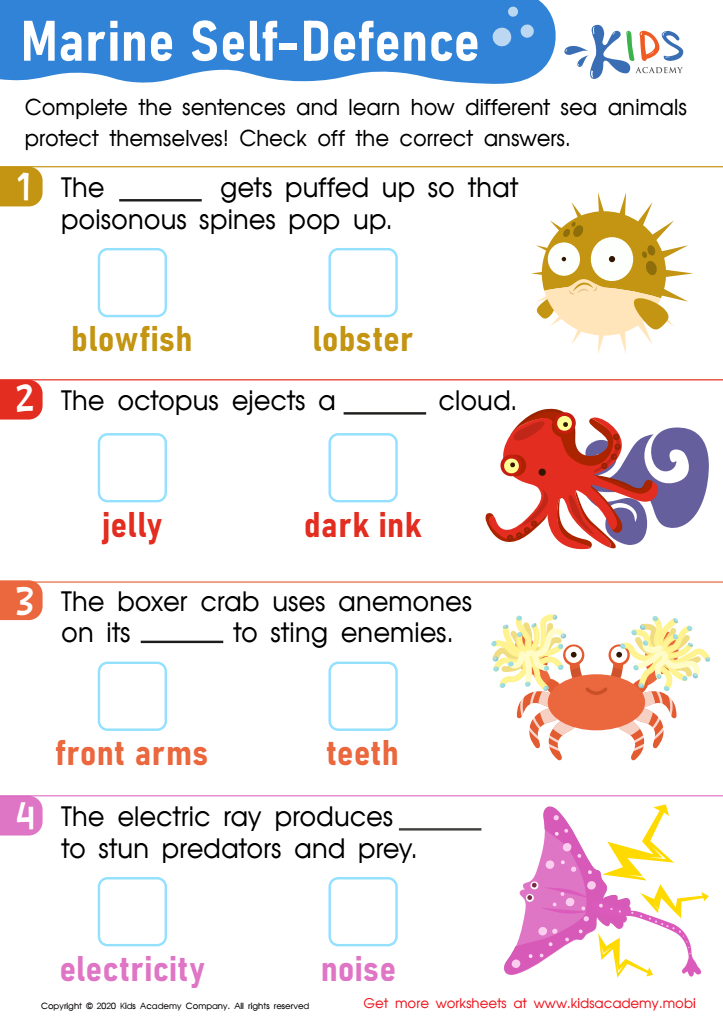
Marine Self-Defence Worksheet







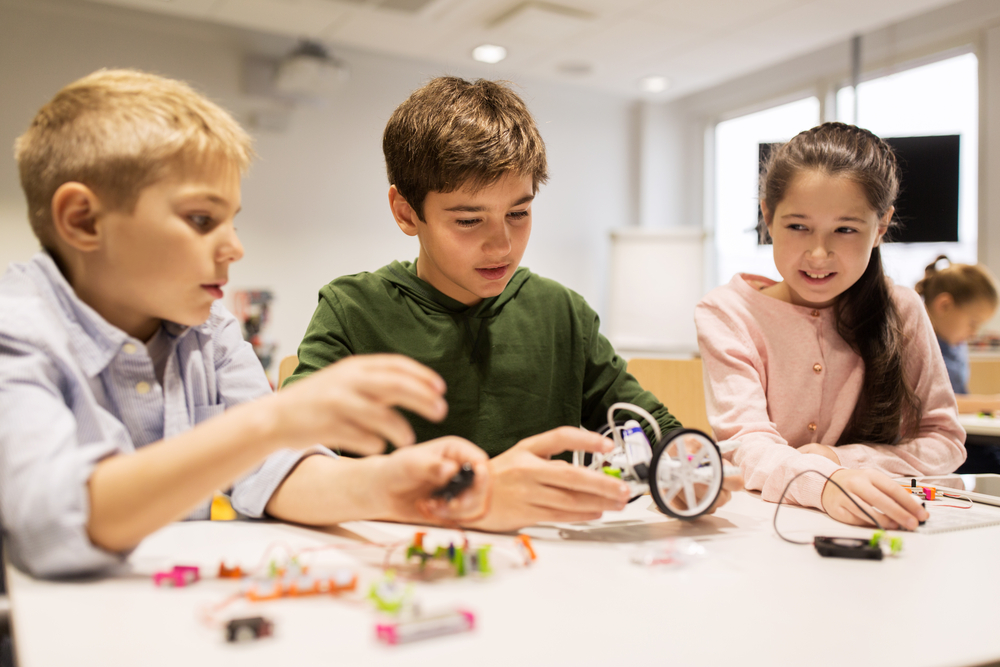
Critical thinking skills are essential for young children, especially in subjects like science. For 6-year-olds, developing these skills lays a strong foundation for their cognitive growth and enhances their ability to understand the world around them. Scientific exploration encourages curiosity, enabling children to ask questions, make observations, and draw conclusions based on evidence.
Parents and teachers should care about fostering critical thinking in science because these skills help children move beyond rote memorization to deeper understanding. At this age, children naturally possess the inquisitiveness to explore their environment. Encouraging them to think critically promotes problem-solving abilities, adaptability, and creativity—traits that are invaluable in today’s rapidly changing world.
Furthermore, early exposure to critical thinking in science builds confidence in expressing ideas and exploring solutions. This collaborative process allows children to engage with peers, enhancing their social skills while promoting teamwork.
Ultimately, when parents and teachers prioritize critical thinking in science, they empower children to become lifelong learners who can navigate complex problems with confidence. Instilling a passion for inquiry and evidence-based reasoning fosters a generation that values scientific literacy and is equipped to tackle future challenges effectively.







