Critical thinking skills Plants and Animals Worksheets for 6-Year-Olds
4 filtered results
-
From - To
Enhance your 6-year-old's critical thinking skills with our engaging Plants and Animals worksheets! Designed specifically for young learners, these worksheets encourage curiosity and exploration of the natural world. Through fun activities, children will analyze relationships between plants and animals, categorize species, and solve playful challenges that boost their reasoning abilities. Our resources promote a deeper understanding of environmental science while fostering problem-solving skills essential for academic success. Suitable for both classroom environments and home learning, our printable worksheets make learning enjoyable and interactive. Discover the wonders of nature while sharpening your child's critical thinking prowess today!
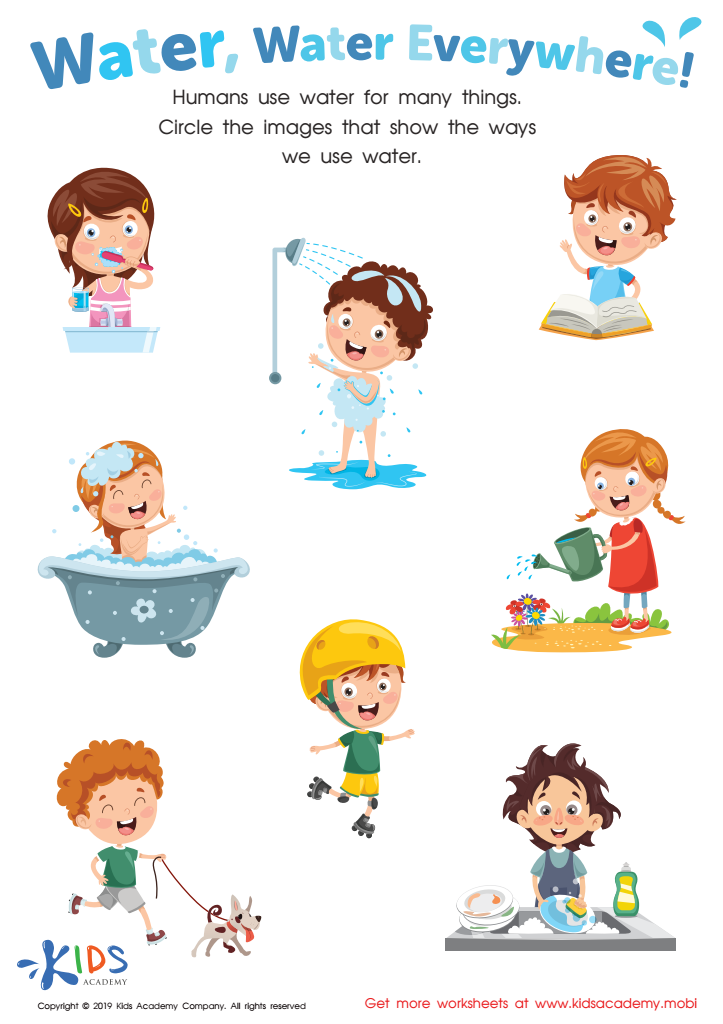
Water, Water Everywhere! Worksheet
 Assign to My Students



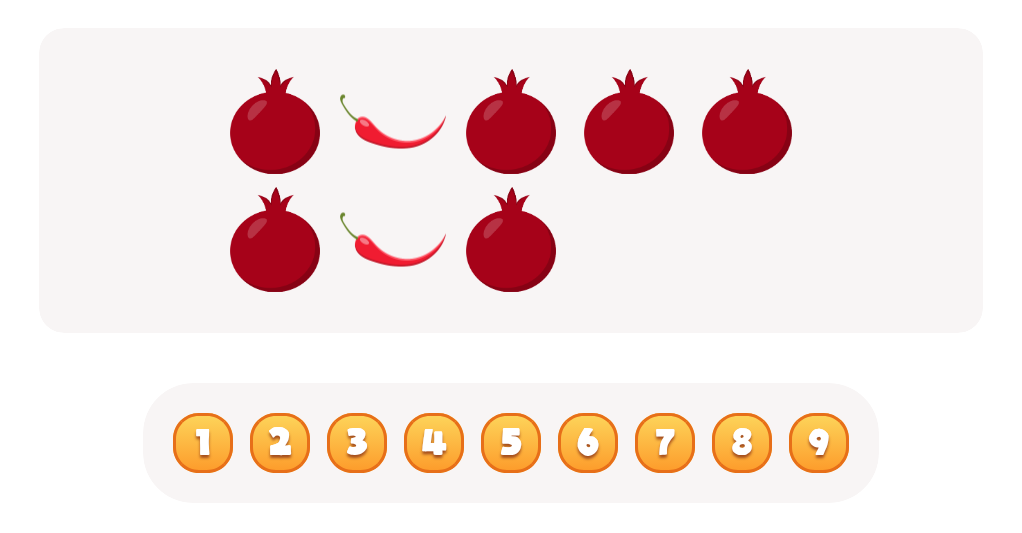
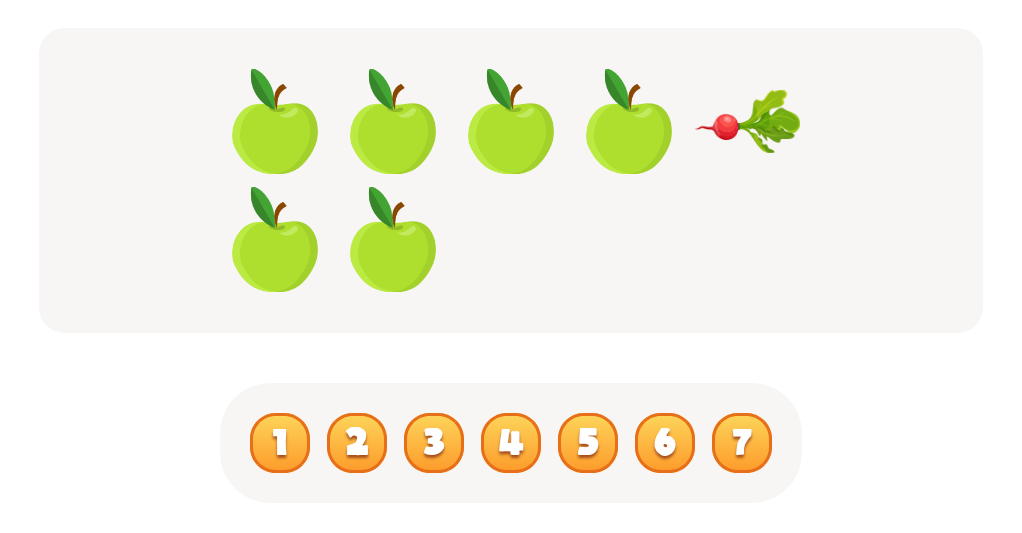
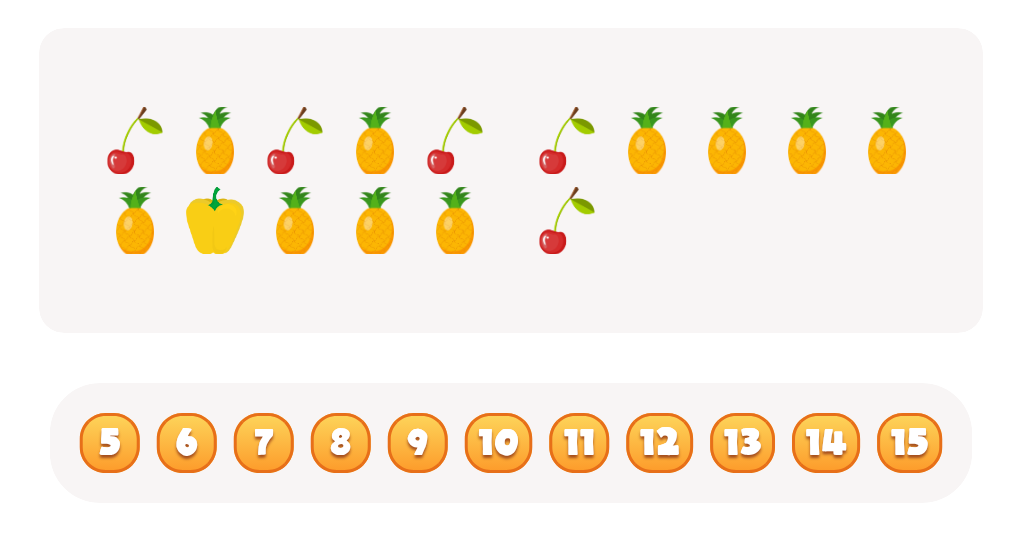



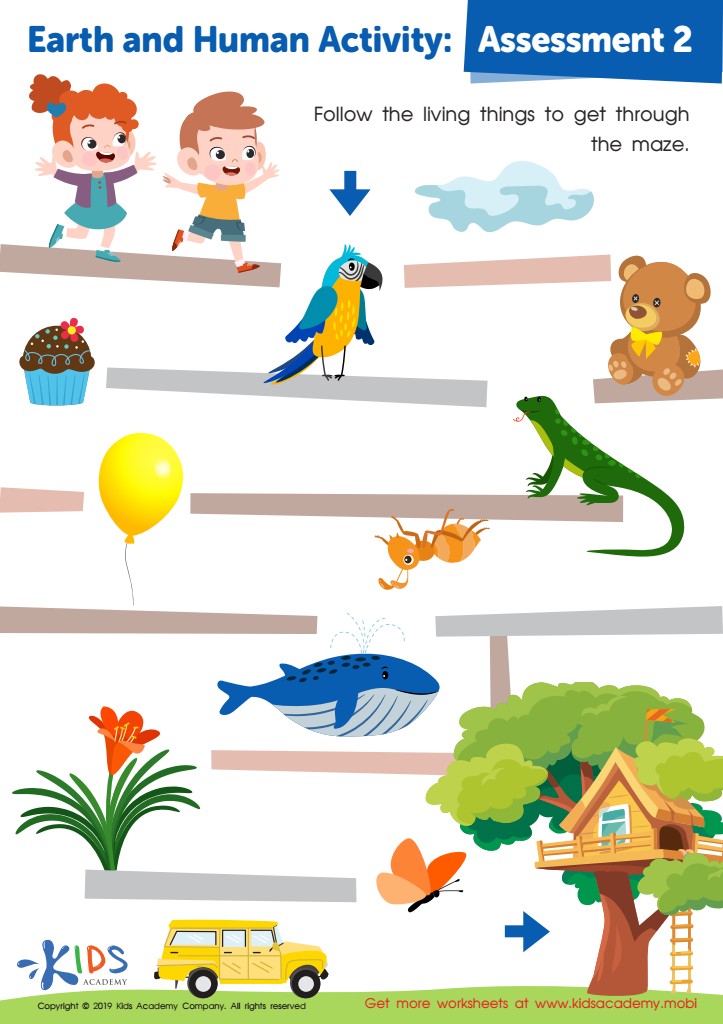
Earth and Human Activity: Assessment 2 Worksheet
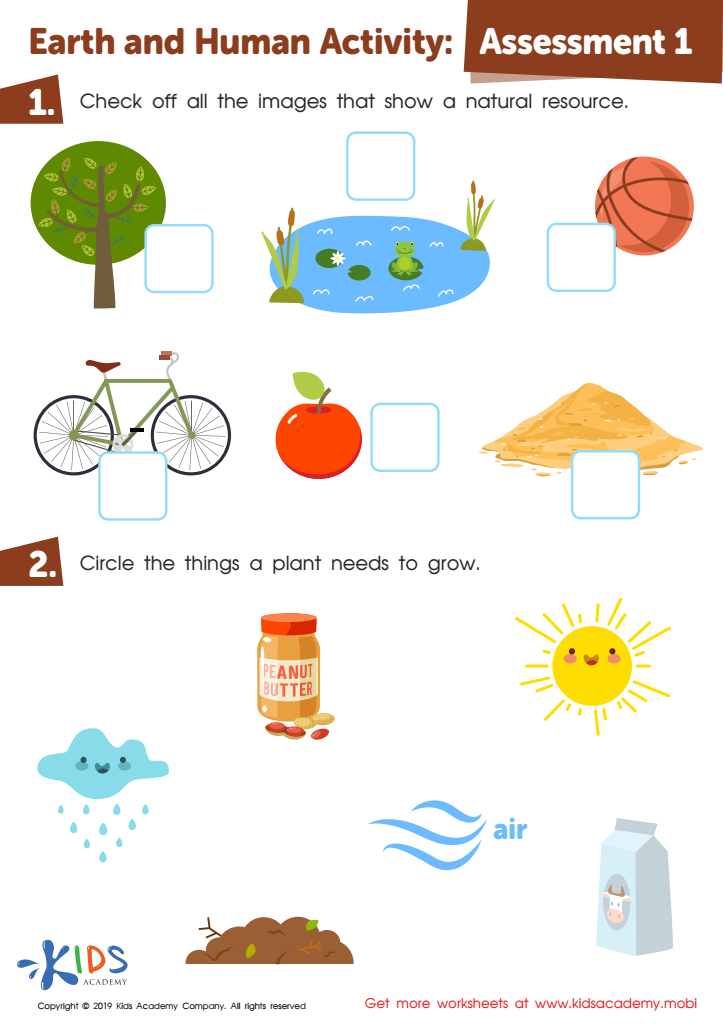
Earth and Human Activity: Assessment 1 Worksheet
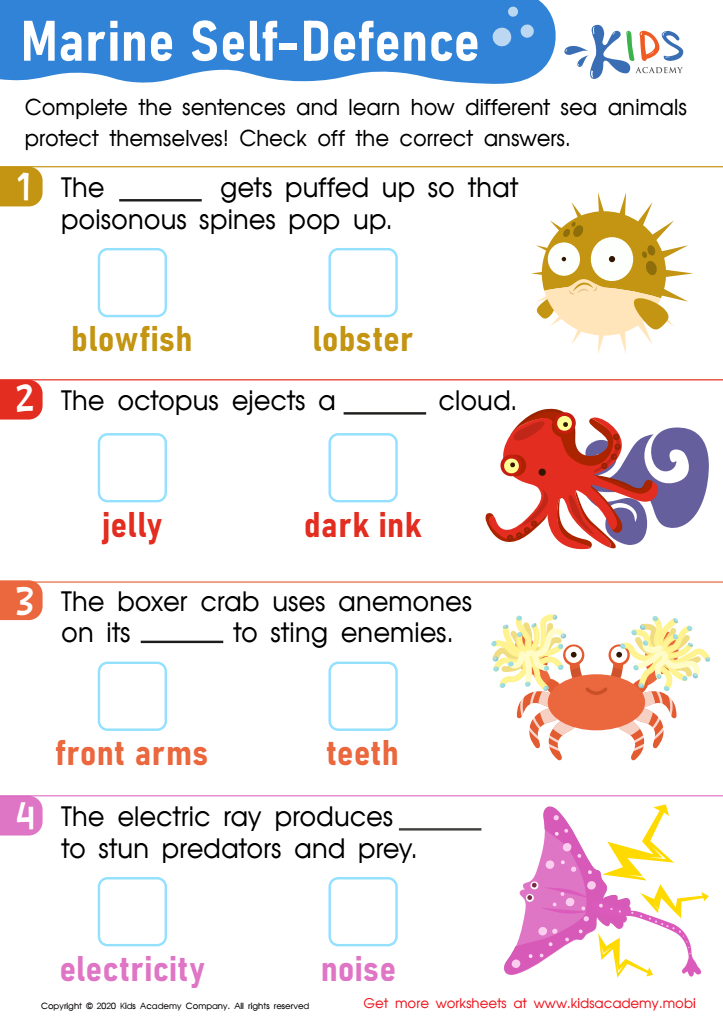
Marine Self-Defence Worksheet







Critical thinking skills are essential for 6-year-olds, especially when learning about plants and animals. At this age, children are naturally curious and eager to explore, making it an ideal time to cultivate these skills. When parents and teachers focus on critical thinking in this context, they encourage children to ask questions, make observations, and analyze information, leading to a deeper understanding of the natural world.
For instance, when studying plants, children can engage in activities like planting seeds, observing growth, and discussing the plant life cycle. Instead of simply memorizing facts, critical thinking prompts them to hypothesize about what plants need to thrive, fostering experimentation and exploration. Similarly, examining animals allows children to classify species, observe behaviors, and consider their habitats, teaching them to think about ecosystems and interdependence.
Moreover, developing critical thinking skills helps children enhance their problem-solving abilities, creativity, and decision-making, essential tools for lifelong learning. Encouraging an inquisitive mindset about plants and animals not only nurtures their love for science but also builds foundational skills that extend beyond the classroom, preparing them for future challenges in an increasingly complex world. Thus, prioritizing critical thinking in this area benefits holistic development.








