Understanding life cycles Plants and Animals Worksheets for 6-Year-Olds
3 filtered results
-
From - To
Understanding Life Cycles Plants and Animals Worksheets for 6-Year-Olds
Discover the fascinating world of plants and animals with our engaging life cycles worksheets designed specifically for 6-year-olds. These interactive resources simplify complex concepts, helping young learners to grasp the stages of life from seed to tree and egg to adult. Each worksheet combines fun illustrations with easy-to-understand explanations, promoting a hands-on approach to science education. Perfect for both classroom and home learning, these activities not only nurture curiosity but also enhance critical thinking and observation skills. Explore the wonders of nature while meeting essential educational milestones with our unique life cycles worksheets.
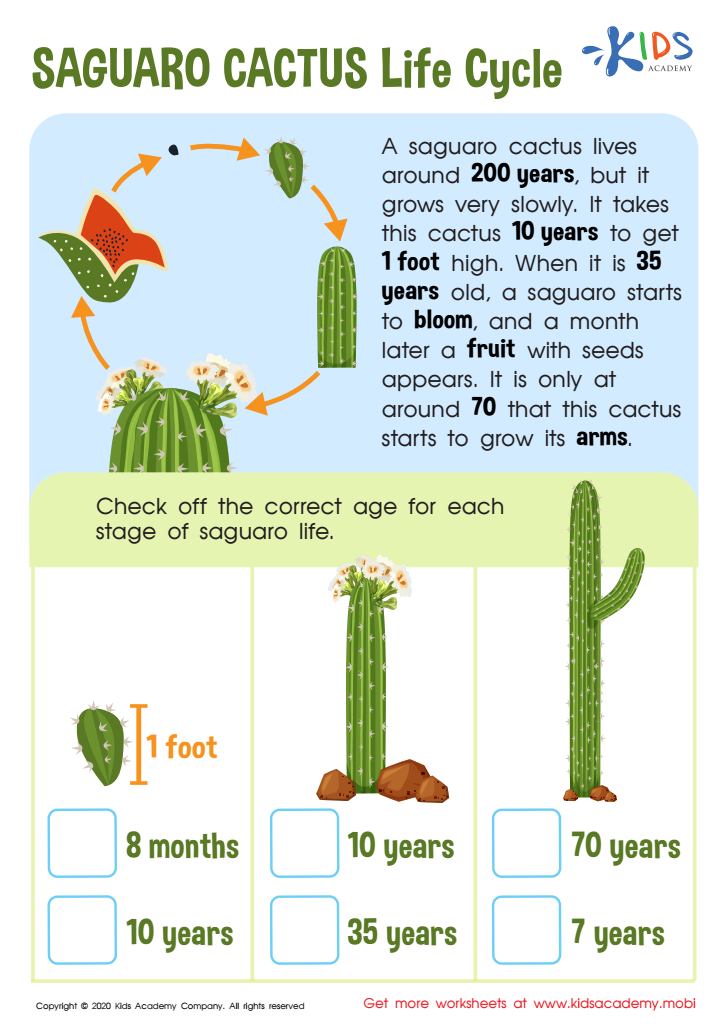
Saguaro Cactus Life Cycle Worksheet
 Assign to My Students
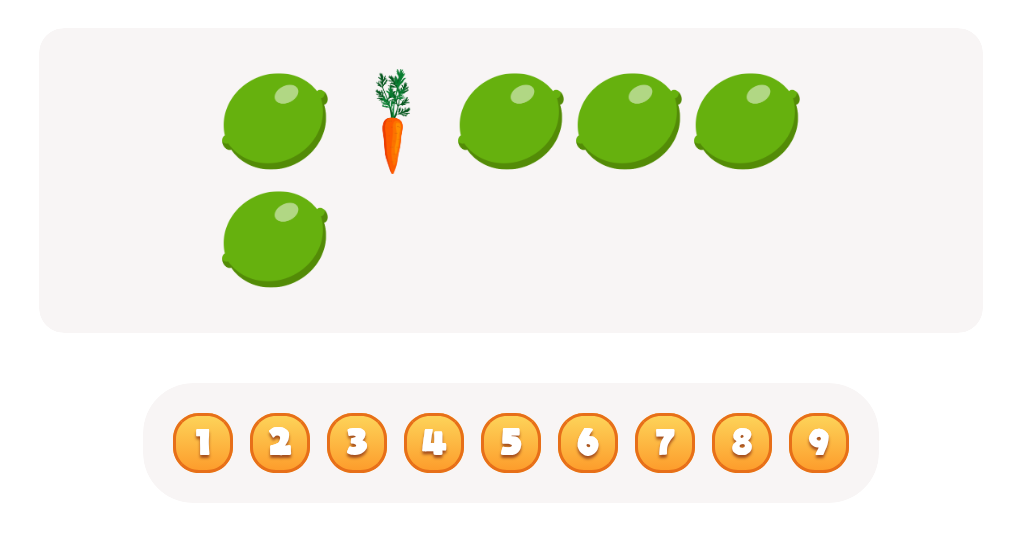

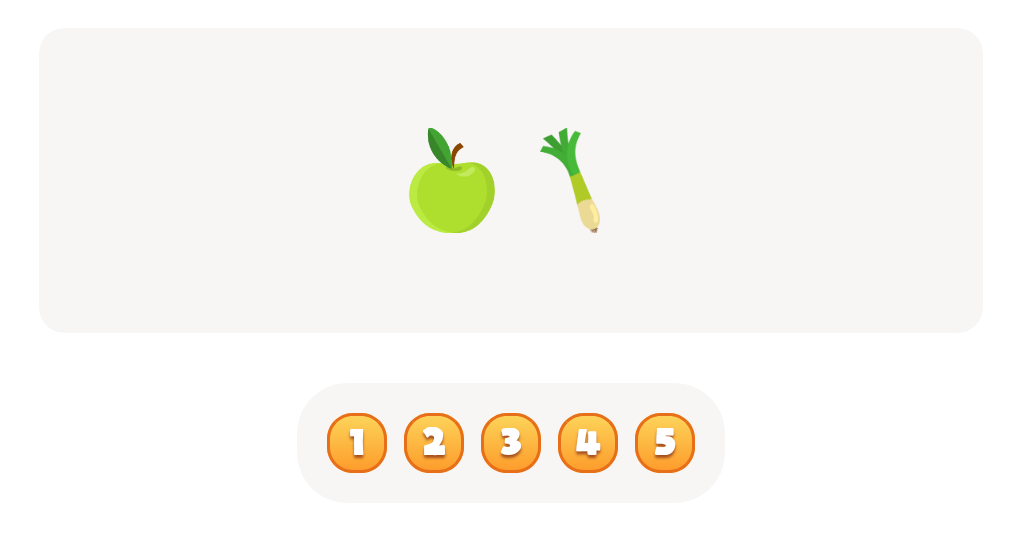
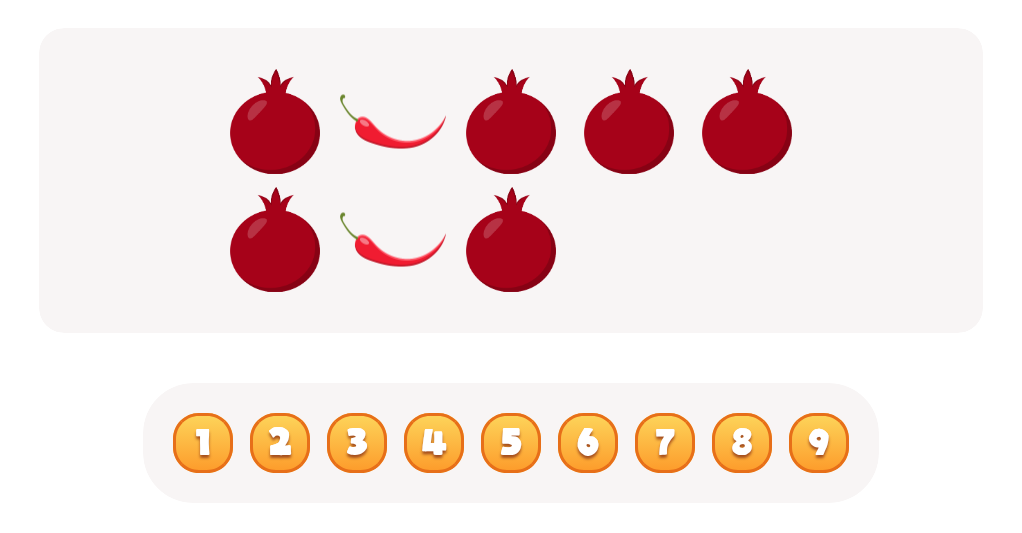
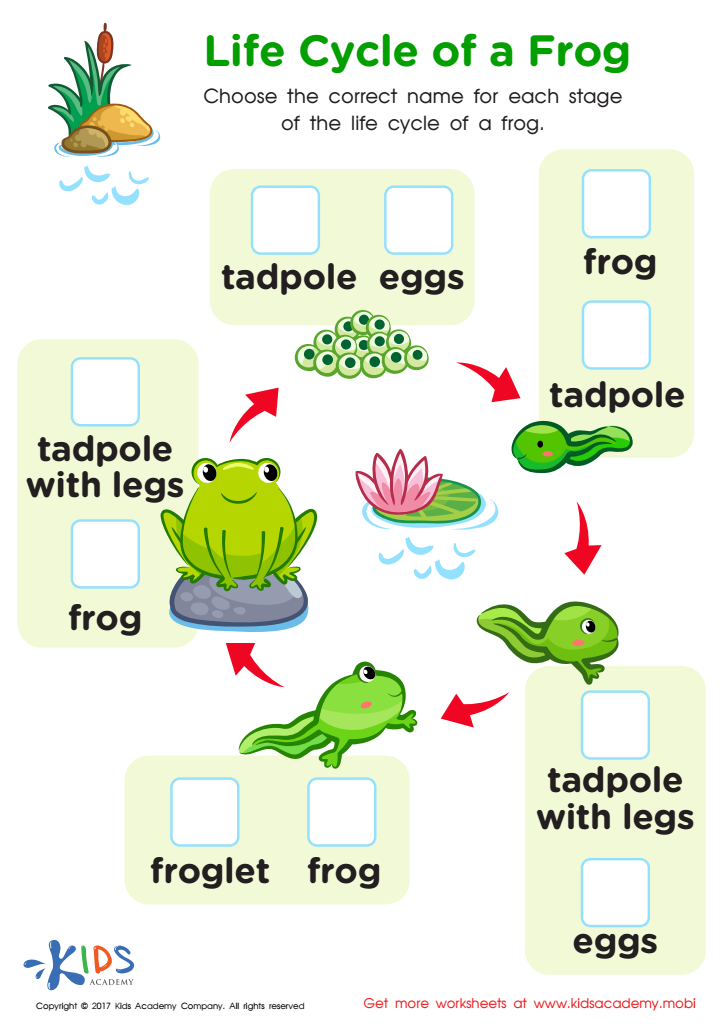
Life Cycle Frog Printable
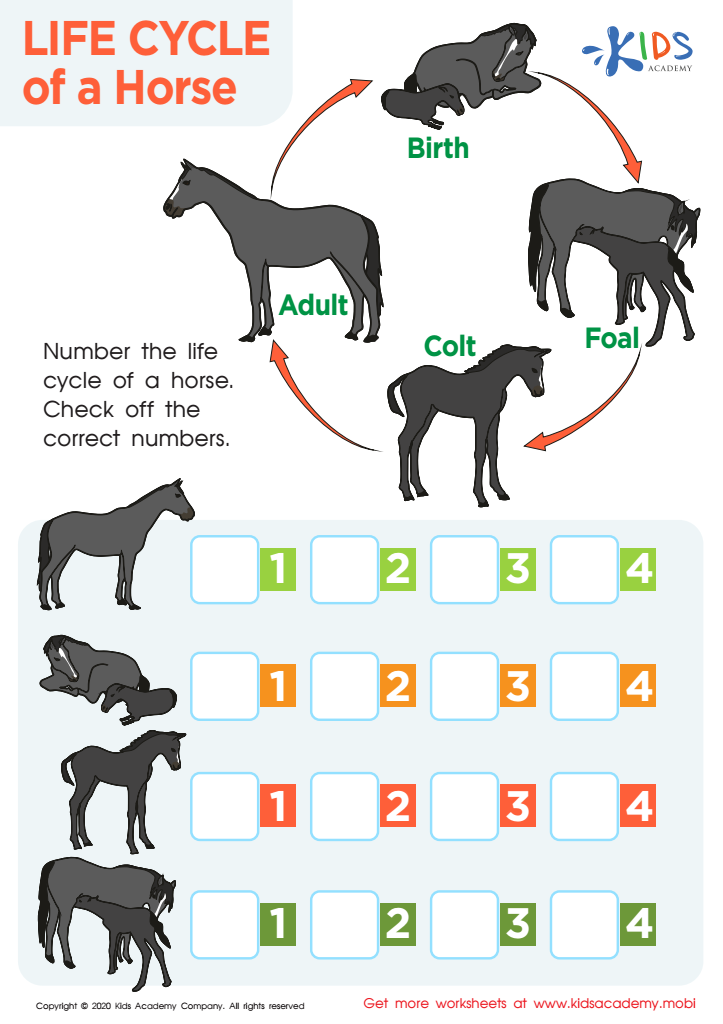
Life Cycle of a Horse Worksheet








Understanding life cycles of plants and animals is essential for 6-year-olds and should be a priority for both parents and teachers. Children at this age are naturally curious and eager to learn about the world around them. Introducing them to life cycles fosters a deeper appreciation of nature and instills foundational scientific knowledge that supports future learning.
By exploring the stages of growth and development in plants and animals, children learn about key concepts such as birth, growth, reproduction, and death. This understanding encourages empathy and a sense of stewardship towards living organisms. For example, they realize the importance of not plucking flowers as they comprehend that these plants could grow into seeds and start a new life cycle.
Furthermore, learning about life cycles aids in developing critical thinking and observation skills. As children witness the transformation of a caterpillar into a butterfly or a seed sprouting into a plant, they practice patience, attention to detail, and logical reasoning. These experiences build a strong foundation for scientific thinking and inquiry.
Additionally, hands-on activities related to life cycles, such as planting seeds or observing tadpoles, make learning tangible and enjoyable. This interactive approach enhances engagement and retention of information.
Ultimately, these lessons contribute to a child's overall understanding of biology and the interdependent nature of life on Earth, fostering responsible and informed future citizens.








