Fine Motor Skills Tracing Letters Worksheets for Ages 7-8
28 filtered results
-
From - To
Boost your child's fine motor skills with our "Fine Motor Skills Tracing Letters Worksheets" tailored for ages 7-8. These engaging and educational printables are designed to enhance hand-eye coordination, increase dexterity, and promote proper pencil grip. Ideal for classroom or at-home learning, the worksheets offer fun tracing activities that make handwriting practice enjoyable. Your child will effortlessly master letter formation while building the essential skills needed for academic success. Support their learning journey with resources crafted to turn everyday practice into an exciting adventure in writing. Download now from Kids Academy and watch your child flourish!
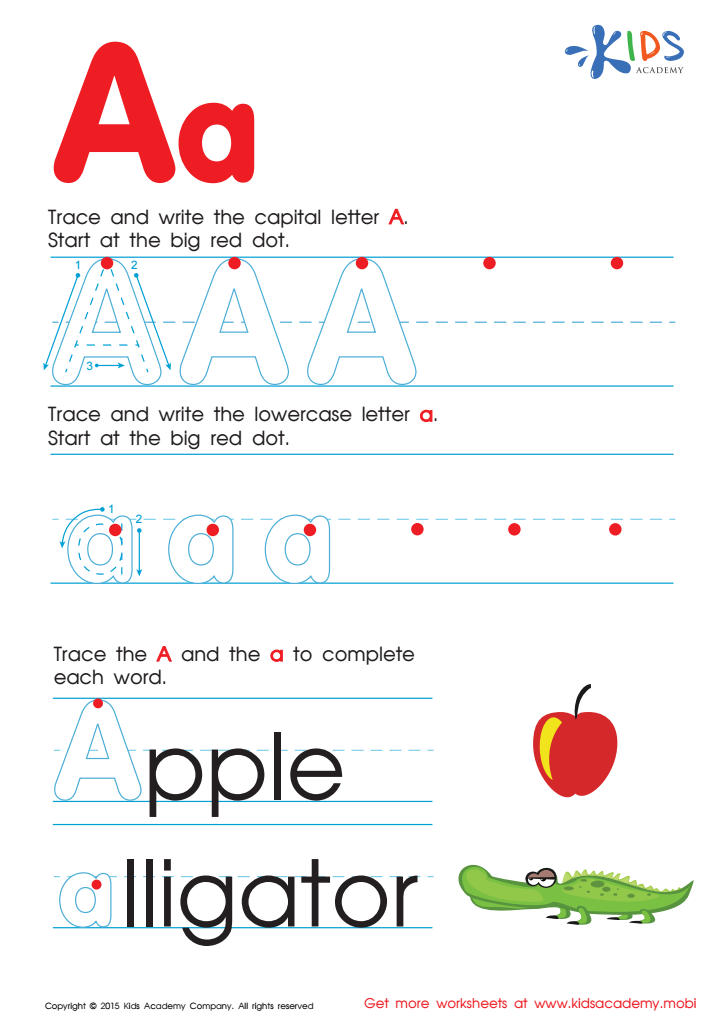
Letter A Tracing Page
 Assign to My Students
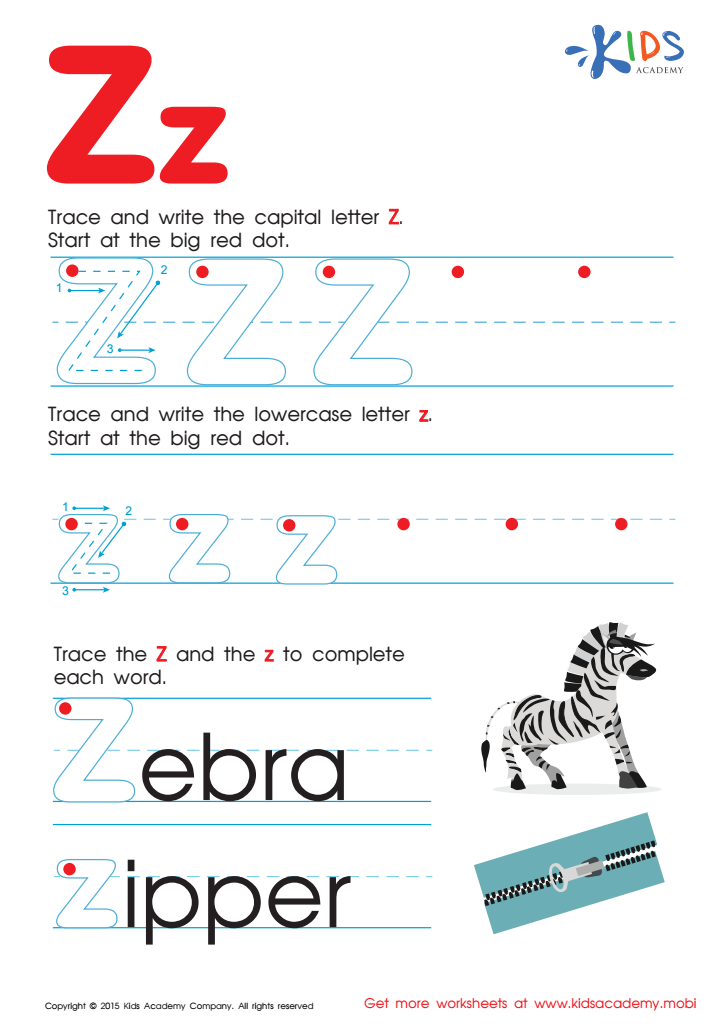
Letter Z Tracing Page
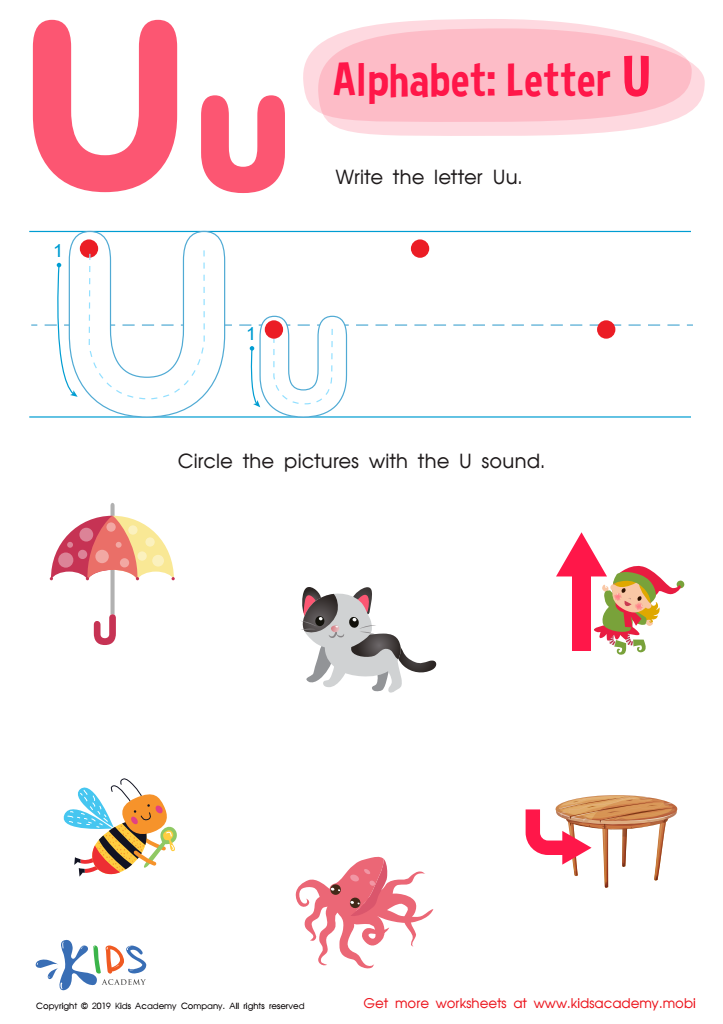
Letter U Tracing Worksheet
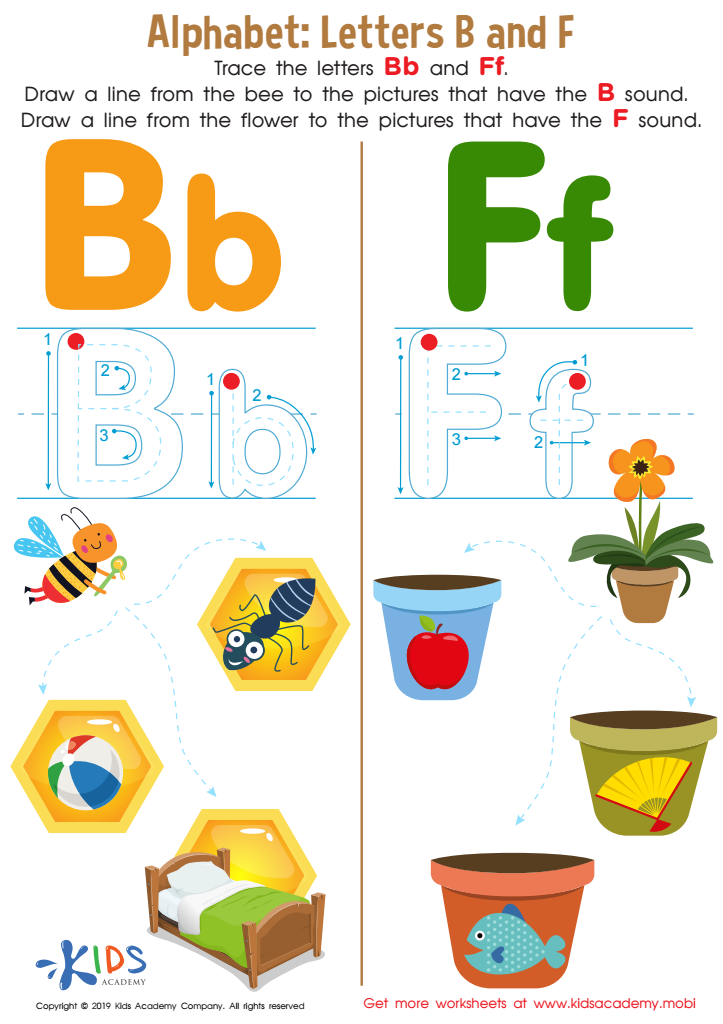
Letters B and F Tracing Worksheet
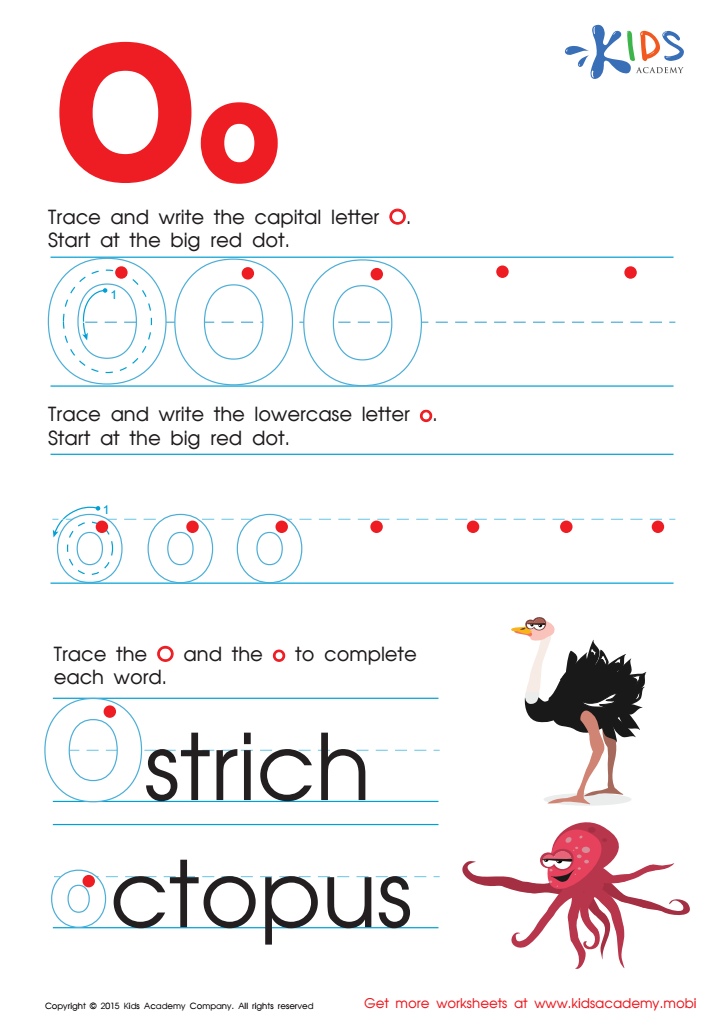
Letter O Tracing Page
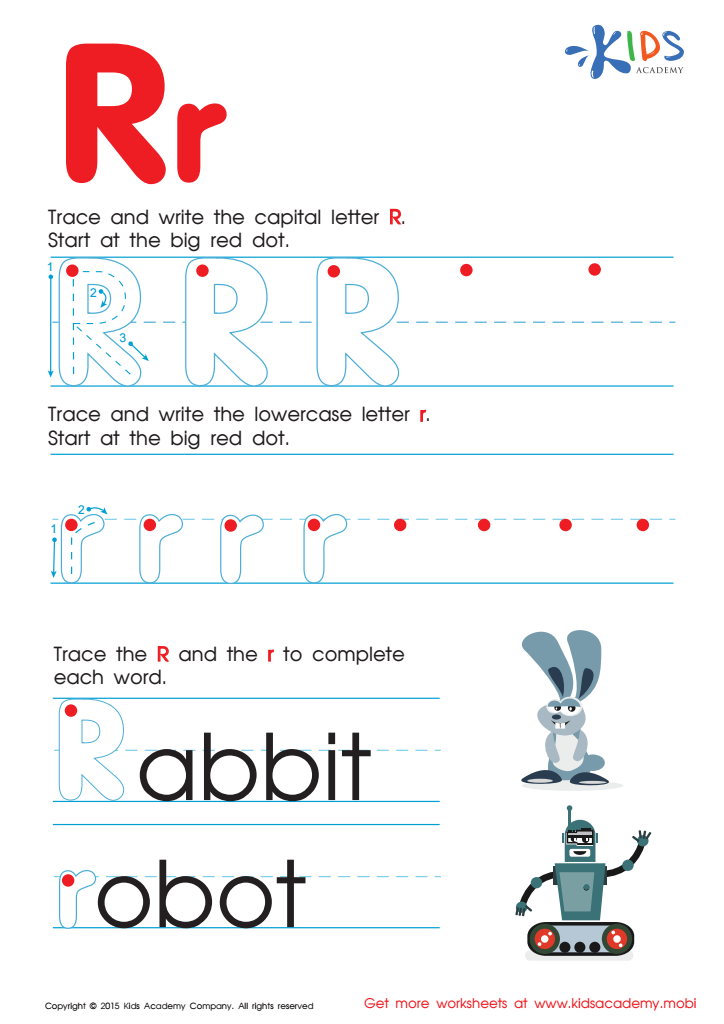
Letter R Tracing Page
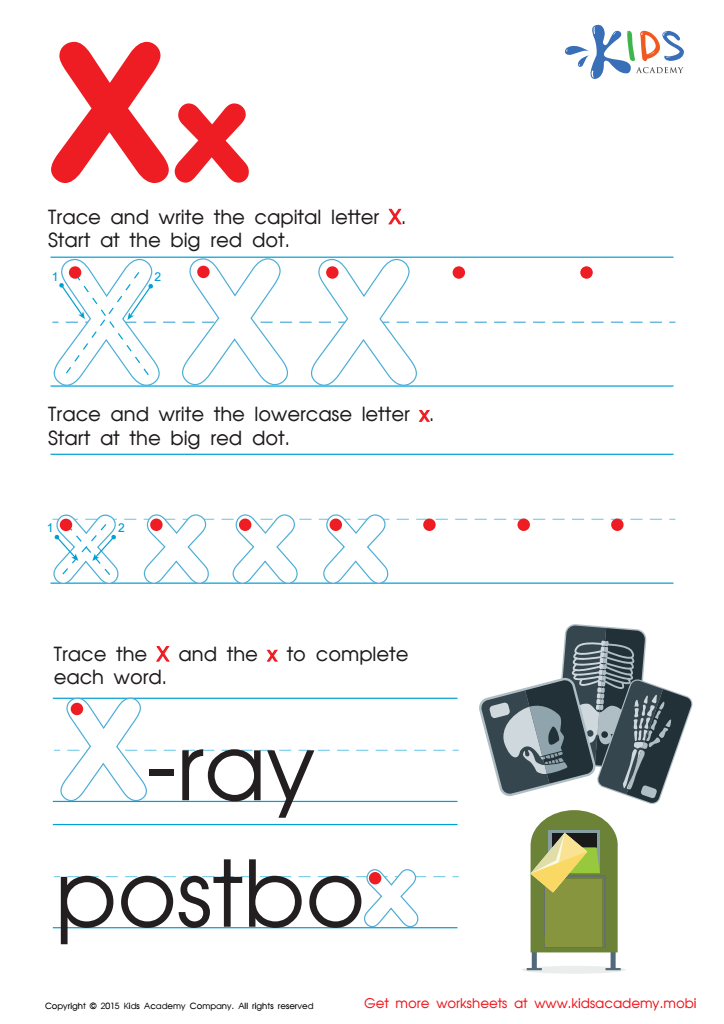
Letter X Tracing Page
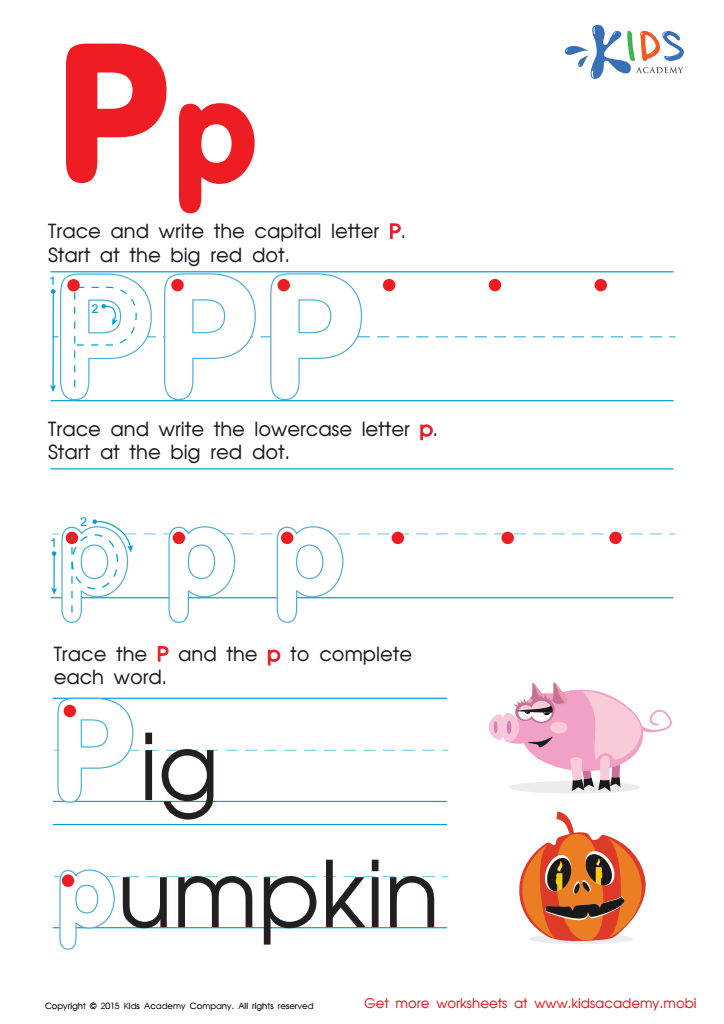
Letter P Tracing Page
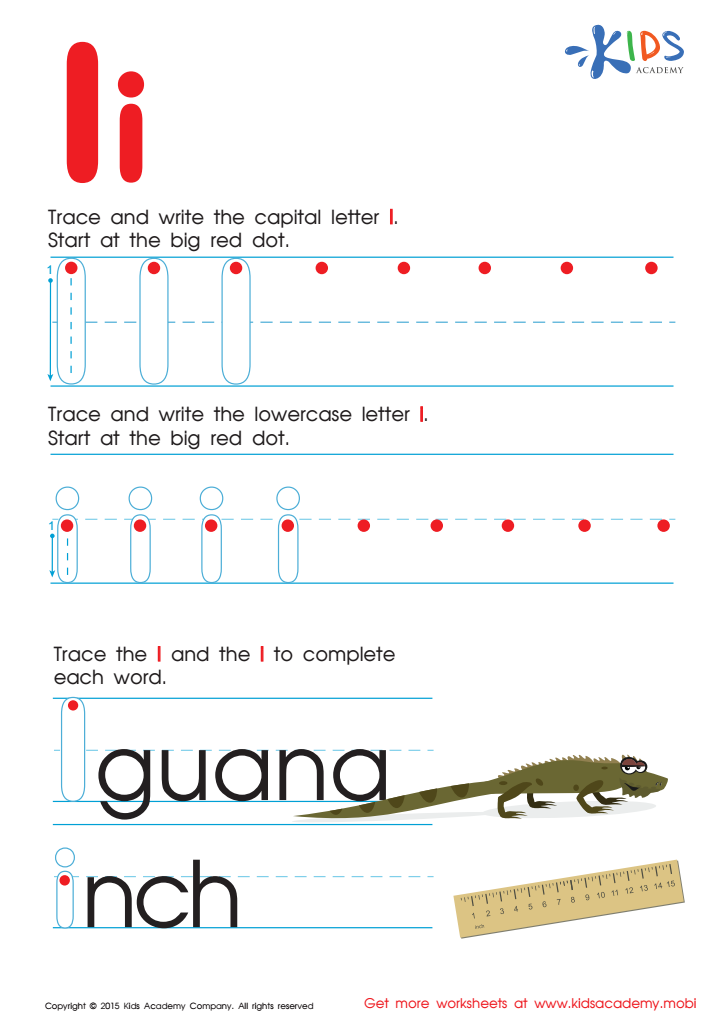
Letter I Tracing Page
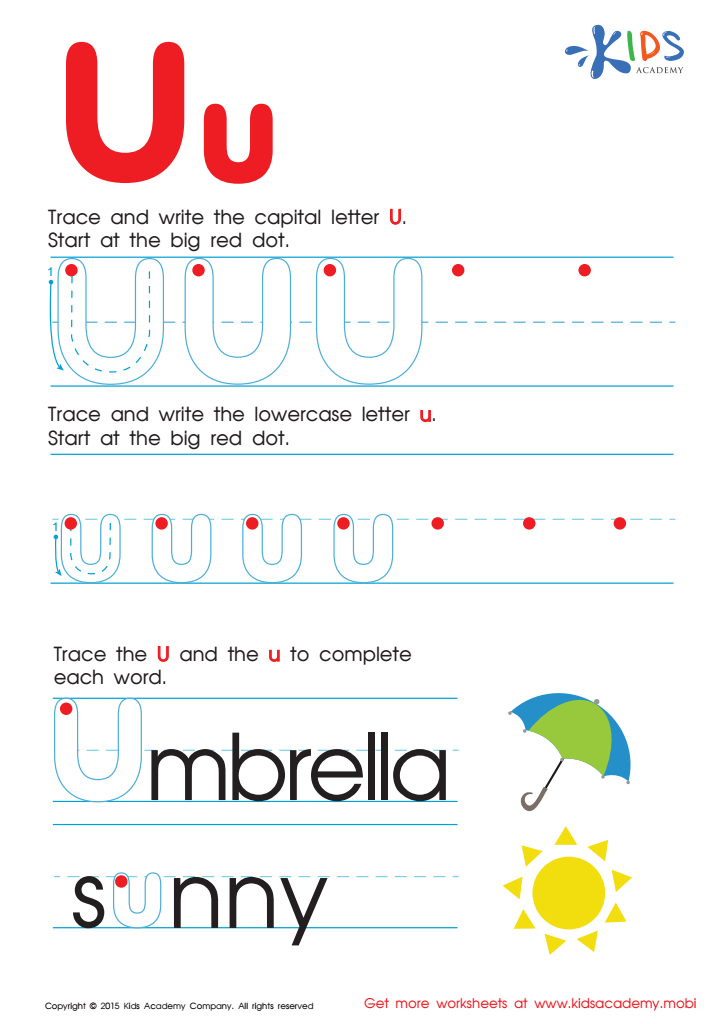
Letter U Tracing Page
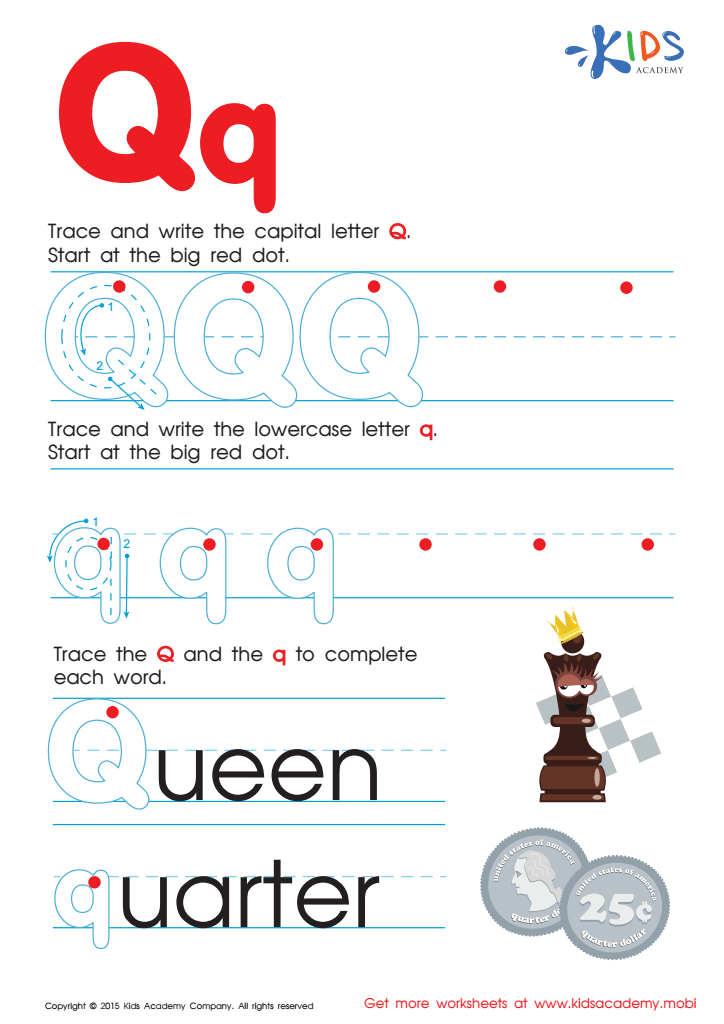
Letter Q Tracing Page
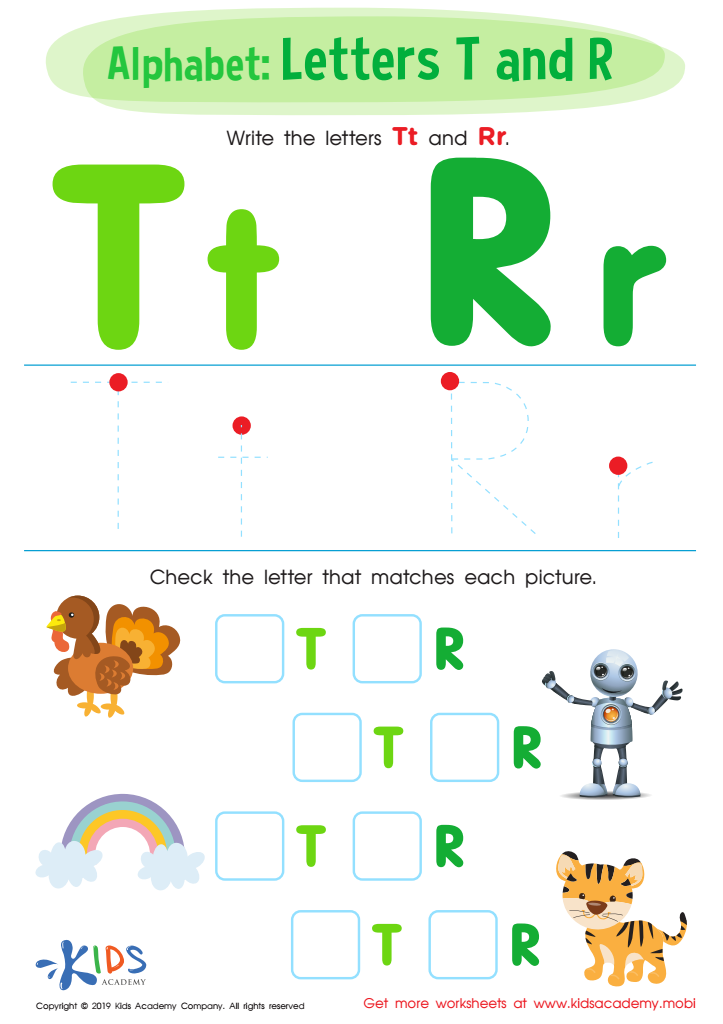
Letters T and R Worksheet
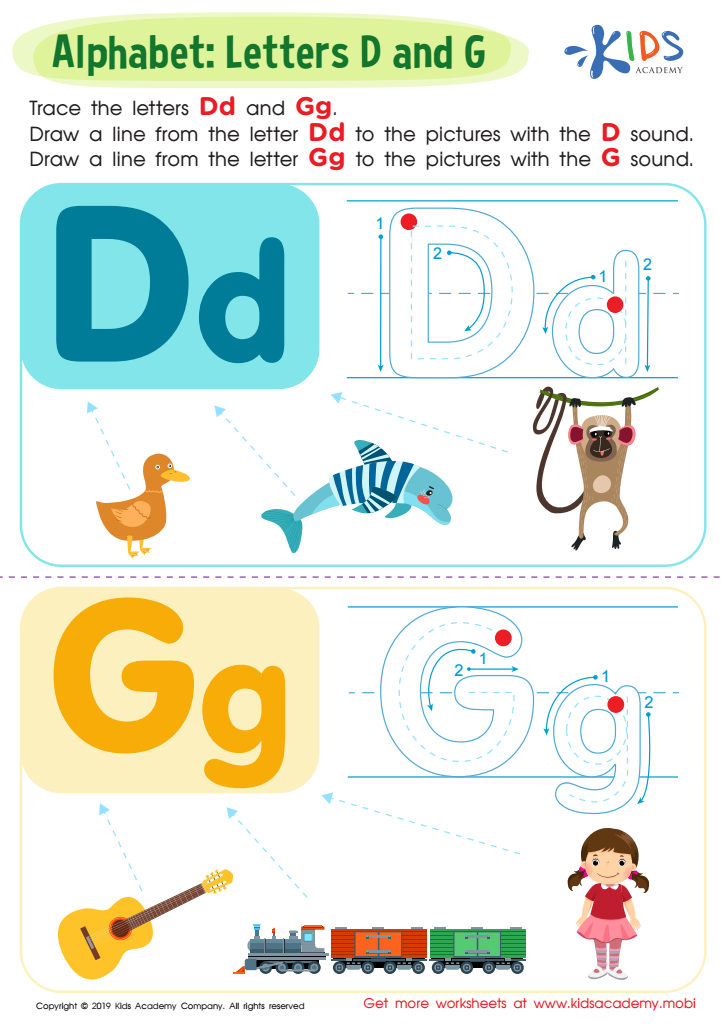
Letter D and G Tracing Worksheet
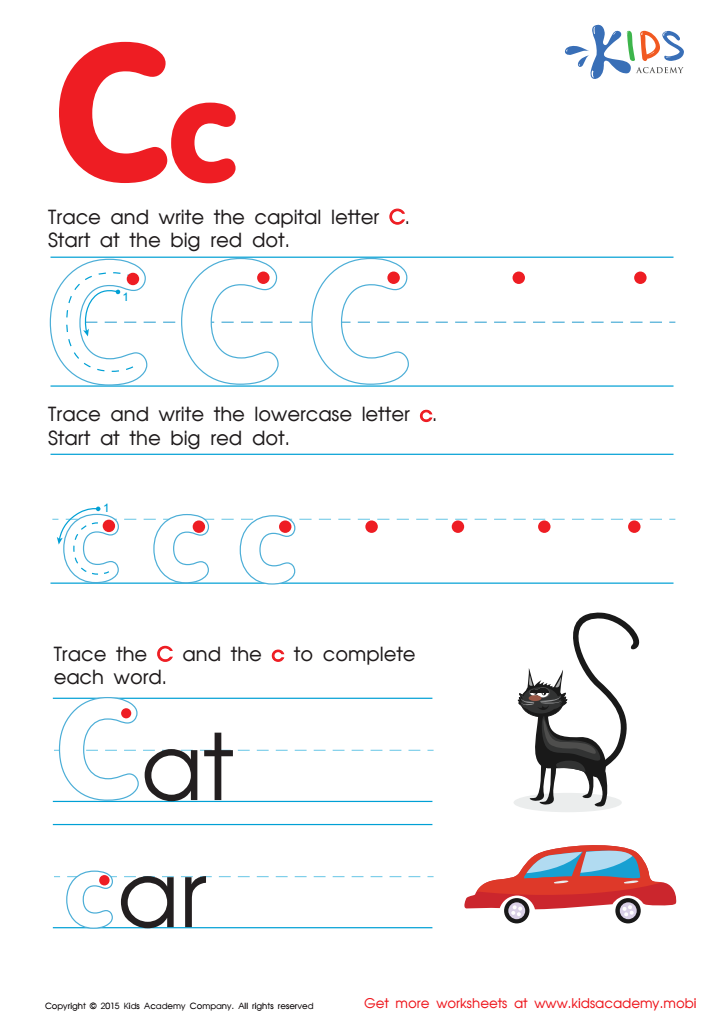
Letter C Tracing Page
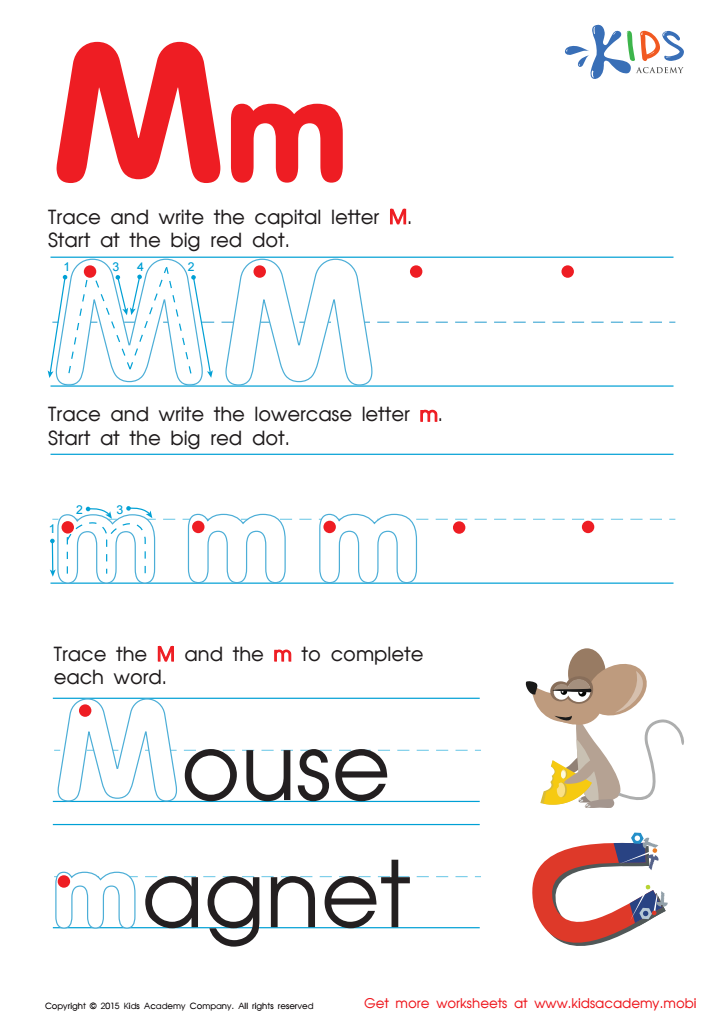
Letter M Tracing Page
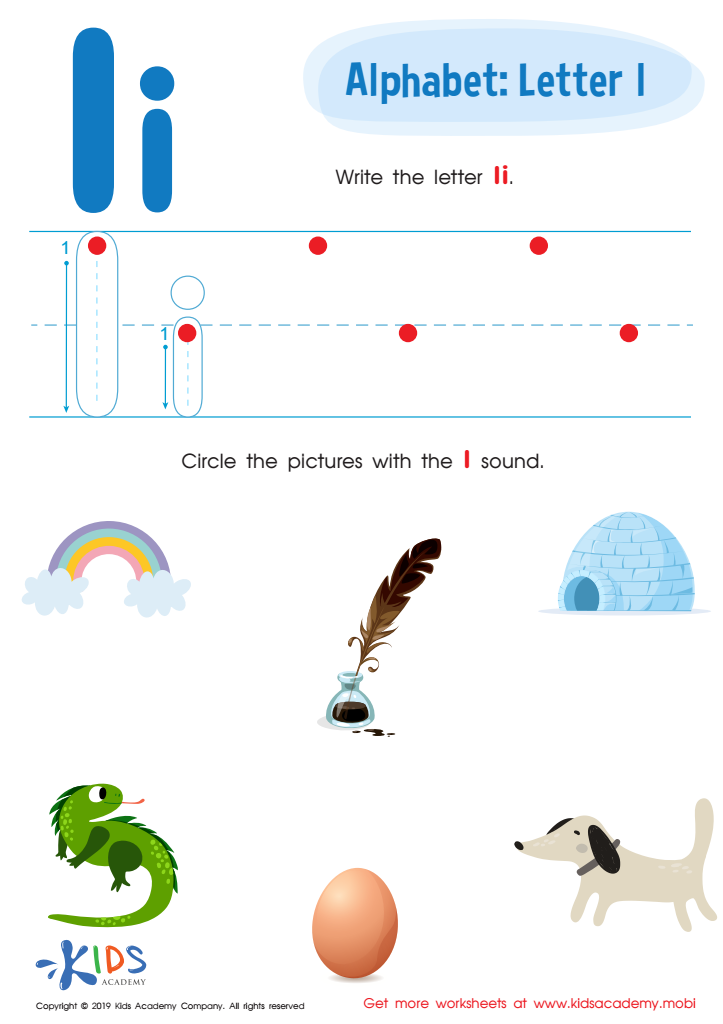
Letter I Tracing Worksheet
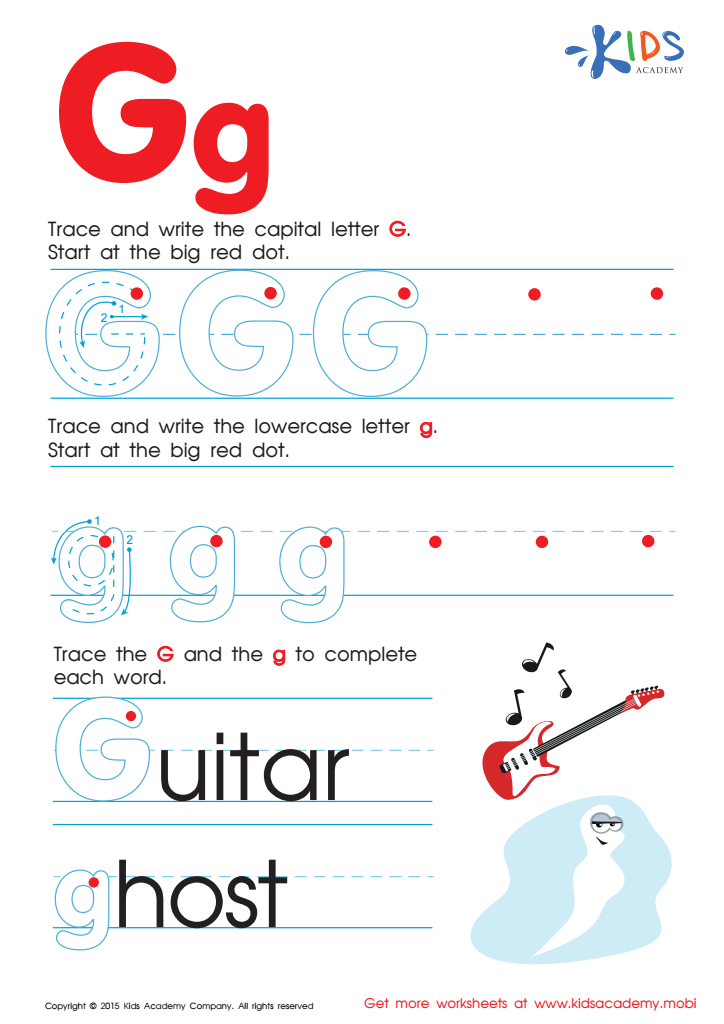
Letter G Tracing Page
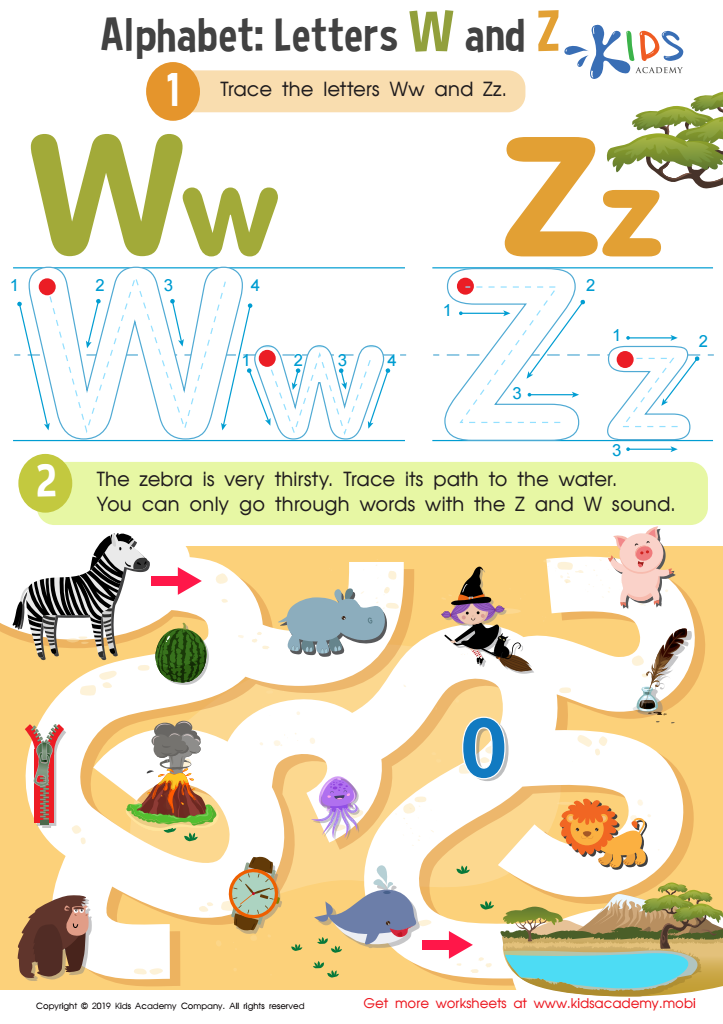
Letters W and Z Tracing Worksheet
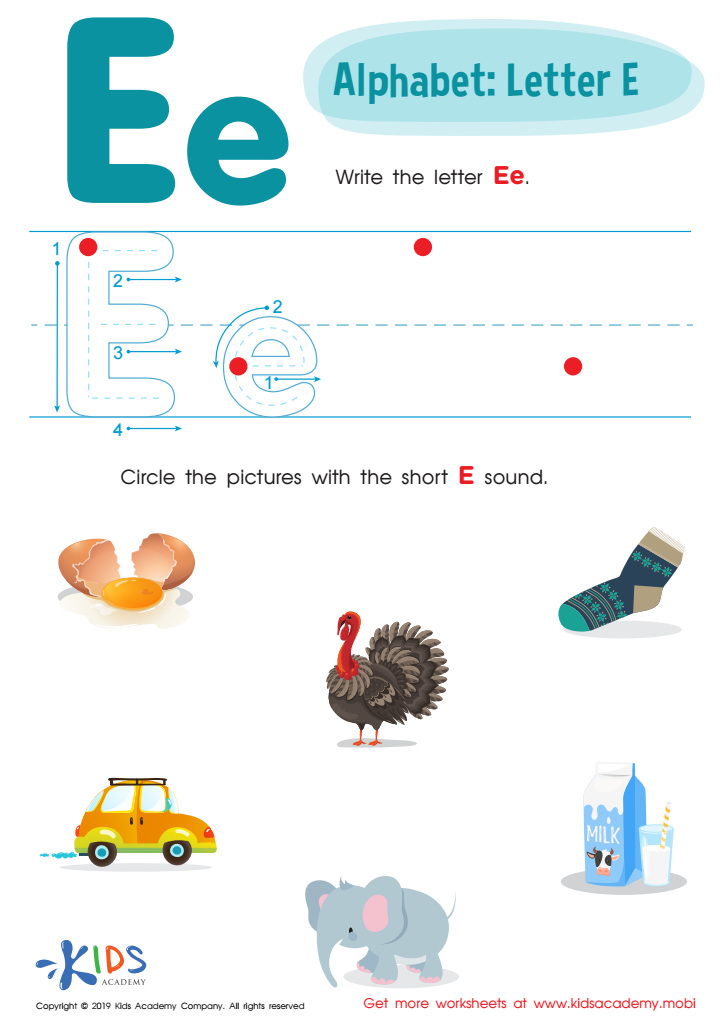
Letter E Tracing Worksheet
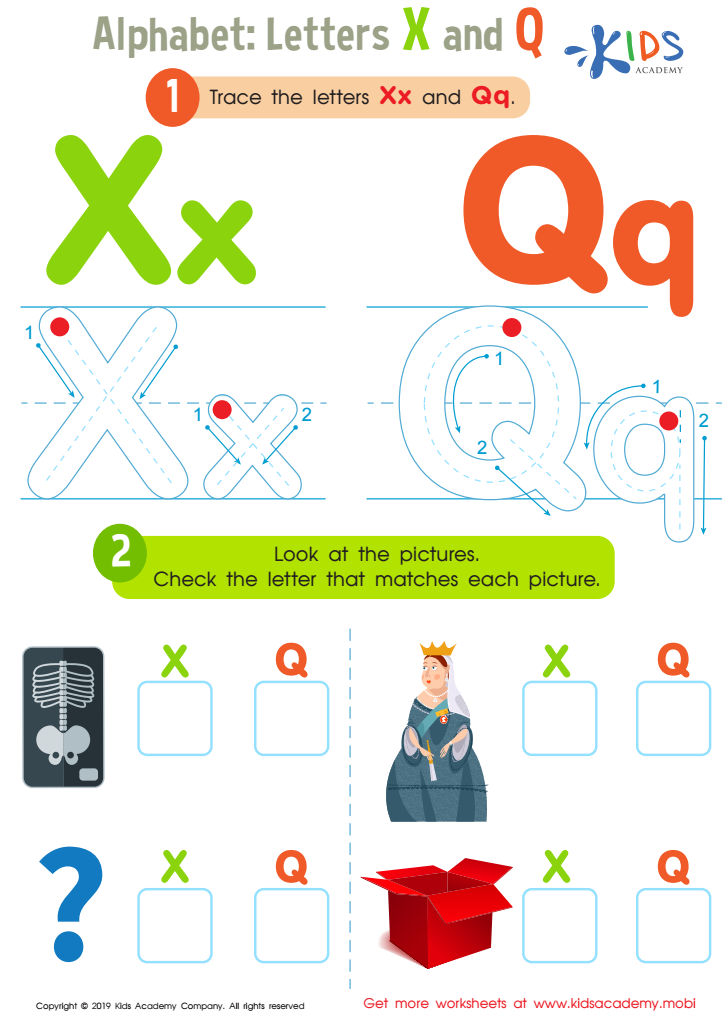
Letters X and Q Tracing Worksheet
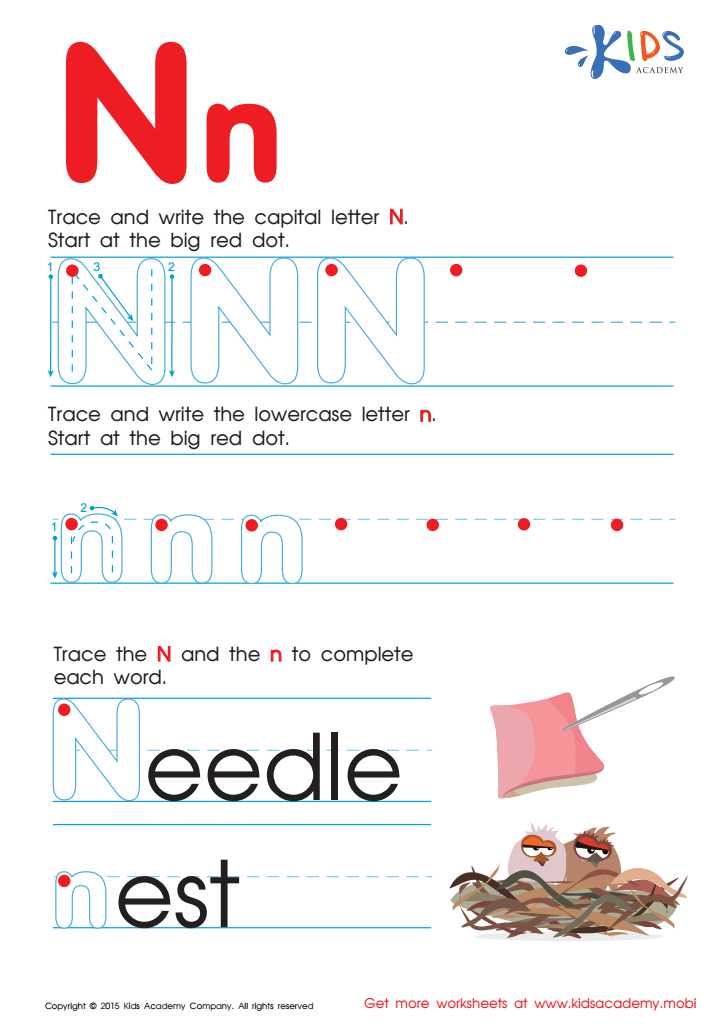
Letter N Tracing Page
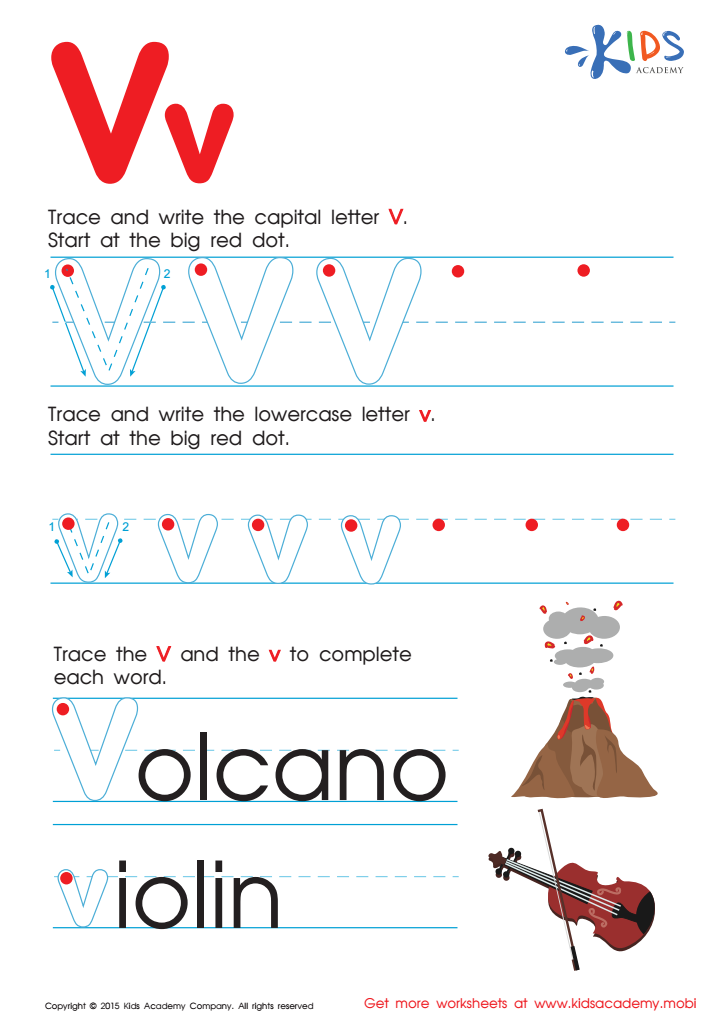
Letter V Tracing Page
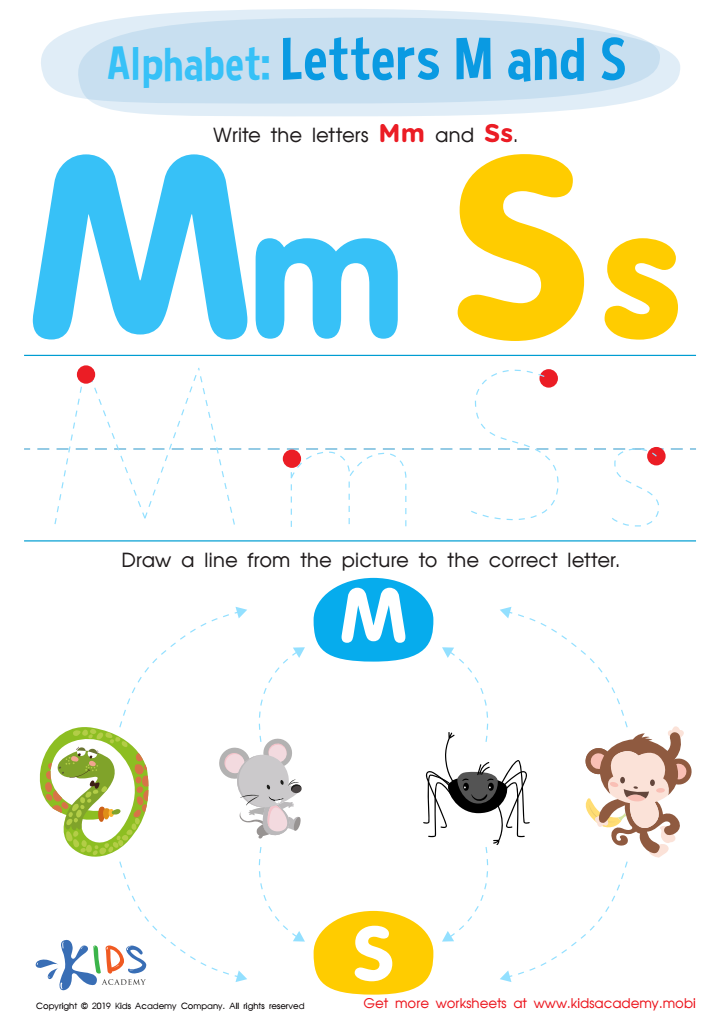
Letters M and S Tracing Worksheet
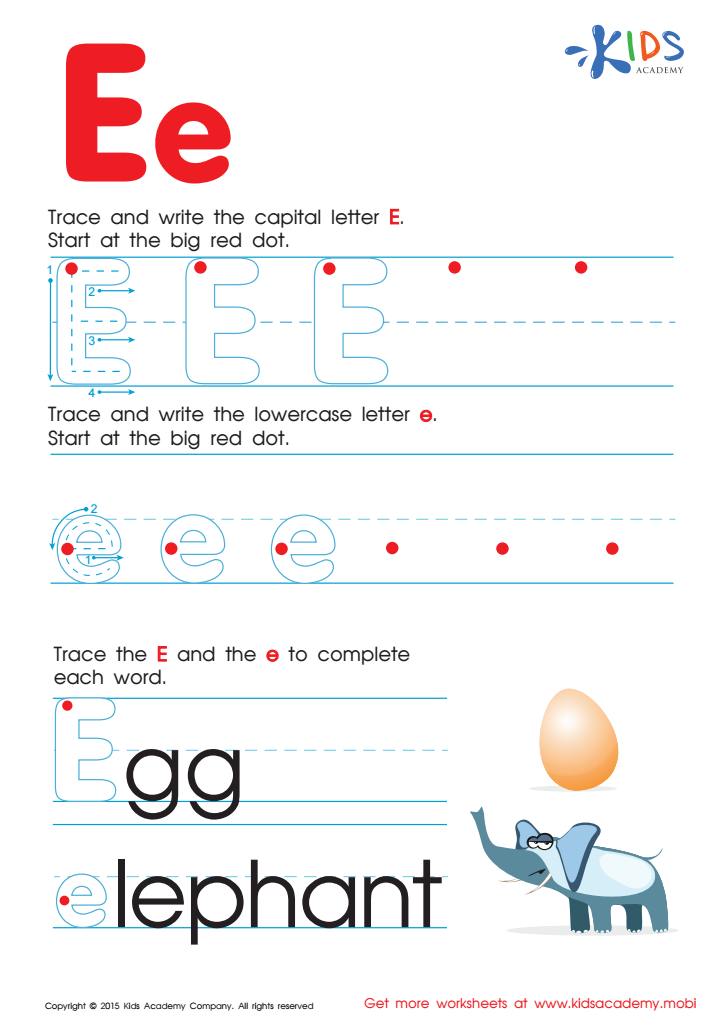
Letter E Tracing Page








Fostering fine motor skills through tracing letters is vital for children ages 7-8, as it lays a crucial foundation for their overall academic and personal development. At this age, children are refining the small muscle movements in their hands, fingers, and wrists, which are essential for tasks like writing, drawing, and manipulating objects. Engaging in letter tracing helps strengthen these muscles, improving hand-eye coordination and dexterity.
Moreover, being proficient in handwriting is linked to better performance in academic activities. Clear, legible writing allows children to communicate their ideas effectively, boosting their confidence and engagement in classroom activities. Strong fine motor skills enable children to participate in diverse tasks, from tying shoelaces to creating complex artwork, fostering independence and creativity.
Importantly, letter tracing activities are also beneficial for cognitive development. They support memory, attention to detail, and spatial awareness, which are critical skills beyond handwriting. Consistent practice helps in the synchronization of visual and motor skills, aiding in the cognitive processing of converting thoughts into written words.
Parents and teachers should prioritize fine motor skill activities to ensure that children develop the essential abilities they need to succeed academically and personally. Encouraging these practices at an early stage can result in tangible, long-term benefits for children's growth and learning capabilities.








