Handwriting practice Tracing Letters Worksheets for Ages 7-8
19 filtered results
-
From - To
Discover our engaging handwriting practice tracing letters worksheets specifically designed for children ages 7-8. These worksheets help young learners enhance their fine motor skills while developing proper letter formation and spacing. Featuring a variety of alphabet letters, both uppercase and lowercase, our resources make handwriting practice fun and interactive. The structured exercises promote concentration and repetition, key factors in reinforcing their writing abilities. Ideal for reinforcing classroom learning or home study, our worksheets offer a perfect blend of education and enjoyment, setting the foundation for confident writing. Printed worksheets are ready for immediate use, ensuring a seamless learning experience!
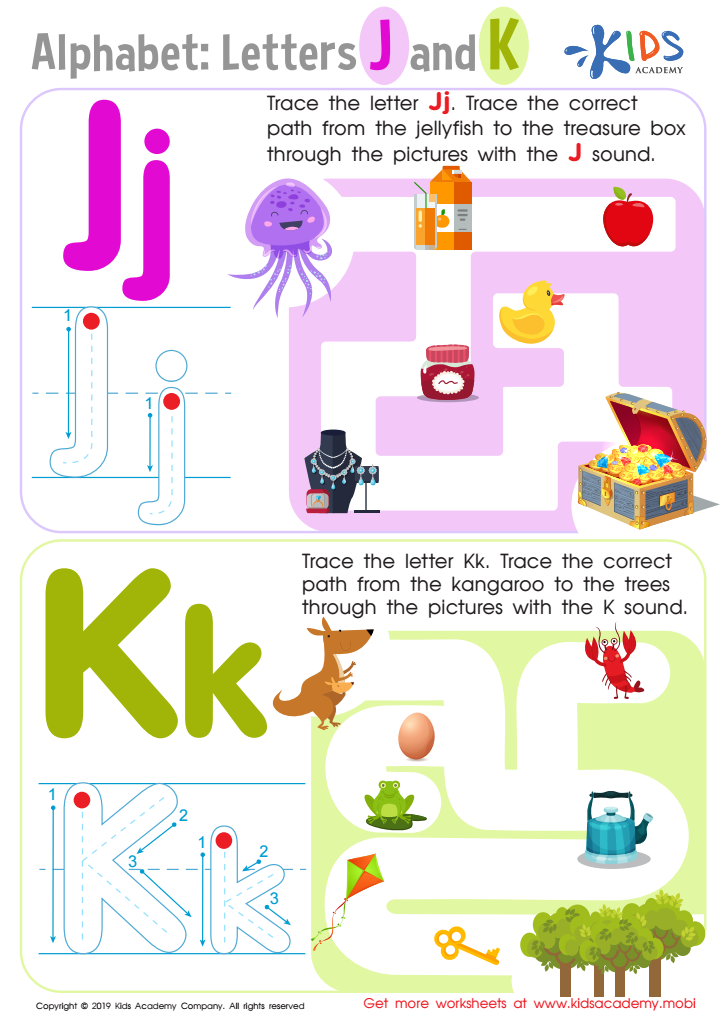
Letters J and K Tracing Worksheet
 Assign to My Students
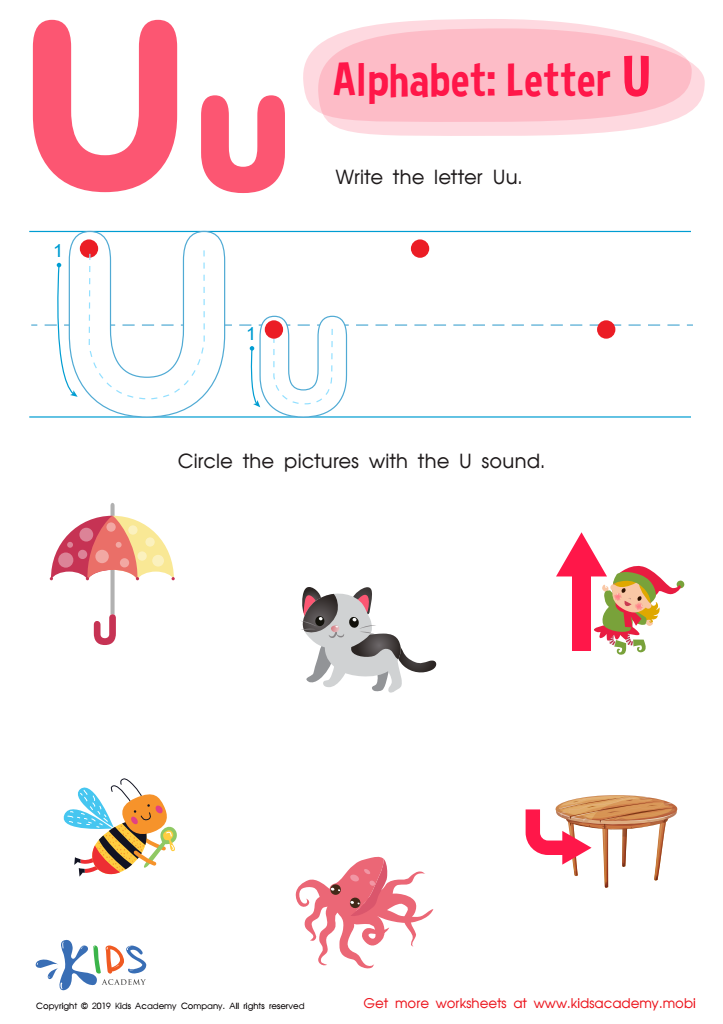
Letter U Tracing Worksheet
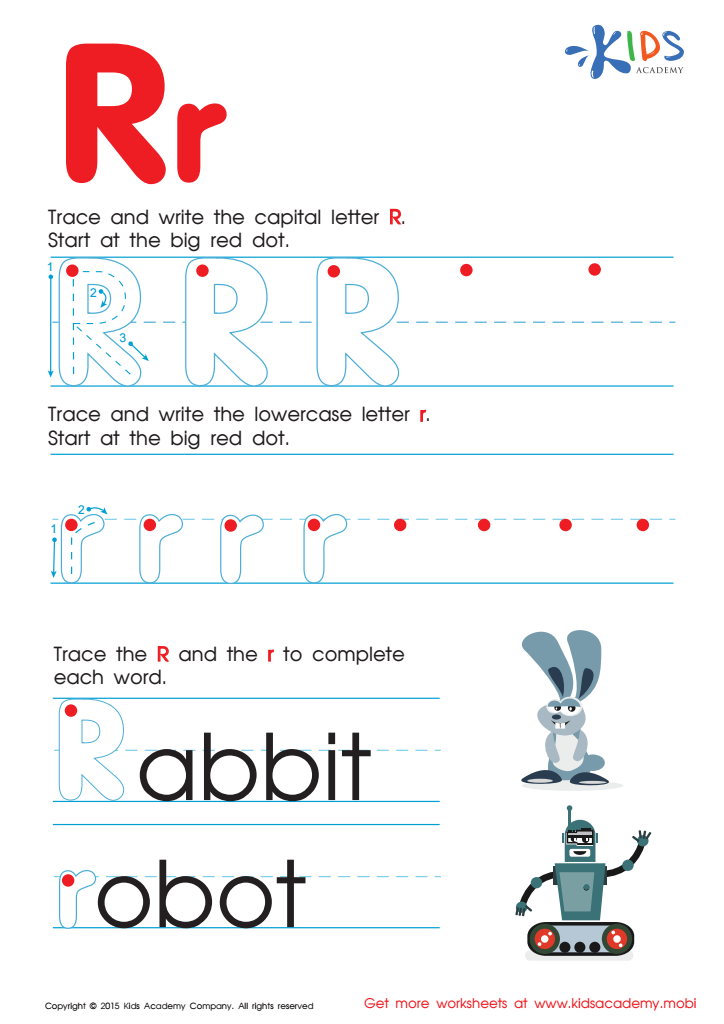
Letter R Tracing Page
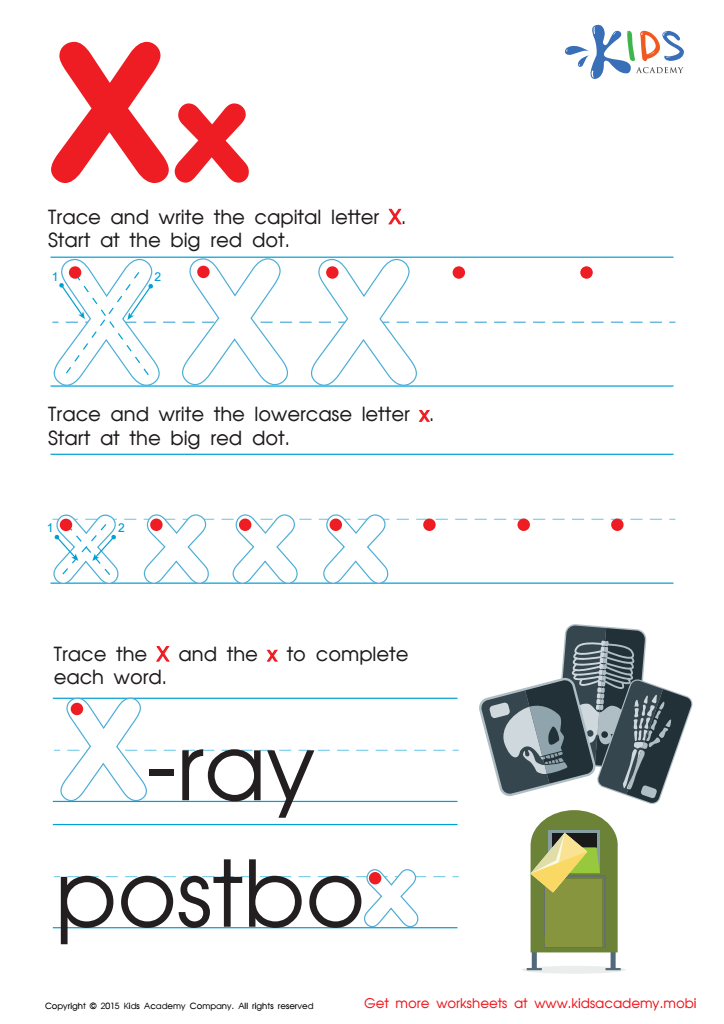
Letter X Tracing Page
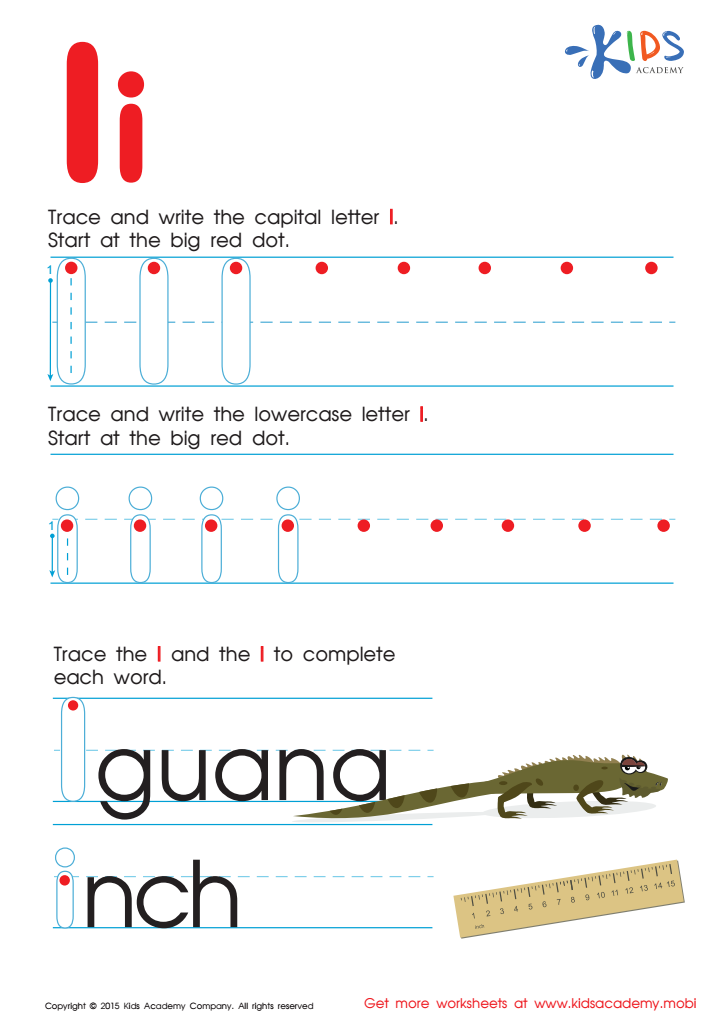
Letter I Tracing Page
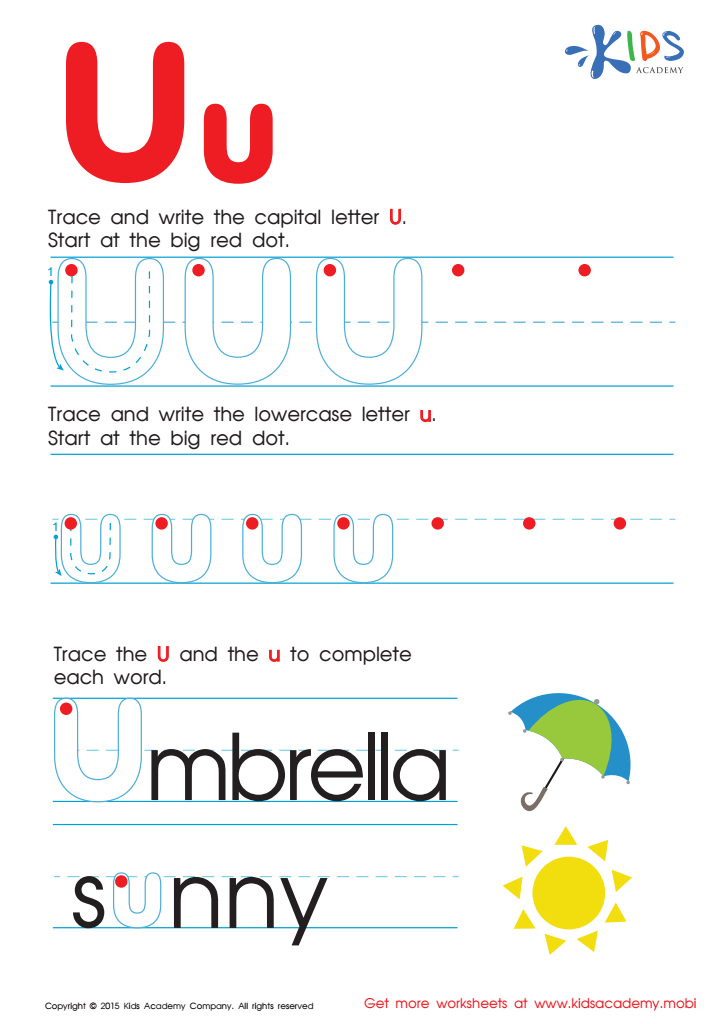
Letter U Tracing Page
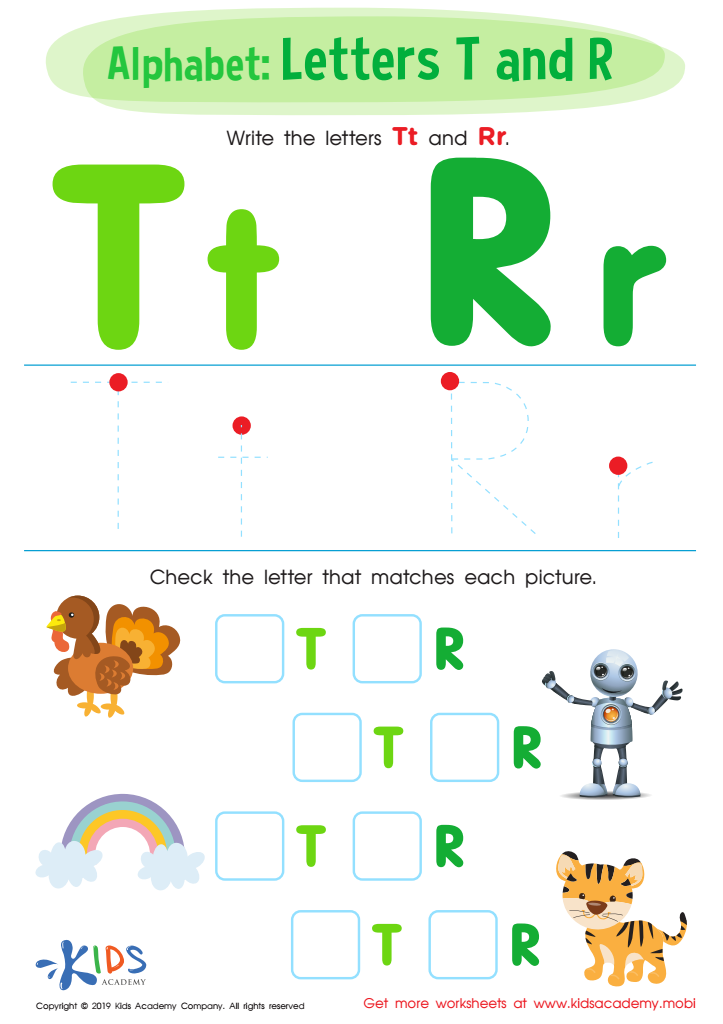
Letters T and R Worksheet
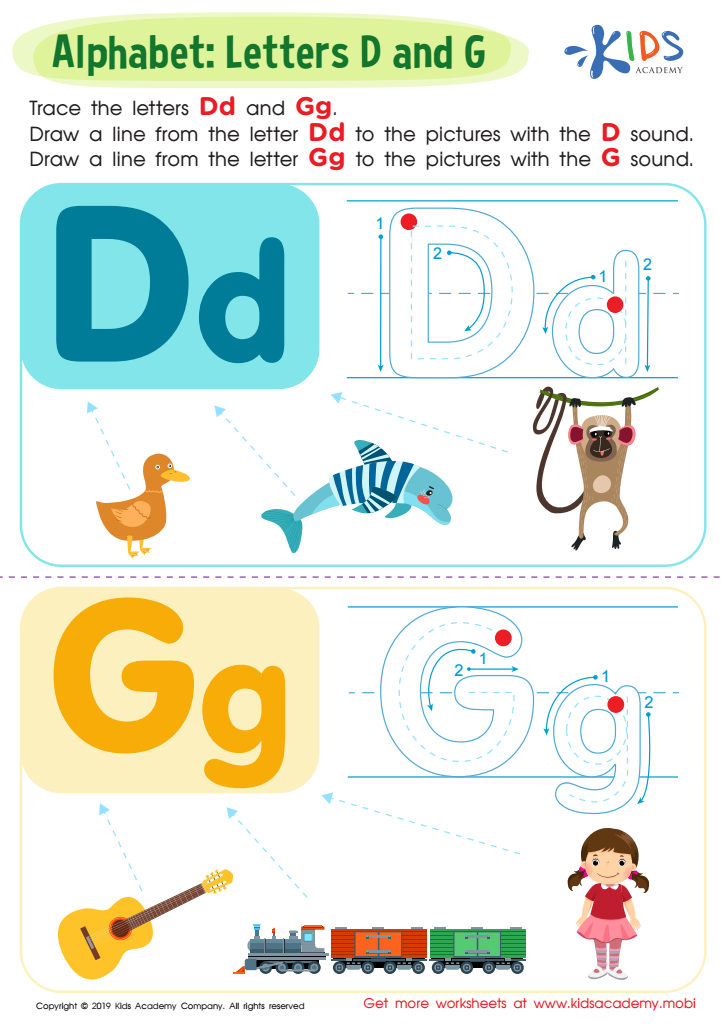
Letter D and G Tracing Worksheet
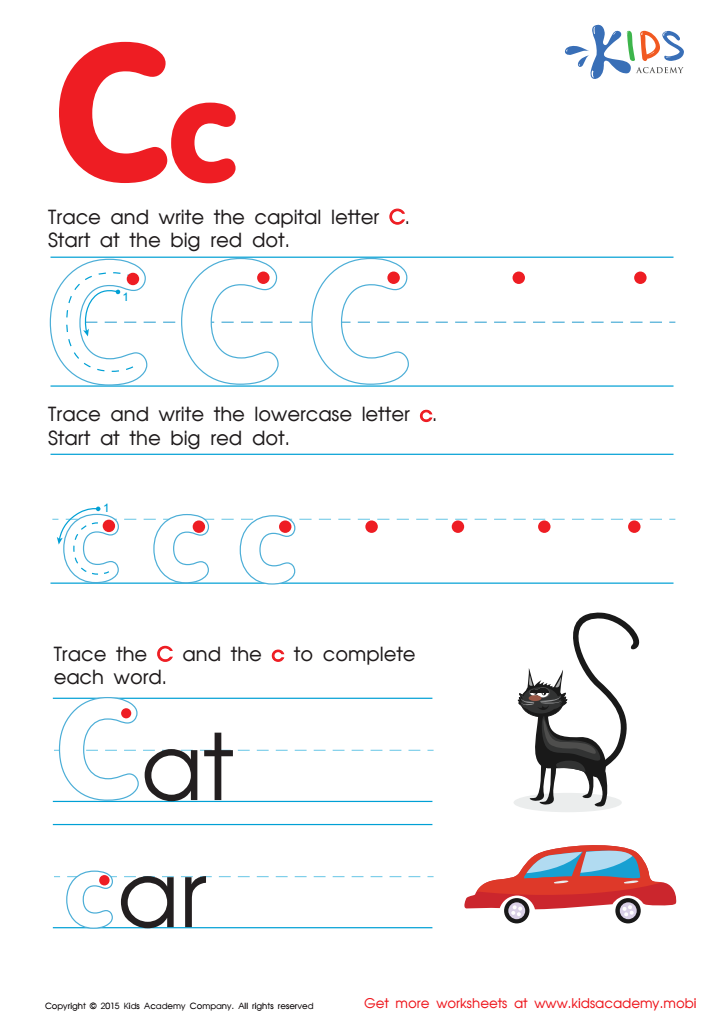
Letter C Tracing Page
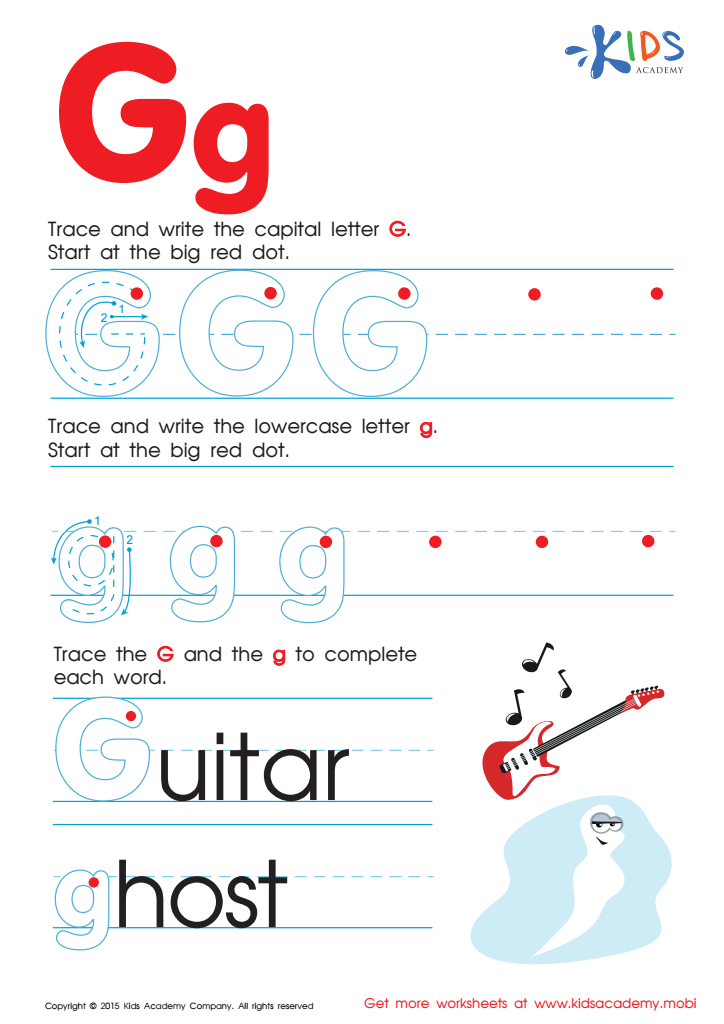
Letter G Tracing Page
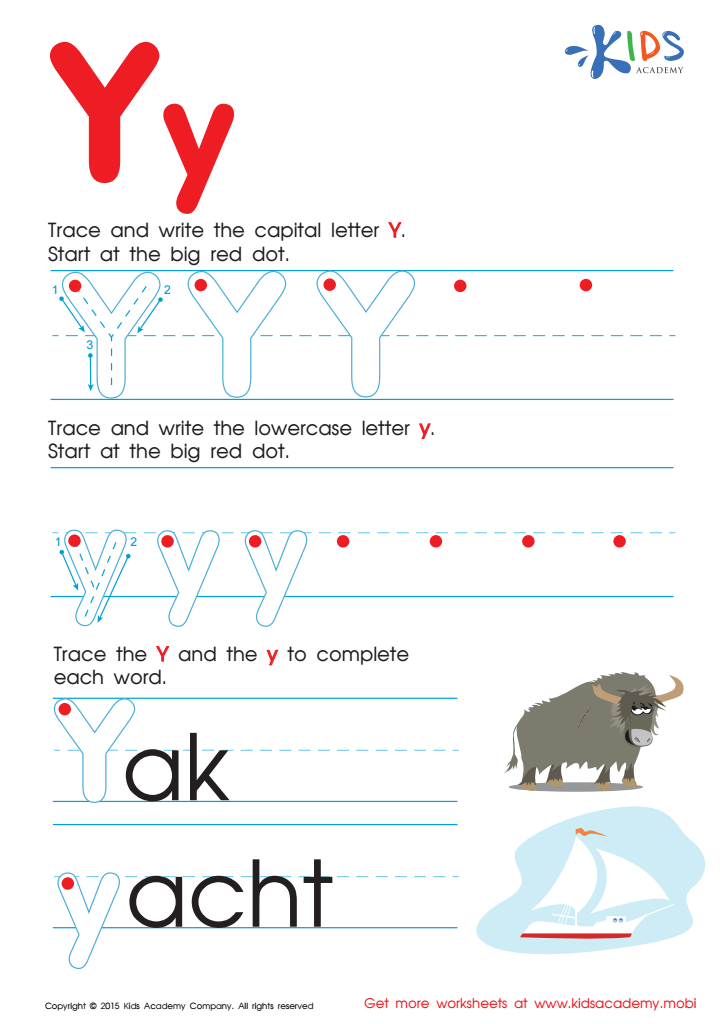
Letter Y Tracing Page
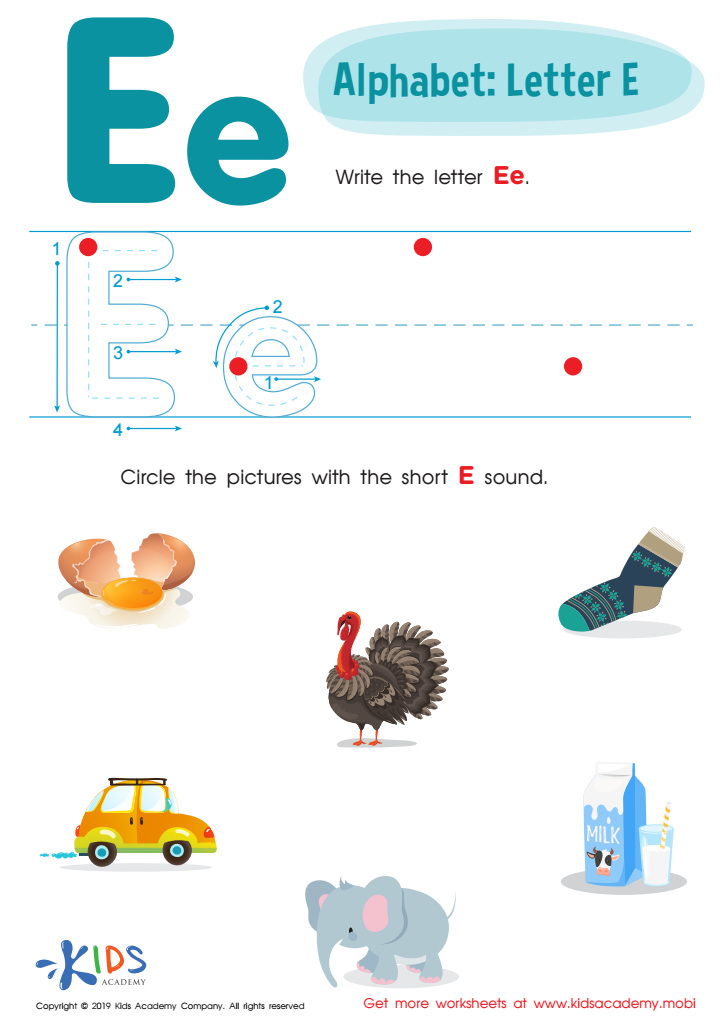
Letter E Tracing Worksheet
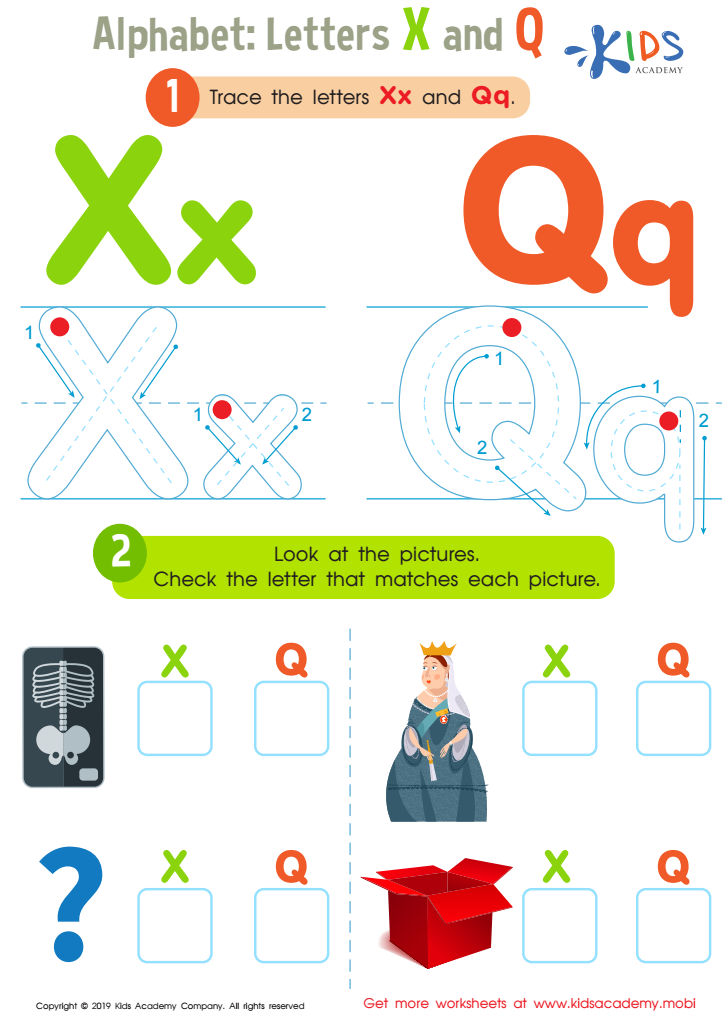
Letters X and Q Tracing Worksheet
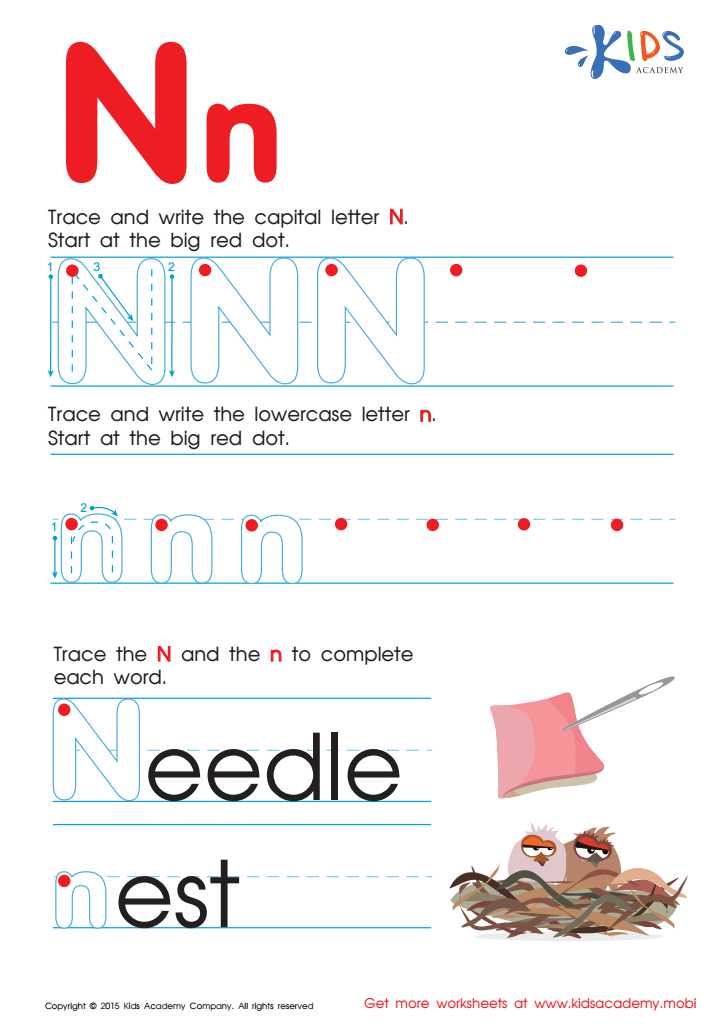
Letter N Tracing Page
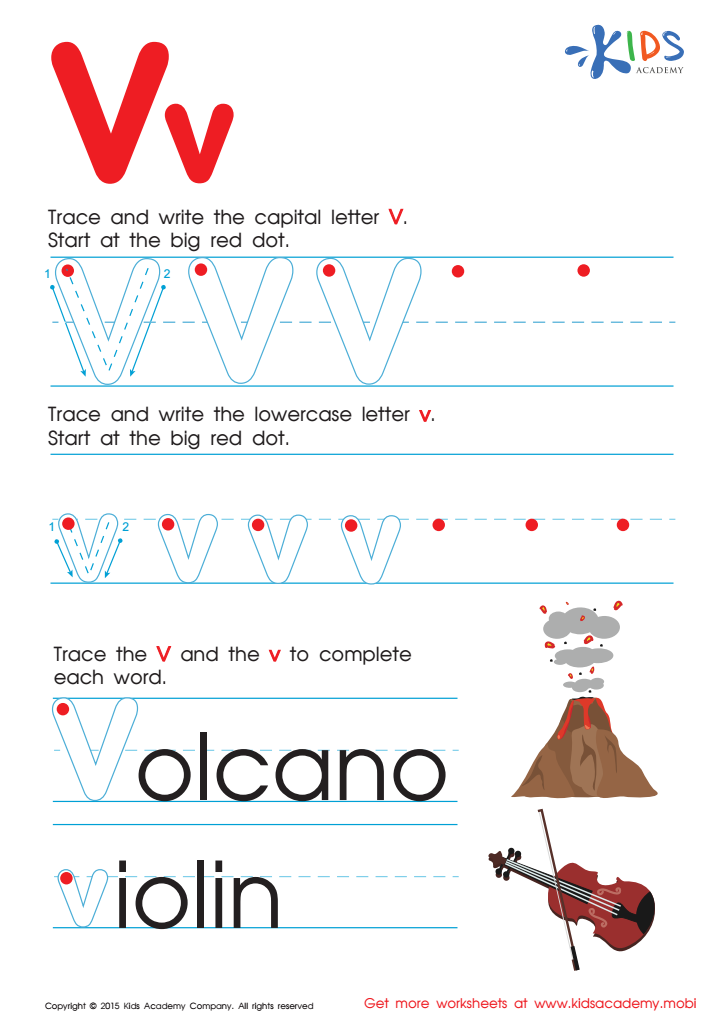
Letter V Tracing Page
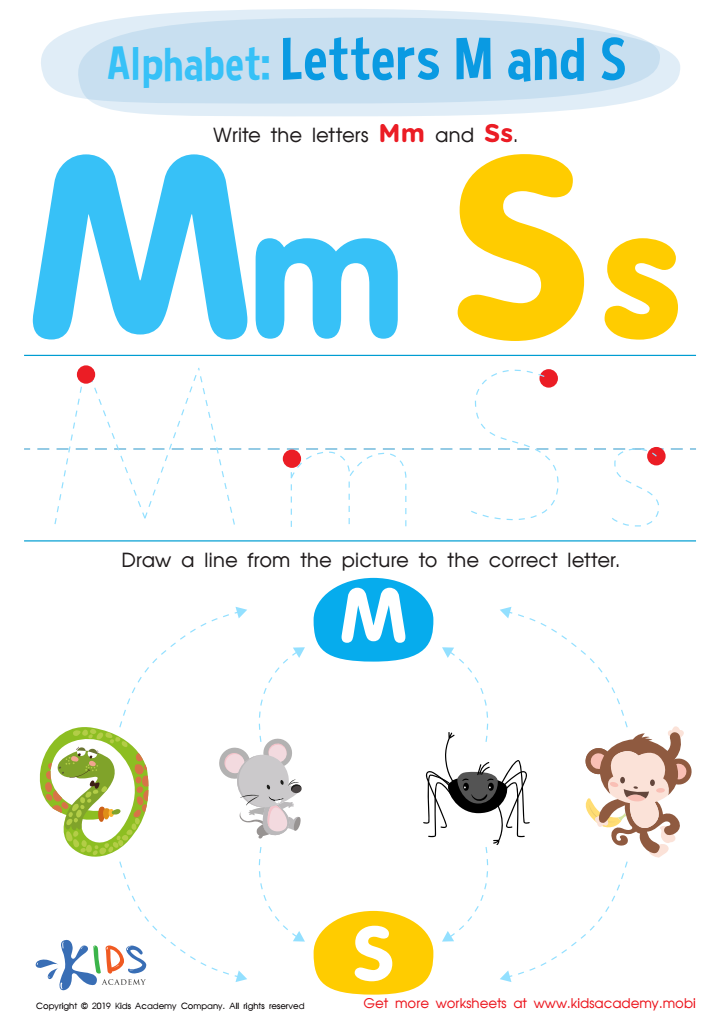
Letters M and S Tracing Worksheet
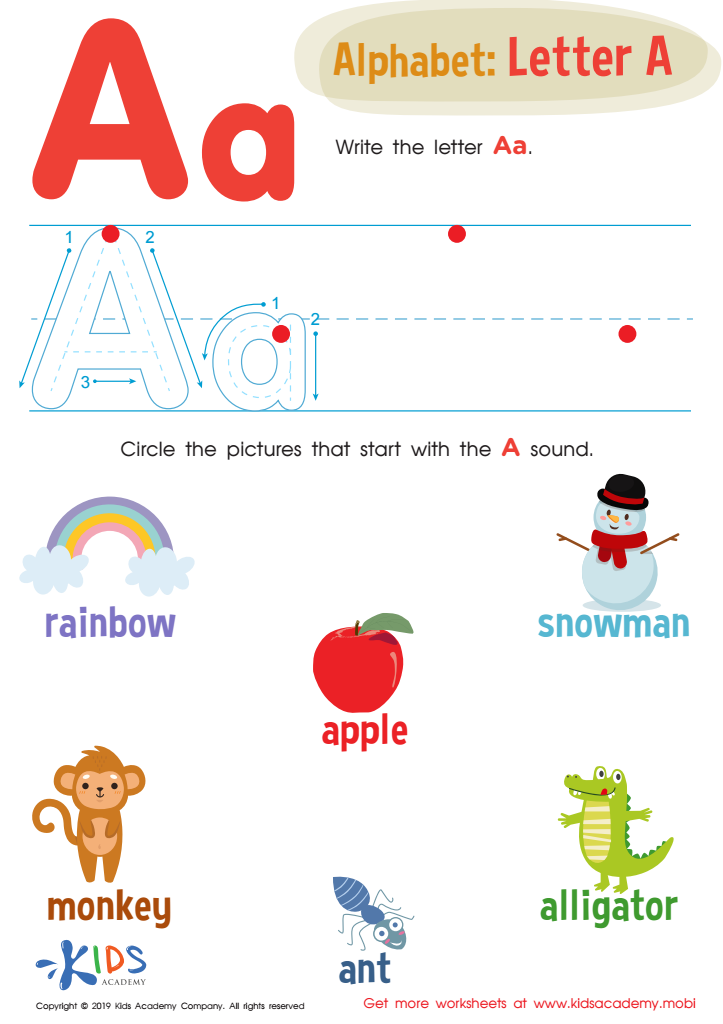
Letter A Tracing Worksheet
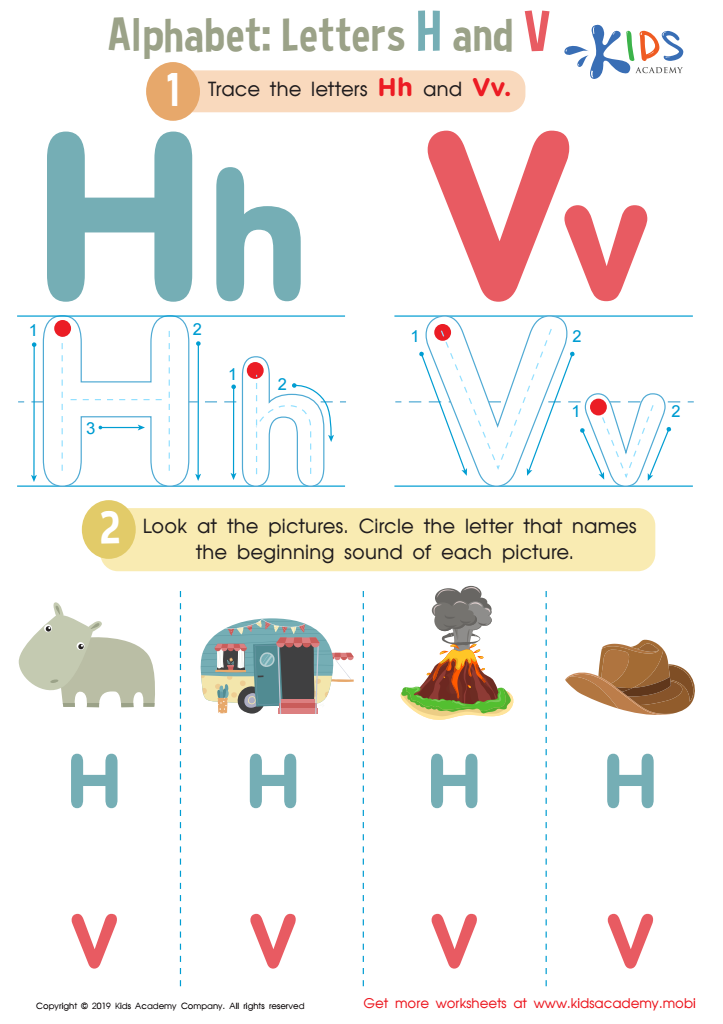
Letters H and V Tracing Worksheet
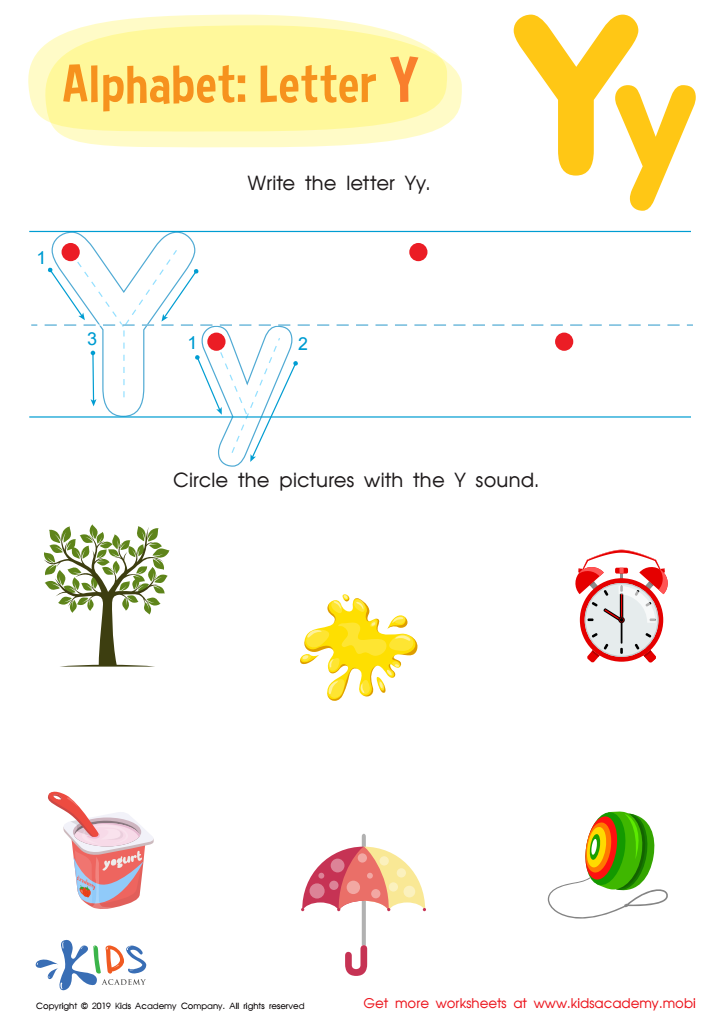
Letter Y Tracing Worksheet








Handwriting practice, particularly tracing letters for children aged 7-8, is crucial for several reasons. Firstly, this age range marks the transition into more complex writing tasks, requiring not just basic letter formation, but also improved legibility and efficiency. Practicing tracing letters helps children develop fine motor skills, which are essential for handwriting and everyday tasks. Through consistent practice, children enhance their hand-eye coordination and dexterity, laying the foundation for a more fluid writing style.
Moreover, handwriting influences academic success. Clear and organized writing assists in effective communication of ideas, particularly as children begin crafting longer texts and expressing more sophisticated thoughts. Consequently, well-developed handwriting can lead to better performance in assessments and increased self-confidence in academic settings.
Additionally, tracing letters can enhance cognitive skills, as it reinforces letter recognition and phonetic awareness, critical components of literacy development. This practice fosters a sense of discipline and patience, promoting a growth mindset. Furthermore, handwriting is linked to creativity, with the physical act of writing engaging different areas of the brain and encouraging expression.
In essence, handwriting practice is integral for cognitive, academic, and emotional development in children, making it a priority for parents and teachers alike.








