Handwriting practice English for Beginners Worksheets for Ages 7-8 - Page 2
43 filtered results
-
From - To
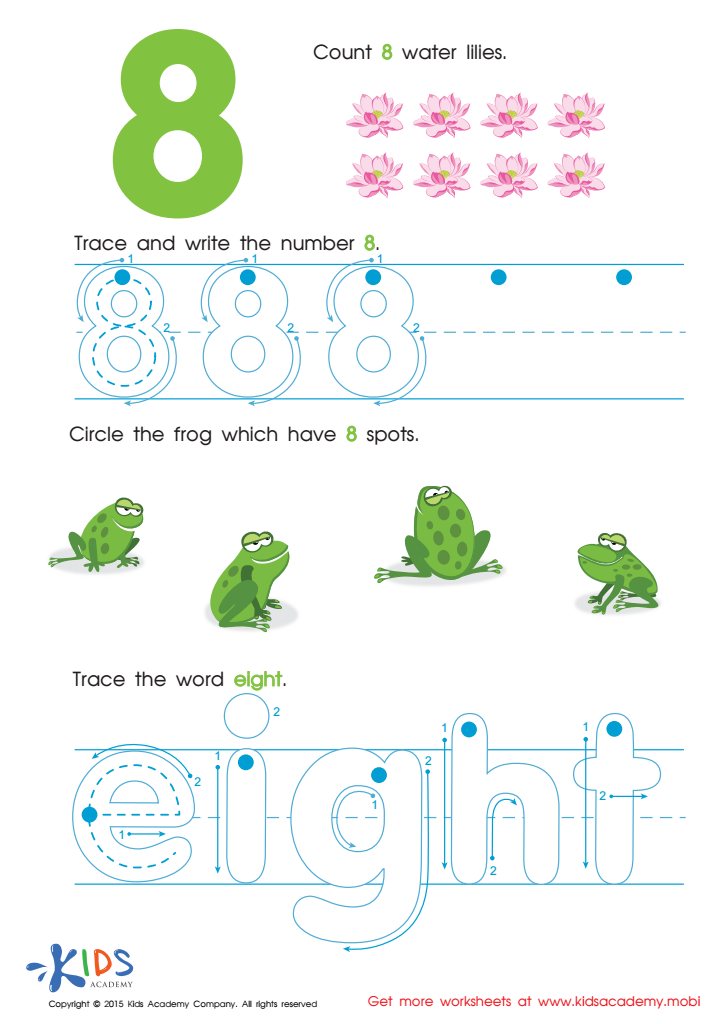
Learn Number 8 Easily Worksheet
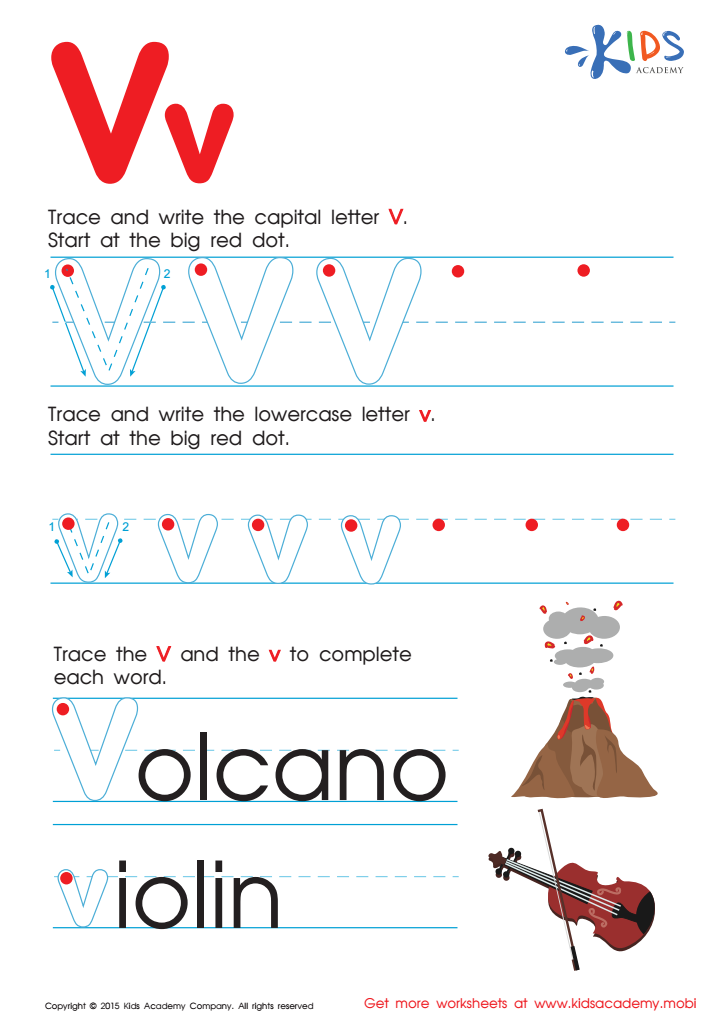
Letter V Tracing Page
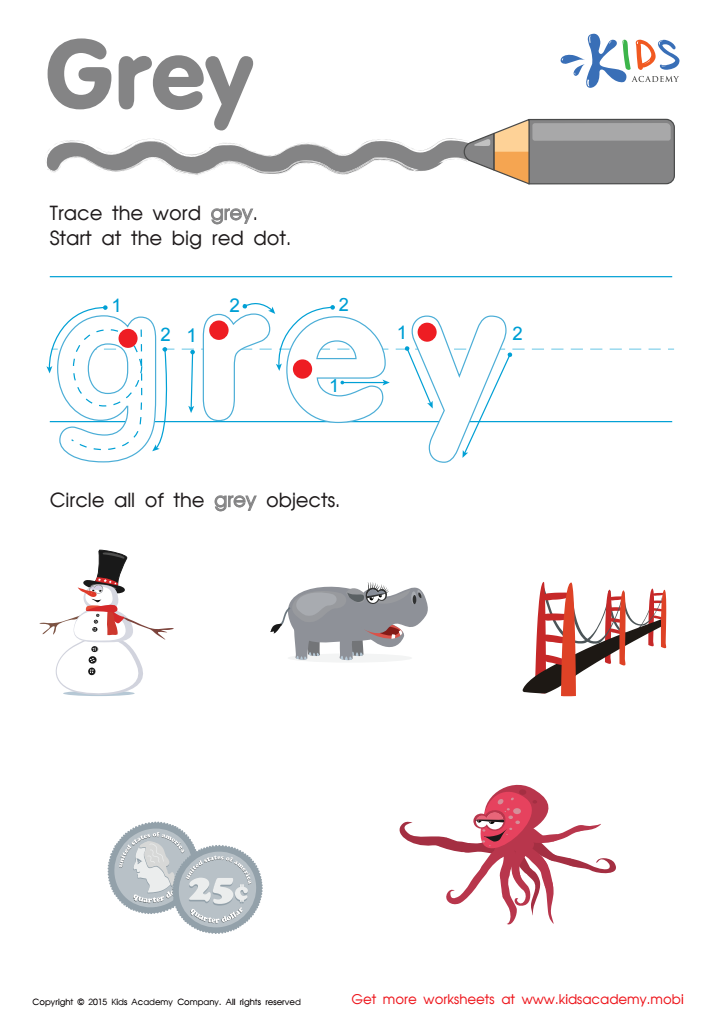
Grey Tracing Color Words Worksheet
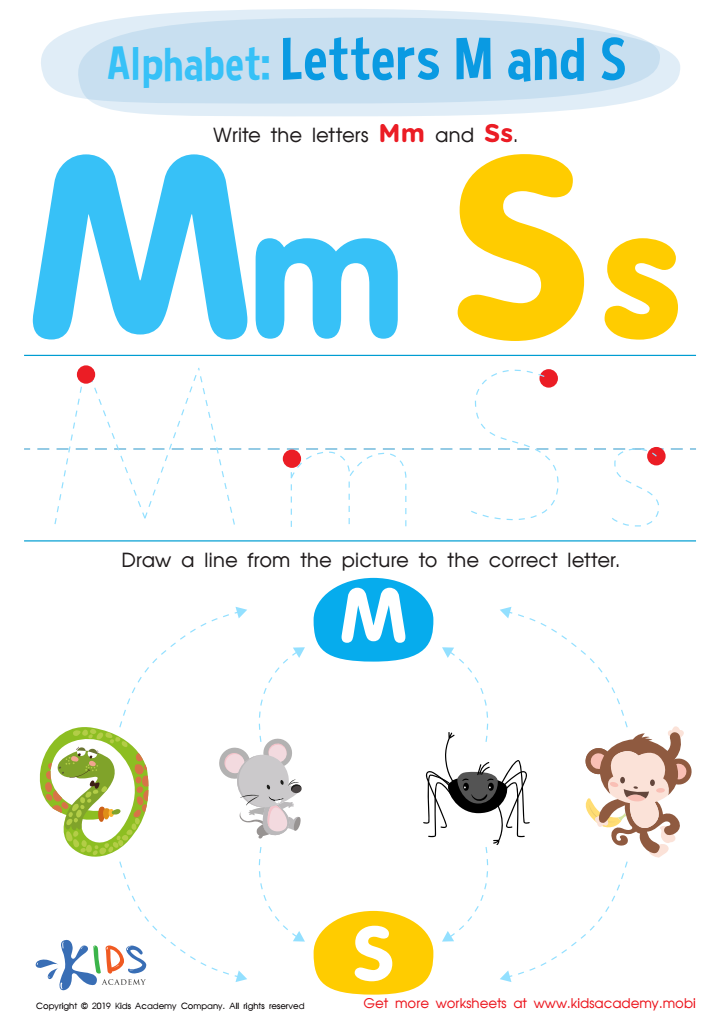
Letters M and S Tracing Worksheet

Letter A Tracing Worksheet
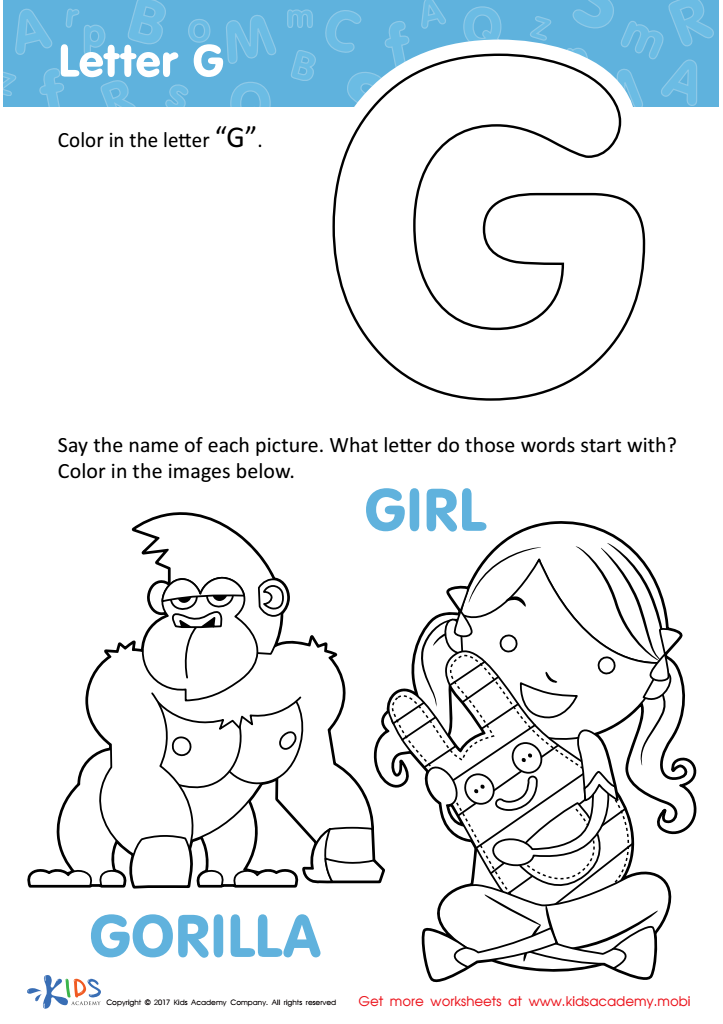
Letter G Coloring Sheet
 Assign to My Students
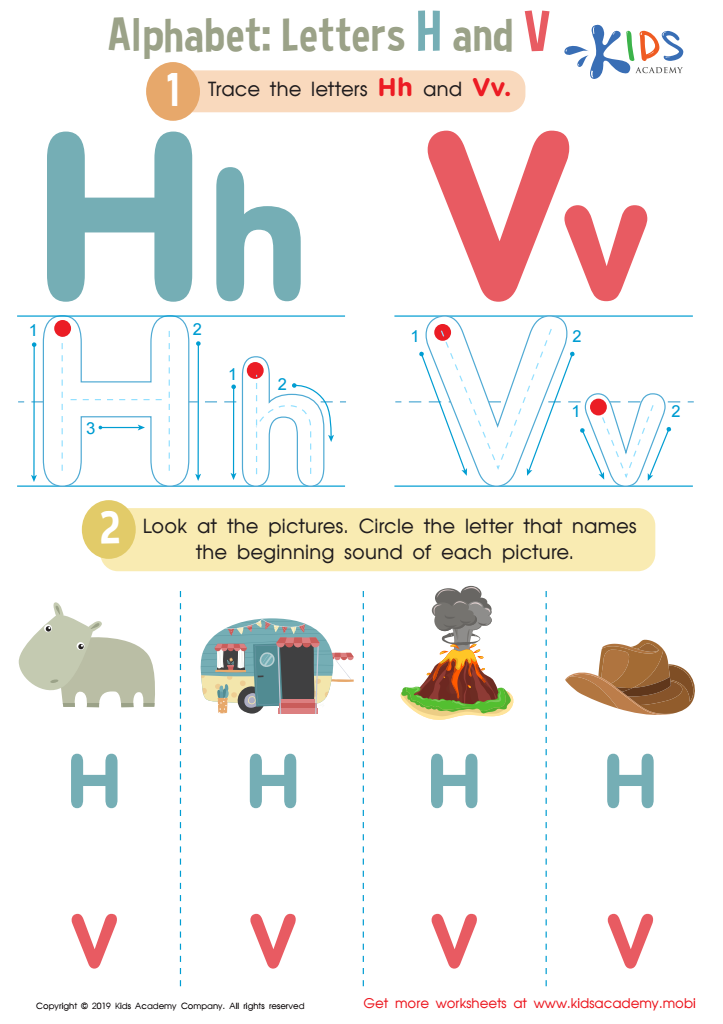
Letters H and V Tracing Worksheet
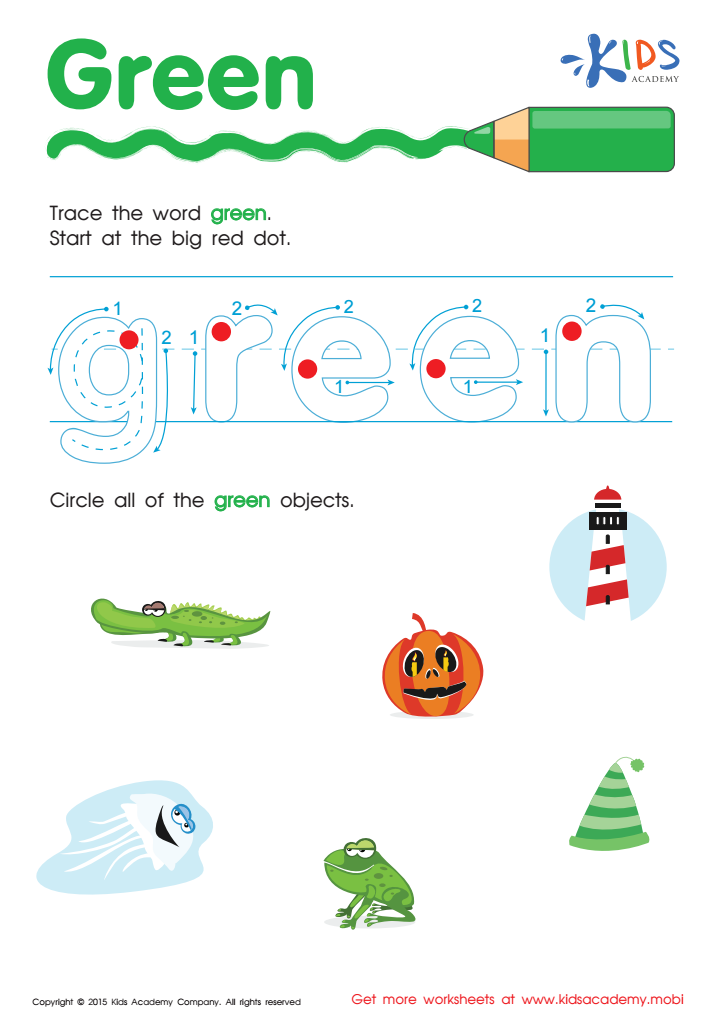
Green Tracing Color Words Worksheet
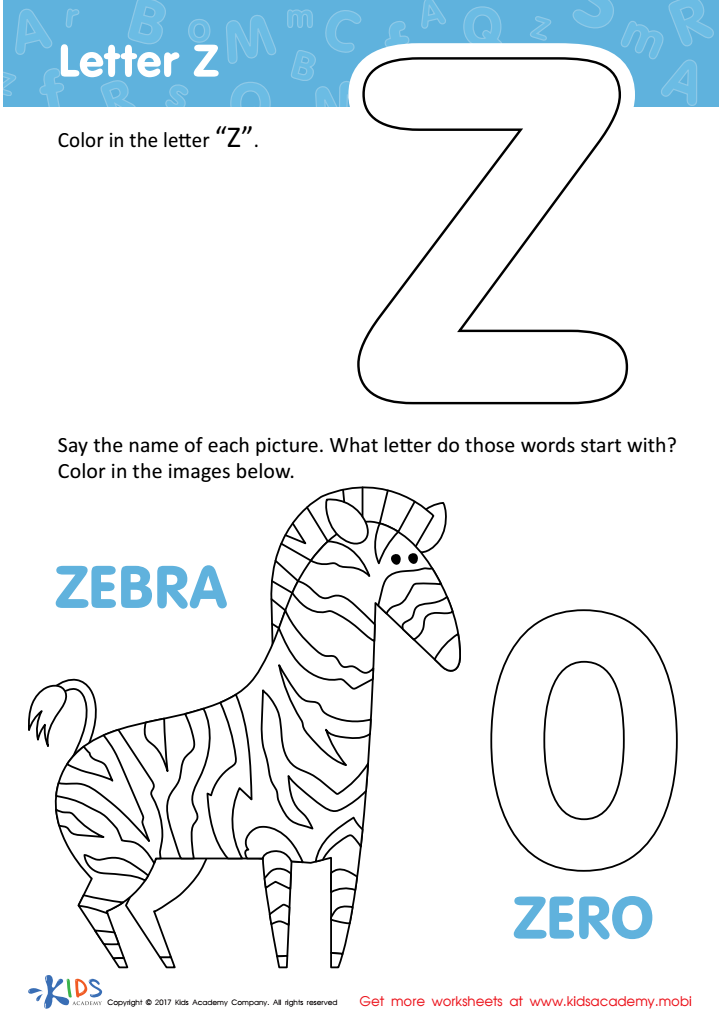
Letter Z Coloring Sheet
Assign to My Students
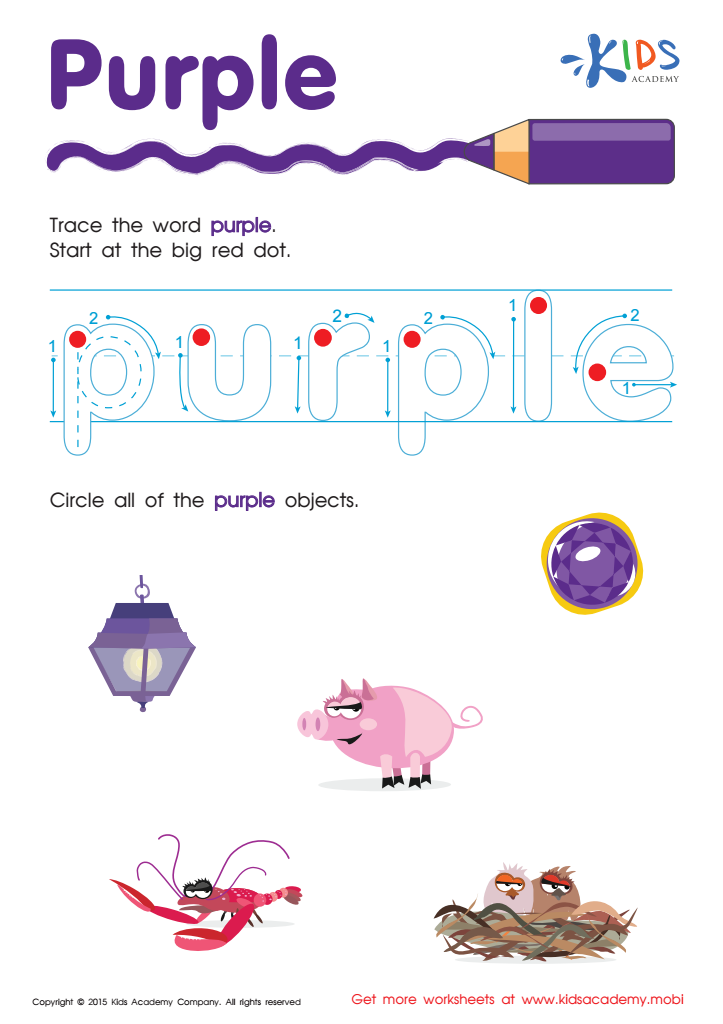
Purple Tracing Color Words Worksheet
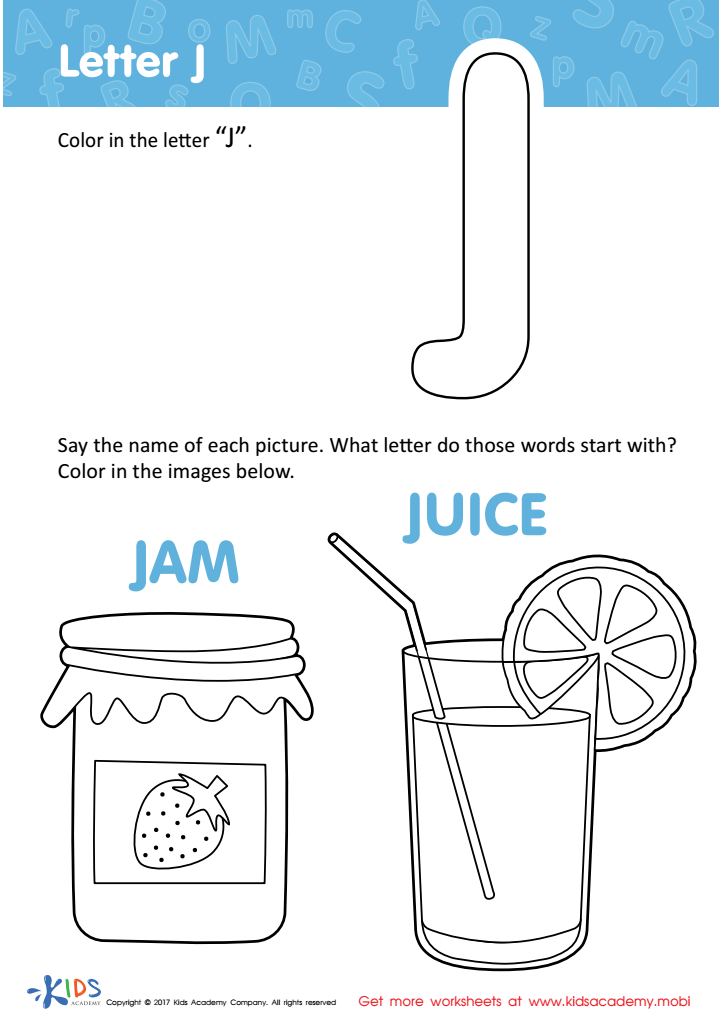
Letter J Coloring Sheet
Assign to My Students
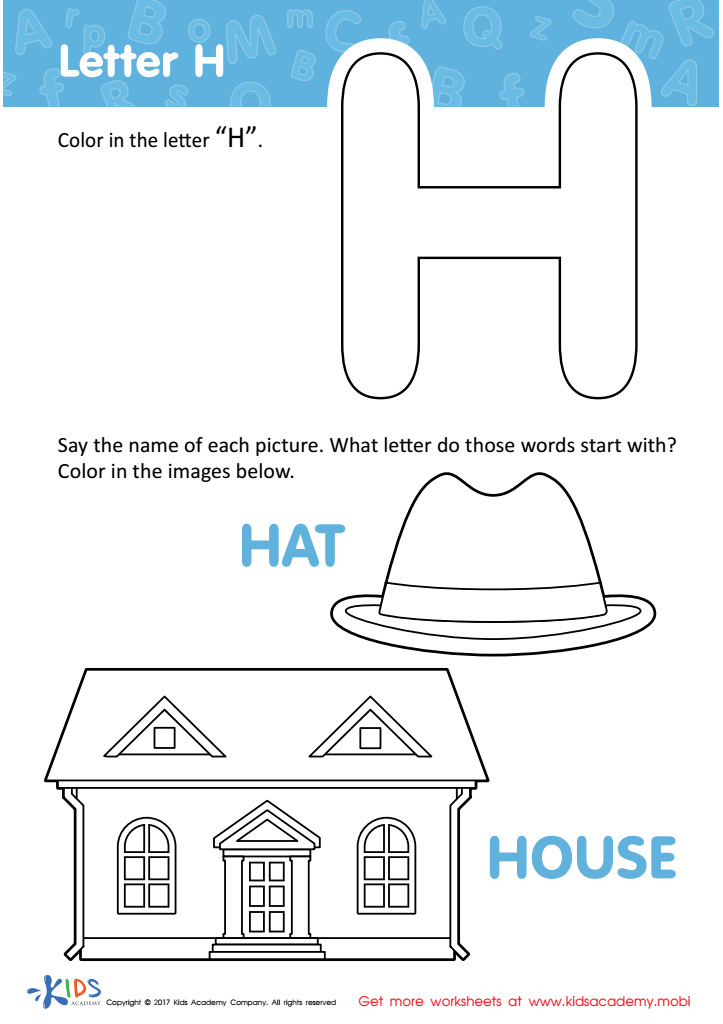
Letter H Coloring Sheet
Assign to My Students
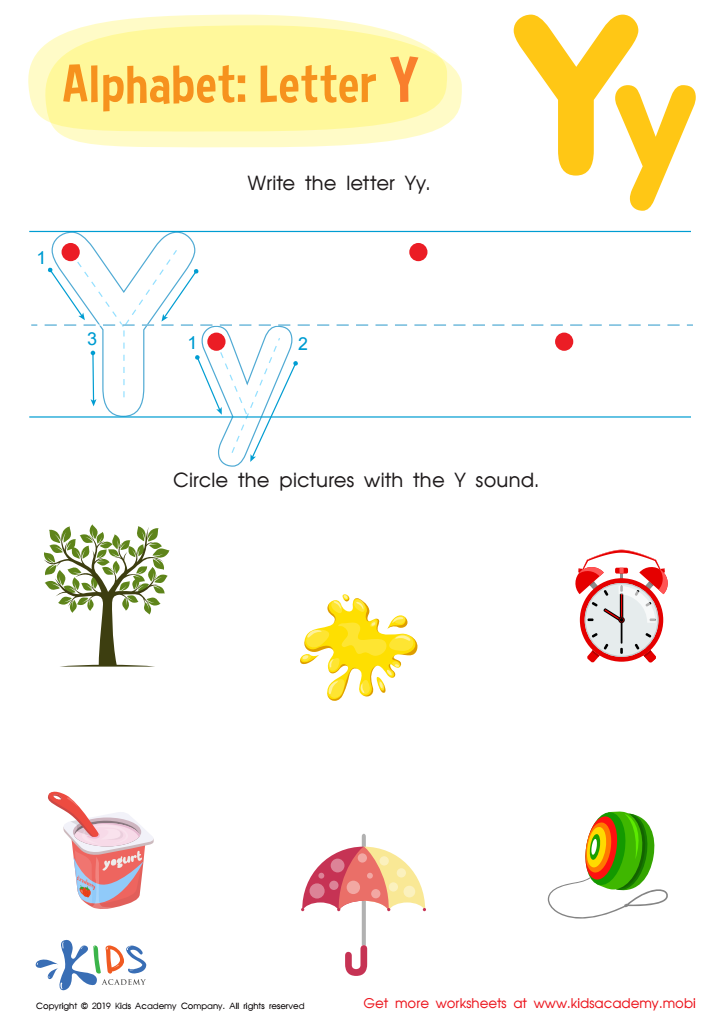
Letter Y Tracing Worksheet
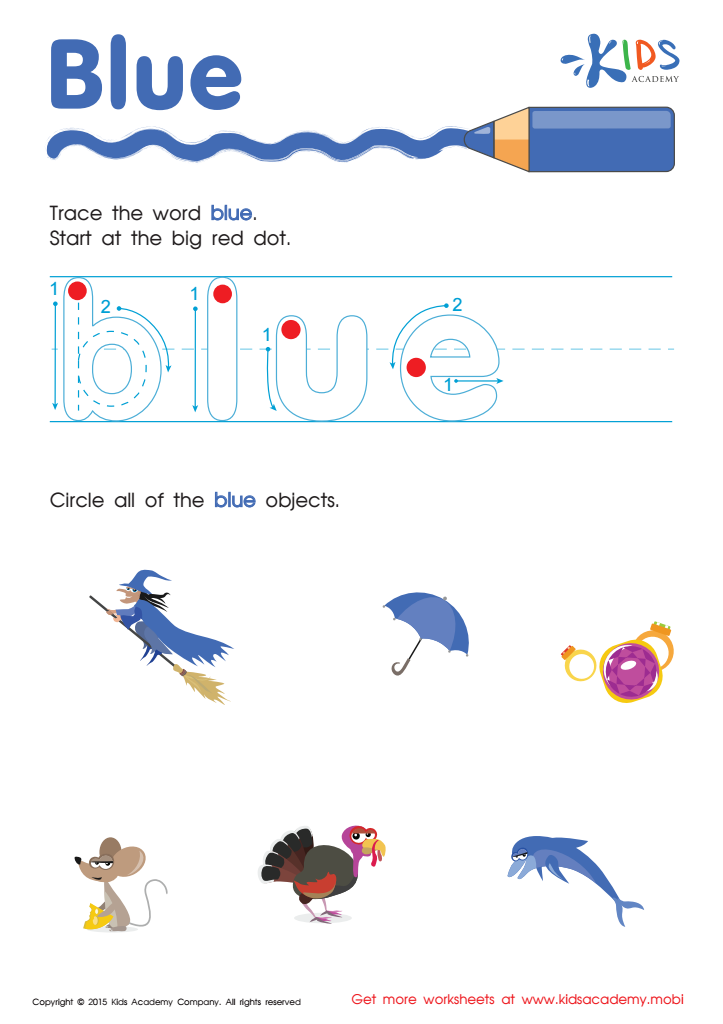
Blue Tracing Color Words Printable
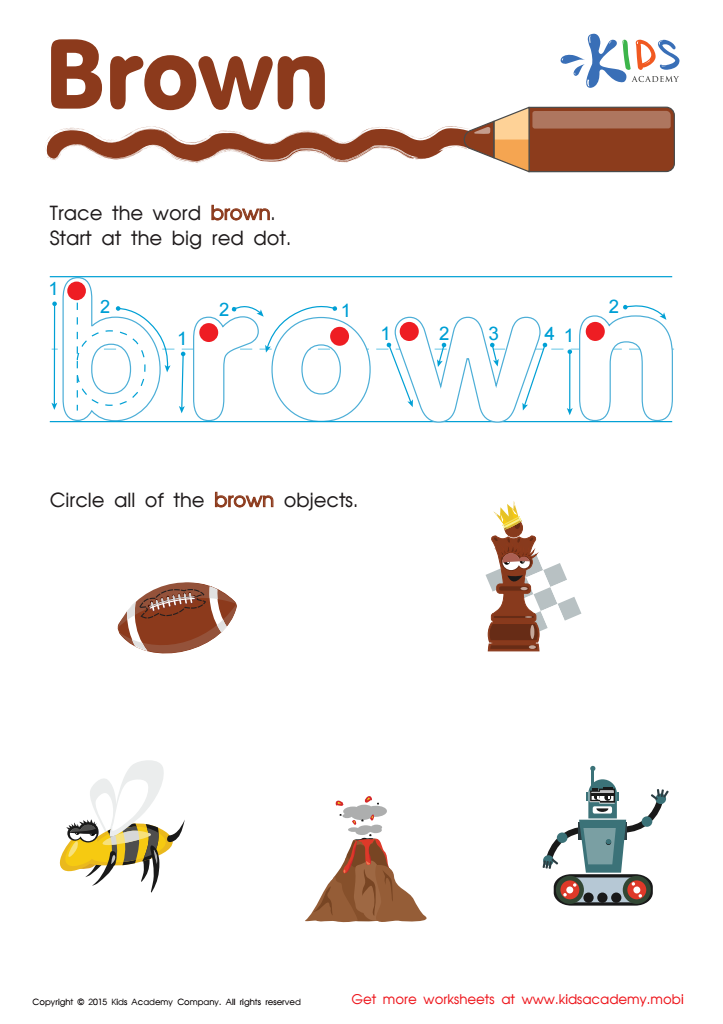
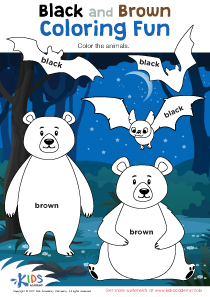
Brown Tracing Color Words Worksheet
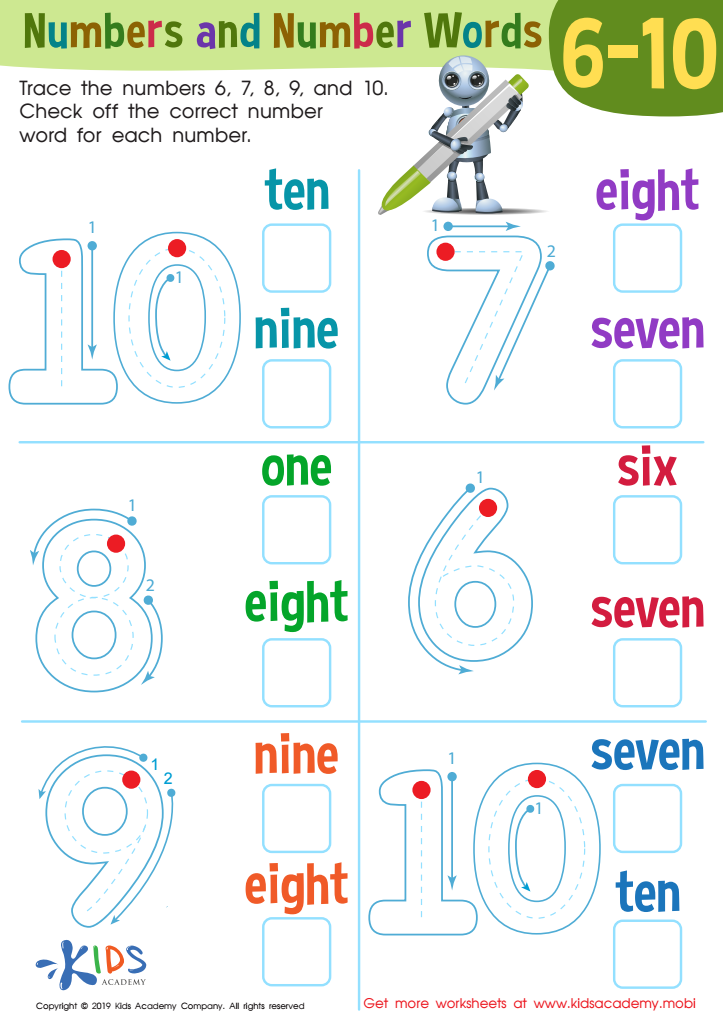
Numbers and Number Words 6–1 Worksheet
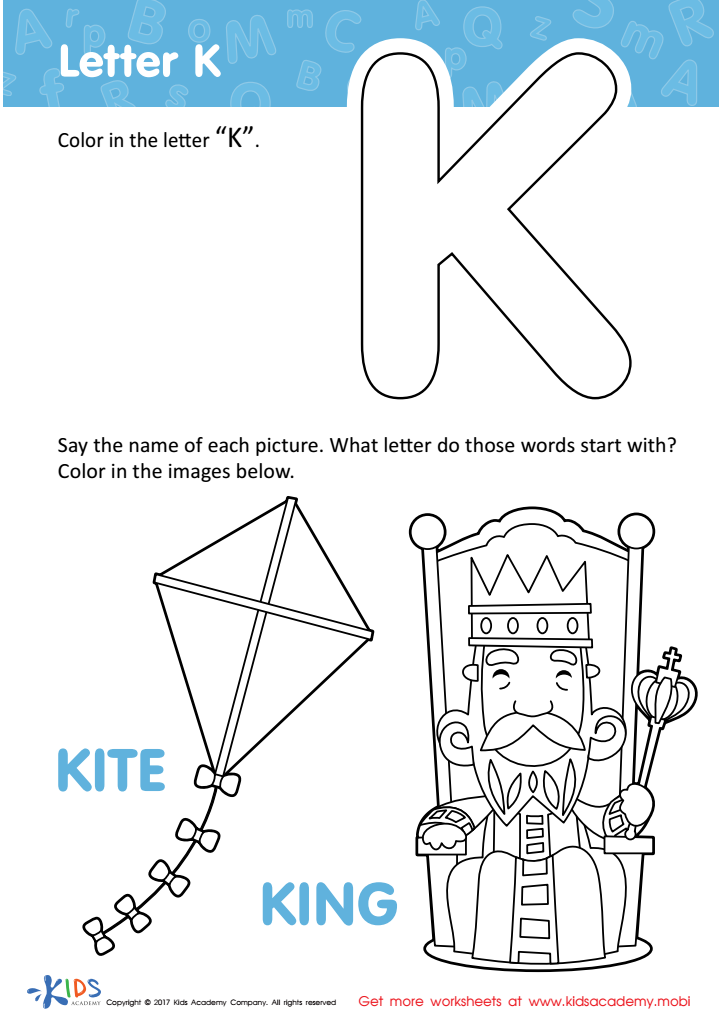
Letter K Coloring Sheet
Assign to My Students
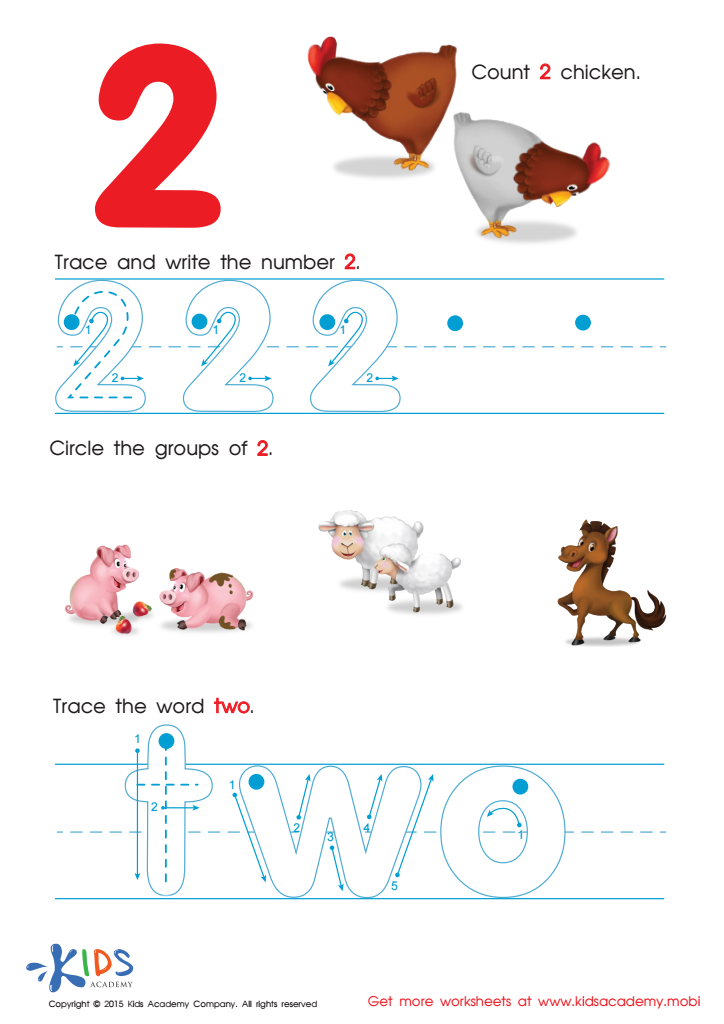
Learn to Write the Number 2 Worksheet

Letter N Coloring Sheet
Assign to My Students





Handwriting practice is essential for children aged 7-8, as it serves as a vital building block for effective communication skills. This age group is at a critical stage in their cognitive and motor development, where fine motor skills are still being refined. Consistent handwriting practice not only helps improve these motor skills, but it also enhances their ability to spell and construct words correctly, impacting their overall literacy skills.
Furthermore, clear handwriting fosters greater confidence in students when expressing their thoughts on paper. Young learners who struggle with handwriting may feel frustrated, which can hinder their willingness to participate in writing activities. By emphasizing handwriting practice, parents and teachers can create a supportive environment that encourages literacy growth.
Beyond academics, good handwriting can affect a child's self-esteem. Beautiful penmanship reflects personal pride and attention to detail, both essential traits that will benefit children throughout their lives. Ultimately, making handwriting practice a priority in the lives of young learners ensures they develop the skills necessary for effective written communication, paving the way for academic success and personal expression in the future. Parents and teachers who prioritize this practice provide children with the tools needed for lifelong learning and confidence in communication.