Cognitive Development Worksheets for Ages 7-8 - Page 2
92 filtered results
-
From - To
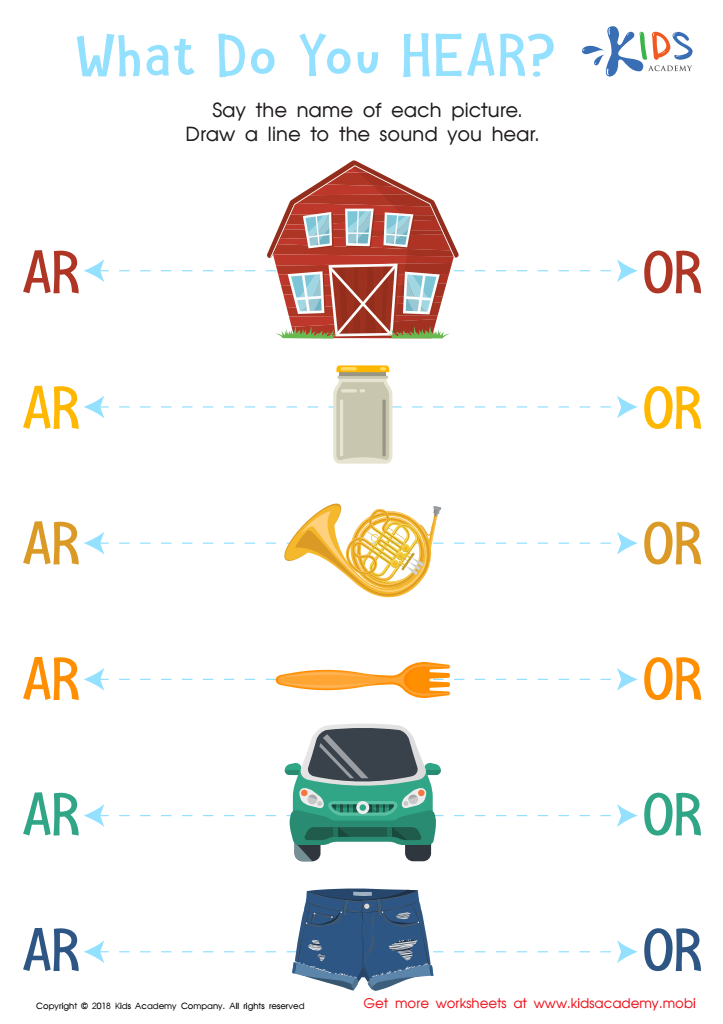
What do you hear Worksheet
 Assign to My Students
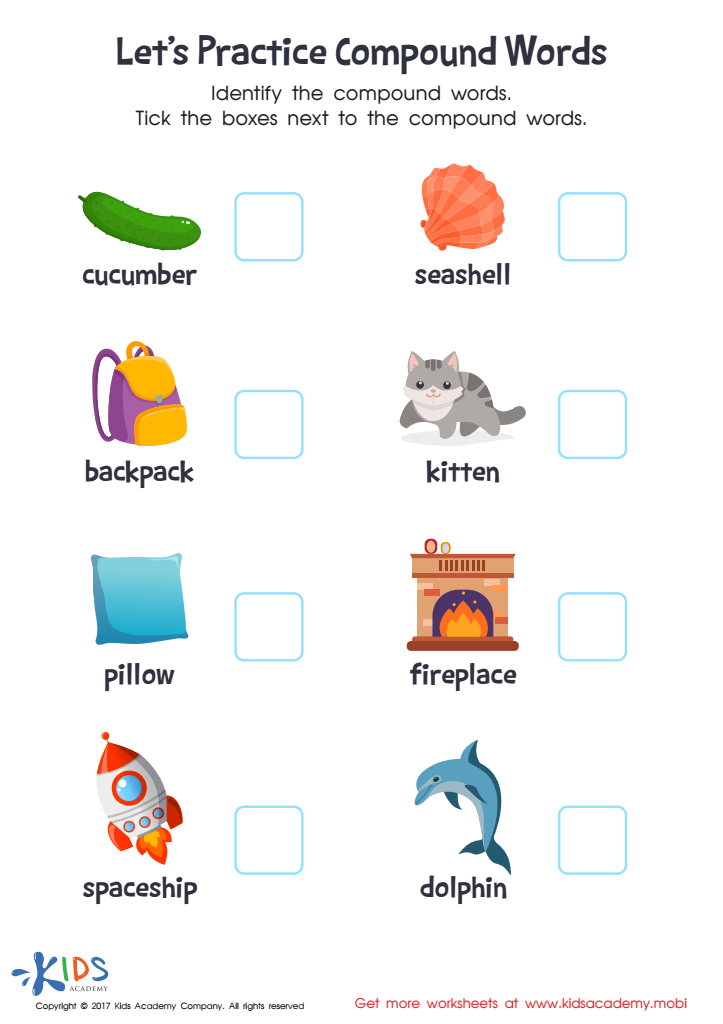
Let's Practice Compound Words Word Structure Worksheet
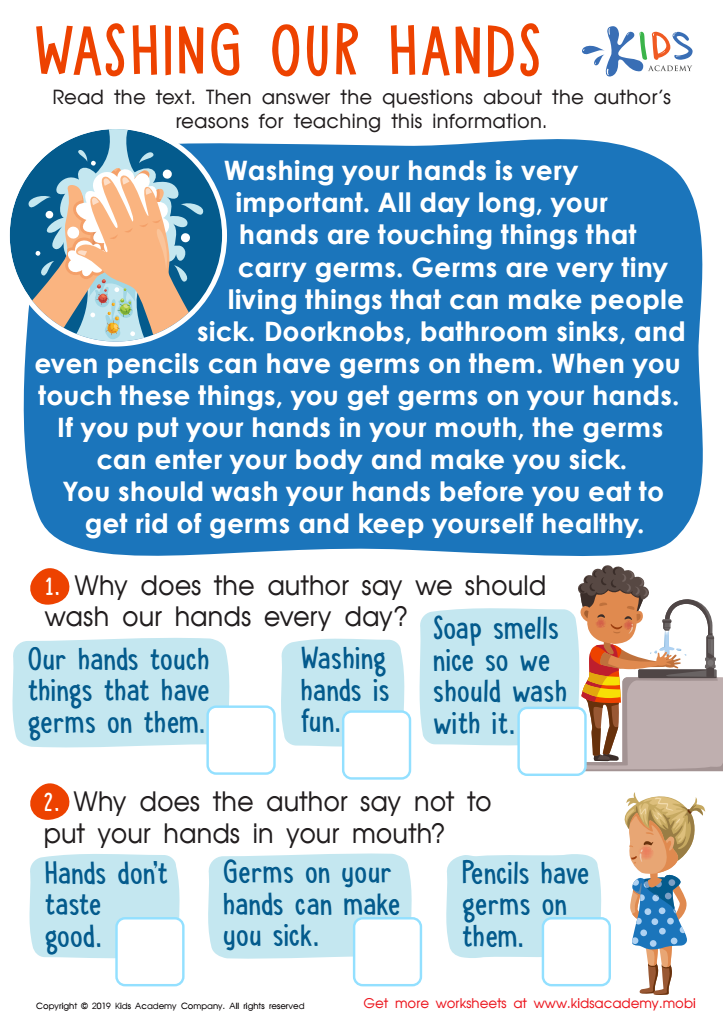
Washing Our Hands Worksheet
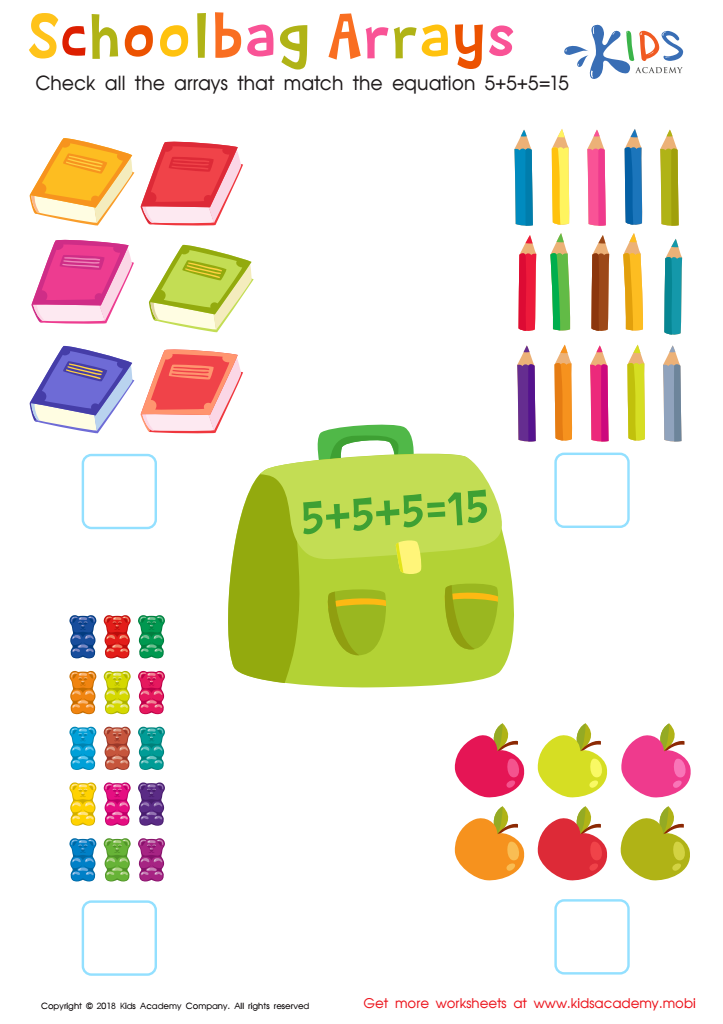
Schoolbag Arrays Worksheet
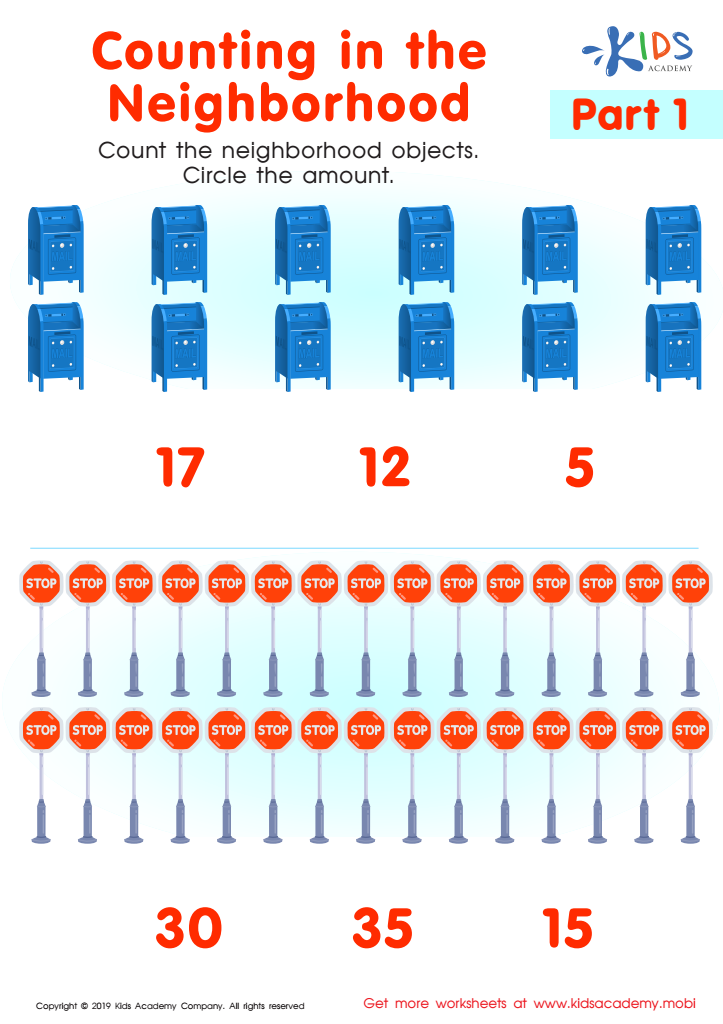
Counting in the Neighborhood Part1 Worksheet
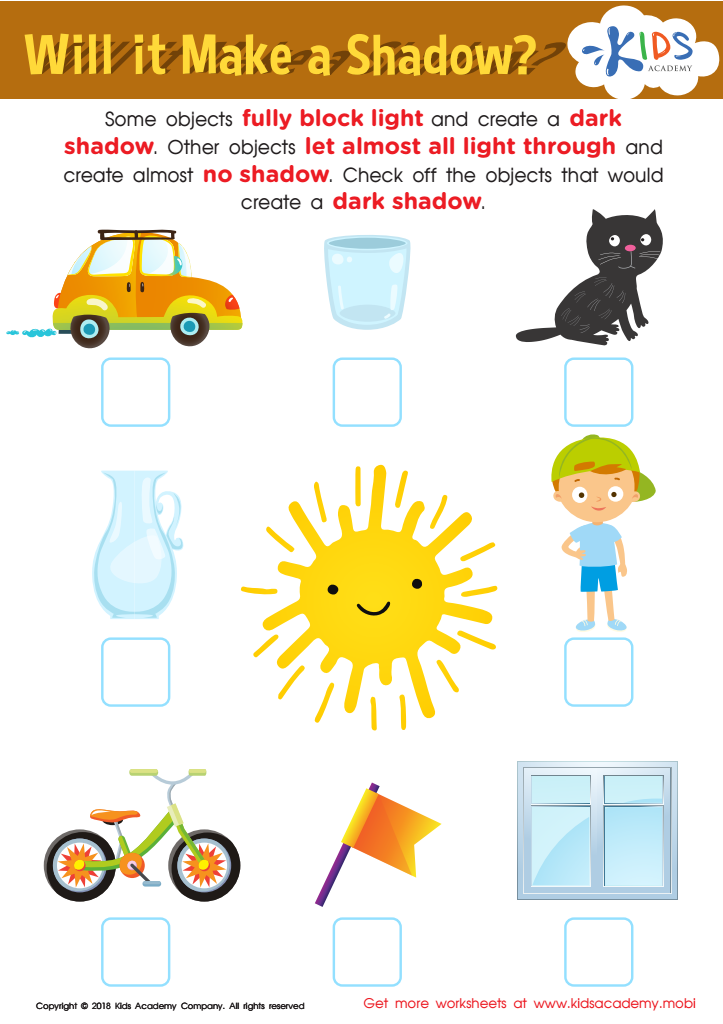
Will It Make a Shadow? Worksheet
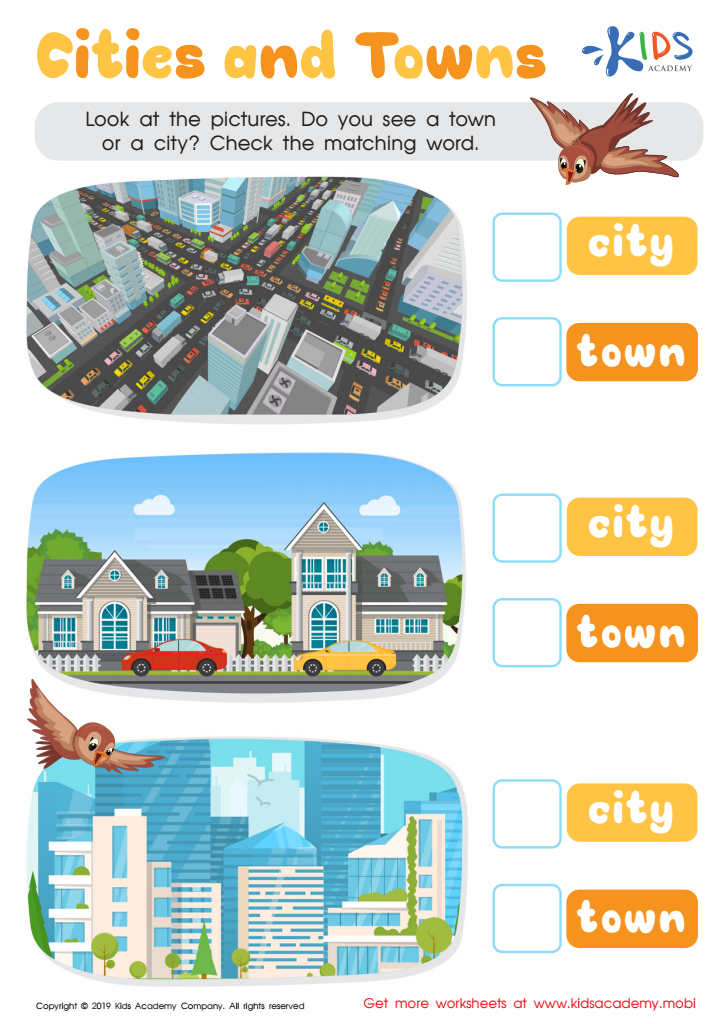
Cities and Towns Worksheet
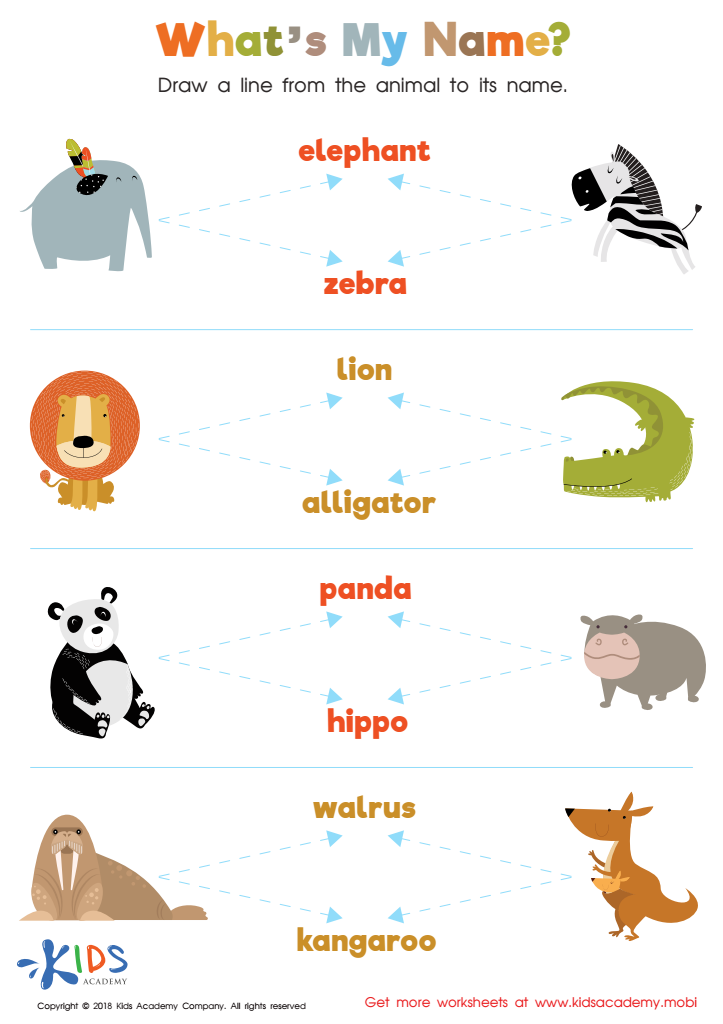
Animals and Their Names Worksheet
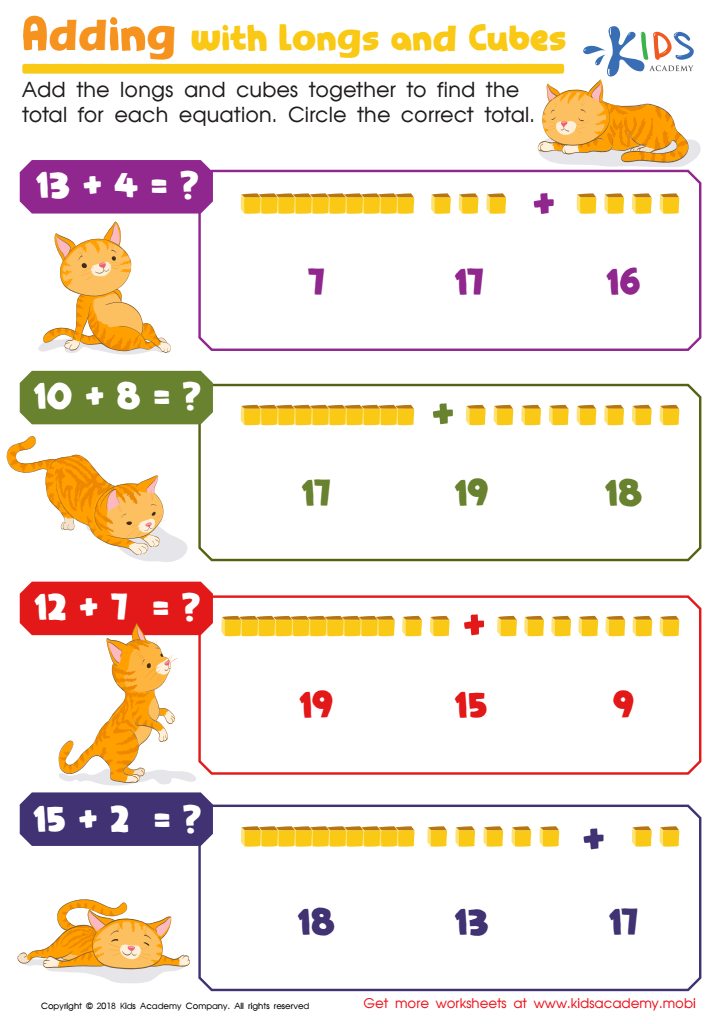
Adding With Longs and Cubes Worksheet
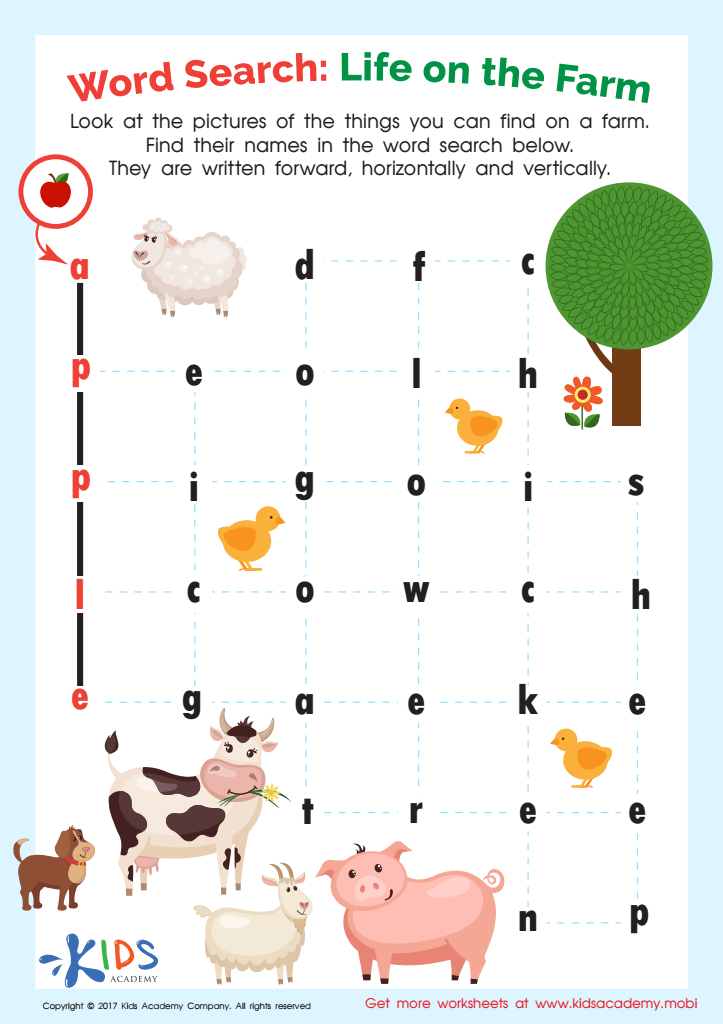
Word Search Puzzles Worksheet
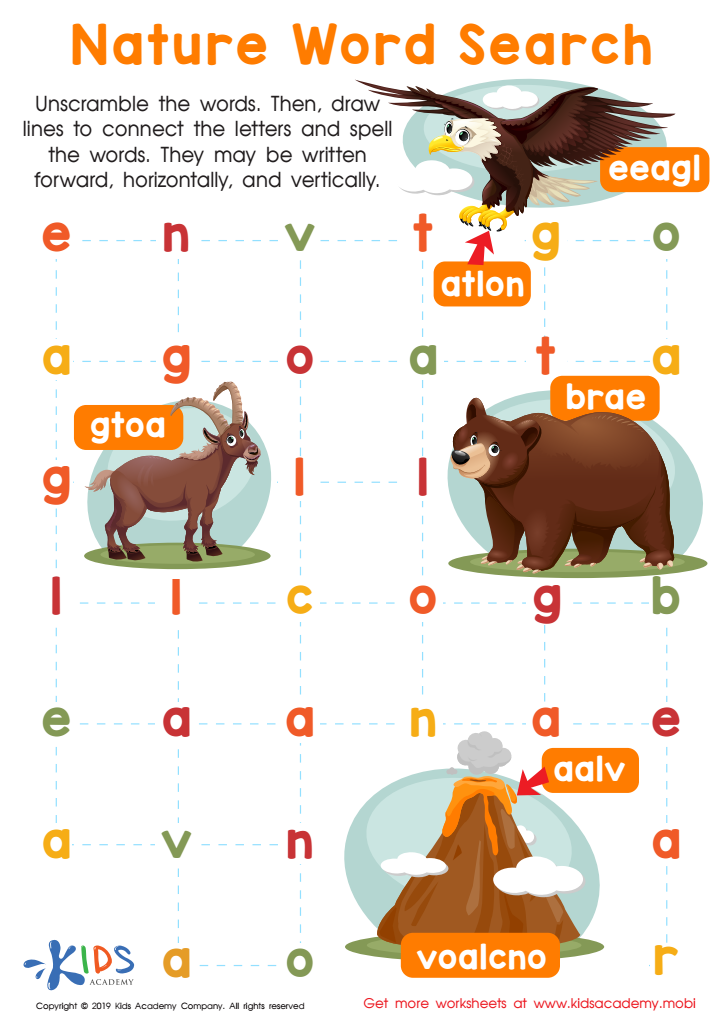
Nature Word Search Worksheet
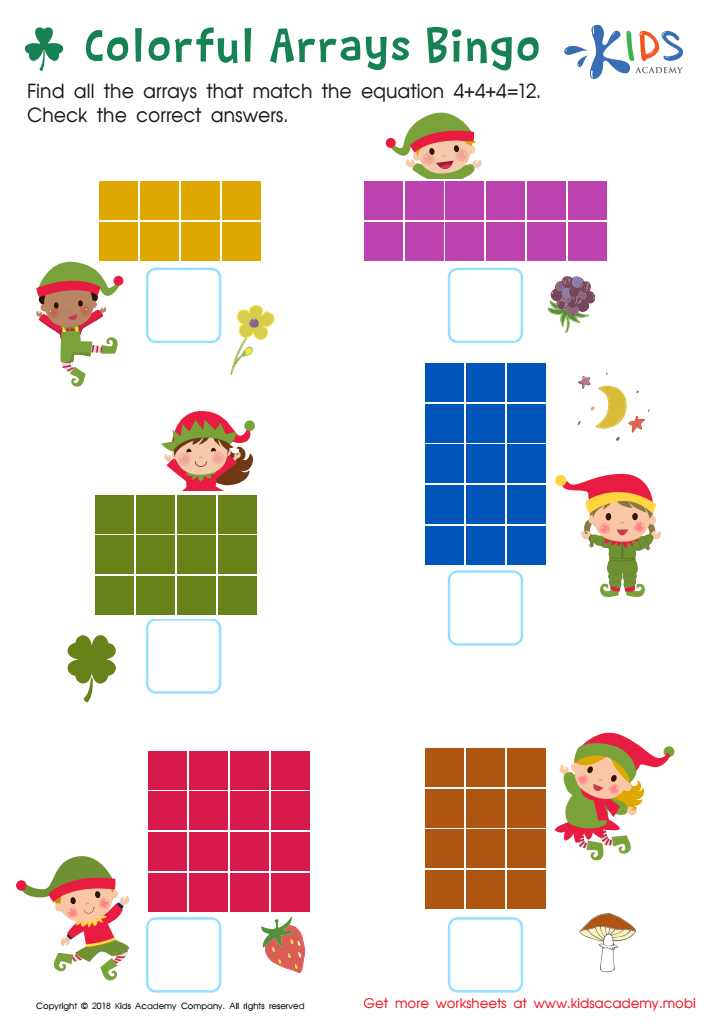
Colorful Arrays Bingo Worksheet
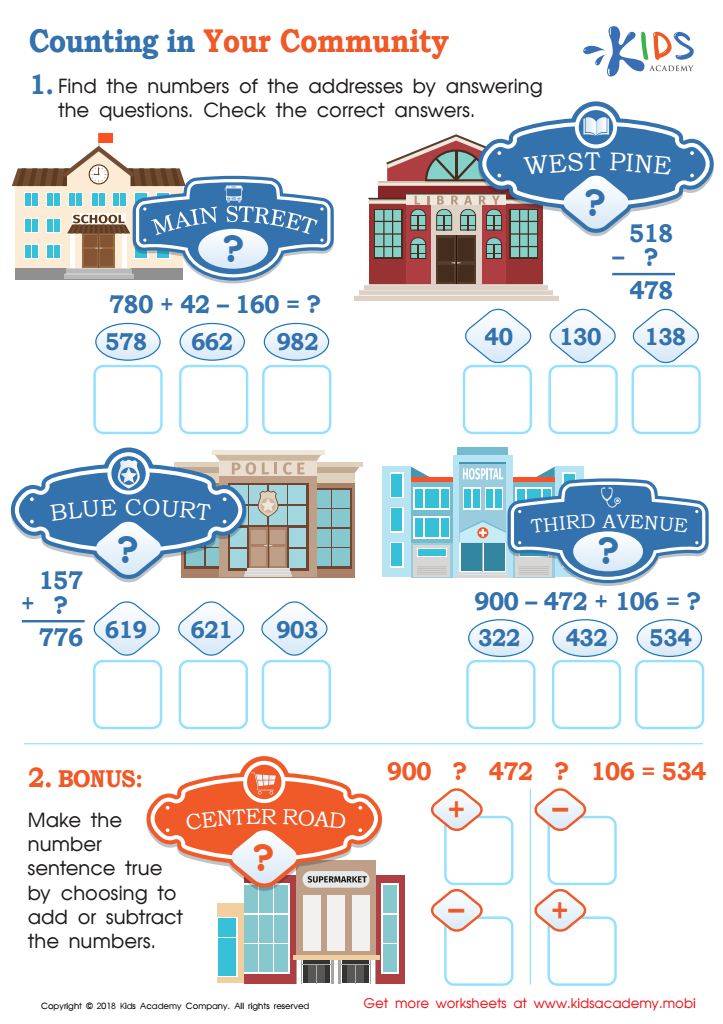
Counting in Your Community Worksheet

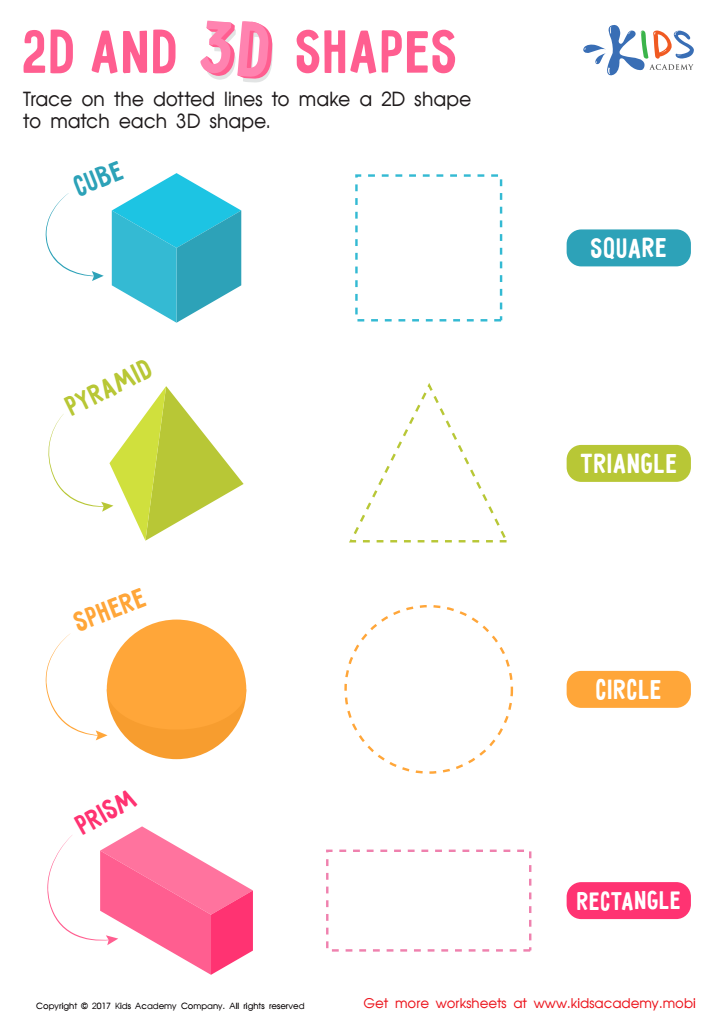
2D and 3D Shapes Worksheet

Pawns Bingo Worksheet
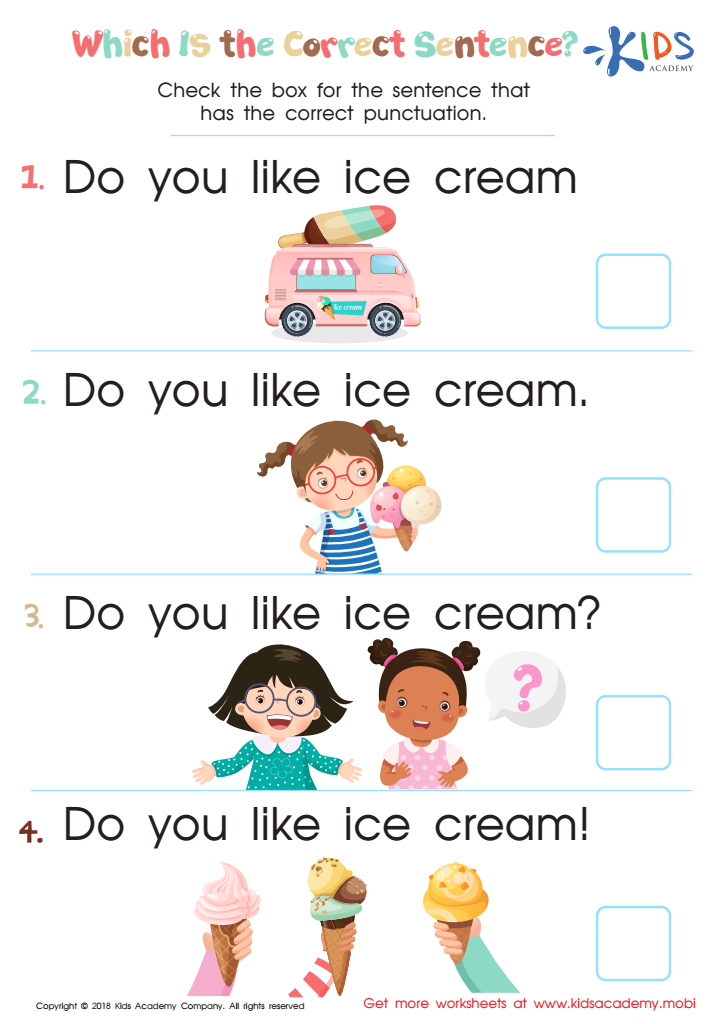
Which is the Correct Sentence? Worksheet
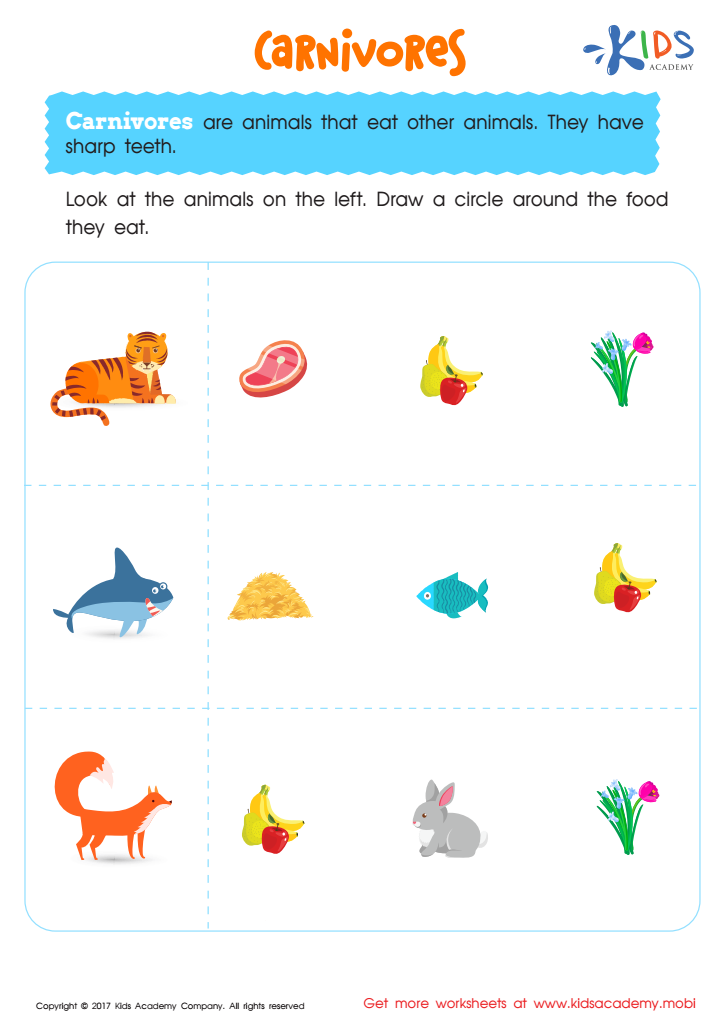
Carnivores Worksheet
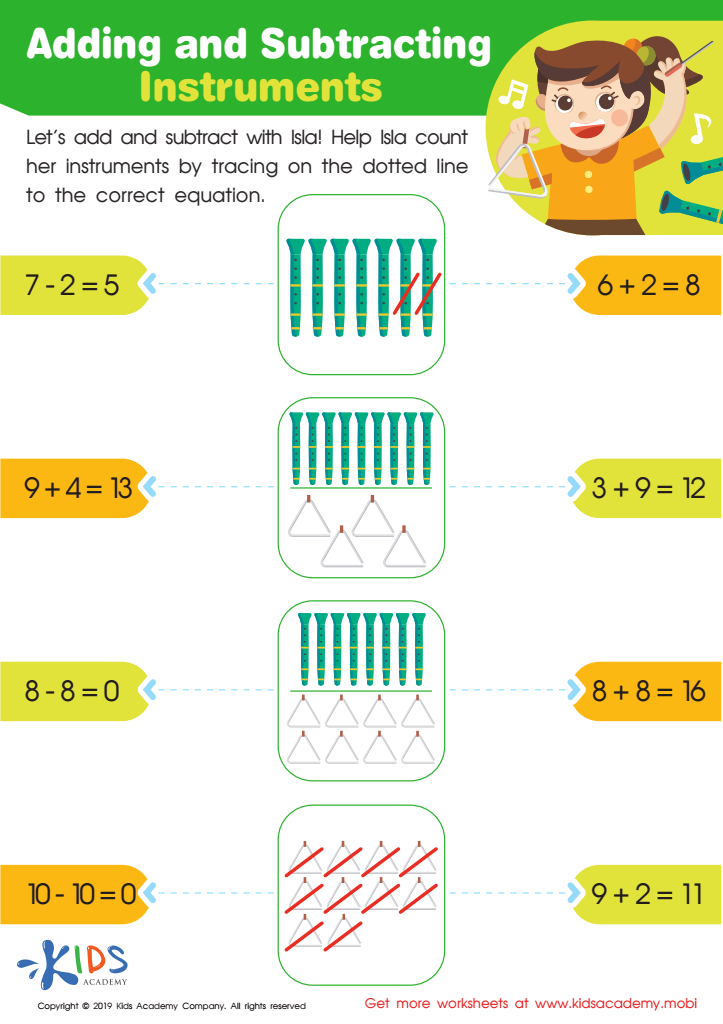
Adding and Subtracting: Instruments Worksheet

Red Tracing Color Words Printable
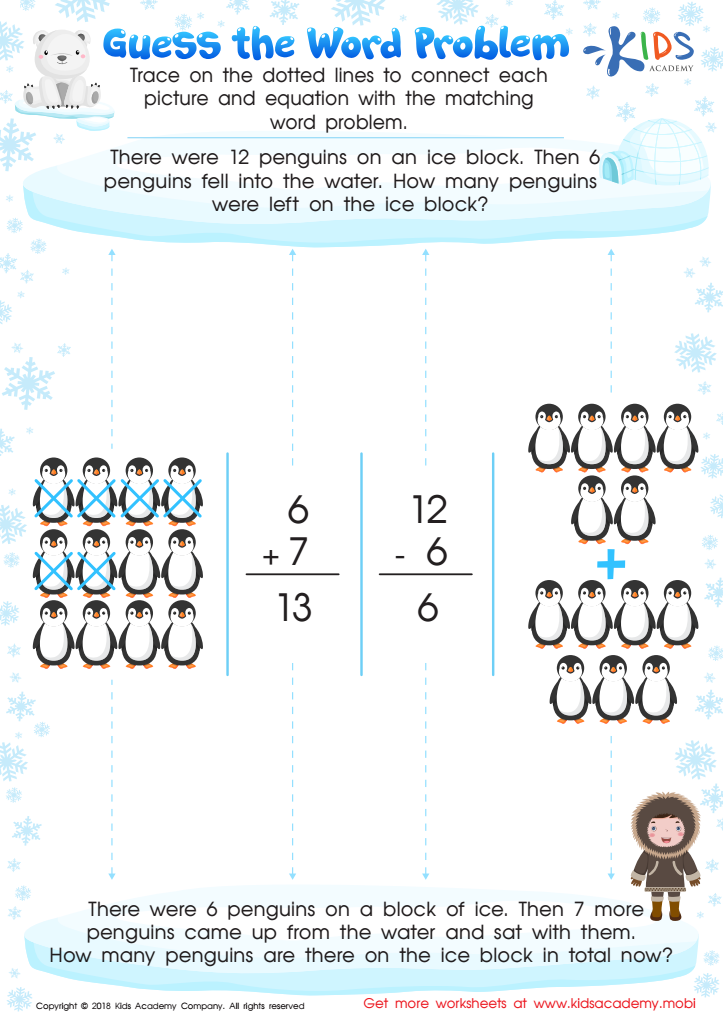
Guess the Word Problem Worksheet
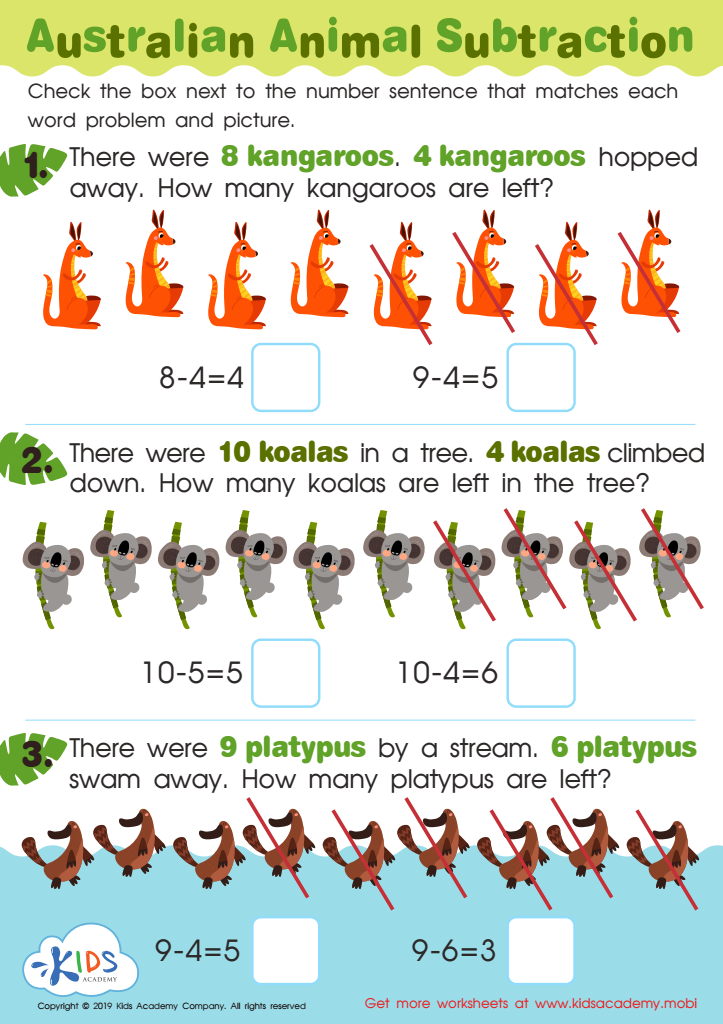
Australian Animal Subtraction Worksheet
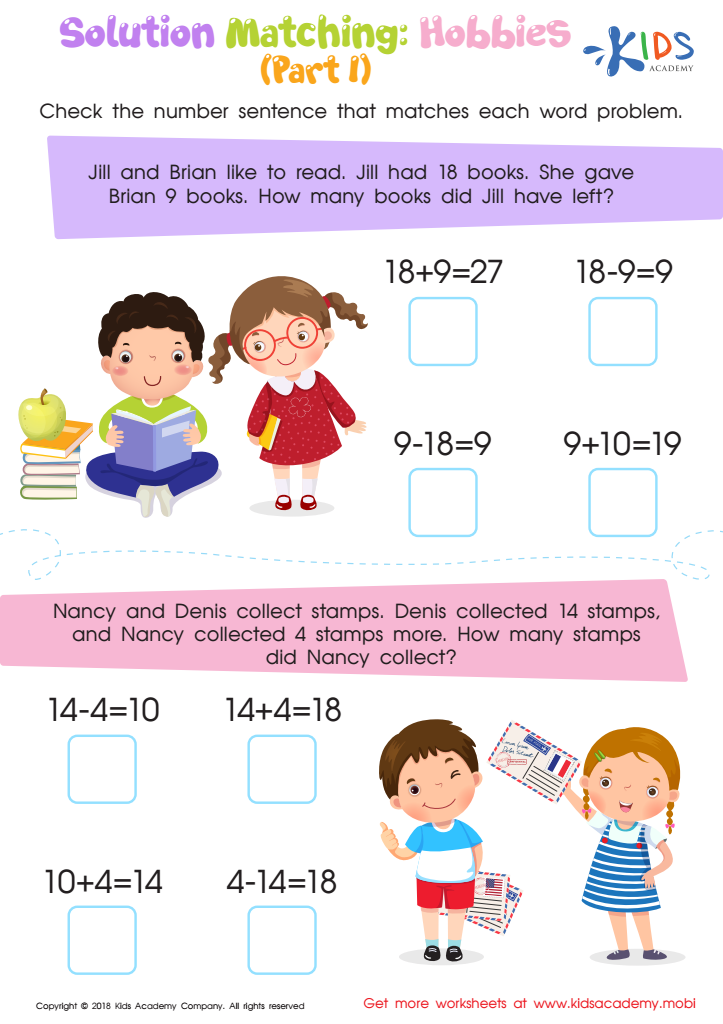
Solution Matching: Hobbies. Part 1 Worksheet
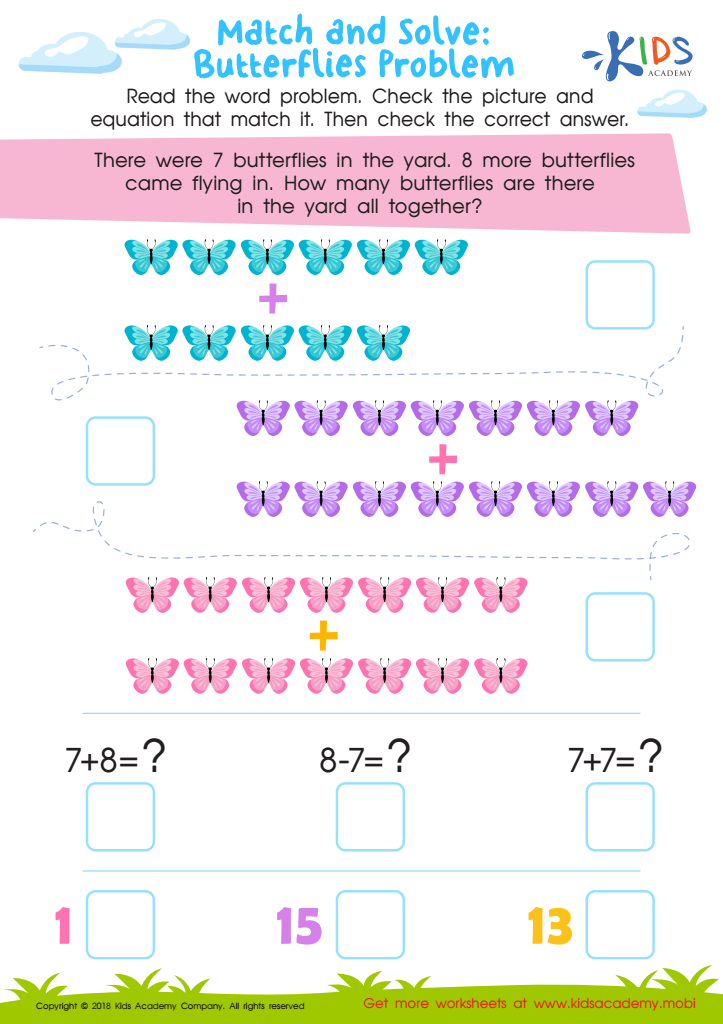
Match and Solve: Butterfly Problem Worksheet








Cognitive development during ages 7-8 is crucial because this stage marks significant growth in a child’s ability to think, reason, and understand the world around them. At this age, children transition from intuitive thought to more logical thought processes, enabling them to solve problems more effectively and think critically about various subjects. This transition supports academic success, particularly in subjects like math and reading, as children begin to grasp complex concepts and develop reasoning skills.
Parents and teachers play a pivotal role in nurturing this development. Engaging children in stimulating activities—such as puzzles, discussions, and hands-on learning—can enhance their cognitive skills. This not only aids academic achievement but also builds self-esteem and confidence in their capabilities.
Moreover, fostering positive cognitive development impacts emotional and social skills. Children learn to express and manage their emotions, develop empathy, and communicate effectively, which are essential for building relationships and functioning as part of a community. By prioritizing cognitive development, parents and teachers lay the foundation for lifelong learning and a resilient mindset, empowering children to navigate future challenges with competence and curiosity.








