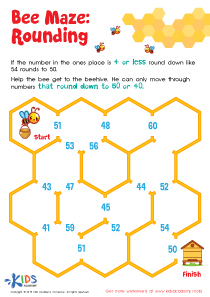
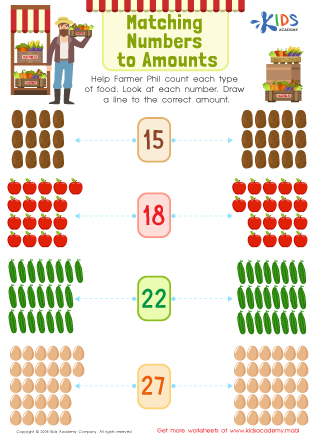
Number Recognition Comparing Numbers Worksheets for Ages 7-8
6 filtered results
-
From - To
Enhance your child's math skills with our engaging Number Recognition Comparing Numbers Worksheets, specially designed for ages 7-8. These worksheets provide fun and interactive activities that help young learners identify and compare numbers effectively. By developing a solid understanding of number values and their relationships, children will improve their critical thinking and problem-solving abilities. Our age-appropriate exercises incorporate colorful visuals and relatable scenarios, making learning enjoyable. Perfect for classroom settings or at-home practice, these worksheets align with educational standards to ensure comprehensive skill development. Discover the joy of math and boost your child’s confidence with our expertly crafted resources today!
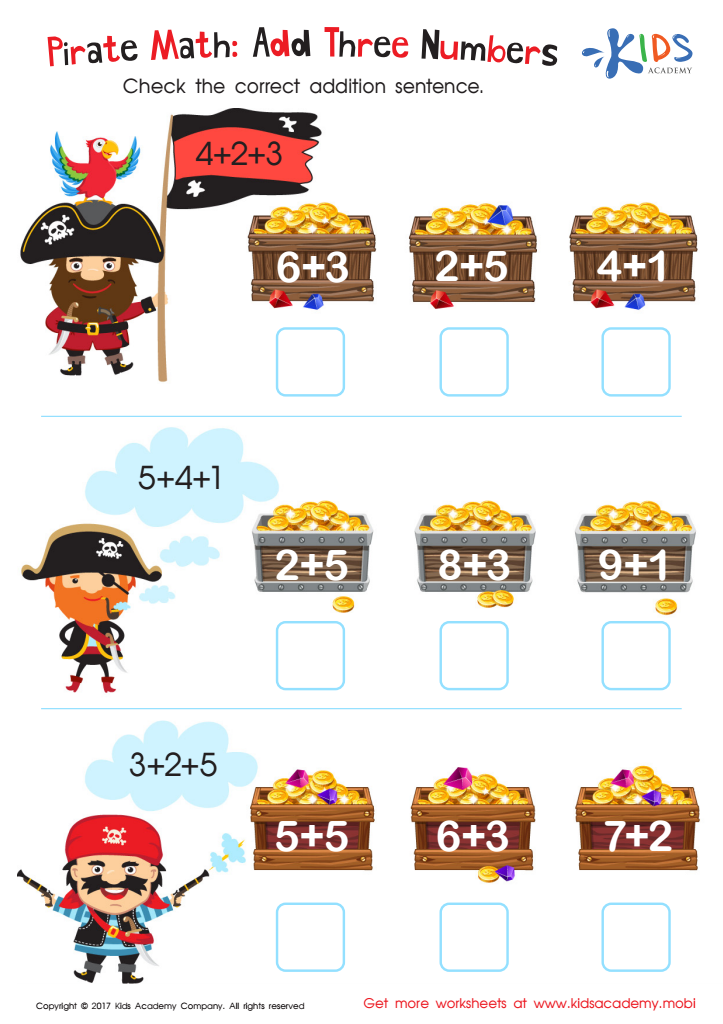
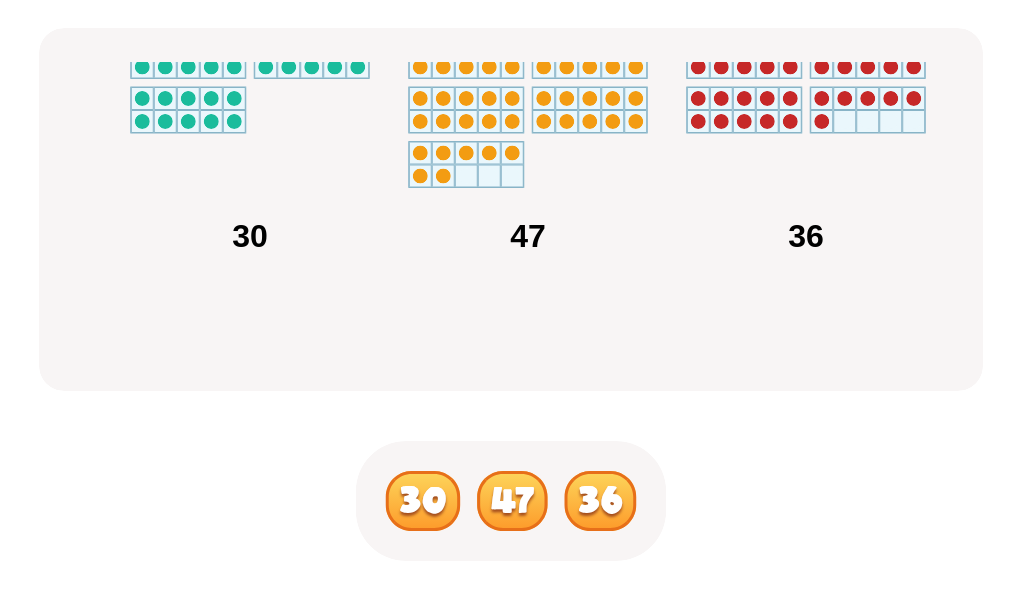
Pirate Math Printable
 Assign to My Students
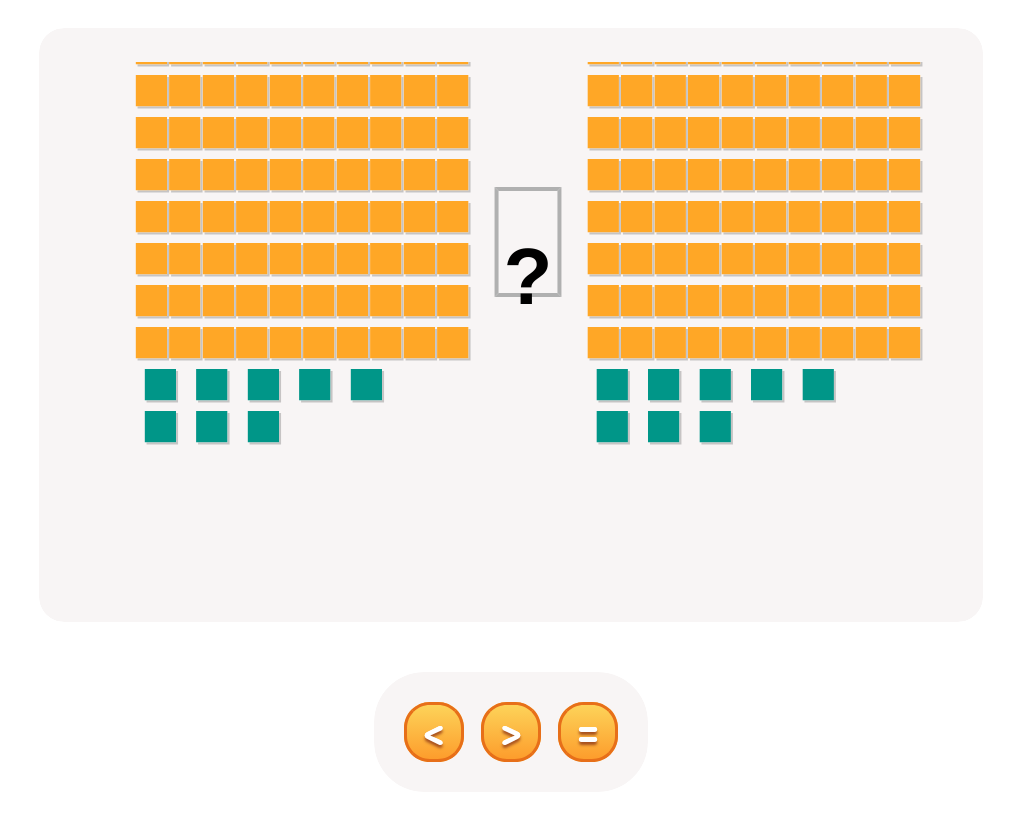

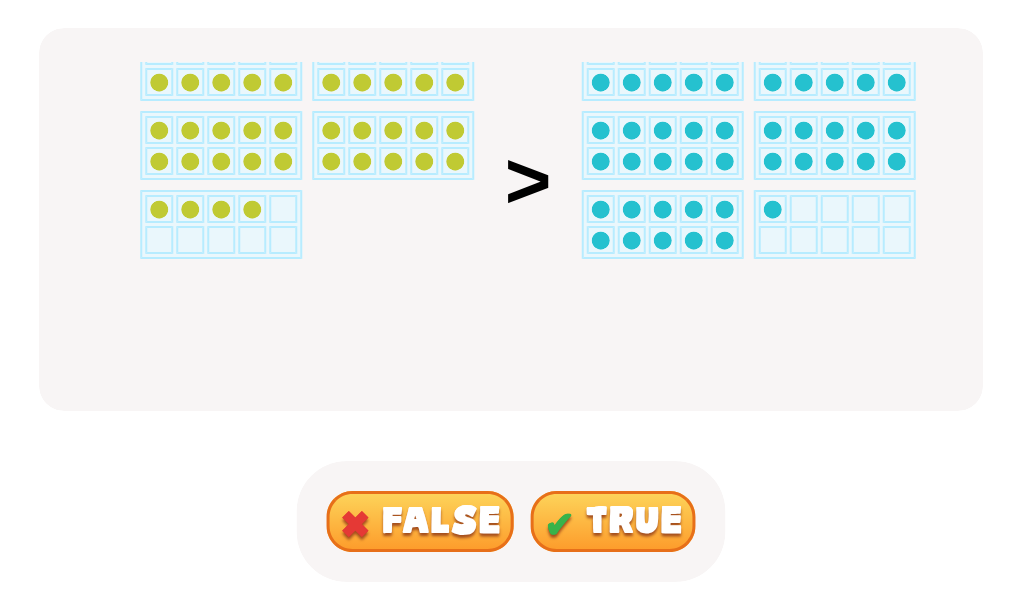
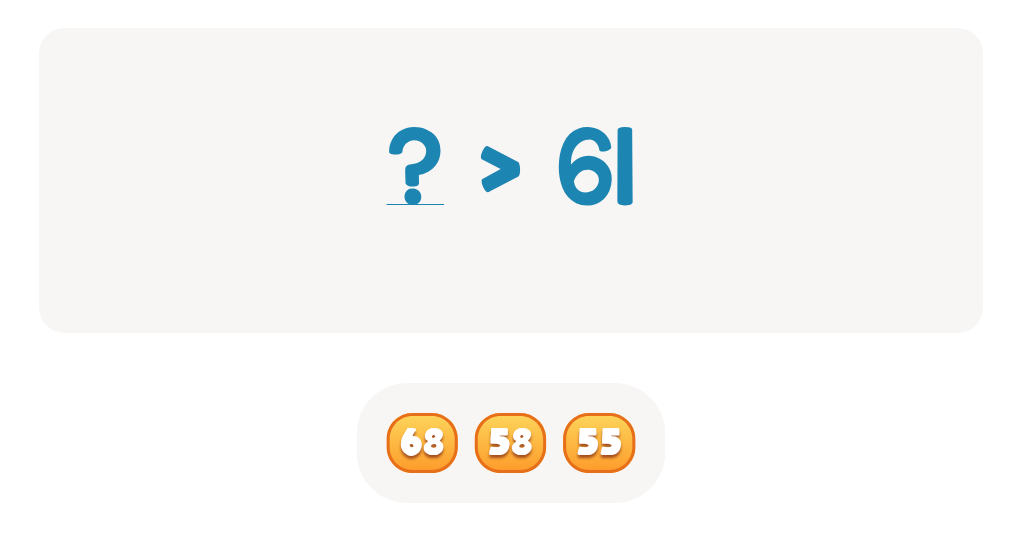
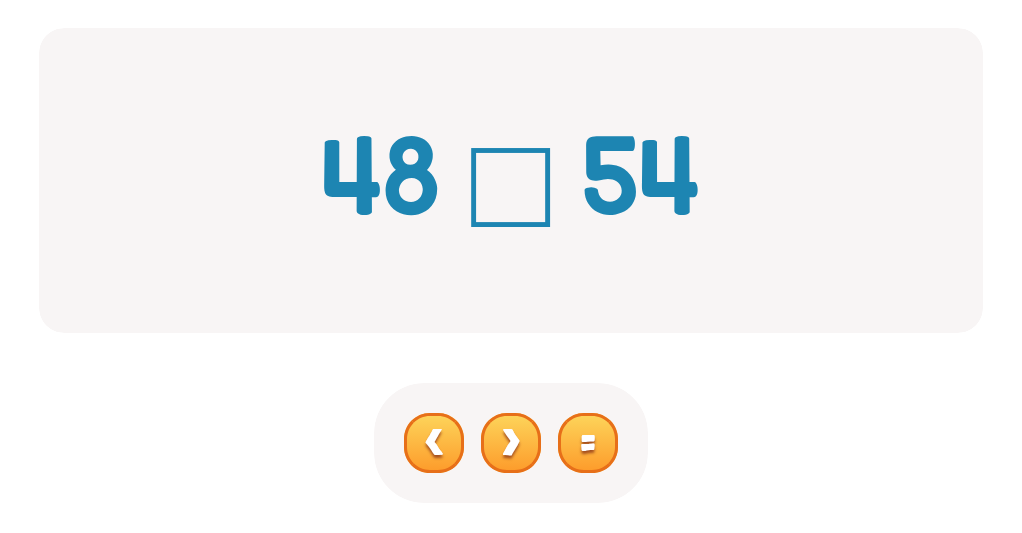
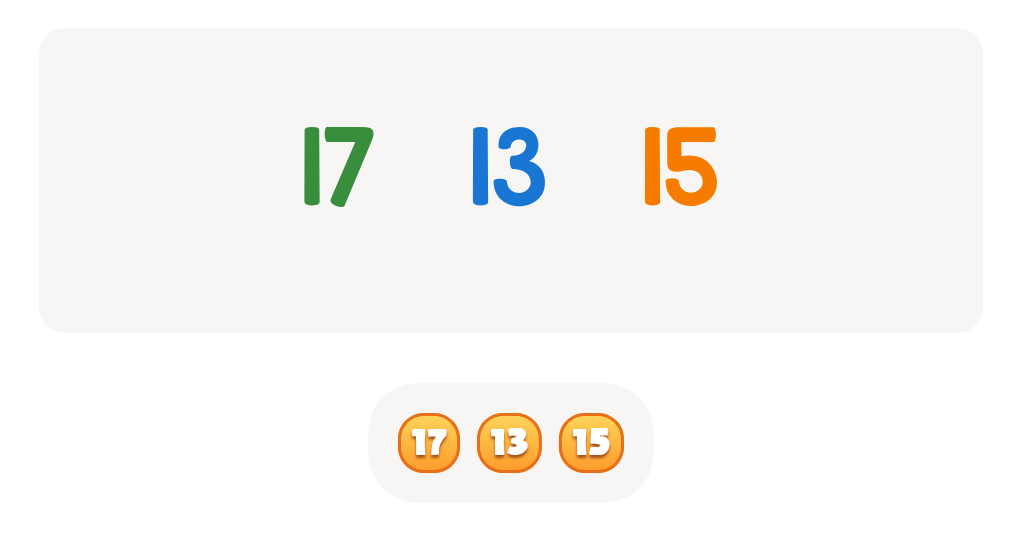
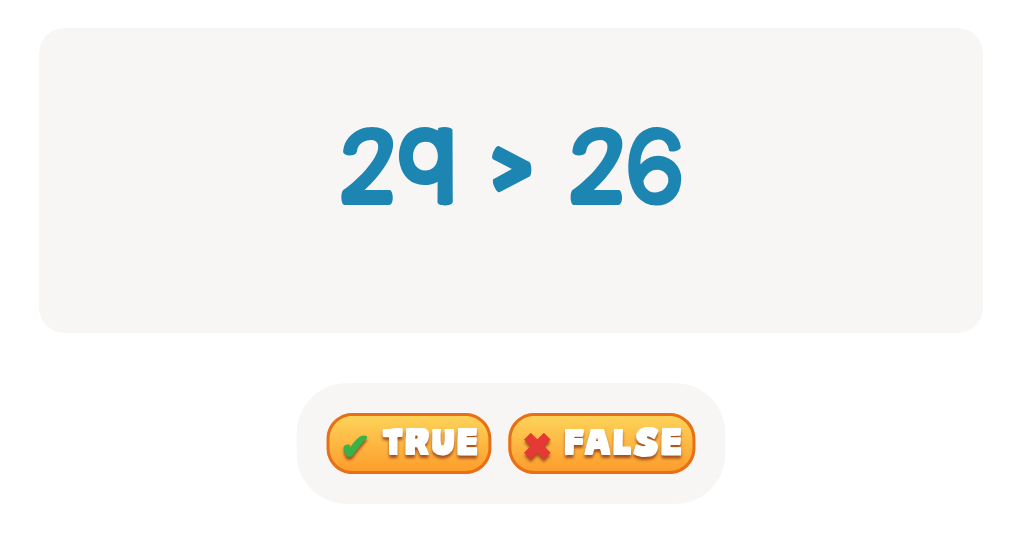
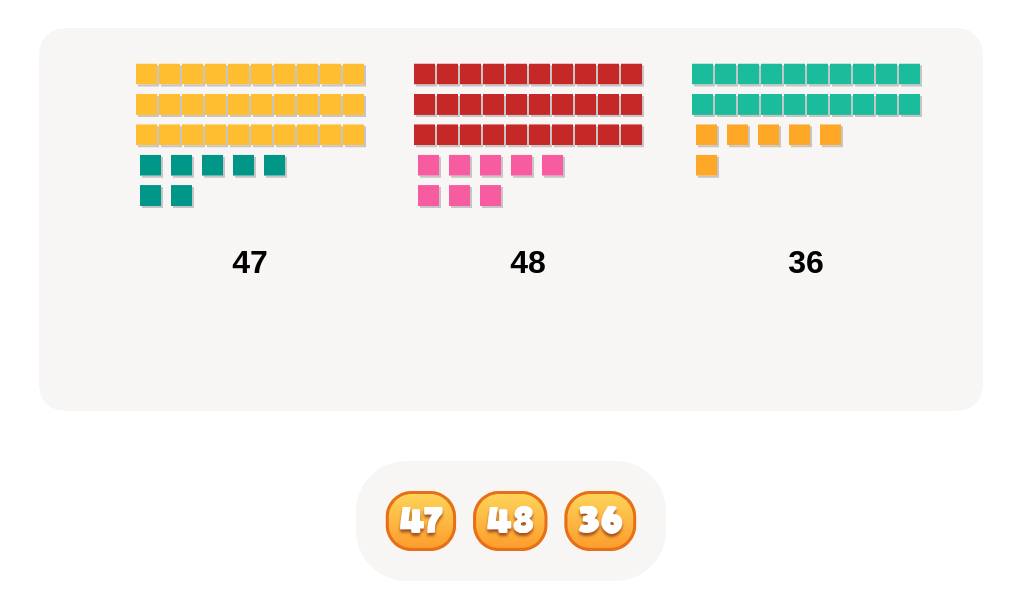
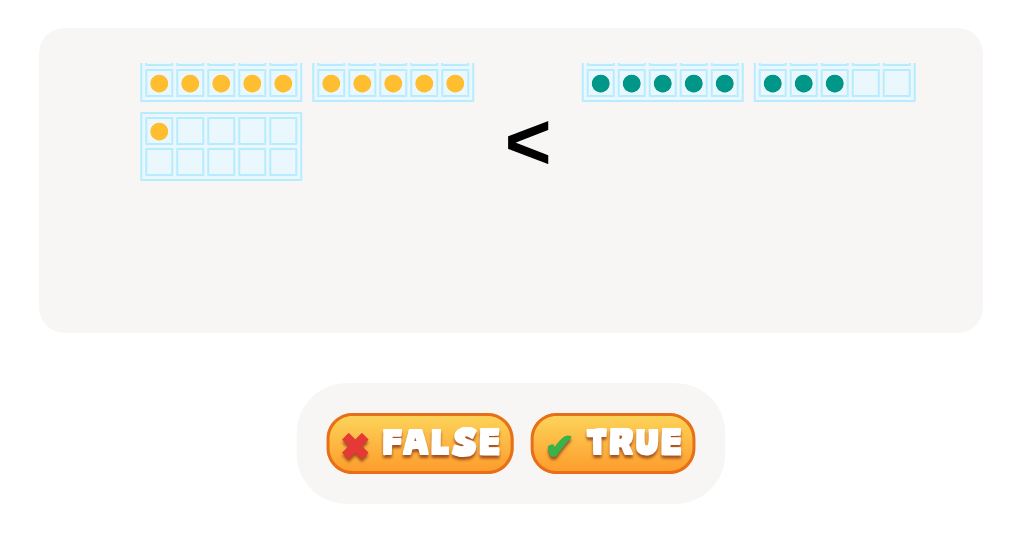
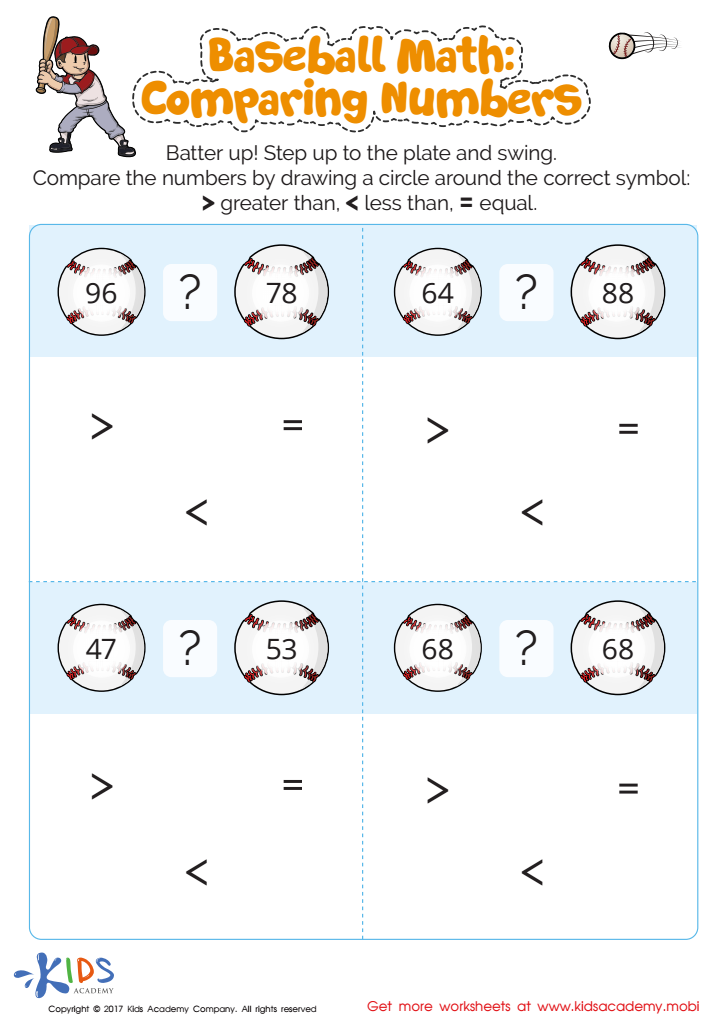
Compare Numbers Printable
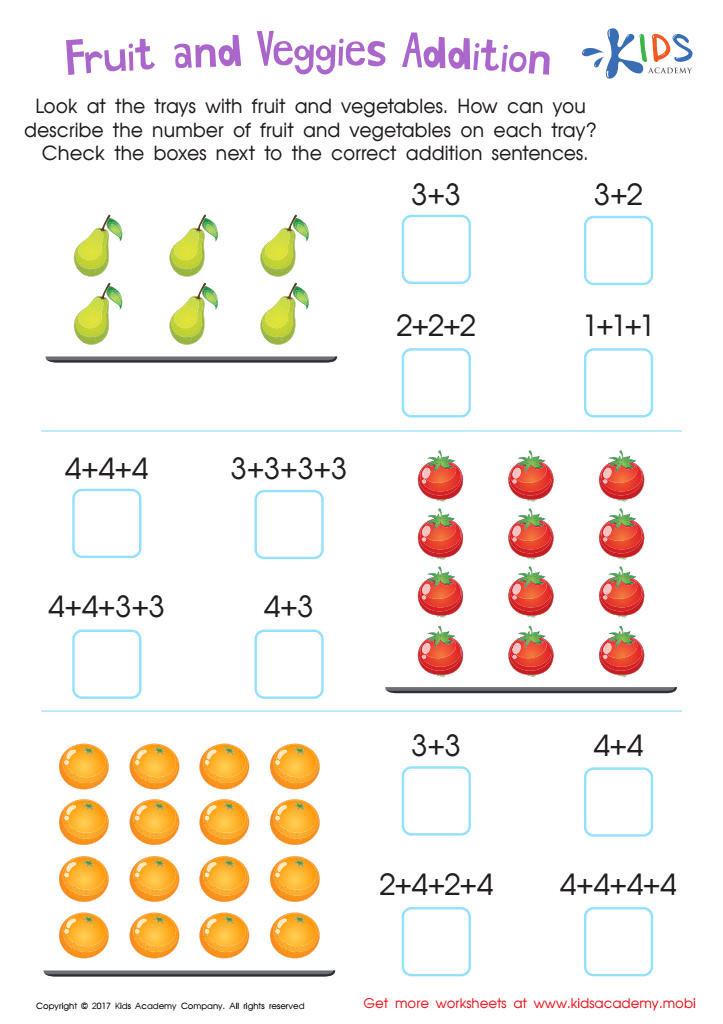
Fruit and Veggies Worksheet
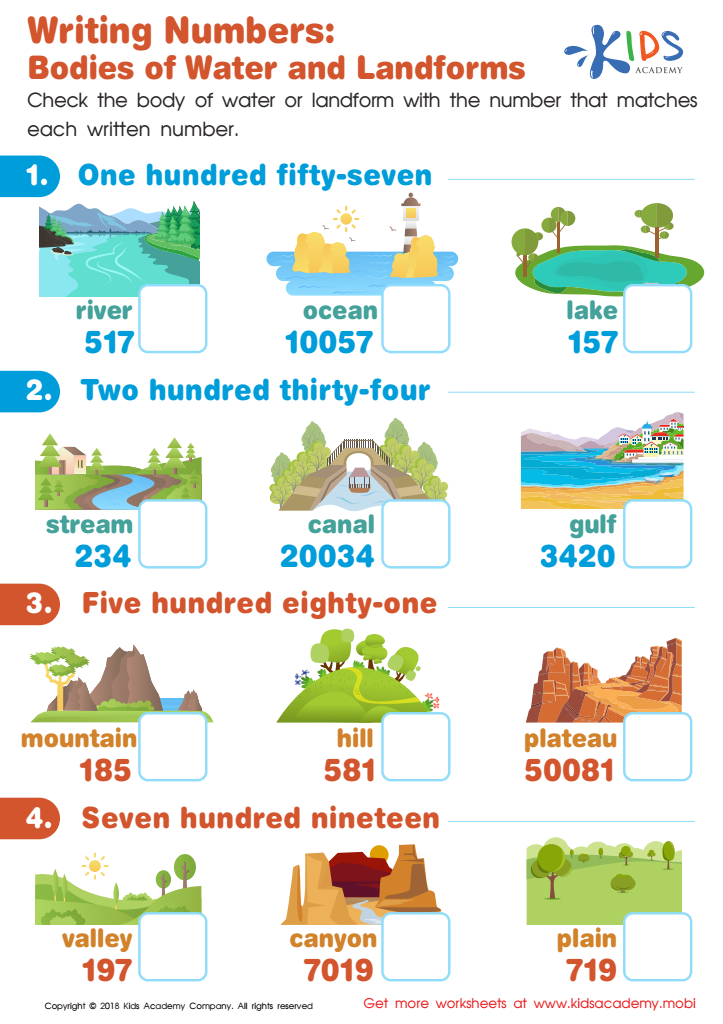
Bodies of Water and Landforms Writing Numbers Worksheet
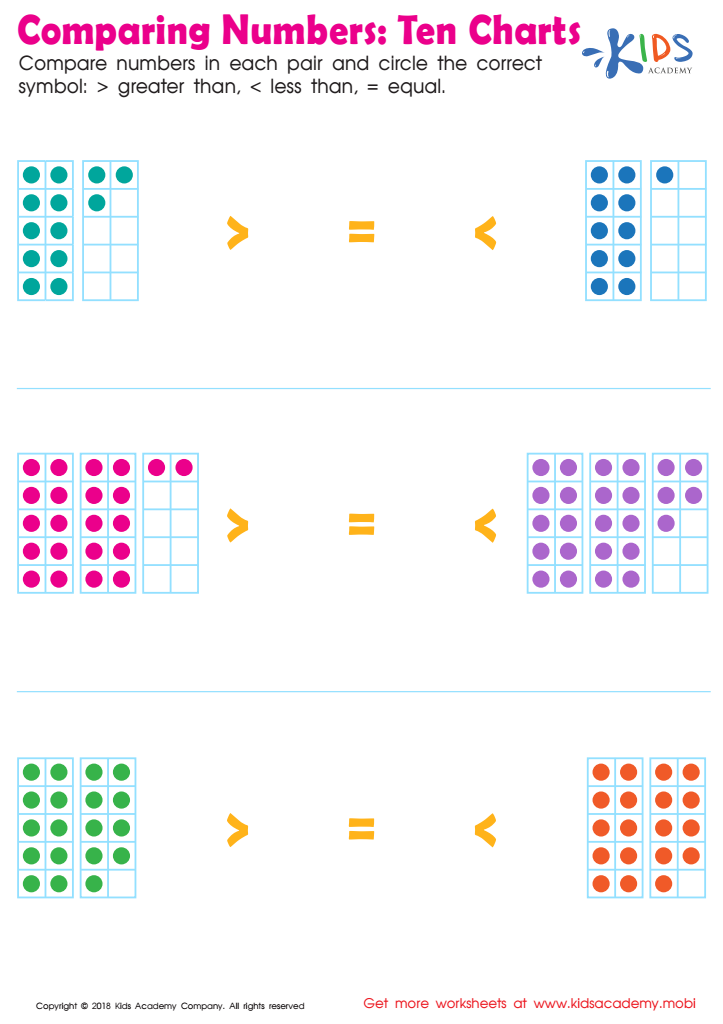
Ten Charts Worksheet
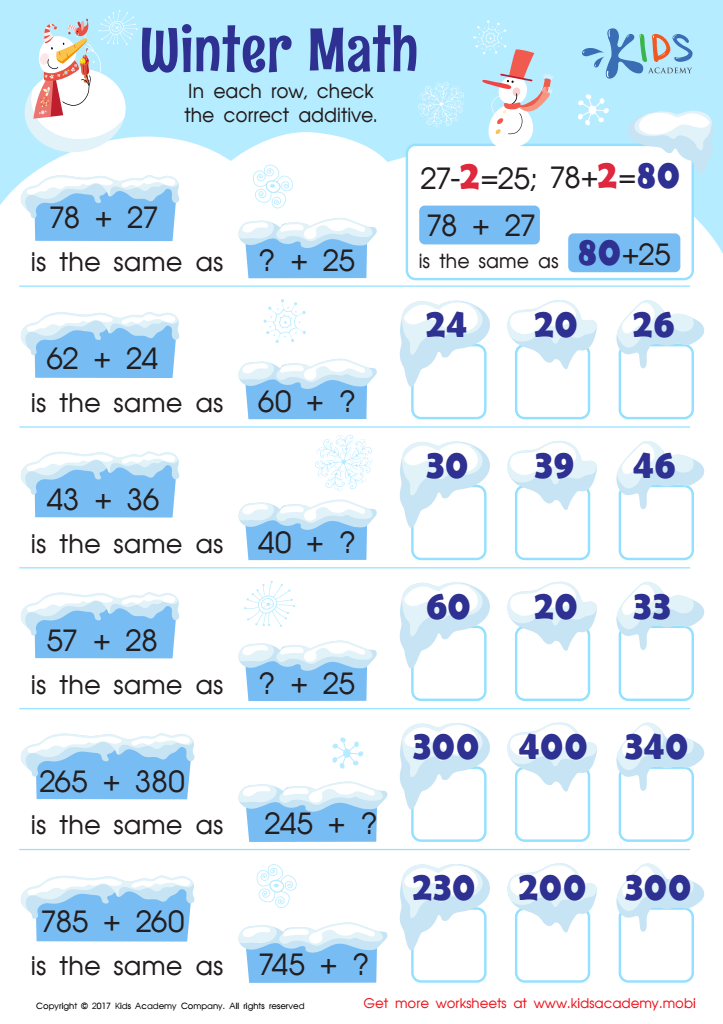
Free Addition Worksheet








Parents and teachers play a crucial role in fostering foundational math skills in children, and number recognition, particularly comparing numbers, is essential for ages 7-8. During these formative years, children begin to develop a deeper understanding of quantities and the relationships between them. Strong number recognition allows students to identify, read, and understand numbers, which sets the stage for more advanced mathematical concepts.
Recognizing numbers empowers children to compare quantities effectively, which is vital in everyday scenarios such as budgeting, measuring, and even in reading graphs or data. When children learn to compare numbers, they develop critical thinking and problem-solving skills. They gain confidence in their ability to tackle more complex calculations and mathematical concepts like addition, subtraction, and simple fractions.
Moreover, mastering number comparison enhances a child's ability to engage in classroom activities and discussions, fostering a positive learning environment. This foundation not only impacts academic performance but also equips children for real-life situations where numerical literacy is required. Thus, number recognition and comparing numbers are pivotal aspects of early education, making it essential for parents and teachers to prioritize these skills to ensure children achieve their full potential.