Analytical skills Math Worksheets for Ages 7-8
5 filtered results
-
From - To
Boost your child's problem-solving abilities with our Analytical Skills Math Worksheets for ages 7-8 at Kids Academy! Designed to challenge and engage young learners, these worksheets focus on enhancing critical thinking, logic, and reasoning. Perfect for building foundational math skills, each activity promotes better understanding of concepts like patterns, sequencing, and mathematical operations. Ideal for both classroom and home use, our printable worksheets provide a fun and effective way for kids to develop their analytical abilities while keeping math learning enjoyable. Help your child excel in math with these expertly crafted resources!
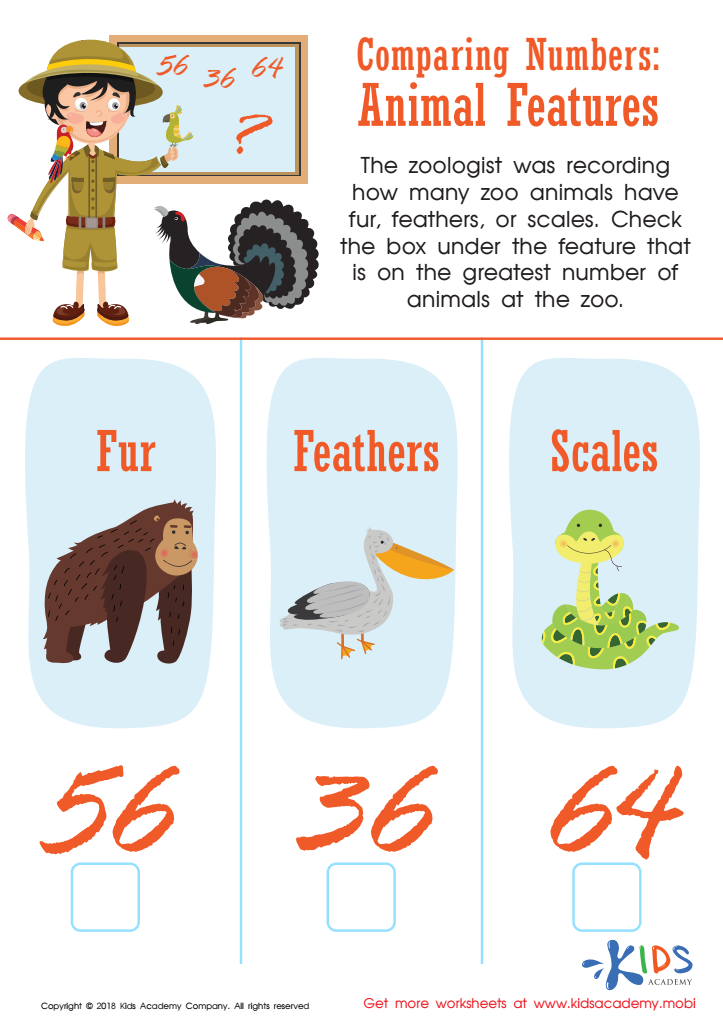
Animal Features Worksheet
 Assign to My Students
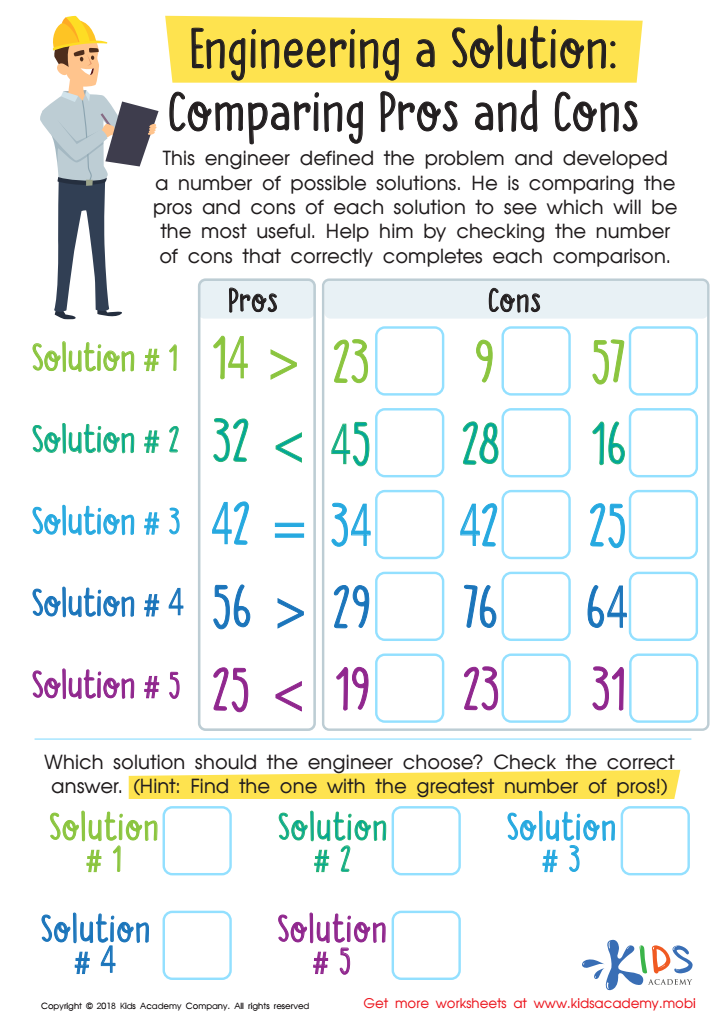
Engineering a Solution: Comparing Pros and Cons Worksheet
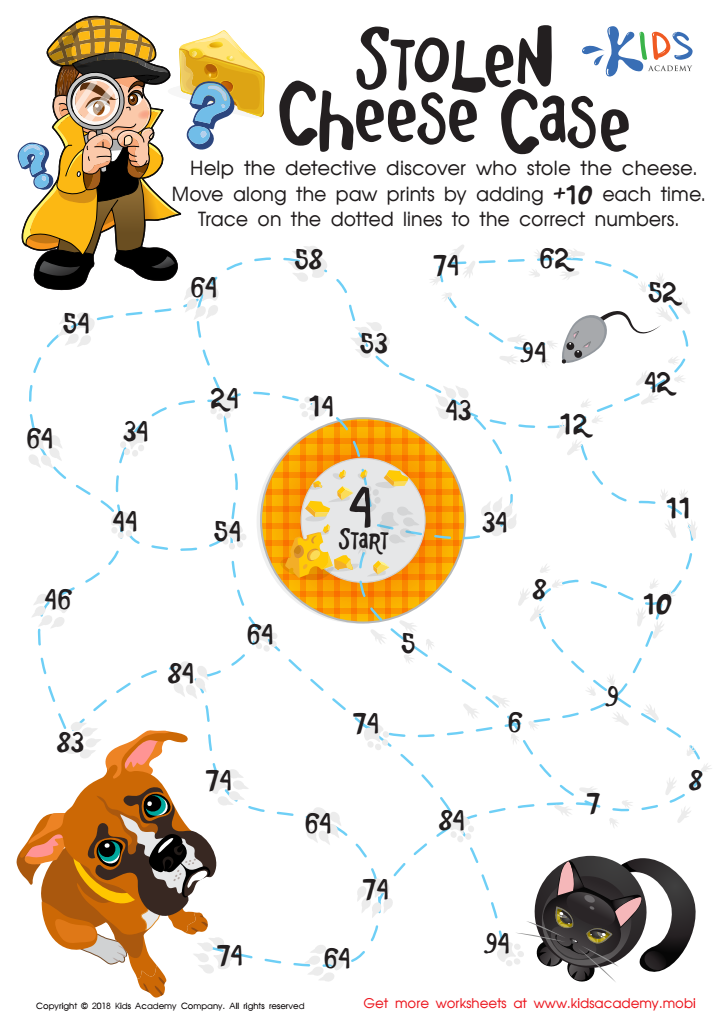
Stolen Cheese Case Maze Worksheet
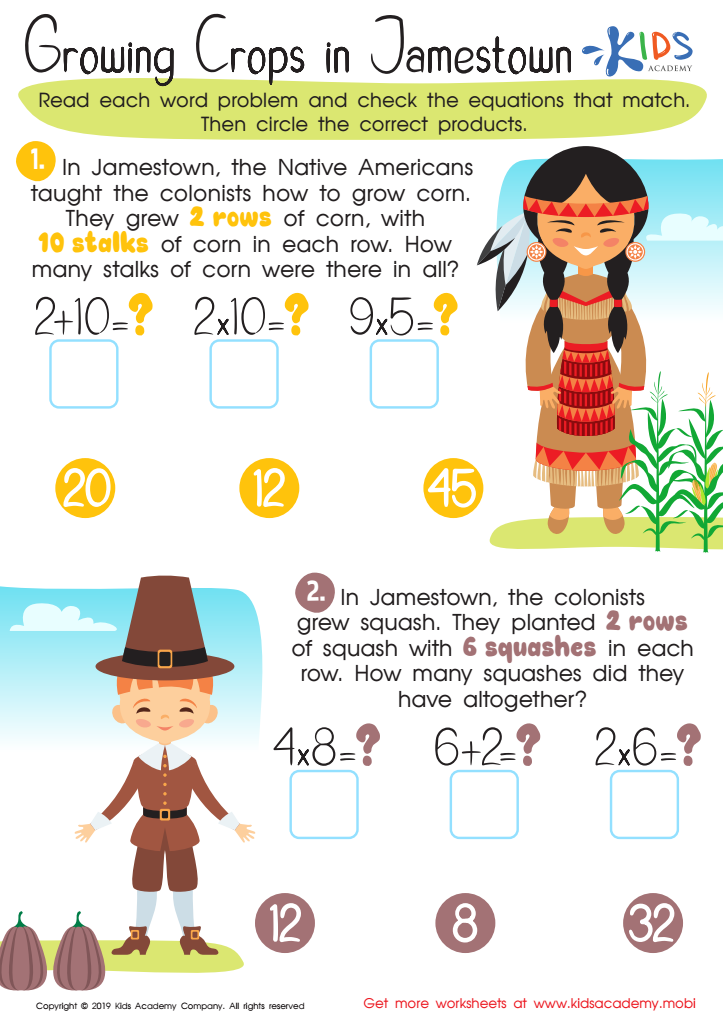
Growing Jamestown Worksheet
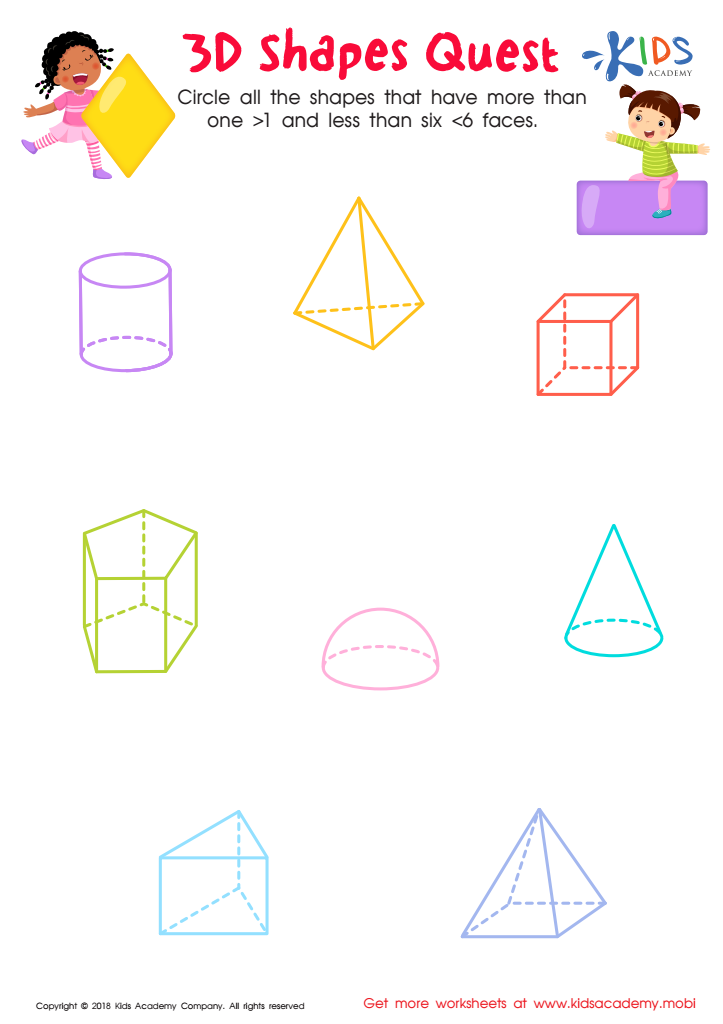
3D Shapes Quest Worksheet








Fostering analytical skills in math for children ages 7-8 is crucial for their foundational development and future success. Analytical skills enable children to approach problems methodically, breaking them down into manageable parts, and applying logic to find solutions. At this age, kids are transitioning from concrete to more abstract thinking, and effective math instruction can harness this developmental stage to bolster critical cognitive abilities.
For parents, supporting analytical math skills means investing in their child's long-term academic journey and everyday life capabilities. Strong analytical skills facilitate better performance across all subjects, not just math, by enhancing a child's ability to reason, interpret data, and develop sound arguments. Moreover, these skills are essential for understanding basic financial literacy and decision-making, ultimately contributing to responsible and independent adulthood.
Teachers play a pivotal role in shaping these skills through engaging, problem-solving activities and fostering a classroom environment that encourages strategic thinking and persistent effort. Educational strategies such as using manipulatives, posing open-ended questions, and integrating real-world scenarios can make math both fun and relevant.
In summary, prioritizing analytical skills in math for young learners doesn't just build a solid academic foundation; it cultivates a problem-solving mindset that equips children for future challenges, fostering resilience, and a lifelong love for learning.








